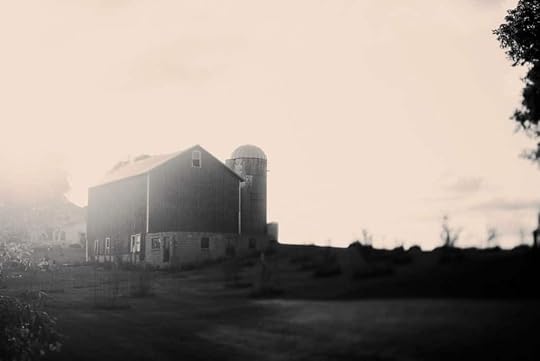
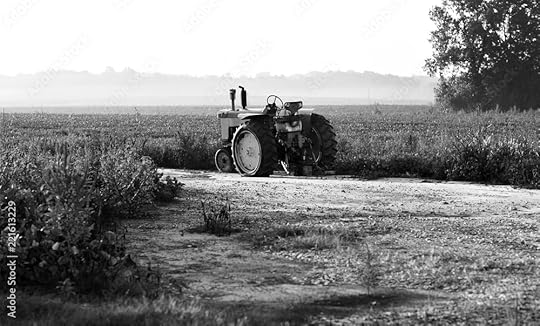
داستان «آوارگان» در اصل رمان کوتاهی بوده که در مجموعه «آدم خوب کم پیدا میشود» چاپ شده و در این کتاب به تنهایی ترجمه و چاپ شده است. علاوه بر متن داستان، کتاب شامل مقدمه احمد اخوت و سه مقاله در پایان رمان هم هست که دو تایشان نقد داستانند و یکی هم مقالهای به قلم خود اوکانر درباره طاووس، پرندهای که از شخصیتهای این داستان است.
Critics note novels Wise Blood (1952) and The Violent Bear It Away (1960) and short stories, collected in such works as A Good Man Is Hard to Find (1955), of American writer Mary Flannery O'Connor for their explorations of religious faith and a spare literary style.
The Georgia state college for women educated O’Connor, who then studied writing at the Iowa writers' workshop and wrote much of Wise Blood at the colony of artists at Yaddo in upstate New York. She lived most of her adult life on Andalusia, ancestral farm of her family outside Milledgeville, Georgia.
O’Connor wrote Everything That Rises Must Converge (1964). When she died at the age of 39 years, America lost one of its most gifted writers at the height of her powers.
Survivors published her essays were published in Mystery and Manners (1969). Her Complete Stories, published posthumously in 1972, won the national book award for that year. Survivors published her letters in The Habit of Being (1979). In 1988, the Library of America published Collected Works of Flannery O'Connor, the first so honored postwar writer.
People in an online poll in 2009 voted her Complete Stories as the best book to win the national book award in the six-decade history of the contest.
Why do I write so many reviews of O'Connor books? Because we are like two peas in a pod.
O'Connor, you see, was of the American Deep South, but had her coming of age on a Northeastern Ivy League campus.
I likewise had my adulthood dawn on me with a vengeance, in a "clean, well-lighted place" as Hemingway said - on a campus of enlightened reason.
Now, in our initial culture shock, we both seem to have put the upset down to stress. But our personal Daemons told us it was the TRUTH.
But when you are brought up to knuckle down to the nitty-gritty you try to get with the program, although all self-possession had guttered. We became a stunted mess.
Writing was key to closure for us both, in a new world of doublethink.
It's like taking a pair of scissors to a cardboard cylinder and flattening it to your purpose of making your life linear - as Isaiah says, straightening the circle of lazy Sloth.
For sloth is the name of the game here, in postwar Georgia. The oppressive heat makes it so. So these sharecroppers, hired hands and landowners are too uncomfortable to think their prejudices out and resolve them.
And prejudicial lazy thinking is common to all social strata.
So when a Displaced Person - a WWII refugee from the Communists now controlling Poland - enters upon this farm scene, the Fat goes into the Fire! This new ethnic mix drives them over the top.
As you may well imagine.
And Flannery turns her steely gaze fast upon each player here in this erupting Inferno...
The Displaced Person by Flannery O’Connor is an interesting short story describing themes that are significant today.
Post WWII Polish refugees, presumably Jewish, are relocated to Mrs McIntyre’s farm in the United States. The Guizac family are housed at the farm in return for their labour. However, the farm already had help in the form of Mrs Shortley and her passive husband. He is a farmhand, working the farm and dairy cattle, two Black men assist them.
Mr Guizac proves himself to be quite the worker, he’s also intelligent and useful – particularly good at fixing and operating machinery and before long he is showing up the Shortley’s and the other help considerably.
Mrs McIntyre, always on the lookout for efficiencies decides to pay the Guizac’s more money.
At the expense of what?
This book explores some interesting and disturbing themes such as xenophobia (Mrs Shortley stars in this regard), Christian hypocrisy, scarce compassion, judgement of others and ignorance. One could say there’s an epidemic of this in some parts of the world currently. We read about it every day in the news.
The question I have at the end of this story is – “Who really was the Displaced Person?”.
Post WWII. Mrs. McIntyre is the proud, very proud owner of a grand Southern American farm, but barely scraping by, with great hardships. The hired help, like Mr. and Mrs. Shortley, just doesn't help at all, and the place is slowly but inexorably going into ruin. It all changes when an opportunity arises to hire an extra hand, one Mr. Guizac, a displaced engineer from Poland, and by far the greatest employee she has ever had.
Ah, some people just can't interracial. Bigotry and racism galore in here, but in the best possible way. A very memorable and perfectly grim ending. It's sad really, you just don't bite the hand that helps you, or if you do, at least be stoic enough to face the consequences head held high. By far the longest story I've read by Flannery O'Connor, and the best; averaging 50p (when all others are between 10-20 pages) and feeling much closer to a short novella rather than a short story, but still great. This collection saved the best for last.
----------------------------------------------- PERSONAL NOTE: [1954] [48p] [Fiction] [4.5] [Recommendable] -----------------------------------------------
Después de GMII. La Sra. McIntyre es la orgullosa, muy orgullosa propietaria de una gran granja americana del sur, pero apenas sobreviviéndola con grandes dificultades. La ayuda contratada, como el Sr. y la Sra. Shortley, simplemente no ayudan para nada, y el lugar lenta pero inexorablemente arruinándose. Todo cambia cuando surge la oportunidad de contratar una mano extra, el Sr. Guizac, un ingeniero desplazado de Polonia, por lejos el mejor empleado que haya tenido jamás.
Ah, ciertas personas simplemente no pueden interracial. La intolerancia y racismo abundan acá, pero de la mejor manera posible. Un final muy memorable y perfectamente sombrío. Es triste la verdad, simplemente no muerdes la mano que te ayuda, o si lo haces, al menos sé lo suficientemente estoico como para enfrentar las consecuencias con la frente en alto. Por lejos la historia más larga que he leído de Flannery O'Connor, y la mejor; promediando las 50p (cuando todas las demás tienen entre 10 y 20 páginas) y sintiéndose mucho más cerca a una novela corta que a un cuento corto, pero aún así genial. Esta colección guardó lo mejor para el final.
----------------------------------------------- NOTA PERSONAL: [1954] [48p] [Ficción] [4.5] [Recomendable] -----------------------------------------------
قبل از اینکه اقدام به نوشتنِ چیزی در مورد آوارگانِ اوکانر کنم فکر میکردم امکان دارد یکی از بهترین نوشتههایم را امروز بنویسم. در مورد آوارگان. اما حالا اینطور فکر نمیکنم. آوارگان، آخرین کتابیست که امسال خواندم. آخرین کتابِ ۲۰۲۴. تحت تاثیر قرار گرفتم. درونم متلاطم شد. نه آنقدر که بخواهم با نازنین مقایسهاش کنم اما واقعا از خیلی کتابهای دیگر دوستترش داشتم. شاید دلیل دوست داشتنِ این کتاب کوچک، این رمانِ کوتاه خانم شورتلی بود، نمیدانم. فکر میکنم چرا قبلاً اسم فلنری را نشنیده بودم؟ چرا به آن پررنگی که باید در دنیای ادبیات نیست؟ در مقالهی از جیمز کاکس که در مورد فلنری اوکانر و آوارگان نوشته بود و آقای اخوت در اخیر کتاب به اضافه چند مقاله و مصاحبه دیگر قرار داده بود خواندم که فلنری زنی بوده کاتولیک و کاتولیکِ متدین. فکر میکنم جالب باشد که داستانی از نویسندهی متدین بخوانی و درحالیکه خودش در هر کلمه کتاب وجود داشت، عقایدش رنگ روشنی در آوارگان نداشتند. دلم میخواهد هر آنچه را که در آوارگان احساس کردم، هرآنچه را که دیدم بنویسم اما فکر میکنم نمیتوانم. بههرحال فلنری با این کتاب حضور برجستهای در میان من و دنیای ادبیاتم به جا گذاشت. زنی که در سن سی و نه سالگی بر اثر بیماریِ کشندهای که پدرش را در سن چهل سالگی از پای در آورد، درگذشت. آوارگان ضربههای کوتاه و کوچک اما زیادی بر من زد. اولین ضربه را زمانی احساس کردم که خانم شورتلی پی به آوارگی خودش بُرد و چشمانش چرخیدند و به هم نزدیک شدند و پایین رفتند و خانم شورتلی مُرد. دومین ضربه زمانی بود که آقای شورتلی به خانم مک اینتایر اینطور اعتراف کرد که زنش فرشتهی خدا بوده که او بهترین زن روی زمین بود. سومین ضربه را هم خانم مک اینتایر به من زد. ضربهای که وقوعش را پیشبینی نکرده بودم. زمانی که مک اینتایر روی تختش دراز کشیده، دستش را روی قلبش گذاشته و شبیه یک کودک هقهق گریه سر داد. آنجا شاید بدترین ضربهای بود که از آوارگان و اوکانر خوردم. احساس میکردم همهچیز تمام شده است. دیگر همین منم و خانم مک اینتایری که پی برده آواره واقعی اوست. آوارهی واقعی. اینکه مرگ تصادفی و در حینحال پیشبینی شدهی آقای گوئیزاک چقدر ضربه عمیق و مبهمی بود بماند برای بعد. آوارگان اولین کتابی است که از فلنری خواندم. و فکر میکنم بهترین کتابی بود برای شروعِ داستانهای کوتاه و بلندی که اوکانر در این عمر کوتاه و پر برکت خود نوشته بود. دوست دارم از فلنری بیشتر و بیشتر بخوانم و بیشتر پی به آواره بودن خود و خودهای پیرامونم ببرم.
A disturbing fictional reminder of the long standing tradition of ethnic prejudice deeply rooted in the culture of rural America. Strong writing. Sad ending. One of her bests. For adults.
Phenomenal. If I could blank out the n- words, I'd love to teach it in class. Flannery O'Connor does a fantastic job designing horrific main characters and villains.
Spoiler alert: I may disclose much of the plot, maybe including the end. I am not sure what I will write, but you may choose to avoid reading it.
Because I love them so much, I chose to write about (almost) each and every one of the stories of Flannery O’Connor, even if this will create a situation where it seems I rate the same book twice, but in a different format or edition.
I have read about six short stories and I am thrilled by Flannery O’Connor. A bit envious, because I wish I could write that way. If we are to listen to Malcolm Gladwell, he says that 3 hours of practice a day will make you a wonderful writer, singer, athlete, etc. there is more on that in Outliers.
Coming back to The Displaced Person:
From the very beginning, there is an impressive team of protagonists: "The peacock was following Mrs. Shortley up the road to the hill where she meant to stand. Moving one behind the other they looked like a complete procession.”
What an introduction into this great story! The setting is unexceptional, but the writing is anything but. On this farm, Mrs. McIntyre is the owner and there are a couple of Negroes working, together with Mrs. Shortley and her husband. The arrival of a family from Poland is changing the old ways
Their names seem strange to the two women- Mrs. McIntyre and Mrs. Shortley: “names that one would call a bug…” When she came to meet the displaced people, Mrs. Shortley looked like a buzzard to them ... “They ain't eye-talians they're poles”
There is a bit of a humorous dialogue, when the term Displaced Person is explained to the Negroes: “a person who has no place, is not where it ought to be…they here…they somewhere”…something along these lines.
For some reason, images of the concentration camps, with piles of dead bodies came to her mind and she feared that what others did to these Europeans, they may feel like doing to the people on the farm. There is an aggravated conflict, caused by the fact the polish gentleman, Mr. Guizac works very hard, is very efficient and knows all about machines, even the diary and carpentering.
In the first place, Mrs. McIntyre is overjoyed and decides to lay off the “useless extras on her land” even if she said that, her good came from the devil. I thought she meant the Germans, with their genocide and the resultant famine determined these poor people to emigrate.
There is a priest, who is enthusiastic about the remaining male peacock at the farm. He is trying to bring the landlady into his church, the religious theme being ever present in the short stories of Flannery O’Connor- herself a stout believer.
In a discussion with the priest Mrs. McIntyre tells him that she is very happy with the tremendous improvement brought in by Mr. Guizac with all his skills and manner of working, which made the other workers dislike him- he completed tasks in a fraction of the time the others used to take.
Mrs. Shortley was listening in the conversation, after which she calls her husband, they pack all their belongings- mattresses, dog, cats and all and they leave before getting fired.
Then there’s a strange twist in the tale. Mr. Guizac is giving a photo to the younger Negro on the farm, even if he had caught him stealing a turkey and had brought him to the landlady. When asked by Mrs. McIntyre about the picture, the man says that this is the cousin of Mr. Guizac from “Pole „that is going to marry him.
That was too much for the landlady and from here everything is going precipitously downhill. All hell breaks loose with a death in the end. I will end without disclosing everything…there’s fat chance someone reads this and wants to go to the fabulous story itself. One more note: at one point Christ is compared to a DP- Displaced Person.
After the end of World War II, a southern farm owner who has black and white workers decides to add a "displaced person" to her work force. This Pole was a hard worker, making improvements on the farm. However, everyone else is uneasy about this foreigner in their midst. His energy and skill makes everyone else worry about their jobs.
When the Pole asks one of the black men to marry his cousin in order for her to get out of the refugee camp, the white owner goes berserk. Now everyone wants the displaced person and his family to leave. But how and when to tell him?
I was taken aback by the profound use of racial slurs but the language was quite beautiful. It was interesting to compare the work to Joseph Campbell, Aristotle, and the Minotaur story and provide some more nuance.
داستان کتاب ماجرای ورود یک خانواده مهاجر لهستانی به مزرعه خانم مکاینتایر در جورجیاست. باقی کارکنان مزرعه از حضور تازهواردها، که عجیب خوب و زیاد کار میکنند، راضی نیستند و چشم دیدن آنها را ندارند. باقی داستان شرح در مشکل آدمها با هم است و کمکم دامنه آن گسترده میشود تا دامن صاحب مزرعه را هم میگیرد و همه را به سمت پایان تراژیک داستان پیش میبرد. اوکانر نویسندهای جنوبی بود و، چنان که از کلیشه این صفت در ذهن تداعی میشود، داستانهایی داشت با آدمهای زمیندار و کشاورز، مزرعههای دراندشت، کارگرهای سیاهپوست مفلوک، زارعین خرفت و گاو و گوسفند و ذرت و گندم، و البته کشیش. شاید بتوان گفت که داستان «آوارگان»، از نظر فضای داستانی، بیش از همه به داستان «موشها و آدمها» نزدیک است، و شخصیتهای بدبینی دارد که در بدبختی خود دسیسه کشف میکنند و، به قول منتقد مقاله دوم کتاب، از کتاب مقدس نقل قول میکنند بی آن که آن را خوانده باشند. اما بر خلاف آن چه که مترجم، و متنهای اطراف داستان، سعی دارند القا کنند، «آوارگان» چندان هم عالی و بینقص نیست. در واقع، به نظر من تغییر رفتار و شخصیت خانم مکاینتایر دفعی و بیتوجیه انجام شده است و چندان قابل باور نیست. به علاوه، جای داستانهای فرعی بسیار خالی است. محیط اجرای داستان و شخصیتهای آن امکان تولید ماجراهای زیادی دارد، ولی از این امکان استفادهای نشده است و نتیجه این است که ماجرا «لاغر» و ضعیف به نظر میرسد. ظاهرا اوکانر داستان را ابتدا تا جایی نوشته بوده که خانم شورتلی، که عملا شخصیت اصلی داستان است، میمیرد. اما بعد متوجه میشود که داستان تا اینجا ناکافی است و تصمیم میگیرد ادامه دهد. این میشود که روی آنچه تا آن موقع نوشته بوده اسم «فصل یک» میگذارد و دو فصل هم بعد از آن اضافه میکند. اما دو بخش درست به هم متصل نمیشوند و از تغییر شخصیت اصلی داستان هم که بگذریم، برخورد داستاننویس هم در دو قسمت تفاوت میکند. «آوارگان» یک داستان خوب است، ولی فقط یک داستان «خوب» است، نه بیشتر. از بین متنهای قبل و بعد از داستان هم، دو نقدی که در انتها آمدهاند (با وجود این که نویسندههایشان خارجی است!) چندان خوب نیستند و چیز زیادی به درک خواننده اضافه نمیکنند. اما مقدمه اخوت در آشنا کردن خواننده با اوکانر نسبتا موفق است، و مقاله «سلطان پرندگان» نوشته خود فلنری اوکانر هم، که درباره طاووسهاست، گرچه ربطی به داستان ندارد، اما مقاله جالبی است که هم با شیوهای روایی نوشته شده و هم میتواند به درک ساختار ذهنی اوکانر در مواجهه با دنیای اطرافش کمک کند.
Definitely the most complex of the short stories I’ve read so far, with the Wise Blood stories not far behind.
It involves the tale of foreigners coming into another’s land, and trying to change the landscape with a bad heart, and ideals of their own. As a fellow Pole, I can see why people hated us. He tried to sell his cousin of 16 into marriage with a farmhand Negro. A despicable act that was the gothic part of this tale, and was what really set Mrs. Mcintyre against Mr. Guizac, the Pole. Jesus was most likely a D.P (displaced person), just as Mrs. McIntyre believed as well, and honestly makes you question Christianity itsel; just as Flannery does in a lot of her work.
“”Well, if you behave yourself it isn’t any reason you can’t stay here,” Mr. Shortley said kindly. “Because you didn’t run away from nowhere. Your granddaddy was bought. He didn’t have a thing to do with coming. It’s the people that run away from where they come from that I ain’t got any use for.””
From “A Good Man is Hard to Find” to “The Live you save may be your own”, there is loads to get from her point of writing. Such as “Gone with the Wind”, you get a sense of people having, or wanting to, change their ways in terms of “progress”. Quicker, more efficient work, versus the way things are. The Shortleys may not have been the best of help, but they were good, honest people nonetheless. Mrs. McIntyre couldn’t finish the job of firing the Pole, so Mr. Shortley tried to save the day. “Revenge is mine, saith the Lord”. Up until the last 2 pages, and the aftermath of the tractor scandal, I naively believed the negroes, Mr. Shortley, and Mrs. McIntrye were going to live happily ever after, and just account the death of the Pole as just an accident. But as this is Flannery O’Connor, happy endings are not meant to be.
We strive to do good, only for everything to fall into shambles if we don’t appreciate what we have until it’s gone.
“”And then you can’t always tell because about half of them know the English language. That’s where we make our mistake,” he said, “—letting all them people onto English. There’d be a heap less trouble if everybody only knew his own language. My wife said knowing two languages was like having eyes in the back of your head. You couldn’t put nothing over on her.””
This entire review has been hidden because of spoilers.
When Mrs. McIntyre was young she married a rich old man from whom she hoped to inherit in just a few years, but much to her chagrin, he lived a good while longer. When he finally died all she got was a heavily mortgaged farm on which all the timber had been harvested. But Mrs. McIntyre was no quitter, and with the help of a series of managers who were…well let’s just say they worked just hard enough for her to eke out a meager living.
Mr. and Mrs. Shortley were the current edition. Mr. Shortley was the small weasley type, but he did his job in the mornings and operated his still that was hidden away in the woods in the afternoons.
The local priest persuaded Mrs McIntyre to hire a ‘displaced’ person, a Polish refugee from WWII. He came equipped with a wife and two children—a boy who spoke some English and daughter. Their name was Guizac but neither Mrs McIntyre not the Shortleys could make it out so they referred to them as the gobblehooks.
The Guizacs felt they were very fortunate to have escaped Poland and made to America. And in return Mr Guizac worked hard and well.
Mrs. Shortley was suspicious of them Europeans and their ways—infected with fleas, typhoid, murderous ways, and Lord knows what else. Mr. Shortley was…weasley and grew more and more resentful as Guziac’s worked outshined his. Eventually…perhaps it would be better if you read the story for yourself and enjoy Flannery O’Connor’s delightful prose. She is a five-star author as is this 40-page story.
Flannery O'Connor writes some strange stories, but I am completely fascinated by them and like trying to figure them out. "The Displaced Person" demonstrates the distrust and disdain that people feel towards immigrants and Catholics, especially Protestant Americans of the post-WWII era and their feelings toward those people. It's an interesting story, and just as harsh, violent, and stereotyped as any of her others, but it's worth the read.
A very fascinating character study. The way O’Connor was able to succinctly weave together all the eccentric characters into a compelling and tragic story was impressive. The best part about this story was the rich symbolism and representation. There were times when her writing was dense and slow, and other times incredibly pacy, rushing through very touching and cathartic moments. The Peacock was my favorite character. The end.
This was very well-written, but not very likeable when all was said and done. I kept hoping that the situation within the story would improve, but that was in vain. I didn't like that ending at all!
even after reading it, im really not sure of what to make of this book. The themes of racial prejudice set in the american south just seems like such a classic setting, with a twist in the protagonists I'm not sure I've read. 4 stars
i hesitate to praise a bigoted book that was written by a bigoted and racist author but here we are. very good book for a literary history and analysis class, very good prose and that story was very interesting.
The ending was so disturbing and painful. This story left a strong impression on me the first time I read it several years ago. Two days after reading it again and I'm still thinking about it.
Summary: A farm owner named Mrs. McIntyre hires a Polish refugee, and this decision soon causes some tensions on the farm. The story deals with issues like racial prejudice and entitlement.