This title is based on the true story of Charles Sainte-Beuve, his lover Adele and her husband, Victor Hugo. When Charles Saint-Beuve, a French literary journalist met Victor Hugo, an ambitious young writer who intended to become famous, he was swept into a world of grand emotions, a world where words can become swords. But it is not Victor he is really attracted to - it is his wife Adele. Soon the two lovers are on the edge of a great scandale and a wounded Victor must exact his price for betrayal, a price that will change the lives of many, including his own children. As Saint-Beuve - a man like no other man - struggles to hold on to what is left of his great love, he finds that only words can rekindle the flame. Set during the tumultuous reign of Napoleon III, this mesmerising novel draws a rich portrait of old Paris, where duels were fought and cholera-ridden bodies float in the Seine. Towering over all is the genius of Victor Hugo, already the voice of France, eventually banished to the island of Guernsey for his opposition to the regime. In contrast come the quieter voices of two women destroyed by Hugo's ferocious literary ambition as well as the unique, acerbic and heart-breaking voice of the critic and essayist, Saint-Beuve, first Hugo's friend and then his unlikely competitor in love. An atmospheric story of delicacy and emotion, of the experience of professional jealousy and personal passion, "The Reinvention of Love" is an outstanding piece of fiction writing, in part about writing itself.
Helen Humphreys is the author of five books of poetry, eleven novels, and three works of non-fiction. She was born in Kingston-on-Thames, England, and now lives in Kingston, Ontario, Canada.
Her first novel, Leaving Earth (1997), won the 1998 City of Toronto Book Award and was a New York Times Notable Book of the Year. Her second novel, Afterimage (2000), won the 2000 Rogers Writers' Trust Fiction Prize, was nominated for the Commonwealth Writers' Prize, and was a New York Times Notable Book of the Year. Her third novel, The Lost Garden (2002), was a 2003 Canada Reads selection, a national bestseller, and was also a New York Times Notable Book of the Year. Wild Dogs (2004) won the 2005 Lambda Prize for fiction, has been optioned for film, and was produced as a stage play at CanStage in Toronto in the fall of 2008. Coventry (2008) was a #1 national bestseller, was chosen as one of the top 100 books of the year by the Globe & Mail, and was chosen one of the top ten books of the year by both the Ottawa Citizen and NOW Magazine.
Humphreys's work of creative non-fiction, The Frozen Thames (2007), was a #1 national bestseller. Her collections of poetry include Gods and Other Mortals (1986); Nuns Looking Anxious, Listening to Radios (1990); and, The Perils of Geography (1995). Her latest collection, Anthem (1999), won the 2000 Canadian Authors Association Award for Poetry.
Helen Humphreys's fiction is published in Canada by HarperCollins, and in the U.S. by W.W. Norton. The Frozen Thames was published by McClelland & Stewart in Canada, and by Bantam in the U.S. Her work has been translated into many languages.
Questa è una storia d’amore, di quelle importanti, di quelle eterne, di amore profondo, quello che batte il tempo (ma poi, il tempo purtroppo vince sempre): l’amore tra Charles Sainte-Beuve (sì, proprio lui, quello che spinse Marcel Proust a scrivere Contre Sainte-Beuve) e Adèle Foucher Hugo, la moglie di Victor Hugo, madre di quell’altra Adèle, la “pazza d’amore” che ispirò lo splendido film di François Truffaut.
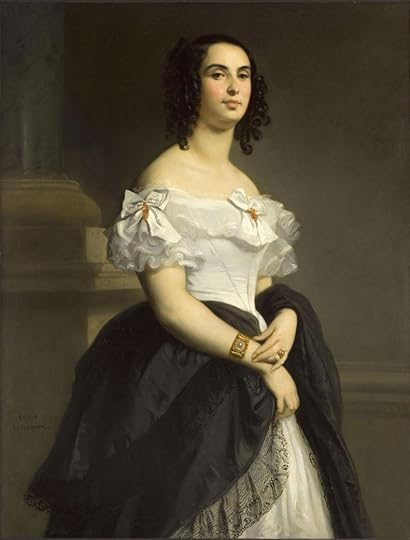
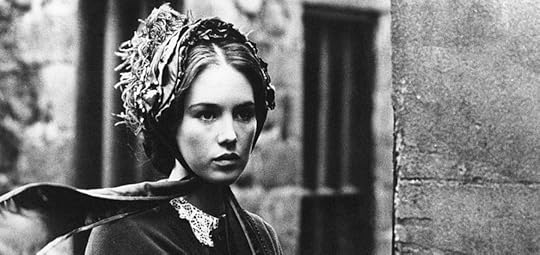
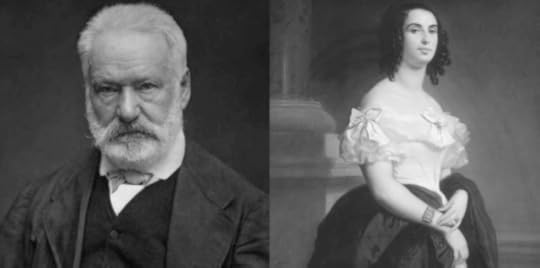
Louis Boulanger: Ritratto di Adèle Foucher Hugo da giovane.
Un amore che sembra un intreccio di fatalità. Adèle e Victor sono compagni di gioco sin da piccoli, amici di famiglia, lui ha solo un anno e mezzo più di lei. Si sposano presto, lei diciannovenne. Sembra un amore predestinato. Solo che durante la cerimonia succede che il fratello maggiore di Victor, Eugène, maggiore di un anno e mezzo, urla per fermare il matrimonio dichiarando d’essere innamorato della sposa. Finirà i suoi giorni in un manicomio.
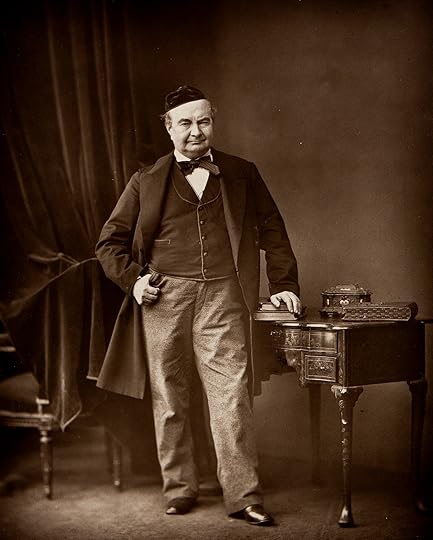
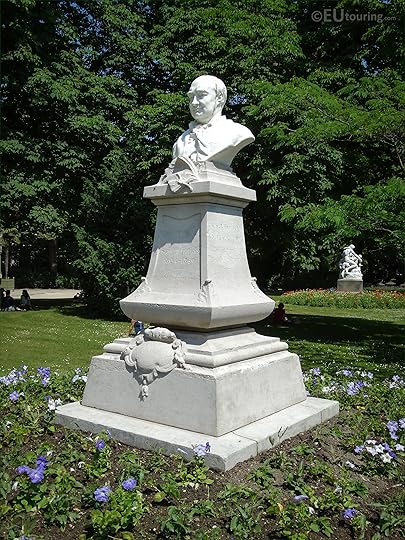
Charles Augustin de Sainte-Beuve (Boulogne-sur-Mer, 23 dicembre 1804 – Parigi, 13 ottobre 1869).
Proprio come succede alla giovane Adèle, la figlia minore di Hugo, Dédé, nata poco prima che scoppiasse l’amore tra sua moglie Adèle e Charles Sainte-Beuve: al punto che Victor, vero padre, nella sua megalomania senza confini considerò la figlia Adèle come figlia della colpa, come se fosse figlia dell’amante traditore, quel Charles Sainte-Beuve che fino ad allora era stato il suo miglior amico. E Adèle crebbe in assenza dell’amore del padre, e viene da credere che ne abbia risentito. Come forse risentì della follia di suo zio Eugène, e anche lei dedicò la sua vita a un amore che esisteva solo nel suo cuore: in quanto il soggetto del suo amore, un soldato inglese di nome Albert Pinson, rifiutava di sentirsi sentimentalmente coinvolto con lei, la respingeva, la sbeffeggiava, la teneva a distanza. Ciò nonostante lei lo seguì a Halifax in Canada dove si nascose sotto falso nome per non essere riconosciuta come la figlia del celebre poeta scrittore e commediografo Victor Hugo. E più avanti inventandosi un nome e un travestimento maschile. Adèle “Dédé” Hugo finì la sua vita, proprio come lo zio, in un manicomio: dove trascorse i suoi ultimi quarant’anni di vita.
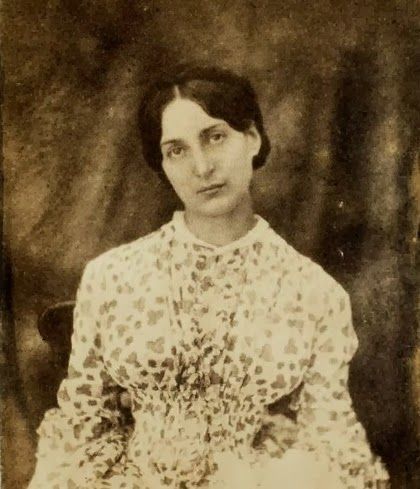
Adèle Foucher Hugo agée (Parigi, 27 settembre 1803 – Bruxelles, 27 agosto 1868).
Adèle Foucher Hugo, nata nel 1803, un anno prima del suo futuro grande amore, muore un anno prima di lui, lei nel 1868, Sainte-Beuve l’anno dopo. E dunque, entrambi poco prima di compere il sessantacinquesimo anno di vita. La loro storia d’amore dura solo qualche anno. Ed essendo una storia clandestina non fu semplice: Ma se mettessi insieme tutte le ore che abbiamo trascorso insieme potrebbero non arrivare nemmeno a una giornata intera. Entrambi passeranno i decenni dopo la rottura, a ricordarsi l’un l’altra, a rimpiangere, a tenere vivo l’amore: E improvvisamente mi rendo conto che ha ragione. Non importa. Ci siamo amati. È la più semplice delle verità e non è legata al tempo. Il tempo non avrebbe aumentato l’intensità dei miei sentimenti.
Adèle Hugo detta Dédé (Parigi, 24 agosto 1830 – Suresnes, 21 aprile 1915).
Avrebbero forse potuto proseguire la loro relazione segreta se Charles non l’avesse confessata, se Victor non l’avesse scoperta. Dopo di che, fu impossibile proseguire, il senso del dovere matrimoniale, la fedeltà ai suoi quattro figli, portò Adèle ad abbandonare Charles. D’altra parte, Victor Hugo, un fuoco che si alimenta bruciando chiunque gli stia accanto, si era perfino inventato un albero genealogico personale che gli accrescesse il prestigio, arrivando a coniare un motto di famiglia in realtà mai esistito. Motto che credo illustri il personaggio più di qualsiasi altra descrizione: Ego Hugo.
Victor Hugo con la moglie Adèle e la figlia ultimogenita Adèle.
L’avvincente appassionante vicenda che Helen Humphreys racconta, è tutta basata su fonti autentiche che la spingono a dichiarare: Con poche eccezioni gli avvenimenti del mio romanzo ricalcano quelli realmente accaduti. Laddove possibile ho utilizzato le parole di Sainte-Beuve e Adèle. E dunque, la verità, soltanto la verità? È molto brava Helen Humphreys a dare una voce diversa ai suoi tre personaggi: Charles, il più loquace, Adèle, e sua figlia Dédé: Charles ha voce più bassa, Adèle più lucida, quella di Dédé mette i brividi, fa tremare le vene e i polsi. Questi abili e riusciti cambi di registro mi hanno conquistato facendomi assaporare ogni singola pagina con intensa voluttà.
Meriterebbe approfondire l’idea proustiana di letteratura contrapposta a quella di Sainte-Beuve: a colui che riteneva che per capire l’opera di un autore non si possa fare a meno di conoscerne e interpretarne la biografia e la vita privata, Marcel replicava: Un libro è il prodotto di un io diverso da quello che si manifesta nelle nostre abitudini, nella vita sociale, nei nostri vizi. E meriterebbe approfondire le discrepanze tra questo splendido romanzo (storico?) e il libro Pazza d’amore curato da Manuela Maddamma che ho letto di recente con altrettanto piacere (ma probabilmente un pizzico in meno di coinvolgimento). Ma direi che mi sono dilungato fin troppo.
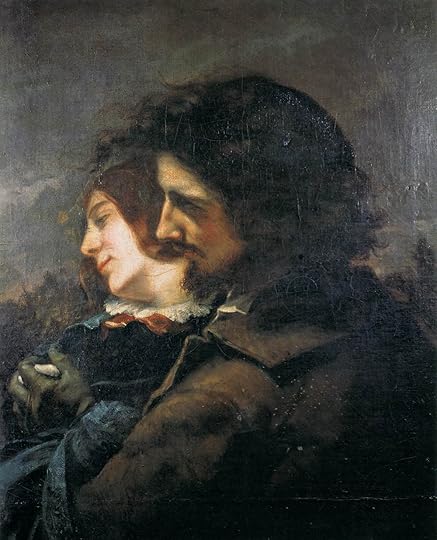
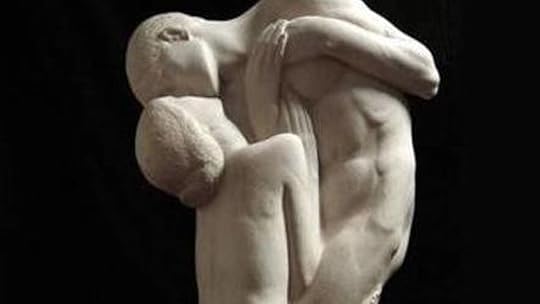
Giovanni Prini: Gli amanti (1909 - 1913).
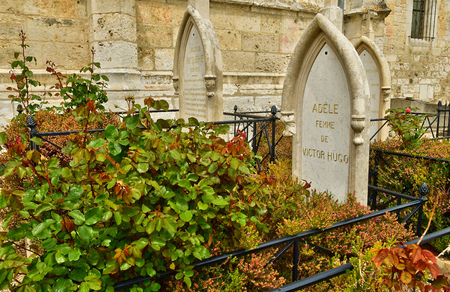
La tomba di Adèle Hugo nel cimitero di Villequier posta accanto a quella della figlia primogenita Léopoldine, morta incinta per annegamento a diciannove anni, pochi mesi dopo le nozze.
Qui, tra queste pagine, si narra la storia di Adèle Hugo, - non quella, forse più nota, di Adèle H., figlia del celebre romanziere resa immortale dallo splendido film di François Truffaut e dall'allora giovanissima e conturbante Isabelle Adjani, e della sua violenta e ossessiva passione di amore per il tenente britannico Pinson che la trascinerà alla follia - quella di Charles Sainte-Beuve, critico poeta e romanziere francese, e del loro tormentato amore. Una storia che ha il profumo della frutta, delle mele dei giardini del Lussemburgo dove i due amanti si incontrano e passeggiano clandestinamente, delle strette e tortuose scale e delle stanze polverose prese in affitto che affacciano sulle guglie di Notre-Dame nelle quali lasciare i sensi liberi di rispondere alla passione, della cera delle candele che illuminano appena la chiesa dove le due Adèle incontrano, in due vite diverse, la stessa Charlotte. Ma è una storia che profuma soprattutto di rose, che delle rose ha la morbidezza vellutata, i colori tenui e cangianti, la complessità dei petali che si sovrappongono l'uno all'altro rispondendo a chissà quale misteriosa e geometrica architettura, una storia che delle rose ha anche tutte le spine.
A voci alterne, nell'arco di quarant'anni, Charles e Adèle ci narrano la loro storia, il loro incontro, la parabola del loro amore, che è sensuale, intellettuale, ma soprattutto viscerale, scandito sullo sfondo dalle vicende della Francia dell'epoca, dal passaggio alla Repubblica di Napoleone III (aspramente criticato da Victor Hugo, e da lui che si considerava onnipotente e onnisciente soprannominato Napoleone il piccolo, al punto da provocarne l'allontanamento da Parigi e costringerlo, con la famiglia al seguito, all'esilio nelle Isole del Canale - Jersey prima, dove avverrà il fatale incontro tra Adèle H., ultimogenita del romanziere, e il Tenente Pinson - e Guersnay poi), la carriera sfolgorante del romanziere e la debordante esaltazione del suo ego - Aveva deciso di inventarsi un proprio albero genealogico, idendo un falso stemma familiare e facendosi forgiare un anello con sigillo con il nuovo, ancestrale, motto da lui coniato. Ego Hugo. Non esistono due parole che si sposano meglio tra loro - e infine le storie private delle due famiglie: la carriera di letterato di Sainte-Beuve che involve in maniera proporzionale a quella dell'ascesa dell'amico e rivale Victor, e quella della famiglia Hugo, caratterizzata da matrimoni, lutti, tradimenti, successi, fughe, amore e follia, dal senso del dovere e dall'assenza di autonomia economica che terrà Adèle fino alla fine legata a un marito ingombrante che sovrasta e incombe sull'esistenza di tutti.
L'autrice, Helen Humphreys, poetessa e romanziera canadese, aggiunge nella nota conclusiva alcune ulteriori informazioni biografiche su Sainte-Beuve e, notizia infinitamente più preziosa, svela al lettore di aver cercato, nel cesellare quella che a posteriori appare un'opera di fine oreficeria, di utilizzare quasi esclusivamente parole e frasi pronunciate da Adèle Hugo e Charles Sainte-Beuve nei loro scritti, e che al di là di poche eccezioni gli avvenimenti del romanzo ricalcano quelli realmente accaduti. Una nota minuscola posta a inizio edizione, fra copyright e crediti della casa editrice, informa il lettore che «L'edizione italiana presenta alcune differenze rispetto all'edizione inglese che sono state autorizzate dall'autrice». Forse è superfluo dire che mi sarebbe piaciuto sapere quali.
Charles «Chi sa vedere quando l'amore si avvicina? Chi è in grado di registrare i movimenti di una persona verso un'altra? Movimenti così impercettibili, così incerti, da essere quasi invisibili? Chi sa vedere quando l'amore si avvicina - ma chi non si accorge quando questo se ne va?»
Adèle «Questa stanza al terzo piano era già uno spazio abbastanza ampio prima che Victor aggiungesse la sua serra di vetro. Aveva già una magnifica vista dell'oceano e del cielo, ma il fatto che ci siano i vetri la fa sembrare completamente esposta agli elementi. È come se Victor stesse nel bel mezzo dell'etere. Victor scrive in piedi a una vecchia e alta scrivania di legno. Quando arrivo in cima alla scala mi volta le spalle e nei pochi attimi che gli ci vogliono per notare la mia presenza e girarsi, ho un assaggio di cosa significhi essere lui.»
[…]
Dev'essere magnifico essere Victor. Persino il suo nome è trionfante. Ed eccolo qui in cima all'edificio, in cima al mondo. L'ingranaggio della casa sotto di lui e l'orizzonte infinito davanti. L'oceano è così piatto e blu da qui che sembra poterci infilare un dito e tirare l'intera distesa scintillante verso di sé.
Fra tutti i libri di Helen Humphreys che conosco, e ne ho letti parecchi perché apprezzo assai lo stile dell’autrice, questo mi è sembrato il più debole. Non vi ho trovato, se non sporadicamente, le delicate atmosfere che la scrittrice, nonché poetessa, sa infondere nelle proprie opere, né l’erudita curiosità per il mondo vegetale ed animale e nemmeno l’originalità del soggetto che, si pensi per esempio ad “Amuleto celeste”, caratterizza spesso la sua ispirazione.
Qui la trama del racconto si articola intorno alla passione storicamente documentata da parte dello scrittore, critico, biografo ed aforista Charles de Saint-Beuve (1804-1869) per la moglie di Victor Hugo, passione da lei ricambiata essendo l’autore de “I miserabili” molto più impegnato a consolidare la sua fama di grande scrittore che il proprio rapporto coniugale e, in generale familiare.
Ma poiché, nonostante lo spessore letterario dei protagonisti, l’opera di Victor e il fertile panorama artistico della Francia ottocentesca vengono posti dalla Humphreys a cornice e molto in secondo piano (Flaubert, de Musset, i fratelli Goncourt vi hanno ruolo di fugaci comparse), La verità, soltanto la verità finisce per concentrarsi sul consueto triangolo, condito con i soliti prevedibili clichè, la passione improvvisa e insopprimibile, i sotterfugi degli amanti, gli incontri clandestini, la rivelazione, l’abbandono coatto, la malinconia retrospettiva, il rimpianto di tutta una vita.
Nella seconda parte il romanzo introduce numerosi frammenti della storia, ben più triste e tragica, della figlia minore di Victor e Adèle Foucher Hugo, omonima della madre e che ricordiamo dal famoso film di Truffaut (L’histoire d’Adèle H), ma tale digressione narrativa dà più l’impressione di un espediente per accumulare materiale e pagine e rimpolpare la storia, che un reale approfondimento del carattere dei personaggi.
La Humphreys sembra mettersi totalmente al servizio del racconto degli eventi e, sottolineando nella postfazione come gli avvenimenti del romanzo ricalchino quelli realmente accaduti, arriva a dichiarare: “...laddove possibile ho utilizzato le parole di Saint-Beuve e Adèle”, ricavate immagino dalla fitta corrispondenza fra i due amanti. Ciò sembra confermare a mio avviso il ruolo passivo dell’autrice, che lascia quasi inavvertitamente affiorare il proprio talento di cesellatrice solo nei passaggi e dettagli meno funzionali all’impalcatura della trama del soggetto.
Helen Humphreys is one of my favourite authors. She can spin a phrase that makes you weep with the glory of it, can break your heart in a sentence, change your mood in a paragraph. The reinvention of love is a book filled with such moments. We are taken to the France of Victor Hugo, cholera, revolutions, and Napoleon, to witness a literary competition wrapped in a love affair. Every character is carefully explored, every moment enhanced. The story itself, centred around Charles Sainte-Beuve, pulls you along through the tides of history, stopping here and here for a dip into one literary salon or another. It all makes me wish that I could have lived in Paris back then, smelly sewers and intrigue and all. What a magical time that was! Let Humphreys take you for an exploration of this time and the depth of human love.
WHY I READ THIS BOOK When I first heard about this book, which was just published last month, I got a bad case of "I want." The author's "The Lost Garden" is one of my favorite books, and "The Reinvention of Love" is about Victor Hugo, the author of another favorite book, "Les Misérables."
ABOUT THE BOOK "The Reinvention of Love" is set in France in the 1800s, and is based on real people and historical facts. Charles Sainte-Beuve is a book critic, and after reviewing the work of Victor Hugo, he is invited to the author's home. Charles and Victor become friends...and Charles begins an affair with Victor's wife, Adèle. The book explores the lives and complicated relationships of these three characters.
MY THOUGHTS "The Reinvention of Love" is much more a character study than a plot-driven novel.
It is told almost exclusively from the viewpoint of Charles, who is not a very likable character. He's arrogant, pompous, selfish, vain, and critical. He's also irrationally jealous of Victor, who has all that Charles wants - a successful writing career and a beautiful wife.
A few chapters are told in Adèle's voice. She seems like such a lonely sad woman who is a victim of the time period, when women could do little more than live in the shadow of a man. Victor is a background character, and is portrayed as having many of the same character defects as Charles - arrogant and selfish. Is this accurate, or is Charles projecting his own faults?
Jealously, identity, and sexuality are all themes in "The Reinvention of Love" and the author explores each of these in intriguing and thought-provoking ways. Motives and actions are not explained but are left open for interpretation.
The book is well-crafted, and the author employs various writing styles as fits the situation. Sometimes it is beautiful and philosophical; at others times, it is terse and spare.
"The Reinvention of Love" is a unique book that was a complete enjoyment to read. It is a book I would like to re-read to more fully explore the character development and the technique used by the author to present the story.
I am reaching the end of Helen Humphreys books which makes me sad. This is a delightful historical romance between Victor Hugo's wife Adele and another writer Charles. In usual Humphreys style it is also a meditation on broader questions about life and love. Two favorite quotations: Love doesn't fail. We do. Who we are is determined not just by the choices we make, by how we sew events together into narrative. What gives us the true measure of ourselves is how undone we can become by a single moment. And what that moment is. Sentences like these are why it has been a wonderful year of reading Humphreys.
"Paris, romance, literature… I was sure I’d fall in love with The Reinvention of Love! However, despite the fascinating main character and backdrop of an ever-enchanting city (even with cholera-ridden bodies being wheeled through the streets!), the book never reaches the emotional depths promised by the subject matter." (Excerpt from full review of The Reinvention of Love at For Books' Sake)
"August is the hinge between summer and fall, a time of bittersweet change. ... I think that this is the natural season for contemplation, and that poetry comes from this spiritual August - this place between loss and arrival. … The last flowers of August thrive in the last of the summer heat, but they will not bloom again until spring. When one walks through the gardens and sees them, the joy of their existence is balanced, in equal measure, by the sorrow of their imminent departure. Is this not the very condition of the human soul? Is this not what people hold within them at all times, this delicate balance of happiness and melancholy?" (147-148)
The title made much more sense when I reached the Author's Note at the end and discovered that all of the characters are real people: "With few exceptions, the events in my novel mirror actual events. Where possible, I have used the words of Sainte-Beuve, Adele, and George Sand."
Naturally, I realized the celebrated author Victor Hugo was real, but the fact that everyone else and the events detailed are real as well means that Humphreys actually reinvented their histories. I'm not a fan of fictionalizing history, but Humphreys does so exceedingly well, with what seems to be a meticulously researched and thoughtful sensibility (although her sources are not listed).
, somehow, the fact that these rather outlandish characters and the terrible things they did in the name of love were all real people actually detracted from my enjoyment. If Victor Hugo were the eccentric bully portrayed here, which I have no cause to doubt, then I have absolutely no interest whatsoever in reading any of his books! It is one thing for invented characters to be selfish, frivolous, and careless with themselves and others, but somehow completely inexcusable if such behaviour is the truth. I cannot explain why, but that is my feeling.
Mostly told through the unreliable, boastful and chattily lovelorn voice of Charles Sainte-Beuve, a literary critic and aspiring poet who cultivates a friendship with a pre-fame Victor Hugo, back when he was writing poetry and terrible plays. Charles counts Victor as his best friend, but he is more of a frenemy that Charles takes as a sort of masculine ideal to emanate. He is jealous of his friend's popularity, his literary successes, his beautiful children - but most especially of his wife, Adele.
He sees her hair fall out of its pins one day, and falls completely, irrevocably in lust. He must have her. For her part, Adele is a cipher, even though we get a few chapters written from her perspective.
Charles has hypospadias, a form of hermaphrodism which has left him with vestigial versions of both sex organs. Adele is the only lover that has ever fully accepted him, and although they go to great lengths to be together (Charles even dresses as Charlotte, a woman, so they may rendezvous unnoticed in church, of all places), guilt outs them. Adele finds her own freedom in escaping the demands of her young children and her increasingly unstable, brutish husband, and suffers terribly when they are forced apart by Victor's jealousy and political exiles.
Years pass. Charles cannot let go of their brief affair, and writes it all down. He publishes copies, believing it his best work, and is ridiculed in society ever after. Victor and Adele's children grow up, and the youngest daughter (also named Adele, but nicknamed Dede) goes mad from unrequited love. Is this a legacy of Adele's affair with Charles, and their curtailed desire?
Above all, this slim novel is a meditation on love. How it happens, how it leaves - the way it echoes through a life. Through all the lives around it. All of it an utter mystery. Thought-provoking, with some of Humphrey's usual beautifully turned phrases and captured moments, but ultimately disappointing as none of the characters is likeable, believable or easily understood.
Per me, che sono innamorata di Victor Hugo, leggere questo libro è stato un po' scombussolante. Una persona piena di ego, indifferente alle esigenze della famiglia. Una moglie troppo dedita ai suoi cari ma che riesce, per fortuna o per sfortuna, a vivere la sua grande storia d'amore. Una lettura appassionante che ti rimane nel cuore.
Ho avuto bisogno di mettere in pausa una mezza delusione per iniziare l’anno con un libro giusto, e così sono andata sul sicuro con Helen Humphreys che trasforma in oro tutto ciò che scrive. La verità, soltanto la verità, è una storia d’amore che non fa schifo. Mi sento di precisarlo perché le storie d’amore, si sa, fanno bene solo a chi le vive e a chi vive per raccontarle, ma da spettatori, il romanticismo è decisamente poco interessante. A meno che non si aggiunga la poesia, di cui Humphreys è perfetta maestra, e il dramma, nel quale intervengono i protagonisti di questa storia vera: Victor Hugo - il grande, sua moglie Adele, il suo amante - quasiQuasimodo, nello sfondo di una Parigi romantica e dall’esilio facile. Una storia vera dicevamo, talmente vera che pur francese potrebbe essere altrettanto vera e senza essere sdolcinata, anche ai giorni nostri. Personaggio preferito: Adèle della seconda generazione, figlia di Victor e Adèle. Imperdibile per chi vuole smontare il grande poeta continuando ad amare la poesia.
la storia d'amore tra saint-beuve e adèle hugo, l'amicizia/rivalità tra il poeta e lo scrittore, la figura di victor hugo (titanica e schiacciante, nel suo immenso egocentrismo), l'altra adèle- figlia, appassionata, innamorata senza speranza e dunque, condannata alla pazzia. storia e fiction si mescolano in un romanzo potente, raccontato da più voci attraverso episodi e ricordi scanditi dal passare inesorabile del tempo e dalle mille fragilità e speranze infrante. [non è un capolavoro come "cani selvaggi", ma un buon romanzo- nettamente superiore alle altre prove della humphreys tradotte in italiano]
How funny! I absolutely do not recall having read this one before, but clearly I did. It mustn’t have left much of an impression - an experience that repeated itself on this reread. Some lovely writing, as always, but scattered storytelling and I did not enjoy the self-indulgent main character at all. I’ll return time and again to the author’s other works (deliberately), but not this one, I think.
The characters were interesting but misused; I felt like the author didn't give them time to expand or become anything. I wasn't invested in the story and didn't feel as if there was anything in the love between Charles and Adele that warranted further exploration, at least, in the way they were portrayed by this particular novelist. I was more interested in the extraneous stories, Leopoldine, Adele Jr. and the control Victor exerted over them all. Glad to be finished with it, honestly.
didn't finish this one, which is disappointing since I usually like Helen Humphreys' writing. Perhaps will try it again if I appear to be in the minority.
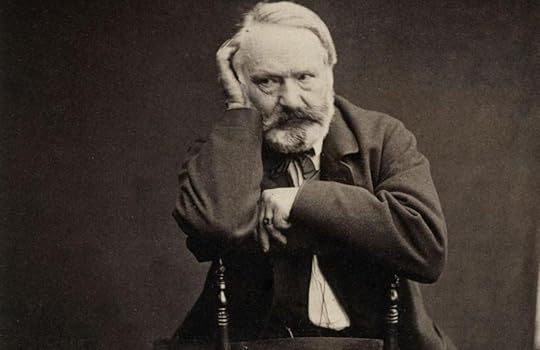
The more books I read by Helen Humphreys, the more I admire her writing. This book cements the admiration. Set in the literary scene of 19th-century France, it revolves around the love affair between renowned literary critic Charles Saint-Beuve and Adele Hugo, wife of the celebrated author. It's a wildly compelling story, with vividly imagined historical characters (replete with actual photographs of them) and entrenched in a particular literary place and time. I particularly love the treatment of sexuality. Charles' er, manhood, is the "size of a snail" (hypospadias) and as part of the affair's subterfuge he dresses as a woman named Charlotte. Adele likes Charlotte more than Charles. And so it's a complicated web of sexuality that Humphreys' beautifully depicts. And this is but one aspect of the work that I admired. It's a very satisfying read about love, friendship and writing. Highly recommended.
Some particularly poignant passages include (no page numbers; I read on Kobo): "Do lovers always suffer an impediment to their love? Is that what keeps love sweet and strong -- the circumstances that would force the lovers apart make them cleave together more keenly?"
"This was back when I believed that the love poems he wrote me were about me, rather than about his need to write them."
"I have been writing about my love for Adele, and perhaps, in some strange way the writing has replaced the actual love."
"Writing requires a certain kind of peace, the reassurance that one can leave this world to enter the world of the book and return to find things more or less the same. I was in too much distress to be able to trust in that."
Adele: "Victor love me. I know this to be true. But Victor loves me for himself, and Charles loves me for myself, and the difference between those two is so astonishing that I don't know to reconcile them."
Charles: "The moment one writes about something is the moment one ceases to understand it. To write is to control experience.... and to control experience is to lose its meaning. I am not saved by my work. It is just hard proof that I have lots my way."
"It is a lie to say that I remember my mouth on Adele's skin, or how she tasted, or how her boy closed around my hand when I was inside her. The feelings of those moments are gone forever. They were gone the instant after they happened. "So what am I remembering? "Perhaps I am not remembering:; writing is not a memorial. "This is just what lives in me."
I liked the content and Humphrey's style. I wasn't sure I was going to enjoy a story based on an affair, but I found drawn in by the characters and the tragedy of their situation.
The story itself is based on true historical facts and I found myself not liking the over the top personality of Victor Hugo. He seemed to suck the life out of everyone around him.... particularly his wife, Adele, and his daughter Dede - who he believed was the daughter of his wife and her lover (who was not able to father children). Victory Hugo survived all his children, except Dede, who he had committed to an asylum where she lived for 40 years.
The story is told mainly from the point of view of Charles and Adele. Their affair and how it affects their lives and the lives of others around them over time is the substance of the book.
I liked the descriptions of Paris - particularly the wild orchard of apples in Jardin du Luxembourg, which is where Adele and Charles often met when they had Adele's youngest, Dede, with them. I love how he returned to this garden at the end... describing the new orchard as "espaliered, each one trained carefully to grow its fruit in straight lines". The change is bittersweet.
"Love doesn't fail. We do." is how Charles sums up their relationship... and I love the concept as it is so true. I think Adele felt this way too. She stayed with a husband who retaliated after he found out about the affair. In his retaliation, he had affairs, but he also let his personality overshadow every member of his family.
Charles also talks about his writing saying "The moment one writes about something is the moment one ceases to understand it. To write is to control experience, and to control experience is to lose its meaning. I am not saved by my work. It is just hard proof that I have lost my way." I don't fully believe this as I write to find out who and what I believe, but I understand that if you try to capture a moment and pin it down, there is an element of controlling the experience.
Later Charles says "I write this story down so I can enter it again... Writing does not recreate the moment so much as it stops it. And if the moment is stopped, one is able, finally to get a clear look at it.... When a moment is in real time, it is in flight." I like this view.
“The Reinvention of Love” is based on the real-life story of French journalist Charles Saint-Beuve, his tortured friendship with Victor Hugo and his love affair with Hugo’s wife Adele. It takes place during the tumultuous reign of Napoleon III and spans France, the Channel Islands and Halifax, Canada.
The novel alternates between the perspectives of Sainte-Beuve and Adele as they struggle with their illicit relationship while caught up in the maelstrom of Victor Hugo’s genius and his self-absorbed character. A third perspective comes into play later in the novel – Adele’s daughter Dede and her desperate, unreciprocated love for a solider posted in Halifax which becomes her mental and emotional downfall.
“The Reinvention of Love” plays out against 19th century Paris where noble families, artists and ordinary people mix together while the simmering force of revolution underscores their lives. It is a fascinating look at a turbulent time in history and the nature of love in troubled times.
This little novel was surprisingly engrossing. The narrative centres on Charles Sainte-Beuve, a poet and critic in mid-189th century France. He falls in love with Adele Hugo, the wife of novelist and poet Victor Hugo. Their affair causes ripples through both of their lives that last a lifetime. It’s hard to describe why this story is so engaging, but I think it comes down to the writing. It is descriptive without being overly flowery, and evokes the literary scene of that period in France, which produced not only Hugo but George Sand, Dumas, Balzac, and others. The social and political atmosphere also play a distinct role, shaping the story as Victor Hugo runs afoul of Napoleon III and his entire family pays the price even as his fame grows. Anyway, at the core of this novel is a love story, and it is elevated because of the players, who reflect deeply on the very nature of love even as they are caught up in its web.
"The Reinvention of Love" by Helen Humphreys. Set in Paris in the early 1800s, it is based on the true story of Charles Sainte-Beuve, the famous French literary critic, and his love affair with Victor Hugo's wife, Adele. It's not just a love story. The book offers great insight into the life of the literary elite of that period, as well as exploring the effects of success and achieved ambitions on family members. Most events in the novel are based on actual happenings. It's beautifully written, moving and profoundly sad.
3.5 I loved learning more about these people (the famous and less so), but the part that was lacking was the part of historical books that I love most - the vivid place/time description. I got it a bit with the description of Notre Dame, but I wanted more of that. There was a lot of talk of love (hence the name), and the lives of the characters, but I would have loved more info about the neighbourhoods of Paris, the streets, the parks, buildings, political history, etc.
I didn’t enjoy this as much as the other books I’ve read by this author. On the plus side, however, I was surprised to find out how much of it was historically accurate as I was not familiar with the name of Saint-Beuve or his relationship with Adele Hugo. Also I learned something about hypospadias. It definitely didn’t do anything to enhance my impression of Victor Hugo!
This book is s0 different from Humphreys' other books. I'm a third of the way into it and have not been able to develop any empathy for the characters. I've read the reviews which have not moved me to continue. I do love Humphreys writing and the turn of phrase but I don't think it will cause me to finish the story...