

What do you think?
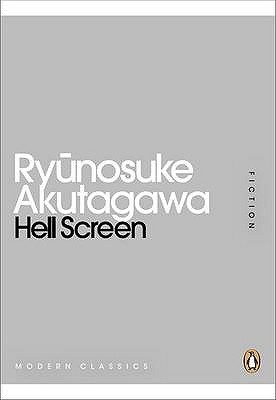
Hell Screen
"There can be no doubt that Akutagawa had more individuality than any other writer of his time and has left in Japanese literature a mass of artistic work, often grotesque and curious, that, while it undoubtedly angers the proletarian experimenters who now hold the stage and fight with lusty pens and a highly developed class consciousness against all that he stood for, will continue to live as long as men go on treasuring the fancies their fellows from time to time set down with care on paper."--Glen W. Shaw
58 pages, Paperback
First published January 1, 1918
About the author
Ryūnosuke Akutagawa
1,661 books2,253 followersAkutagawa Ryūnosuke (芥川 龍之介) was one of the first prewar Japanese writers to achieve a wide foreign readership, partly because of his technical virtuosity, partly because his work seemed to represent imaginative fiction as opposed to the mundane accounts of the I-novelists of the time, partly because of his brilliant joining of traditional material to a modern sensibility, and partly because of film director Kurosawa Akira's masterful adaptation of two of his short stories for the screen.
Akutagawa was born in the Kyōbashi district Tokyo as the eldest son of a dairy operator named Shinbara Toshizō and his wife Fuku. He was named "Ryūnosuke" ("Dragon Offshoot") because he was born in the Year of the Dragon, in the Month of the Dragon, on the Day of the Dragon, and at the Hour of the Dragon (8 a.m.). Seven months after Akutagawa's birth, his mother went insane and he was adopted by her older brother, taking the Akutagawa family name. Despite the shadow this experience cast over Akutagawa's life, he benefited from the traditional literary atmosphere of his uncle's home, located in what had been the "downtown" section of Edo.
At school Akutagawa was an outstanding student, excelling in the Chinese classics. He entered the First High School in 1910, striking up relationships with such classmates as Kikuchi Kan, Kume Masao, Yamamoto Yūzō, and Tsuchiya Bunmei. Immersing himself in Western literature, he increasingly came to look for meaning in art rather than in life. In 1913, he entered Tokyo Imperial University, majoring in English literature. The next year, Akutagawa and his former high school friends revived the journal Shinshichō (New Currents of Thought), publishing translations of William Butler Yeats and Anatole France along with original works of their own. Akutagawa published the story Rashōmon in the magazine Teikoku bungaku (Imperial Literature) in 1915. The story, which went largely unnoticed, grew out of the egoism Akutagawa confronted after experiencing disappointment in love. The same year, Akutagawa started going to the meetings held every Thursday at the house of Natsume Sōseki, and thereafter considered himself Sōseki's disciple.
The lapsed Shinshichō was revived yet again in 1916, and Sōseki lavished praise on Akutagawa's story Hana (The Nose) when it appeared in the first issue of that magazine. After graduating from Tokyo University, Akutagawa earned a reputation as a highly skilled stylist whose stories reinterpreted classical works and historical incidents from a distinctly modern standpoint. His overriding themes became the ugliness of human egoism and the value of art, themes that received expression in a number of brilliant, tightly organized short stories conventionally categorized as Edo-mono (stories set in the Edo period), ōchō-mono (stories set in the Heian period), Kirishitan-mono (stories dealing with premodern Christians in Japan), and kaika-mono (stories of the early Meiji period). The Edo-mono include Gesaku zanmai (A Life Devoted to Gesaku, 1917) and Kareno-shō (Gleanings from a Withered Field, 1918); the ōchō-mono are perhaps best represented by Jigoku hen (Hell Screen, 1918); the Kirishitan-mono include Hokōnin no shi (The Death of a Christian, 1918), and kaika-mono include Butōkai(The Ball, 1920).
Akutagawa married Tsukamoto Fumiko in 1918 and the following year left his post as English instructor at the naval academy in Yokosuka, becoming an employee of the Mainichi Shinbun. This period was a productive one, as has already been noted, and the success of stories like Mikan (Mandarin Oranges, 1919) and Aki (Autumn, 1920) prompted him to turn his attention increasingly to modern materials. This, along with the introspection occasioned by growing health and nervous problems, resulted in a series of autobiographically-based stories known as Yasukichi-mono, after the name of the main character. Works such as Daidōji Shinsuke no hansei(The Early Life of
Akutagawa was born in the Kyōbashi district Tokyo as the eldest son of a dairy operator named Shinbara Toshizō and his wife Fuku. He was named "Ryūnosuke" ("Dragon Offshoot") because he was born in the Year of the Dragon, in the Month of the Dragon, on the Day of the Dragon, and at the Hour of the Dragon (8 a.m.). Seven months after Akutagawa's birth, his mother went insane and he was adopted by her older brother, taking the Akutagawa family name. Despite the shadow this experience cast over Akutagawa's life, he benefited from the traditional literary atmosphere of his uncle's home, located in what had been the "downtown" section of Edo.
At school Akutagawa was an outstanding student, excelling in the Chinese classics. He entered the First High School in 1910, striking up relationships with such classmates as Kikuchi Kan, Kume Masao, Yamamoto Yūzō, and Tsuchiya Bunmei. Immersing himself in Western literature, he increasingly came to look for meaning in art rather than in life. In 1913, he entered Tokyo Imperial University, majoring in English literature. The next year, Akutagawa and his former high school friends revived the journal Shinshichō (New Currents of Thought), publishing translations of William Butler Yeats and Anatole France along with original works of their own. Akutagawa published the story Rashōmon in the magazine Teikoku bungaku (Imperial Literature) in 1915. The story, which went largely unnoticed, grew out of the egoism Akutagawa confronted after experiencing disappointment in love. The same year, Akutagawa started going to the meetings held every Thursday at the house of Natsume Sōseki, and thereafter considered himself Sōseki's disciple.
The lapsed Shinshichō was revived yet again in 1916, and Sōseki lavished praise on Akutagawa's story Hana (The Nose) when it appeared in the first issue of that magazine. After graduating from Tokyo University, Akutagawa earned a reputation as a highly skilled stylist whose stories reinterpreted classical works and historical incidents from a distinctly modern standpoint. His overriding themes became the ugliness of human egoism and the value of art, themes that received expression in a number of brilliant, tightly organized short stories conventionally categorized as Edo-mono (stories set in the Edo period), ōchō-mono (stories set in the Heian period), Kirishitan-mono (stories dealing with premodern Christians in Japan), and kaika-mono (stories of the early Meiji period). The Edo-mono include Gesaku zanmai (A Life Devoted to Gesaku, 1917) and Kareno-shō (Gleanings from a Withered Field, 1918); the ōchō-mono are perhaps best represented by Jigoku hen (Hell Screen, 1918); the Kirishitan-mono include Hokōnin no shi (The Death of a Christian, 1918), and kaika-mono include Butōkai(The Ball, 1920).
Akutagawa married Tsukamoto Fumiko in 1918 and the following year left his post as English instructor at the naval academy in Yokosuka, becoming an employee of the Mainichi Shinbun. This period was a productive one, as has already been noted, and the success of stories like Mikan (Mandarin Oranges, 1919) and Aki (Autumn, 1920) prompted him to turn his attention increasingly to modern materials. This, along with the introspection occasioned by growing health and nervous problems, resulted in a series of autobiographically-based stories known as Yasukichi-mono, after the name of the main character. Works such as Daidōji Shinsuke no hansei(The Early Life of
Ratings & Reviews
Friends & Following
Create a free account to discover what your friends think of this book!
Community Reviews
Displaying 1 - 3 of 3 reviews

September 8, 2023
تجعلنا قصة ريوناسكي أكوتاجاوا "Screen Hell" نتساءل إلى أي حد يمكن أن يذهب الفنان عموما في النجاح في إخراج فنه إلى الوجود بشكل كامل وملموس؟ وأي تضحية يمكن إن يقدمها في سبيل ذلك؟
عندما يطلب السيد العظيم (The Grand Lord of Horikawa) من الرسام المبدع الموهوب يوشيهيدي، أعظم رسام في البلاد كلها، أن يرسم لوحة للجحيم، يجد هذا الأخير نفسه عاجزا عن إكمال عمله، ذلك أن يوشيهيدي لم يرى الجحيم من قبل، وهو لا يرسم إلا ما يراه:
"Oh, I can't paint it," Yoshihide said once again in a dreary tone, his feverish red lips trembling. But suddenly he changed his attitude, and in dead earnest, made a bold and feverish request in a spirited and snappish tone, "Please, my Lord, burn a nobleman's carriage before my eyes, and if possible...".
لذا، وعندما يعجز عن إكمال اللوحة المطلوبة، يذهب إلى الملك ويترجاه أن يحقق له امنيته، وهي أن يرى امرأة حقيقية لامرأة تحترق داخل عربة فخمة، كي يتمكن من إنهاء لوحته.
تبدأ القصة على لسان راو حاضر للأحداث، غير مشارك فيها (narrateur hétérodiégétique). وهو راو غير صادق تماما، ذلك أن القارئ يشعر أنه يعلم أكثر مما يقول. ورغم أنه، وفي المرات التي يزل فيها لسانه، يعترف أن سيده قد تصرف بطريقة خاطئة، إلا أنه يعود ويزعم إن كل تلك الأقاويل هي عبارة عن شائعات.
حيادية الراوي إذا، تعطي للقصة ذلك الانطباع التوثيقي، وكأننا نقرأ قصاصة من جريدة، أو أننا إزاء fait-divers، غير أنه طويل بعض الشيء. وبهذا، ينجح الراوي في محو أي تعاطف يمكن أن نبرزه تجاه الشخصيات، حتى الفتاة نفسها.
قد يكون يوشيهيدي قبيحا ومتسلطا، لكنه يبقى فنانا عبقريا سابقا لعصره، ووأب محب يعاني من انفصاله عن ابنته. أما الملك، ورغم الاحترام الذي يميز أسلوب الراوي تجاهه، إلا أننا نستشعر بوضوح نبرة السخرية تلك التي تميز كتابات أكوتاجاوا.
قبل القراءة، وقفت طويلا عند العنوان. لماذا "Hell Screen" وليس "Picture of Hell"؟ لكن عند القراءة، سنفهم أهمية العنوان وقدرته في تلخيص المعنى الحقيقي للقصة. فاللوحة التي سيرسمها يوشيهيدي ليست سوى منظر، مقطع، من الجحيم ذاته.
يوافق الملك بالفعل على طلب الرسام، لكنه يذهب إلى أبعد من ذلك عندما يعطي أمره بإحراق ابنة يوشيهيدي نفسها. وفي الليلة الموعودة، يدعو الملك حاشيته وأفراد البلاط، لحضور ذلك الجحيم الذي قرر صنعه على الأرض: ابنة يوشيهيدي وهي تحترق في العربة بين ألسنة النيران الحامية.
عندما يعجز يوشيهيدي عن إنقاذ ابنته من الجحيم الذي طلبه، لا يصبح أمامه سوى أن يغتنم الفرصة، وأن يكمل رسم مشهد الجحيم كما كان يتمناه.
إزاء موقف كهذا، لا يجد رفقاء الملك سوى إظهار التعجب ثم الاحتقار لهذا الرجل الذي يرسم ابنته وهي تحترق في النيران (والذي لم يجرؤوا على إبداءه للملك الذي أعطى الأمر بحرقها حية)، فينتعوه بالشيطان: "A devil in human shape which felt no scruple about sacrificing his parental love fore the sake of his art". وهذا الأمر يدفعنا إلى التساؤل من جديد عن الثمن الذي يقدمه الفنان في سبيل الفن.
يتبع العمل أحد تيمات أكوتاجاوا الرئيسية في كتاباته، وهي اللجوء للحكايات القديمة من أجل مواكبة مواضيع العصر الحديث. ومن بين هذه المواضيع، هناك الهوس بالفن. يوشيهيدي هنا، يضع فنه مقابل حياة ابنته، بل ومقابل حياته أيضا، بما أنه أجرم في حق نفسه في النهاية.
إن حياة يوشيهيدي وانتحاره يجعلان منه "فنانا ملعونا"، قياسا على شعراء القرن التاسع عشر الملعونين. وعبر هذا التعبير البودليري، يمكن اعتبار أن أعمال يوشيهيدي الفنية هي رموز تصور جمال القبح. وهذا أمر يؤكده المشهد، حيث يصف لنا الراوي يوشيهيدي وهو يرسم، وهو وصف يجعل القارئ يشك في أنه ممسوس بطريقة ما.
يرى بعض النقاد أن شخصية يوشيهيدي ليست سوى انعكاس لأكوتاغاوا نفسه من حيث هوسهما المشترك بمساعيهما الفنية، ذلك أن أسلوب الكات جعله لا يحظى بشعبية لدى الكثيرين في السنوات العشر التي تمت فيها كتابة معظم قصصه. ومثل الشعراء الملعونين، فقد تمت إساءة فهم أكةتاجاوا، مثلما تمت إساءة فهم يوشيهيدي، وما بدا الراوي والآخرين أنه غطرسة وتكبر، لم يكن سوى تفاني وإخلاص من أجل الفن.
يقول الراوي عن سبب حرق ابنة يوشيهيدي من طرف الملك أنه كان يريد تلقين والدها درسا، بينما ينفي كونه انتقاما من الفتاة لصدها محاولاته في التقرب منها:
"Most people accepted the rumour that his motive was to cary out his vengeance against his thwarted love. But his real underlying intention must have been his design to chastise and correct the perversity of Yoshihide who was anxious to paint the screen even if it involved the burning of a magnificent carriage with the sacrifice of human life. That was what I heard from the Grand Lord's mouth".
وهو يكرر ويعيد طوال القصة أن حب السيد لابنة يوشيهيدي ليس سوى إشاعة، غير أن هذا التكرار نفسه هو ما يؤكد الأمر. دون نسيان المشهد الذي يحضره الراوي وهو يرى الفتاة يعتدى عليها، بالرغم من أنها لا نعلم هوية المعتدي.
في الحلقة الأخيرة من "الأدب الأزرق"، يتم تجاهل قصة أكوتاجاوا لتصبح الحلقة إعادة سرد للفيلم الياباني Portrait of Hell (1969). فعندما يكلف الملك يوشيهيدي، أعظم رسام في البلاد، بتزيين ضريحه عبر تصوير بلاد الملك على جدرانها، لا يستطيع يوشيهيدي رؤية شيء سوى معاناة الشعب بسبب جور واستبداد ملكهم. ليقرر أن يجعل عمله الأخير تجسيدا للبلد كما هو حقا، وإن دفع ثمنا لذلك حياته ورأى ابنته ميتسكي تحترق في النيران. غير أن الانمي يركز على طيبة ونبل أخلاق يوشيهيدي، على عكس القصة التي تقدمه كرجل أناني لا يهتم بآلام الآخرين.
إن قصة يوشيهيدي، سواء عبر ريوناسكي أكوتاجاوا أو في الانمي، تطرح العديد من التيمات المتنوعة، لكن يظل أهمها هو تخلص البشر من الرحمة والشفقة تجاه بعضهم البعض. ففي مشهد الاحتراق المرعب، لا يرضى أحد من الحاضرين مد يد المساعدة للفتاة التي تحترق بين النيران، سوى القرد، والذي لم يرضى سوى بمشاركة الفتاة التي أحسنت إليه مصيرها، فكان مصيره أن يحترق معها في الجحيم.
ف. ز. بايددة.
عندما يطلب السيد العظيم (The Grand Lord of Horikawa) من الرسام المبدع الموهوب يوشيهيدي، أعظم رسام في البلاد كلها، أن يرسم لوحة للجحيم، يجد هذا الأخير نفسه عاجزا عن إكمال عمله، ذلك أن يوشيهيدي لم يرى الجحيم من قبل، وهو لا يرسم إلا ما يراه:
"Oh, I can't paint it," Yoshihide said once again in a dreary tone, his feverish red lips trembling. But suddenly he changed his attitude, and in dead earnest, made a bold and feverish request in a spirited and snappish tone, "Please, my Lord, burn a nobleman's carriage before my eyes, and if possible...".
لذا، وعندما يعجز عن إكمال اللوحة المطلوبة، يذهب إلى الملك ويترجاه أن يحقق له امنيته، وهي أن يرى امرأة حقيقية لامرأة تحترق داخل عربة فخمة، كي يتمكن من إنهاء لوحته.
تبدأ القصة على لسان راو حاضر للأحداث، غير مشارك فيها (narrateur hétérodiégétique). وهو راو غير صادق تماما، ذلك أن القارئ يشعر أنه يعلم أكثر مما يقول. ورغم أنه، وفي المرات التي يزل فيها لسانه، يعترف أن سيده قد تصرف بطريقة خاطئة، إلا أنه يعود ويزعم إن كل تلك الأقاويل هي عبارة عن شائعات.
حيادية الراوي إذا، تعطي للقصة ذلك الانطباع التوثيقي، وكأننا نقرأ قصاصة من جريدة، أو أننا إزاء fait-divers، غير أنه طويل بعض الشيء. وبهذا، ينجح الراوي في محو أي تعاطف يمكن أن نبرزه تجاه الشخصيات، حتى الفتاة نفسها.
قد يكون يوشيهيدي قبيحا ومتسلطا، لكنه يبقى فنانا عبقريا سابقا لعصره، ووأب محب يعاني من انفصاله عن ابنته. أما الملك، ورغم الاحترام الذي يميز أسلوب الراوي تجاهه، إلا أننا نستشعر بوضوح نبرة السخرية تلك التي تميز كتابات أكوتاجاوا.
قبل القراءة، وقفت طويلا عند العنوان. لماذا "Hell Screen" وليس "Picture of Hell"؟ لكن عند القراءة، سنفهم أهمية العنوان وقدرته في تلخيص المعنى الحقيقي للقصة. فاللوحة التي سيرسمها يوشيهيدي ليست سوى منظر، مقطع، من الجحيم ذاته.
يوافق الملك بالفعل على طلب الرسام، لكنه يذهب إلى أبعد من ذلك عندما يعطي أمره بإحراق ابنة يوشيهيدي نفسها. وفي الليلة الموعودة، يدعو الملك حاشيته وأفراد البلاط، لحضور ذلك الجحيم الذي قرر صنعه على الأرض: ابنة يوشيهيدي وهي تحترق في العربة بين ألسنة النيران الحامية.
عندما يعجز يوشيهيدي عن إنقاذ ابنته من الجحيم الذي طلبه، لا يصبح أمامه سوى أن يغتنم الفرصة، وأن يكمل رسم مشهد الجحيم كما كان يتمناه.
إزاء موقف كهذا، لا يجد رفقاء الملك سوى إظهار التعجب ثم الاحتقار لهذا الرجل الذي يرسم ابنته وهي تحترق في النيران (والذي لم يجرؤوا على إبداءه للملك الذي أعطى الأمر بحرقها حية)، فينتعوه بالشيطان: "A devil in human shape which felt no scruple about sacrificing his parental love fore the sake of his art". وهذا الأمر يدفعنا إلى التساؤل من جديد عن الثمن الذي يقدمه الفنان في سبيل الفن.
يتبع العمل أحد تيمات أكوتاجاوا الرئيسية في كتاباته، وهي اللجوء للحكايات القديمة من أجل مواكبة مواضيع العصر الحديث. ومن بين هذه المواضيع، هناك الهوس بالفن. يوشيهيدي هنا، يضع فنه مقابل حياة ابنته، بل ومقابل حياته أيضا، بما أنه أجرم في حق نفسه في النهاية.
إن حياة يوشيهيدي وانتحاره يجعلان منه "فنانا ملعونا"، قياسا على شعراء القرن التاسع عشر الملعونين. وعبر هذا التعبير البودليري، يمكن اعتبار أن أعمال يوشيهيدي الفنية هي رموز تصور جمال القبح. وهذا أمر يؤكده المشهد، حيث يصف لنا الراوي يوشيهيدي وهو يرسم، وهو وصف يجعل القارئ يشك في أنه ممسوس بطريقة ما.
يرى بعض النقاد أن شخصية يوشيهيدي ليست سوى انعكاس لأكوتاغاوا نفسه من حيث هوسهما المشترك بمساعيهما الفنية، ذلك أن أسلوب الكات جعله لا يحظى بشعبية لدى الكثيرين في السنوات العشر التي تمت فيها كتابة معظم قصصه. ومثل الشعراء الملعونين، فقد تمت إساءة فهم أكةتاجاوا، مثلما تمت إساءة فهم يوشيهيدي، وما بدا الراوي والآخرين أنه غطرسة وتكبر، لم يكن سوى تفاني وإخلاص من أجل الفن.
يقول الراوي عن سبب حرق ابنة يوشيهيدي من طرف الملك أنه كان يريد تلقين والدها درسا، بينما ينفي كونه انتقاما من الفتاة لصدها محاولاته في التقرب منها:
"Most people accepted the rumour that his motive was to cary out his vengeance against his thwarted love. But his real underlying intention must have been his design to chastise and correct the perversity of Yoshihide who was anxious to paint the screen even if it involved the burning of a magnificent carriage with the sacrifice of human life. That was what I heard from the Grand Lord's mouth".
وهو يكرر ويعيد طوال القصة أن حب السيد لابنة يوشيهيدي ليس سوى إشاعة، غير أن هذا التكرار نفسه هو ما يؤكد الأمر. دون نسيان المشهد الذي يحضره الراوي وهو يرى الفتاة يعتدى عليها، بالرغم من أنها لا نعلم هوية المعتدي.
في الحلقة الأخيرة من "الأدب الأزرق"، يتم تجاهل قصة أكوتاجاوا لتصبح الحلقة إعادة سرد للفيلم الياباني Portrait of Hell (1969). فعندما يكلف الملك يوشيهيدي، أعظم رسام في البلاد، بتزيين ضريحه عبر تصوير بلاد الملك على جدرانها، لا يستطيع يوشيهيدي رؤية شيء سوى معاناة الشعب بسبب جور واستبداد ملكهم. ليقرر أن يجعل عمله الأخير تجسيدا للبلد كما هو حقا، وإن دفع ثمنا لذلك حياته ورأى ابنته ميتسكي تحترق في النيران. غير أن الانمي يركز على طيبة ونبل أخلاق يوشيهيدي، على عكس القصة التي تقدمه كرجل أناني لا يهتم بآلام الآخرين.
إن قصة يوشيهيدي، سواء عبر ريوناسكي أكوتاجاوا أو في الانمي، تطرح العديد من التيمات المتنوعة، لكن يظل أهمها هو تخلص البشر من الرحمة والشفقة تجاه بعضهم البعض. ففي مشهد الاحتراق المرعب، لا يرضى أحد من الحاضرين مد يد المساعدة للفتاة التي تحترق بين النيران، سوى القرد، والذي لم يرضى سوى بمشاركة الفتاة التي أحسنت إليه مصيرها، فكان مصيره أن يحترق معها في الجحيم.
ف. ز. بايددة.

May 23, 2019
لقد ضحّى بكل شيء لإكمال لوحته الشيطانيّة.

April 30, 2023
ريونوسكي أكوتاغاوا • شاشة الجحيم
ملخص:
مجموعة قصصية تتألف من 11 قصة، للأديب الياباني ريونوسكي أكوتاغاوا، الذي يعرف "بأبي القصة القصيرة اليابانية”. يتميز أكوتاغاوا بأسلوبه الأدبي المكثف والبليغ، يستقصي من خلال قصصه معضلات أخلاقية، ويعرض نماذج لشخصيات معقدة تعكس واقع التجربة الإنسانية. يبرع في السرد من عدة وجهات نظر، ويمزج بين التراث الياباني والأسلوب الحداثي الغربي. سأذكر انطباعاتي عن بعض القصص. "خيط العنكبوت" عمية وبسطة ولها أبعاد روحانية وسيكولوجية. "راشومون" تحمل رمزية عميقة عن العبور بين زمنين أو مكانين أو موقفين أخلاقيين، يكمن جمالها في قابلتها للتأويل. "في بستان الخيزران" مثيرة للتفكر والتساؤل لأنها رويت من وجهات نظر متعددة. "شاشة الجحيم" تستكشف العلاقة بين الفن والجنون.
خلاصة:
نجح أكوتاغاوا في توثيق حالة الصدام بين الحضارة اليابانية التقليدية والحداثة الغربية. كونه عايش فترة انتقال اليابان من التقاليد الإقطاعية إلى التصنيع والحداثة، وكان واعيًا بالتمزق الثقافي. واستطاع أن يعبر عنه بصدق وذكاء كونه لم ينحاز لطرف، بل دفع القارئ لتكوين استنتاجه الخاص، لكنه لم يجعل ذلك سهلا.
ملخص:
مجموعة قصصية تتألف من 11 قصة، للأديب الياباني ريونوسكي أكوتاغاوا، الذي يعرف "بأبي القصة القصيرة اليابانية”. يتميز أكوتاغاوا بأسلوبه الأدبي المكثف والبليغ، يستقصي من خلال قصصه معضلات أخلاقية، ويعرض نماذج لشخصيات معقدة تعكس واقع التجربة الإنسانية. يبرع في السرد من عدة وجهات نظر، ويمزج بين التراث الياباني والأسلوب الحداثي الغربي. سأذكر انطباعاتي عن بعض القصص. "خيط العنكبوت" عمية وبسطة ولها أبعاد روحانية وسيكولوجية. "راشومون" تحمل رمزية عميقة عن العبور بين زمنين أو مكانين أو موقفين أخلاقيين، يكمن جمالها في قابلتها للتأويل. "في بستان الخيزران" مثيرة للتفكر والتساؤل لأنها رويت من وجهات نظر متعددة. "شاشة الجحيم" تستكشف العلاقة بين الفن والجنون.
خلاصة:
نجح أكوتاغاوا في توثيق حالة الصدام بين الحضارة اليابانية التقليدية والحداثة الغربية. كونه عايش فترة انتقال اليابان من التقاليد الإقطاعية إلى التصنيع والحداثة، وكان واعيًا بالتمزق الثقافي. واستطاع أن يعبر عنه بصدق وذكاء كونه لم ينحاز لطرف، بل دفع القارئ لتكوين استنتاجه الخاص، لكنه لم يجعل ذلك سهلا.
Displaying 1 - 3 of 3 reviews