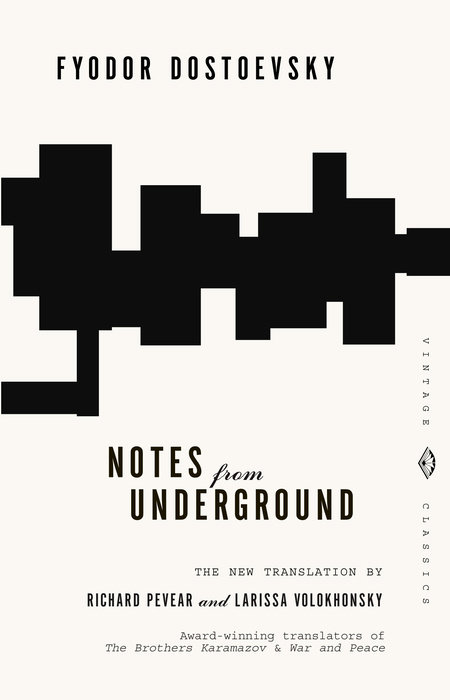
In 1864, just prior to the years in which he wrote his greatest novels — Crime and Punishment, The Idiot, The Possessed and The Brothers Karamazov — Fyodor Dostoyevsky (1821–1881) penned the darkly fascinating Notes from the Underground. Its nameless hero is a profoundly alienated individual in whose brooding self-analysis there is a search for the true and the good in a world of relative values and few absolutes. Moreover, the novel introduces themes — moral, religious, political and social — that dominated Dostoyevsky's later works. Notes from the Underground, then, aside from its own compelling qualities, offers readers an ideal introduction to the creative imagination, profundity and uncanny psychological penetration of one of the most influential novelists of the nineteenth century. Constance Garnett's authoritative translation is reprinted here, with a new introduction.
Works, such as the novels Crime and Punishment (1866), The Idiot (1869), and The Brothers Karamazov (1880), of Russian writer Feodor Mikhailovich Dostoyevsky or Dostoevski combine religious mysticism with profound psychological insight.
Fyodor Mikhailovich Dostoevsky composed short stories, essays, and journals. His literature explores humans in the troubled political, social, and spiritual atmospheres of 19th-century and engages with a variety of philosophies and themes. People most acclaimed his Demons(1872) .
Many literary critics rate him among the greatest authors of world literature and consider multiple books written by him to be highly influential masterpieces. They consider his Notes from Underground of the first existentialist literature. He is also well regarded as a philosopher and theologian.
ایک پاگل کی ڈائری ناول سے زیادہ نفسیاتی کردار کا تجزیہ ہے۔ اگرچہ دوستوفسکی نے یہاں فرائیڈ کا مقابلہ کرنے کا موقع مکمل طور پر کھو دیا ہے، لیکن اس کی نثر فرائیڈ کے خیالات کے ساتھ بہن بھائی کا رشتہ قائم کرتی ہے۔
ایک پاگل کی ڈائری، بلاشبہ، ایک کلاسک ناول کی ایک بہترین مثال ہے۔ یعنی یہ ان ناولوں میں سے ایک ہے جہاں مصنف کے کردار کا تجزیہ کرکے اور طبعی کیفیات کو بیان کرکے سامعین کو دیوانگی کی سرحد تک پہنچانے کی کوشش کرتا ہے۔ ایک پاگل کی ڈائری میں، دوستوفسکی نے کرداروں کے چہروں اور برتاؤ کے لیے سو سے زیادہ مختلف تاثرات بیان کیے ہیں۔ بورنگ، بورنگ اور مایوس کن وضاحتیں۔
مجموعی طور پر، ایک پاگل کی ڈائری ایک باسی اور تاریخ کا کام ہے۔ پڑھنا اچھا نہیں لگتا۔ ایک اور نکتہ یہ ہے کہ دوستوفسکی جس فلسفے کو بُننا چاہتا ہے وہ نہ تو وجودی ہے اور نہ ہی کافی مضحکہ خیز۔ یہ ایک درمیانی ریاست ہے۔ میں موجود ہوں اور میں مبتلا ہوں۔ لیکن میں زیادہ بیوقوف نہیں ہوں۔ ویسے بھی میں اپنے تخیل کو استعمال کرتے ہوئے چالیس سال تک اپنے آپ کو تہہ خانے میں بند کرنے میں کامیاب رہا ہوں۔ میں نے شعوری طور پر خود کو تنہا کر لیا ہے۔ اور میں نے جان بوجھ کر کچھ نہیں کیا۔ اور یہ ایک بہادرانہ عمل ہے۔ دوستوفسکی کے فلسفے میں خوف، تکلیف، تنہائی اور آزادی بڑے تصورات ہیں۔ ایک ایسا فلسفہ جو جدید انسان کے بحران کے مسئلے کی وضاحت کرتا ہے لیکن حل پیش نہیں کرتا۔
ایسا ہی ہے جادو وہ جو سر چڑھ کر بولے، دوستوفسکی کا جادو، اچھا ناول ہے مختصر اور افسردہ اور ایسے شخص کی کہانی جو خود کو سمجھ نہ پایا ہو یا سمجھنا چاہتا ہی نہ ہو یا پھر کچھ کچھ سمجھ رہا ہو۔ ایسا ہی کچھ لکھا ہے دوستوفسکی نے مختصر ناول ہے صرف دو دن میں اختتام ہوا ضرور پڑھئیے عبداللہ