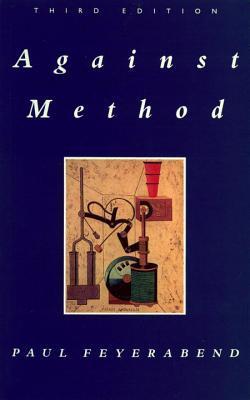
Modern philosophy of science has paid great attention to the understanding of scientific ‘practice’, in contrast to concentration on scientific ‘method’. Paul Feyerabend’s acclaimed work, which has contributed greatly to this new emphasis, shows the deficiencies of some widespread ideas about the nature of knowledge. He argues that the only feasible explanations of scientific successes are historical explanations, and that anarchism must now replace rationalism in the theory of knowledge.
The third edition of this classic text contains a new preface and additional reflections at various points in which the author takes account both of recent debates on science and on the impact of scientific products and practices on the human community. While disavowing populism or relativism, Feyerabend continues to insist that the voice of the inexpert must be heard. Thus many environmental perils were first identified by non-experts against prevailing assumptions in the scientific community. Feyerabend’s challenging reassessment of scientific claims and understandings are as pungent and timely as ever.
Paul Karl Feyerabend was an Austrian-born philosopher of science best known for his work as a professor of philosophy at the University of California, Berkeley, where he worked for three decades (1958–1989).
His life was a peripatetic one, as he lived at various times in England, the United States, New Zealand, Italy, Germany, and finally Switzerland. His major works include Against Method (published in 1975), Science in a Free Society (published in 1978) and Farewell to Reason (a collection of papers published in 1987). Feyerabend became famous for his purportedly anarchistic view of science and his rejection of the existence of universal methodological rules. He is an influential figure in the philosophy of science, and also in the sociology of scientific knowledge.
Feyerabend, bilimi kutsal bir inanç gibi sunan modern akılcılık anlayışını yerinden sarsıyor. Ona göre “bilim” dediğimiz şey, tek bir evrensel yöntemle işlemiyor; tarih boyunca en büyük bilimsel sıçramalar, mevcut kuralların çiğnendiği, “ne olsa uyar” anlayışına yakın dönemlerde gerçekleşmiş. Galileo’nun teleskop kullanırken bilimsel standartlara pek de uymayan yöntemlerle Kopernikçi görüşü savunması bunun çarpıcı bir örneği. Feyerabend’in altını çizdiği nokta şu: bilim, tek tip bir disiplin değil; farklı kültürlerin, tarihsel koşulların ve toplumsal ihtiyaçların ürettiği birçok “bilim” biçimi var. Batı bilimi bugün baskınsa, bu “doğru” olduğu için değil, çoğunlukla arkasındaki siyasi-askeri güç nedeniyle böyle. Bu yüzden, tıpkı dinin devlet işlerinden ayrılması gerektiği gibi, bilimin de demokrasi içinde mutlak otorite pozisyonundan çıkarılması gerektiğini savunuyor.
Bilimi mutlak otorite olmaktan çıkarmak önemli olsa da, “her kültür kendi bilimini kursun” yaklaşımı, evrensel standartların ve güvenilir bilginin gerekliliğini göz ardı edebilir. Feyerabend’in anarşist metodoloji taslağı, sınırları çizilmeden uygulanırsa bilimin kendi iç tutarlılığını zayıflatma riski taşıyor.