

What do you think?
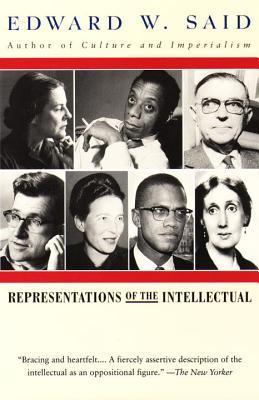
Representations of the Intellectual
Celebrated humanist, teacher, and scholar, Edward W. Said here examines the ever-changing role of the intellectual today. In these six stunning essays - delivered on the BBC as the prestigious Reith Lectures - Said addresses the ways in which the intellectual can best serve society in the light of a heavily compromised media and of special interest groups who are protected at the cost of larger community concerns. Said suggests a recasting of the intellectual's vision to resist the lures of power, money, and specialization. in these powerful pieces, Said eloquently illustrates his arguments by drawing on such writers as Antonio Gramsci, Jean-Paul Sartre, Regis Debray, Julien Benda, and Adorno, and by discussing current events and celebrated figures in the world of science and politics: Robert Oppenheimer, Henry Kissinger, Dan Quayle, Vietnam, and the Gulf War. Said sees the modern intellectual as an editor, journalist, academic, or political adviser - in other words, a highly specialized professional - who has moved from a position of independence to an alliance with powerful institutional organizations. He concludes that it is the exile-immigrant, the expatriate, and the amateur who must uphold the traditional role of the intellectual as the voice of integrity and courage, able to speak out against those in power.
BBC episodes presented by Edward Said: http://www.bbc.co.uk/programmes/p00gm...
BBC episodes presented by Edward Said: http://www.bbc.co.uk/programmes/p00gm...
121 pages, Paperback
First published January 1, 1994
About the author
Edward W. Said
244 books4,523 followers(Arabic Profile إدوارد سعيد)
Edward Wadie Said was a professor of literature at Columbia University, a public intellectual, and a founder of the academic field of postcolonial studies. A Palestinian American born in Mandatory Palestine, he was a citizen of the United States by way of his father, a U.S. Army veteran.
Educated in the Western canon, at British and American schools, Said applied his education and bi-cultural perspective to illuminating the gaps of cultural and political understanding between the Western world and the Eastern world, especially about the Israeli-Palestinian conflict in the Middle East; his principal influences were Antonio Gramsci, Frantz Fanon, Aimé Césaire, Michel Foucault, and Theodor Adorno.
As a cultural critic, Said is known for the book Orientalism (1978), a critique of the cultural representations that are the bases of Orientalism—how the Western world perceives the Orient. Said’s model of textual analysis transformed the academic discourse of researchers in literary theory, literary criticism, and Middle-Eastern studies—how academics examine, describe, and define the cultures being studied. As a foundational text, Orientalism was controversial among the scholars of Oriental Studies, philosophy, and literature.
As a public intellectual, Said was a controversial member of the Palestinian National Council, because he publicly criticized Israel and the Arab countries, especially the political and cultural policies of Muslim régimes who acted against the national interests of their peoples. Said advocated the establishment of a Palestinian state to ensure equal political and human rights for the Palestinians in Israel, including the right of return to the homeland. He defined his oppositional relation with the status quo as the remit of the public intellectual who has “to sift, to judge, to criticize, to choose, so that choice and agency return to the individual” man and woman.
In 1999, with his friend Daniel Barenboim, Said co-founded the West–Eastern Divan Orchestra, based in Seville, which comprises young Israeli, Palestinian, and Arab musicians. Besides being an academic, Said also was an accomplished pianist, and, with Barenboim, co-authored the book Parallels and Paradoxes: Explorations in Music and Society (2002), a compilation of their conversations about music. Edward Said died of leukemia on 25 September 2003.
Edward Wadie Said was a professor of literature at Columbia University, a public intellectual, and a founder of the academic field of postcolonial studies. A Palestinian American born in Mandatory Palestine, he was a citizen of the United States by way of his father, a U.S. Army veteran.
Educated in the Western canon, at British and American schools, Said applied his education and bi-cultural perspective to illuminating the gaps of cultural and political understanding between the Western world and the Eastern world, especially about the Israeli-Palestinian conflict in the Middle East; his principal influences were Antonio Gramsci, Frantz Fanon, Aimé Césaire, Michel Foucault, and Theodor Adorno.
As a cultural critic, Said is known for the book Orientalism (1978), a critique of the cultural representations that are the bases of Orientalism—how the Western world perceives the Orient. Said’s model of textual analysis transformed the academic discourse of researchers in literary theory, literary criticism, and Middle-Eastern studies—how academics examine, describe, and define the cultures being studied. As a foundational text, Orientalism was controversial among the scholars of Oriental Studies, philosophy, and literature.
As a public intellectual, Said was a controversial member of the Palestinian National Council, because he publicly criticized Israel and the Arab countries, especially the political and cultural policies of Muslim régimes who acted against the national interests of their peoples. Said advocated the establishment of a Palestinian state to ensure equal political and human rights for the Palestinians in Israel, including the right of return to the homeland. He defined his oppositional relation with the status quo as the remit of the public intellectual who has “to sift, to judge, to criticize, to choose, so that choice and agency return to the individual” man and woman.
In 1999, with his friend Daniel Barenboim, Said co-founded the West–Eastern Divan Orchestra, based in Seville, which comprises young Israeli, Palestinian, and Arab musicians. Besides being an academic, Said also was an accomplished pianist, and, with Barenboim, co-authored the book Parallels and Paradoxes: Explorations in Music and Society (2002), a compilation of their conversations about music. Edward Said died of leukemia on 25 September 2003.
Ratings & Reviews
Friends & Following
Create a free account to discover what your friends think of this book!
Community Reviews
Displaying 1 - 3 of 3 reviews
December 4, 2024
Uiteindelijk veel geneuzel met een voor de hand liggende moralisering van de intellectueel, door een teveel aan voorbeelden waarmee weinig nieuws verteld wordt.
Echter is de constructie van dit boekje desondanks intrigerend.
Saïd herdefinieert de intellectueel namelijk op een manier waarmee die niet langer om zijn eigen activistische 'aard' kan draaien, en zo krijgt dit ogenschijnlijk analytische werk een gewenste, activerende invloed op zijn lezer. De lezer doet niets liever dan zich herkennen in het beeld dat geschetst wordt van een warme, nobele intellectueel die met goede voornemens zichzelf in een heikele (kritische) situatie plaatst (wat soms voelt alsof je wordt vetgemest). Daarmee klopt het wel wat Anil Ramdas in zijn roman _Badal_ over Saïd zegt: "Ik had eigenlijk een arrogante man verwacht, zo'n welbespraakte, smaakvol geklede snob. Hij was wel smaakvol gekleed, maar hij was geen snob. Juist warm, geduldig en innemend." Bovenal een filosoof van goed fatsoen dus, iemand die nuance aanbrengt en vooral geen te gekke uitspraken doet.
Het hoofdpunt van Saïd is dat de intellectueel een _outsider_ is en zich nergens thuis voelt zoals de immigrant. Hiermee borduurt het voort op werk als dat van Stuart Hall, dat het outsiderschap ziet als een bevoorrechte positie waaruit nieuwe, kritische en kosmopolitische observaties gemaakt kunnen worden. Saïd voert dit door, en beweert dat de intellectueel onophoudelijk kritisch (bijna mierenneukerig) dient te zijn (al heeft hij natuurlijk zijn overtuigingen) en betrekt dit vooral op politieke actie, waarmee hij uiting geeft aan een mening die nog steeds heerst, namelijk dat alles ontegenzegbaar politiek is, zo ook de intellectueel (al wil hij zich verschuilen achter zijn specialisaties).
Een lezer moet zich alleen wel bedenken dat het herdefiniëren van zoiets als de intellectueel op zich ook een politieke daad is, en daarmee een belangrijk onderdeel van intellectualisme (hier ook wel traditioneel, of proffesionalistisch genoemd) inauthentiek verklaart. Daarnaast verwijst Saïd meermaals naar intellectuelen die hij ziet als vrienden ter ondersteuning van zijn voorbeelden, maar vergeet hij (zoals veel filosofen) belang te hechten aan de relaties van een intellectueel en bovendien aan de dialoog, zonder welke de intellectueel zijn bestaansrecht op zou moeten heffen.
Er valt dus het een en ander op te merken aan dit outsiderschap, maar wat vooral maakt dat ik liever iets anders had gelezen over intellectualisme is de stijl van Saïd, die eindeloos herhalend is. Waar Kant onleesbaar kan worden door een tekort aan voorbeelden, is Saïd dat door een teveel. Hij lijkt, zo ook in zijn andere werk, bezeten te zijn door een drift om zijn kennis te rechtvaardigen middels de waslijst aan bronnen uit de Westerse literatuur, terwijl de lezer zijn mening al lang heeft doorgeslikt - zelfs al heeft verteerd.
Saïd's werk is van groot belang, maar zelfs deze tekst van niet meer dan honderd pagina's had veel dichter en gecomprimeerder gekund.
Echter is de constructie van dit boekje desondanks intrigerend.
Saïd herdefinieert de intellectueel namelijk op een manier waarmee die niet langer om zijn eigen activistische 'aard' kan draaien, en zo krijgt dit ogenschijnlijk analytische werk een gewenste, activerende invloed op zijn lezer. De lezer doet niets liever dan zich herkennen in het beeld dat geschetst wordt van een warme, nobele intellectueel die met goede voornemens zichzelf in een heikele (kritische) situatie plaatst (wat soms voelt alsof je wordt vetgemest). Daarmee klopt het wel wat Anil Ramdas in zijn roman _Badal_ over Saïd zegt: "Ik had eigenlijk een arrogante man verwacht, zo'n welbespraakte, smaakvol geklede snob. Hij was wel smaakvol gekleed, maar hij was geen snob. Juist warm, geduldig en innemend." Bovenal een filosoof van goed fatsoen dus, iemand die nuance aanbrengt en vooral geen te gekke uitspraken doet.
Het hoofdpunt van Saïd is dat de intellectueel een _outsider_ is en zich nergens thuis voelt zoals de immigrant. Hiermee borduurt het voort op werk als dat van Stuart Hall, dat het outsiderschap ziet als een bevoorrechte positie waaruit nieuwe, kritische en kosmopolitische observaties gemaakt kunnen worden. Saïd voert dit door, en beweert dat de intellectueel onophoudelijk kritisch (bijna mierenneukerig) dient te zijn (al heeft hij natuurlijk zijn overtuigingen) en betrekt dit vooral op politieke actie, waarmee hij uiting geeft aan een mening die nog steeds heerst, namelijk dat alles ontegenzegbaar politiek is, zo ook de intellectueel (al wil hij zich verschuilen achter zijn specialisaties).
Een lezer moet zich alleen wel bedenken dat het herdefiniëren van zoiets als de intellectueel op zich ook een politieke daad is, en daarmee een belangrijk onderdeel van intellectualisme (hier ook wel traditioneel, of proffesionalistisch genoemd) inauthentiek verklaart. Daarnaast verwijst Saïd meermaals naar intellectuelen die hij ziet als vrienden ter ondersteuning van zijn voorbeelden, maar vergeet hij (zoals veel filosofen) belang te hechten aan de relaties van een intellectueel en bovendien aan de dialoog, zonder welke de intellectueel zijn bestaansrecht op zou moeten heffen.
Er valt dus het een en ander op te merken aan dit outsiderschap, maar wat vooral maakt dat ik liever iets anders had gelezen over intellectualisme is de stijl van Saïd, die eindeloos herhalend is. Waar Kant onleesbaar kan worden door een tekort aan voorbeelden, is Saïd dat door een teveel. Hij lijkt, zo ook in zijn andere werk, bezeten te zijn door een drift om zijn kennis te rechtvaardigen middels de waslijst aan bronnen uit de Westerse literatuur, terwijl de lezer zijn mening al lang heeft doorgeslikt - zelfs al heeft verteerd.
Saïd's werk is van groot belang, maar zelfs deze tekst van niet meer dan honderd pagina's had veel dichter en gecomprimeerder gekund.

November 11, 2012
Ik las de Nederlandstalige versie, verschenen bij Atlas. Wat ik vooral onthouden heb uit deze bundel essays over de taak van de intellectueel is dit: "De intellectueel handelt op grond van universele principes: dat alle mensen wat vrijheid en gerechtigheid betreft van wereldlijke machten of naties fatsoenlijke gedragsnormen mogen verwachten, en dat doelbewuste of onopzettelijke schendingen van deze normen onvervaard dienen te worden aangetoond en bestreden." (blz. 29)
Onafhankelijk zijn mening kunnen ventileren en kritiek te kunnen uitoefenen, los van druk van overheidswege, lobbyisten of wie dan ook, is essentieel. Jammer genoeg laten vele intellectuelen zich voor de kar spannen van een regering, een bedrijf of drukkingsgroepen. De échte intellectueel blijft zichzelf ook als hij met pek en veren kan worden besmeurd.
Onafhankelijk zijn mening kunnen ventileren en kritiek te kunnen uitoefenen, los van druk van overheidswege, lobbyisten of wie dan ook, is essentieel. Jammer genoeg laten vele intellectuelen zich voor de kar spannen van een regering, een bedrijf of drukkingsgroepen. De échte intellectueel blijft zichzelf ook als hij met pek en veren kan worden besmeurd.

August 29, 2014
Said heeft een duidelijke theorie over wat de manifestaties van een publieke intellectueel zijn. Hij verlaat dit theoretische pad echter niet. Ik had meer voorbeelden verwacht en dus meer uitwerking. Wellicht is ruimtegebrek de reden daarvoor.
Displaying 1 - 3 of 3 reviews