

What do you think?
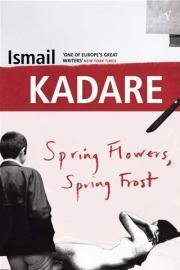
Spring Flowers, Spring Frost
From behind the closed door, the man shouts, 'Be on your way - you have no business here!'
'Open up, I am the messenger of Death'.
As spring arrives in the Albanian mountain town of B, some strange things are emerging in the thaw. Bank robbers strike the National Bank. Old terrors are dredged up from the shipwreck of history. And ultra-explosive state secrets are threatening to flood the entire nation. Mark, an artist, finds the peaceful rhythms of his life turned upside down by ancient love and modern barbarism and by the particular brutality of a country surprised and divided by its new freedom.
'Open up, I am the messenger of Death'.
As spring arrives in the Albanian mountain town of B, some strange things are emerging in the thaw. Bank robbers strike the National Bank. Old terrors are dredged up from the shipwreck of history. And ultra-explosive state secrets are threatening to flood the entire nation. Mark, an artist, finds the peaceful rhythms of his life turned upside down by ancient love and modern barbarism and by the particular brutality of a country surprised and divided by its new freedom.
192 pages, Paperback
First published January 1, 2000
About the author
Ismail Kadare
261 books1,833 followersIsmail Kadare (also spelled Kadaré) was an Albanian novelist and poet. He has been a leading literary figure in Albania since the 1960s. He focused on short stories until the publication of his first novel, The General of the Dead Army. In 1996 he became a lifetime member of the Academy of Moral and Political Sciences of France. In 1992, he was awarded the Prix mondial Cino Del Duca; in 2005, he won the inaugural Man Booker International Prize, in 2009 the Prince of Asturias Award of Arts, and in 2015 the Jerusalem Prize. He has divided his time between Albania and France since 1990. Kadare has been mentioned as a possible recipient for the Nobel Prize in Literature several times. His works have been published in about 30 languages.
Ismail Kadare was born in 1936 in Gjirokastër, in the south of Albania. His education included studies at the University of Tirana and then the Gorky Institute for World Literature in Moscow, a training school for writers and critics.
In 1960 Kadare returned to Albania after the country broke ties with the Soviet Union, and he became a journalist and published his first poems.
His first novel, The General of the Dead Army, sprang from a short story, and its success established his name in Albania and enabled Kadare to become a full-time writer.
Kadare's novels draw on Balkan history and legends. They are obliquely ironic as a result of trying to withstand political scrutiny. Among his best known books are Chronicle in Stone (1977), Broken April (1978), and The Concert (1988), considered the best novel of the year 1991 by the French literary magazine Lire.
In 1990, Kadare claimed political asylum in France, issuing statements in favour of democratisation. During the ordeal, he stated that "dictatorship and authentic literature are incompatible. The writer is the natural enemy of dictatorship."
Ismail Kadare was born in 1936 in Gjirokastër, in the south of Albania. His education included studies at the University of Tirana and then the Gorky Institute for World Literature in Moscow, a training school for writers and critics.
In 1960 Kadare returned to Albania after the country broke ties with the Soviet Union, and he became a journalist and published his first poems.
His first novel, The General of the Dead Army, sprang from a short story, and its success established his name in Albania and enabled Kadare to become a full-time writer.
Kadare's novels draw on Balkan history and legends. They are obliquely ironic as a result of trying to withstand political scrutiny. Among his best known books are Chronicle in Stone (1977), Broken April (1978), and The Concert (1988), considered the best novel of the year 1991 by the French literary magazine Lire.
In 1990, Kadare claimed political asylum in France, issuing statements in favour of democratisation. During the ordeal, he stated that "dictatorship and authentic literature are incompatible. The writer is the natural enemy of dictatorship."
Ratings & Reviews
Friends & Following
Create a free account to discover what your friends think of this book!
Community Reviews
Displaying 1 - 1 of 1 review

December 30, 2019
Please scroll down for the English version.
Kadarétól elsőként Az álmok palotáját olvastam. Azzal a művészien megírt nyomasztással eddig egyetlen más (általam ismert) könyve sem versenghetett. Azért ez most közel jár.
Pedig az elején semmi nem mutatja, hogy a regény bármiért megérdemelné a helyét az 1001 könyv listáján. Hát, Istenem, van ilyen. Az elején legfeljebb az számíthat érdekesnek, ahogyan a 90-es évek Albániája és a népmesék, mítoszok világa folyamatosan egymásba játszik. (Vannak fejezetek és vannak ellen-fejezetek. A fejezetek tere a hétköznapi világ, ideje a történelem, az ellen-fejezetek mitikus, időtlen világban játszódnak.) Aztán ahogy a kettő elkezd egymásba átfolyni, egyre szorosabban összefonódni, úgy válik izgalmasabbá (meg egyre nyomasztóbbá) a történet. A végére aztán eljutunk odáig, hogy a mitikus-időtlen logika termeli ki magából a racionális, a maga keserű-szomorú módján felszabadító és emberbaráti tervet, míg a hétköznapi, megfogható, konkrét térben és időben létező Albánia irracionálisan gonosz, embertelen hellyé válik.
A csillaglevonás a kiadásnak szól. Először is a fordítás: előbb albánról franciára, aztán franciáról angolra. Haggyá má. Nem igaz, hogy egy Kadarénak a kétezres évek elején nem találtak olyan fordítót, aki albánul is, angolul is tud. Szép a szöveg persze, de csak a regény utolsó harmadában esett le nekem, hogy ez végig át volna itatva az albán nyelvhez kötődő metaforákkal. Mennyi metaforát vesztettem el odáig?! Legalább valami lábjegyzetet raktak volna bele arról, melyik szónak mi a jelentősége az albán kultúrában... mármint ha a fordítónak lett volna róla tudomása. És látni valóan nem volt. Mondjuk, ez már a kiadó felelőssége is, ezért rovom fel a kiadásnak ezt a hibát.*
Így éppen csak sejthető - és elég lassan körvonalazható - az a mintázat, amelyet a konkrétnak és a jelképesnek a folyamatos érintkezése és egymástól való távolodása ad. Ideális terep ehhez a kilencvenes évek Albániája, amely több évtizedes diktatúra után elkezd magához térni (ahogy mi), új alapokat keres az élet megújításához (ahogy mi), ennek érdekében visszanyúl a saját ősi(nek tekintett) hagyományaihoz (ahogy mi), és azok között sajnos megtalálja azt a bizonyos kivételesen embertelen albán vérbosszút, amelyről a másik 1001-listás Kadare-regény, a Kettétört április is szól (hála Istennek nálunk speciel ez nincs, van helyette pont elég más). És pontosan az ellenkezőjét éri el annak, amit szeretne, meg amire szüksége volna. Mert itt mindenkinek van oka rejtegetni valamit a múltjából, valami egyszerre banálisat és szégyellni valót, és mindenki elszántan keresi a más titkát, miközben szorongva őrzi a sajátját, Közben pedig sorra előbújnak belőlük a kíváncsiságuk által meghatározott (és bajba vitt), halhatatlanságra vágyó, titokfejtő mesei-mítoszi alakok.
Nem tudom, jut-e még valaki eszébe ennyi gyilkosság közben az a szó, hogy "pazarlás". Nekem elég régen ez az első, ami ilyenkor eszembe jut. Milyen jogon dönti el egyik ember a másikról, hogy fölösleges, hogy távoznia kell az élők közül, mindegy, mit művelt vagy nem művelt korábban? És - ha már a becsületgyilkosságoknál tartunk - milyen jogon dobja el ezzel együtt a saját életét? Mi minden nem történik meg a jövőben csak azért, mert egy fonál erőszakosan megszakad, és kiesik az időből?
* Eredetileg franciául akartam olvasni, csak sajnos annyi más idegen nyelvű olvasmány mellett egyszerűen nem maradt volna rá időm. Aki teheti, tegye, hozzáférhet az Országos Idegennyelvű Könyvtárban.
------------
Nothing compares to The Palace of Dreams, my first book by Kadare. This one does come close, though. I only resent the quality of the English-language edition.
In the beginning, I was only interested in the interplay between chapters and counter-chapters: the everyday, down-to-earth Albania of the nineties and the world of folk tales and myths. Later, as the two worlds began to melt into each other, the story began to be more and more exciting (as well as depressing). In the end, it's the timeless logic of the mytic that produces a rational solution, even liberating and humane in its own way - and it's nice everyday and down-to-earth Albania that becomes irrationally evil and inhuman.
I'm really disappointed by the way it was published in English. First, it's the translation: from Albanian into French, then from French into English. How come they could find no one in the year 2000 who would have been able to work both in Albanian and English? I can't believe that. I have no problem with the style or anything like that, but it wasn't until the last third of the book that I realised this text was full of metaphors connected to the Albanian language. How many have been lost? Why were there no references to them at least in footnotes? That is, if the translator knew about them. But that's also the responsibility of the publisher, of course. You'd better read it in French if you can. Unfortunately, I didn't have that much time. (I read in French much more slowly than in English.)
Thus, I could only begin to discern the pattern of the concrete and the symbolic touching and leaving each other all the time. The Albania of the nineties is an ideal space and time to show how it works. After decades of dictatorship, they begin to come round (like we did in Hungary). They search for new foundations for renewing life (like we did). In order to do that, they reach back to the old days (like we did). Unfortunately, what they find includes that certain inhuman tradition of vendetta (thank God we don't have it; we've plenty of other problems to cope with). And they do just the opposite of what they want to, and of what they need. Here, everyone has the reason to hide something both banal and shameful from their past. Everyone is trying to find out about the secrets others are hiding, and is anxious to hide their own. In the meantime, they turn into mythical creatures defined (cursed) by their desire to know, to learn, to become immortal.
The first word that comes to my mind, when thinking of these murders is "waste." How could anyone have the right to decide that another human being is unnecessary and has to go, whatever they did or didn't do before? And (as we're talking of a chain of vendettas going on) how could anyone throw away their own life at the same time? What is it that will never happen in the future just because someone's yarn has been violently cut and dropped out?
Kadarétól elsőként Az álmok palotáját olvastam. Azzal a művészien megírt nyomasztással eddig egyetlen más (általam ismert) könyve sem versenghetett. Azért ez most közel jár.
Pedig az elején semmi nem mutatja, hogy a regény bármiért megérdemelné a helyét az 1001 könyv listáján. Hát, Istenem, van ilyen. Az elején legfeljebb az számíthat érdekesnek, ahogyan a 90-es évek Albániája és a népmesék, mítoszok világa folyamatosan egymásba játszik. (Vannak fejezetek és vannak ellen-fejezetek. A fejezetek tere a hétköznapi világ, ideje a történelem, az ellen-fejezetek mitikus, időtlen világban játszódnak.) Aztán ahogy a kettő elkezd egymásba átfolyni, egyre szorosabban összefonódni, úgy válik izgalmasabbá (meg egyre nyomasztóbbá) a történet. A végére aztán eljutunk odáig, hogy a mitikus-időtlen logika termeli ki magából a racionális, a maga keserű-szomorú módján felszabadító és emberbaráti tervet, míg a hétköznapi, megfogható, konkrét térben és időben létező Albánia irracionálisan gonosz, embertelen hellyé válik.
A csillaglevonás a kiadásnak szól. Először is a fordítás: előbb albánról franciára, aztán franciáról angolra. Haggyá má. Nem igaz, hogy egy Kadarénak a kétezres évek elején nem találtak olyan fordítót, aki albánul is, angolul is tud. Szép a szöveg persze, de csak a regény utolsó harmadában esett le nekem, hogy ez végig át volna itatva az albán nyelvhez kötődő metaforákkal. Mennyi metaforát vesztettem el odáig?! Legalább valami lábjegyzetet raktak volna bele arról, melyik szónak mi a jelentősége az albán kultúrában... mármint ha a fordítónak lett volna róla tudomása. És látni valóan nem volt. Mondjuk, ez már a kiadó felelőssége is, ezért rovom fel a kiadásnak ezt a hibát.*
Így éppen csak sejthető - és elég lassan körvonalazható - az a mintázat, amelyet a konkrétnak és a jelképesnek a folyamatos érintkezése és egymástól való távolodása ad. Ideális terep ehhez a kilencvenes évek Albániája, amely több évtizedes diktatúra után elkezd magához térni (ahogy mi), új alapokat keres az élet megújításához (ahogy mi), ennek érdekében visszanyúl a saját ősi(nek tekintett) hagyományaihoz (ahogy mi), és azok között sajnos megtalálja azt a bizonyos kivételesen embertelen albán vérbosszút, amelyről a másik 1001-listás Kadare-regény, a Kettétört április is szól (hála Istennek nálunk speciel ez nincs, van helyette pont elég más). És pontosan az ellenkezőjét éri el annak, amit szeretne, meg amire szüksége volna. Mert itt mindenkinek van oka rejtegetni valamit a múltjából, valami egyszerre banálisat és szégyellni valót, és mindenki elszántan keresi a más titkát, miközben szorongva őrzi a sajátját, Közben pedig sorra előbújnak belőlük a kíváncsiságuk által meghatározott (és bajba vitt), halhatatlanságra vágyó, titokfejtő mesei-mítoszi alakok.
Nem tudom, jut-e még valaki eszébe ennyi gyilkosság közben az a szó, hogy "pazarlás". Nekem elég régen ez az első, ami ilyenkor eszembe jut. Milyen jogon dönti el egyik ember a másikról, hogy fölösleges, hogy távoznia kell az élők közül, mindegy, mit művelt vagy nem művelt korábban? És - ha már a becsületgyilkosságoknál tartunk - milyen jogon dobja el ezzel együtt a saját életét? Mi minden nem történik meg a jövőben csak azért, mert egy fonál erőszakosan megszakad, és kiesik az időből?
* Eredetileg franciául akartam olvasni, csak sajnos annyi más idegen nyelvű olvasmány mellett egyszerűen nem maradt volna rá időm. Aki teheti, tegye, hozzáférhet az Országos Idegennyelvű Könyvtárban.
------------
Nothing compares to The Palace of Dreams, my first book by Kadare. This one does come close, though. I only resent the quality of the English-language edition.
In the beginning, I was only interested in the interplay between chapters and counter-chapters: the everyday, down-to-earth Albania of the nineties and the world of folk tales and myths. Later, as the two worlds began to melt into each other, the story began to be more and more exciting (as well as depressing). In the end, it's the timeless logic of the mytic that produces a rational solution, even liberating and humane in its own way - and it's nice everyday and down-to-earth Albania that becomes irrationally evil and inhuman.
I'm really disappointed by the way it was published in English. First, it's the translation: from Albanian into French, then from French into English. How come they could find no one in the year 2000 who would have been able to work both in Albanian and English? I can't believe that. I have no problem with the style or anything like that, but it wasn't until the last third of the book that I realised this text was full of metaphors connected to the Albanian language. How many have been lost? Why were there no references to them at least in footnotes? That is, if the translator knew about them. But that's also the responsibility of the publisher, of course. You'd better read it in French if you can. Unfortunately, I didn't have that much time. (I read in French much more slowly than in English.)
Thus, I could only begin to discern the pattern of the concrete and the symbolic touching and leaving each other all the time. The Albania of the nineties is an ideal space and time to show how it works. After decades of dictatorship, they begin to come round (like we did in Hungary). They search for new foundations for renewing life (like we did). In order to do that, they reach back to the old days (like we did). Unfortunately, what they find includes that certain inhuman tradition of vendetta (thank God we don't have it; we've plenty of other problems to cope with). And they do just the opposite of what they want to, and of what they need. Here, everyone has the reason to hide something both banal and shameful from their past. Everyone is trying to find out about the secrets others are hiding, and is anxious to hide their own. In the meantime, they turn into mythical creatures defined (cursed) by their desire to know, to learn, to become immortal.
The first word that comes to my mind, when thinking of these murders is "waste." How could anyone have the right to decide that another human being is unnecessary and has to go, whatever they did or didn't do before? And (as we're talking of a chain of vendettas going on) how could anyone throw away their own life at the same time? What is it that will never happen in the future just because someone's yarn has been violently cut and dropped out?
Displaying 1 - 1 of 1 review