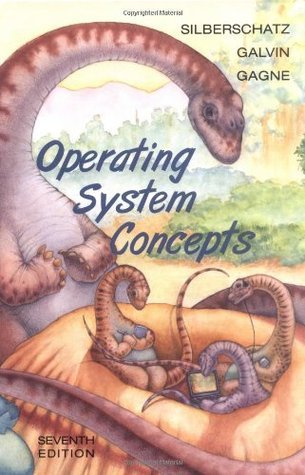
The tenth edition of has been revised to keep it fresh and up-to-date with contemporary examples of how operating systems function, as well as enhanced interactive elements to improve learning and the student�s experience with the material. It combines instruction on concepts with real-world applications so that students can understand the practical usage of the content. End-of-chapter problems, exercises, review questions, and programming exercises help to further reinforce important concepts. New interactive self-assessment problems are provided throughout the text to help students monitor their level of understanding and progress. A Linux virtual machine (including C and Java source code and development tools) allows students to complete programming exercises that help them engage further with the material.
Abraham Silberschatz is the Sidney J. Weinberg Professor & Chair of Computer Science at Yale University. Prior to joining Yale, he was the Vice President of the Information Sciences Research Center at Bell Laboratories. Prior to that, he held a chaired professorship in the Department of Computer Sciences at the University of Texas at Austin. Professor Silberschatz is an ACM Fellow and an IEEE Fellow. He received the 2002 IEEE Taylor L. Booth Education Award, the 1998 ACM Karl V. Karlstrom Outstanding Educator Award, and the 1997 ACM SIGMOD Contribution Award. In recognition of his outstanding level of innovation and technical excellence, he was awarded the Bell Laboratories President's Award for three different projects - the QTM Project (1998), the DataBlitz Project (1999), and the Netlnventory Project (2004). Professor Silberschatz' writings have appeared in numerous ACM and IEEE publications and other professional conferences and journals. He has also written Op-Ed articles for the New York Times, the Boston Globe, and the Hartford Courant, among others.
کتاب سیلبرشاتز برای شروع یادگیری سیستم عامل قدم خوبیه. کتابهای مرجع بهتر و کاملتری مثل استالینز وجود دارن، اما نمیتونم بگم که سیلبرشاتز آموزش خوبی نداره. همچنین در کنار کتاب اسلایدهای آموزشی مولف به زبان انگلیسی موجود هستن که میتونن کمککننده باشن. شاید مثل تمام درسهای دانشگاهی، داخل سیستم عامل هم بر سر برخی مفاهیم بحث و دوگانگی وجود داره. الگوریتمهایی مثل LOOK و SCAN گاهی یکسان در نظر گرفته میشن و حالتهای فرآیند داخل سیستم عامل کم و زیاد میشه. به عنوان مثال استالینز حالتهای suspended و waiting/suspended هم به مجموعه حالتها اضافه میکنه. انواع سیستم عامل تغییر میکنه و fork های متفاوتی ارائه میشن. همچنان برخی بخشها نامشخص هستن و در هر حال، دنیای سیستمهای عامل هر روز در حال تغییره. در آخر باید اضافه کنم که سیستم عامل درس پیچیده و همچنین زیبایی هست. بیشتر وسیلههایی که در دنیای امروزی از اونها استفاده میکنیم شامل سیستم عامل هستن. لباسشویی، ماشین، و جاروبرقی تنها مثالهایی از پل ارتباطی سیستم عامل میان کاربر و سختافزار هستن. متاسفانه مثل بسیاری فناوریهای دیگه، سیستمهای عامل هم اولین بار به دلیلهای نظامی درست شدن و کم کم راه خودشون رو به زندگی روزمرهی انسان باز کردن. احتمالا اگه چند سال دیگه برگردم تعداد زیادی از بخشهای کتاب بروزرسانی شده باشه. دنیای کامپیوتر همینطوره و کاری نمیشه کرد :)
پ.ن. همچنان باورم نمیشه که درمورد یک درس آکادمیک ریویو نوشتم، اما چرا که نه.