

What do you think?
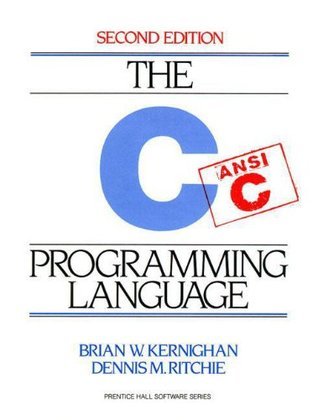
The C Programming Language
This book is meant to help the reader learn how to program in C. It is the definitive reference guide, now in a second edition. Although the first edition was written in 1978, it continues to be a worldwide best-seller. This second edition brings the classic original up to date to include the ANSI standard.
From the Preface:
We have tried to retain the brevity of the first edition. C is not a big language, and it is not well served by a big book. We have improved the exposition of critical features, such as pointers, that are central to C programming. We have refined the original examples, and have added new examples in several chapters. For instance, the treatment of complicated declarations is augmented by programs that convert declarations into words and vice versa. As before, all examples have been tested directly from the text, which is in machine-readable form.
From the Preface:
We have tried to retain the brevity of the first edition. C is not a big language, and it is not well served by a big book. We have improved the exposition of critical features, such as pointers, that are central to C programming. We have refined the original examples, and have added new examples in several chapters. For instance, the treatment of complicated declarations is augmented by programs that convert declarations into words and vice versa. As before, all examples have been tested directly from the text, which is in machine-readable form.
As we said in the first preface to the first edition, C "wears well as one's experience with it grows." With a decade more experience, we still feel that way. We hope that this book will help you to learn C and use it well.
272 pages, Paperback
First published January 1, 1978
About the author
Brian W. Kernighan
31 books342 followersBrian Wilson Kernighan is a computer scientist who worked at Bell Labs alongside Unix creators Ken Thompson and Dennis Ritchie and contributed greatly to Unix and its school of thought.
Ratings & Reviews
Friends & Following
Create a free account to discover what your friends think of this book!
Community Reviews
Displaying 1 - 5 of 5 reviews

July 16, 2021
Es buen libro aunque un poco difícil de comprender, siento que le hace falta mas contexto al momento de explicar y más para un principiante, si quieres aprender a programar desde 0 con este libro mejor guíate con este y aparte videos y tutoria les para que se te haga más sencillo, además que si no tienes prisa ve a tu tiempo y haz todos los ejercicios

July 2, 2025
sjdjajsdjsajdjasjdjaj increíble que aquí puedas guardar este tipo de cosas como registro, dicho eso aquí estamos ante la biblia de los programadores (la cual voy a tener que insertar forzosamente en la memoria en cuestión de días antes de que se avecine el Armagedón, quinta convocatoria de Fundamentos de Software de Comunicaciones ).

October 14, 2014
El libro claramente se lleva 5 estrellas. Una lastima la traducción, que si bien no es mala per se, deja qué desear en varias partes.
Personalmente nunca había escuchado la palabra implantar en el sentido de "implement" del inglés, por lo que su uso me resultó raro. "Implantar" una interfaz me suena a meter, insertar una interfaz en algún lado; a agregar algo ya concreto, creado, en algún lugar.
"Implementar" una interfaz por el contrario, lo entiendo como crear desde cero una serie de funciones (o clase con métodos si hablaramos de OOP), que respeten un "contrato", "header", o interfaz específica.
Por otro lado varios pasajes suenan raro y ofuscan el significado del original. Por dar un ejemplo, en la página 89:
"Pero estos nombres no son visibles en main, ni push ni pop"
En una primer lectura entendí que las variables externas no eran visibles en ninguna de las 3 funciones (main, push, pop), lo cual no tenía sentido. Corroborando con la versión original (página 80):
"But these names are not visible in main, nor are push and pop themselves."
Es mucho más claro el significado: las variables externas no son visibles en main, y en main tampoco son visibles las funciones push y pop.
De ser posible recomiendo evitar la traducción y referirse a la versión original en inglés.
Personalmente nunca había escuchado la palabra implantar en el sentido de "implement" del inglés, por lo que su uso me resultó raro. "Implantar" una interfaz me suena a meter, insertar una interfaz en algún lado; a agregar algo ya concreto, creado, en algún lugar.
"Implementar" una interfaz por el contrario, lo entiendo como crear desde cero una serie de funciones (o clase con métodos si hablaramos de OOP), que respeten un "contrato", "header", o interfaz específica.
Por otro lado varios pasajes suenan raro y ofuscan el significado del original. Por dar un ejemplo, en la página 89:
"Pero estos nombres no son visibles en main, ni push ni pop"
En una primer lectura entendí que las variables externas no eran visibles en ninguna de las 3 funciones (main, push, pop), lo cual no tenía sentido. Corroborando con la versión original (página 80):
"But these names are not visible in main, nor are push and pop themselves."
Es mucho más claro el significado: las variables externas no son visibles en main, y en main tampoco son visibles las funciones push y pop.
De ser posible recomiendo evitar la traducción y referirse a la versión original en inglés.

September 21, 2019
Me fue útil en los años 90 cuando aprendí a programar en este lenguaje durante mis años universitarios. Creo que podría ser mejor si incorporase etiquetas de color en los ejemplos que incluyen los comandos.

March 16, 2013
Si bien el libro es la biblia del lenguaje de programación C, me pareció muy teórico, poco didáctico y con muy pocos ejemplos resueltos. No me sirvió para aprender C, aunque sí puede entender claramente la sintaxis del lenguaje.
Displaying 1 - 5 of 5 reviews