

What do you think?
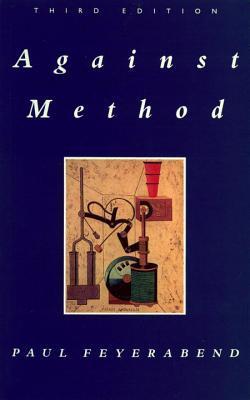
Against Method
Modern philosophy of science has paid great attention to the understanding of scientific ‘practice’, in contrast to concentration on scientific ‘method’. Paul Feyerabend’s acclaimed work, which has contributed greatly to this new emphasis, shows the deficiencies of some widespread ideas about the nature of knowledge. He argues that the only feasible explanations of scientific successes are historical explanations, and that anarchism must now replace rationalism in the theory of knowledge.
The third edition of this classic text contains a new preface and additional reflections at various points in which the author takes account both of recent debates on science and on the impact of scientific products and practices on the human community. While disavowing populism or relativism, Feyerabend continues to insist that the voice of the inexpert must be heard. Thus many environmental perils were first identified by non-experts against prevailing assumptions in the scientific community. Feyerabend’s challenging reassessment of scientific claims and understandings are as pungent and timely as ever.
The third edition of this classic text contains a new preface and additional reflections at various points in which the author takes account both of recent debates on science and on the impact of scientific products and practices on the human community. While disavowing populism or relativism, Feyerabend continues to insist that the voice of the inexpert must be heard. Thus many environmental perils were first identified by non-experts against prevailing assumptions in the scientific community. Feyerabend’s challenging reassessment of scientific claims and understandings are as pungent and timely as ever.
296 pages, Paperback
First published January 1, 1975
About the author
Paul Karl Feyerabend
93 books289 followersPaul Karl Feyerabend was an Austrian-born philosopher of science best known for his work as a professor of philosophy at the University of California, Berkeley, where he worked for three decades (1958–1989).
His life was a peripatetic one, as he lived at various times in England, the United States, New Zealand, Italy, Germany, and finally Switzerland. His major works include Against Method (published in 1975), Science in a Free Society (published in 1978) and Farewell to Reason (a collection of papers published in 1987). Feyerabend became famous for his purportedly anarchistic view of science and his rejection of the existence of universal methodological rules. He is an influential figure in the philosophy of science, and also in the sociology of scientific knowledge.
His life was a peripatetic one, as he lived at various times in England, the United States, New Zealand, Italy, Germany, and finally Switzerland. His major works include Against Method (published in 1975), Science in a Free Society (published in 1978) and Farewell to Reason (a collection of papers published in 1987). Feyerabend became famous for his purportedly anarchistic view of science and his rejection of the existence of universal methodological rules. He is an influential figure in the philosophy of science, and also in the sociology of scientific knowledge.
Ratings & Reviews
Friends & Following
Create a free account to discover what your friends think of this book!
Community Reviews
Displaying 1 - 1 of 1 review

December 14, 2025
Der Bestseller von Feyerabend (1924 - 1994), den alle hassen
"Wider den Methodenzwang" ist das philosophische Äquivalent zu jenem Film, den alle Zunftkritiker verreißen – und der trotzdem zum Kult wird. Es ist das Buch, das jede Wissenschaftstheoretikerin und jeder Wissenschaftstheoretiker gelesen hat, meist nur, um es anschließend in Grund und Boden zu kritisieren.
Die akademische Rezeption lässt sich grob so zusammenfassen:
* 1975: „Dieser Mann ist gefährlich. Er ruft zum intellektuellen Chaos auf!“
* Heute: „Feyerabend ist wichtig – aber natürlich ein Relativist … auch wenn er den Relativismus eigentlich ablehnt.“
Die Ironie: Feyerabends berühmt-berüchtigter Slogan „Anything goes“ wurde fast durchgängig missverstanden. Was viele als Einladung zum erkenntnistheoretischen Vandalismus lasen, war von ihm als historische Beobachtung gemeint. Wissenschaftliche Durchbrüche – von Galileo bis Einstein – entstanden gerade dadurch, dass geltende Methoden, Regeln und Rationalitätsstandards ignoriert oder verletzt wurden.
Neuauflagen, Klarstellungen und die populistische Falle
In späteren Auflagen sah sich Feyerabend gezwungen, sich explizit von Populismus und Relativismus zu distanzieren – ein deutlicher Hinweis darauf, wie gründlich sein Argument misslesen wurde.
Feyerabend sagt (sinngemäß): „Schaut in die Wissenschaftsgeschichte, um zu verstehen, wie Wissenschaft tatsächlich funktioniert.“ Die Rezeption hört: „Man kann Naturgesetze ignorieren und einfach zaubern.“
Besonders brisant ist seine Forderung, auch die „Stimme des Unerfahrenen“ ernst zu nehmen – eine Lehre aus Umwelt- und Technikrisiken, die häufig zuerst von Laien erkannt wurden. Damit attackiert Feyerabend das Selbstbild der Wissenschaft als abgeschlossene Priesterschaft und macht sich zwangsläufig politisch angreifbar.
Anarchismus als Erkenntnismethode
„Wider den Methodenzwang“ ist weniger ein Buch als eine dauerhafte Provokation. Es zeigt, dass viele der in Lehrbüchern kanonisierten Methoden nachträgliche Rechtfertigungen bereits vollzogener Durchbrüche sind.
Die vielleicht schönste Ironie der Rezeptionsgeschichte: Ein Buch, das die Irrelevanz starrer Regeln demonstrieren wollte, wurde selbst zu einem festen Dogma des philosophischen Kanons.
Pflichtlektüre für alle, die das akademische Establishment lieben – oder es mit Vergnügen infrage stellen. Feyerabend beweist: Wer einen Methodenstreit gewinnen will, sollte zuerst die Regeln prüfen. Und dann gelegentlich brechen.
"Wider den Methodenzwang" ist das philosophische Äquivalent zu jenem Film, den alle Zunftkritiker verreißen – und der trotzdem zum Kult wird. Es ist das Buch, das jede Wissenschaftstheoretikerin und jeder Wissenschaftstheoretiker gelesen hat, meist nur, um es anschließend in Grund und Boden zu kritisieren.
Die akademische Rezeption lässt sich grob so zusammenfassen:
* 1975: „Dieser Mann ist gefährlich. Er ruft zum intellektuellen Chaos auf!“
* Heute: „Feyerabend ist wichtig – aber natürlich ein Relativist … auch wenn er den Relativismus eigentlich ablehnt.“
Die Ironie: Feyerabends berühmt-berüchtigter Slogan „Anything goes“ wurde fast durchgängig missverstanden. Was viele als Einladung zum erkenntnistheoretischen Vandalismus lasen, war von ihm als historische Beobachtung gemeint. Wissenschaftliche Durchbrüche – von Galileo bis Einstein – entstanden gerade dadurch, dass geltende Methoden, Regeln und Rationalitätsstandards ignoriert oder verletzt wurden.
Neuauflagen, Klarstellungen und die populistische Falle
In späteren Auflagen sah sich Feyerabend gezwungen, sich explizit von Populismus und Relativismus zu distanzieren – ein deutlicher Hinweis darauf, wie gründlich sein Argument misslesen wurde.
Feyerabend sagt (sinngemäß): „Schaut in die Wissenschaftsgeschichte, um zu verstehen, wie Wissenschaft tatsächlich funktioniert.“ Die Rezeption hört: „Man kann Naturgesetze ignorieren und einfach zaubern.“
Besonders brisant ist seine Forderung, auch die „Stimme des Unerfahrenen“ ernst zu nehmen – eine Lehre aus Umwelt- und Technikrisiken, die häufig zuerst von Laien erkannt wurden. Damit attackiert Feyerabend das Selbstbild der Wissenschaft als abgeschlossene Priesterschaft und macht sich zwangsläufig politisch angreifbar.
Anarchismus als Erkenntnismethode
„Wider den Methodenzwang“ ist weniger ein Buch als eine dauerhafte Provokation. Es zeigt, dass viele der in Lehrbüchern kanonisierten Methoden nachträgliche Rechtfertigungen bereits vollzogener Durchbrüche sind.
Die vielleicht schönste Ironie der Rezeptionsgeschichte: Ein Buch, das die Irrelevanz starrer Regeln demonstrieren wollte, wurde selbst zu einem festen Dogma des philosophischen Kanons.
Pflichtlektüre für alle, die das akademische Establishment lieben – oder es mit Vergnügen infrage stellen. Feyerabend beweist: Wer einen Methodenstreit gewinnen will, sollte zuerst die Regeln prüfen. Und dann gelegentlich brechen.
Displaying 1 - 1 of 1 review