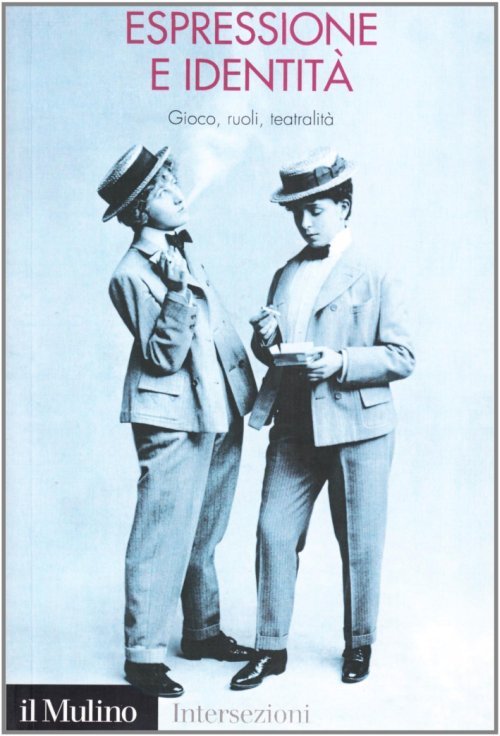
Richiamandosi ai fondamentali studi di Johan Huizinga sulla natura e sul significato del gioco, Goffman considera qui struttura e dinamica di questa ed altre interazioni quotidiane, così come il loro ancoraggio nelle regioni profonde dell'essere umano. E' tale ancoraggio a spiegare la capacità che hanno il gioco e gli altri momenti ludici della vita quotidiana di costruire universi limpidi, leggibili ed anche esaltanti, che sfuggono all'oppressione delle leggi di una società fredda e burocratizzata. Il gioco si appropria degli anfratti di realtà lasciati ingovernati dalla pervasiva organizzazione della vita sociale, diventando una sorta di terra di nessuno in cui si può prendere distanza dai ruoli abituali, talvolta imposti, e in cui si può esprimere la propria identità, soprattutto quella a più diretto contatto con le emozioni. Riproporre oggi al pubblico italiano questo piccolo classico significa anche rinnovare l'attenzione verso un autore che, per aver così finemente esplorato l'"assurda commedia della vita quotidiana", fu definito da Marshall Berman "un Kafka del nostro tempo".
Erving Goffman was a Canadian-born American sociologist, social psychologist, and writer, considered by some "the most influential American sociologist of the twentieth century". In 2007, The Times Higher Education Guide listed him as the sixth most-cited author of books in the humanities and social sciences. Goffman was the 73rd president of the American Sociological Association. His best-known contribution to social theory is his study of symbolic interaction. This took the form of dramaturgical analysis, beginning with his 1956 book The Presentation of Self in Everyday Life. Goffman's other major works include Asylums (1961), Stigma (1963), Interaction Ritual (1967), Frame Analysis (1974), and Forms of Talk (1981). His major areas of study included the sociology of everyday life, social interaction, the social construction of self, social organization (framing) of experience, and particular elements of social life such as total institutions and stigmas.
This is the second book I read by Goffman, and I'm still impressed by his thoughts. Two ideas captivate me. The first one is the atomistic belief that sociology could learn a lot from the study of the basic interactions of humans beings. If someone tomorrow would tell me that my mission for the next 10 years is to write a sociological study I would start with that atomistic premise. If someone tomorrow would tell me that my mission for the next 10 years is to write a sociological study, I would start with that premise, a reduction not to individuals and their passions, a la Locke and others, but to the basic interactions between humans. I would do this mainly because I'm a scientist and I thus have a completely irrational belief in reduction. But also because studies of the everyday will definitely be more relevant for—guess what—the everyday of common people, and could even get to be useful. Actually, one direct consequence of reading Goffman can be a notorious alteration of our social interactions. If our mind happens to remember anything that we read from him when in the middle of a conversation, or say while playing a game—the situation covered by the best essay of the book—then we'll be immediately transported to a new dimension of thought, where we'll almost be able to hear the coughing of the audience looking at us, at the stage, representing.
The second idea that convinces me in Goffman's writings is precisely this, its mapping of human interactions to theater. It doesn't follow the obvious route of personality and characters, but a more broad and spacial aspect of stage, audience, entrances and exits. It goes beyond one-to-one, more psychological relations to explore the dynamics of our roles and the conditions and consequences of absorption; how we constantly play with our level of involvement, a sequence of layers that seem to lead to theater itself: the game of endless masks. It's a seductive read, a bait for the mind suggesting a new world of ideas with which to sprinkle even the most boring social situations. And it's also inspiring for anyone who still, maybe, perhaps, believes in change from bottom-up.
Excellent, core Goffman, a good review of his game and dramaturgical metaphors. "Fun in Games" is about the game-internal and game-external conditions necessary for flow and absorption in a game or other face-to-face activity. "Role Distance" is about why it's rare to own your role completely. He didn't believe in well-integrated consistent personalities, that's for sure.
Goffman's writings on the workings of the interaction order are deservedly classics, and are immensely readable. They still have a lot to offer, though it can't be denied they are of their time.
‘To be awkward or unkempt, to talk or move wrongly, is to be a dangerous giant, a destroyer of worlds.’ - Never before have I felt this empowered by a book.