

What do you think?

Brother Eagle, Sister Sky
For use in schools and libraries only. American Indian Chief Seattle's message of respect for the earth and every creature on it has endured the test of time.
32 pages, Hardcover
First published January 1, 1991
Ratings & Reviews
Friends & Following
Create a free account to discover what your friends think of this book!
Community Reviews
Displaying 1 - 30 of 161 reviews

April 28, 2025
This is a beautiful, oversize book. Whether regarded as a paean to Nature, an appeal to future generations or a timely ecological warning and plea for conservation, the message is clear. It is sincere, heartfelt, and well-meaning. And the illustrations are stunning.
Yet there is something about it which does not feel quite right, and makes me pause. There are stereotypes here, and a faint whiff of latent paternalism wafting through.
Brother Eagle Sister Sky (the subtitle is only on the title page) is a picture book from 1991, although it can be read by children up to about 12 or more. Indeed it is perhaps better read by older children, as the phrase structures of the included speech are rather archaic. The concepts too would lead to more in-depth discussion - exploring ideas of spirituality and consequence - as would the history. Ah, that is where the alarm bells ring.
The speech is printed in small sections of text within large scale illustrations, so I turned back to the very first double page. One the left is an illustration, and on the right a page of text which sets the scene:
“In a time so long ago that nearly all traces of it are lost in the prairie dust, an ancient people were part of the land that is today called America.”
The approach and tone is now evident: we are going to skim the facts so that we can have a poetic feel. Let’s see:
“Living here for thousands of years, their children became the great Indian civilizations of the Choctaw, and Cherokee, Navaho (sic), Iroquois and Sioux, among many others.”
A brave attempt, but this opens a can of worms. The five year olds this is aimed at would probably struggle with these names. And how are they connected? Choctaw and Cherokee are from the Southeastern United States, and are part of the “Five Civilised Tribes”. Navajo are a large tribe in the Southwestern United States. Iroquois and Sioux are both geographically distinct groups, with the Iroquois (Haudenosaunee) historically located in the northeastern United States and Canada, and the Sioux (Dakota, Lakota, Nakota) are native American tribes and First Nations people from the Great Plains of North America.
Already I was beginning to feel confused. Was this book printed in the United States of America? No, it was a Puffin, priced in £ sterling. So this means America the continent - or North America - of which Canada is the larger area. The flora and fauna seem to relate to both, although the people depicted seem to be all-purpose Native Americans: one size fits all.
The United States government currently recognises 574 Native American tribes, and the Canadian government recognises 3 groups of indigenous peoples: First Nations, Inuit, and Métis. However, looking into this there are dozens of tribes within the First Nations, with their own languages and distinct cultures.
I am English, so please forgive my relative ignorance here. I just know that to single out five random groups, and add “and many others” sounds fatuous. It is not informative but just buys into the “exotic” myth, tacitly inviting children to think “these people are different from me, so I won’t bother”.
Continuing with the first page:
“Then white settlers from Europe began a bloody war against the Indians, and in the span of a single lifetime claimed all the Indians’ land for themselves, allowing them only small tracts of land to live on.”
Again, very cursory, but simple enough for children to understand …
“When the last of the Indian wars were drawing to a close, one of the bravest and most respected chiefs of the Northwest Nations, Chief Seattle, sat at a white man’s table to sign a paper presented by the new Commission of Indian Affairs for the Territory. The government in Washington D.C. wanted to buy the lands of Chief Seattle’s people.”
The page finishes:
“With a commanding presence and eyes that mirrored the great soul within, the Chief rose to speak to the gathering in a resounding voice.”
Putting aside the “eyes that mirrored a great soul within” bit - which is incredibly patronising and stresses the “other exotic being” again - we then have the “white man” equating to the Europeans mentioned earlier. This is fair enough. The governments of the invaders were white, and male. I’m not really keen on “Indian wars”, but let that pass. So we are left with “the bravest and most respected chiefs of the Northwest Nations, Chief Seattle”.
Who was Chief Seattle? Did he actually exist?
More research was needed, and I discovered that he did indeed exist. He was a leader of the Duwamish and Suquamish peoples. A leading figure among his people, he pursued a path of accommodation to white settlers, forming a personal relationship with Doc Maynard. (Googling again I discovered that David Swinson “Doc” Maynard was an American doctor and businessman; one of Seattle’s primary founders.) The city of Seattle, in the U.S. state of Washington, was named after Chief Seattle. A widely publicised speech arguing in favour of ecological responsibility and respect for Native Americans’ land rights has been attributed to Chief Seattle.
This then is the adapted speech, beginning over the page with:
“This we know: The earth does not belong to us. We belong to the earth.”
The entire speech which follows sounds authentic and wise. It is a profound message about our wilful destruction of nature, of the developed nations’ disregard and historical annihilation of native cultures across the globe. It resonates now more perhaps than it did even then.
The speech made by Chief Seattle was over 150 years ago, and the exact wording has been lost. Chief Seattle spoke his eloquent message to a Commissioner of Indian Affairs at the government in Washington. The government wanted to buy his people’s Pacific Northwest land. Since then, it has been adapted at least four times - once by Joseph Campbell - and is generally acknowledged to be both poetic and compelling. He believed that all life on Earth, including the Earth itself, is sacred and that peoples’ abuse and disregard of nature will ultimately lead to our own destruction:
“How can you buy the sky? How can you own the rain and the wind? …
You may think now that you own Him as you wish to own our land; but you cannot. He is the God of man, and His compassion is equal for the red man and the white …
Whatever we do to the web, we do to ourselves.”
The oldest written version was 1887, although the actual speech dates from 1854 or 1855. Interestingly enough, when Charles Dickens was travelling from Pittsburgh to Cincinnati by steamboat in 1842, Peter Pitchlynn the famous Choctaw Native American who became a tribal chief introduced himself at Louisville, and the two conversed for several hours. To Dickens’s surprise, Pitchlynn did not wear native costume. This dignified man in a suit referred to himself as the “red man”. He sorrowed at the demise of his people, but knew it was inevitable as both sides were entrenched. This was over a decade earlier.
The world moves on. Nowadays the Choctaw nations have their own website. Perhaps the dichotomy here is that the illustrations feature these stereotyped native people close up, as if they are the main focus. They are depicted as interacting with nature, but not really as a complementary part. Also, they are from a much earlier time, and we have a young white American on the cover. This is a mismatch. These do not represent indigenous peoples as they are now; yet the message itself is timeless. It is a muddled depiction which tries to cover too much.
Looking at other reviews I see reactions are polarised. Many rate it 5 stars, loving the conservation message, and quite a few just one star, complaining that the native peoples are stereotyped. Both are understandable ratings. Brother Eagle Sister Sky has been over-simplified and distorted to the point where some readers say it is inaccurate.
To me it is misconceived; and it is the topping and tailing where the largest problem lies. It would be much better without the frame - or with notes in a smaller font put in for adults and added at the end. Also the illustrations should not have featured humans centre-stage, but genuinely as part of nature, which is the crux of the indigenous peoples’ beliefs.
But then it would no longer be the book envisaged by Susan Jeffers, but mine. And the illustrations of flora and fauna really are lovely. She uses muted tones of green, brown and yellow, in delicate and detailed crosshatching, to give an almost pointillist impression.
Everything considered, I’m afraid it has to stay at my default of 3 stars.
Yet there is something about it which does not feel quite right, and makes me pause. There are stereotypes here, and a faint whiff of latent paternalism wafting through.
Brother Eagle Sister Sky (the subtitle is only on the title page) is a picture book from 1991, although it can be read by children up to about 12 or more. Indeed it is perhaps better read by older children, as the phrase structures of the included speech are rather archaic. The concepts too would lead to more in-depth discussion - exploring ideas of spirituality and consequence - as would the history. Ah, that is where the alarm bells ring.
The speech is printed in small sections of text within large scale illustrations, so I turned back to the very first double page. One the left is an illustration, and on the right a page of text which sets the scene:
“In a time so long ago that nearly all traces of it are lost in the prairie dust, an ancient people were part of the land that is today called America.”
The approach and tone is now evident: we are going to skim the facts so that we can have a poetic feel. Let’s see:
“Living here for thousands of years, their children became the great Indian civilizations of the Choctaw, and Cherokee, Navaho (sic), Iroquois and Sioux, among many others.”
A brave attempt, but this opens a can of worms. The five year olds this is aimed at would probably struggle with these names. And how are they connected? Choctaw and Cherokee are from the Southeastern United States, and are part of the “Five Civilised Tribes”. Navajo are a large tribe in the Southwestern United States. Iroquois and Sioux are both geographically distinct groups, with the Iroquois (Haudenosaunee) historically located in the northeastern United States and Canada, and the Sioux (Dakota, Lakota, Nakota) are native American tribes and First Nations people from the Great Plains of North America.
Already I was beginning to feel confused. Was this book printed in the United States of America? No, it was a Puffin, priced in £ sterling. So this means America the continent - or North America - of which Canada is the larger area. The flora and fauna seem to relate to both, although the people depicted seem to be all-purpose Native Americans: one size fits all.
The United States government currently recognises 574 Native American tribes, and the Canadian government recognises 3 groups of indigenous peoples: First Nations, Inuit, and Métis. However, looking into this there are dozens of tribes within the First Nations, with their own languages and distinct cultures.
I am English, so please forgive my relative ignorance here. I just know that to single out five random groups, and add “and many others” sounds fatuous. It is not informative but just buys into the “exotic” myth, tacitly inviting children to think “these people are different from me, so I won’t bother”.
Continuing with the first page:
“Then white settlers from Europe began a bloody war against the Indians, and in the span of a single lifetime claimed all the Indians’ land for themselves, allowing them only small tracts of land to live on.”
Again, very cursory, but simple enough for children to understand …
“When the last of the Indian wars were drawing to a close, one of the bravest and most respected chiefs of the Northwest Nations, Chief Seattle, sat at a white man’s table to sign a paper presented by the new Commission of Indian Affairs for the Territory. The government in Washington D.C. wanted to buy the lands of Chief Seattle’s people.”
The page finishes:
“With a commanding presence and eyes that mirrored the great soul within, the Chief rose to speak to the gathering in a resounding voice.”
Putting aside the “eyes that mirrored a great soul within” bit - which is incredibly patronising and stresses the “other exotic being” again - we then have the “white man” equating to the Europeans mentioned earlier. This is fair enough. The governments of the invaders were white, and male. I’m not really keen on “Indian wars”, but let that pass. So we are left with “the bravest and most respected chiefs of the Northwest Nations, Chief Seattle”.
Who was Chief Seattle? Did he actually exist?
More research was needed, and I discovered that he did indeed exist. He was a leader of the Duwamish and Suquamish peoples. A leading figure among his people, he pursued a path of accommodation to white settlers, forming a personal relationship with Doc Maynard. (Googling again I discovered that David Swinson “Doc” Maynard was an American doctor and businessman; one of Seattle’s primary founders.) The city of Seattle, in the U.S. state of Washington, was named after Chief Seattle. A widely publicised speech arguing in favour of ecological responsibility and respect for Native Americans’ land rights has been attributed to Chief Seattle.
This then is the adapted speech, beginning over the page with:
“This we know: The earth does not belong to us. We belong to the earth.”
The entire speech which follows sounds authentic and wise. It is a profound message about our wilful destruction of nature, of the developed nations’ disregard and historical annihilation of native cultures across the globe. It resonates now more perhaps than it did even then.
The speech made by Chief Seattle was over 150 years ago, and the exact wording has been lost. Chief Seattle spoke his eloquent message to a Commissioner of Indian Affairs at the government in Washington. The government wanted to buy his people’s Pacific Northwest land. Since then, it has been adapted at least four times - once by Joseph Campbell - and is generally acknowledged to be both poetic and compelling. He believed that all life on Earth, including the Earth itself, is sacred and that peoples’ abuse and disregard of nature will ultimately lead to our own destruction:
“How can you buy the sky? How can you own the rain and the wind? …
You may think now that you own Him as you wish to own our land; but you cannot. He is the God of man, and His compassion is equal for the red man and the white …
Whatever we do to the web, we do to ourselves.”
The oldest written version was 1887, although the actual speech dates from 1854 or 1855. Interestingly enough, when Charles Dickens was travelling from Pittsburgh to Cincinnati by steamboat in 1842, Peter Pitchlynn the famous Choctaw Native American who became a tribal chief introduced himself at Louisville, and the two conversed for several hours. To Dickens’s surprise, Pitchlynn did not wear native costume. This dignified man in a suit referred to himself as the “red man”. He sorrowed at the demise of his people, but knew it was inevitable as both sides were entrenched. This was over a decade earlier.
The world moves on. Nowadays the Choctaw nations have their own website. Perhaps the dichotomy here is that the illustrations feature these stereotyped native people close up, as if they are the main focus. They are depicted as interacting with nature, but not really as a complementary part. Also, they are from a much earlier time, and we have a young white American on the cover. This is a mismatch. These do not represent indigenous peoples as they are now; yet the message itself is timeless. It is a muddled depiction which tries to cover too much.
Looking at other reviews I see reactions are polarised. Many rate it 5 stars, loving the conservation message, and quite a few just one star, complaining that the native peoples are stereotyped. Both are understandable ratings. Brother Eagle Sister Sky has been over-simplified and distorted to the point where some readers say it is inaccurate.
To me it is misconceived; and it is the topping and tailing where the largest problem lies. It would be much better without the frame - or with notes in a smaller font put in for adults and added at the end. Also the illustrations should not have featured humans centre-stage, but genuinely as part of nature, which is the crux of the indigenous peoples’ beliefs.
But then it would no longer be the book envisaged by Susan Jeffers, but mine. And the illustrations of flora and fauna really are lovely. She uses muted tones of green, brown and yellow, in delicate and detailed crosshatching, to give an almost pointillist impression.
Everything considered, I’m afraid it has to stay at my default of 3 stars.

February 4, 2014
I am not quite sure how to feel about this book. Aside from the first and last page, the "story" is actually a speech given by Chief Seattle in the 1850's. Though the words are quite poetic, at the end the illustrator herself says that they are not perfectly quoted. Though I found this under "Easy Reader" in Thorndike Library, I am not sure young children would initially understand it's message or want to pay attention due to the style it's written in (it's something not written towards an audience of children to begin with). It could act as a good starting point to open up conversation/questions/further research in social studies/history pertaining to Native Americans. The illustrations in this book are very well done, however some of the imagery depicted as well as the note from the illustrator at the end left me questioning the intention of the book. In my opinion, it almost fetishized and romanticized Native American culture to a point that's disrespectful. Jeffers also talks about the Native American people in her conclusion as though they are completely a people from the past, with none surviving today. To an extent, it seems as though she's using this story out of context for Caucasian-centric environmental propaganda. I would not go out of my way to get this in a library collection because there are other books and educational materials that can be used for the same purposes, and do so in a more tasteful way. This could be an interesting book to discuss at the middle school, high school, or even college level, though.

February 9, 2009
Author, Susan Jeffers, wrote Brother Eagle, Sister Sky with an environmental theme in mind. I believe that her purpose was to pay respect to Native Americans and their connection with the land. With that said I feel that Jeffers missed the mark with this text and contributed to furthering Native American stereotypes.
Jeffers’ illustrations perpetuate the Indian stereotype by including images of people dressed in feathers, headdresses, and fringed animal skins. In addition, Jeffers does not distinguish dress or customs between tribes represented in the text. I would not recommend using this text in our outside of a classroom. While it may have a moving environmental message in it, I am sure other texts could more appropriate deliver the message.
Jeffers’ illustrations perpetuate the Indian stereotype by including images of people dressed in feathers, headdresses, and fringed animal skins. In addition, Jeffers does not distinguish dress or customs between tribes represented in the text. I would not recommend using this text in our outside of a classroom. While it may have a moving environmental message in it, I am sure other texts could more appropriate deliver the message.

January 7, 2012
Susan Jeffer's stunning illustrations are a complement to Chief Seattle's hauntingly beautiful message to all of us.

October 19, 2016
It is interesting what one discussion about a book can do to your own perceptions. I had readthis book as a student many years ago and enjoyed it, yet returning to it now I find myself feeling slightly uncomfortable with some of the content, especially after reading articles from Paul Chaat Smith ( a member of the Comanche Nation of Oklahoma) and Jean Mendoza/Debbie Reese.
The story itself is very well meaning and, having taken an amended speech (by Jeffers) from Chief Seattle, it talks about the need to preserve and respect the land which we take for granted. It tells the story of how the Native Americans have lived in harmony with the land AND Jeffers also lets it be known that it was the white settlers who began a 'bloody war' in which they claimed the land for themselves: all well meaning and important to share. But the ending, which sees a white family planting seeds in order to regrow parts of the forest which had been cut down (with the blessing on the Native American people who stand behind them) sends mixed messages and who owns the land and how both the Native American and White American people are (or are not) a part of this.
The main problem lies with Non-Native writers taking words from Native speakers and using them for their own purpose around a message which may have little to do with the original. The key element that had grated on me and I began to understand after reading the articles mentioned above relates to the presence of the white boy on the front cover and the white family at the back. Whilst they are corporeal and the Native Americans being incorporeal which I find difficult to handle since, as Reese and Mendoza point out, it sends out a sense that these people no longer exist.
Something to think about.
The story itself is very well meaning and, having taken an amended speech (by Jeffers) from Chief Seattle, it talks about the need to preserve and respect the land which we take for granted. It tells the story of how the Native Americans have lived in harmony with the land AND Jeffers also lets it be known that it was the white settlers who began a 'bloody war' in which they claimed the land for themselves: all well meaning and important to share. But the ending, which sees a white family planting seeds in order to regrow parts of the forest which had been cut down (with the blessing on the Native American people who stand behind them) sends mixed messages and who owns the land and how both the Native American and White American people are (or are not) a part of this.
The main problem lies with Non-Native writers taking words from Native speakers and using them for their own purpose around a message which may have little to do with the original. The key element that had grated on me and I began to understand after reading the articles mentioned above relates to the presence of the white boy on the front cover and the white family at the back. Whilst they are corporeal and the Native Americans being incorporeal which I find difficult to handle since, as Reese and Mendoza point out, it sends out a sense that these people no longer exist.
Something to think about.

March 3, 2010
This book is often used in classrooms as an example of environmental writing for children and as the haunting, poetic words of a Native American leader. However, the book has also been criticized. One of the biggest criticisms of this book is the charge of inauthenticity in the words of Chief Seattle. In an end note, Jeffers says she adapted the letter of Chief Seattle as it is quoted in Joseph Campbell’s The Power of Myth, pages 32-35. It is possible that Campbell, and then Jeffers, copied a fictional version of Seattle’s words that have come to be accepted as truth, even among some Native Americans. According to one critic, "The National Archives, the Smithsonian Institution, and the Library of Congress each year receive numerous requests for the original text of the statements attributed to the old chief. The United States Information Agency has received similar inquiries from persons and institutions in many foreign lands. Unfortunately, no one has been able to locate either the letter or a reliable text of the speech.” (Clark, Jerry L. "Thus Spoke Chief Seattle: The Story of An Undocumented Speech" Prologue Magazine, Spring 1985, Vol. 18, No. 1)
There is an additional problem with the illustrations in this book.
Although Seattle was Suquamish and Duhamish, from the Puget Sound area, the illustrations feature Indians on horseback who appear to be Plains Indians, and indeed the jacket states that Jeffers “consulted with Native Americans, especially with members of the Lakota Sioux Nation, who also inspired many of the paintings for the book.” There is no explanation of why Jeffers chose to use drawings of Lakota Sioux Indians to illustrate a speech attributed to a Northwest Indian, but the illustrations, while beautiful, add to the feeling of inauthenticity.
There is an additional problem with the illustrations in this book.
Although Seattle was Suquamish and Duhamish, from the Puget Sound area, the illustrations feature Indians on horseback who appear to be Plains Indians, and indeed the jacket states that Jeffers “consulted with Native Americans, especially with members of the Lakota Sioux Nation, who also inspired many of the paintings for the book.” There is no explanation of why Jeffers chose to use drawings of Lakota Sioux Indians to illustrate a speech attributed to a Northwest Indian, but the illustrations, while beautiful, add to the feeling of inauthenticity.

January 24, 2016
NOPETY NOPE NOPE.
a) Native peoples haven't disappeared, despite the best efforts of the US and Canadian governments for centuries.
b) Did you seriously illustrate a book about Chief Seattle (who's Duwamish) with pictures of gd Plains peoples? That's like writing a book about Leif Erickson and putting him in a fricking beret and striped shirt.
c) I can't handle yet another book pitching Native peoples as having some mystical connection to the earth/animals. They're just people, and relegating them to "closer to nature" isn't fair or right. It's important to note that there are Native authors, athletes, teachers, truck drivers, scholars, doctors, and every other field out there, Native folks live in our contemporary times and in our society. Don't limit them to a lifestyle that's extinct.
a) Native peoples haven't disappeared, despite the best efforts of the US and Canadian governments for centuries.
b) Did you seriously illustrate a book about Chief Seattle (who's Duwamish) with pictures of gd Plains peoples? That's like writing a book about Leif Erickson and putting him in a fricking beret and striped shirt.
c) I can't handle yet another book pitching Native peoples as having some mystical connection to the earth/animals. They're just people, and relegating them to "closer to nature" isn't fair or right. It's important to note that there are Native authors, athletes, teachers, truck drivers, scholars, doctors, and every other field out there, Native folks live in our contemporary times and in our society. Don't limit them to a lifestyle that's extinct.
May 20, 2010
This extremely inauthentic book is loosely based on a Native Chief, Seattle about respecting the earth and how important it is to respect the earth. Yet even on an elementary school level I would pair this book with a full picture of native life as well as the current situation for many Native Americans in this country.

August 30, 2020
A book with a beautiful message.
Found this in a donation box and took it home.
It's a keeper.
There are beautiful illustrations as well.
There aren't enough books like this anymore, people walk around on eggshells, too afraid to teach in case of being canceled.
Worth a read and worth keeping.
Found this in a donation box and took it home.
It's a keeper.
There are beautiful illustrations as well.
There aren't enough books like this anymore, people walk around on eggshells, too afraid to teach in case of being canceled.
Worth a read and worth keeping.

April 16, 2012
This book does a pretty good job of dispelling the myth that native American Indians were ignorant savages. It is presented as a speech given by Chief Seattle where white settlers were effectively annexing Indian lands. It is an eloquent speech where Chief Seattle implores the white men to take care of the lands so they can continue to be enjoyed by generations to come. It shows that the Indian attitude toward the land and resources was much more than a quaint superstitious or religious belief. These people were way ahead of the European settlers in terms of understanding the inter-connectedness of everything in nature.
To be fair to critics, there is some controversy about whether this is a literal translation of Chief Seattle's speech or whether it was actually composed by more recent writers. One bit of "evidence" that it was not a word-for-word translation is the line about "What will happen when the buffalo are all slaughtered?". Chief Seattle lived in the Pacific Northwest where there were no buffalo. Still, it is widely agreed that Chief Seattle did make this or a very similar speech at the documented treaty signing.
This makes a good read-aloud book when students are studying native American Indians or when they are learning about environments and ecosystems in science.
To be fair to critics, there is some controversy about whether this is a literal translation of Chief Seattle's speech or whether it was actually composed by more recent writers. One bit of "evidence" that it was not a word-for-word translation is the line about "What will happen when the buffalo are all slaughtered?". Chief Seattle lived in the Pacific Northwest where there were no buffalo. Still, it is widely agreed that Chief Seattle did make this or a very similar speech at the documented treaty signing.
This makes a good read-aloud book when students are studying native American Indians or when they are learning about environments and ecosystems in science.

June 16, 2009
Gorgeous illustrations, however let me refer to my class notes on this book:
Problematic Areas:
-At least 4 versions of Seattle’s speech
--He didn't speak English, so they were translations; he was angry b/c the tribe was going to have to move
--The author has adapted/changed the speech
-Environmental responsibility does not appear to be the topic of these versions.
-Longstanding stereotypes are reinforced in the illustrations.
--Horses appear in 8 of 16 illustrations and the Suquamish and Duwamish people were not horse people; the horses, buckskin and feathered headdress reflect the Plains Indians not the Suquamish/Duwamish people of the Pacific NW
--Jeffers was speaking as a non-Native speaking for Natives
Problematic Areas:
-At least 4 versions of Seattle’s speech
--He didn't speak English, so they were translations; he was angry b/c the tribe was going to have to move
--The author has adapted/changed the speech
-Environmental responsibility does not appear to be the topic of these versions.
-Longstanding stereotypes are reinforced in the illustrations.
--Horses appear in 8 of 16 illustrations and the Suquamish and Duwamish people were not horse people; the horses, buckskin and feathered headdress reflect the Plains Indians not the Suquamish/Duwamish people of the Pacific NW
--Jeffers was speaking as a non-Native speaking for Natives

November 29, 2018
2.5
I don't know what I was expecting, but it wasn't this. When I get a picture book I expect it to be children-friendly vocabulary and simpler language and sentences. This was a very adult subject and way of looking at things, with a very deep and philosophical viewpoint that only an adult would understand and fully be able to grasp. And that's because an adult said it. This is a speech that Chief Seattle gave, and I didn't know that when I started reading. So I found the format not really suited for a children's picture book. That was the biggest problem I had with it, that kids wouldn't really understand it.
The illustrations are ok but not my style. They're that sketchy kind with criss-cross black lines through everything and I don't like that. There is also a lot of writing which takes a while to read through, much longer than an average picture book.
The content is the best part. It gives a glimpse of how Native Americans view the world and what they value. This is one of the rare children's books that doesn't gloss over or downplay what the Europeans did to the Indians. It says that they waged a bloody war against the Indians, which is probably a little violent for kids, but it teaches them the true history in no uncertain terms. The author also wrote that they claimed all of the Indians' land for themselves and only let them live on small pieces of land.
Chief Seattle showed the connection Indians had with the land.
He asked how you can buy the sky and own the rain and wind. He was taught that the earth is sacred to his people, every part of it. Nothing seemed too small to them, because he listed pine needles, the shore and insects as being holy to them.
The sap running through the trees was as known to them as the blood in their veins. They're a part of the earth and the earth is a part of them. The flowers are their sisters. The animals are their brothers. Water is the blood of their ancestors and the sound it makes is their ancestor's voice. Rivers quench their thirst, carried their canoes and fed their children. They gave the river the same kindness they'd give to a brother.
The wind that gave them their first breath also received their last sigh. The earth doesn't belong to them; they belong to the earth. The earth is their mother and what happens to it happens to all the songs and daughters of earth.
It was sad when Chief Seattle said that the destiny of the white people was a mystery to them. He asked what would happen when the buffalo were all slaughtered and the wild horses tamed, and there were no more secrets of the forest. He mentioned talking wires, and it was neat to learn the names they had for things back then and learn what was happening in the world when he was alive.
He knew the thicket and eagle would be gone, and foresaw a time when they would say bye to the pony and the hunt. "It will be the end of living, and the beginning of survival." That was really sad.
"This we know: All things are connected like the blood that unites us.
We did not weave the web of life,
We are merely a strand in it.
Whatever we do to the web, we do to ourselves."
That's a really profound way of looking at it, that everything and everyone on earth is connected and that whatever you do to the earth is doing it to yourself.
He told the white people at the gathering that if they sold their land to them to care for it like they have, to remember how it was when they were given it and to preserve the land for their children's children and love it as they have. That was really sad knowing what happened. It gave me chills and it's really sad that they asked for that but we all know where the world has ended up.
Jeffers explained at the end that Chief Seattle had spoken "with a natural eloquence stemming from his oral tradition."
The book had a way more powerful message than I realized. "What matters is that Chief Seattle's words inspired--and continue to inspire--a most compelling truth: In our zeal to build and possess, we may lose all that we have. We have come late to environmental awareness, but there was a thundering message delivered a century ago by many of the great Native American chiefs, among them Black Elk, Red Cloud, and Seattle."
She said destroying nature or anything in it was like destroying life itself to them. "Their words were not understood in their time. Now they haunt us. Now they have come true, and before it is too late we must listen."
That was a little scary, a little doom and gloom and way severe for a children's book. I thought this whole thing was more suited to adults. It was amazing that they thought of the earth and these issues so long ago, way before conservation and environmentalism was even a thing. It shows that their way of life was really earth-friendly and white people should have listened to them and not been so superior thinking their ways were so much better, when the Indians had respected the earth all along.
I don't know what I was expecting, but it wasn't this. When I get a picture book I expect it to be children-friendly vocabulary and simpler language and sentences. This was a very adult subject and way of looking at things, with a very deep and philosophical viewpoint that only an adult would understand and fully be able to grasp. And that's because an adult said it. This is a speech that Chief Seattle gave, and I didn't know that when I started reading. So I found the format not really suited for a children's picture book. That was the biggest problem I had with it, that kids wouldn't really understand it.
The illustrations are ok but not my style. They're that sketchy kind with criss-cross black lines through everything and I don't like that. There is also a lot of writing which takes a while to read through, much longer than an average picture book.
The content is the best part. It gives a glimpse of how Native Americans view the world and what they value. This is one of the rare children's books that doesn't gloss over or downplay what the Europeans did to the Indians. It says that they waged a bloody war against the Indians, which is probably a little violent for kids, but it teaches them the true history in no uncertain terms. The author also wrote that they claimed all of the Indians' land for themselves and only let them live on small pieces of land.
Chief Seattle showed the connection Indians had with the land.
He asked how you can buy the sky and own the rain and wind. He was taught that the earth is sacred to his people, every part of it. Nothing seemed too small to them, because he listed pine needles, the shore and insects as being holy to them.
The sap running through the trees was as known to them as the blood in their veins. They're a part of the earth and the earth is a part of them. The flowers are their sisters. The animals are their brothers. Water is the blood of their ancestors and the sound it makes is their ancestor's voice. Rivers quench their thirst, carried their canoes and fed their children. They gave the river the same kindness they'd give to a brother.
The wind that gave them their first breath also received their last sigh. The earth doesn't belong to them; they belong to the earth. The earth is their mother and what happens to it happens to all the songs and daughters of earth.
It was sad when Chief Seattle said that the destiny of the white people was a mystery to them. He asked what would happen when the buffalo were all slaughtered and the wild horses tamed, and there were no more secrets of the forest. He mentioned talking wires, and it was neat to learn the names they had for things back then and learn what was happening in the world when he was alive.
He knew the thicket and eagle would be gone, and foresaw a time when they would say bye to the pony and the hunt. "It will be the end of living, and the beginning of survival." That was really sad.
"This we know: All things are connected like the blood that unites us.
We did not weave the web of life,
We are merely a strand in it.
Whatever we do to the web, we do to ourselves."
That's a really profound way of looking at it, that everything and everyone on earth is connected and that whatever you do to the earth is doing it to yourself.
He told the white people at the gathering that if they sold their land to them to care for it like they have, to remember how it was when they were given it and to preserve the land for their children's children and love it as they have. That was really sad knowing what happened. It gave me chills and it's really sad that they asked for that but we all know where the world has ended up.
Jeffers explained at the end that Chief Seattle had spoken "with a natural eloquence stemming from his oral tradition."
The book had a way more powerful message than I realized. "What matters is that Chief Seattle's words inspired--and continue to inspire--a most compelling truth: In our zeal to build and possess, we may lose all that we have. We have come late to environmental awareness, but there was a thundering message delivered a century ago by many of the great Native American chiefs, among them Black Elk, Red Cloud, and Seattle."
She said destroying nature or anything in it was like destroying life itself to them. "Their words were not understood in their time. Now they haunt us. Now they have come true, and before it is too late we must listen."
That was a little scary, a little doom and gloom and way severe for a children's book. I thought this whole thing was more suited to adults. It was amazing that they thought of the earth and these issues so long ago, way before conservation and environmentalism was even a thing. It shows that their way of life was really earth-friendly and white people should have listened to them and not been so superior thinking their ways were so much better, when the Indians had respected the earth all along.
This entire review has been hidden because of spoilers.

November 26, 2018
The line ‘in the span of a single lifetime claimed all the Indians’ land for themselves, allowing them only small tracts of land to live on’ really hit home the horrors of those ages, and the injustices against Native people.
This captured Native American’s view on the land, and the difference between their view and white people, who wanted to own the land.
‘How can you buy the sky? How can you own the rain and the wind?’
They felt that every part of the earth was sacred. Every pine needle, sandy shore, mist in the dark woods, every meadow and insect. They were are holy in the memory of their people.
‘I know the sap that courses through the trees as I know the blood that flows in my veins. We are part of the earth and it is part of us.’
They viewed the flowers as their sisters, the bear, deer, and eagle as their brothers.
The rocky crests, meadows and ponies all belonged to the same family.
They believed that water in streams and waters was also the blood of their ancestors. Each reflection in the waters of the lakes told of memories in the life of their people. The noise of the water was the voice of their ancestors. The rivers were their brothers. They quenched their thirst, carried their canoes, and fed their children. So you have to give the rivers the kindness you’d give a brother.
The air was precious because it shared its spirit with all the life it supports. The wind that gives you your first breath will receive your last. You have to keep the land and air apart and sacred, where you can go and taste the wind that’s sweetened by meadow flowers.
Another big line was: ‘My ancestors said to me, This we know: The earth does not belong to us. We belong to the earth.’
‘What befalls the earth befalls all the sons and daughters of the earth.’
There’s the line ‘the destiny of your people is a mystery to us’ and he questions what will happen when the animals are gone and nature is destroyed. He said ‘it will be the end of living, and the beginning of survival.’ That was very insightful and full of wisdom to be said so long ago. I’ve never heard anyone look at it that way before.
‘We did not weave the web of life,
We are merely a strand in it.
Whatever we do to the web, we do to ourselves.’
It ends on a sad and somewhat discouraging note. When Chief Seattle says “if we sell you our land, care for it as we have cared for it’ you know that that didn’t happen, and no one probably listened to him. It’s sad that they thought white people would respect the land as they did.
The book ends showing white people on the land, as if they've taken over the land, and there are no Native Americans there anymore.
Even worse, in the note from the author, she said ‘in our zeal to build and possess, we may lose all that we have.’
She mentions that people have come late into environmental awareness, but there was a thundering message delivered a century ago by many of the great Native American chiefs, like Black Elk, Red Cloud, and Seattle. It’s amazing they had that foresight so long ago.
To all Native American people, every creature and part of the earth is sacred. They believe that to waste or destroy nature and its wonders would be destroying life itself. Their words weren’t understand in their time, and now they haunt us. They have come true and we have to listen before it’s too late.
Chief Seattle lived around 1790 to 1866. He was present at treaty negotiations in the mid 1850s with dominant white settlers. At one of those treaties, Seattle made the speech that has survived in different forms as the basis of ecological movements around the world. I found that really interesting.
This would be good for young kids, so they can hear the message of environmentalism and conservation at a young age, and learn to appreciate nature. Hopefully the message will stick with them and they’ll have a respect for it and want to save it.
This ended up pretty good. I love nature and Native American culture, so this was a nice combination. I also liked learning about a real chief, and that this was based on his actual words.
This captured Native American’s view on the land, and the difference between their view and white people, who wanted to own the land.
‘How can you buy the sky? How can you own the rain and the wind?’
They felt that every part of the earth was sacred. Every pine needle, sandy shore, mist in the dark woods, every meadow and insect. They were are holy in the memory of their people.
‘I know the sap that courses through the trees as I know the blood that flows in my veins. We are part of the earth and it is part of us.’
They viewed the flowers as their sisters, the bear, deer, and eagle as their brothers.
The rocky crests, meadows and ponies all belonged to the same family.
They believed that water in streams and waters was also the blood of their ancestors. Each reflection in the waters of the lakes told of memories in the life of their people. The noise of the water was the voice of their ancestors. The rivers were their brothers. They quenched their thirst, carried their canoes, and fed their children. So you have to give the rivers the kindness you’d give a brother.
The air was precious because it shared its spirit with all the life it supports. The wind that gives you your first breath will receive your last. You have to keep the land and air apart and sacred, where you can go and taste the wind that’s sweetened by meadow flowers.
Another big line was: ‘My ancestors said to me, This we know: The earth does not belong to us. We belong to the earth.’
‘What befalls the earth befalls all the sons and daughters of the earth.’
There’s the line ‘the destiny of your people is a mystery to us’ and he questions what will happen when the animals are gone and nature is destroyed. He said ‘it will be the end of living, and the beginning of survival.’ That was very insightful and full of wisdom to be said so long ago. I’ve never heard anyone look at it that way before.
‘We did not weave the web of life,
We are merely a strand in it.
Whatever we do to the web, we do to ourselves.’
It ends on a sad and somewhat discouraging note. When Chief Seattle says “if we sell you our land, care for it as we have cared for it’ you know that that didn’t happen, and no one probably listened to him. It’s sad that they thought white people would respect the land as they did.
The book ends showing white people on the land, as if they've taken over the land, and there are no Native Americans there anymore.
Even worse, in the note from the author, she said ‘in our zeal to build and possess, we may lose all that we have.’
She mentions that people have come late into environmental awareness, but there was a thundering message delivered a century ago by many of the great Native American chiefs, like Black Elk, Red Cloud, and Seattle. It’s amazing they had that foresight so long ago.
To all Native American people, every creature and part of the earth is sacred. They believe that to waste or destroy nature and its wonders would be destroying life itself. Their words weren’t understand in their time, and now they haunt us. They have come true and we have to listen before it’s too late.
Chief Seattle lived around 1790 to 1866. He was present at treaty negotiations in the mid 1850s with dominant white settlers. At one of those treaties, Seattle made the speech that has survived in different forms as the basis of ecological movements around the world. I found that really interesting.
This would be good for young kids, so they can hear the message of environmentalism and conservation at a young age, and learn to appreciate nature. Hopefully the message will stick with them and they’ll have a respect for it and want to save it.
This ended up pretty good. I love nature and Native American culture, so this was a nice combination. I also liked learning about a real chief, and that this was based on his actual words.
This entire review has been hidden because of spoilers.

Read
November 1, 2020I really liked this book. The illustration was amazing. This book is about how the Native American values the earth, respects everything and how it ties into each other. As the white man settled in America, the way of life changed for the Native Americans. This book mentions how they questioned their own survival. I realize after reading this book that the Native American's believe you can not buy what is given to people as a gift from Mother Earth.

May 11, 2020
Beautiful Book

April 26, 2017
What a beautiful book. Every person living on this earth should read it.
October 24, 2020
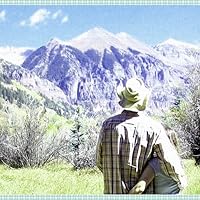
"To all of the Native American people, every creature and part of the earth was sacred; it was their belief that to waste or destroy nature and its wonders is to destroy life itself." ~ Susan Jeffers

November 30, 2025
Beautiful. The earth does not belong to us. We belong to the earth.

May 3, 2016
This is quite an interesting read and quite a lovely illustrated one to boot but one with very low reviews. Although some of their opinions do make sense there is also a bunch that ends up confusing me in their complaints against the book.
First of all the compiler did take creative license in using only bits and parts of the speech of Chief Seattle to fit the story while adding other parts of his family telling him the information. She also chose to leave out any religious references from the original speech to make this more geared towards a spiritual yet also environmental outlook, which was also an outlook of the actual usage of land.
Although the right tribe may not have been used by the illustrator as well for the book's paintings the artwork is breathtaking. The details are rich yet subtle while providing a beautiful portrait of the world being connected. What makes it more interesting is that when you look at the picture you can find some other things you hadn't seen originally in the artwork.
For all its controversy I think the book did a great job to bring some of the strongest words of wisdom from Chief Seattle to the people who were and are still going around destroying the sanctity of nature. Like many books based upon great words there needs to be an understanding of the original work so maybe a shared telling to crowds such as printing off and tucking within the pages the actual "letter" and then being able to read the book afterwards. And always, always, try to research more information for yourself instead of getting mad at the people who are trying to bring little known information to the rest of the world who may not hear it otherwise.
First of all the compiler did take creative license in using only bits and parts of the speech of Chief Seattle to fit the story while adding other parts of his family telling him the information. She also chose to leave out any religious references from the original speech to make this more geared towards a spiritual yet also environmental outlook, which was also an outlook of the actual usage of land.
Although the right tribe may not have been used by the illustrator as well for the book's paintings the artwork is breathtaking. The details are rich yet subtle while providing a beautiful portrait of the world being connected. What makes it more interesting is that when you look at the picture you can find some other things you hadn't seen originally in the artwork.
For all its controversy I think the book did a great job to bring some of the strongest words of wisdom from Chief Seattle to the people who were and are still going around destroying the sanctity of nature. Like many books based upon great words there needs to be an understanding of the original work so maybe a shared telling to crowds such as printing off and tucking within the pages the actual "letter" and then being able to read the book afterwards. And always, always, try to research more information for yourself instead of getting mad at the people who are trying to bring little known information to the rest of the world who may not hear it otherwise.

February 1, 2012
Echoing Chief Seattle’s humbling and inspiring words in a paraphrased form, Jeffers’s picture book has drawn criticism for its accuracy. She explains how Native Americans saw a harmonic union between man and the natural world. Nature itself is suffused with a great spirit that flows within the beauty of everything and also into the ancestral past that is carried on through human memories. For the artwork, Jeffers uses a painterly combination of a fine-line pen with ink and dyes. She uses an array of soft hues and thin lines to bring a meditative mood to the book. Her illustrations envision the rephrasing of Chief Seattle’s sage words into double-page images, which show reverent ways of cherishing nature’s exuberance. These illustrations press the need for stewardship and protecting of the land so that it can be passed on to future generations.

April 14, 2009
On my initial read of this book, I enjoyed the message immensely. It imparts a love of nature to the reader in a way that child from age 4 or 5 on up would understand. I also found the illustrations beautiful - they captured the pacific northwest perfectly. My appreciation for this book altered significantly after reading several reviews. It turns out that the "speech" by chief Seattle was never actually given, and in fact was created by hollywood. Also, the dress that the Native Americans are depicted as wearing are not accurate at all, and some illustrations are blatantly copied from other pieces of art. So disappointing, and a perfect example of how difficult it is to know if something is authentic.

March 10, 2009
Tries too hard to be organic/natural in its plea for environmental friendliness. It's almost as if the author wanted to write a book about saving the planet's resources and thought that having it told by a Native American would make the message more powerful. Further burdening this book are the controversies regarding the transcripts of Chief Seattle's speech, the accuracy of the cover and other illustrations, as well as the manner in which people are depicted.
May 30, 2010
The images in this book were awesome, but the story itself was very simple and not constructed very well. When I read it, it seemed somewhat unrealistic. However, after discussing some of the issues with the class, I was only partially correct in my original analysis. This story is extremely biased and bears little truth with it. If an author is going to write some historical document about an authentic group of people, they must ensure that their research is in fact authentic.

January 23, 2015
I love this book. I bought it for my daughter many years ago. And I've always hung on to it because I love the artwork and especially the message. Chief Seattle is very special to me. And no, it might be difficult for small children to understand, but you can reword it for them and still keep the same message.

March 5, 2020
Disappointing. It is possible to deliver a beautiful and needed message about respecting the earth without appropriating the supposed words of a Native American chief. It is embellished and tokenizing to say Chief Seattle said a bunch of stuff that he didn't and not even distinguish his tribe from any other. I get the intent, but now we know better and should do better.

September 7, 2008
This is one of my favorite kids books! The famous words that are attributed to Chief Seattle are illustrated beautifully in this children's book. But here's the best part: there are faces hidden in the rocks and trees, and it's a lot of fun looking for them.

January 15, 2021
Reading a few of the books for the JMG Literature in the Garden course.

February 10, 2026
Reviewing books for my fifth grade classroom- There are better Native American history picture books- this one is white-centric. Though some of the art is beautiful, the depiction of Native Americans is not the best.

May 15, 2013
The worst. Indians disappeared, huh?
March 19, 2018
"The end of living and the beginning of survival." Quite poignant.
Displaying 1 - 30 of 161 reviews