Jump to ratings and reviews
Rate this book

The Saga of Gosta Berling

Rate this book


A Swedish Gone with the Wind by the first woman to win the Nobel Prize in Literature—published here in the first new English translation in more than 100 years

One hundred years ago, Selma Lagerlöf became the first woman to win the Nobel Prize in Literature. She assured her place in Swedish letters with this sweeping historical epic, her first and best-loved novel, and the basis for the 1924 silent film of the same name that launched Greta Garbo to stardom. Set in 1820s Sweden, it tells the story of a defrocked minister named Gösta Berling. After his appetite for alcohol and previous indiscretions end his career, Berling finds a home at Ekeby, an ironworks estate owned by Margareta Celsing, the “Majoress,” that also houses an assortment of eccentric veterans of the Napoleonic Wars. Berling’s defiant and poetic spirit proves magnetic to a string of women, who fall under his spell against the backdrop of political intrigue at Margareta’s estate and the magnificent wintry beauty of rural Sweden.


434 pages, Kindle Edition

First published January 1, 1891

581 people are currently reading
8764 people want to read

About the author

Selma Lagerlöf

1,341 books697 followers
Selma Ottilia Lovisa Lagerlöf (1858-1940) was a Swedish author. In 1909 she became the first woman to ever receive the Nobel Prize in Literature, "in appreciation of the lofty idealism, vivid imagination and spiritual perception that characterize her writings". She later also became the first female member of the Swedish Academy.

Born in the forested countryside of Sweden she was told many of the classic Swedish fairytales, which she would later use as inspiration in her magic realist writings. Since she for some of her early years had problems with her legs (she was born with a faulty hip) she would also spend a lot of time reading books such as the Bible.

As a young woman she was a teacher in the southern parts of Sweden for ten years before her first novel Gösta Berling's Saga was published. As her writer career progressed she would keep up a correspondance with some of her former female collegues for almost her entire life.

Lagerlöf never married and was almost certainly a lesbian (she never officially stated that she was, but most later researchers believe this to be the case). For many years her constant companion was fellow writer Sophie Elkan, with whom she traveled to Italy and the Middle East. Her visit to Palestine and a colony of Christians there, would inspire her to write Jerusalem, her story of Swedish farmers converting into a evangelical Christian group and travelling to "The American Colony" in Jerusalem.

Lagerlöf was involved in both women issues as well as politics. She would among other things help the Jewish writer Nelly Sachs to come to Sweden and donated her Nobel medal to the Finnish war effort against the Soviet union.

Outside of Sweden she's perhaps most widely known for her children's book Nils Holgerssons underbara resa genom Sverige (The Wonderful Adventures of Nils).

Ratings & Reviews

What do you think?
Rate this book

Friends & Following

Create a free account to discover what your friends think of this book!

Community Reviews

5 stars
1,508 (22%)
4 stars
2,245 (34%)
3 stars
1,920 (29%)
2 stars
700 (10%)
1 star
207 (3%)
Displaying 1 - 30 of 558 reviews
Profile Image for Ines.
322 reviews264 followers
February 10, 2020
I was really impressed by the beauty and complexity of this book, I had already read years ago a Lagerlof's work "Jerusalem", which left me positive surprised.
In this work we find ourselves discovering the life of Gosta, a protestant pastor forced to leave his church caused of his habit to drink, thus ending up begging to survive...
The fact that he cheated a little girl by stealing her sack of flour will lead him little by little to despair, but our Lagerlof will give her character a strange gift of conversion and rehabilitation.
With the entry into the story of the character of the Mistress of Ekeby, who will make a covenant with Gosta, to honor the little girl to whom she will give protection and formation, Gosta must enter the circle of the Knights of Ekeby.
It is very difficult to tell you the exact plot, the work is built as an ancient saga , perhaps more like a mixture of myth and allegorical fairy tale with the presence of many short chapters with different stories but all with the theme of knights and the Mistress of Ekeby.
Gosta and his circle of knights, men devoted to drinking and enjoying life, able to confuse good with evil, to betray, to entice a thousand women but also to forgive...
It is very difficult to arrive at a clear link on the meaning of this work. While I was going through the pages I remembered Paul’s biblical phrase in the letter to the Romans "And we know that in all things God works for the good of those who love him, who have been called according to his purpose" and well Saint Augustine said " even sins!" in order to complete Paul's phrase!!
In this saga God is ever present, never concealed,. but often forgotten in the face of iniquities to trade for a greater good.
Will this also be the message? Even the pain, the evil, the more troubled life hides in its deepest depths the cry of eternal salvation? And that’s how she closes the saga with Gosta that leaves his company of knights.


Sono rimasta veramente colpita dalla bellezza e dalla complessità di questo libro, avevo già letto anni fa un libro della Lagerlof, "Jerusalem", che mi lasciò molto sorpresa.
In questa opera ci troviamo a scoprire la vita di Gosta, pastore protestante costretto a lasciare la sua chiesa a causa del suo vizio al bere, finendo così a chiedere l' elemosina per poter sopravvivere.
L'aver truffato una bimba rubandogli il suo sacco di farina, porterà Gosta alla disperazione, ma la nostra Lagerlof donerà al suo personaggio uno dono strano di conversione e riabilitazione.
Con l' entrata nel racconto del personaggio della Maggioressa di Ekeby, che stringerà un patto con Gosta, per onorare la piccola bambina a cui donerà la protezione e formazione sino alla maggiore età, Gosta dovrà entrare nel circolo dei Cavalieri di Ekeby.
E' difficilissimo raccontarvi poi l' esatta trama, il libro è costruito come una saga antica , forse più come un intreccio di mito e fiaba allegorica., con la presenza di molti corti capitoli a se stanti ma tutti aventi come tema i cavalieri e la maggioressa di Ekeby.
Gosta e la sua masnada di cavalieri, uomini devoti al bere e a godersi la vita, capaci di confondere il bene con il male, a tradire, a irretire mille donne ma anche a perdonarsi.
Difficilissimo è arrivare a un nesso chiaro sul significato di questo lavoro, mentre scorrevo le pagine mi veniva in mente la frase biblica di Paolo nella lettera ai Romani " Tutto concorre al bene per coloro che amano Dio " ; qui un Dio sempre presente, mai celato ma spesso dimenticato di fronte alle iniquità scambiare per un bene più grande.
Sarà anche questo il messaggio? anche il dolore, il male, la vita più travagliata nasconde nel suo piu' profondo intimo il grido di salvezza eterna? Ed è proprio così che chiude la saga con Gosta che lascia la sua compagnia di cavalieri.
Profile Image for Piyangie.
625 reviews769 followers
August 6, 2023
This debut novel of Selma Lagerlöf is an uncommon novel. Belonging to the genre of magical realism, the story is about one defrocked Lutheran minister by the name of Gösta Berling. While the plot is developed on Gösta's life, the novel is not only about him. Using a rich set of characters, it also brings to life the general manner of living, morals, religious beliefs, myths, and superstitions of the people in Varmland, a rural county in Sweden.

Selma Lagerlöf was the first female to win the Nobel Prize for literature. And it is said that The Saga of Gösta Berling is what brought her to the attention of the Swedish Academy. If you read this unusual novel, you can understand why it was so. The setting takes the readers to the beautiful countryside of Varmland with its rich landscape, mountains, forests, and beautiful lakes. The story flows through different seasons and Selma beautifully captures the wintry frost, the rain, the summer heat, the dry colorful autumn. She also captures how people's lives change according to the season; not only their way of life but also their moral thinking. In short, the novel is atmospheric and gives character to rural Sweden. This character Selma gives to the backdrop of the story is what makes it so enchanting. Personally, this sense of character is what captured me the most.

Selma's approach to the story is quite attractive. Every chapter is in itself a story, while all the chapters are loosely held by one thread through Gösta's story. Throughout the story, the influence of Swedish folklore, myths, and beliefs can be felt, and "the pact with the devil" is evidence of Selma's Faustian influence. Thematically, the story is about redemption. Not only Gösta but most of the characters find their path to redemption, to purge their sins and clear their conscience in different degrees. This is a common theme that has graced many classics, so there is nothing unusual about it. But what makes it unusual in The Saga of Gösta Berling is how Selma has laced the theme into the story borrowing characteristics from both fantasy and reality. The whole story runs on a combined path of fantasy and reality making it an uncommon yet fascinating tale.

The writing is rich and poetic. Her flow of words takes the reader to a magical world, somewhere between the real and fantasy. It was such a lovely place to be. Her words are also thought-provoking, and I found myself pondering over them at length. The story is not altogether a happy one, but the melancholic tone had its own attraction.

I was skeptical at first after learning that the novel belongs to the genre of magical realism, being not too fond of the genre. But I soon forgot my preferences and was right immersed in the novel from the onset. With this beautiful creation, Selma took me through a fantastic reading escapade. For a long time, I won't forget my lovely journey through the beautiful Swedish county of Varmland.
Profile Image for Lisa.
1,108 reviews3,290 followers
December 17, 2019
"Äntligen stod prästen i predikstolen."

At long last the minister stood in the pulpit. That is the initial sentence of Gösta Berling's Saga, and those are the words that most school children in Sweden used to learn by heart.

What follows is a magical trip around the woods and mansions of Värmland, in the middle of nowhere in Selma Lagerlöf's Sweden. The lure of an easy, irresponsible life leads to suffering and curse and chaos, and the readiness to see own weaknesses and to resist the manipulative power of the mighty and rich brings closure to a haunted soul. If the beginning marks Gösta's divided character, his drunken approach to society and its status, the ending marks his willingness to move on and live life on better, more genuine terms.

I don't know if Gösta Berling can unfold his magic for anyone who is not familiar with the trolls (both human and imaginary) in the Swedish countryside, on the very boundary between the wild and the urban civilisation. All I can say is that this story is part of the almost subconscious cultural heritage that Swedish readers carry with them, and the Lagerlöf trolls are still vividly present in the dark months of the year. You can see them lurk in the badly lit corners of cities and on the unlit paths in the woods. They have a smell of fur trees and saffron or cinnamon buns, and a frosty touch, and they strangely fill people with joy, despite their ugliness.

To be read, and reread, and enjoyed as long as there are Swedish winters to survive!
Profile Image for Paul.
1,471 reviews2,167 followers
August 13, 2021
This was Selma Lagerlof’s first novel, published in 1891. Gosta Berling is a defrocked Lutheran minister. His life is saved by the mayor of Ekeby. She allows him to become one of the pensioners living in the manor of Ekeby. The group go on to have lots of adventures. Lagerlof employs all the vagaries of the natural world and climate as well as folklore and fairy tale. There are plenty of good people and plenty of villains and the whole does have a gothic feel in the sense that there are plenty of exaggerations and much that is absurd. It is written with gusto and there is a comic side to the absurdity, but there is also strong seam of sadness too.
There is a silent film (Garbo’s first I think), which is an immense three hours long. The novel itself is a series of shorts, all linked together and from a variety of viewpoints. There are plenty of interesting devices employed and I found it interesting and enjoyable.
Profile Image for Luke.
1,626 reviews1,192 followers
April 27, 2016
The moon rose, and the loveliest time of night came.
The moon poured down her light from the pure blue
High arch of heaven over the leaves of the terrace.
At our feet a lily shivered in its urn;
And gold light rose from its chalice.
We had all come to sit on the stairs,
Both the old ones and young, silent
In order to let the emotions take up
The old tunes in the loveliest time of night.
I do not mourn for the stories told around the fire like those of previous generations do, for I was not the one who killed them. I do not mourn for "simpler" times in as pigeonholed a way as those of an aged nostalgia, for a smaller view of things does not inherently lead to less amounts of cruelty, or an increase in understanding. What I mourn for is what I have interpreted of the bits and pieces left to me, the music, the literature, the sense of Far over the misty mountains cold that raises hairs no matter how many may puke over technology and newfangled young'uns and their contemporary times. So I got Stravinsky's Firebird Suite through a Disney cartoon instead of a radio or concert hall or whatever is 'legitimate' and 'enculturated' these days. Big whoop. I'd pay attention if I heard "white supremacy" or "morality that must be babysat is no morality at all", but alas. I do not mourn for these times like one supposedly must, and thus must figure it out on my own.
Friends and children, dancing or laughing! I want to warn you to dance with care and laugh softly, for if your shoes should step on an oversensitive nature rather than on hard boards, it can cause an enormous amount of suffering; and your strong laughter can drive a soul to desperation.
One nice result of having set myself on all the Big and Difficult Things is that I can compare millenium old Japanese classics to Nineteenth Century Nobel Prize Winning Literature without any and all daring a peep, so I will go ahead and say Lagerlöf successfully pulls a Genji. Sure, I like Gösta Berling a hell of a lot more than Shikibu's titular soul, but that doesn't mean he's more of a main point than he is a particularly effective fictional device. Where he goes, we go, and enjoy what comes. What he does, we view from all sides, and appreciate the need for life and sociocultural norms. Whom we meets, we embody, and it is never so simple to say what we mean with love and alcohol on one side and the stability of civilization on the other. Deals with the devil never looked better when one thinks on how humanity's run the world thus far.
Those who were wiser could console themselves that they had fought for their country and for honor. What did he know of such things? He simply felt that he was hateful because he had killed and caused much injury.
Course, any work of this breed of creation and beyond is nothing more than a compilation of fictional devices, so let's do what some are pleased by and others are pissed off by (sometimes both, depending on the lies they are defending and the truths they are denying) and compare literature to math. Into our formula troops Gösta Berling, twelve guests, one major's wife, one heiress, one beauty, one devotee, one countess, the landscape of Selma Lagerlöf's childhood, the history of her riches and the future of her downfall, religion as the hardbound moral work it was meant to be, cultural heritage as it is meant to awe in equal measure, and that 'good' so fought over by pagans and Christianity and whoever else has a hard time with raisons d'être. It's beneficial to know something of the place and the times, but sagas of events that may have been a downfall, may have been a triumph, may have been a scandal and may have been a time of holiness have played out the world over, so too much knowledge of the nonfictional sort may cloud more than it conceals.
You ought to know that no one can worship the goddess of wisdom without some punishment.
Beyond that, the differences between the two previously mentioned works of classical status and male-webbed plotlines lie in a matter of worlds, insular Heian court versus sprawling Värmland woods, the latter of more instinctive appeal to my Euro-bred self for its ice, its mythos, the joys of its industry and the hells of its souls. My mind is most comfortable in sidelong conjuring when the woods are dark and the air is fog and the depths of evil are wandering the roads at will, so those to whom Dracula appeals for glimpsed landscapes and Kristin Lavransdatter calls for the bitter glory of moral triumph, come. This one's happier than either and is best read aloud, even to music if one is of mind.
My reward would be enough if the poor would remember me for a year or two after my death. I should have done some good if I had planted a couple of apple trees in the yard or taught the country fiddlers some of the old tunes or taught the shepherd children a few good songs to sing in the woods.
The afterword's a mewling twit of a thing penned by someone who cannot believe a woman wrote this work, so find your Lagerlöf bio elsewhere. You do not need theological nitpicking, nor erratic Euro-patriarchal namedropping, nor even a few final begrudging lines about experimental literature and life that are ruined by being couched in whines of "feminine in the best sense" and the like. You may, however, need the work. It's something I'd hedge my bets on even if 'twere wrote in blood on black and rang of ghostly bells, deep in the misty nights.
Dear reader, must I say the same? The great bees of imagination have now swarmed about us for one year and one day; but how are they going to squeeze into the beehive of fact is a problem they will have to solve by themselves.
Profile Image for cypt.
719 reviews789 followers
October 15, 2019
TL;DR: klasika su mėme herojum ir stipriom moterim, ftw.

Užlopiau klasikos skylę.

Selmos Lagerlöf neturėjom jokiam visuotinės literatūros kurse, jokioj paskaitoj ar mokyklos pamokoj. Kūrinys parašytas 1891 (!), buvo debiutinis (!!!) jos romanas, parašytas konkursui. Kai jai buvo 33!

Skaitydama vis galvojau, kad tiek daug knygos konteksto man praplaukia "pro galvą", nes nežinau nei skandinaviško folkloro, nei islandiškų sagų, o romanas parašytas toks a la viduramžiški riterių romanai. Taigi yra daug tūsinimo, lėbavimo, žygių, nerūpestingo gyvenimo būdo. Ir sykiu jis toks aiškiai neviduramžiškas - šalia postringavimų apie mergeles ir gamtą staiga išnyra toks pasažas:

- Ar tais laikais žmonės niekad nepagalvodavo, ką jie daro? - klausdavome mes.
- Žinoma, galvodavo, vaikai, - atsakydavo senieji.
- Bet ne taip, kaip mes galvojame, - tvirtindavome mes. Ir tada senieji nesuprasdavo, ką mes galvojame.
O mes galvodavome apie nepaprastą savistabos dvasią, jau įsiskverbusią į mus. Ją įsivaizduodavome su ledinėmis akimis, ilgais krumpliuotais pirštais, tupinčią tamsiausioje sielos kertėje ir pašiojančią mūsų esmę, kaip senos moterys pašioja šilkinius ir vilnonius skudurėlius.
Tie ilgi krumpliuoti pirštai pašioja ir pašioja po pluoštelį, kol mes pavirstame skudurų krūva, ir tada mūsų geriausi jausmai, mūsų ankstesnės mintys, visa, ką esame padarę ar pasakę, tyrinėjama, draskoma, ledinės akys į juos žiūri, o bedantė burna niekinamai šypsosi ir šnabžda:
- Žiūrėk, tai skutai, vien skutai. (p. 110)


GRAŽU.
Taip ir yra visoj knygoj: pompastiškas siužetas, pompastiškas stilius, ir sykiu šalia - ironija ar išvis beveik autobiografiški (ne autobiografiniai!) pamąstymai ir užnešantys (nežinau geresnio žodžio - gal įkvėpti?) komentarėliai, kiek panašiai, kaip atsiranda pas Jane Austen arba Bronte's. Kada išnyko ta komentarėlių tradicija??* Nežinojau, kad esu jų pasiilgusi, bet pasirodo, buvau ir dar nežinodama.

Čia truputį užsivežiau Lagerlof stiliuku, kuris įspūdingas (kaip ir Rimutės Rimantienės vertimas). Pvz:

[Ulrika ištekėjo už didžiausio knygos blogiečio, nes nenorėjo būt senmergė]
Senoji Ulrika groja, lyg norėdama sutraukyti stygas. Polka daug ką turi nustelbti: vargšų kaimiečių skundus, užguitų padienių darbininkų keiksmus, pašaipų priešgynų tarnų juoką ir ypač gėdą, gėdą būti blogo žmogaus žmona. (p. 157)

Jaunoji grafienė miega iki dešimtos valandos ir mėgsta kasdien pusryčiams turėti šviežių bandelių. Jaunoji grafienė siuvinėja rankdarbius ir skaito poeziją. Ji nemoka nei austi, nei virti. Jaunoji grafienė yra išlepinta.
Tačiau jaunoji grafienė yra linksma, ir jos gera nuotaika šviečia visiems. Dėl to jai visi mielai atleidžia ilgą miegojimą rytais ir šviežias bandeles, nes ji tikrai gausiai šelpia neturtėlius ir yra draugiška. (p. 133)


O, norėčiau aš būti jaunoji grafienė! Bet netrukus tas noras praeina, kai jaunosios grafienės likimas pasisuka audron. Nes ji sutinka Gestą Berlingą.

Gesta Berlingas yra absoliuti šikna. Knygos pradžioj dar atrodė, kad bus kažkoks tragiškas herojus, nes pradeda pasakoti jo biografiją ir ji prasideda nuopuoliu - bet nė velnio, jis nebent yra lopiškas herojus. Pradžioj jis prasigėręs pastorius, visiškai degraduojantis, vėliau - elgetaujantis, vagiantis iš vaikų. Gana netrukus jį į roges įsisodina sniego karalienė - šiaip majorienė, vietinė dama, bet visoj knygoj ji veikia išties kaip sniego karalienė. Ji surenka iš visų pakampių latrus ir padaro juos "kavalieriais"** - duoda išlaikymą, valgyt, dvarą, etc etc, o jie "būna kavalieriais" - baliavoja, mušasi, daro belenką.
Gesta netrukus tampa kavalierių vierchu ir: veda moteris į savižudybę, veda ištekėjusias moteris iš doros kelio (jos jį pamilsta ir tuo nusideda vyrams), sėja šeimose nesantaiką, kartais bando daryt gera (nes iš principo nėra blogas žmogus, tik tooooks nelaimė-mėmė-lis), bet išeina šūdas ir visi aplink kenčia. Knygos gale jis išvis lieka kažkur pašaly, pasakojamos istorijos apie gamtą, apylinkes, kitus personažus. Nu nebūtų mėmė.

Kieno iš tikrųjų ta saga yra - tai moterų. Kurios stiprios, gal nestiprios, bet nuoširdžios ir tiesios, apgautos, nuskriaustos, bet išliekančios kažkokios true. Pradedant sniego karaliene-majoriene, baigiant visomis jaunomis mergelėmis, kurios pamilsta Gestą. Skaitydama galvojau apie galingas Sigrid Undset moteris ir tai, kaip iš tikrųjų jokioj visuotinės literatūros paskaitoj, jokioj mokyklos pamokoj mes nedaug turėjom tokių personažių moterų, kurių nereikėjo niekam gelbėti, pavergti, laimėti, nužudyti (čia film noiruose). Gražu.

Ties knygos viduriu kaifavau ir vadinau geriausia knyga ever (ir pelnyta pirmąja Nobelio laimėtoja), bet į galą išskysta, iš pirmo plano dingsta Gesta, blogiečiai nubaudžiami, gamta bujoja. Nėr ko nekęsti (= Gestos). Tai numušiau žvaigždutę. Bet galvoju, kad norėčiau dar kartą perskaityti, kaip ir daugiau Lagerlöf knygų.

---
UPDATE pasiklausius kitų įspūdžių apie knygą:

* komentarėliai, matyt, iš romantizmo, kokia yra ir pati knyga - aukštinanti folką, praeitį, su užsivedimais.
** kavalieriai, pasirodo, yra karo veteranai! o ne šiaip latrai. ta prasme labai daug vietų tampa gražiai metaforiškos - apie traumą ir jos išgyvenimą.
Profile Image for AiK.
726 reviews269 followers
July 2, 2023
На первый взгляд, роман кажется сказочным, далеко выходящим за рамки магического реализма, поскольку сюжет, основан на преданиях и легендах родной для писательницы провинции Вермланд. Так, кавалеры заключают сделку с чертом, а герои часто воспринимают других героев в качестве сказочных персонажей – лесовиц, русалок, колдуньй.
Я не знаю, была ли знакома Дафна Дюморье знакома с этим произведением, но здесь есть практически идентичный сюжет о нападении стаи сорок на женщину по навету колдуньи, почти в точности, повторяющие сюжет знаменитого рассказа «Птицы». Вместе с тем, кавалеры до боли напоминают праздных женихов Пенелопы из Одиссеи, разоряющих поместье в нескончаемой череде пиров.
Йёста – персонаж, тоже в чем-то сказочный. С одной стороны, он, бывший пастор, обладает характеристиками богатыря, а с другой, имеет черты, можно даже сказать, дурачка, несерьезного, любящего застолья, вино, женщин. Йёсту очень легко ввергнуть в искушение. Он одновременно самый сильный и самый слабый из людей, его образ противоречив. Женщины в него влюбляются пачками, а графиня Элисабет даже призналась мужу в платонической любви к Йёсте, за что жестоко поплатилась.
Несмотря на сказочность, Сельма Лагерлёф между строк поднимает вопросы любви к родине, любви к народу, социальные вопросы. Это первое произведение писательницы, сделавшее ее известной.
Profile Image for Warwick.
Author 1 book15.4k followers
August 18, 2022

Västra Fågelvik church, in Värmland

This dense, episodic and deceptively profound book is a fascinating evocation of rural Sweden in the 1820s, as seen through the mythologising eyes of later generations. These are stories of her little Värmland community that Selma Lagerlöf heard at her grandmother's knee, and she retells them in the same spirit – as though we are sitting round the fire at night listening to her as the winter evening draws in. She has this amazingly conversational, rhythmic, apostrophic prose style which is constantly bursting out in great exclamations to the reader/listener, or reflecting on herself as storyteller and her own feelings about the tales she is telling.

I think about the cold, starry night that arched over and around her; the great, expansive night with the empty, deserted fields of snow, with the silent forests. All was sleeping, all was sunk into painless sleep, there was only one living point in all of this slumbering whiteness. All the sorrow and anxiety and terror, which is otherwise doled out across the world, was creeping along toward this lonely point. Oh, God, to suffer alone in the midst of this sleeping, iced-over world!


Although Gösta Berling is the title character, and the closest we get to a hero, this is far from the kind of conventional life story that we expect from a big nineteenth-century novel (it was published in 1891). Instead, every chapter is a little fable unto itself, each with its own genre (ghost story, romance, comedy), each with its own central character; and we only learn Gösta's story incidentally, through his interactions with the rest of the community. This approach owes something to the folktale tradition, but also anticipates much more modern literary techniques – in, say, Bolaño's The Savage Detectives. It makes reading the book a bite-sized and wonderfully symphonic experience.

It adds up to a rich, cumulative depiction of ‘life among the spruce forests, bears, and snowdrifts’, where nature may be beautiful but it's also ‘evil, possessed by invisible forces who hate humankind’. Elements of the supernatural flicker in and out of the stories – witches, wood nymphs, trolls, pacts with the devil – in such a way that we are never quite asked to believe in them fully, but rather invited to share in a general anxiety that such things could be lurking out there in the uninhabited forests. And the overall tone is remarkably melancholy, rejecting happy endings at every turn and squeezing what drops of hope it can from the most unprepossessing situations. Happiness is here—

[b]ut happiness is only sorrow that is playacting. There is really nothing on the earth but sorrow.


Sleep tight, kids! At times, it's true, this can seem like a formidably alien world, especially at the start of the book. One is entitled to wonder, for instance, what exactly is meant by calling Gösta and his friends ‘cavaliers’, and what practical sociological set-up is being described here – are they just homeless men, professional partiers, workshy layabouts? It's not very clear, and the learning curve for this and similar details is fairly steep. The problem may be compounded for anyone who's looked at the back cover of the Penguin Classics edition, where it's called ‘the Swedish Gone with the Wind’, a staggeringly misleading description since this is in no way a sweeping romance of love and war, or anything like it. Though Gösta is loved by many women in the story, and though there is a very moving romance between him and the young Countess Elisabet, their eventual marriage is the most deliberately unromantic and practical arrangement imaginable.

This, indeed, seems to be Lagerlöf's main point, or as close as the book gets to having one – that romance, ultimately, must be put aside for more practical concerns. When Gösta, near the end of the book, makes one of his typical grand promises, Elisabet suddenly rounds on him: “Heroic gestures, heroic ostentation!…How great such things once seemed to me! How I now prize calm and self-control!” It's an intriguing moment of wrestling against the genre of the book, and one which leaves the central conflict of Gösta Berling unresolved:

But like a difficult riddle, the question of how a man could be both happy and good still hung over the world.
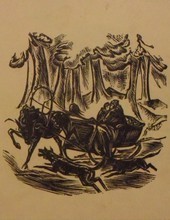

It's easy to see why this is so beloved in Sweden, and it's fantastic to have this new translation from Paul Norlén, the first, really, for over a century, and one which reads really well. Lagerlöf's imagination is powerfully visual: every single chapter seems built around a striking set-piece, and you put the book down with some of them burned into your memory. I read most of my copy in a little village on the Swedish coast (a little further south, in Västra Götaland) and I can well imagine the melancholy comfort it would be as a means of whiling away the long winter nights.
Profile Image for Sara.
Author 1 book934 followers
November 13, 2021
This book is a loosely constructed narrative, with Gosta and a few other recurring characters pulling it together from time to time, but mostly seeming like disconnected tales of Swedish life. Some of the vignettes were priceless and moving.

The base story is a Faustus tale. The estate at Ekeby’s mistress, the Major’s wife, takes in wayfaring cavaliers, among them is Gösta Berling. As their leader, he makes a pact with Sintram, a representative of the devil, ousting the Major’s wife and giving the cavaliers control of the estate, which they will retain if they manage to do nothing worthy for an entire year. As the group is rendered, this would seem to be a fairly easy bargain to keep.

After having done so much good for others, the Major’s wife is turned out of her home and made to be destitute and a beggar.

“It had become a matter of conscience with them, poor cavaliers, to persecute the Major’s wife. People so often have been cruel and persecuted one another pitilessly in trying to save their own souls.”

The saga is interwoven with tales and folklore and history, which I thoroughly enjoyed, and laced with a bit of humor.

A bullet of mingled silver and bell metal, cast on a Thursday night at new moon in a church tower, without the priest or sexton or any other living mortal knowing about it, would certainly bring him down, but such a bullet was not easy to procure. Indeed.

Selma Lagerlöf (1858–1940) was the first woman, and the first Swedish author, to receive the Nobel Prize in Literature, in 1909. In 1914 she also became the first woman to be elected to the Swedish Academy. Gösta Berling was her first novel, written at the age of 33, and it has stood as a classic since.
Profile Image for Dagio_maya .
1,106 reviews350 followers
March 20, 2021
” E ad un tratto si trovò a pensare che infine l'uomo ha ogni cosa in sé, che la gioia e il dolore nascono unicamente da due diversi modi di considerare le cose.”

Più che al pulpito, il pastore Gösta Berling, si dedica all’acquavite.
Troppo lugubre il paesaggio invernale; troppo noiosa la vita nella canonica, e lui, uomo, tra l’altro, di grande bellezza non trova requie se non dietro le porte della taverna.
Dopo la visita di un vescovo si fa prendere dai rimorsi e decide di girovagare andando incontro alla morte ma non è questo il destino del predicatore pazzo.
Un giorno incontra la signora di Ekebu, la donna più potente di tutta la regione e la sua vita ha una svolta: diventa uno degli undici cavalieri, esperti nell’arte del divertimento più sfrenato.
Comincia così una vorticosa serie di racconti inanellati tra loro.
Tra allegre brigate danzanti, spiriti e maledizioni, Gösta Berling si lascia travolgere da profonde passioni.
Intorno le tenebre della foreste dove orsi e lupi stanno in agguato ma lì tra loro abita Sintram, sinistro e diabolico personaggio che sussurra parole all’orecchio e cambia il corso degli eventi.
Magnifica epopea in cui il mito si fonde con la poesia.

” Non ci vuol molto per precipitare nella miseria più profonda! Bisogna dunque aver paura della vita! Chi può essere sicuro della propria sorte? Tutt'attorno a noi il dolore sale come un mare in burrasca, avidamente le ondate lambiscono i fianchi della navicella, ecco, si gonfiano, s'avventano per inabissarla. Non v'è appiglio sicuro, non solida terra, non un'imbarcazione fidata fin dove l'occhio giunge, bensì soltanto un cielo sconosciuto sopra un mare di angosce.”
Profile Image for Issicratea.
229 reviews475 followers
November 9, 2016
I had literally never heard of Selma Lagerlöf, the first female winner of the Nobel Prize for literature (in 1909), before a Swedish friend recently recommended her to me. This may just be evidence of my personal ignorance, but I suspect she doesn’t have that much name recognition in the English-speaking world generally, despite the fact that many of her books have long been available in English translation (in the case of Gösta Berling's Saga, since 1894.)

Gösta Berling’s Saga was Lagerlöf’s debut novel, published when she was in her early 30s in 1891. It is a strikingly original and distinctive work, to the point that I find it difficult to think of real parallels for it in other literatures with which I am familiar. I occasionally thought of Kasua Ishiguru’s The Buried Giant as I was reading it; and, rather more often, of James Hogg’s The Three Perils of Man. Gösta Berling’s Saga rivals both for eccentricity, which is really quite an achievement. Like The Buried Giant, it has a strange, slow-build, layered quality, as well. At points along the way, the suspicion grew on me that it was completely bonkers, but, by the end, I found it a powerful and impressively sophisticated work.

Gösta Berling’s Saga is set in Lagerlöf’s native province of Värmland, in western Sweden, a land—as Lagerlöf lyrically describes it—of wolf and bear-haunted forests, bright lakes, and mines rich in ore. The novel draws richly on the legends and folk tales of the area, in a way that gives it a texture reminiscent of magic realism. The devil gets a bit-part appearance, as does a slinky and dangerous wood nymph, and the whole saga has a swoony, mythic, fabulist quality to it. There are echoes of the Faust myth, with the selling of souls, and of Don Juan in the reckless dissipation and scattergun seductions of the title character, a defrocked priest.

For all the magic, though, the realism is never quite forgotten. History lurks on the margins. The characters include a few relics from the Napoleonic Wars, and a fascinating, barely-there political theme seems perceptible at points. The exuberant, laughter-loving Countess Märta, seems to embody the gaiety and whimsy of the ancien régime at her first appearance, but she quickly morphs into a tyrant. One striking set-piece scene shows a popular uprising against the hedonistic régime of the “cavaliers of Ekeby” (I’m not going to even attempt to explain that reference), in a human explosion of violence that parallels the equally striking scenes of flood and fire we find elsewhere.

The introduction to the Penguin Classics edition of this novel has some interesting material on its early reception. Some of it illustrates very well what Lagerlöf had to struggle against. The Danish critic Georg Brandes, who seems to have been responsible for “discovering” the novel, nonetheless speaks patronizingly of Lagerlöf as a naïve novelist (“her warm, living imagination is like a child’s. Exactly like a child’s.”) That seems extraordinarily misguided. Lagerlöf’s narratorial voice, which is one of the glories of this novel, takes on the naivety of the folk-tale narrator at points, but only as part of a complex and articulated strategy. This is anything but a child-like work.

One excellent piece of trivia from the Penguin introduction: in addition to her literary talents, Lagerlöf also proved herself an efficient businesswoman, with a line of “super-healthy oatmeal, labeled Märbacka Oats-Power.” So that was her secret!
Profile Image for Adam.
664 reviews
December 30, 2010
Are the new caretakers of Ekeby twelve worthless drunks or twelve worthy, heroic figures fallen on hard times? By the novel's end, both possibilities seem true, and their leader is the most complicated of all the men--a young defrocked minister and lady's man named Gosta Berling. The men have made a contract with the devil in human form and have been granted the run of the Ekeby estate for a full year. Over the course of the year, Gosta experiences epic love no less than three times, and every month or so a great tragedy or miracle occurs in the region.

Selma Lagerlof's deft blending, in 1891, of neo-Romanticism and quasi-saga storytelling is endlessly entertaining. I read the book in multiple sittings over the course of a few weeks, and this may have been the ideal way to take it in since, structurally, it often has the feel of those great English installment-chapter novels of the Victorian era. Lagerlof often begins a chapter as though it were a short story, starting from some unpredictable launching point and gradually cementing This Tale into the greater myth-work that is Gosta's saga. As with all the Lagerlof I've read, a great exuberance of heart and humanism predominates. Though when she addresses tragedy she is always convincing, I can't believe that Lagerlof ever sat down with the desire to evoke gravitas or melancholy in her audience; all her writing seems to have been crafted with the idea of its being a gift to the reader, something to lighten our cares and kindle our imaginations. That this book is not generally known as a classic of Western literature is a shame.
Profile Image for Kathleen.
Author 1 book264 followers
February 2, 2020
“'When man is silent, the stones must speak,’ they said.”

Perhaps Selma Lagerlöf could hear the stones. A quiet book-loving child, she grew up in the beautiful lake country of western Sweden. After reading her first novel at age seven, Selma wanted to become an author, and it appears she absorbed all the colorful folk tales of her region, blended them with the wisdom of nature around her, and created this remarkable saga of the very flawed hero Gösta Berling.

“But there stood Gösta Berling, the gay cavalier, greeted with joy for his cheerful smile and his pleasant words, which sifted gold-dust over life’s gray web.”

Selma’s father was an alcoholic, which may be the reason drinking is behind almost all the evil that befalls the characters here. (The coming of better times in this story is actually marked by “And no more brandy is made now.”)

Reading this felt a bit like looking at someone else’s family album though. You know what I mean, where the photos are lovely but don’t carry the emotional heft or back story that exists for the family, so you can’t appreciate them in the same way. I can only imagine what the experience would be like if I knew the country well and had heard versions of the tales as a child.

There were places where the story dragged a bit, but others where it glittered with intensity, like in these gorgeous passages:

“Terror is a witch. She sits in the dimness of the forest, sings magic songs to people, and fills their hearts with frightful thoughts. From her comes that deadly fear which weighs down life and darkens the beauty of smiling landscapes. Nature is malignant, treacherous as a sleeping snake; one can believe nothing.”

“If dead things love, if earth and water distinguish friends from enemies, I should like to possess their love. I should like the green earth not to feel my step as a heavy burden. I should like her to forgive that she for my sake is wounded by plough and harrow, and willingly to open for my dead body. And I should like the waves, whose shining mirror is broken by my oars, to have the same patience with me as a mother has with an eager child when it climbs up on her knee, careless of the uncrumpled silk of her dress.”


In the end, I was enchanted by the way this remarkable author wove traditional tales into a satisfying story, full of magic and morality, giving me a glimpse into a long-ago Swedish landscape.
Profile Image for Bettie.
9,978 reviews5 followers
March 9, 2015
This entire review has been hidden because of spoilers.
Profile Image for Susana.
541 reviews177 followers
February 5, 2023
E eu que pensava que este livro contava a história de uma mulher... O nome (Gösta), a capa (Garbo)...

Afinal saiu-me um conjunto de histórias sobre uma região da Suécia e os seus habitantes, que vamos conhecendo aos poucos, havendo um fio condutor que é o tal Gösta, um jovem padre exonerado que é admirado tanto pelos homens como pelas mulheres.

A tradução, que á primeira para português diretamente do sueco, não me agradou particularmente, e a estrutura do livro, como se cada capítulo fosse um conto, também não. Mas a verdade é que a escrita, as histórias e as personagens acabaram por me cativar.

Tenciono ler outras obras da autora, porque também gostei muito do Nils Holgersson e do Imperador de Portugal.
Profile Image for Sverre.
424 reviews32 followers
January 7, 2015
This book is a great work of art from many readers’ points of view. Probably it is, but one should probably be somewhat suspicious when a Swedish author received a Nobel Prize, awarded by a Swedish committee consisting of privileged academics. I grew up hearing about this book, and, coincidentally, my grandmother came from Värmland, the setting of the book. For decades I had ignored this work so its time had come—or so I thought. Well, as it turned out, I should have resisted longer.

This is not a novel. I was put off by the chopped-up texture of its presentation. ‘Gösta Berling’ is a work consisting of artful meanderings. Lagerlöf was a literary conjurer. She had great skill with forming phrases and sentences that enchant and charm the reader. And she often goes off-topic to add incidentals. Considerable time is taken to inform the reader about flora and fauna, local customs and the social dynamics of Värmland. Intervals are used to delve into fantasy and mythology. We share in the reminiscences of horses and even the wagons that they have pulled. We follow the fancies of an eagle on an excursion. Miss Lagerlöf was notably enamoured by her character Berling, a shifty defrocked priest, a drunkard and Don Juan. His relationships with women can best be described as whimsical, impulsive and disloyal, even reckless. The author injects a number of other characters—especially headstrong women—to act as accomplices or adversaries (sometimes both) to his egocentric foibles. The women’s’ emotional investments in Gösta are most often absurdly paradoxical from one moment to the next—from slavishly worshipful to heartlessly dismissive.

I very seldom give up on a book. Many books are not exactly gripping or entertaining from page one. Most take a few dozen pages to get the reader interested. My expectations were high for this book but it failed to engage me. With stubborn persistence I plodded through more than half of it before I decided I had had enough. I am sure my dispassionate grandmother, although a contemporary of the author, had no time for such enigmatic literary fare. By today’s standards I think ‘silly’ would be an apt word to describe the plot of this trumped-up literary work which may have fascinated readers by its non-conventionality a century ago.

Profile Image for Orient.
255 reviews247 followers
February 19, 2016
It was hard for me to judge the translation without knowing the book in the original. That's why I have to look at it as to any other book. And, what do I find:
1. effortlessly gloomy plot (some gothical spices to Scandinavia)
2. some black humour (hardly enough to change the situation to better)
3. mexican soap opera (Gosta, "the lord of love", the sinful former priest, wanders full of self-pity and gay (yep the biggest part of this book is overflooded with this word so beware, this word is infectious :D) through the hearts of the women and sometimes the lands and forests.)
4. Unnatural characters. It's sad that I found nothing, even not a little bit, naturalistic about the characters in the book. All I could feel was that most characters were too much exagerated. Maybe the translator did an awful job or maybe it's just the maner of the author.
Once I got accustomed to the style (how masochistic it sounds ;D) and the peculiarities -the whole experience is not so REALLY bad. I really liked the description of the nature and some jokes. Those are the small gold pieces that I found digging through all the crap.This book is a real monument to the comic absurdity of human behaviour.
Ah and the best sentence is:
"Now it's a matter of life and death," cries Anna, an early love of Gosta's, as their sleigh is surrounded by wolves, "howling with hunger and blood-thirst", and she wonders if travellers the next day will find their "torn-apart limbs on the trampled, bloody snow". It's no country for cowards or weaklings. "This was life," Anna thinks, "rushing along over sparkling snow, defying wild animals and people."
I think it clearly shows the real rebellion through the rough-tough life.
Profile Image for Manny.
Author 48 books16.1k followers
November 2, 2025
Larger-than-life Swedish epic, with some great images. Not sure how well her beautiful poetic Swedish translates though - maybe this is why the book is virtually unknown in English.
Profile Image for dely.
492 reviews278 followers
March 4, 2017
I didn't enjoy that much this book. The beginning was interesting and I thought that the book would have talked about Gösta Berling, a disavowed priest, and his adventures. It talked about him, but the whole story wasn't flowing: every chapter was a kind of short story. I may say that the book is made by many episodes with several characters, all equalliy important though Gösta Berling is the "gravity center". So some chapters are dedicated to Gösta's friends and these chapters didn't add anything to the story or the plot.
I also couldn't understand if Gösta Berling is a character of Swedish folktales or if those were stories the author had listened to as a child or if there is something real but with some magic added (witches etc.) or if it's only a piece of fiction.
The author perhaps wanted to add also some moral teachings? There is good vs evil but at the same time every character is both good and evil. Sadly this analysis is pretty cold, there aren't shades, so the characters don't seem real. The author underlines that sometimes bad can be done involuntarily and that bad things sometimes happen so that we can learn from it and improve as a person, but it isn't put well in the story and so sometimes I had the feeling to listen to a puerile moral teaching. Towards the end there were also too many religious concepts that I really couldn't stand. An example: who is the cause of a drought? A priest is the culprit because he was stingy and wasn't able to pray God as he should and so God punished the people with a drought. Meh.
As said, the characters don't seem real because some of their behaviors go from "very bad" to "too good" and often I had the feeling they were crazy.

There are some very good descriptions of the place and of the landscape, but sometimes the author becomes too aulic and solem so I didn't like these parts because it's a way of writing I don't like.
Profile Image for Hymerka.
682 reviews121 followers
December 10, 2017
Уявіть собі на хвильку, як це — жити в холодній північній країні, серед непроглядних смерекових лісів, ведмедів і снігових заметів, де зима така темна і тягуча, що здається нескінченною, велике озеро крижаніє настільки міцно, що по ньому можна їхати навпростець до сусіднього села, коли ти їдеш собі на санях, на тебе може накинутися зграя вовків, а розбуджений ведмідь приходить на твоє обійстя і краде корову, і ти ще тішишся, що не дочку. Мабуть, під оте завивання вітру і потріскування дров дуже легко і природно вигадуються різноманітні казки про давніх богів, відьом, тролів та іншу нечисту силу. Весь цей фольклор дуже гарно вплетений у "Сагу про Єсту Берлінґа".

Це такий собі роман в новелах, розділи-новели напрочуд різноманітні, і далеко не всі вони про Єсту. Оця несхожість настроїв історій може, напевно, бути і перевагою, і недоліком роману. Це як ті цукерки Форреста Гампа: сама не знаєш, з якою начинкою буде наступна.
Між іншим, на початку роману було кілька розділів, які мені страшенно нагадали нашого Гоголя, та й не дивно: під час святкування Різдва купкою безтолкових молодиків через димар залазить чорт. Після такого я вже було налаштувалася на іронічно-грайливий лад, але ж ні.
Як вам, скажімо, до вподоби історія, коли батько посеред зимової ночі залишає єдину доньку замерзати в легкому вбранні надворі, бо йому, бачте, не подобається хлопець, якого вона поцілувала?
Остання третина роману, як на мене, переповнена релігійним моралізаторством (на жаль, типова риса романів ХІХ століття), і це трохи підпсувало враження від історії, яка так жваво зачиналася (молодий священик, позбавлений сану за пияцтво, угода з дияволом, підписана кров'ю, численні викрадення юних панянок...).
Та загалом хороша книжечка, яка легко читалася, в "смачному" перекладі Ольги Сенюк.

"Бачиш, любий місяцю, я теж така дитина. Хай інші слухають мову про квітки й сонце, а я волію темні ночі, повні всяких видив і пригод, важкі долі, горе і розпач змучених сердець."
Profile Image for Laura.
7,132 reviews606 followers
July 16, 2021
Free download available at Project Gutenberg.

La Légende de Gösta Berling est le premier livre de Selma Lagerlöf, lauréate du prix Nobel de littérature en 1909.
Écrite en 1891, La Légende de Gösta Berling est une épopée fantastique où se retrouve déjà tous les ingrédients qui ont fait le succès du Merveilleux Voyage de Nils Holgersson : mythes, nature, romantisme.

« Enfin, voilà le pasteur en chaire… Les paroissiens relevèrent la tête. Ah, ah, le voilà pourtant ! Il y aurait donc un service aujourd’hui : ce ne serait pas comme dimanche dernier, et comme tant d’autres dimanches !… »


The audio version in French can be found at Litterature audio.com

Profile Image for Oleksii Rafalovych.
235 reviews56 followers
February 2, 2025
«Страх — то чарівник. Він сидить у темному лісі, співає людині на вухо чарівничих пісень, а серце їй сповнює моторошними думками».

Нудна і шикарна книжка (sic!). Таким от магічним реалізмом це поєднується. Я засинав на кожній 15-й сторінці, а на кожній 50-й захоплювався тим, як авторка майстерно закінчила чергову історію.

📖 За структурою це роман у новелах казках, об’єднаних героями і локацією. Лаґерлеф віртуозно працює з цілісністю цієї складної форми — у кожній новелі є дуже точно посаджені гачки, що пов’язують її з іншими, утворюючи загальну історію з безлічі менших сюжетів. Той самий Єста – священник, якого вигнали зі служби за пияцтво, але він суперхаризмат і його всі обожнюють.

Відгук повністю тут: https://t.me/ukrainian_art_crossroads...
Profile Image for Bryn Hammond.
Author 21 books413 followers
August 30, 2017
These tales gather in sophistication. They seem almost crude at first.

My Penguin translation of 2011 seems to struggle to describe this work, and I do too. ‘Sweeping historical epic’, in the book description, won’t do for this interweave of stories, and if, like me, you look askance at the ‘string of women who fall under Gösta's spell’, you may, like me, yet be glad you pursued your curiosity nevertheless. The back of my book even sells it as ‘the Swedish Gone With the Wind’. Plot fiends who expect a Gone With the Wind ‘sweep’ are likely to be frustrated with these short episodes that focus on different people; and while the majority of tales have to do with love, they don’t add up to a grand romance. Rather they give viewpoints – women’s and men’s, sad, ecstatic, cynical or idealistic – and often operate with irony.

Trust Lagerlöf. First woman to win the Nobel. Lived as a lesbian (with a fellow writer) but the literary establishment presented her as a maiden aunt who told charming fairy tales. On the ways she had to let them ‘present’ her and her work, see this article: ‘Selma Lagerlöf: Surface and Depth’.

http://publicdomainreview.org/2012/01...

The eponymous hero is more an excuse to spin tales with, his counterweight being ‘the majoress’, in whom the author probably situates herself. There is psychological portrayal; it just does not reside in the ‘hero’. At times it resides in imagery, in the construction of the brief plots, or of course in whichever from the cast of persons steps forward for a particular tale. The book is notable for personifications, of animals and of an animist landscape. A bravura one is a flood, whose waters have their opportunity to wreak vengeance on humankind. Typically, this tale becomes diverted: another crosses its path and we follow that one instead; I never heard what happened with the flood. Often you hear, though, as if by chance interconnection in another tale.

Intriguing work.
Profile Image for Max.
275 reviews520 followers
July 3, 2025
Weil Gösta ein Säufer ist, wendet er sich von seinem Priesteramt ab und lebt mit 11 anderen, "Kavaliere" genannten Männern auf dem Gut Ekeby im fiktiven schwedischen Wermland.
Die auktoriale Erzählerin sitzt in ihrer Stube und berichtet von den Abenteuern der Männer.

Schön war manches Detail, etwa wenn einer der Kavaliere ein atheistisches Traktat schreibt, aber erst 100 Jahre später veröffentlicht sehen will, um eine geliebte Frau nicht in ihrer Liebe zu Gott zu gefährden. Aha, ein performativer Selbstwiderspruch, wie schön.

Leider fehlt mir hier einfach jeder Aufbau einer Geschichte, das freie Fabulieren von Etappe zu Etappe schafft weder psychologisch deutbare Figuren noch geht Lagerlöf mal anders vor, als jedes Mal aufs Neue den ganzen hochherrlichen Brokat an Superlativen aufs Blatt zu schmeißen.

Das erste Zwiegespräch der Natur (See und Berg parlieren) nahm mich noch wunder, welch Lockungen sich Lagerlöf anheischig machen würde!

Mir verschwenderischer Fülle wird immer wieder und wieder und wieder die Majestät des zentralen Löfsees und die Krasselanz des Ährenwogens und die Gülderanz der Bergesmatten besungen. Als Banause habe ich hier nur weiterlesen können, indem ich mir pro überstandenem Kapitel ein Flutschfinger-Eis zugestanden habe (und halt jetzt voll den Stunk mit dem Sohn habe!)

Vielleicht ist meine Übersetzung im Hofenberg-Verlag auch wenig geeignet, fürs Nachleben zu sorgen? Ich weiß es nicht.
Ick freu mir aber - na logo - dass Gösta das Saufen aufgegeben hat und am Ende seinem Dreamgirl aufwarten durfte.

P.S.: Meine Post-Bukowski-Stimmung könnte auch einen Einfluss haben. Die beiden sind halt die berüchtigte Nutella-Essiggurken-Kombi, vor der wir damals bei Kindergeburtstagen größte Angst hatten.
Profile Image for Matīss Mintāls.
198 reviews44 followers
May 2, 2021
Savam laikam ļoti progresīvs un drosmīgs darbs, tas ir nenoliedzami. Taču, jo tālāk lasīju, jo vairāk sāka apnikt un pat kaitināt šie eksaltētie vējgrābšļi un jūsma par viņiem.
Profile Image for Katy.
2,172 reviews220 followers
March 3, 2018
An interesting collection of stories of people in a region in Sweden. Mixing the superstitions of folklore with the trials of life makes for an interesting tale.
Profile Image for gufo_bufo.
379 reviews36 followers
February 6, 2020
Poesia e retorica, mito ed epica, avventure e amori, allegria e danze, dolore e nordico senso del dovere e del peccato. Il percorso di formazione di Gosta Berling dall’irresponsabile Paese dei Balocchi all’età adulta si snoda attraverso un’avvolgente narrazione concentrica, a spirale, che ricorda un po’ l’andamento degli episodi di una serie tv, e lascia in bocca alla fine il sapore di una profonda moralità, di una tristezza consolante. C’è qualche contraddizione, qualche giunzione non perfetta, ma non me ne importa niente: è uno di quei libri che non so se divorare alla velocità del lampo o centellinare per la paura di vederli finire.
Profile Image for Erin.
10 reviews18 followers
April 1, 2008
How Strikingly Beautiful He Was: A Review of Gosta Berling's Saga
The Varmland of Gosta Berling's Saga made me crave a word that would be in all ways synonymous with the word "exotic" except that the word I want would replace connotations of south tinged with oriental with connotations of north tinged with occidental. I'm not sure what exact location Western Culture can be given but it seems reasonable to posit that if it could be pinpointed Varmland would fall far enough north of there to qualify as a northern version of exotic in terms of farawayness, otherness, and unfamiliarity. (Especially when one takes into consideration that the word exotic didn't always mean so very faraway---sometimes it could be found as close as the mediterranean which would surely be equidistant to Sweden if only the location of Western culture could be pinpointed somewhere.) In Varmland there are wolves instead of tigers, dark forests instead of jungles, and glistening snowdrifts instead of tropical flowers.
Exotic lands produce romantic heros (blame it on the climate, as Lagerlof in regard to her land and hero) and so Varmland produces Gosta Berling. "How tall and slight and how strikingly beautiful he was! In helmet and a coat of mail he might have stood for an ancient Athenian. He had the unfathomable eyes of a poet, but the whole lower part of his face was that of a conquerer, his whole being was instinct with genius and refinement and warm poetic feeling..." Too bad the young pastor's fine instincts led him to drink and he abandoned his parish to wander the land as a beggar. A man of such refinement can't just slink off into the forest to die however so he ends up living a life of leisure at Ekeby Manor. In the course of his ensuing adventures with the Ekeby cavaliers he is tricked into betraying the trust of the Mistress of Ekeby and he and the cavaliers are put in charge of the manor and several iron mines as well. They continue making merry, there is a flood and famine, unrest among the peasants, Gosta falls in and out of love, there are parties, girls try to kill themselves over him and occasionally succeed until finally Gosta marries. Then they all live happily ever after. Except for the ones who died.
The Saga of Gosta Berling is both a romantic recounting of the adventures of a carefree young man as well as the story of that man's perdition and salvation. Throughout the course of the book he slowly begins to realize that all his dash and daring does more harm than good and he ends up wanting to steal away to the forest to do as he did at the outset of his adventures. Instead his wife finds him and admonishes:
"I say to you that you should simply go and do your duty. You must not dream of having been sent by God---everybody is that, you know. You must do the work without heroics. You are not to dazzle and astonish people; you must do it so that your name is not too often on people's lips."
The problem with the story is that by the end Gosta's salvation doesn't really seem to be worth much. Selma Lagerlof is so enamored of her hero that she indulges him at every turn. She can't help writing scenes in which he brings ruin or even death to those around him because those scenes are integral to his character (or lack thereof) and are keeping with the story of the sinner saved. At the same time she constantly inserts lighter scenes of dancing and carousing and Gosta's charming antics which I assume are meant to show how lovable he is but instead make him seem spoiled and thoughtless. Every time he commits a blunder that brings ruination to someone else she explains that it was not really, not exactly his fault. Her descriptions of his good looks are oppressive in contrast with his deeds and cannot achieve their intended purpose of making the reader adore him as much as the author does.
Yet there are some powerful characters in this book. Margarita Samzelius, the capable Mistress of Ekeby, formerly the lovely Margarita Celsing is one, and Captain Lennert, God's pilgrim is another. The story of the Mistress of Ekeby who is betrayed by Gosta and her faithful cavaliers and cast out of her home as a beggar brings a more interesting redemption story into the narrative. Where Gosta is blithe and passive she is vigorous and active. She did not lead a blameless life but when she was confronted with her past failings she sought rectify them, and even beforehand she made herself useful to those around her. After being cast out of her home she seeks the forgiveness of her ancient mother and then returns to Ekeby to die. Captain Lennert was a playful man on his way home from prison after being convicted of a crime when he did not commit. Unfortunately he came across Gosta and his cohorts who coerced him to drink and then painted his face while he slept so that the first his long suffering wife saw of him was the face of a hopeless drunkard. She cast him out and he became an itinerant preacher wandering the countryside and doing what he could to help the peasants during the famine. He was killed defending a woman and child in a brawl at the fairground. Gosta was indirectly the cause of the circumstances that led to each of their deaths, each of which leaves the book feeling a little lighter, and we are left with a living Gosta, whose life, in comparison, loses some luster.
The bulk of the book is taken up with chronicles of Gosta's failed romances. He falls in love with countless girls it never works: one was too innocent to know he was a defrocked pastor and when she finds out she kills herself, one was a cold beauty whose heart did not melt sufficiently for Gosta, another fell in love with him as they sped over a frozen lake in a sledge but when wolves began to pursue them they were forced to make a detour to the house of the man she was promised to and there Gosta leaves her. During that fateful sledge ride Gosta throws a copy of Corinne into the mouth of one of the wolves. I've never Mme. de Stael (though I suppose someday I'll have to---she's mentioned so frequently) but I have heard that she was writer of great sensibility and I think it is unfair of Lagerlof to treat her so harshly when she is trucking in the same sort of stuff. Especially in the moment when Corinne is so unceremoniously disposed of. ("It is you I love---you, the noblest of men. You need do nothing, be nothing, you are born a king." The poet's blood in him surged. She was so enchanting in her love, he clasped her in his arms." That seems like enough mush to choke a wolf.)
The problem with exoticism is that it is often used to mask a lack of substance. I will not say that Gosta Berling's saga is devoid of substance, but rather the substance is left fallow in the summer fields of Varmland while Gosta and his friends are out carousing. It is as if the author herself was in love with Gosta Berling and blind to all of his faults. She neglects the better parts of her novel to follow him. She introduces him to us expecting us to be as smitten as she is but Gosta Berling is definitely not my type.
Profile Image for İpek Dadakçı.
307 reviews425 followers
March 28, 2024
Gösta Berling Efsanesi, Nobel Edebiyat Ödüllü ilk kadın yazar Selma Laferlöff’ün 1891’de yayımlanan ilk romanı. İsveçli yazarın en önemli eserlerinden kabul edilen roman, 19. yüzyıl başlarında, tıpkı yazarın doğup büyüdüğü kasaba gibi, İsveç kırsallarında küçük bir kasabada papazlık yaparken, içkiye olan düşkünlüğünden dolayı görevinden azledilen ve sonrasında şövalye olan Gösta Berling’in maceralarını anlatıyor. Her ne kadar başkarakter Gösta Berling olsa da, bu kasabanın ileri gelenleri başta olmak üzere pek çok karakterin öyküsüne genişçe yer veriyor yazar (ki bunlar arasında zamanının çok ilerisinde, oldukça güçlü ve sıra dışı kadın karakterler de var). Zaten kitap baştan sona, mitolojisi, tarihi, masalları, efsaneleri, inançları, gelenekleri ve yaşantısıyla küçük bir İsveç kasabasını ve halkını anlatıyor aslında. Çoğu zaman da Gösta Berling’in macelarını başka küçük hikayeler aracılığıyla takip ediyoruz bu nedenle.

İsveç kültürünü, geleneklerini ve efsanelerini kurguya çok başarılı yedirmiş yazar. Gerçeküstü unsurlarla zaman zaman masal havasında, efsaneler ve dini anlatılarla da harmanlayarak çok güzel ve atmosferik bir 19. yüzyıl hikayesi çıkarmış ortaya. Bu yönüyle roman çok hoşuma gitti. Ancak ne yazık ki aynı zamanda çok dağınık bir metin. Pek çok karakter ve bunların her birinin ufak ufak hikayeleriyle ilerliyor roman, bunun çok başarılı örnekleri de var (Yeşil Otağ gibi) ama ne yazık ki Gösta Berling onlardan biri değil bana göre. Okurken ilgim çok fazla dağıldı. Romanın atmosferini beğenmeme, okurken iki yüzyıl öncesinde kendimi bulmama rağmen hikayeden hikayeye atlama kısmı bu ilgimi çok böldü. Bir de çeviride bazı kelime tercihlerini yadırgadım. Çeviriyle ilgili başka yorum yapamayacağım ancak okuduktan sonra karakterlere ve yorumlara İngilizce kaynaklardan baktığımda taşlar bende yerine daha iyi oturunca bir tuhaflık olduğunu fark ettim.

Kısaca, zamanının çok ilerisinde, mitolojiyi, tarihi, inançları çok güzel hikayelerle masal tadında aktaran ancak genel itibarıyla kurgunun dağınıklık hissi verdiği bir klasik. İskandinav edebiyatından bir klasik okuduğuma ve geç de olsa bu kitabın dilimize kazandırılmasına memnunum yine de ama başka bir çeviriyle daha çok sever miydim, bilemiyorum açıkçası.
Profile Image for Jo.
681 reviews79 followers
December 13, 2018
Having never heard of Selma Lagerlof before hearing about the Nobel Women project started by Britta Bohler (NobelWomen on Goodreads), I had no idea what to expect of her writing but I enjoyed it nevertheless. The Saga is really a book of interconnected short stories linking the inhabitants of Varmaland a small village in Sweden, the manor house of Ekeby in that village and the cavaliers who live there, particularly Gosta Berling.

There is a fable like quality to the writing with lots of anthropomorphized animals and natural elements, the language too has that almost mannered story telling tone to it. Lagerlof’s language is, however, often beautiful, in her descriptions of nature and of the characters in the book. Gosta Berling may be in the title and the cavaliers he is part of may be a big part of the story but for me, the female characters were far more interesting particularly the mayoress. Gosta Berling himself, is quite frankly an arse and I found myself irritated with the chapters where he played a large part. By the middle of the book, I was tired of the same old story regarding Gosta and the women around him and as there is little narrative thrust to the book, started to feel reading it was a bit of a slog.

In the last one hundred pages though, Lagerlof recaptured my interest, possibly by moving beyond Gosta, possibly because I just got caught up in the language and storytelling once again. I wondered how much of the book was intended to be a parable, Gosta says at the end how it is hard to be good and to be happy and we have the devilish figure of Sintram and the saint like Countess. Either way, this was a unique read and an insight into the writing of the first female Nobel prize winner for literature
Displaying 1 - 30 of 558 reviews

Can't find what you're looking for?

Get help and learn more about the design.