

What do you think?

Elegy Written in a Country Churchyard
THIS 6 PAGE ARTICLE WAS EXTRACTED FROM THE Master Thoughts of Master Minds in Poem, Prose and Pencil, by Thomas Gray. To purchase the entire book, please order ISBN 0766101495.
146 pages, Paperback
First published January 1, 1751
About the author
Thomas Gray
975 books96 followersThomas Gray was an English poet, letter-writer, classical scholar and professor at Cambridge University.
Ratings & Reviews
Friends & Following
Create a free account to discover what your friends think of this book!
Community Reviews
Displaying 1 - 30 of 120 reviews

March 31, 2022
Gray took it back to the natural surroundings, rustic imagery, countryside landscape and to the human soul as well. I 'studied' this poem during my MA. I read it after my MA. There's a huge difference between studying and reading a poem. Both have certain pros and cons. I would suggest reading this poem if you want to feel its natural beauty of it. Life and death in a single poem, both served raw. Gray's art could not translate into more. However, this one has immortalised him (at least among the literary aware population).

June 26, 2016
This poem has touched my soul.

November 4, 2020
(This review is for the Phoenix 60p paperback of ‘Elegy in a Country Churchyard and Other writings’ by Thomas Gray).
This small paperback provides a good introduction to Gray’s work and gives glimpses of the descriptive and atmospheric elements beloved by Wordsworth and the early Romantic poets. The title piece is by far the most memorable, aside from the often overlooked and memorable small masterpiece entitled ‘ On a Favourite Cat, drowned in a Tub of Gold Fishes.’
This small paperback provides a good introduction to Gray’s work and gives glimpses of the descriptive and atmospheric elements beloved by Wordsworth and the early Romantic poets. The title piece is by far the most memorable, aside from the often overlooked and memorable small masterpiece entitled ‘ On a Favourite Cat, drowned in a Tub of Gold Fishes.’

November 30, 2020
Required reading. I read the version from The Norton Anthology of English Literature, Vol. C: The Restoration & the Eighteenth Century

March 6, 2019
A song for the unsung.
Full many a Flower is born
To blush unseen
This poem, very famous in it’s day, is a beautiful recognition of the great people who simply live amazing heroic lives in obscurity.
(Free on Project Gutenberg)
Full many a Flower is born
To blush unseen
This poem, very famous in it’s day, is a beautiful recognition of the great people who simply live amazing heroic lives in obscurity.
(Free on Project Gutenberg)

October 11, 2021
Mini review:
The 18th century was wild, especially regarding the literary scene.
The elegy written in a country churchyard has two central ideas: the Inevitability and universality of death and the value of commemorating the lives of the dead. It’s a meditation on death and in a way, a celebration of equality, it’s a humanist memento mori.
Final thoughts: I really liked the themes and the way Gray formed them in writing, however, it’s not exactly the best poetic work that I have read so far.
----------------------------------------------------------------------------
Reading one of the poems on the extended reading list for a course I finished 2 years ago, on a rainy October afternoon is such a mood. Review to come.
The 18th century was wild, especially regarding the literary scene.
The elegy written in a country churchyard has two central ideas: the Inevitability and universality of death and the value of commemorating the lives of the dead. It’s a meditation on death and in a way, a celebration of equality, it’s a humanist memento mori.
Final thoughts: I really liked the themes and the way Gray formed them in writing, however, it’s not exactly the best poetic work that I have read so far.
----------------------------------------------------------------------------
Reading one of the poems on the extended reading list for a course I finished 2 years ago, on a rainy October afternoon is such a mood. Review to come.

September 28, 2023
Oh, whoops. Forgot to shelve this under "read" a few days ago.
Anyway, the only reason why I read it was because it was one of the assigned readings for this week.
To be honest, I didn't get anything out of it; although, admittedly, it's just a tiny bit better than Voltaire's Candidewhich I'm struggling to get through still but not by much. Really, the only reason why it's better is because it's short. In fact, that's why I was able to finish it fairly quickly after starting it.
Overall, in my opinion, it's like a 1.25 out of 5 stars.
Anyway, the only reason why I read it was because it was one of the assigned readings for this week.
To be honest, I didn't get anything out of it; although, admittedly, it's just a tiny bit better than Voltaire's Candide
Overall, in my opinion, it's like a 1.25 out of 5 stars.
January 26, 2026
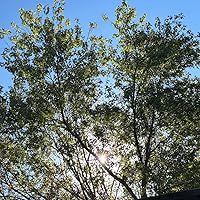
A reflective and melancholy read for Snowpocalypse ‘26. Serene as the snow buried all, a silence deep and white.
“Full many a gem of purest ray serene,
The dark unfathom’d caves of ocean bear:
Full many a flow’r is born to blush unseen,
And waste its sweetness on the desert air.
Some village-Hampden, that with dauntless breast
The little Tyrant of his fields withstood;
Some mute inglorious Milton here may rest,
Some Cromwell guiltless of his country’s blood.”
“Full many a gem of purest ray serene,
The dark unfathom’d caves of ocean bear:
Full many a flow’r is born to blush unseen,
And waste its sweetness on the desert air.
Some village-Hampden, that with dauntless breast
The little Tyrant of his fields withstood;
Some mute inglorious Milton here may rest,
Some Cromwell guiltless of his country’s blood.”


December 1, 2019
This was my father's book An Elegy Written in a Country Churchyard, The Artists' Edition by Thomas Gray and published in 1892 that contains beautiful engravings of the natural setting of this poem.

November 1, 2015
some really lovely imagery
July 26, 2026
“Full many a gem of purest ray serene,
The dark unfathom’d caves of ocean bear:
Full many a flow’r is born to blush unseen,
And waste its sweetness on the desert air.
Some village-Hampden, that with dauntless breast
The little Tyrant of his fields withstood;
Some mute inglorious Milton here may rest,
Some Cromwell guiltless of his country’s blood.”
It puts a little ache in my heart to know that this poem isn't as popular today as it was during its peak when it was published in the 18th century so much so that it was not just memorized for pleasure's sake but also taught as as a necessary part of curiculum to young children in schools. And what an early lesson to learn, take to heart, and carry with you all your days—no matter what station in life we are born into we all will end up in the same dark embrace in the end.
This was a beautifully atmospheric elegy seeped in melancholy, wistfulness, hope, and passion with the unmatched English countryside as its background setting. Wandering through the golden hill slopes amongst farmers and their flock of sheep, towering and ancient yew trees, a babbling brook around a small village with a tall ivy-laden tower and peaceful graveyard, a ghost speaks to us about life, death, and legacy and how we take nothing with us when our journey on Earth is over but if we were fortunate enough to leave something behind, we've already reaped the greatest reward one could ask for under the long stare of the unforgiving annals of the passage of time: a legacy of kindness to be remembered by a friend.
Upon finishing my reading, I want to add my name with the rest of yesteryear's souls who were able to committ such a poem to heart and mind. Hopefully I'll get there by this year's end and continue to keep Thomas Gray's words alive :')

October 10, 2017
I’ll admit that I do not consider myself a “poetry person.” But, Jasmine loves this poem and even went as far as to recommend it to me on this site. So, I figured I could look up a pdf real quick and give it a try. When I took a moment to think about what was being said, it really was a touching poem - I definitely had to read a couple stanzas more than once, and look up a couple words, but it wasn’t bad. I suppose poetry just isn’t really my “thing.” 3.5 stars overall

October 22, 2012
Thomas Gray was a really strange man. He firstly writes this elegy to remember those who won't be remembered (the common people) and then reacts rather unpleasantly to the sudden attention this poem got. Maybe he would rather like to keep the magic of his 'umremembered' being 'unremembered'? But then, why write about them in the first place? The irony is that nowadays, Gray is mostly remembered because of this poem about the unremembered. I still don't quite follow his reaction on the poem's success.
Anyhow, about the poem itself: as you may see by the stars I've given, it hasn't reached to me a lot. I loved the darkish atmosphere it conveys in the beginning, but... other than that, I was expecting much better. I didn't really connect to the ones Gray was writing in memory of, even though I know most of us end up like that.
Anyhow, about the poem itself: as you may see by the stars I've given, it hasn't reached to me a lot. I loved the darkish atmosphere it conveys in the beginning, but... other than that, I was expecting much better. I didn't really connect to the ones Gray was writing in memory of, even though I know most of us end up like that.

November 4, 2014
In the end, we all die. Wealth nor fame nor prestige will keep you from turning to dust. Monuments or statues mean little to the imp of Time. But at that time of death, we will either be embraced by our Father or rejected by Him for all eternity. He cares not for good deeds and respectability. Good works mean little to Him. Soften your heart. Understand the magnitude of your decision. Accept or reject, the choice is yours. Such a powerful thought.

June 1, 2017
قرأتها بترجمة الشاعرة نازك الملائكة، تحت عنوان "مرثية في مقبرة ريفية"
والقصيدة في الأصل للشاعر الإنجليزي توماس غرَيّ وهو أحد شعراء القرن الثامن عشر ..
هي أشبه بامتداد لشعر نازك الغارق بالنزعة الرومانتيكية، حيث يغلب عليه التغني والتأمل الحزين ..
والقصيدة في الأصل للشاعر الإنجليزي توماس غرَيّ وهو أحد شعراء القرن الثامن عشر ..
هي أشبه بامتداد لشعر نازك الغارق بالنزعة الرومانتيكية، حيث يغلب عليه التغني والتأمل الحزين ..

August 15, 2017
I realize that this is supposed to be one of the greatest poems ever written in the English language, but I just wasn't impressed.

January 30, 2018
Inspired. A poem worth memorizing. Gray paints the true picture of life as seen from death’s perspective. Additional poems are likewise perceptive.

July 15, 2023
Those who may wonder why Gray’s Elegy has been considered (in the past, regrettably) such a seminal work have only to take the few minutes required to read it the first time (and then, in all likelihood, spend a number of hours going over it and savoring it again). Every one of its 32 quatrains is a well-polished gem. By that, I don’t mean that it’s contrived in any way, but one can sense that Thomas Gray took great care in thinking it through and put a lot of thought into every word. This is the work of a classical scholar who perceived his contemporary world in a deeply thoughtful way; his values are timeless, his grasp of the essentials faultless. It’s scarcely surprising that Thomas Hardy chose a phrase from one of these stanzas, one where Gray paid tribute the honorable life of a simple peasant, as title for one of his best novels:
Far from the madding crowd’s ignoble strife,
Their sober wishes never learn’d to stray;
Along the cool sequester’d vale of life
They kept the noiseless tenor of their way.
The edition of this work that I’ve acquired contains five of Gray’s best-known poems, along with three by his contemporary, Oliver Goldsmith — and what a bonus that is! All eight of the poems in this slim volume are works of the highest order. I find Goldsmith’s “The Deserted Village” especially moving; it’s a lament for the demise of a rural village, but (like most of Wendell Berry’s novels) it’s really a cri de coeur for the loss of a way of life and the precious values that went with it. His vision of a man (himself, perhaps) hoping to spend his final days in such a place is exceedingly poignant:
But on he moves to meet his latter end,
Angels around befriending virtue’s friend;
Bends to the grave with unperceiv’d decay,
While resignation gently slopes the way;
And, all his prospects brightening to the last,
His heaven commences ere the world be past.
How wonderful to contemplate such an end!
Far from the madding crowd’s ignoble strife,
Their sober wishes never learn’d to stray;
Along the cool sequester’d vale of life
They kept the noiseless tenor of their way.
The edition of this work that I’ve acquired contains five of Gray’s best-known poems, along with three by his contemporary, Oliver Goldsmith — and what a bonus that is! All eight of the poems in this slim volume are works of the highest order. I find Goldsmith’s “The Deserted Village” especially moving; it’s a lament for the demise of a rural village, but (like most of Wendell Berry’s novels) it’s really a cri de coeur for the loss of a way of life and the precious values that went with it. His vision of a man (himself, perhaps) hoping to spend his final days in such a place is exceedingly poignant:
But on he moves to meet his latter end,
Angels around befriending virtue’s friend;
Bends to the grave with unperceiv’d decay,
While resignation gently slopes the way;
And, all his prospects brightening to the last,
His heaven commences ere the world be past.
How wonderful to contemplate such an end!

November 18, 2021
Ooit was Thomas Gray’s Elegy Written in a Country Churchyard één van de populairste gedichten in de Engelse taal: iedere Engelse knaap en deerne moest Gray’s verzen op school vroeger uit het hoofd leren.
Gray schreef het gedicht ergens een 1750, vermoedelijk geïnspireerd door de dood van de dichter Richard West. Interessant detail voor de liefhebbers van Gothic Novels: zonder Horace Walpole hadden we er misschien nooit van kunnen genieten. Gray was immers helemaal niet van plan om het te publiceren, maar stuurde het naar zijn vriend Walpole—beruchte verzamelaar van kunst en antiek, kasteelheer van Strawberry Hill en de schrijver van de eerste Gothic Novel The Castle of Otranto in 1764—die het op zijn beurt doorgaf aan verschillende leden van de Londense literaire wereld. Om een illegale publicatie van het gedicht in een tijdschrift te voorkomen, was Gray genoodzaakt zijn kleinood alsnog te publiceren en de rest is uiteraard geschiedenis.
Over de meesterlijke compositie van wil ik het hier niet hebben om de eenvoudige reden dat ik niet de man ben om dergelijke bellettrie te bekritiseren, wel wil ik graag een bijzonder mooie editie van het werk onder uw aandacht brengen die onlangs door Bodleian Library Publishing werd uitgegeven. Elegy is een erg visueel poëem, wat menig kunstenaar er door de jaren heen toe heeft aangezet om het te voorzien van verluchtingen van allerlei slag. Het bekendst zijn ongetwijfeld de aquarellen van William Blake, maar deze editie blaast nieuw leven in de houtgravures die Agnes Miller Parker er in 1938 voor ontwierp. Haar art deco-illustraties zijn het gedicht meer dan waardig en benadrukken het mythische karakter van de tekst. De uitgever bracht het geheel erg zorgvuldig tot leven met een mooie, harde kaft en met een binnenwerk dat een typografieliefhebber zoals ik enige vorm van gezonde opwinding bezorgt.
De inleiding van dichteres Carol Rumens is jammer genoeg totaal overbodig, leest vaak artyfarty en is soms ronduit belachelijk, zoals in de volgende zin: “Parker’s many depictions of gravestones, literally ‘en-grave-ings’ poignantly record the stonecutter’s struggles with the art of inscription.” Of hoe een flauwe woordspeling in combinatie met een pseudo-intellectuele analogie die kant noch wal raakt danig op de lachspieren kan werken.
Dat gezegd zijnde, is deze uitgave er vooral om kennis te maken met de pionier van de Graveyard School en de tot de verbeelding sprekende grav(f)-ures van Agnes Miller Parker. Een klein boek over grootse melancholie dat u niet mag missen.
K.R. Valgaeren
www.krvalgaeren.com
Gray schreef het gedicht ergens een 1750, vermoedelijk geïnspireerd door de dood van de dichter Richard West. Interessant detail voor de liefhebbers van Gothic Novels: zonder Horace Walpole hadden we er misschien nooit van kunnen genieten. Gray was immers helemaal niet van plan om het te publiceren, maar stuurde het naar zijn vriend Walpole—beruchte verzamelaar van kunst en antiek, kasteelheer van Strawberry Hill en de schrijver van de eerste Gothic Novel The Castle of Otranto in 1764—die het op zijn beurt doorgaf aan verschillende leden van de Londense literaire wereld. Om een illegale publicatie van het gedicht in een tijdschrift te voorkomen, was Gray genoodzaakt zijn kleinood alsnog te publiceren en de rest is uiteraard geschiedenis.
Over de meesterlijke compositie van wil ik het hier niet hebben om de eenvoudige reden dat ik niet de man ben om dergelijke bellettrie te bekritiseren, wel wil ik graag een bijzonder mooie editie van het werk onder uw aandacht brengen die onlangs door Bodleian Library Publishing werd uitgegeven. Elegy is een erg visueel poëem, wat menig kunstenaar er door de jaren heen toe heeft aangezet om het te voorzien van verluchtingen van allerlei slag. Het bekendst zijn ongetwijfeld de aquarellen van William Blake, maar deze editie blaast nieuw leven in de houtgravures die Agnes Miller Parker er in 1938 voor ontwierp. Haar art deco-illustraties zijn het gedicht meer dan waardig en benadrukken het mythische karakter van de tekst. De uitgever bracht het geheel erg zorgvuldig tot leven met een mooie, harde kaft en met een binnenwerk dat een typografieliefhebber zoals ik enige vorm van gezonde opwinding bezorgt.
De inleiding van dichteres Carol Rumens is jammer genoeg totaal overbodig, leest vaak artyfarty en is soms ronduit belachelijk, zoals in de volgende zin: “Parker’s many depictions of gravestones, literally ‘en-grave-ings’ poignantly record the stonecutter’s struggles with the art of inscription.” Of hoe een flauwe woordspeling in combinatie met een pseudo-intellectuele analogie die kant noch wal raakt danig op de lachspieren kan werken.
Dat gezegd zijnde, is deze uitgave er vooral om kennis te maken met de pionier van de Graveyard School en de tot de verbeelding sprekende grav(f)-ures van Agnes Miller Parker. Een klein boek over grootse melancholie dat u niet mag missen.
K.R. Valgaeren
www.krvalgaeren.com

April 21, 2026
Save that from yonder ivy-mantled tow'r
The moping owl does to the moon complain
Of such, as wand'ring near her secret bow'r,
Molest her ancient solitary reign.
The narrator here is a ghost. This is one the most famous poems of the English language, precursor of romanticism. It inspired Thomas Hardy and Kubrick and people used to know the whole poem by heart. Written mostly in iambic pentameters, these heroic quatrains evoke a somber, meditative rhythm which accompanies the wandering ghost through the churchyard, inspired by a real one, the one in which Gray was later buried. The owl's solitary reign must not be disturbed, for she loves the company of no one in her ivy-mantled tower...
Oh solitary life, mortal creatures of an hour who end up buried underground, their memories live forever in this poem.
The moping owl does to the moon complain
Of such, as wand'ring near her secret bow'r,
Molest her ancient solitary reign.
The narrator here is a ghost. This is one the most famous poems of the English language, precursor of romanticism. It inspired Thomas Hardy and Kubrick and people used to know the whole poem by heart. Written mostly in iambic pentameters, these heroic quatrains evoke a somber, meditative rhythm which accompanies the wandering ghost through the churchyard, inspired by a real one, the one in which Gray was later buried. The owl's solitary reign must not be disturbed, for she loves the company of no one in her ivy-mantled tower...
Oh solitary life, mortal creatures of an hour who end up buried underground, their memories live forever in this poem.

July 10, 2018
Their lot forbade: nor circumscrib'd alone
Their growing virtues, but their crimes confin'd;
Forbade to wade through slaughter to a throne,
And shut the gates of mercy on mankind,
This is poem that inspired the title of Far From The Madding Crowd and is is slow to start but incredibly beautiful :)
Their growing virtues, but their crimes confin'd;
Forbade to wade through slaughter to a throne,
And shut the gates of mercy on mankind,
This is poem that inspired the title of Far From The Madding Crowd and is is slow to start but incredibly beautiful :)
September 2, 2018
The paths of glory lead but to grave!!!
simply defines our life
simply defines our life

December 20, 2022
Beautiful and touching. What a great poem!

May 13, 2024
enough to make a grown person cry

Read
June 1, 2025academic reading

March 8, 2017
Personal Response:
Poetry is not my favorite thing to read. I kind of struggled through this poem, but I do think I took away the main point the author was trying to get across to me. This poem really made me think about what was going on. Unlike many books, this plot wasn't spoon fed to me.
Plot:
I think the main plot of this poem was that the speaker was in a churchyard near dark. He/She can't help but notice how spooky it is to look at the gravestones in the yard. Looking closer at the stones, the speaker tries to imagine what kind of deaths these people endured. He/She comes up with all sorts of stories to try to describe the deaths of these people buried in the churchyard. As a final thought from the speaker, he/she thinks about what another person would think of his/her life when they meditate by the gravestones in the same way the speaker is doing.
Characterization:
As far as I could tell, there were no major characters that played a role in this poem.
Recommendation:
Poetry lovers would absolutely love this poem. This is not a gender specific poem, in my opinion. It does take a little bit of thinking to decipher the main point of the poem, so the reader has to have some patience when reading this poem.
Poetry is not my favorite thing to read. I kind of struggled through this poem, but I do think I took away the main point the author was trying to get across to me. This poem really made me think about what was going on. Unlike many books, this plot wasn't spoon fed to me.
Plot:
I think the main plot of this poem was that the speaker was in a churchyard near dark. He/She can't help but notice how spooky it is to look at the gravestones in the yard. Looking closer at the stones, the speaker tries to imagine what kind of deaths these people endured. He/She comes up with all sorts of stories to try to describe the deaths of these people buried in the churchyard. As a final thought from the speaker, he/she thinks about what another person would think of his/her life when they meditate by the gravestones in the same way the speaker is doing.
Characterization:
As far as I could tell, there were no major characters that played a role in this poem.
Recommendation:
Poetry lovers would absolutely love this poem. This is not a gender specific poem, in my opinion. It does take a little bit of thinking to decipher the main point of the poem, so the reader has to have some patience when reading this poem.

June 3, 2022
The paths of glory lead but to the grave.
Read
March 12, 2023thx gia for the reminder I could add this to my challenge // read for ENGL 415
December 27, 2012
Thomas Gray was his worst critic. He only suffered not much more than a dozen of his poems to be published in his life. This has been among my favourite poems of all time.
His Elegy, is considered to be among the best written English pieces of literature. For almost a decade he worked on this poem. The most astonishing detail that I witnessed within this poem, is later on, he reckons himself at rest with "the rude forefathers of hamlet," and thus places himself, in reality, alongside his mother and aunt, whom are buried in Stoke Poages Churchyard, in Buckinghamshire.
There are a couple of manuscripts of this work. I've read both. Both are well received, by me. I have memorised all 32 stanzas or 128 lines of this poem. Those "Beneath those rugged elms, that yew-tree's shade," allowed him to tackle the issues of the wealthy and their reaction to the poor, which he witnessed in his lifetime: "Nor you, ye proud, impute to these the fault," and "The boast of heraldry the pomp of power. . . awaits alike th' inevitable hour, the paths of glory lead but to the grave."
I love this tackling of issues. Wealthy bragged about their heraldry, or family's coat of arms etc. The poor could not. I feel like with Gray's mistreatment by his father, he suddenly saw things so much differently. So much so, that everyone was going to die in a similar way, no matter how wealthy or poor, both were going to die.
Then he adds himself to the churchyard. A kindred spirit maybe inquires of Gray to a hoary headed swain, whom relates the story to him, and asks him to read the lay (poem/epitaph as the swain is not literate—common in his day) and finishes with his own epitaph. A great poem of literature I and my small family have studied doing homeschooling! One of the greatest! This is an outstanding poem!:):)
His Elegy, is considered to be among the best written English pieces of literature. For almost a decade he worked on this poem. The most astonishing detail that I witnessed within this poem, is later on, he reckons himself at rest with "the rude forefathers of hamlet," and thus places himself, in reality, alongside his mother and aunt, whom are buried in Stoke Poages Churchyard, in Buckinghamshire.
There are a couple of manuscripts of this work. I've read both. Both are well received, by me. I have memorised all 32 stanzas or 128 lines of this poem. Those "Beneath those rugged elms, that yew-tree's shade," allowed him to tackle the issues of the wealthy and their reaction to the poor, which he witnessed in his lifetime: "Nor you, ye proud, impute to these the fault," and "The boast of heraldry the pomp of power. . . awaits alike th' inevitable hour, the paths of glory lead but to the grave."
I love this tackling of issues. Wealthy bragged about their heraldry, or family's coat of arms etc. The poor could not. I feel like with Gray's mistreatment by his father, he suddenly saw things so much differently. So much so, that everyone was going to die in a similar way, no matter how wealthy or poor, both were going to die.
Then he adds himself to the churchyard. A kindred spirit maybe inquires of Gray to a hoary headed swain, whom relates the story to him, and asks him to read the lay (poem/epitaph as the swain is not literate—common in his day) and finishes with his own epitaph. A great poem of literature I and my small family have studied doing homeschooling! One of the greatest! This is an outstanding poem!:):)
Displaying 1 - 30 of 120 reviews