

What do you think?
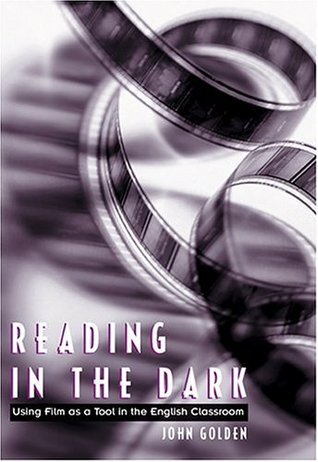
Reading in the Dark: Using Film as a Tool in the English Classroom
Golden provides a lively, practical guide enabling teachers to feel comfortable and confident about using film in new and different ways. The book makes direct links between film and literary study by addressing reading strategies (e.g., predicting, responding, questioning, and storyboarding) and key aspects of textual analysis (e.g., characterization, point of view, irony, and connections between directorial and authorial choices). More than 30 films are used as examples to explain key terminology and cinematic effects. Teachers are encouraged to harness students’ interest in film in order to help them engage critically with a range of media, including visual and printed texts. Appendixes include a glossary of film terms, blank activity charts, and an annotated resource list.
175 pages, Paperback
First published January 1, 2001
Ratings & Reviews
Friends & Following
Create a free account to discover what your friends think of this book!
Community Reviews
Displaying 1 - 9 of 9 reviews
April 4, 2011
This book is a must if teachers want to teach films responsibly. For one thing, the book teaches the grammar of film, but it is also full of specific films and how to teach them. The author makes a good case for teaching film as a way into written texts, but he also makes a good case for teaching film as a text itself, getting at the analysis and evaluation we hope students will develop for all kinds of texts.

June 24, 2012
This book quickly added itself to my list of most useful teaching books I own. What's so great about it is that the ideas and handouts in it are adaptable but it also includes many lessons on specific films and film clips. As an English teacher without much of a film background, I would have been lost without this book. It has a great film terminology glossary, suggested clips to use as examples of the terms (and includes background info, timing, and discussion questions for each clip), and resources to use film analysis as a bridge to textual analysis. This book is so awesome!
July 20, 2023
A very useful tool for the English classroom about how to teach film terminology alongside whole class visual texts. My only issue was the lack of innovative ideas on how to use visuals in the classroom. But, a good toolbox is in this book for aiming at teaching more visuals for the first time in the classroom.

July 16, 2021
Great insight and references. Many useful tools, charts, and ideas that can immediately be used in your classroom.

December 19, 2023
Great ideas for using films in a high school English class to bolster reading skills.

April 14, 2013
I loved reading this book because as a future English teacher, I believe that film can be used as a great tool in the classroom, but I was not sure how I would use it. I knew that I did not want to show whole films at a time, only clips, but I was not confident on how I would successfully do so. This book really helped with that and gave great detailed examples of how you could use film in your classroom to help students improve their critical thinking and analytical skills. I definitely recommend this book for any teachers who are considering using film in their classroom. It is a tad bit outdated so you would need to incorporate newer films.

November 6, 2012
Still one of the strongest books on the use of film in the ELA classroom. Glad to use parts of it for Methods whenever possible.

October 19, 2016
Informative on the terminology and mechanics of film making, and great discussions on the effects of filmmaker's choices. Perfect for film analysis in the classroom and out.

Read
August 28, 2018A bit dated but useful for basic vocabulary and assignment ideas.
Displaying 1 - 9 of 9 reviews