3.5 stars
White is not better; it’s just different. Black is not better, it’s just different. But together, we are great! (p. 172). University of Alabama Press. Kindle Edition.
While reading this I kept thinking back to my years in elementary public schools, and found myself wishing I had read a book like this while in school. Similar to how I felt while reading Ishi Last of His Tribe by Theodora Kroeber. Maybe we touched on the underground railroad and briefly learned about slavery during our Civil War Unit, but that was about it. It's a shame schoolkids can't read books like this for their social studies or history units. I remember while I was in 4th grade the show Roots was on tv and my parents and all of our neighbors in the neighborhood were watching and discussing Roots. I was curious about this show everyone was talking about. No one would discuss it with us kids, not even in school, in the classrooms. Children should be taught all of our history. The truth will set us free! Also, young children are very curious and eager to learn everything in a nonjudgmental manner.
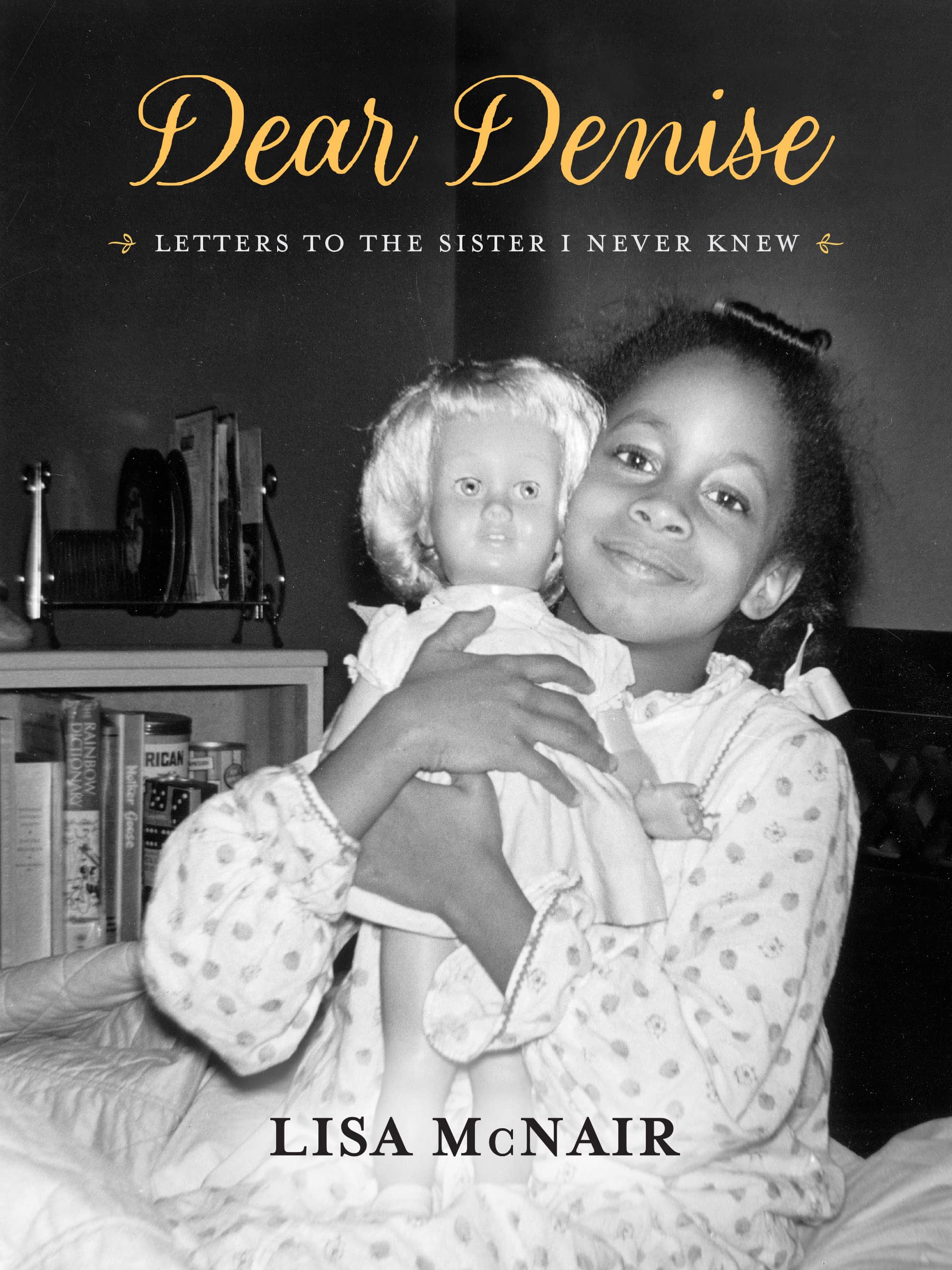
In this book Lisa shares her struggles in the public and private school systems in trying to fit in. For most of her elementary years there was only 1 other black child in her class. Chapter 36, Our Black Heritage is an excellent chapter for educators to read.
I am thinking about putting these letters in book form so that anyone who has Black kids going to a mostly white school can read it. Then maybe they will understand the reason why their Black children know only a little about Black heritage, which isn’t being taught in their schools. Then they will understand why their children are so open to and saturated with white cultural norms. Their parents can also learn how to help them to navigate in this new world. It might help those kids feel less alone, as well. (p. 170). University of Alabama Press. Kindle Edition.
Naturally, I wanted to celebrate Black History Month. I thought it would be good to share the accomplishments of African Americans with my fellow students. The powers that be gave their approval but when it came time to actually celebrate, they blocked me at every turn, and finally I was told not to focus on Black History Month any further. They didn’t mind me having a speaker, just not one who celebrated Black History Month. They broke my heart by telling me no, but also by dancing around it instead of just saying they didn’t want to have that type of program at their school. (p. 61). University of Alabama Press. Kindle Edition.
A few years after I graduated, one of my neighbors, a smart African American young lady, was also elected to be the student council president, and we both hoped that things had changed. Sadly, she too was not allowed to celebrate Black History Month with a speaker or a program. They just didn’t want anything positive about our race and our people to be shown. (p. 62). University of Alabama Press. Kindle Edition.
3.5 stars as the writing feels toned down. At times it feels very rote as in, first this happened and then that happened. However, it's actually a perfect book for school kids and I have a feeling that may be what the author, Lisa McNair intended, while writing. There are also some fantastic, historic photographs in the book. It's definitely a story that needs to be told and shared.
Even though white racists murdered her sister and 3 other young, black girls, when they bombed a church in Alabama, Lisa McNair remains unbiased and nonjudgmental in her heart.
Some of our sick white brothers and sisters tried to make us less than human and, in the process, they became less than human themselves. (pp. 107-108). University of Alabama Press. Kindle Edition.