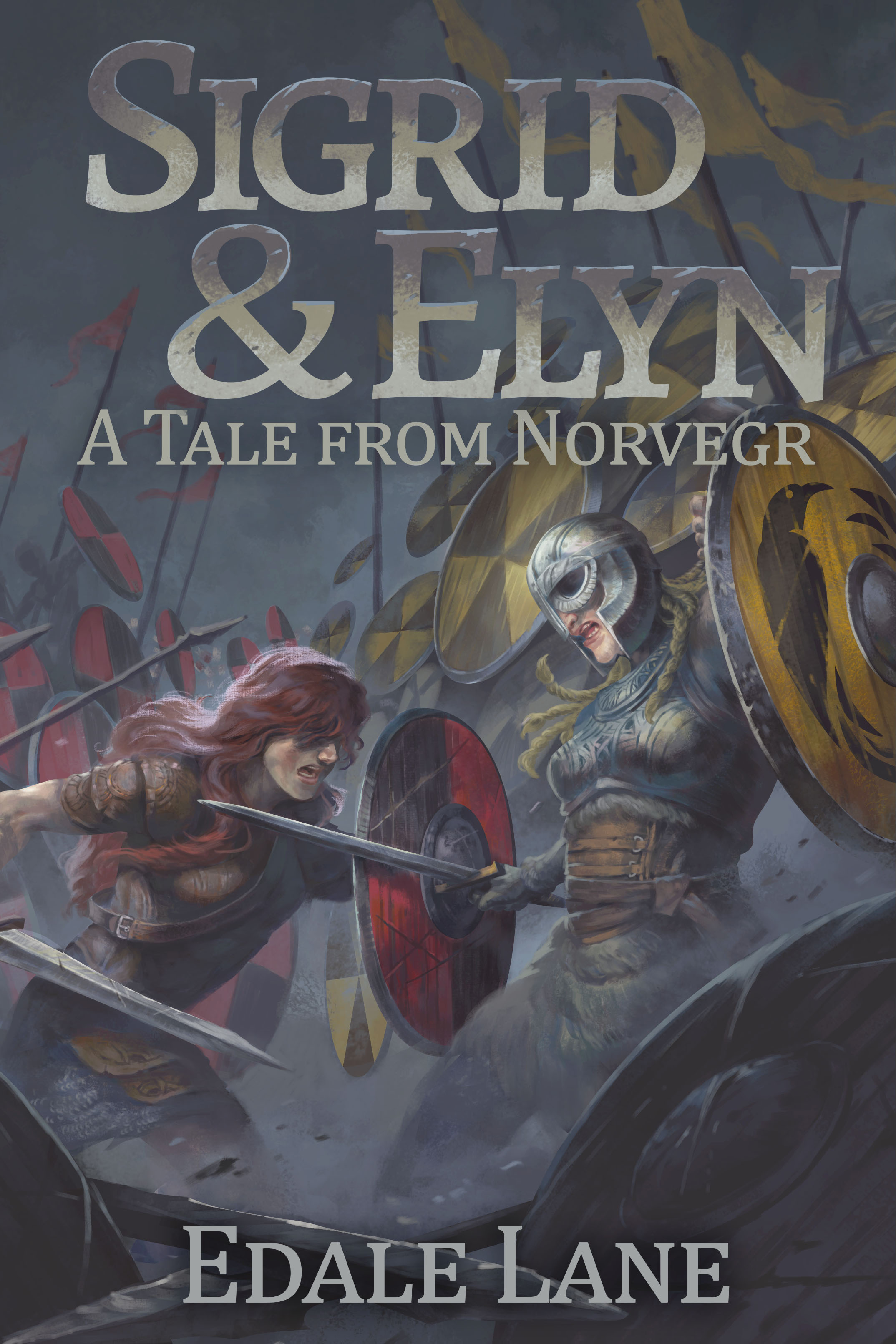
Legendary epic and a must read
Rarely do I enjoy books with a lot of formal language, but this one did it so well it added to the reading experience. The mistakes most authors make with formal writing is to write both narration and dialog without any contractions. This makes it formal, but formal like reading a police report or academic paper. It comes out choppy and distracting, and the dialog is unrealistic. In this book, the dialog was on the formal side, but it flowed smoothly, used contractions, and gave the impression of an epic tale being told, or perhaps translated from another language, which it basically is. You feel like you could be around a campfire with a master story teller recounting and epic legend.
The research was excellent, I recognized bits of actual history, but this reads more like a fantasy novel than a historical fiction. While there is no high magic, there is magic and deep spirituality throughout. The characters are well developed, and while there are a lot of them they were very easy to tell apart and remember who was who, once I figured out the twins' names.
Depictions and descriptions of darker issues like slavery and rape were well handled, not used for shock value or as trauma porn, but as relevant to life. I appreciated that a explanation of how slavery worked in Norway in the seventh century was vastly different from how it worked in the Americas from colonial to modern times was included. It doesn't justify it, but it does point out that while we use the word slavery to refer to both systems, they are not the same thing. Before the trans Atlantic slave trade, slavery in most cultures, while still deeply problematic, was a social status based on circumstance, not the dehumanization of an entire group of people.
As for how the issue of rape was handled, in historical and fantasy it's often used as a plot device to explain a woman's strength, as if her strength and independence must be attributed to having experienced this particular atrocity. It's also often treated like some secret pain she carries alone, only to be revealed to her love interest to explain why she is the way she is. This trope is so damaging for real life survivors. In this book, I thought the issue was handled well, one character experienced it, most people knew she had, and they treat her no differently for it, but also don't pretend it didn't happen. It's simply a part of her story, something she must cope with, and she does, and moreover, she doesn't become who she is because of it, rather, in spite of it.
The romance was well done, love at first sight can be hard to write and hard to believe when reading it, but it was really believably depicted here. Like you read those early interactions between the characters and think, "How could they *not* fall for each other? It's the only possible outcome here! Obviously fate or the gods will intervene to give them a chance."
The plots, romantic and intrigue, unfold as the story goes on in a way that engages the readers mind, you figure it out along side the characters. It's not particularly convoluted, but also not simple enough that you can guess the details in the first 20% of the book. You might get the gist of what's happening, but important threads are woven in all the way through. Love, tragedies, hope, HEAs, MCDs, betrayals, and adventures abound here.
Oh, and lesbians, of course.