

What do you think?

The Cannibal
The Cannibal was John Hawkes's first novel, published in 1949. "No synopsis conveys the quality of this now famous novel about an hallucinated Germany in collapse after World War II. John Hawkes, in his search for a means to transcend outworn modes of fictional realism, has discovered a a highly original technique for objectifying the perennial degradation of mankind within a context of fantasy.... Nowhere has the nightmare of human terror and the deracinated sensibility been more consciously analyzed than in The Cannibal . Yet one is aware throughout that such analysis proceeds only in terms of a resolutely committed humanism." - Hayden Carruth
195 pages, Paperback
First published January 1, 1949
About the author
John Hawkes
113 books198 followersJohn Hawkes, born John Clendennin Talbot Burne Hawkes, Jr., was a postmodern American novelist, known for the intensity of his work, which suspended the traditional constraints of the narrative.
Born in Stamford, Connecticut, and educated at Harvard University, Hawkes taught at Brown University for thirty years. Although he published his first novel, The Cannibal, in 1949, it was The Lime Twig (1961) that first won him acclaim. Later, however, his second novel, The Beetle Leg, an intensely surrealistic western set in a Montana landscape that T. S. Eliot might have conjured, came to be viewed by many critics as one of the landmark novels of 20th Century American literature.
Hawkes died in Providence, Rhode Island.
Born in Stamford, Connecticut, and educated at Harvard University, Hawkes taught at Brown University for thirty years. Although he published his first novel, The Cannibal, in 1949, it was The Lime Twig (1961) that first won him acclaim. Later, however, his second novel, The Beetle Leg, an intensely surrealistic western set in a Montana landscape that T. S. Eliot might have conjured, came to be viewed by many critics as one of the landmark novels of 20th Century American literature.
Hawkes died in Providence, Rhode Island.
Ratings & Reviews
Friends & Following
Create a free account to discover what your friends think of this book!
Community Reviews
Displaying 1 - 30 of 81 reviews

April 20, 2013
Surreally tenebrous novel The Cannibal reminded me darkly of Pedro Páramo by Juan Rulfo – although thematically they are pretty different, both tales have a thick suffocating atmosphere of the descent into hell.
Civilization hides some primordial hungers but when the rules are removed we bare our teeth.
Dire surrealism is immanent in any reality.
An overturned tank on the north road still crawled with ghosts who left it at night and hung over the canal walls for drink…
The flats turned away before us, unpeopled, dark, an occasional shell-case filling with seepage, the fingers of a lost glove curling with dew. Behind us the ghosts left the stalled tank and filed downward toward the canal.
Civilization hides some primordial hungers but when the rules are removed we bare our teeth.
Dire surrealism is immanent in any reality.

April 16, 2013
Babblings of the Avant-Garde
In the Introduction to this 1948 novel, John Hawkes’ mentor, Albert Guerard, says:
"John Hawkes is now, at the outset of his career and at the age of twenty-three, a rather more ‘difficult’ writer than Kafka or Faulkner, and fully as difficult a writer as Djuna Barnes."
It’s interesting to see the word "difficult" used in this (non-dis-)paraging way before it was hijacked and depreciated by Jonathan Franzen. Difficulty is almost represented as a badge of honour.
When the novel was republished in 1962 (following the success of "The Lime Twig" in 1961), Guerard added some comments that seem to betray a frustration with the subsequent fate of Hawkes’ work in particular, experimental fiction in general and the apparent ruptures within its ranks (even if Hawkes’ readership might have been increasing):
"...each year...[the book has won]...new adherents among readers impatient with the clichés and sentimentalities of commercial fiction, or impatient with the loose babblings of the publicised avant-garde."
Guerard seems to have been drawing a line between two types of avant-garde or experimental fiction: that which was publicised (and which presumably enjoyed some sort of success, fame or prospect of reprinting) and that which wasn’t publicised (and presumably had to find a home one book at a time).
Nowadays, an author would be grateful to have the support of a major independent publisher like New Directions, not to mention contemporaries like Flannery O’Connor, Saul Bellow, Bernard Malamud and Leslie Fiedler.
Totality of Vision and Structure
If you’ve read any criticism of Hawkes, you’ll probably be familiar with the definition of his early modus operandi:
"I began to write fiction on the assumption that the true enemies of the novel were plot, character, setting and theme, and having once abandoned these familiar ways of thinking about fiction, totality of vision or structure was really all that remained."
If you’re wedded to these enemies, you might be deterred by the prospect of what you’ll find in "The Cannibal".
The reality, however, is that it’s incredibly well-written. This is a case where the totality of vision is both expertly conveyed and sufficient.
Gothic Dwelling
As with "The Lime Twig", Hawkes' most important goal seems to be the establishment of a pervasive atmosphere or tone. Here, it’s Gothic, menacing, almost bordering on horror. Even if you accept that there’s no significant plot (which I question), there’s a sense in which you can feel yourself being dragged or pulled towards a sinister, nightmarish denouement.
Hawkes’ words are beautifully assembled. However, they’re almost filmic, as if the camera is dwelling at length on the scenery, until our eyes finally detect something that might or might not always have been there. Anyway, we will eventually see, if we look long and hard enough.
Conquered Spirit
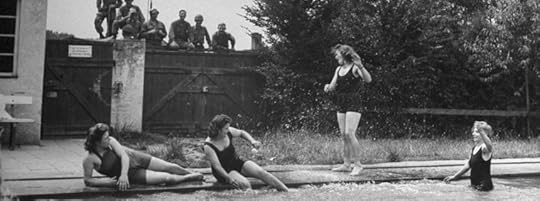
Most of the novel is set in immediate post-war Germany. We think of this period as a time of peace and reconstruction. Perhaps this is how a documentary camera might have portrayed it. However, what Hawkes’ camera finds is the belief that this is instead an invasion and occupation of Germany, not by the Soviet Union, but by the Allies. These survivors might look like they’re grateful, but they are in fact resentful:
"The conquered spirit lies not only in rest but in waiting, crushed deep in face-lines of deprivation, in fingers that no longer toil, the one thing that shall lift, and enlarge and set free."
The world that Hawkes describes is desolate, dissociated, scattered, broken, flung out. It’s just emerged from a major trauma. If the Second World War was a result of the embarrassment of the First World War, was Germany now prepared to accept an even greater embarrassment? If not, was there anybody around whom a resistance movement could cohere? How could Germany recover from unconditional surrender?
So there is a sense in which Hawkes describes how the War destroyed the traditional German narrative - plot, character, setting and theme included. Mythical heroism failed, leaving dangling men and women in its wake. All that was left was the atmosphere or tone for which Hawkes’ style seems to be ideally suited.
In the Introduction to this 1948 novel, John Hawkes’ mentor, Albert Guerard, says:
"John Hawkes is now, at the outset of his career and at the age of twenty-three, a rather more ‘difficult’ writer than Kafka or Faulkner, and fully as difficult a writer as Djuna Barnes."
It’s interesting to see the word "difficult" used in this (non-dis-)paraging way before it was hijacked and depreciated by Jonathan Franzen. Difficulty is almost represented as a badge of honour.
When the novel was republished in 1962 (following the success of "The Lime Twig" in 1961), Guerard added some comments that seem to betray a frustration with the subsequent fate of Hawkes’ work in particular, experimental fiction in general and the apparent ruptures within its ranks (even if Hawkes’ readership might have been increasing):
"...each year...[the book has won]...new adherents among readers impatient with the clichés and sentimentalities of commercial fiction, or impatient with the loose babblings of the publicised avant-garde."
Guerard seems to have been drawing a line between two types of avant-garde or experimental fiction: that which was publicised (and which presumably enjoyed some sort of success, fame or prospect of reprinting) and that which wasn’t publicised (and presumably had to find a home one book at a time).
Nowadays, an author would be grateful to have the support of a major independent publisher like New Directions, not to mention contemporaries like Flannery O’Connor, Saul Bellow, Bernard Malamud and Leslie Fiedler.
Totality of Vision and Structure
If you’ve read any criticism of Hawkes, you’ll probably be familiar with the definition of his early modus operandi:
"I began to write fiction on the assumption that the true enemies of the novel were plot, character, setting and theme, and having once abandoned these familiar ways of thinking about fiction, totality of vision or structure was really all that remained."
If you’re wedded to these enemies, you might be deterred by the prospect of what you’ll find in "The Cannibal".
The reality, however, is that it’s incredibly well-written. This is a case where the totality of vision is both expertly conveyed and sufficient.
Gothic Dwelling
As with "The Lime Twig", Hawkes' most important goal seems to be the establishment of a pervasive atmosphere or tone. Here, it’s Gothic, menacing, almost bordering on horror. Even if you accept that there’s no significant plot (which I question), there’s a sense in which you can feel yourself being dragged or pulled towards a sinister, nightmarish denouement.
Hawkes’ words are beautifully assembled. However, they’re almost filmic, as if the camera is dwelling at length on the scenery, until our eyes finally detect something that might or might not always have been there. Anyway, we will eventually see, if we look long and hard enough.
Conquered Spirit
Most of the novel is set in immediate post-war Germany. We think of this period as a time of peace and reconstruction. Perhaps this is how a documentary camera might have portrayed it. However, what Hawkes’ camera finds is the belief that this is instead an invasion and occupation of Germany, not by the Soviet Union, but by the Allies. These survivors might look like they’re grateful, but they are in fact resentful:
"The conquered spirit lies not only in rest but in waiting, crushed deep in face-lines of deprivation, in fingers that no longer toil, the one thing that shall lift, and enlarge and set free."
The world that Hawkes describes is desolate, dissociated, scattered, broken, flung out. It’s just emerged from a major trauma. If the Second World War was a result of the embarrassment of the First World War, was Germany now prepared to accept an even greater embarrassment? If not, was there anybody around whom a resistance movement could cohere? How could Germany recover from unconditional surrender?
So there is a sense in which Hawkes describes how the War destroyed the traditional German narrative - plot, character, setting and theme included. Mythical heroism failed, leaving dangling men and women in its wake. All that was left was the atmosphere or tone for which Hawkes’ style seems to be ideally suited.

June 14, 2007
another forgotten and brilliant classic. the challenging writing style will put casual readers off, but for me it was great experiencing this bizarre, sinister dreamscape of a post-ww2 germany. or really any kind of blighted post-war city, trying to rebuild. at times it reads like a perverse counterpoint to mrs. dalloway, complete with its own scarier version of septimus smith. overall a sordid but gorgeous novel. the majestic heroine will do anything it takes to survive; eat up!
April 1, 2016
If, like me, you’re struggling with what to buy Mom for this upcoming Mother’s Day, look no more. May I be so bold as to make the suggestion of John Hawkes’ The Cannibal? Trust me, it hits all those important points you need to aim for when telling Mom that love is a many-splendored thing.
My own Ma is getting ready to enter her eighth decade of life on the planet; chances are that that she has seen a lot in that time. But has she borne witness to a post-World War II terrorscape the likes of Hawkes’ Germany? Has Mama seen an abandoned sanitarium host nightly dances populated by the insane in almost pitch darkness? What about the same madmen-an’-ladies brushing the snow off of a field of frozen monkeys during an epic battle with the spade and rolling pin-clutching women of the nearby village? I don't think so, which is why it makes the perfect gift.
The Cannibal is a horrifying little novel (emphasis on little if you buy the original New Directions hardcover) that, like all great Hawkes, has imagery that will stick to your ribs. Poking around GR, I see the refrain of their being a lack of plot. Apparently these people read a different book, as this one A) has a plot; and B) said plot is pretty damn linear and compelling. Maybe Hawkes doesn’t hold some readers’ hands long enough, as it takes two hands to type.
I still bow-out at the The Blood Oranges and everything thereafter, but JH was an imagist with few peers from this debut to the gloriousness that is Second Skin. Unfortunately for the reader, he apparently drank the psychedelic 70's Kool-Aid and would spend the majority of his remaining years lost in a bizarre forest of sex, group sex, and, oh yeah, general fuckery of every stripe. Oh well, his run more than merits his inclusion in my personal canon of writers who tickle my brain with their feathered quills.
My own Ma is getting ready to enter her eighth decade of life on the planet; chances are that that she has seen a lot in that time. But has she borne witness to a post-World War II terrorscape the likes of Hawkes’ Germany? Has Mama seen an abandoned sanitarium host nightly dances populated by the insane in almost pitch darkness? What about the same madmen-an’-ladies brushing the snow off of a field of frozen monkeys during an epic battle with the spade and rolling pin-clutching women of the nearby village? I don't think so, which is why it makes the perfect gift.
The Cannibal is a horrifying little novel (emphasis on little if you buy the original New Directions hardcover) that, like all great Hawkes, has imagery that will stick to your ribs. Poking around GR, I see the refrain of their being a lack of plot. Apparently these people read a different book, as this one A) has a plot; and B) said plot is pretty damn linear and compelling. Maybe Hawkes doesn’t hold some readers’ hands long enough, as it takes two hands to type.
I still bow-out at the The Blood Oranges and everything thereafter, but JH was an imagist with few peers from this debut to the gloriousness that is Second Skin. Unfortunately for the reader, he apparently drank the psychedelic 70's Kool-Aid and would spend the majority of his remaining years lost in a bizarre forest of sex, group sex, and, oh yeah, general fuckery of every stripe. Oh well, his run more than merits his inclusion in my personal canon of writers who tickle my brain with their feathered quills.

October 18, 2013
What's most astonishing about this landscape of destruction is not its cynical and morally ambiguous treatment of 20th century history -- somewhere perhaps on the post-war continuum containing Catch 22, Gravity's Rainbow, Europe After the Rain, and Slaughterhouse Five, all of those less journalistic, more impressionistic attempts to comprehend the disasters of the last hundred years -- but that the Cannibal seeks much the same perspective, but from much much closer to the events themselves, originally published in 1948. Hawkes' Germany, scrutinized via an amoral and often atemporal jumble of moments largely lying before and during WWI and after the end of fighting in WWII (Nazism itself a specter haunting the book but outside of it, never quite crossing from cover emblem to narrative), is a broken place inhabited largely by those too frail, old, insane, or damaged to take part in the wars themselves, a hopeless societal fringe carrying out grim motions that cannot redeem their world in collapse. Even the "triumph" of the final chapters, announcing the renewal of Germany, is a reduced to a bleak barbaric gesture, an optimism in diseased idols, a fascist echo which fortunately time has shown to have failed to find true foothold. And the truer semi-hidden arc of the story, the literal title, takes an even darker path into ravingly debased renewal. Perhaps they are designed in parallel. But it's a dense and opaque novel, with seemingly broader goals than an assessment of Germany itself, so I'm going to need to spend some time digesting its rough edges and thrashing appendages before I'll be able to draw much in the way of conclusion.
I say this even after quite a lot of re-reading. Like 62: A Model Kit, this is a book that (even having read several others by Hawkes) the reader must learn to deal with through the reading process itself. The opening sections present so many events in passing that will go unexplained and unaddressed until a hundred pages later, that there's very little way to process it at first, until a full reading and re-reading really. The prose itself can present an obstacle in this as well, but scrutiny reveals a hyper-refinement of form.
Add to this the story's unique flickers of anti-realism, easy to mistake as metaphor but seemingly literal events of a stark and muddled reality. The ghosts really do leave the burned-out tank at night to drink from the fouled and virulent canal. I passed them over as obscure signs outside the actual events for too long, when the only way to really take them may be to accept them as fact.
Somehow I rarely had a sensation of enjoying reading this, stumbled through for a while, but somewhere a transition bled through, retrospectively it seems one of Hawkes' better and more urgent visions.
I say this even after quite a lot of re-reading. Like 62: A Model Kit, this is a book that (even having read several others by Hawkes) the reader must learn to deal with through the reading process itself. The opening sections present so many events in passing that will go unexplained and unaddressed until a hundred pages later, that there's very little way to process it at first, until a full reading and re-reading really. The prose itself can present an obstacle in this as well, but scrutiny reveals a hyper-refinement of form.
Add to this the story's unique flickers of anti-realism, easy to mistake as metaphor but seemingly literal events of a stark and muddled reality. The ghosts really do leave the burned-out tank at night to drink from the fouled and virulent canal. I passed them over as obscure signs outside the actual events for too long, when the only way to really take them may be to accept them as fact.
Somehow I rarely had a sensation of enjoying reading this, stumbled through for a while, but somewhere a transition bled through, retrospectively it seems one of Hawkes' better and more urgent visions.

July 8, 2020
I returned to this book, having bailed at the halfway point several months ago due to unintelligibility, to find it written in clear, elegant, and often stunning prose. This isn't the first time that I've stepped away from a book only to find later that I've somehow adapted to it in the meantime.
The storyline is fairly simple, which allows the characters and the situations they play into to be explored in full and at a leisurely pace. The text is like a river whose flow is diverted by a handful of well-placed myths. The flow is both devastating and luxurious—even in his first novel, Hawkes is a master of rhythm and description—but the real art lies in the myths themselves: a riot in an institution, a train overtaken by a pack of howling dogs, a peg-legged man in a projection booth, the narrator who's also the editor, among others. As with all myths, the truths that shine through them are both closely tied to and live entirely outside of their contexts, which in this case consists of the atrocities and horrors of the two world wars.
I want to write more about this incredible book, but I'd need quite a bit more time to do it and it would turn into an essay.
Original review: I suspect that this book is a work of unparalleled genius, but, alas, the prose is impenetrable to me. I can sense that an atmosphere is very skillfully being created, yet I would seem to be immune to its effect. The writing just kind of washes over me, leaving no tangible impression. I had the same problem with The Beetle Leg, though I loved The Lime Twig. Got about 100 pages in. Setting it aside to come back to later in the hope that the prose will seep into my unconscious and slowly, over time, render me receptive to something that, for the moment, entirely escapes my grasp.
The storyline is fairly simple, which allows the characters and the situations they play into to be explored in full and at a leisurely pace. The text is like a river whose flow is diverted by a handful of well-placed myths. The flow is both devastating and luxurious—even in his first novel, Hawkes is a master of rhythm and description—but the real art lies in the myths themselves: a riot in an institution, a train overtaken by a pack of howling dogs, a peg-legged man in a projection booth, the narrator who's also the editor, among others. As with all myths, the truths that shine through them are both closely tied to and live entirely outside of their contexts, which in this case consists of the atrocities and horrors of the two world wars.
I want to write more about this incredible book, but I'd need quite a bit more time to do it and it would turn into an essay.
Original review: I suspect that this book is a work of unparalleled genius, but, alas, the prose is impenetrable to me. I can sense that an atmosphere is very skillfully being created, yet I would seem to be immune to its effect. The writing just kind of washes over me, leaving no tangible impression. I had the same problem with The Beetle Leg, though I loved The Lime Twig. Got about 100 pages in. Setting it aside to come back to later in the hope that the prose will seep into my unconscious and slowly, over time, render me receptive to something that, for the moment, entirely escapes my grasp.

June 10, 2019
Перво-наперво нужно сказать, что это одна из самых ценных и благодарных работ для меня вообще за все годы, что я перевожу книжки, - и благотворных, каких в последние годы было не то чтобы много. Мне даже не хотелось, чтобы роман заканчивался, но мы при этом понимаем, что прелесть его - как раз в его конечности. Длинным он был бы невыносим.
Про особенности романа вы все увидите во вступлениях и аннотациях, а здесь скажу пару слов об оптических эффектах. Хоукс учился у Набокова, это общеизвестно, и зрение у него в «Людоеде» — вполне набокое: эдакий луч фонарика, который перемещается по захламленной комнате. Про это и Герард говорит, а вот не говорит о том, что луч этот — синестетический, именно поэтому мне и показалось важным что-то визуализировать по ходу перевода. Отсюда и картинки на оберточной бумаге. Но без сюрреалистического монтажа, который везде у автора. Для такого иллюстрирования нам бы потребовался Макс Эрнст.
Второй оптический эффект я назвал для себя эффектом «исландского шпата» и сразу скажу — нигде в критике романа про это я не читал, так что патентую. Выглядит это так: если у Хоукса где-то возникает слово (а оно может быть любым и даже не обязательно значимым, главное — не служебным), велика вероятность того, что в следующих 3-10 строчках оно повторится, пусть даже сменится вся сцена. В этом — не только классический сюрреализм, когда знакомые предметы перемещаются в чуждые им контексты, не только техника живописи, когда краски перетекают за рамки изображений и переходят одна в другую (bleeding edges, ага), но видится и слышится некоторая редупликация, постоянно звучит эхо, а изображение слегка двоится по краям, как будто на высвеченное этим самым фонариком в захламленной комнате еще и смотришь сквозь кристалл.
Такая вот оптика у Хоукса (позже ее, похоже, не стало), и я надеюсь, в переводе сохранить и донести ее удалось.
Про особенности романа вы все увидите во вступлениях и аннотациях, а здесь скажу пару слов об оптических эффектах. Хоукс учился у Набокова, это общеизвестно, и зрение у него в «Людоеде» — вполне набокое: эдакий луч фонарика, который перемещается по захламленной комнате. Про это и Герард говорит, а вот не говорит о том, что луч этот — синестетический, именно поэтому мне и показалось важным что-то визуализировать по ходу перевода. Отсюда и картинки на оберточной бумаге. Но без сюрреалистического монтажа, который везде у автора. Для такого иллюстрирования нам бы потребовался Макс Эрнст.
Второй оптический эффект я назвал для себя эффектом «исландского шпата» и сразу скажу — нигде в критике романа про это я не читал, так что патентую. Выглядит это так: если у Хоукса где-то возникает слово (а оно может быть любым и даже не обязательно значимым, главное — не служебным), велика вероятность того, что в следующих 3-10 строчках оно повторится, пусть даже сменится вся сцена. В этом — не только классический сюрреализм, когда знакомые предметы перемещаются в чуждые им контексты, не только техника живописи, когда краски перетекают за рамки изображений и переходят одна в другую (bleeding edges, ага), но видится и слышится некоторая редупликация, постоянно звучит эхо, а изображение слегка двоится по краям, как будто на высвеченное этим самым фонариком в захламленной комнате еще и смотришь сквозь кристалл.
Такая вот оптика у Хоукса (позже ее, похоже, не стало), и я надеюсь, в переводе сохранить и донести ее удалось.

October 3, 2021
Ok, I really hated this book, but I give it five stars. Let me explain. I had to put it down a lot--sort of the equivalent of covering my eyes at the movies. Reading it did strange, bad things to my heart rate. The book is a masterpiece of oblique anxiety and despair. Events are much more unhinged than in Kafka, with whom Hawkes is sometimes compared. Disturbing and unique.

March 29, 2013
I literally just finished reading Hawkes' novel and feel compelled to write about it, even though it's just now passing into my digestive track. But, then again, I don't think that I'll ever get this astonishing novel fully into my stomach - and that's a good thing.
The Cannibal is one of those books that will never ease my hunger. It will reside in my body for the rest of my days. I'm so glad it's there.
My first rumblings on finishing The Cannibal have to do with what Hawkes completes and what he predicts. References to modernist texts abound, especially to Eliot and Yeats. The Waste Land and "The Second Coming" find their logical conclusion in the fascist German town about which Hawkes writes. The WWII sections show the political realities of what Eliot and Yeats wrote about in mythic terms. Hawkes, therefore, succeeds brilliantly in showing the connection between myth, the unconscious, and politics. He reminds me of Blake in this respect.
The Leader - our narrator - is Yeats' beast, who's already arrived from Bethlehem to be born. He occupies a wasteland (WL imagery is all over this text) that rivals Eliot's - one with no real sense of oneness, where authoritarianism and an intense devotion to a false prophet and false political ideologies have created a vacuum in which fascism can occur.
One can only help but wonder if we've reached this same political and psychological impasse in the USA. Perhaps corporations are our beast, and they've already arrived from Bethlehem.
Hawkes predicts Bob Dylan's best work, especially the post-apocalyptic "Desolation Row." He employs a healthy amount of surrealistic imagery (magical realism?) that would appeal to Bobby - who's message, I think, is that the enemy has already won; we just don't know it yet. "They're selling postcards of the hanging . . . "
But the most frightening aspect of The Cannibal is its nihilistic - and probably valid - argument that truth and language are intricately linked. This is a novel Jameson or Foucault would have agreed with philosophically. The fascist state exists and IS TRUE because the Leader says so.
We've seen this under Bush. Is it true under Obama?
The Cannibal is one of those books that will never ease my hunger. It will reside in my body for the rest of my days. I'm so glad it's there.
My first rumblings on finishing The Cannibal have to do with what Hawkes completes and what he predicts. References to modernist texts abound, especially to Eliot and Yeats. The Waste Land and "The Second Coming" find their logical conclusion in the fascist German town about which Hawkes writes. The WWII sections show the political realities of what Eliot and Yeats wrote about in mythic terms. Hawkes, therefore, succeeds brilliantly in showing the connection between myth, the unconscious, and politics. He reminds me of Blake in this respect.
The Leader - our narrator - is Yeats' beast, who's already arrived from Bethlehem to be born. He occupies a wasteland (WL imagery is all over this text) that rivals Eliot's - one with no real sense of oneness, where authoritarianism and an intense devotion to a false prophet and false political ideologies have created a vacuum in which fascism can occur.
One can only help but wonder if we've reached this same political and psychological impasse in the USA. Perhaps corporations are our beast, and they've already arrived from Bethlehem.
Hawkes predicts Bob Dylan's best work, especially the post-apocalyptic "Desolation Row." He employs a healthy amount of surrealistic imagery (magical realism?) that would appeal to Bobby - who's message, I think, is that the enemy has already won; we just don't know it yet. "They're selling postcards of the hanging . . . "
But the most frightening aspect of The Cannibal is its nihilistic - and probably valid - argument that truth and language are intricately linked. This is a novel Jameson or Foucault would have agreed with philosophically. The fascist state exists and IS TRUE because the Leader says so.
We've seen this under Bush. Is it true under Obama?

May 6, 2019
My third Hawkes, and I’m stunned into near-silence by it. I don’t really know what to say about it or where to start. So I won’t. But this, The Cannibal, Hawkes’s first novel, knocked me out from start to finish with its stunning prose and oppressive atmosphere. Glorious, surreal, bewildering stuff in the best way possible and I can’t recommend it highly enough. Read it.
December 15, 2025
This is my 11th Hawkes, and I must admit, I never tire of his work.
After being thoroughly thrown out of orbit by "The Beatle Leg," I wasn't really excited to try the novel that came before it (two of his novellas weren't very friendly either).
I won't linger here, as there are multiple Donald J. Greiner deep dives you can reference (reading two), but The Cannibal is essentially history as an ouroborically salad-tosser, constantly eating itself; history will repeat itself, and the people/land involved are merely pawns involved. There is a literal cannibal as well, but that guy is not necessarily the point of the book.
This and "Waters of Potowmack" by Paul Metcalf are very similar in my opinion and both require you to be in a literary cuck chair and trust that there is pleasure at the end.
Reading John Hawkes arrests your attention under nothing but you, him, and a waning flicker of candlelight.
"To countenance the sickle over the wheat, to sweep out the years the mellow heartbreak or the grand lie, to strike forward barehanded to a very particular and cold future, a diminutive but exact ending, a final satisfactory faith that is cruel and demonic, is to suffer the highest affection and lose it, to meet the loss of life and the advent of a certain reality" (20).
After being thoroughly thrown out of orbit by "The Beatle Leg," I wasn't really excited to try the novel that came before it (two of his novellas weren't very friendly either).
I won't linger here, as there are multiple Donald J. Greiner deep dives you can reference (reading two), but The Cannibal is essentially history as an ouroborically salad-tosser, constantly eating itself; history will repeat itself, and the people/land involved are merely pawns involved. There is a literal cannibal as well, but that guy is not necessarily the point of the book.
This and "Waters of Potowmack" by Paul Metcalf are very similar in my opinion and both require you to be in a literary cuck chair and trust that there is pleasure at the end.
Reading John Hawkes arrests your attention under nothing but you, him, and a waning flicker of candlelight.
"To countenance the sickle over the wheat, to sweep out the years the mellow heartbreak or the grand lie, to strike forward barehanded to a very particular and cold future, a diminutive but exact ending, a final satisfactory faith that is cruel and demonic, is to suffer the highest affection and lose it, to meet the loss of life and the advent of a certain reality" (20).

March 28, 2014
A novel set in a German hamlet in the immediate aftermath of World War II would be remiss if it weren’t a nightmarish elucidation of the darkest recesses available to the human soul. The community of crippled World War losers and the passing column of arrogant victors doing their murky plotting in John Hawkes’s The Cannibal take readers into degraded regions of ambition and endeavor beyond where light can hope to reach. The view, though not clear, is clearly bleak. Hawkes’s deluded and murderous saboteur narrator accepts as a given that “life is not the remarkable, the precious, or necessary thing we think it is.” I never argue with any intelligent person who’s arrived at such views through direct experience; they could end up convincing me.

March 9, 2013
4/5
It's easy to see why John Hawkes was name checked in the infamous Mr. Difficult essay. Hawkes uses a very spare framework to tell this story, and to be quite honest I could have done some re-reading to really sink my teeth into book. My gut reaction from my hurried reading was that I need to read more Hawkes, so I'm going to just stop here and marvel in the fact that this was someone's debut novel in the late forties. Bring on The Lime Twig !
It's easy to see why John Hawkes was name checked in the infamous Mr. Difficult essay. Hawkes uses a very spare framework to tell this story, and to be quite honest I could have done some re-reading to really sink my teeth into book. My gut reaction from my hurried reading was that I need to read more Hawkes, so I'm going to just stop here and marvel in the fact that this was someone's debut novel in the late forties. Bring on The Lime Twig !

June 22, 2021
Going to need to read this one again sometime in the future because so much of it went over my head. It felt like a camera bouncing between events and characters, observing Germany pre-WWI and post-WWII. It's not plot- or character-driven, it's driven by images and words alone. The novel depicted how German citizens, living in the conditions they did, could so easily fall into nationalistic beliefs. It then showed them post-WWII and how once the war was over and America had "won", we now left these people to suffer since it served no purpose for us to help them recover.
March 22, 2023
"The moon did it. The moon's a terrible thing in the sky and will be angry if I tell you anything. He'd kill me too."
This entire review has been hidden because of spoilers.

July 22, 2017
Hard to believe all this was made to fit in such a small book. Not a quick or breezy read. No two sentences are alike, except that all of them appear both incomplete and overflowing, mercurial and lapidary. Each sentence fills a frame within which the starkest imagery and its desiccated essence are superimposed. It is a technique of limitless montage, nothing outside its scope. The parts threaten to subsume the whole and it is sublime to behold eddy after eddy. The plot is hidden in the prose, so any moments of minor inattentiveness will result in major gaps. An ashen, misanthropic and surprising variation in the development of postwar literature.

November 5, 2023
A triptych of nightmares set in Germany during the first World War and after the second. I've meant to read Hawkes for years; he's usually listed along with some of my favorite mid-century writers and is regarded as a Pynchon influence. Plenty of evidence for that here with two-thirds of the book set in "the zone" and a lone American cruising the roads on a motorcycle. The narrative is descriptive but not in any conventional way, almost a study of surfaces that challenge meaning. The symbols -- including a cocoon in the mouth of a dead man -- are surreal and perverse and the sense of doom hangs over every paragraph. Good enough that I want more but not too close together. Not today.
June 5, 2024
Another reviewer here describes this as "tenebrous" and I am in total agreement - this is bleak and shadowy, occasionally confusing, and menacing throughout. I broke my own rule and read the critic's introduction first, which I feel put me somewhat on the wrong foot and had me "seeking" a plot rather than feeling it out for myself. I won't make the same mistake with the next Hawkes I pick up.
Hints of Anna Kavan throughout, while the first section reminds me a little of Malaparte's monstrous KAPUTT, while lacking Curzio's sardonicism. Might be worth revisiting this in a couple of years with different eyes..
Hints of Anna Kavan throughout, while the first section reminds me a little of Malaparte's monstrous KAPUTT, while lacking Curzio's sardonicism. Might be worth revisiting this in a couple of years with different eyes..

October 25, 2021
Harrowing imagery, at times familiar. I'm constantly chasing a bleak picture of WWII as good as Gravity's Rainbow or The Tin Drum. Coincidentally this novel inspired Pynchon to write GR. An early postmodern novel, overall enjoyable, excellent atmospheric writing.

August 5, 2019
But did it have to be so confusing

November 1, 2020
I am a HUGE (huge!!!) fan of John Hawkes' books Second Skin and The Lime Twig, so I thought I would enjoy this, his first book, too. Alas! It was boring as shit.

October 28, 2025
Die Stadt, nicht mehr alt und ehrwürdig, hockte auf verkohlter Erde, abgehackt lagen Kopf und Beine ihrer einzigen Reiterstatue; sie schlang versprengte Bettler in sich hinein und blieb doch abgezehrt unter einem unheilvoll verhangenen Mond. Ratternde Züge machten kehrt beim Anblick der verdrehten Schienen, die in dem naßkalten Frühjahr am Stadtrand gegenüber dem Hügel blühten, und Äcker, tiefgepflügt von Kanonenkugeln, waren besudelt von dem einsamen Bedürfnis von Mensch und Tier. Nachdem die alten Familien zurückgekehrt waren, um wieder an den Ufern des Kanals zu schrubben oder einzeln in schwarzer Kleidung einherzuschreiten, kamen die Gefangenen im Gänsemarsch über die Hügel, entweder als Namen auf einem Schildchen, oder, wenn es verlorenge-gangen war, einfach als ungezählte Nummern. Als ein alter Mann mit fürchterlichem Husten sterbend aufgegriffen wurde, betrog Jutta ihren verschollenen Ehemann und wurde schwanger. Die Stadt, ohne ihre Wälle und Barrikaden, wenn auch noch immer Wohnstatt von tausend Jahren, war geschrumpft und verwest wie eine von Ameisen schwarze Ochsenzunge. S.32
Das Meer rollte tonlos fort, und als sie zurückging, erstickten alle Wege unter Marmorstaub, und die Luft roch nach Leinen und toten Bäumen. Und sämtliche Ahnen Stellas hatten endlich diese Reise angetreten - der Ozean war voller Schiffe, die sich nicht begegneten. So viel Puder sie auch auf das Gesicht der Mutter streuen mochten, am nächsten Morgen lag doch noch immer steif unter der Haut das Eisengrau. Nachts stellten sie eine Lampe neben ihren Stuhl, die sie beim ersten Licht wieder entfernten, die Flamme streifte die starren Falten ihres Kleides, glomm schwächlich wie die glatten aufgewühlten Kämme der Wogen, beinahe erloschen. Jeden Morgen saß sie so gerade, als hätte sie gar nicht gemerkt, daß sie in den Stunden um Mitternacht jenseits der Lampenkugel um sie hergeschlichen waren. Nie sah sie sie zurücksegeln, und diese so überaus distanzierte Besucherin, neben ihr aufge-bahrt, Tag und Nacht schlafend und so verändert durch die Übernahme dieser düsteren Rolle, schien nur darauf zu warten, sie in das Land der Sehnsucht zu bringen, wo ihre Tränen den ganzen Berg über der Ebene benetzen würden.
Stellas Gesicht ward allmählich unsauber, ihre Arme wurden dünn, die Finger steif, ihr Mund trocken, während sie versuchte, sich an den Namen dieser Person zu erinnern.
Dienstboten und unvermutete letzte Besucher schwitzten.
Die alte Frau wurde feucht, als schwebe sie in Angsten.
Schließlich wurde der Sarg aus dem Haus geholt. S.109
Der rotbärtige Teufel beugte sich über das Bett, starrte den Mann mit den Zahnschmerzen an. Herman blickte von seinem Sohn zu Stella, dem reizenden Mädchen, von den farbigen Flaschen zu dem vernagelten Fenster und wieder auf das majestätische Bett.
„Er ist nicht krank!" und der Teufel stieß ein röhrendes Gelächter aus, sein Verlangen nach Gerta verflackerte mit dem fieberhaften Erkennen seines Widersachers, der ins Bett gesteckten Grippe.
Er hatte Hörner. Entsetzliche, peinigende, abscheuliche kurze Stummel, die aus dem runzligen Schädel ragten, und die Flöte in seinen glühenden Händen war die Flöte der Sünde. Die ganze Ruhe des Himmels verdunstete, und im allerletzten Augenblick, vollkommen ratlos, erkannte Ernst den alten Snow. Und in diesem Augenblick der Abwehr, der Verübelung dieser teuflischen Rückkehr des lärmenden heldenhaften Herman, starb Ernst, ohne dieses langersehnte Ereignis im geringsten zu erfassen; mit diesem letzten Anblick von Kleinheit, diesem letzten Auftritt des Störenfrieds, gab Ernst, den Mund verzerrt vor Abscheu, den Geist auf, und ward der Frömmigkeit entbunden. Der Alte lachte noch immer: „Verstellung, er verstellt sich bloß!" S.150
Im Winter schleicht der Tod auf der Suche nach Alten und Jungen durch die Haustür und spielt ihnen in seinem Gerichtshof auf. Doch wenn die Boten des Frühlings mit ihren Fingern auf die kalte Erde schlagen und von Neuigkeiten erzählen, zieht der Tod von dannen und wird zum bloßen Passanten. Die zwei Rufer begegneten ihm auf seinem Weg und verschollen in einem grenzenlosen Feld. S.229
Kein einfach verständliches Werk, das sich dem Thema fiktives Nachkriegsdeutschland „in einer der dunkelsten Stunden“, angsteinflössend durch Brutalität und Wesen der Geschichte, widmet. Teils faulknerisch, teils Remarque- und McCormac-angelehnt, mutet dieses Werk an, wie ein Albtraum, verroht und aussichtslos, alles ist erlaubt, weil kein Gott mehr existiert, würde Dostojewksi schlussfolgern, daher bedrückt es auch zu sehen, das neben dem eigentlichen Charakter des Kannibalen, die Zuordnung als Titel des Werks nur deshalb gelten kann, weil vielmehr die menschliche Natur im Generellen (und nicht lediglich Herzog) gemeint sein muss. Dystopisch oder postapokalyptisch? Real oder absurd? Prosaisch in jedem Fall, und mitreißend auf eine bauchschmerzbeklemmende Art und Weise.
Das Meer rollte tonlos fort, und als sie zurückging, erstickten alle Wege unter Marmorstaub, und die Luft roch nach Leinen und toten Bäumen. Und sämtliche Ahnen Stellas hatten endlich diese Reise angetreten - der Ozean war voller Schiffe, die sich nicht begegneten. So viel Puder sie auch auf das Gesicht der Mutter streuen mochten, am nächsten Morgen lag doch noch immer steif unter der Haut das Eisengrau. Nachts stellten sie eine Lampe neben ihren Stuhl, die sie beim ersten Licht wieder entfernten, die Flamme streifte die starren Falten ihres Kleides, glomm schwächlich wie die glatten aufgewühlten Kämme der Wogen, beinahe erloschen. Jeden Morgen saß sie so gerade, als hätte sie gar nicht gemerkt, daß sie in den Stunden um Mitternacht jenseits der Lampenkugel um sie hergeschlichen waren. Nie sah sie sie zurücksegeln, und diese so überaus distanzierte Besucherin, neben ihr aufge-bahrt, Tag und Nacht schlafend und so verändert durch die Übernahme dieser düsteren Rolle, schien nur darauf zu warten, sie in das Land der Sehnsucht zu bringen, wo ihre Tränen den ganzen Berg über der Ebene benetzen würden.
Stellas Gesicht ward allmählich unsauber, ihre Arme wurden dünn, die Finger steif, ihr Mund trocken, während sie versuchte, sich an den Namen dieser Person zu erinnern.
Dienstboten und unvermutete letzte Besucher schwitzten.
Die alte Frau wurde feucht, als schwebe sie in Angsten.
Schließlich wurde der Sarg aus dem Haus geholt. S.109
Der rotbärtige Teufel beugte sich über das Bett, starrte den Mann mit den Zahnschmerzen an. Herman blickte von seinem Sohn zu Stella, dem reizenden Mädchen, von den farbigen Flaschen zu dem vernagelten Fenster und wieder auf das majestätische Bett.
„Er ist nicht krank!" und der Teufel stieß ein röhrendes Gelächter aus, sein Verlangen nach Gerta verflackerte mit dem fieberhaften Erkennen seines Widersachers, der ins Bett gesteckten Grippe.
Er hatte Hörner. Entsetzliche, peinigende, abscheuliche kurze Stummel, die aus dem runzligen Schädel ragten, und die Flöte in seinen glühenden Händen war die Flöte der Sünde. Die ganze Ruhe des Himmels verdunstete, und im allerletzten Augenblick, vollkommen ratlos, erkannte Ernst den alten Snow. Und in diesem Augenblick der Abwehr, der Verübelung dieser teuflischen Rückkehr des lärmenden heldenhaften Herman, starb Ernst, ohne dieses langersehnte Ereignis im geringsten zu erfassen; mit diesem letzten Anblick von Kleinheit, diesem letzten Auftritt des Störenfrieds, gab Ernst, den Mund verzerrt vor Abscheu, den Geist auf, und ward der Frömmigkeit entbunden. Der Alte lachte noch immer: „Verstellung, er verstellt sich bloß!" S.150
Im Winter schleicht der Tod auf der Suche nach Alten und Jungen durch die Haustür und spielt ihnen in seinem Gerichtshof auf. Doch wenn die Boten des Frühlings mit ihren Fingern auf die kalte Erde schlagen und von Neuigkeiten erzählen, zieht der Tod von dannen und wird zum bloßen Passanten. Die zwei Rufer begegneten ihm auf seinem Weg und verschollen in einem grenzenlosen Feld. S.229
Kein einfach verständliches Werk, das sich dem Thema fiktives Nachkriegsdeutschland „in einer der dunkelsten Stunden“, angsteinflössend durch Brutalität und Wesen der Geschichte, widmet. Teils faulknerisch, teils Remarque- und McCormac-angelehnt, mutet dieses Werk an, wie ein Albtraum, verroht und aussichtslos, alles ist erlaubt, weil kein Gott mehr existiert, würde Dostojewksi schlussfolgern, daher bedrückt es auch zu sehen, das neben dem eigentlichen Charakter des Kannibalen, die Zuordnung als Titel des Werks nur deshalb gelten kann, weil vielmehr die menschliche Natur im Generellen (und nicht lediglich Herzog) gemeint sein muss. Dystopisch oder postapokalyptisch? Real oder absurd? Prosaisch in jedem Fall, und mitreißend auf eine bauchschmerzbeklemmende Art und Weise.
This entire review has been hidden because of spoilers.

February 27, 2018
Viele Vorbilder bedeutender Autoren sind selbst oft unbekannt und werden von Insidern als Geheimtipp gehandelt. Oft sind es besonders begabte und kreative Köpfe, die zu ihrer Zeit das Publikum überfordert haben.
Einer der sogenannten Writer’s Writer ist John Hawkes, der die amerikanische Postmoderne, von Thomas Pynchon, William Gaddis bis William Gass maßgeblich beeinflußt hat, selbst aber kaum wahrgenommen wurde. Er hat zwischen 1949 und 1998 über 20 ausgesprochen bemerkenswerte Romane verfasst, wie zB. “The Frog”, in dem ein Kind einen Frosch verschluckt, der darauf ein Eigenleben im Inneren des Kindes entwickelt oder “Sweet William”, ein Roman, der von einem Pferd erzählt wird.
Leider wurden nur wenige Bücher ins Deutsche übersetzt, unter anderem “Der Kannibale”. Dass Thomas Pynchons Meisterwerk “Gravity's Rainbow” von diesem Erstlingswerk Hawkes' inspiriert wurde, ist unübersehbar.
Der erste und dritte Teil des Buchs ist im besetzten Nachkriegsdeutschland des Jahres 1945 angesiedelt, der zweite Teil spielt im Deutschland des ersten Weltkriegs 1914 bis 1918. Fiktiver Schauplatz ist Spitzen-on-the-Dein. Die Stadt und im besonderen ein 4-stöckiges Haus mit seinen Bewohnern steht sinnbildlich für das zerstörte, im Chaos versunkene Europa.
Hawkes erlebte die Greuel der letzten Jahre des 2. Weltkriegs als Sanitäter in Deutschland und in Italien. Die Erlebnisse müssen ihn tief erschüttert haben. Das Buch erschien mir wie ein expressionistisch alptraumhaftes Gemälde des Irrsinns, den der Krieg in Mensch und Land hinterlassen hat. Trotz der experimentellen Struktur - oder vielleicht gerade deswegen - spürt man die tiefe persönliche Erschütterung des Autors, die er im Text schmerzhaft und eindrucksvoll verarbeitet.
In einem Interview zu seiner Schreibweise behauptet Hawkes, Handlung, Charaktere, szenische Gestaltung und Thema wären die wahren Feinde jeden Romans. Trotzdem gibt es so etwas wie Handlung. Diese zu erzählen wäre jedoch hier nicht zielführend, zu verworren und fragmentarisch ist das Konstrukt, das sich dem Leser nur ganz langsam, Schritt für Schritt erschließt, und erst zum Ende hin Zusammenhang und Sinn ergibt. Diese Strategie macht das Buch aber in einer seltsamen Art “spannend”, nicht weil man gespannt ist, was passieren wird, sondern was die Ereignisse bedeuten und wie sie zusammenhängen.
Ort oder Zeit wechseln oft unvermittelt und das Geschehen wird immer wieder von dazwischen geworfenen Beschreibungen und Stimmungsbildern in sehr expressiver Sprache durchbrochen, die wie surreale, trostlose Stillleben anmuten und so den Gesamteindruck stark prägen.
Leider sind Der Kannibale und die anderen auf Deutsch erschienenen Bücher selbst im Antiquariat nicht leicht aufzutreiben und leider ist mein Englisch zu wenig ausgereift, um die sprachlichen Finessen dieser anspruchsvollen Prosa im Original erfassen zu können. Allen an postmoderner amerikanischer Literatur interessierten Lesern sei dieser Autor, nicht nur zur Quellenforschung, wärmstens empfohlen.
Einer der sogenannten Writer’s Writer ist John Hawkes, der die amerikanische Postmoderne, von Thomas Pynchon, William Gaddis bis William Gass maßgeblich beeinflußt hat, selbst aber kaum wahrgenommen wurde. Er hat zwischen 1949 und 1998 über 20 ausgesprochen bemerkenswerte Romane verfasst, wie zB. “The Frog”, in dem ein Kind einen Frosch verschluckt, der darauf ein Eigenleben im Inneren des Kindes entwickelt oder “Sweet William”, ein Roman, der von einem Pferd erzählt wird.
Leider wurden nur wenige Bücher ins Deutsche übersetzt, unter anderem “Der Kannibale”. Dass Thomas Pynchons Meisterwerk “Gravity's Rainbow” von diesem Erstlingswerk Hawkes' inspiriert wurde, ist unübersehbar.
Der erste und dritte Teil des Buchs ist im besetzten Nachkriegsdeutschland des Jahres 1945 angesiedelt, der zweite Teil spielt im Deutschland des ersten Weltkriegs 1914 bis 1918. Fiktiver Schauplatz ist Spitzen-on-the-Dein. Die Stadt und im besonderen ein 4-stöckiges Haus mit seinen Bewohnern steht sinnbildlich für das zerstörte, im Chaos versunkene Europa.
Hawkes erlebte die Greuel der letzten Jahre des 2. Weltkriegs als Sanitäter in Deutschland und in Italien. Die Erlebnisse müssen ihn tief erschüttert haben. Das Buch erschien mir wie ein expressionistisch alptraumhaftes Gemälde des Irrsinns, den der Krieg in Mensch und Land hinterlassen hat. Trotz der experimentellen Struktur - oder vielleicht gerade deswegen - spürt man die tiefe persönliche Erschütterung des Autors, die er im Text schmerzhaft und eindrucksvoll verarbeitet.
In einem Interview zu seiner Schreibweise behauptet Hawkes, Handlung, Charaktere, szenische Gestaltung und Thema wären die wahren Feinde jeden Romans. Trotzdem gibt es so etwas wie Handlung. Diese zu erzählen wäre jedoch hier nicht zielführend, zu verworren und fragmentarisch ist das Konstrukt, das sich dem Leser nur ganz langsam, Schritt für Schritt erschließt, und erst zum Ende hin Zusammenhang und Sinn ergibt. Diese Strategie macht das Buch aber in einer seltsamen Art “spannend”, nicht weil man gespannt ist, was passieren wird, sondern was die Ereignisse bedeuten und wie sie zusammenhängen.
Ort oder Zeit wechseln oft unvermittelt und das Geschehen wird immer wieder von dazwischen geworfenen Beschreibungen und Stimmungsbildern in sehr expressiver Sprache durchbrochen, die wie surreale, trostlose Stillleben anmuten und so den Gesamteindruck stark prägen.
Der Tag war von besonderer Öde, ein vorsätzlich kalter Tag, sämtliche Sommerinsekten lagen in Deckung, Sträucher, elend mit tödlichem Blau bespritzt, lagen geknickt, alle offenen Fenster waren verhangen, Schläfer wälzten sich, leer und ohne Hast schwankten ein paar Omnibusse daher.Hawkes hat den Text im Alter von 24 Jahren verfasst, ein typisches Jugendwerk also, gewagt, explorativ, auch mit einigen Schwächen, aber trotzdem beeindruckend und vor allem richtungsweisend für eine ganze Generation späterer Schriftsteller. Mir hat es ganz ausgezeichnet gefallen.
Leider sind Der Kannibale und die anderen auf Deutsch erschienenen Bücher selbst im Antiquariat nicht leicht aufzutreiben und leider ist mein Englisch zu wenig ausgereift, um die sprachlichen Finessen dieser anspruchsvollen Prosa im Original erfassen zu können. Allen an postmoderner amerikanischer Literatur interessierten Lesern sei dieser Autor, nicht nur zur Quellenforschung, wärmstens empfohlen.

January 7, 2019
Before I read what others think of The Cannibal, I have to admit defeat. My loss, I’m sure. I finished it’s not-quite 200 pages, or rather subjected myself to them, not as a “good read” but as an archeological find. Because it’s there. Because I found it on a list of 100 postmodern books. Because John Hawkes only recently came to my attention. Because Flannery O’Connor is said to have admired it.
I enjoyed The Lime Twig much more. The most remarkable fact about The Cannibal is that it was written so soon after WWII. As a work of writing, of stringing together words into abstract sentences and enigmatic paragraphs, it rivals John Gaddis’ The Recognitions (1955) as a challenge to the investigative reader, but mercifully shorter. I read also the two scholarly introductions in the New Directions version, and turned up an academic paper at https://journals.openedition.org/ejas..., all of which left me further bewildered as to the significance of this book.
I enjoyed The Lime Twig much more. The most remarkable fact about The Cannibal is that it was written so soon after WWII. As a work of writing, of stringing together words into abstract sentences and enigmatic paragraphs, it rivals John Gaddis’ The Recognitions (1955) as a challenge to the investigative reader, but mercifully shorter. I read also the two scholarly introductions in the New Directions version, and turned up an academic paper at https://journals.openedition.org/ejas..., all of which left me further bewildered as to the significance of this book.

June 19, 2016
This was a hard book to rate. I think I want to give it 3.5/5.
I really enjoyed the writing, and the eerie surreal nightmare atmosphere. But despite myself I found I was constantly lost as to what was happening...and sort of didn't care to try to fix it. The ending was more clear to me so I found myself really into this world for the last few chapters.
I believe this book would make for better reading upon multiple readings. Which is good, it means there are riches still to be discovered. But I don't think I will be returning for quite a while. Pity.
I really enjoyed the writing, and the eerie surreal nightmare atmosphere. But despite myself I found I was constantly lost as to what was happening...and sort of didn't care to try to fix it. The ending was more clear to me so I found myself really into this world for the last few chapters.
I believe this book would make for better reading upon multiple readings. Which is good, it means there are riches still to be discovered. But I don't think I will be returning for quite a while. Pity.

Read
September 19, 2024Yes, this one meets the brain scrambling requirement. Unreal that this was a debut novel. This one requires effort and rewards a re-read. Hot damn.

December 17, 2025
A feverish nightmare of history, of ghouls inhabiting festering ruins rising again to feed. The Cannibal is a nigh-mood piece about German militarism. Normally taking such a narrow snapshot, no less as far as Nazi Germany is concerned, is something I am generally suspicious of no matter the writerly necessity to it, but fortunately Hawkes is a writer who has always been able to write a hermetically sealed yet intricately realized image. He writes with the strange asymmetric rhythms of poets-turned-novelists, yet as a novelist from the jump. His images evoke so much, like his sketch of 1914, an invalid old man delirious, half dreaming of the wars of Bismarck, stammering of the need for war. The titular Cannibals are the hypocritical violent Europeans à la Montaigne, though not so far as drawing the connection of Germany's colonial activities as a lab for continental genocide as e.g. Pynchon makes it. And this coupling of subject and focus makes this tremendously uncomfortable: if the two wars prove Germans as a race simply waiting to crawl out of their holes to commit more violence, is such a framing not along the lines of their own manichean racialism? Hawkes doesn't quite ask or answer questions; he's above all most interested in painting a bleak miasmic mood, and for a debut novel he's pretty good at it already, as I often find myself stumbling on a strange and surprising word choice or image. I find the rough edges on this one tolerable in light of where he would go in his later work.
August 1, 2024
still like Hawkes a lot.
life was not miraculous but clear, not right but undeniable
life was not miraculous but clear, not right but undeniable

November 16, 2024
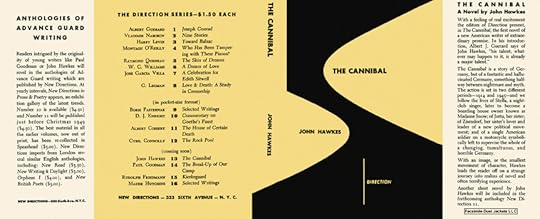
Fun fun fun. Bonus points for the cover design earning me some funny looks on the subway.
September 10, 2022
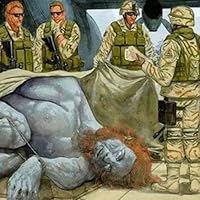
this krasznahorkaiesque picture of occupied germany really resonates with me
Displaying 1 - 30 of 81 reviews