

What do you think?

Architects of Self-Destruction: The Oral History of Leftöver Crack
An oral history in the vein of Please Kill Me
Left�ver Crack is a band of drug abusing, dumpster diving, cop-hating, queer positive, pro-choice, crust punks that successfully blend ska-punk, pop, hip-hop and death metal genres. They've been banned from clubs, states and counties and kicked off multiple record labels. They've received teen-idol adoration and death threats from their fans. They've played benefits for a multitude of causes while leaving a trail of destruction in their wake.
But, if you dig below the crusty, black metal-patch encased surface, you'll find a contemplative, nuanced band that, quite literally, permanently changed the punk rock community. By combining catchy ska-punk with lyrics that referenced political theorist Michael Parenti, drug usage, and suicide, the band formed a unique m�lange that was both provocative and challenging. In fact, the band's hooks were so sharp that after releasing their debut LP, Mediocre Generica, an entire culture of "Crack City Rockers" grew around the band, pushing the youth towards both the positive and negative aspects of extreme punk rock.
Of course, being the combustible band that they are, the band has gotten involved in its far share of full-scale riots in Phoenix and NYC, getting punched out by their own fans, showing up to tour Florida with machetes after receiving death threats from the local gang.
Architects of An Oral History of Left�ver Crack traces the band's entire history by speaking to the band members themselves, fellow musicians, their fans, and of course, those that still hold a grudge against the LoC... FYI, that's a lot of people.
Left�ver Crack is a band of drug abusing, dumpster diving, cop-hating, queer positive, pro-choice, crust punks that successfully blend ska-punk, pop, hip-hop and death metal genres. They've been banned from clubs, states and counties and kicked off multiple record labels. They've received teen-idol adoration and death threats from their fans. They've played benefits for a multitude of causes while leaving a trail of destruction in their wake.
But, if you dig below the crusty, black metal-patch encased surface, you'll find a contemplative, nuanced band that, quite literally, permanently changed the punk rock community. By combining catchy ska-punk with lyrics that referenced political theorist Michael Parenti, drug usage, and suicide, the band formed a unique m�lange that was both provocative and challenging. In fact, the band's hooks were so sharp that after releasing their debut LP, Mediocre Generica, an entire culture of "Crack City Rockers" grew around the band, pushing the youth towards both the positive and negative aspects of extreme punk rock.
Of course, being the combustible band that they are, the band has gotten involved in its far share of full-scale riots in Phoenix and NYC, getting punched out by their own fans, showing up to tour Florida with machetes after receiving death threats from the local gang.
Architects of An Oral History of Left�ver Crack traces the band's entire history by speaking to the band members themselves, fellow musicians, their fans, and of course, those that still hold a grudge against the LoC... FYI, that's a lot of people.
299 pages, Kindle Edition
Published August 10, 2021
Ratings & Reviews
Friends & Following
Create a free account to discover what your friends think of this book!
Community Reviews
Displaying 1 - 30 of 34 reviews

September 21, 2021
This was super entertaining despite some pretty unpalatable (but not unexpected) revelations about Sturgeon and others in the band. It’s a little disappointing they don’t get many interviews from the Epitaph/Hellcat side of things, esp. Tim, which would have made for a much more interesting account of the band’s beef with the label. Fun read though.

February 12, 2022
Left out the worst parts of Sturgeon's abuse

August 18, 2026
Who knew a bunch of drug addicts and squatters aren’t the best of people.

February 6, 2022
LöC was part of my formative experiences growing up in music and lifestyle and politics. I literally wouldn't be the same today without having their records and going to their shows when I was a teenager and in my twenties. So, needless to say I was psyched about reading this book and for the most part, it doesn't disappoint. When you find a band you love, you want to know as much as you can about them--but Leftover Crack was always kind of a mystery, except for whatever I could glean from the Leftover Crack message boards and their music and whatever gossip was floating around in the scene. This book sharpened the image of the band's story, and what everyone was doing between the sporadic records all of their different bands would release. I'd have liked to have heard more about the overall Crack Rock music scene and the development of their ideas and their broader impact on the national political conversation, but the story was more about relationships between individuals in different bands and representing different labels. I don't think the band sees itself as having as much influence as I really believe they may have.
I have to say, while I was never really in the squatter scene or the crust punk community, I was surprised to realize how many times while reading the book I was able to say, "I was there," and to realize that I knew the references to people and places, that I'd literally been there and could remember what happened. This was the first time I read a music book and actually felt like I had a real life connection to the story. A lot of former fans of the band have denounced the lead singer Stza lately because of accusations of domestic abuse and violence against women that they claim have been floating around the scene for years. I had not heard these accusations until the last couple of years, and there was no reference to any kind of domestic violence in the book (which I was hoping would be addressed and clarified). These accusations, plus the recent deaths of Choking Victim and Leftover Crack bass player Alec as well as Jack Terricloth from the fellow traveller band World/Inferno is likely to, I believe, mark the end of the crack rock steady era in the Anarcho political crust punk ska music scene. But damn, it was fun while it lasted.
I have to say, while I was never really in the squatter scene or the crust punk community, I was surprised to realize how many times while reading the book I was able to say, "I was there," and to realize that I knew the references to people and places, that I'd literally been there and could remember what happened. This was the first time I read a music book and actually felt like I had a real life connection to the story. A lot of former fans of the band have denounced the lead singer Stza lately because of accusations of domestic abuse and violence against women that they claim have been floating around the scene for years. I had not heard these accusations until the last couple of years, and there was no reference to any kind of domestic violence in the book (which I was hoping would be addressed and clarified). These accusations, plus the recent deaths of Choking Victim and Leftover Crack bass player Alec as well as Jack Terricloth from the fellow traveller band World/Inferno is likely to, I believe, mark the end of the crack rock steady era in the Anarcho political crust punk ska music scene. But damn, it was fun while it lasted.

August 21, 2021
Punk as fuck. Super fun read. I love that the book ends with a thoughtful and academic dissertation by Regina Dentata, Minister of Satan, but I always wish there was an Animal House style “Where are they now?” wrap up.

September 28, 2021
A fun, fast read about a band I've been following since I was a teenager in the late 90's and got the Give 'Em The Boot comp from Hell-cat Records. It also got me to dive back into the CV/LOC/SFH catalog, which has been fun.

April 19, 2023
I’m being hunted by paleface in blue and these cracka' spooks are haunting you, too. With municipal shovels, they're out digging our graves, under threat of reprisal we abide to enslave
Policia, policia, why can't you see your bullets will never pacify me? I don't fight the world, the world fights me ‘cause the gang in control is the fucking P.D.
~~~~~~~~~~~~~~~~
I’m a sucker for oral histories, especially when chronicling bands. ARCHITECTS OF SELF-DESTRUCTION: THE ORAL HISTORY OF LEFTÖVER CRACK by Brad Logan and John Gentile was my first oral history in quite some time, and delivered a riveting look at a pole riding band. I was lucky enough to see LöC live on multiple occasions; and the first time seeing them, opening with the repetitive drone of the beginning of “Homeo Apathy” still remains I visceral memory. LöC was the perfect marriage of politics and music, and how the latter could be catchy while vocals and/or the message may be more abrasive. The interviews are diverse and spans decades.
It’s a shame that the allegations of violence against women levied towards Stza were completely avoided. It’s not like the authors were concerned about maintaining a flattering portrayal of the musical mastermind as many of the participants in this oral history voiced negative opinions on various aspects of his personality and decisions made - not to mention the number of times they provided space for him harp on how 9/11 was an inside job. If anything, this book would’ve provided a better understanding of the alleged events and a more honest portrait of a person, like any other, who is flawed and hypocritical and layered. In spite of that criticism, I maintain that this was a highly entertaining read.
Policia, policia, why can't you see your bullets will never pacify me? I don't fight the world, the world fights me ‘cause the gang in control is the fucking P.D.
~~~~~~~~~~~~~~~~
I’m a sucker for oral histories, especially when chronicling bands. ARCHITECTS OF SELF-DESTRUCTION: THE ORAL HISTORY OF LEFTÖVER CRACK by Brad Logan and John Gentile was my first oral history in quite some time, and delivered a riveting look at a pole riding band. I was lucky enough to see LöC live on multiple occasions; and the first time seeing them, opening with the repetitive drone of the beginning of “Homeo Apathy” still remains I visceral memory. LöC was the perfect marriage of politics and music, and how the latter could be catchy while vocals and/or the message may be more abrasive. The interviews are diverse and spans decades.
It’s a shame that the allegations of violence against women levied towards Stza were completely avoided. It’s not like the authors were concerned about maintaining a flattering portrayal of the musical mastermind as many of the participants in this oral history voiced negative opinions on various aspects of his personality and decisions made - not to mention the number of times they provided space for him harp on how 9/11 was an inside job. If anything, this book would’ve provided a better understanding of the alleged events and a more honest portrait of a person, like any other, who is flawed and hypocritical and layered. In spite of that criticism, I maintain that this was a highly entertaining read.
July 21, 2026
Somehow I managed to completely miss Leftover Crack when I was the perfect age. Too busy with indie rock, I wrote off the current punk/ska/emo/whatever scene by the time I was 16. That was 1999. It took 27 years and this oral history to get me excited about it. The book is well arranged and gets you right into the myth of "punk band people do punk things" without being annoying or too familiar. The cast of characters is large but does a decent job of giving most defining traits and voice. Keeping who's who's in proper order will be difficult for the layman and can largely be ignored. As the history unfolds (or maybe spills out in clumps) it paints a cohesive image with lots of look at. You'll want to tell your friends.
The book also happened to be an instant conversation piece when out in the wild. New York is full of Leftover Crack fans. Play the drinking game- Whenever a stranger says either "I didn't know there was a Leftover Crack book" or "There's a Leftover Crack Book?", take a swig of your favorite beverage. The bonus is seeing that person's face light up and look like a carefree teenager for a second. Then they will give you another little oral history of when they saw them play in 20xx.
The book also happened to be an instant conversation piece when out in the wild. New York is full of Leftover Crack fans. Play the drinking game- Whenever a stranger says either "I didn't know there was a Leftover Crack book" or "There's a Leftover Crack Book?", take a swig of your favorite beverage. The bonus is seeing that person's face light up and look like a carefree teenager for a second. Then they will give you another little oral history of when they saw them play in 20xx.

September 30, 2022
I loved this book. As a disclaimer, I'm super biased. I love LOC, Choking Victim, and the Star Fucking Hipsters and this was important formative music during my teenage years and young adulthood.
Having said that, the book is an easy read. It's just as crazy as you would expect and then some. It's also cool to read about the band's politics and them putting their money where their mouth is. It's cool to know they have integrity. I've always liked LOC and Stza's stance against fascism, homophobia, and capitalism.
I also liked reading about their views on mental health and the punk scene. They have a lot of songs about depression, drug addiction and suicide and I agree with them that listening to these seemingly fucked up songs can make a kid feel less alone and is not meant to push someone to do something many will regret. I spent so many nights listening to jams like "Suicide (A Better Way)."
I feel like I'm rambling so let me just say that I recommend this book to any fan of LOC, anarcho punk, crust punk, and punk music in general. If you enjoyed The Hepatitis Bathtub by NOFX or Tranny by Laura Jane Grace, you'll probably enjoy this one.
Having said that, the book is an easy read. It's just as crazy as you would expect and then some. It's also cool to read about the band's politics and them putting their money where their mouth is. It's cool to know they have integrity. I've always liked LOC and Stza's stance against fascism, homophobia, and capitalism.
I also liked reading about their views on mental health and the punk scene. They have a lot of songs about depression, drug addiction and suicide and I agree with them that listening to these seemingly fucked up songs can make a kid feel less alone and is not meant to push someone to do something many will regret. I spent so many nights listening to jams like "Suicide (A Better Way)."
I feel like I'm rambling so let me just say that I recommend this book to any fan of LOC, anarcho punk, crust punk, and punk music in general. If you enjoyed The Hepatitis Bathtub by NOFX or Tranny by Laura Jane Grace, you'll probably enjoy this one.
October 8, 2026
I read this book in two days. I am a bit bias because this band was a huge part of my youth and it seriously was the best of times and worst of times.
I showed up in the Lower East Side right before 9/11, so hearing about the Choking Victim days and the other squats (I was only familiar with C Squat, Umbrella house and of course ABC No Rio) made this very interesting. I sorta want to know more about the history of the Lower East Side squats.
Scott (Sturgeon)…is a vocalist. If this is your first book you are reading about a vocalist, only a certain person can become one, you have to be REALLY full of yourself and nothing is ever your fault (sarcasm) I am very well aware that Scott is a very flawed person whether he sees that or not. That being said, this is still a very good book and everyone is trying their best.
I showed up in the Lower East Side right before 9/11, so hearing about the Choking Victim days and the other squats (I was only familiar with C Squat, Umbrella house and of course ABC No Rio) made this very interesting. I sorta want to know more about the history of the Lower East Side squats.
Scott (Sturgeon)…is a vocalist. If this is your first book you are reading about a vocalist, only a certain person can become one, you have to be REALLY full of yourself and nothing is ever your fault (sarcasm) I am very well aware that Scott is a very flawed person whether he sees that or not. That being said, this is still a very good book and everyone is trying their best.

July 30, 2023
This one took me awhile to read, mostly just due to being busy and not getting back to it.
A friend lent it to me and I was not as familiar with Brad Logan as much as Stza or Ezra Kire.
LöC has been one of my favs for 15 years or so. Especially the “FWT” album. As well as a bunch of Ezra’s other bands, like INDK. Side note, their album “Kill Whitey” is probably still one of my most played albums in the last 10 years.
This had a bunch of informative back story as to why the band, and the members were the way they were that I wished I would have known when I first discovered LöC/CV back in high school.
“LöC fans can read? You learn something new every day”. -Anonymous Internet Commenter
A friend lent it to me and I was not as familiar with Brad Logan as much as Stza or Ezra Kire.
LöC has been one of my favs for 15 years or so. Especially the “FWT” album. As well as a bunch of Ezra’s other bands, like INDK. Side note, their album “Kill Whitey” is probably still one of my most played albums in the last 10 years.
This had a bunch of informative back story as to why the band, and the members were the way they were that I wished I would have known when I first discovered LöC/CV back in high school.
“LöC fans can read? You learn something new every day”. -Anonymous Internet Commenter

June 30, 2025
This is a truly impressive oral history. It paints what is probably a true but unflattering picture of the crust punk and squatters world. Architects of Self Destruction is about the most accurate title I could imagine for the Leftover Crack story. There are a number of sad and unnecessary deaths due to overdose in here. This is really only for fans of the band or people familiar with the world already. One star deducted because there is nothing about Sturgeon's abuse of women, which seems especially egregious because LOC were supposedly big supporters of women's rights.
March 24, 2026
Pretty solid biography on the band. Was it a well written piece of literature? no. Was it a fun ride and very nostalgic? yes. LoC are a band that have been pretty pivotal in how I operated musically. I've met and talked to both Stza and Brad a handful of times since I was a teenager. I've seen Choking victim and Leftover Crack play multiple times. My old band opened for Star Fucking Hipsters multiple times. It's been an experience getting first hand accounts of all those bands from the members in this book.

April 23, 2025
I've been a hardcore fan of this band for a quarter of a century now so it was interesting to learn about some of their history and inner workings. However, the writing style of interview clips made it hard to follow and made it feel choppy. Also, the lead singer is not that great of a person so I would have liked for the author to go more into that but since the author is/was a member of the band it's not a surprise he didn't. Only worth a read if you love LOC.
October 20, 2021
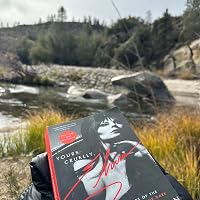
Incredible and a quick read. The interview style back and forth makes it easy to absorb and fun to to read. Loc played a big part in my adolescence and getting to read in detail all of the “you had to have been there” stories from different sides brought me back to those days. I really hope we get more from Brad and all he’s been a part of.

October 21, 2021
I’m not a fan of Leftover Crack but I do know their wild reputation and thought this would be a fun read. It wasn’t bad but did drag a few times with sometimes seemingly slightly off topic chapters. It’s not bad but I could take it or leave it. Might be best suited for fans of leftover crack or Choking Victim

July 18, 2025
Pretty good and unglorified look at the history of the various Scott Sturgeon Bands (and a lot about Brad Logan and the punk industry in general at the time ). Does a great job covering the early years, but really rushes through the last 10 years it covers, and skips over a lot of later drama people would be interested in.

April 20, 2022
Continuing the reliving of my teenage years via books (just read Laura Jane Grace's memoir as well), enjoyed this book and have memories of some of these events. I only wish that Tim Armstrong had been interviewed as well.
June 4, 2023
I knew exactly what to expect because it’s Leftover Crack. Sturgeon is very misunderstood, and a brilliant songwriter, and I think the book is completely fair in the balance between portraying Sturgeon as the brilliant artist, and Sturgeon the unbelievable ass hole that he is.

December 9, 2023
This was an awesome, easy read that helped me understand the story of this super influential band. I also learned about a ton of great punk bands and the history of the scenes that these bands came out of. For anyone interested in the punk scene this is a great read!
August 21, 2021
Probably because of my relationship to the music and people associated with this, I loved it. It shows what we love about LoC, the highs and lows all there

August 25, 2021
John and Brad did an amazing job of telling a linear story about the band and their friends by piecing together disparate interviews. Seriously so impressive and such a fun read.

December 9, 2021
Entertaining but I don’t think you can really do the story justice without Ezra.

August 14, 2022
Good look into Scott Sturgeon's music
Learned a few things I didn't know about Choking Victim and Leftover Crack. I'd recommend this to other people interested
Learned a few things I didn't know about Choking Victim and Leftover Crack. I'd recommend this to other people interested

February 4, 2023
i can deal with the stomach-churning offensive behaviour and paint-peeling pretentiousness but thinking dawn of the dead was filmed in philadelphia cannot slide

July 30, 2024
Very interesting peek into the history of some bands I wasn’t really aware of. I was reading this at the same time as Nile Rodger’s autobiography and the two worlds could not be further apart!
January 5, 2025
I was never a fan of this band but I can’t resist a punk oral history.

August 4, 2025
It seemed awfully detailed and specific given that it’s from a bunch of guys who were constantly strung out. That being said, I liked it.

August 11, 2025
This is fantastic. The story of & around Leftöver Crack is fascinating & wild. Definitely essential reading for fans of punk rock. Can not recommend this book highly enough.

June 16, 2026
This was great. Always nice to reconnect with my very lite teenage punk roots and relive how it felt to listen to those records and be an observer of the counter culture happening in and around 9/11. I first got into leftover crack cause I had a crush on a guy who played in a band that covered their songs. It was a really formative few years for me. And I’m nostalgic as hell so I’ll always be fond of all that come out of that.
Loved hearing the multiple perspectives and all the truly unique musical experiences happening simultaneously with topics like squatting, drugs, religion, and shoplifting that informed their super creative lyrics but are mostly just like things I simply have no business in knowing about. How fun. lol.
4/5
Loved hearing the multiple perspectives and all the truly unique musical experiences happening simultaneously with topics like squatting, drugs, religion, and shoplifting that informed their super creative lyrics but are mostly just like things I simply have no business in knowing about. How fun. lol.
4/5
Displaying 1 - 30 of 34 reviews