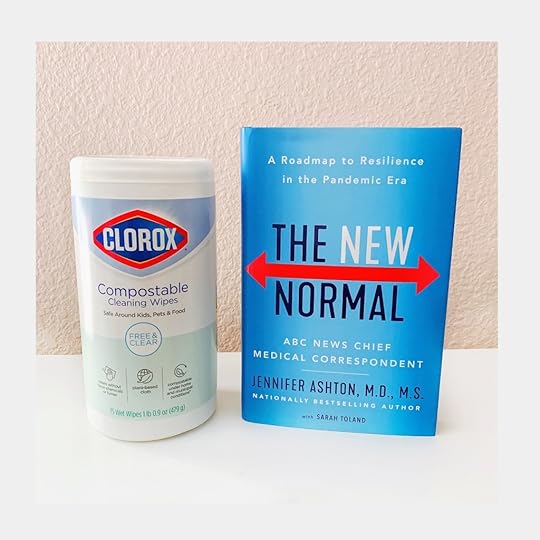
This book surprised me by how well-written it was. While I realize Ashton had a co-author (credited in tiny letters), it must have been very difficult, while handling two full-time jobs (OB/GYN and TV medical expert) to craft a book in the middle of a global pandemic, but the end-result is largely a calm, relatable book on health and resiliency.
Some people are faulting this book because it came out too late. Published in February 2021, it would certainly have been more helpful in July 2020. But you can't fault a book for it's timing, and the truth is a) the pandemic is not at all over yet (even if North America and Western Europe are returning to a "new normal") and b) 80-90% of this book is applicable all the time, and not just during COVID.
This is largely a book on how to live a healthy life, mentally and physically. While written with COVID in mind, most of the chapters are about healthy eating, exercise, sleep, and dealing with the mental health fallout of both pandemic issues and life as a whole. Ashton's advice in this regard will never be out of date.
As for the COVID-related medical information, no printed book can be 100% up-to-date because medical issues change as quickly as a virus can mutate. But Ashton explains complex issues in a clear ways; for example, not just that people with diabetes are at greater risk of complications from COVID, but exactly why, and she explained it better than any article for laymen (or even my own endocrinologist).
Similarly, her clarification of the misinformation that gets spread and how to deal was common-sense, but so few people seem to have common sense these days that it gave me hope that people might read this and get clarity. She gave a great explanation of why experts initially did not favor masks for the public (the lack of availability for even medical practitioners -- due to the Australian and US wildfires, though she didn't detail the why of it) and the medical background of both the decision and the based-on-new-information turnaround, and how people failed to pay attention to the explanation, merely complaining about it.
I liked that she made each section relevant by using herself and her family as an example, but I would have liked it better if there had been more stories about other people. There was a reference to one active senior citizen, but overall, more narrative examples would likely have made the advice more vivid.
Long story short, this was good advice for everyone to strengthen their immune systems and their psychological resiliency, even if some of the COVID-specific information feels like old news right now.