

What do you think?

Les amours
French
880 pages, Paperback
First published January 1, 1552
About the author
Pierre de Ronsard
477 books42 followersLyrical love poems, considered best works of French poet Pierre de Ronsard, include
Sonnets pour Hélène
(1578).
Pierre de Ronsard est un des poètes français les plus importants du XVIe siècle.
« Prince des poètes et poète des princes », Pierre de Ronsard, adepte de l’épicurisme, est une figure majeure de la littérature poétique de la Renaissance. Membre de la Pléiade, auteur d’une œuvre vaste qui, en plus de trente ans, a touché aussi bien la poésie engagée et « officielle » dans le contexte des guerres de religions avec les Hymnes et les Discours (1555-1564), que l’épopée avec La Franciade (1572) ou la poésie lyrique avec les recueils des Les Odes (1550-1552) et des Amours (Les Amours de Cassandre, 1552 ; Les Amours de Marie, 1555 ; Sonnets pour Hélène, 1578).
https://en.wikipedia.org/wiki/Pierre_...
Pierre de Ronsard est un des poètes français les plus importants du XVIe siècle.
« Prince des poètes et poète des princes », Pierre de Ronsard, adepte de l’épicurisme, est une figure majeure de la littérature poétique de la Renaissance. Membre de la Pléiade, auteur d’une œuvre vaste qui, en plus de trente ans, a touché aussi bien la poésie engagée et « officielle » dans le contexte des guerres de religions avec les Hymnes et les Discours (1555-1564), que l’épopée avec La Franciade (1572) ou la poésie lyrique avec les recueils des Les Odes (1550-1552) et des Amours (Les Amours de Cassandre, 1552 ; Les Amours de Marie, 1555 ; Sonnets pour Hélène, 1578).
https://en.wikipedia.org/wiki/Pierre_...
Ratings & Reviews
Friends & Following
Create a free account to discover what your friends think of this book!
Community Reviews
Displaying 1 - 24 of 24 reviews

December 20, 2012
Soon after I moved to Paris, I read an interesting article about Lolita in Le Monde which touched on some of the reaction the book had had in France. One particular photo intrigued me. It was from 5 July 1960 and showed a group of actresses protesting in front of the Académie Française – not about the book's content but about a linguistic point. Their banner reads:
What they were so annoyed about was the fact that Nabokov claimed to have coined the word ‘nymphet’ for his novel. Not so for the French equivalent, the Académie's supporters insisted. (The Monde journalist, not a big Lolita fan, calls ‘nymphette’ a diminutif répugnant, on what appear to be moral rather than linguistic grounds.) The ‘Ronsar’ this banner refers to is Pierre de Ronsard, a member of the 16th-century Pléiade group of writers.
So I went out and bought a book of his verse in an attempt to find this point of vocabulary. Eventually, after about four and a half hours of reading in the Luxembourg Gardens, and with a rapidly developing appreciation for this poet, I finally found sonnet CXIV of the Amours. I'll just quote the relevant sestet:
Which is something like:
(This was before I had kids, and before Hannah had come out to join me in France. The idea of spending all day in the park reading Middle French poetry now is like the stuff of a madman's dream.)
Now to defend Nabokov, I'd point out that here the word is really used (albeit somewhat figuratively) in its general sense of ‘small or young nymph’, a sense in which it already existed in English. While the OED's entry does give Lolita as the earliest quotation for the sense of ‘sexually attractive young girl’, it also records several ‘small nymph’ citations going back to 1612. The earliest citation in French is from 1512, so arguably they could still win if it came to a stand-up fight about precedence.
Given Nabokov's predilection for dictionaries, I would say the odds are considerably against his not knowing all of the above. The more so when, as I later discovered, Ronsard is actually referenced in Lolita. Quoting Nabokov is always a delight, so:
I thought it was rather brilliant of him to have found a Ronsard quote which puns on Lolita's name – but in the back of my Annotated Lolita I read: ‘The phrase “d'amoureuse langueur” appears several times, with slight variations, in Ronsard's Amours. “Adolori” […] is, of course, HH.'s addition.’
Of course.
Anyway: read some Ronsard. You never know which postmodern novelist is going to appropriate his stuff next, and it's always good to be prepared.
[Nov 2013]
NON MONSIEUR NABOKOV
NYMPHETTE
EST FRANÇAIS DEPUIS RONSAR
What they were so annoyed about was the fact that Nabokov claimed to have coined the word ‘nymphet’ for his novel. Not so for the French equivalent, the Académie's supporters insisted. (The Monde journalist, not a big Lolita fan, calls ‘nymphette’ a diminutif répugnant, on what appear to be moral rather than linguistic grounds.) The ‘Ronsar’ this banner refers to is Pierre de Ronsard, a member of the 16th-century Pléiade group of writers.
So I went out and bought a book of his verse in an attempt to find this point of vocabulary. Eventually, after about four and a half hours of reading in the Luxembourg Gardens, and with a rapidly developing appreciation for this poet, I finally found sonnet CXIV of the Amours. I'll just quote the relevant sestet:
Quand ma Nymphette en simple verdugade
Cueillant des fleurs, des raiz de son œillade
Essuya l'air grelleux & pluvieux,
Des ventz sortiz remprisonna les tropes,
Et ralenta les marteaux des Cyclopes,
Et de Jupin rasserena les yeulx.
Which is something like:
When my nymphet, in just her underwear,
goes picking flowers, her flirtatious stare
clears the rain and hail from above –
she returns the loosed wind's moan to peace
and makes the Cyclops' hammers cease,
and calms the eyes of Jove.
(This was before I had kids, and before Hannah had come out to join me in France. The idea of spending all day in the park reading Middle French poetry now is like the stuff of a madman's dream.)
Now to defend Nabokov, I'd point out that here the word is really used (albeit somewhat figuratively) in its general sense of ‘small or young nymph’, a sense in which it already existed in English. While the OED's entry does give Lolita as the earliest quotation for the sense of ‘sexually attractive young girl’, it also records several ‘small nymph’ citations going back to 1612. The earliest citation in French is from 1512, so arguably they could still win if it came to a stand-up fight about precedence.
Given Nabokov's predilection for dictionaries, I would say the odds are considerably against his not knowing all of the above. The more so when, as I later discovered, Ronsard is actually referenced in Lolita. Quoting Nabokov is always a delight, so:
I now refused to be diverted by the feeling of well-being that my walk had engendered – by the young summer breeze that enveloped the nape of my neck, the giving crunch of the damn gravel, the juicy tidbit I had sucked out at last from a hollowy tooth, and even the comfortable weight of my provisions which the general condition of my heart should not have allowed me to carry; but even that miserable pump of mine seemed to be working sweetly, and I felt adolori d'amoureuse langueur, to quote dear old Ronsard, as I reached the cottage where I had left my Dolores.
I thought it was rather brilliant of him to have found a Ronsard quote which puns on Lolita's name – but in the back of my Annotated Lolita I read: ‘The phrase “d'amoureuse langueur” appears several times, with slight variations, in Ronsard's Amours. “Adolori” […] is, of course, HH.'s addition.’
Of course.
Anyway: read some Ronsard. You never know which postmodern novelist is going to appropriate his stuff next, and it's always good to be prepared.
[Nov 2013]

Read
November 19, 2019One more author mentioned in The Literature book, Renaissance and Enlightenment period. The poems were ok, not too bad but nothing I will remember.

February 5, 2016
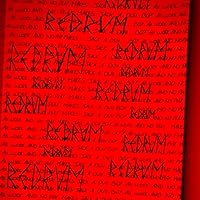
Love is a bird
With golden wings
Love is a bird
A bird that sings
Perched on a branch
High above the world
She whistles a tune
Like no other bird
Love is a word
On a golden string
It flashes before you
A beautiful thing
Follow it blind
Through dazzling streets
Down to the river
Where lovers weep
Love is absurd
So vast like an ocean
Devouring the sun
And planets in motion
Love is a reaction
Of chemicals
Inside our brains
God save our souls!
Read
August 2, 2024m'a appris que les stalkers existaient déjà

February 21, 2022
Ce livre est une répétition interminable des mêmes thèmes et de prouesses grammaticales pendant 80 pages and then for the last 20, Ronsard is like “Hey Siri, Play “À la grace de dieu” by Loud Lary Ajust”???? (iykyk)…Insane lol mais câline, juste à la toute fin…still, le patnais Ronsard y’a SNAP dans ces pages la jeez hahahaha

September 29, 2017
J'ai été agréablement surprise!

April 2, 2021
J'ai lu ce recueil dans le cadre de mes études. En effet, je l'étudie tout un semestre, c'est pourquoi j'ai pris mon temps pour le déguster, le savourer et l'analyser.
Il faut savoir que je ne suis pas une grande fan de poésie mais mon appréciation pour ce genre s'améliore au fil du temps et grâce à mes études. J'ai donc pu découvrir Ronsard autrement que 2-3 poèmes.
Ce recueil est important dans l'histoire littéraire du XVIème siècle mais aussi Ronsard car il fait partie de ceux qui vont écrire en langue française et non plus en latin. Ce poète exprime l'amour sous toutes ses formes à travers ce recueil mais aussi à travers 3 femmes : Marie, Hélène et Cassandre.
Entre déboires, passions, amour pur ou chagrin, on se perd dans la poésie en vers, dans les sonnets...
En lisant ce recueil, on se rend compte de sa richesse et de sa complexité car Ronsard propose des sonnets intéressants mais différents, il emploie son propre style qu'il qualifie d'un "beau style bas" pour s'opposer à Pétrarque et aux Anciens.
Je vous conseille de ne surtout pas juger le livre à sa première impression c'est-à-dire l'amour avec un grand A ou retrouver le thème de la nature pour sublimer l'amour. Cela va plus loin et j'ai la chance d'avoir des cours pour comprendre un peu le fonctionnement de ce recueil car sinon, je serais un peu paumée. Par ailleurs, la complexité s'intensifie puisque le recueil que j'ai lu était en ancien français (les notes sont d'une grande utilité pour certains mots).
Pour ma part, j'avais trouvé la recette pour apprécier ce recueil sans m'y perdre ou sans le lâcher : j'ai lu 20 poèmes par jour. J'ai été séduite par la structure des poèmes, l'organisation mais aussi les convictions du poète (parler d'amour de manière naturelle, etc.)
Pour conclure, je ne peux que vous recommander de lire ce recueil car il est important pour notre littérature que vous soyez des étudiants en lettres ou des amateurs de livres.
Il faut savoir que je ne suis pas une grande fan de poésie mais mon appréciation pour ce genre s'améliore au fil du temps et grâce à mes études. J'ai donc pu découvrir Ronsard autrement que 2-3 poèmes.
Ce recueil est important dans l'histoire littéraire du XVIème siècle mais aussi Ronsard car il fait partie de ceux qui vont écrire en langue française et non plus en latin. Ce poète exprime l'amour sous toutes ses formes à travers ce recueil mais aussi à travers 3 femmes : Marie, Hélène et Cassandre.
Entre déboires, passions, amour pur ou chagrin, on se perd dans la poésie en vers, dans les sonnets...
En lisant ce recueil, on se rend compte de sa richesse et de sa complexité car Ronsard propose des sonnets intéressants mais différents, il emploie son propre style qu'il qualifie d'un "beau style bas" pour s'opposer à Pétrarque et aux Anciens.
Je vous conseille de ne surtout pas juger le livre à sa première impression c'est-à-dire l'amour avec un grand A ou retrouver le thème de la nature pour sublimer l'amour. Cela va plus loin et j'ai la chance d'avoir des cours pour comprendre un peu le fonctionnement de ce recueil car sinon, je serais un peu paumée. Par ailleurs, la complexité s'intensifie puisque le recueil que j'ai lu était en ancien français (les notes sont d'une grande utilité pour certains mots).
Pour ma part, j'avais trouvé la recette pour apprécier ce recueil sans m'y perdre ou sans le lâcher : j'ai lu 20 poèmes par jour. J'ai été séduite par la structure des poèmes, l'organisation mais aussi les convictions du poète (parler d'amour de manière naturelle, etc.)
Pour conclure, je ne peux que vous recommander de lire ce recueil car il est important pour notre littérature que vous soyez des étudiants en lettres ou des amateurs de livres.

January 7, 2017
RONSARD
Les Amours et Les Folastries – published (1552/1553)
Reading these poems requires a first effort, to overcome the difficulty of the ancient vocabulary of the French language. You first read the poem, then the footnotes and then the poem again, to try to understand the meaning. It seems like reading without your glasses first. But by the end of the book, you have learned the vocabulary and reading gets more fluent.
It really helps to have read the ‘Canzoniere’ by Petrarque, (1374) which is considered an inspiration for Ronsard, and also ‘Le Roman de la Rose’ started by Guillaume de Lorris likely around (1200/30) and finished by Jean de Meun (1269/78). As early as (1170 to 1185) Chretien de Troyes with his novels around King Arthur and his knights has developed the same theme.
The common subject of these poems is the sudden appearance of young love. The falling in love with absolute submission of a young gentleman, or knight, with a sublime, beautiful, faultless, chaste and goddess like young lady or princess. The poems then develop into the difficulties of communication by the lovers and the resulting extremes in pleasures and sufferings, which can be one sided or shared, depending if the goddess is receptive or repulsive to the prayers of the suitor.
In Ronsard Amours, the name of the young lady is Cassandre, which gives room for comparison with the unfortunate Cassandra, daughter of Priam, in the epic of Illiad, and the conquest of Troy.
Ronsard also makes often reference to other events of mythology, referring to Virgil, Horace, Ovide, Catullus, Lucretius and other writings.
To me, this book is another important cornerstone of early French Poetry.
Les Amours et Les Folastries – published (1552/1553)
Reading these poems requires a first effort, to overcome the difficulty of the ancient vocabulary of the French language. You first read the poem, then the footnotes and then the poem again, to try to understand the meaning. It seems like reading without your glasses first. But by the end of the book, you have learned the vocabulary and reading gets more fluent.
It really helps to have read the ‘Canzoniere’ by Petrarque, (1374) which is considered an inspiration for Ronsard, and also ‘Le Roman de la Rose’ started by Guillaume de Lorris likely around (1200/30) and finished by Jean de Meun (1269/78). As early as (1170 to 1185) Chretien de Troyes with his novels around King Arthur and his knights has developed the same theme.
The common subject of these poems is the sudden appearance of young love. The falling in love with absolute submission of a young gentleman, or knight, with a sublime, beautiful, faultless, chaste and goddess like young lady or princess. The poems then develop into the difficulties of communication by the lovers and the resulting extremes in pleasures and sufferings, which can be one sided or shared, depending if the goddess is receptive or repulsive to the prayers of the suitor.
In Ronsard Amours, the name of the young lady is Cassandre, which gives room for comparison with the unfortunate Cassandra, daughter of Priam, in the epic of Illiad, and the conquest of Troy.
Ronsard also makes often reference to other events of mythology, referring to Virgil, Horace, Ovide, Catullus, Lucretius and other writings.
To me, this book is another important cornerstone of early French Poetry.

January 1, 2021
Il peut arrêter de sexualiser le corps d'une gosse de 15 ans svp😫🤚🏻

Read
March 30, 2023UN GROS ZERO le mec c'est un pédophile donc euhhhhhhhh

June 10, 2026
Difficile pour moi de commenter de la poésie. Globalement peu sensible à ces poèmes, en particulier la première partie (les amours de Cassandre) qui sont pour la plupart grivois et qui manquent de délicatesse selon moi. Cela correspond, ceci dit, aux goûts de l'époque. J'ai préféré les amours de Marie, plus doux selon moi.
March 17, 2024
J'aime les poèmes amoureux, mais j'ai lu cette œuvre quand j'étais en seconde, donc j'ai de très vagues souvenirs. Il faudrait que je m'y repenche avec ma vision actuelle et pas celle des cours de lycée.

March 25, 2017
Uma imagética preexcelsa:
«O tempo vos arranque a máscara da tez/e eu cisne me farei em vez de um corvo preto.»
Ronsard, ‘Se vós sois velha já e eu o sou também’, in Alguns Amores de Ronsard, trad. Vasco Graça Moura.
«O tempo vos arranque a máscara da tez/e eu cisne me farei em vez de um corvo preto.»
Ronsard, ‘Se vós sois velha já e eu o sou também’, in Alguns Amores de Ronsard, trad. Vasco Graça Moura.

April 2, 2019
Simplement génial!

July 18, 2019
Les vers de Ronsard sont magnifiques, le plus beau étant de les lire à voix haute pour bien profiter de la mélodie des sons qu'il agence avec brio.

February 13, 2022
j’ai lu que les sonnets pour Hélène pour la prépa,
c’est très beau, très bien écrit avec beaucoup de références antiques.
c’est très beau, très bien écrit avec beaucoup de références antiques.

December 15, 2023
J’ai largement préféré les amours de Marie qui était plus simple de compréhension!

April 14, 2025
menino yearner💕🌷
Read
April 23, 2025counting as read cuz ive enough knowledge about this book. team marie.

January 23, 2026
pff redescend mec

March 22, 2026
parla troppo delle tette . è un po' inquietante

August 20, 2020
Vous le savez, il est toujours difficile de donner son avis sur un recueil de poèmes. D’un poème à l’autre, on adhère ou non ; puisque c’est avant tout une question de goût !
Pour ma part, j’ai beaucoup aimé certains poèmes, d’autres… un peu moins.
Dans l’ensemble, ce fut une agréable lecture !
Pour ma part, j’ai beaucoup aimé certains poèmes, d’autres… un peu moins.
Dans l’ensemble, ce fut une agréable lecture !

August 1, 2010
Read in one of my French lit classes in college.

Read
January 22, 2018Lu (seulement le premier livre Amours de Cassandre) pour mon cours de "Littérature XVIe-XVIIIe siècles" en L2.
Displaying 1 - 24 of 24 reviews