What do you think?
Rate this book


‘Formidable work’ Robert Macfarlane
Who owns England?
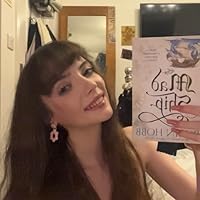
Behind this simple question lies this country’s oldest and darkest secret. This is the history of how England’s elite came to own our land – from aristocrats and the church to businessmen and corporations – and an inspiring manifesto for how we can take control back.
This book has been a long time coming. Since 1086, in fact. For centuries, England’s Establishment have been able to cover up how they got their hands on millions of acres of common land, by building walls, burying surveys and more recently, sheltering behind offshore shell companies. But with the dawn of digital mapping and the Freedom of Information Act, they can no longer hide.
Trespassing through country estates and empty Mayfair mansions, writer and activist Guy Shrubsole has used these 21st Century tools to uncover a wealth of never-before-seen information about the people who own our land, in order to create the most comprehensive map of land ownership in England that has ever been made public.
From the Duke who owns the most expensive location on the Monopoly board to the MP who’s the biggest landowner in his county, he unearths truths concealed since the Domesday Book about who is really in charge of this country – at a time when Brexit is meant to be returning sovereignty to the people.
It’s time to expose the truth about who owns England – and finally take back our green and pleasant land.
Audiobook
First published May 2, 2019

“Make sure they have an ancestor who was a very close friend of William the Conqueror”Briefly, the registration of land ownership in the United Kingdom is only required on transfer, so the ownership of land that hasn’t changed hands for many generations - since it was handed out by William the Conqueror to his close friends back in 1066 for example - remains a mystery to most of the citizens of the country.
“...Grosvenor married in 1677; he was aged 21, and his wife, Mary Davies, was only 12 years old. The marriage was arranged by their families in a manner and at an age which was quite normal in England in that era; it proved to be harmonious and conventional…”We think that the lady doth protest too much. This isn’t what the same Wikipedia article said about the good Baronet and his marriage to Mary Davies a couple of years ago when I last looked at it. Instead a rather fuller picture was given, such as contained in this article or more fully here. To quote:
Mary gave her husband Sir Grosvenor, three sons and after he died she inherited a lifetime’s interest in the estate which left her both incredibly wealthy and incredibly vulnerable. For reasons unknown, Mary fled to Paris in 1701 at the age of thirty-six and married a Roman Catholic, Edward Fenwick who was the brother of a rector who had lived with the family on the Grosvenor family estate.“Harmless and conventional” doesn’t quite seem to tell the whole story, and I know that the same Wikipedia article used to give a more complete picture of Mary’s life because I once quoted from it in a comment I posted to the Financial Times website under a story on the Grosvenor Estate.
Mary and Edward remained in Paris for the next four years while the Grosvenor family fought to have the marriage annulled on the grounds of their mother’s supposed “insanity”. They had the forty year old Mary committed to a Lunatic Asylum which was where rich families placed difficult and willful women in the 18th Century. We hear nothing more of Mary except that she eventually died alone in the lunatic asylum.