

What do you think?

脑髓地狱
日本四大奇书之首!怪物作家,变格派大师梦野久作的经典长篇,超越时代的伟大作品,推理迷心中的梦幻巨著。宫崎骏心中的日本三大奇迹之一。一个狡猾的罪犯,一个惊天的诡计,一系列离奇死亡,一个锲而不舍的侦探。
编辑推荐:
1、日本推理小说四大奇书之首!超越时代的伟大作品,推理迷心中唯一梦幻巨著。
2、入选豆瓣TOP前500书单,连推理迷也难以阅读,但却不得不承认这是杰作的四大推理奇书。被公认是一本领先于时代至少100年的伟大作品。
3、日本著名幻想文学作家、变格派推理大师梦野久作,有“妖怪作家”之称。《脑髓地狱》是梦野久作最令人难以理解的经典长篇。
4、封面设计由许晋维操刀。许晋维是继王志宏之、聂永真之后的台湾最具影响力的设计师。其作品曾获“两岸出版设计大奖——金衣奖”。代表作《罗生门》。
5、宫崎骏心中的日本三大奇迹
“在我看来,属于日本自己的艺术品只有三件—大阪的太阁之城,黑泽明的《罗生门》,梦野久作的《脑髓地狱》而我的《幽灵公主》和《千与千寻》还远远够不上。”
6、经典译本
詹慕如,翻译作品见推理、文学、设计、童书等各领域。近期译作有《脑髓地狱》、《黑死馆杀人事件》等。其文笔被评为“如万花筒般的色彩”,在豆瓣广受好评。
7、推理小说发烧友,日本小说粉丝+重口味爱好者
• 如果你喜欢《禁闭岛》的情节和口味,那么这本书应该会比较适合你;
• 如果你喜欢《穆赫兰道》,那么在阅读过程中会得到水落石出的解谜快感;
• 如果读到最后仍然对时间线存在不明之处,可以参考电影《源代码》中的情景设定。
• 美学爱好者在其中看到了三岛由纪夫,存在主义笃信者在其中看到了萨特,表现主义崇拜者在其中看到了卡夫卡,精神医学研究者在其中看到了弗洛伊德,当之无愧是日本四大推理奇书之首。
媒体评论:
这是一本百分之九十九的人都看不完的书,一本看完的人里面有百分之九十九的人看不懂的书。
这是一本愚弄读者的书,一本绝对侦探小说。一个诡异的传说,一系列离奇死亡事件,一个锲而不舍的侦探。
一个狡猾的罪犯,一个惊天的诡计。交织在一起,组成了一部令人抓狂和困惑的小说。
这是一本冗长的书,一本没有废话的书。每一个字、每一句话都在为它的诡计服务。你越想识破它,你就陷得越深。
内容简介:
本书虽然以精神病院为主要事发地点作为开端,但内容文体与插曲繁多,除了故事主轴外,还加入了精神分析的论文、新闻报导体、民俗学、考古学、遗书、回忆录等等文体与故事,就像是一场作者与读者互相挑战的过程,值得让人读了再读,每次阅读都会产生新的想法与体会。
一名男子,在陌生的房间中甦醒,同时,也忘记关于自己的所有事情。这时隔壁房间的女子传来凄厉的叫喊,并说明两人之间的关系,但这惨绝人环的过程让他更加恐惧。此时,一位名叫若林镜太郎的医师现身,说明他跟ㄧ宗离奇的杀人案件有关,只要他的记忆恢复,就能够解开这个案件,若林医师并将另一位正木教授整理的以这位男子为实验对象的「疯人解放治疗」论文,以及这件杀人案件相关资料交给他阅读,看是否能因此让他恢复记忆。男子阅毕后发现,这起案件的发生,是源自于一位古早的中国画家吴青秀,他的奇异性格遗传给了他的后代吴一郎身上,因此引发了一连串的事件。不过,除了这件事以外,男子又发现,这个案件背后,还有许多扑朔迷离的案外案……
作者简介:
梦野久作 1889─1936
日本著名幻想文学作家、变格派推理大师,本名杉山植树,后改名杉山泰道,笔名梦野久作是博多地区的方言,意指精神恍惚,整天作白日梦的人。
日本知名推理小说家,从中学起接触推理小说,开启了其对推理小说的兴趣,从于1915年出家,两年后还俗,并从事记者工作,同时开始创作推理小说。为人熟知的作品为《脑髓地狱》,此作品也成为日本推理小说四大奇书之首。
梦野久作有“妖怪作家”之称,其所属的“变格派”善于描写人性的怪奇、丑恶、战栗心理的唯美面,使得推理小说充满了文学艺术气息。
编辑推荐:
1、日本推理小说四大奇书之首!超越时代的伟大作品,推理迷心中唯一梦幻巨著。
2、入选豆瓣TOP前500书单,连推理迷也难以阅读,但却不得不承认这是杰作的四大推理奇书。被公认是一本领先于时代至少100年的伟大作品。
3、日本著名幻想文学作家、变格派推理大师梦野久作,有“妖怪作家”之称。《脑髓地狱》是梦野久作最令人难以理解的经典长篇。
4、封面设计由许晋维操刀。许晋维是继王志宏之、聂永真之后的台湾最具影响力的设计师。其作品曾获“两岸出版设计大奖——金衣奖”。代表作《罗生门》。
5、宫崎骏心中的日本三大奇迹
“在我看来,属于日本自己的艺术品只有三件—大阪的太阁之城,黑泽明的《罗生门》,梦野久作的《脑髓地狱》而我的《幽灵公主》和《千与千寻》还远远够不上。”
6、经典译本
詹慕如,翻译作品见推理、文学、设计、童书等各领域。近期译作有《脑髓地狱》、《黑死馆杀人事件》等。其文笔被评为“如万花筒般的色彩”,在豆瓣广受好评。
7、推理小说发烧友,日本小说粉丝+重口味爱好者
• 如果你喜欢《禁闭岛》的情节和口味,那么这本书应该会比较适合你;
• 如果你喜欢《穆赫兰道》,那么在阅读过程中会得到水落石出的解谜快感;
• 如果读到最后仍然对时间线存在不明之处,可以参考电影《源代码》中的情景设定。
• 美学爱好者在其中看到了三岛由纪夫,存在主义笃信者在其中看到了萨特,表现主义崇拜者在其中看到了卡夫卡,精神医学研究者在其中看到了弗洛伊德,当之无愧是日本四大推理奇书之首。
媒体评论:
这是一本百分之九十九的人都看不完的书,一本看完的人里面有百分之九十九的人看不懂的书。
这是一本愚弄读者的书,一本绝对侦探小说。一个诡异的传说,一系列离奇死亡事件,一个锲而不舍的侦探。
一个狡猾的罪犯,一个惊天的诡计。交织在一起,组成了一部令人抓狂和困惑的小说。
这是一本冗长的书,一本没有废话的书。每一个字、每一句话都在为它的诡计服务。你越想识破它,你就陷得越深。
内容简介:
本书虽然以精神病院为主要事发地点作为开端,但内容文体与插曲繁多,除了故事主轴外,还加入了精神分析的论文、新闻报导体、民俗学、考古学、遗书、回忆录等等文体与故事,就像是一场作者与读者互相挑战的过程,值得让人读了再读,每次阅读都会产生新的想法与体会。
一名男子,在陌生的房间中甦醒,同时,也忘记关于自己的所有事情。这时隔壁房间的女子传来凄厉的叫喊,并说明两人之间的关系,但这惨绝人环的过程让他更加恐惧。此时,一位名叫若林镜太郎的医师现身,说明他跟ㄧ宗离奇的杀人案件有关,只要他的记忆恢复,就能够解开这个案件,若林医师并将另一位正木教授整理的以这位男子为实验对象的「疯人解放治疗」论文,以及这件杀人案件相关资料交给他阅读,看是否能因此让他恢复记忆。男子阅毕后发现,这起案件的发生,是源自于一位古早的中国画家吴青秀,他的奇异性格遗传给了他的后代吴一郎身上,因此引发了一连串的事件。不过,除了这件事以外,男子又发现,这个案件背后,还有许多扑朔迷离的案外案……
作者简介:
梦野久作 1889─1936
日本著名幻想文学作家、变格派推理大师,本名杉山植树,后改名杉山泰道,笔名梦野久作是博多地区的方言,意指精神恍惚,整天作白日梦的人。
日本知名推理小说家,从中学起接触推理小说,开启了其对推理小说的兴趣,从于1915年出家,两年后还俗,并从事记者工作,同时开始创作推理小说。为人熟知的作品为《脑髓地狱》,此作品也成为日本推理小说四大奇书之首。
梦野久作有“妖怪作家”之称,其所属的“变格派”善于描写人性的怪奇、丑恶、战栗心理的唯美面,使得推理小说充满了文学艺术气息。
492 pages, Kindle Edition
First published January 1, 1935
About the author
Kyūsaku Yumeno
286 books135 followersYumeno Kyūsaku (native name: 夢野 久作) was the pen name of the early Shōwa period Japanese author Sugiyama Yasumichi. The pen name literally means "a person who always dreams." He wrote detective novels and is known for his avant-gardism and his surrealistic, wildly imaginative and fantastic, even bizarre narratives.
Kyūsaku’s first success was a nursery tale Shiraga Kozō (White Hair Boy, 1922), which was largely ignored by the public. It was not until his first novella, Ayakashi no Tsuzumi (Apparitional Hand Drum, 1924) in the literary magazine Shinseinen that his name became known.
His subsequent works include Binzume jigoku (Hell in the Bottles, 1928), Kori no hate (End of the Ice, 1933) and his most significant novel Dogra Magra (ドグラマグラ, 1935), which is considered a precursor of modern Japanese science fiction and was adapted for a 1988 movie.
Kyūsaku died of a cerebral hemorrhage in 1936 while talking with a visitor at home.
Kyūsaku’s first success was a nursery tale Shiraga Kozō (White Hair Boy, 1922), which was largely ignored by the public. It was not until his first novella, Ayakashi no Tsuzumi (Apparitional Hand Drum, 1924) in the literary magazine Shinseinen that his name became known.
His subsequent works include Binzume jigoku (Hell in the Bottles, 1928), Kori no hate (End of the Ice, 1933) and his most significant novel Dogra Magra (ドグラマグラ, 1935), which is considered a precursor of modern Japanese science fiction and was adapted for a 1988 movie.
Kyūsaku died of a cerebral hemorrhage in 1936 while talking with a visitor at home.
Ratings & Reviews
Friends & Following
Create a free account to discover what your friends think of this book!
Community Reviews
Displaying 1 - 30 of 65 reviews

April 14, 2015
Bless the people of France! They had traslated Kyusaku Yumenno's masterpiece Dogra Magra (Japanese original title: Dogura magura)!
If you had it in your mind to read Dogra Magra (Chinese translation: Encephalon Hell or Pericardium Hell, or more simply, Braincell Hell), please be careful, your brain is about to go through some really intensive and complete mind-fuck.
The story begins with a young man waking up only to find himself in an asylum, he is then checked on by a doctor, who claims he is here to help the young man to recover his lost memory, from this point onward, things take a nightmarish turn for the worse, and things go from weird to...you guessed it, weirder.
The late Kyusaku Yumemo (this pen name actually means 'A Dude Who Daydreams Too Much') was a novelist who had a reputation which is similar to Edogawa Rampo's, and both authors shared similar taste for the dark side of human nature, nightmarish events, madness, and gruesome crime.
Rampo had been known as the 'Edgar Allan Poe of Japan', then I think it's safe to say Kyusaku Yumeno was (surprisingly) some kind of a Japanese version of H P. Lovecraft as well. Like Lovercraft, Yumeno was heavily influenced by Poe, and like Lovecraft, Yumeno had a lot to express when it comes to madness and impossibility to escape fate. But at the same time, please bear in mind Yumeno's stories tend to get very gross and a lot crazier than Rampo, Poe and Lovecraft adding together. You know, Mr. Yumeno didn't get to be called 'The Monstrous Novelist' for no reason.
Dogra Magra has been named 'one of the Four Most Bewildering Books in the History of Japanese Detective Novels' (I've read all of those four books already) and this book deserves the title, every inch of it. In my opinion, calling it 'One of the Most Mind-Fucking Books in the History of Japanese Detective Novels' would be even more fitting, so...I think you can guess what reading Dogra Magra is like?
Reading Dogra Magra is like experiencing an incoherent nightmare, like being trapped in an asylum with the key thrown away...you don't want to stay inside this asylum, you think you're going crazy for real, you want to scream 'LET ME OUT! FOR GOD'S SAKE! LET ME OUT!' but no one is going to save you...and you can trust no one in the story because it's almost a certainty that people are either lying to you or they're crazy. That's what you get by reading Dogra Magra.
Do I like Dogra Magra? To an extent, yes. But do I think it's better than Edogawa Rampo's novels? No, because Rampo's stories are a lot more readable and coherent, still I enjoy what Yumeno had to offer in his books. However, if you don't like mind-fuck and narrators talking like crazy people, you probably wouldn't enjoy Yumeno's works.
My other review for this book: https://www.goodreads.com/review/show...
The other books in theFour Most Bewildering Books in the History of Japanese Detective Novels list:
Murder At the Mansion of Black Death by Mushitarō Oguri: https://www.goodreads.com/review/show...
匣の中の失楽, by 竹本健治, (Translation: The Lost Music in the Box): https://www.goodreads.com/book/show/1...
虚無への供物 by 中井英夫, (Translation: The Offerings to the Void): https://www.goodreads.com/book/show/1...
My short reviews for the Four Books of Wonder in Chinese:
日系推理四大奇書-讀後短評
《腦髓地獄》:讀者慘被作者直接掟入精神病院,冇鎖匙冇逃生出口。
《黑死館殺人事件》:出場人物全部是紙片人死多少也沒所謂,而且作者我知道你很懂occultism,可以說點其他話題了嗎?
《匣中的失樂》:佈局十分巧妙,但內容真的缺乏思想性...
《獻給虛無的供物》:比較有傳統推理小說格局的作品,mind fuck程度相對比較一般,但也有可觀性。
每看一本腦袋也會被結結實實地mind fuck一頓,四大奇書各有特色,但它們的缺點和對讀者不友善的地方也同樣明顯。
If you had it in your mind to read Dogra Magra (Chinese translation: Encephalon Hell or Pericardium Hell, or more simply, Braincell Hell), please be careful, your brain is about to go through some really intensive and complete mind-fuck.
The story begins with a young man waking up only to find himself in an asylum, he is then checked on by a doctor, who claims he is here to help the young man to recover his lost memory, from this point onward, things take a nightmarish turn for the worse, and things go from weird to...you guessed it, weirder.
The late Kyusaku Yumemo (this pen name actually means 'A Dude Who Daydreams Too Much') was a novelist who had a reputation which is similar to Edogawa Rampo's, and both authors shared similar taste for the dark side of human nature, nightmarish events, madness, and gruesome crime.
Rampo had been known as the 'Edgar Allan Poe of Japan', then I think it's safe to say Kyusaku Yumeno was (surprisingly) some kind of a Japanese version of H P. Lovecraft as well. Like Lovercraft, Yumeno was heavily influenced by Poe, and like Lovecraft, Yumeno had a lot to express when it comes to madness and impossibility to escape fate. But at the same time, please bear in mind Yumeno's stories tend to get very gross and a lot crazier than Rampo, Poe and Lovecraft adding together. You know, Mr. Yumeno didn't get to be called 'The Monstrous Novelist' for no reason.
Dogra Magra has been named 'one of the Four Most Bewildering Books in the History of Japanese Detective Novels' (I've read all of those four books already) and this book deserves the title, every inch of it. In my opinion, calling it 'One of the Most Mind-Fucking Books in the History of Japanese Detective Novels' would be even more fitting, so...I think you can guess what reading Dogra Magra is like?
Reading Dogra Magra is like experiencing an incoherent nightmare, like being trapped in an asylum with the key thrown away...you don't want to stay inside this asylum, you think you're going crazy for real, you want to scream 'LET ME OUT! FOR GOD'S SAKE! LET ME OUT!' but no one is going to save you...and you can trust no one in the story because it's almost a certainty that people are either lying to you or they're crazy. That's what you get by reading Dogra Magra.
Do I like Dogra Magra? To an extent, yes. But do I think it's better than Edogawa Rampo's novels? No, because Rampo's stories are a lot more readable and coherent, still I enjoy what Yumeno had to offer in his books. However, if you don't like mind-fuck and narrators talking like crazy people, you probably wouldn't enjoy Yumeno's works.
My other review for this book: https://www.goodreads.com/review/show...
The other books in theFour Most Bewildering Books in the History of Japanese Detective Novels list:
Murder At the Mansion of Black Death by Mushitarō Oguri: https://www.goodreads.com/review/show...
匣の中の失楽, by 竹本健治, (Translation: The Lost Music in the Box): https://www.goodreads.com/book/show/1...
虚無への供物 by 中井英夫, (Translation: The Offerings to the Void): https://www.goodreads.com/book/show/1...
My short reviews for the Four Books of Wonder in Chinese:
日系推理四大奇書-讀後短評
《腦髓地獄》:讀者慘被作者直接掟入精神病院,冇鎖匙冇逃生出口。
《黑死館殺人事件》:出場人物全部是紙片人死多少也沒所謂,而且作者我知道你很懂occultism,可以說點其他話題了嗎?
《匣中的失樂》:佈局十分巧妙,但內容真的缺乏思想性...
《獻給虛無的供物》:比較有傳統推理小說格局的作品,mind fuck程度相對比較一般,但也有可觀性。
每看一本腦袋也會被結結實實地mind fuck一頓,四大奇書各有特色,但它們的缺點和對讀者不友善的地方也同樣明顯。

October 4, 2023
Лабиринт, состоящий из лабиринтов
Want to Read
March 4, 2015Longer review here: https://www.goodreads.com/review/show...
I watched the movie version of Dogra Magra a few years back and still own the DVD, sadly I can't find any beautiful movie photos online
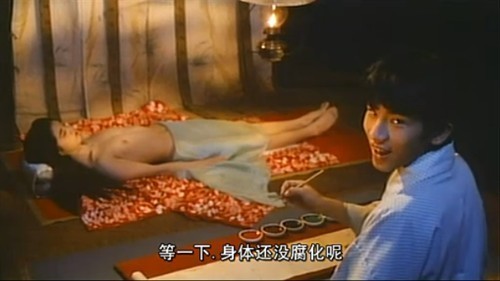
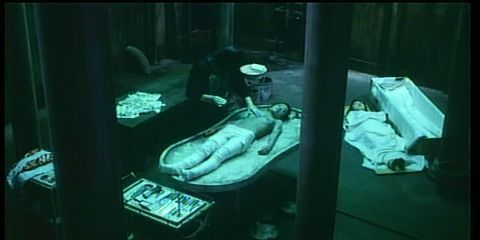
Basically the movie is a tangle of lies, sex , death and madness.
Anyway, this 1988 movie adaption is still an awesome production which keeps itself very close to the original story.
I watched the movie version of Dogra Magra a few years back and still own the DVD, sadly I can't find any beautiful movie photos online
Basically the movie is a tangle of lies, sex , death and madness.
Anyway, this 1988 movie adaption is still an awesome production which keeps itself very close to the original story.
January 1, 2022
I feel like I have just been skullfucked

Read
June 12, 2023Классная работа. Через почти Метцингера и стеб над буддистскими песнями - к отвязному безумию в духе Эдогавы Рампо. Не для слабачков, конечно.

September 11, 2012
All that pseudo-science and pseudo-Buddhism and pseudo-other things were tough to get into without rolling my eyes for the first half of the book, but the plot finally does pick up in the second. Most notable was the sense of intense vulnerability in being entirely at the mercy of someone else's narrative (with very questionable reliability) for one's (re)construction of total identity. I will shamelessly admit I read this only due to the song Vinushka: 'Is my existence itself a sin just because I am evil?'
September 23, 2010
I wouldn't equate Yumeno with Edogawa Rampo. Rampo is 10 times more readable and consistent, has a strong plot. Dogura-magura is more like reading someone else's inconsistent nightmare. Creative, for sure, but there is not much "story" but "theory" about how human brains work. Requires patience to read through it.

November 24, 2025
2.5 months to finish! Might be the longest I've stuck with a book and so glad I did. It's a long book, and there is apparently no good English translation, so it was even slower reading in French - oddly the one language it has been translated into outside of the original Japanese.
Thanks to Peter at the Vienna Book Club for the recommendation, and Andrea for accidentally buying the French version and then donating it to the book bin. I never would have heard of it otherwise because it's so outside my normal genre, but his description was so intriguing. After having read it, I have even more respect for how well he described it, because it's the type of book that is very difficult to explain.
Dogra Magra was written a hundred years ago, fell into obscurity, and then became a cult classic a few decades later, with a legend that reading it will make you lose your mind. It's a mystery novel, but also a treatise on psychiatry, and a psychological thriller where you don't know who is the victim and who is the killer, and perhaps one person is both at the same time. Lots of twists and turns and a very unique structure that has multiple stories within stories. Incredibly unique, so glad I read it.
Thanks to Peter at the Vienna Book Club for the recommendation, and Andrea for accidentally buying the French version and then donating it to the book bin. I never would have heard of it otherwise because it's so outside my normal genre, but his description was so intriguing. After having read it, I have even more respect for how well he described it, because it's the type of book that is very difficult to explain.
Dogra Magra was written a hundred years ago, fell into obscurity, and then became a cult classic a few decades later, with a legend that reading it will make you lose your mind. It's a mystery novel, but also a treatise on psychiatry, and a psychological thriller where you don't know who is the victim and who is the killer, and perhaps one person is both at the same time. Lots of twists and turns and a very unique structure that has multiple stories within stories. Incredibly unique, so glad I read it.
August 8, 2023
Where do I even start? This book is insanely brilliant and brilliantly insane. Following an amnesiac mental patient the reader struggles to keep up as 2 doctors present conflicting stories about both themselves and the past of the narrator. The formatting is especially strange with odd punctuation, a disregard for gendering pronouns and blocks of text repeating themself for pages. In other words, it reads like the narrative of a crazy person.
The narrative also serves as a scathing social commentary on the two schools of psychological thought in Japan during the 1920s: the eastern psychology based on ancestry and more spiritual models and the western psychology which was based heavily on Freuds work. The satire is biting and effective, and rather subtle if you don't know what you're looking for. Over all this is a fantastic murder mystery and look at the history of psychotherapy in Japan.
The narrative also serves as a scathing social commentary on the two schools of psychological thought in Japan during the 1920s: the eastern psychology based on ancestry and more spiritual models and the western psychology which was based heavily on Freuds work. The satire is biting and effective, and rather subtle if you don't know what you're looking for. Over all this is a fantastic murder mystery and look at the history of psychotherapy in Japan.
April 30, 2023
Probably the most David Lynch/The Machinist/Jacob's Ladder/The Cube ero guro nansensu mystery story ever written, I felt myself driven by the nose all the way through the narrative and each time I thought I came to a valid conclusion it gave me a finger and flipped my ideas upside down
January 19, 2023
Tout d'abord, merci à Alter Ego de m'avoir permis de découvrir cette œuvre.
Œuvre époustouflante, atypique, Yumeno Kyusaku nous fait vivre l'histoire d'un homme qui se réveille sans souvenirs dans une chambre d'hôpital psychiatrique. Seules ses pensées ainsi que le son d'une horloge semblent perturber le silence qui règne dans la pièce. Un médecin, le docteur Wakabayashi se présente à lui, déclarant vouloir aider le jeune homme à se remémorer son passé. A partir de ce point, toute l'histoire s'enchaîne tel un cauchemar sans fin, remplie de rebondissements et de révélations.
Le cauchemar. Voilà l'expérience vécue par ce narrateur amnésique, qui ne se souvient même plus de son nom, tout cela afin de répondre à une question : pour quelle raison s'est-il retrouvé ici ? Cette impression de vivre exactement tout ce que ressent ce patient est ce qui rend ce livre incroyable à mes yeux. Il nous fait voyager dans l'intimité du héros et quelque part à travers la nôtre aussi : ne pas être maître de son destin, être manipulé par les autres et avoir la sensation que les autres aussi sont victimes d'une forme de manipulation. Pages après pages, vous vous verrez dans l'incapacité d'arrêter de les tourner tant de questions se posent. Fascination sublime pour le narrateur, on ne cesse de se demander quelles décisions il prendra. Et qui peut-on réellement croire quand nous ne nous faisons même pas confiance ?
J'ai plus qu'apprécié ce roman. Loin d’être le monologue interne du narrateur, l'histoire est entrecoupée de différentes parties, de formes variées et joue avec la chronologie offrant une rupture de style. Théorie psychiatrique/psychanalyste et croyances bouddhiques se côtoient intimement et contribuent à l’intrigue plus que labyrinthique du roman.
Ce roman est aussi avec évidence une critique légitime et féroce de la pratique psychiatrique du XXème siècle. Yumeno Kyusaku dénonce ici une pratique qui résulte en des traitements absurdes, parfois violents servant à répondre à l’ego de leurs théoriciens posant la question de la finalité de la psychiatrie. Connaissances certes pseudo-scientifiques, cette œuvre met en lumière la complexité de la psychologie humaine ainsi que la difficulté à y répondre de manière logique, qui quelque part donne la sensation que l’imagination et l’interprétation peuvent être très utiles à sa compréhension tant qu’elles ne donnent pas naissances à des pratiques non éthiques.
Ce livre restera certainement une de mes expériences les plus étranges mais aussi l'une des plus fascinantes. A la limite du passage à l'introspection, cette sensation indescriptible lorsque j'ai fermé la dernière page reste encore présente de nombreux mois après.
https://www.youtube.com/watch?v=2vvgv...
Œuvre époustouflante, atypique, Yumeno Kyusaku nous fait vivre l'histoire d'un homme qui se réveille sans souvenirs dans une chambre d'hôpital psychiatrique. Seules ses pensées ainsi que le son d'une horloge semblent perturber le silence qui règne dans la pièce. Un médecin, le docteur Wakabayashi se présente à lui, déclarant vouloir aider le jeune homme à se remémorer son passé. A partir de ce point, toute l'histoire s'enchaîne tel un cauchemar sans fin, remplie de rebondissements et de révélations.
Le cauchemar. Voilà l'expérience vécue par ce narrateur amnésique, qui ne se souvient même plus de son nom, tout cela afin de répondre à une question : pour quelle raison s'est-il retrouvé ici ? Cette impression de vivre exactement tout ce que ressent ce patient est ce qui rend ce livre incroyable à mes yeux. Il nous fait voyager dans l'intimité du héros et quelque part à travers la nôtre aussi : ne pas être maître de son destin, être manipulé par les autres et avoir la sensation que les autres aussi sont victimes d'une forme de manipulation. Pages après pages, vous vous verrez dans l'incapacité d'arrêter de les tourner tant de questions se posent. Fascination sublime pour le narrateur, on ne cesse de se demander quelles décisions il prendra. Et qui peut-on réellement croire quand nous ne nous faisons même pas confiance ?
J'ai plus qu'apprécié ce roman. Loin d’être le monologue interne du narrateur, l'histoire est entrecoupée de différentes parties, de formes variées et joue avec la chronologie offrant une rupture de style. Théorie psychiatrique/psychanalyste et croyances bouddhiques se côtoient intimement et contribuent à l’intrigue plus que labyrinthique du roman.
Ce roman est aussi avec évidence une critique légitime et féroce de la pratique psychiatrique du XXème siècle. Yumeno Kyusaku dénonce ici une pratique qui résulte en des traitements absurdes, parfois violents servant à répondre à l’ego de leurs théoriciens posant la question de la finalité de la psychiatrie. Connaissances certes pseudo-scientifiques, cette œuvre met en lumière la complexité de la psychologie humaine ainsi que la difficulté à y répondre de manière logique, qui quelque part donne la sensation que l’imagination et l’interprétation peuvent être très utiles à sa compréhension tant qu’elles ne donnent pas naissances à des pratiques non éthiques.
Ce livre restera certainement une de mes expériences les plus étranges mais aussi l'une des plus fascinantes. A la limite du passage à l'introspection, cette sensation indescriptible lorsque j'ai fermé la dernière page reste encore présente de nombreux mois après.
https://www.youtube.com/watch?v=2vvgv...

June 19, 2018
read this twice. both times, i was under the influence of lemon iced tea and boredom—and i do idolise Yumeno as a writer, so there’s that. perhaps reading this was an unwise decision . . . i've never been more mindblown and confused by a book in my life!
absolutely brilliant. wickedly bewildering and beautifully written. Yumeno’s dreamy and admittedly incoherent style of writing has me floored each time. from his short stories, to this novel, and to his poetry, he always shows up and gives his best writing.
i love you Yumeno. BLESS.
absolutely brilliant. wickedly bewildering and beautifully written. Yumeno’s dreamy and admittedly incoherent style of writing has me floored each time. from his short stories, to this novel, and to his poetry, he always shows up and gives his best writing.
i love you Yumeno. BLESS.

August 8, 2016
An amazing book, not a traditional whodunnit.
January 3, 2024
If you enjoyed the book go to Archive s site and watch the movie! It s wayyy faster
November 30, 2025
trăm năm trước mà đủ kiến thức viết thế này là quá giỏi rồi. hơi tiếc khi viết xong tâm lực cụ cũng cạn kiệt mà ra đi.
May 26, 2023
Mirad, yo con este libro tengo HISTORIA. Oí hablar de él y me lo vendieron como un Los renglones torcidos de Dios a la japonesa, y dije, pos veamos. Me lo empecé en 2020, nos confinaron a la semana y el libro se quedó en mi piso de Londres. Un año después lo retomé, me leí tres capítulos sobre fetos teniendo sueños de su herencia genética y dije "well that's enough", y lo volví a dejar. Ahora, en 2023, me propuse terminarlo, y he aquí mi hazaña completa.
Ahora bien, ¿me ha gustado? Pues no lo sé. ¿Lo he entendido? Pues tampoco lo sé. Es un viaje lisérgico de tres pares de narices, una mezcla de thriller policiaco con yo qué sé qué teoría filosófica y moral sobre la culpabilidad y nuestros actos. Y fetos. Muchos fetos.
Me lo he acabado, y es lo que cuenta. Sigo sin saber por qué se llama así.
Ahora bien, ¿me ha gustado? Pues no lo sé. ¿Lo he entendido? Pues tampoco lo sé. Es un viaje lisérgico de tres pares de narices, una mezcla de thriller policiaco con yo qué sé qué teoría filosófica y moral sobre la culpabilidad y nuestros actos. Y fetos. Muchos fetos.
Me lo he acabado, y es lo que cuenta. Sigo sin saber por qué se llama así.
Read
June 28, 2025Чем дальше, тем больше начинаю ценить умение признать, что книга душная, ты не хочешь тратить на нее время своей жизни, и отложить её в недочитанное как можно быстрее. Здесь — тот самый случай. Много вкусных и интригующих составляющих, много эмпатичных и близких мне тем, но скомпилированы они достаточно утомительно и уныло. Идея понятна, от этого сильнее не цепляет. Пародия на сутру в меру забавная, но тоже достаточно изнурительная, как когда экспрессивный знакомый растягивает уже давно понятную телегу в 10 раз. Круто, что такая книга существует, дочитывать её только по этой причине не обязательно.
October 12, 2025
努力了好几次
还是没看明白
试着听别人说了一遍书
也没听明白
…
应该是我的问题
还是没看明白
试着听别人说了一遍书
也没听明白
…
应该是我的问题

November 27, 2025
j'ai pas fini le livre, je l'ai abandonné dans une boîte a livre
c'était long répétitif et le scénario se devine très vite du plus aucun intérêt me semble-t-il
c'était long répétitif et le scénario se devine très vite du plus aucun intérêt me semble-t-il
June 4, 2023
Мотыга здорового человека

August 21, 2025
半分ぐらいで、投げだしました。何だか気味の悪い本で、途中まで読むのが精一杯のほんでした。

August 2, 2026
Tôi đọc cuốn sách này từ tầm tháng 5 đến bây giờ là đúng hết tháng 7 mới hoàn thành. Khi đọc sách thì không biết tôi là người điên hay nhân vật chính là người điên hay tác giả là người điên nữa. Không thể nói là tôi không thích nó nhưng khi được giới thiệu là một trong số những cuốn kinh điển shock não nhất của văn học Nhật thì tôi đã mong muốn một thứ khác. Đọc cuốn này tốn não kinh khủng, và phải luôn tự khẳng định đây là fiction và những kiến thức tâm thần học trong này chỉ là do tác giả sáng tác ra chứ nhiều lúc cũng muốn điên đầu theo.

September 27, 2022
Yumeno's classic that never was is truly a "Nietzschean novel," if ever there was one (which there was not). From psychological depths plunged, to perspectival and genrific kaleidoscopics not witnessed in the West since Joyce, to a purely posthumous life, a tale of guilt and crime without salvation or end (Dostoievski be damned, here is he is divested of his Christianity), to the thematics of the Great Noon and the eternal return.
This work is an experience in the most literal sense of ex periri - a traversing of peril or danger, in proximity to the void of death which gives life even as it takes it in its distancing. A masterpiece weaving together in an absolutely singular fashion the detective novel cast in madness with a psychological theory at once sensible yet totally insane, a religious interpretation kept in the nearness of its distance, a classic familial tragedy, and the narration of a singular suffering repeated without end.
That this novel has been withheld from English readers for so long is a blight upon our literature. Read it if you can. And do not trust what some others have said, regarding the film adaptation - while faithful enough for the first 3/4s, the end loses all ties with what makes the narrative a singular experience, and can only be given by the narrative voice in its silent saying (not to mention the inability to portray the theories of Masaki's theoretical texts in visual form). While a good enough film, it does not stand next to the novel that it takes but the "story" from (and the story, or the content, is the least of what matters in this "novel" which is hardly a novel...).
This work is an experience in the most literal sense of ex periri - a traversing of peril or danger, in proximity to the void of death which gives life even as it takes it in its distancing. A masterpiece weaving together in an absolutely singular fashion the detective novel cast in madness with a psychological theory at once sensible yet totally insane, a religious interpretation kept in the nearness of its distance, a classic familial tragedy, and the narration of a singular suffering repeated without end.
That this novel has been withheld from English readers for so long is a blight upon our literature. Read it if you can. And do not trust what some others have said, regarding the film adaptation - while faithful enough for the first 3/4s, the end loses all ties with what makes the narrative a singular experience, and can only be given by the narrative voice in its silent saying (not to mention the inability to portray the theories of Masaki's theoretical texts in visual form). While a good enough film, it does not stand next to the novel that it takes but the "story" from (and the story, or the content, is the least of what matters in this "novel" which is hardly a novel...).

January 22, 2024
"all men are crazy."
this is one of the best books ive ever read. it drew me in from the first page and i knew that i would love it. it follows the story of a man with amnesia who wakes up in a psychiatric hospital with no memories of his past. the doctors of the institution spin a web of lies about who he truly is and what his connection to a certain criminal case is. when i read the ending from page 500-546 i was shaking so much and freaking out. i could not believe my eyes. its such a tragic story that really invokes a lot of deep thinking. there is a lot of talk of psychology and philosophy mixed with mystery. im so surprised that more people havent read this. this book is SUCH a mindfuck and i could not get enough. i will never forget it and i cant wait for the next time i read it.
had me quoting "im not crazy, its just a hereditary psychological crisis" for too long
for a little over half of the book its less plot focused (but still related) and more centered on doctor masaki's theories and interviews. a brief overview of some of the topics he discusses is the dream of the fetus, the brain is not the seat of thought, psychological heredity, and other such things.
kyusaku perfectly displays the confusion and vulnerability of the main character throughout the book and it feels like im really inside of his head. he blindly follows the lead of the doctors and even when he tries to rebel, he still ends up doing what they want unknowingly. he is following a script that is unknown only to him. somewhere in the introduction i read a quote about how the ending is revealed at the beginning, and i didnt understand until i finished the book. even now i still think about the mental hell that every main character in this book was going through.
its part fiction and non-fiction, in my opinion. masaki's theses are believable and hold ground, but are unable to be scientifically proved (thinking of the dream of the fetus here). they are entirely within the realm of possibility, so thats why id say its a form of.. fictional non-fiction.
i could talk about this book for hours, but ill try to stop here.
this is one of the best books ive ever read. it drew me in from the first page and i knew that i would love it. it follows the story of a man with amnesia who wakes up in a psychiatric hospital with no memories of his past. the doctors of the institution spin a web of lies about who he truly is and what his connection to a certain criminal case is. when i read the ending from page 500-546 i was shaking so much and freaking out. i could not believe my eyes. its such a tragic story that really invokes a lot of deep thinking. there is a lot of talk of psychology and philosophy mixed with mystery. im so surprised that more people havent read this. this book is SUCH a mindfuck and i could not get enough. i will never forget it and i cant wait for the next time i read it.
had me quoting "im not crazy, its just a hereditary psychological crisis" for too long
for a little over half of the book its less plot focused (but still related) and more centered on doctor masaki's theories and interviews. a brief overview of some of the topics he discusses is the dream of the fetus, the brain is not the seat of thought, psychological heredity, and other such things.
kyusaku perfectly displays the confusion and vulnerability of the main character throughout the book and it feels like im really inside of his head. he blindly follows the lead of the doctors and even when he tries to rebel, he still ends up doing what they want unknowingly. he is following a script that is unknown only to him. somewhere in the introduction i read a quote about how the ending is revealed at the beginning, and i didnt understand until i finished the book. even now i still think about the mental hell that every main character in this book was going through.
its part fiction and non-fiction, in my opinion. masaki's theses are believable and hold ground, but are unable to be scientifically proved (thinking of the dream of the fetus here). they are entirely within the realm of possibility, so thats why id say its a form of.. fictional non-fiction.
i could talk about this book for hours, but ill try to stop here.

September 25, 2022
Okay, I'm far from the type of person who writes my reviews on Goodreads (I often just rate stuff and leave when I'm done because more often than not, I keep my thoughts to mindless rambles on a blog), but I came across someone else rating the book saying "I feel like I have just been skullfucked" and I felt compelled to actually write a review on here to say that I absolutely agree with the sentiment.
This book is, for all intents and purposes, a mindfuck. You're either gonna get mindfucked because of the plot or because of the scientific and pseudo-scientific unhinged ramblings of a certain character in it, or both. That's a guarantee.
In my opinion, the book tends to be a bit too long and overstay its welcome, which often made it painful to read through while also getting blasted by stuff that made me feel like I was in the poor protagonist's place trying to understand what the fuck is going on, but I still find the book itself interesting. Disturbing, for sure, sometimes even infuriating, especially once the truth about the plot unravels, but still, interesting.
I have genuinely no idea if I'd recommend it to anyone. I don't even know HOW I'd describe it to someone if asked to talk about it or try to pitch it to someone, because everything I've told my friends about it while I was rereading it and reacting to things makes me sound genuinely unhinged.
It sure is a reading experience, that I can say. I'd say my rating is more of a 3.5 than a 4 because the length of some parts really made me groan at times, though.
This book is, for all intents and purposes, a mindfuck. You're either gonna get mindfucked because of the plot or because of the scientific and pseudo-scientific unhinged ramblings of a certain character in it, or both. That's a guarantee.
In my opinion, the book tends to be a bit too long and overstay its welcome, which often made it painful to read through while also getting blasted by stuff that made me feel like I was in the poor protagonist's place trying to understand what the fuck is going on, but I still find the book itself interesting. Disturbing, for sure, sometimes even infuriating, especially once the truth about the plot unravels, but still, interesting.
I have genuinely no idea if I'd recommend it to anyone. I don't even know HOW I'd describe it to someone if asked to talk about it or try to pitch it to someone, because everything I've told my friends about it while I was rereading it and reacting to things makes me sound genuinely unhinged.
It sure is a reading experience, that I can say. I'd say my rating is more of a 3.5 than a 4 because the length of some parts really made me groan at times, though.

October 6, 2010
Le roman a de quoi plaire, un amnésique dans un asile qui est « sujet » d’une expérience scientifique bizarre et est liée à une affaire criminelle sent savoir s’il est la victime, le criminel ou quelque chose d’autre. Et si ce n’était pas suffisant il y aussi les médecins dont on se demande quel est leur rôle dans toute cette affaire, ou s’ils ne sont pas eux-même fou.
Le roman reflète cet imbroglio en étant constitué de documents divers, de dialogue et d’une typographie un peu particulière ; tout ça m’a d'ailleurs fait penser -dans une moindre mesure- à la « maison des feuilles ».
Cependant je n’ai pas été vraiment convaincu par tout ça car j’ai trouvé que tous ces éléments pris un à un fonctionnait mal. Par exemple je n’ai rien contre les théories scientifiques vaseuses mais expliqué sur plus d’une centaine de pages, c’est ennuyeux. Quant à tout l’imbroglio plus que la perplexité, c’est surtout un sentiment d’inutilité qui l'a emporté face à ces mensonges, retournement de situations qui se déroule toutes les quelques pages.
Le roman reflète cet imbroglio en étant constitué de documents divers, de dialogue et d’une typographie un peu particulière ; tout ça m’a d'ailleurs fait penser -dans une moindre mesure- à la « maison des feuilles ».
Cependant je n’ai pas été vraiment convaincu par tout ça car j’ai trouvé que tous ces éléments pris un à un fonctionnait mal. Par exemple je n’ai rien contre les théories scientifiques vaseuses mais expliqué sur plus d’une centaine de pages, c’est ennuyeux. Quant à tout l’imbroglio plus que la perplexité, c’est surtout un sentiment d’inutilité qui l'a emporté face à ces mensonges, retournement de situations qui se déroule toutes les quelques pages.

June 29, 2014
Beaucoup trop lent et répétitif à mon sens... Dommage

September 14, 2025
Livre expérimental. Je veux vous dire que toutes les réponses sont apportées en cours de lecture ou à la fin. Ensuite il faut relire les pages 100 à 110 pour bien comprendre le livre.
November 14, 2016
MIND FUCK
February 14, 2024
…………ブウウ――――――ンンン――――――ンンンン………………。
I read this book in Chinese, while referring to the Japanese version a few times.
## Introduction
This book, this book! Life changing. Yumeno has taken the cutting edge of 1920s European psychoanalysis, the depths of Japanese mythology, shards of Tang dynasty history, and Buddhist philosophy, and who knows what from his insane sick brain. An insanity so reasonable, and a sanity so mad, I have never seen and maybe never will see.
He learned everything from Freud, surpassed him, surpassed Jung, surpassed Derrida. Freud? A shadow of Yumeno. Jung? The shadow of a shadow. Derrida? There is nothing outside thetextYumeno. I just need to read Yumeno. As the great LaplaceErnst Haeckel said, "Read EulerYumeno, read EulerYumeno, he is the master of us all."
In China, this book is called 脑髓地狱 ("Cortex Hell"), and has an air of mystique around it much like the Necronomicon. They quote Seishi Yokomizo for saying "Not many people can finish reading this book. After reading this book, their minds are hazy and they want to kill themselves.". After reading it, I see the mystique is justified. It really is crazy. I want to believe that the author died a year after its publication, because he has puked all his life-energy into this book.
## Theory
The cortex is not the place for thinking. The cortex is a telephone exchange. Everything happening in the body happens because of cells, who all come from the last universal common ancestor (LUCA). It is the cells that do everything. The brain is just a telephone exchange! Putting thinking in the brain was a mistake.
People's psyche is built up layer-by-layer, with a strong geographical imagery (this is Freudian psychoanalysis). On the outermost layer is modern human reason, then underneath are primitive human drives, then mammalian emotions, and so on, all the way down to the slime mold. People in a large crowd seem to lose themselves because their slime-mold nature were activated in this case.
Every embryo goes through an accelerated evolution during its development, because ontogeny recapitulates phylogeny. Lamarck was sometimes right: a powerful enough experience can be seared into every cell's body, and be inherited. This is how the curse was heritable.
## Genre
Yumeno published this text as if it is a detective novel, but it is a unique kind of detective novel. In China and Japan, there are two genres of detective novels, the 本格 (honka) and the 变格 (henka). Roughly speaking, 本格 means "original plan" meaning the classical kind of detective novel, where the author is "playing fair". The reader can read along and pick up clues, and even solve the crime before the detective announces the answer.
Well, with Yumeno, what can you expect? Madness, change, 变格, henka, ah ha-ha-ah-hehe-heh!! The honka is a tree following its roots of formalism. The henka pulls you up the tree, then the tree starts walking and the roots turn out to be tentacles that delicately creates a chemical transformation on every of your lung papillary adenocarcinoma, and next thing you know, your intestines are gilded with quicksilver... ah-hahah---haha----hahhaha.
There are two things you must understand if you want to read this book. First, you need to understand "ontogeny recapitulates phylogeny", which is the key to the puzzle. The second thing is Freudian psychoanalysis. The brain does not think --- the body thinks with every cell. The brain is the telephone exchange, very 1920s technology.
## Style
The book mixes all kinds of style. A kaleidoscope of styles, and they fit! I am astonished. The closest English equivalent I think would be Standing on Zanzibar.
It starts with a poem.
There are scientific reports, by both doctors. Those scientific reports have that view-from-nowhere voice, are dense with kanji, but actually the most easy to read out of the entire book.
In the middle there is a long waka (キチガイ地獄外道祭文 "Madness Hell Heterodox Ritual Text"). There are a few odd poems like
There are the news reports near the end, which has a matter-of-fact voice. Yumeno even recreated their sensational typography with exclamation marks on the headlines! It's kind of funny‼
There are Buddhist writings, dense with references to the Buddhist scriptures and concepts. For example, in 青黛山如月寺縁起 ("Qingdai Mountain, Moonlike Temple, from where this whole mess arose"), the first line is a Buddhist poem:
Now, if I delete the kana, rearrange the kanji to follow Chinese grammar, delete 2, then add 1 Kanji, I get...
That... is a seven-character poem! Considering how little editing I needed, I am quite sure Yumeno wrote the poem first, then lightly translated it into Japanese. The same as what the Tang dynasty Buddhists did, back when they brought Buddhism to Japan... My bad translation:
## Plot
The story is difficult to unravel. What I can figure out is that there are the following characters:
The two doctors were locked in a deadly intellectual game to prove that memories can be inherited down the generations,. Both believed that psychoanalysis and anatomy can bring a new world. Both doctors are going on an archeology of the mind in the style of Haeckel and Freud. For example:
The timeline:
## Typography
Recommended reading experience: Open one tab on the Ernst Haeckel's Kunstformen der Natur, and another tab on the Aozora Bunko edition and admire the typography. The book is now in the public domain. If you know a bit of Japanese you can guess where the text is going and follow along, because the typography can be sometimes be rather amusing.
Like, once there was an entire line filled with nothing but dots... what kind of shock did the protagonist experience to allow such a long line? (Yumeno really likes the ... thing. He wrote 10820 of them in the whole book) There's also this line:
Question mark, question marks... so many of them. More than the question marks in my brain!
Japanese writing system is complicated and Yumeno used it to the full extent. I think even native Japanese would have real difficulty getting everything. It has hiragana, katakana, kanji, romaji, and even kanbun. The kanji in the book can be obscure. Sometimes he is writing in the voice of the scientists, who had no problem using giant kanji-clusters. Here's an example:
Throwing in some Latin into the mix too?
Then there are those... ascii arts?? There are some business cards drawn entirely in characters, like this one:
No idea why the signature is "Menkuroumanji" though.
Sometimes, he is writing in the voice of Buddhists ~1200 years ago, who... would also have been writing in large kanji-clusters. It is doubly difficult because those kanji-clusters are often transliterations from Sanskrit, so we have a long chain of transmission: Sanskrit -> Chinese -> Japanese. Sometimes the writing is so dense that I had to look at the Japanese and put into Google Translate just to figure out where one word ends and another starts (thanks, Chinese with no whitespaces).
There is even one line entirely written in Kanbun:
Yumeno's Chinese is on-point.
## Finally
Did you dream it all up? I don't know! Are you a dream-figure in the fetus' dream? Am I a dream-figure in your fetus-dream? Are we dream-figures in Kure Ichirou's dream? Ah ha-ha-ha-ha-ha... Are you still dreaming?? Whose dream is this, really? In a mustard seed there are 84,000 worlds of dreaming madness, coruscating in the light of multiversal Buddhanomics――
………………………………………………………………………………………………………………これが胎児の夢なんだ………………………………………………………………。
……ブ――――ン……
That hind-head looks like a spoon, let's get a spoonful of the neurons.
……ブ――――ン……
The blood is on us.
……ブ――ンブ――ンブ――ンブ――ンブ――ン……
Ah-haha-ha--aha. The time is now. You must recall your language from the third dynasty.
「……アッ……呉青秀……」
Do you understand? You are Wu Qingxiu. You must...
……ブウウウ…………ンン…………ンンン…………。
I read this book in Chinese, while referring to the Japanese version a few times.
## Introduction
This book, this book! Life changing. Yumeno has taken the cutting edge of 1920s European psychoanalysis, the depths of Japanese mythology, shards of Tang dynasty history, and Buddhist philosophy, and who knows what from his insane sick brain. An insanity so reasonable, and a sanity so mad, I have never seen and maybe never will see.
He learned everything from Freud, surpassed him, surpassed Jung, surpassed Derrida. Freud? A shadow of Yumeno. Jung? The shadow of a shadow. Derrida? There is nothing outside the
In China, this book is called 脑髓地狱 ("Cortex Hell"), and has an air of mystique around it much like the Necronomicon. They quote Seishi Yokomizo for saying "Not many people can finish reading this book. After reading this book, their minds are hazy and they want to kill themselves.". After reading it, I see the mystique is justified. It really is crazy. I want to believe that the author died a year after its publication, because he has puked all his life-energy into this book.
## Theory
The cortex is not the place for thinking. The cortex is a telephone exchange. Everything happening in the body happens because of cells, who all come from the last universal common ancestor (LUCA). It is the cells that do everything. The brain is just a telephone exchange! Putting thinking in the brain was a mistake.
People's psyche is built up layer-by-layer, with a strong geographical imagery (this is Freudian psychoanalysis). On the outermost layer is modern human reason, then underneath are primitive human drives, then mammalian emotions, and so on, all the way down to the slime mold. People in a large crowd seem to lose themselves because their slime-mold nature were activated in this case.
Every embryo goes through an accelerated evolution during its development, because ontogeny recapitulates phylogeny. Lamarck was sometimes right: a powerful enough experience can be seared into every cell's body, and be inherited. This is how the curse was heritable.
## Genre
Yumeno published this text as if it is a detective novel, but it is a unique kind of detective novel. In China and Japan, there are two genres of detective novels, the 本格 (honka) and the 变格 (henka). Roughly speaking, 本格 means "original plan" meaning the classical kind of detective novel, where the author is "playing fair". The reader can read along and pick up clues, and even solve the crime before the detective announces the answer.
Well, with Yumeno, what can you expect? Madness, change, 变格, henka, ah ha-ha-ah-hehe-heh!! The honka is a tree following its roots of formalism. The henka pulls you up the tree, then the tree starts walking and the roots turn out to be tentacles that delicately creates a chemical transformation on every of your lung papillary adenocarcinoma, and next thing you know, your intestines are gilded with quicksilver... ah-hahah---haha----hahhaha.
There are two things you must understand if you want to read this book. First, you need to understand "ontogeny recapitulates phylogeny", which is the key to the puzzle. The second thing is Freudian psychoanalysis. The brain does not think --- the body thinks with every cell. The brain is the telephone exchange, very 1920s technology.
## Style
The book mixes all kinds of style. A kaleidoscope of styles, and they fit! I am astonished. The closest English equivalent I think would be Standing on Zanzibar.
It starts with a poem.
巻頭歌
胎児よ
胎児よ
何故躍る
母親の心がわかって
おそろしいのか
There are scientific reports, by both doctors. Those scientific reports have that view-from-nowhere voice, are dense with kanji, but actually the most easy to read out of the entire book.
In the middle there is a long waka (キチガイ地獄外道祭文 "Madness Hell Heterodox Ritual Text"). There are a few odd poems like
コロコロコロコロ転がって
どこかへ見えなくなっちゃったア
ラアラアラアラアポンチキチ……
There are the news reports near the end, which has a matter-of-fact voice. Yumeno even recreated their sensational typography with exclamation marks on the headlines! It's kind of funny‼
There are Buddhist writings, dense with references to the Buddhist scriptures and concepts. For example, in 青黛山如月寺縁起 ("Qingdai Mountain, Moonlike Temple, from where this whole mess arose"), the first line is a Buddhist poem:
晨に金光を鏤めし満目の雪
夕には濁水と化して河海に落滅す
今宵銀燭を列ねし栄耀の花
暁には塵芥となつて泥土に委す。
Now, if I delete the kana, rearrange the kanji to follow Chinese grammar, delete 2, then add 1 Kanji, I get...
晨金光鏤満目雪
夕化濁水落河海
今宵銀燭列栄花
明暁芥塵委泥土
That... is a seven-character poem! Considering how little editing I needed, I am quite sure Yumeno wrote the poem first, then lightly translated it into Japanese. The same as what the Tang dynasty Buddhists did, back when they brought Buddhism to Japan... My bad translation:
The snow, shining gold in the morning
Sludges into the rivers and sea at dusk
Tonight silver chandeliers and wreaths clang
Come morning light, they sleep with the mustard seeds and dirt
## Plot
The story is difficult to unravel. What I can figure out is that there are the following characters:
The two doctors were locked in a deadly intellectual game to prove that memories can be inherited down the generations,. Both believed that psychoanalysis and anatomy can bring a new world. Both doctors are going on an archeology of the mind in the style of Haeckel and Freud. For example:
In other words, if we first peel off the superficial consciousness of "loyalty to the emperor and patriotism" that wrapped Wu Qingxiu's psychological elements at that time, the first thing exposed underneath is the drive for fame, followed by the drive for art, and the bottom layer is the eros and libido. These four desires merge completely into one and generate superhuman heat. In other words, Wu Qingxiu's true spirit of loyalty to the emperor and patriotism is nothing but obscene and perverted sexual desire.
The timeline:
## Typography
Recommended reading experience: Open one tab on the Ernst Haeckel's Kunstformen der Natur, and another tab on the Aozora Bunko edition and admire the typography. The book is now in the public domain. If you know a bit of Japanese you can guess where the text is going and follow along, because the typography can be sometimes be rather amusing.
Like, once there was an entire line filled with nothing but dots... what kind of shock did the protagonist experience to allow such a long line? (Yumeno really likes the ... thing. He wrote 10820 of them in the whole book) There's also this line:
……正木博士の鼻眼鏡の反射……?……
……?……?……?……?……?……???????……………………
……?…………
Question mark, question marks... so many of them. More than the question marks in my brain!
Japanese writing system is complicated and Yumeno used it to the full extent. I think even native Japanese would have real difficulty getting everything. It has hiragana, katakana, kanji, romaji, and even kanbun. The kanji in the book can be obscure. Sometimes he is writing in the voice of the scientists, who had no problem using giant kanji-clusters. Here's an example:
【七】 呉一郎の悪夢、口臭、その他が表わす夢中遊行症の特徴
下等動物中STEGOCEPHALIAを象徴したる三ツ眼の怪物と
Throwing in some Latin into the mix too?
Then there are those... ascii arts?? There are some business cards drawn entirely in characters, like this one:
九州帝国大学医学部精神病学教授
斎藤寿八氏自室気付
面黒楼万児宛
┌───┐
│ │
└───┘
No idea why the signature is "Menkuroumanji" though.
Sometimes, he is writing in the voice of Buddhists ~1200 years ago, who... would also have been writing in large kanji-clusters. It is doubly difficult because those kanji-clusters are often transliterations from Sanskrit, so we have a long chain of transmission: Sanskrit -> Chinese -> Japanese. Sometimes the writing is so dense that I had to look at the Japanese and put into Google Translate just to figure out where one word ends and another starts (thanks, Chinese with no whitespaces).
There is even one line entirely written in Kanbun:
大倭朝やまとちょう 天平宝字てんぴょうほうじ 三年ねん 癸亥きがい 五月がつ 於おいて 西海さいかい 火国ひのくに 末羅潟まつらがた 法麻殺几駅はまさきえきに一
Yumeno's Chinese is on-point.
## Finally
Did you dream it all up? I don't know! Are you a dream-figure in the fetus' dream? Am I a dream-figure in your fetus-dream? Are we dream-figures in Kure Ichirou's dream? Ah ha-ha-ha-ha-ha... Are you still dreaming?? Whose dream is this, really? In a mustard seed there are 84,000 worlds of dreaming madness, coruscating in the light of multiversal Buddhanomics――
………………………………………………………………………………………………………………これが胎児の夢なんだ………………………………………………………………。
……ブ――――ン……
That hind-head looks like a spoon, let's get a spoonful of the neurons.
……ブ――――ン……
The blood is on us.
……ブ――ンブ――ンブ――ンブ――ンブ――ン……
Ah-haha-ha--aha. The time is now. You must recall your language from the third dynasty.
「……アッ……呉青秀……」
Do you understand? You are Wu Qingxiu. You must...
……ブウウウ…………ンン…………ンンン…………。
Displaying 1 - 30 of 65 reviews