Jump to ratings and reviews
Rate this book

The Oasis

Rate this book
The Oasis , McCarthy's second novel, won a contest orgnized by Cyril Connelly, the British critic and editor of the prestigious literary magazine Horizon , and was first published as the February 1949 edition of that magazine. Connelly called the book "brilliant and true and funny and beautifully written and intelligently thought and felt." The Oasis is a wickedly satiric roman a clef about a group of urban American intellectuals who try unsuccessfully to establish a rural utopian colony just as the Cold War is setting in and fear of the atomic bomb is reaching panic proportions. At its appearance a few months later in the U.S., the novel caused a scandel, alienating a number of McCarthy's friends. One of her former lovers, the critic Philip Rahv, was so upset at the character based on him that he tried to stop its publication. At the same time, a then relatively new acquaintance who later became McCarthy's closest friend, Hannah Arendt, wrote "I just read The Oasis and must tell you that it was pure delight. You have written a veritable little masterpiece."

140 pages, Paperback

First published January 1, 1949

9 people are currently reading
654 people want to read

About the author

Mary McCarthy

133 books307 followers
People note American writer Mary Therese McCarthy for her sharp literary criticism and satirical fiction, including the novels The Groves of Academe (1952) and The Group (1963).

McCarthy studied at Vassar college in Poughkeepsie, New York and graduated in 1933. McCarthy moved to city of New York and incisively wrote as a known contributor to publications such as the Nation, the New Republic, and the New York Review of Books. Her debut novel, The Company She Keeps (1942), initiated her ascent to the most celebrated writers of her generation; the publication of her autobiography Memories of a Catholic Girlhood in 1957 bolstered this reputation.

This literary critic authored more than two dozen books, including the now-classic novel The Group , the New York Times bestseller in 1963.

Librarian Note: There is more than one author in the GoodReads database with this name.

http://en.wikipedia.org/wiki/Mary_McC...

Ratings & Reviews

What do you think?
Rate this book

Friends & Following

Create a free account to discover what your friends think of this book!

Community Reviews

5 stars
21 (7%)
4 stars
83 (30%)
3 stars
114 (42%)
2 stars
40 (14%)
1 star
13 (4%)
Displaying 1 - 30 of 45 reviews
Profile Image for Ian "Marvin" Graye.
953 reviews2,796 followers
October 27, 2022
CRITIQUE:

Broadsword

In a review of Mary McCarthy's next novel, "The Group", Norman Mailer referred to her as "our First Lady of Letters...our saint, our umpire, our lit arbiter, our broadsword..."

It's not clear how complimentary, derogatory or ironic Mailer's description was intended to be (on reflection, the whole of his review seems to be both ironic and venomous). Did it mean that she possessed a special (or intimidating) critical power, authority or judgement?

It's not even clear what he meant by the word "broadsword". Did it refer to her ability to fell authorial pretension in her reviews? Or did it mean, more simply, that he thought she was a broad with a sword? She was certainly feared by many, when she wielded either pen or sword.

If you treat "The Company She Keeps" as a novel (rather than a collection of short stories or portraits), then this was her second novel (though, at 133 pages, you could argue that it's actually a novella).

Like its predecessor, it was a roman-a-clef. Of the (unmanageable) 24 characters who were referred to by name (whether or not they had speaking roles), at least two (if not three) were easily identifiable as editors of "Partisan Review" during all or part of the time when McCarthy was a contributor, one of whom, Philip Rahv, was McCarthy's lover during 1937. The other was Dwight Macdonald. A possible third was William Phillips, who arguably appears as Harold Sidney.

McCarthy was unapologetic about using real people in her fiction, availing herself of a nice metaphorical rationale: ("[I] take real plums and put them in an imaginary cake...").

Phil and Will

While the novel lacks the sexual frankness of her first work, and her posthumous "Intellectual Memoirs", Rahv was grossly offended by the description of the character based on him (Will Taub), and threatened to sue McCarthy in order to prevent publication of the novel. He only desisted, when he realused that he would have to identify and prove the similarities in court.

Will Taub was the leader of one of two opposing political factions (the realists vs. the purists - it's hard to fathom the theoretical or practical basis of the distinction) who overcame their differences sufficiently to establish a Utopian commune in protest against the Cold War.

Some of what McCarthy said of Taub was respectful and affectionate. However, what possibly offended Rahv the most was the description of his relationship with his Jewish background. Rahv was notoriously private about his personal life, and must have suspected that McCarthy had used information he had shared with her confidentially during their relationship:

"[Macdermott's joke] had reminded him [Taub] of the fact that he was Jewish, a painful subject with him, the source of much unhappiness, unguessed at by his friends, who did not know that they wounded his pride every time they mentioned the word Jew, or described some instance of anti-Semitism, which cut him to the heart. A kind of helplessness came over him when he became conscious of his Jewishness, a thing about himself which he was powerless to alter and which seemed to reduce him therefore to a curious dependency on the given."
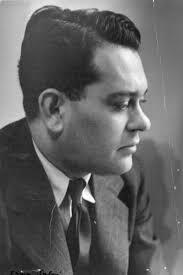
description
Philip Rahv Source

Sincerity and Authenticity

Drawing attention to his Jewishness seemed to undermine the sincerity and authenticity of both his atheism and his radical politics (he had been a member of the Communist Party, and had transitioned from being a Leninist to an anti-Stalinist). He was now one of -

"...the dictators of a diminishing circle of literary and political thinkers, [maintaining] the habit of authority by a subservience to events, demonstrating irrefutably that an occurrence that had already happened could not have happened otherwise and translating this security into predictions of the future..."

"They had been for some time more or less inactive politically, and their materialism had hardened into a railing cynicism, yet they still retained from their Leninist days, along with the conception of history as arbiter, a notion of themselves as a revolutionary elite whose correctness in political theory allowed them the widest latitude in personal practice..."

"As inheritors of 'scientific' socialism, they based themselves on Marx and Engels, and though they had discarded the dialectic and the labour theory of value and repudiated with violence whatever historical process was going on behind the iron curtain, their whole sense of intellectual assurance rested on the fixed belief in the potency of history to settle questions of value..."


McCarthy satirised the desire of political and cultural elites to (self-)proclaim and maintain their status as a vanguard (or the avant-garde), no matter what tenets or beliefs they might have thrown overboard.

The Magic Mountain

At times, the potential for political and philosophical dispute (at least at the conceptual level) reminded me of Thomas Mann's novel of ideas, "The Magic Mountain". (1)

However, the disputes that occur at the communal oasis didn't explicitly relate to ideological or macro-political issues. Instead, they were relatively minor, being concerns of normal bourgeois or bohemian middle class people, who must interact with the working class or "riffraff" when they trespass on their land in order to pick wild strawberries.

Besides, the disputes occurred at a generic factional level, and McCarthy chose not to use them to intensify the personal rivalry between the leaders (this didn't appear to be the focus of the novel's dynamic). There is little action, dialogue or plot. Most of the disputes are situated in the minds of the characters as detected by the omniscient narrator.

The Diminution of the Intimate Circle

It's also arguable that the colonists were more self-destructive than politically effective. Their personal rivalry is destined to sabotage their Utopia:

"[Their previous] crimes had been confined to an intimate circle, and...had never injured anybody but a close friend, a relation, a wife, a husband, themselves."

Whatever the scandal caused by the novel on its first publication, it was concerned with and confined to an intimate circle, all of whom have since died.

It still deserves to be read as a novel, but is likely to be most appealing to readers who are interested in New York Jewish intellectuals (especially the Partisan Review Crowd) or political satire (or both).


FOOTNOTES:

(1) The oasis seems to have been on a ridge or mountain top, and the world they have left behind was referred to as "the world down below".


VERSE:

Living and Writing Dangerously

If you did it,
If you saw it,
If you sold it,
If you bought it,
If you thought it,
If you sought it,
If you wrote it,
If you read it,
If you said it,
If you heard it,
If you tried it,
If you lied it,
Then it's fair game
For her fiction,
She'll skewer you
With your own truth.


SOUNDTRACK:
Profile Image for Lucas Sierra.
Author 3 books609 followers
March 4, 2021
El malabarismo de la utopía, o de las formas como nos mentimos mejores de lo que somos (Reseña, 2021)

(También disponible en: https://cuadernosdeunbibliofago.wordp... )

En toda charla de beodos funda el encuentro su Arcadia. No importa ni la sustancia de la embriaguez ni el cariz de la ideología, cuatro borrachos alrededor de una mesa imaginan sociedades perfectas regidas por su sabiduría y sus leyes. Era así en los banquetes donde Platón propuso su república, es así en los caspetes de Belén donde el alcoholismo social se burla del distanciamiento y los tapabocas. Cada tanto, además, algún grupúsculo salta del discurso a la acción: se fundan empresas, se crean corporaciones, se viaja, se establecen colonias. Este último es el escenario que elige Mary McCarthy al escribir El oasis, una novela corta sobre las grietas de la utopía, la incapacidad de conectar con el otro, la ceguera de los entusiasmos, la imposibilidad de reconocerse en un espejo.

La trama de McCarthy es sencilla, como lo son, por lo demás, todas las propuestas irónicas que se fijan en la realidad: un grupo compuesto por dos subgrupos de pensadores neoyorquinos decide arrendar un hotel abandonado en medio de la nada para instalarse allí según las ideas de un revolucionario anarquista y vivir como una comunidad autosostenible. Aunque sus posturas se cimentan en la libertad y la igualdad se esmeran en dejar claro que no son comunistas, les aterra la posibilidad de ser considerados como tales aun cuando discuten textos de Marx. Aunque creen en la dignidad del trabajo físico, prefieren dedicarse a las reflexiones filosóficas y dejar la siembra, la manutención del hogar, el cuidado de los niños y la cocina, cómo no, a las mujeres. Aunque comulgan con el pacifismo como política de relaciones, amenazan a tiros a quienes traspasan su territorio, aunque no creen, dicen, en la propiedad privada.

Me entero en el prólogo que McCarthy hizo parte de los grupos intelectuales que, en el marco de la segunda guerra, llenaban cafés de Nueva York, fundaban revistas, y se quejaban del establecimiento en afiladas columnas, y que de su experiencia junto a ellos surge el insumo que convertirá en esta divertida obra. Al leerla constato dos cosas: la primera, una mirada irónica que sabe que la piedad está mejor reservada para lo trágico, no para lo patético, y que por tanto no duda en desnudar el ridículo de las tensiones y las preocupaciones de un evento social de pura rebeldía burguesa mal encausada; la segunda, que para ironizar hace falta, ante todo, ser capaz de convertirse a sí mismo en el objeto de la burla, no temblar al reconocer en los propios atributos la secreta savia de lo cómico, en ese sentido, creo que El oasis funciona porque McCarthy supo ser en cada uno de los personajes.

Hay dos desconexiones que me interesa señalar para concluir este comentario. La primera, la desconexión entre los miembros de la colonia con los habitantes del exterior, la incapacidad de dejar de entender el mundo en términos de un yo que tiene derechos y otro que está ahí para vulnerarlos. Simplificado al ridículo: entre un yo indefenso (y por lo tanto con derecho a aprender a defenderse) y un otro amenazante. En la novela, además, esta distancia es vertical: la clase media enfrentada con la clase trabajadora. En la novela, además, esta distancia no puede salvarse.

La segunda desconexión es inmanente a cada individuo: no consiguen verse con claridad. Entiendo que somos eternamente desconocides para nosotres mismes, sin embargo, aquí ese desconocimiento se presenta con la cargada negación del yo propia de la represión victoriana: la imagen construida en el discurso no se corresponde con el ser que habita el mundo y la prosa de McCarthy, que es de una claridad cotidiana arrolladora, consigue dejar en claro, desde una narradora omnisciente que imaginamos siempre con media sonrisa en la cara, los mecanismos a través de los cuales cada personaje se miente su proyección. Malabares verbales, dialécticos, para ocultar mi rostro.

Me alegra haberme topado con McCarthy, estoy seguro de que visitaré otras obras suyas. Ya hemos leído, en Hemingway, por ejemplo (elijo el modelo canónico), lo que Estados Unidos pensaba al otro lado del mar, en la Europa de la postguerra, en el vacío del hombre que mata por ideales y luego se emborracha. Me entusiasma leer esta otra arista. Quienes se quedaron en el país vencedor, quienes desde aquí profetizaron la victoria o la desgracia, quienes habitaron lejos del horror directo otra forma del vacío. El hombre que conversó sobre ideales y se emborrachó.

Y la mujer que vio su patetismo y escribió al respecto, con una prosa devoradora, pulcra, amenazante, como son a veces los dientes que asoman en una sonrisa.
Profile Image for Juan Carlos.
514 reviews18 followers
September 16, 2019
Mary McCarthy se burla con conocimiento de causa de los movimientos de izquierda norteamericanos (aplicable la burla también a los europeos, claro) que no pueden desprenderse del ADN burgués que llevan con ellos desde su nacimiento. Es una fantasía en la que la autora presenta la situación de un grupo de 50 personas -matrimonios solos o con hijos y seres individuales- que ante la inminencia de la IIIª Guerra Mundial, atómica esta vez, deciden salir de la ciudad y buscar su felicidad en un proyecto colectivo denominado Utopía. Pronto las disensiones por diferencias de opinión y/o actuación dejarán bien a las claras la dificultad de trasladar el pensamiento teórico al campo de la práctica, de lo concreto.
Según advierte Vivian Gornick en el estupendo y clarificador prólogo que antecede al relato hay mucho de autobiográfico en esta ficción. Hoy día -al menos en mi caso- somos incapaces de ver quiénes se esconden tras los nombres de esos personajes (Will Taub, el líder del partido 'realista'; los MacDermott, cabeza de los 'puristas'; Susan Hapgood, la joven novelista que pasea junto a su asesor literario Will Taub; Tim Haines, editor de una importante revista literaria de izquierdas; Joe Lockman, capitalista que pide acceder a la Colonia y provoca el primero de los problemas en ésta; Monteverdi, el fundador de la Colonia; Leo, el ideador de cómo sobrevivir en la idea cuando el motivo de la misma (la IIIª Guerra Mundial que no ha estallado) no se ha producido; el pastor evangelista; y tantos otros más). Vivian Gornick nos da las claves para una mejor intelección de la misma.
Lo central de la novela es su autora, una mujer libre que se adelantó en muchos años al movimiento feminista. Una mujer que jamás se vio constreñida por nada, ni siquiera por las opiniones socio´políticas que suelen provocar inmovilidad en quienes las pronuncian o dicen seguirlas. Ella es de ideas claras y cuando debe denunciar o ridiculizar comportamientos y/o contradicciones como los que se producen en este falansterio utópico no se para en barras y los deja al descubierto. Lógicamente el ridículo en que quedan los portadores de estas contradicciones es inmenso, de ahí el enfado que produjo la aparición de este Oasis que provocó de todo excepto la tranquilidad que su título premoniza.
A mí la novela me ha hecho sonreír dados los muchos paralelismos que se pueden realizar entre las actitudes de los personajes novelescos y muchos reales de hoy mismo, de nuestro aquí y ahora nacional. El humor, la burla, la parodia, tiñen completamente el absurdo que es que ¡en Estados Unidos! un grupo de iluminados que se dicen de izquierdas decidan realizar una Comuna en la que la búsqueda de la Felicidad es lo esencial. Se ve muy pronto qué es para los occidentales la Felicidad.
No es una novela cómoda de leer dadas las verdades al desnudo que su autora en forma de ficción presenta. Ahora bien, esta claridad de ideas, esta sinceridad absoluta sólo es entendible en personas como la autora cuya independencia intelectual está a la altura de la de una Hanna Arendt, de quien fue íntima amiga.
Existe una publicación anterior, también de Impedimenta, de la autobiografía de la escritora. Tras leer "El Oasis" estoy seguro de que mi interés se habría visto satisfecho mejor con la lectura de ese libro que con la de esta ficción que por momentos me ha aburrido un poco por el exceso de palabrería que contiene. Una palabrería, dicho sea de paso, muy caracterítica de una clase de políticos actuales que al decir de Javier Marías son auténticas ametralladoras parlantes que con su voraz facundia pretenden ahogar por imposible comparecencia los argumentos de los contrarios en la idea de que lo que no se dice es que no existe.
[reseña completa en mi blog, "El blog de Juan Carlos". Se puede acceder a ella rápidamente haciendo clic sobre el enlace: http://bit.ly/2kiA8DF
Profile Image for Nichole.
157 reviews13 followers
April 10, 2018
The story in The Oasis is set during World War II. It tells the story of a group of intellectuals who form a Utopia in the New England hills. As is the case with many utopian projects - real or fictional - the colony is destined to slowly fall apart because of human nature and modern times. In The Oasis, McCarthy develops two groups of hapless characters - realists and purists - who will slowly destroy their idyllic way of life.

I did not realize how much I missed Mary McCarthy's writing until I opened this book. I hadn't read a book of hers in years. Five pages into the story, I grinned. I was hooked again. Hooked on the flawlessness of it all. The writing in The Oasis is on the one hand straight 1930s-40s realism: observant and sociological. On the other hand, The Oasis is also pure Mary McCarthy bite: cutting, clever, urbane, and satirical. Unrelentingly satirical. The characters in this book were said to be based on McCarthy's actual friends and colleagues, and several of them tried to stop the publication of the book after they recognized themselves in her withering sketches. McCarthy's words must have stuck her friends and lovers like bullets: clear, unsparing and truthful, always hitting their targets. A Mary McCarthy sentence has precision and flair.

It was impossible for me to highlight any single group of words in this book. It was all perfect. My kindle highlights and notes would have covered every single page.
Profile Image for Pascale.
1,366 reviews66 followers
May 1, 2014
Everybody knows McCarthy's reputation as an ironist, but since I had never read her before, I was surprised to find that this book is quite literally a laugh a line. Maybe it's to keep it that way that she made it a novella rather than a novel. As a result, the sketching of the characters remains a bit superficial, and I got the feeling she could have done a lot more with the material. However, as it stands, "The Oasis" is a fun read with lots of great insights into the workings of utopian communities.
94 reviews1 follower
October 29, 2025
This little book about a utopia project is a nice read. Very small incidents turn out to big quarrels over and over again. The different moral standards the intellectuals and the middle classes brings to utopia often seem to only be upheld in times of absolute tranquillity. That may be the case for many utopias? I do not know. I’m glad I read it but it’s not a big recommendation from my side.

a man can live without self-respect, but a group shatters, dispersed by the ugliness it sees reflected in itself.
Profile Image for Marisolera.
900 reviews200 followers
April 2, 2021
Un tostón, eso me ha parecido. Quizás estoy demasiado alejada del momento histórico en el que transcurre la novela, pero no le he encontrado interés ni gracia en ningún momento.
Creo que desisto de McCarthy.
Profile Image for Bob Jacobs.
367 reviews31 followers
December 28, 2022
‘The Oasis’ van Mary McCarthy is nummer 102 dit jaar en - waarschijnlijk (?) - ook de laatste.

Deze vlijmscherpe satire fileert een weliswaar goedbedoelende groep mensen, die aan het begin van de koude oorlog de wereld de rug toekeert en hun eigen Utopia besluit te stichten. Al snel stuitten ze op enkele complicaties…

McCarthy’s pen portretteert menselijke zwakte en ijdelheid meesterlijk en overtuigend.

Aanrader!
Profile Image for michal k-c.
906 reviews122 followers
June 4, 2025
Read in one sitting on the plane — it’s overwritten, a touch cynical in its perspective (a bourgeois satire of behaviour and idealism — “look at all these self-serious people, aren’t they really idiots for doing anything at all?”) but it can’t be denied that it’s at very least entertaining, so not nothing.
Profile Image for Yoana.
438 reviews15 followers
March 6, 2017
This was a hard read, because it’s fairly theoretical, even though it’s formally a novel. Ultimately a pleasure though – it had me stop and think an idea over every couple of pages.

At the dawn of the Cold War, a number of American intellectuals of different persuasions (but mostly former Marxism and anarchism fans) plus a couple of ordinary people decide to show the world and people could be better, buy an old hotel and start a colony which they call Utopia – indicating just how hard they believe their premise. Utopia starts with an embarrassment, when the future residents react with instinctive indignation at the idea of a „capitalist“ – that is, a non-intellectual businessman – applying to the colony. They immediately realise the shameful implications this reaction has for people proposing to demonstrate the true capacity of humans to be magnanimous, inclusive and peaceful, among other things. They repeat the same process later, after a few months of contented living outside civilisation which seems more concerned with the form of Utopia than the substance of it – or, as Katy, the only character who isn’t severely satirised, puts it, Utopia’s material triumphs rather than the triumph of its idea. Confronted with regular people trespassing on their territory and picking their strawberries, the colonists’ first impulse is to drive them off their property. As with the initial setback with the businessman's application, they see what their actions really say about them - they catch a glimpse of themselves in a mirror "placed at a turning point where they had expected to see daylight and freedom" - and are intensely embarrassed by this second betrayal of their inability to conquer their privileged social standing and thus, their minds, despite all their pretenses: "the middle class composition of the colony, [...], feeling itself imperiled, had acted instinctively, as an organism, to extrude the riffraff from its midst". This effectively ends the illusion and sets the wheels of dissolution in motion.

The book is a scathing, exposing satire of the hollow pretensions of rich intellectuals, as McCarthy obviously saw them. The foreword says the characters were obviously based on her friends and acquaintances and she seems to have despised them – their hypocrisy, their narrow-mindedness, their intellectual complacency. She shows them as obsolete and irrelevant, people who never realised their grand ideas about transforming the world and who were, in any case, incapable of doing so. Navel-gazing, obstinately rooted in the past, when they had relevance, forever wishing to go back and tweak the circumstances so that their ideas could be realised, so they could live in a present that isn’t mocking them with the inglorious failure of their prophesies about the world and their theories of human nature. Most of the characters – and especially Will Taub, the most prominent intellectual, based on McCarthy’s lover – are petty and vindictive, more involved in proving the other faction wrong than showing the merits of their own philosophy; modifying their ideas to provide justification for their actions and habits that don’t fit with their philosophy of equality and justice. In the end, they look pathetic and sad – McCarthy shows no mercy for any of her characters. She must have been a formidable friend to have.

The Oasis sounds amusingly current to me – the petty fights between the Purist and Realist factions and the comical difference between pompous intellectualising and actual scope of influence and action strongly reminds me of a few types of modern influencers. Consider this quote for example: “boredom and urban cynicism had become so natural to them that an experience from which these qualities were absent seemed to be, in some way, defective.” It’s really fun if you can suspend your sympathy and indulge in glee over other people’s moral and intellectual failures. I couldn’t find much compassion in McCarthy’s writing, but it’s not sneering, either – she’s not speaking from a place of moral superiority, which is entirely to the book’s credit.
Profile Image for Sam.
45 reviews
May 31, 2012
A satire about left-wing intellectuals who set out to create a utopia in an abandoned vacation resort in New England. Amusing enough, but these characters make a soft target and thus a rather shallow critique. In the end, whatever one's political affinities may be, the characters behave and think in such a mechanical fashion that we really don't care what happens to Utopia, thus depriving the book of much of its energy.
Profile Image for James.
98 reviews3 followers
September 16, 2011
Where do I start? This is not the typical book I like to read therefore the 2 star rating should not be taken too seriously. I enjoy books that excite my imagination. This book was more of an intellectual ride which I usually avoid. I save my intellect for work. The book covered an interesting subject and I am sure lots of people with higher IQs and PHDs would enjoy it more than I did.
Profile Image for Robert Wechsler.
Author 9 books147 followers
April 16, 2013
A great little delight. This story of intellectuals who move into a sort of commune during WW2 is witty and insightful. McCarthy's prose is excellent; in fact, sometimes she sounds like Frederic Raphael (or vice versa). No great truths revealed, but a joy to read.
Profile Image for Jú ✨.
34 reviews1 follower
August 8, 2022
He sentido mientras lo leía que no hay nadie que se haya reído con más inteligencia y más gracia de los personajes del mediocre panorama político e intelectual que le rodeaba. Su ironía es como un cuchillo que corta el pan y siempre hay para todos, no se apuren.
Profile Image for teresa.
52 reviews
July 26, 2024
En verdad, creo que podría ponerle cuatro estrellas, pero es que soy muy intensa. No escribo reseña porque me estoy derritiendo.
Profile Image for Nicole.
357 reviews187 followers
October 18, 2014
I don't really understand Mary McCarthy. On the one hand, her memoirs, like Memories of a Catholic Girlhood, are really beautiful and well-written. Part of what's great about that experience is a genuine engagement: she seems to try and describe as well as possible, which creates understanding, at least for me.

But her fiction is doing something different; her fiction seems snarky to me. I get the sense that it, too, is sometimes based on descriptions of actual people. The Oasis in particular is meant to be a roman à clef, and yet everything seems abstract and general. The people in the book work like types that demonstrate something, not like characters in a novel. Maybe I would like it better if I knew who these people were, if I knew about them from any context outside the book. As it is, it seems a bit like shooting fish in a barrel. Of course the middle class intellectuals can't set up Utopia in the country. There's no empathy for them, but no real critique that you didn't already agree with, either.

Or maybe I've just had enough of satire.

Profile Image for Myra Breckinridge.
182 reviews4 followers
February 4, 2017
In The Oasis, a group of intellectuals flee the dramas of modern society to live happily in "Utopia." It is a grass-is-greener novella satirizing the desire to flee dark reality for a pristine utopia, and the slow realization that this oasis is actually a mirage.

As much as this is Mary McCarthy satirizing the people and dramas of her era, The Oasis is just as thoughtful and stirring today -- not just for how it challenges flights of fancy and superficial desires to expatriate, but also for its treatment of the endless variants of desire. Many of McCarthy's lines feel like they were written today -- her satire deftly pulling the veil from the way one shared desire can be achieved by many different and clashing rationales.
Profile Image for Judy.
482 reviews
May 20, 2014
Turgid novel - short but did not compel me so I kept picking it up, reading a dozen pages, and then setting aside. This is a satire of a post-WWII Utopian community that is flailing due to all the complexity and flaws of it members. I think McCarthy deliberately uses a hyper-intellectualized style to mock the Utopians, but that makes it less of a good read.

I wouldn't reco this book, but if I were teaching a lit course, might include it on a syllabus with books covering futuristic, as well as Utopian, societies or collectives, such as Brave New World, 1984, Lord of the Flies, Animal Farm & etc. This novel is obscure but might lend itself to a classroom discussion.
Profile Image for Chuck.
62 reviews16 followers
October 5, 2008
Great satire and superbly funny at times. ... interesting commentary on a utopian trend among American intellectuals of the period.
Profile Image for Zac Davis.
78 reviews2 followers
Read
September 6, 2013
I bought this as a little gifty for a friend and thought I'd read before passing it on. Fascinating introduction - story just wasn't for me.
Profile Image for Giu Ditta Lodhe-Madsa.
160 reviews3 followers
September 17, 2024
¿Utopía convertida en distopía, o una novela absolutamente realista? Todavía no lo he decidido, pero que me ha gustado, eso sí.

(...) seguía expresándose con la seguridad de quien ha disfrutado de determinadas ventajas; la cuchara de plata tintineaba en su boca cada vez que hablaba en contra de los privilegios. p. 36.


Por un momento, bajo la dura luz del norte, oscurecida por las largas sombras de las montañas, percibió la vida como una lúgubre cadena de consecuencias en la que nada se perdía, se olvidaba, se perdonaba ni se redimía, en la que el pasado era inalterable y el presente se le escapaba (contrariamente a lo que le dictaba su instinto, es decir, que el pasado podía cambiarse y las acciones, como las palabras, podían “retirarse”) p.87.


No podemos llevar la democracia al extranjero con expediciones militares o cargamentos de comida. Solo podemos recibirla aquí, cuando venga a tocarnos a la puerta. Estados Unidos es, idealmente, un puerto, un país que siempre coge. Nuestro rol no es liberar, si no estar abiertos. Si este plan llega a ponerse en práctica, imagino que el país desaparecerá, al menos tal y como lo conocemos. p. 130.


- (…) Deberíamos poner una norma de que nadie puede tomar por su cuenta decisiones que afecten a toda la colonia.
- Cariño, es imposible poner normas que puedan aplicarse a todas las situaciones, es es el problema. (…) Este tipo de personas amables (…) siempre actúan con sensatez, hasta que las pillas desprevenidas. Admitamos, para empezar, que han aprendido la lección. (…)
- Aún así, Danny, eso ya sería una mejora, ¿No crees?(…)
Ssssí- concedió-. Supongo que podría verse asó. Pero en algún momento ocurrirá otra cosa imposible de predecir (si fuéramos capaces de hacerlo, podrías crear una norma para solucionarlo. (…) El organismo, desprevenido, reaccionará de acuerdo a sus propias normas, las normas con las que nació. Y entonces tendremos otro arrepentimiento masivo. (…) p. 172-173.


La mente, hablando con propiedad, solo debe desear sus propios objetos: el amor, la belleza formal, la virtud. Pero, si la mente no está entrenada para distinguir sus objetos de los del cuerpo, nos confunde. Convierte el capricho de las fuerzas en una exigencia ética; la mente, entonces, cree que necesita las fresas y, en consecuencia, cualquier acción que pueda emprender para garantizarla está moralmente justificada. Pero, en la medida en que las presas son algo material, solo pueden, en un último análisis, garantizarse por la fuerza: es decir, se trata de una necesidad física. Si hubiéramos Tenido hambre -añadió-, no habría habido nada incongruente en el hecho de iniciar una batalla por ellas. Sin embargo, dado que nuestro deseo era mental, lo mismo daba una fresa que cien, pues no hacía falta disputarnos su posesión, ya que dos mentes pueden tener un único objeto al mismo tiempo. p.177.


Utopía acabaría fracasando; era de esperar. Pero podía sobrevivir durante muchos meses, o incluso años, si se mostraba capaz de asumir la producción de una mercancía más tangible que es la moralidad. La moralidad no se conservaba bien; requería condiciones estables; resultaba costosa; estaba sujeta a variaciones, y su mercado era incierto. p. 181.
Profile Image for Peter.
Author 4 books32 followers
October 18, 2018
There is almost no plot here, just setting (a utopian commune established by a group of over-privileged, disaffected Manhattanites) and a long series of character sketches. Only two events even hint at plot - an uprising against the membership of an industrialist, which meekly fails; and the scaring off of a poor family who have the audacity to pick the commune's strawberries. But even those character sketches are ineffective - McCarthy doesn't reveal her characters by their actions or conversations, but just from her telling about their personalities, desires and motivations, with the lack of any tangible illustration of the kind of people the characters are making them blur together into a single, amorphous mass. The only character that at all stands out is that industrialist, and even he isn't terribly interesting. McCarthy clearly intended this book as a satire that skewered New York intellectuals and literati, which might have made for juicy, gossipy reading back in 1949, but seems rather pointless today as her targets have mostly faded into obscurity.
Profile Image for TobiReads.
79 reviews
December 4, 2024
What can I say about Oasis? It's a complicated book to rate because it was so unlike what I expected and was filled with ups and downs. As a big fan of utopian/dystopian books I was looking forward to read McCarthy's take, an empowered woman and pacifist, it really had promise to be something good, However despite a strongly written finish, and a loyal following of dystopian structure it never did much for me, with difficutly differenciable characters, an unapealling utopia, two sides that aren't discernible... It just didn't have much to say unfortunately, aside from a strong ending and two or three concepts it plays around with it doesn't really go anywhere. Just normal and uninspiring.
11 reviews
March 9, 2025
I read this book in my first-year seminar. Not a bad book by any means, but a little too theoretical for my liking. I found several of the dialogues very captivating, and, overall, the book is a pretty interesting insight into why radicalism really doesn’t work - the radicals are unable to gain any substance, and their disagreements tear them down. Ultimately, though, this just isn’t my kind of book - there aren’t many dynamics in the plot, and most of the characters are sluggish (with Joe, my favorite character, Taub, and Katy being exceptions). I’m sure others who prefer this stuff will enjoy it more than I did.
Profile Image for Anne.
1,018 reviews10 followers
April 1, 2022
Apparently this book caused an uproar when it was published but it was rather underwhelming for me. It was difficult to understand why any of the people involved in this utopia experiment actually wanted to do it or even thought it would work.....the characters weren't very developed so their actions could be understood. Certainly McCarthy was capable of developing the characters better. Basically the book seemed muddled and shallow.
Profile Image for Susana Merino.
53 reviews1 follower
November 14, 2024
Está curioso, pero lo entenderían bien en su ciudad (Nueva York) y en su época (los años cuarenta) pues los personajes están inspirados (ácidamente) en personas reales. Para mí ha sido bastante encriptado, pero sí se pilla la ironía de la escritora a la hora de plasmar las incongruencias de los Utópicos que se van a vivir al campo: la inocencia y los ideales junto con la hipocresía personal y los proyectos imposibles de cumplir. ¿Una especie de Rebelión en la granja?
Profile Image for Pablo Mallorquí.
793 reviews57 followers
June 4, 2019
Infumable, cómo engaña la sinopsis que es muy sugerente. Una serie de descripciones sin ningún interés de varios personajes de la izquierda norteamericana tras la Segunda Guerra Mundial que son reprrsentaciones de personas del entorno de la autora. No hay trama, no hay conflicto, solo gente divagando sobre qué hacer en una supuesta utopía en el campo. Nada es rescatable.
Profile Image for Athena.
737 reviews4 followers
January 19, 2020
Some books seem to lack illustrations more than others. This is one of those books. Words stretched bewilderingly page after page. I couldn't keep several of the characters straight.

During the parts where I was able to stay focused I found it was gently eviscerating human foibles in an amusing way.
Displaying 1 - 30 of 45 reviews

Can't find what you're looking for?

Get help and learn more about the design.