Jump to ratings and reviews
Rate this book

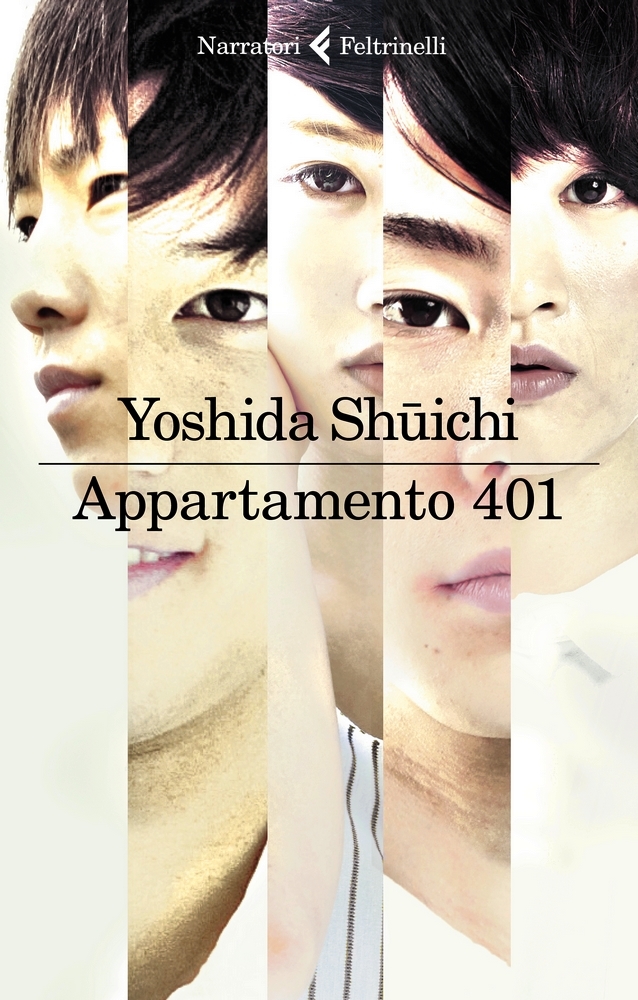
Appartamento 401

Rate this book
Ryosuke, Kotomi, Mirai, Naoki condividono un appartamento nel quartiere di Setagaya di Tokyo. La vita scorre tranquilla, senza incidenti né particolari conflitti, come le auto che si inseguono sulla tangenziale e non si scontrano mai. Ma fuori dall'appartamento 401 i quattro giovani si confrontano con le difficoltà del vivere, del comprendere se stessi e individuare il proprio posto nel mondo. Proprio quando un quinto ragazzo, Satoru, va a vivere con loro, nel quartiere iniziano a verificarsi strane aggressioni a giovani donne. Tra forzata intimità e apatica estraneità, la tensione è palpabile, persistente, e si fa strada nel lettore il sospetto che uno dei ragazzi sia coinvolto. Ma la domanda più inquietante è: la vita vera è dentro o fuori dalle mura dell'appartamento?

229 pages, Paperback

First published February 1, 2002

131 people are currently reading
3050 people want to read

About the author

Shūichi Yoshida

64 books162 followers
Shūichi Yoshida (吉田 修一) was born in Nagasaki, and studied Business Administration at Hosei University. He won the Bungakukai Prize for New Writers in 1997 for his story "Saigo no Musuko", and the Akutagawa Prize in 2002 (the fifth time he'd been nominated for the prize) for "Park Life". In 2002 he also won the Yamamoto Prize for Parade, and for winning both literary and popular prizes Yoshida was seen as a crossover writer, like Amy Yamada or Masahiko Shimada. In 2003 he wrote lyrics for the song "Great Escape" on Tomoyasu Hotei's album Doberman. His 2007 novel Villain won the Osaragi Jiro Prize and the Mainichi Publishing Culture Award, and was recently adapted into an award-winning 2010 film by Lee Sang-il.

Ratings & Reviews

What do you think?
Rate this book

Friends & Following

Create a free account to discover what your friends think of this book!

Community Reviews

5 stars
328 (9%)
4 stars
1,092 (32%)
3 stars
1,347 (40%)
2 stars
445 (13%)
1 star
135 (4%)
Displaying 1 - 30 of 381 reviews
Profile Image for Outis.
392 reviews68 followers
January 21, 2020
Il "problema" principale di questo libro è la sinossi, che sembrerebbe promettere un thriller, cosa che questo libro non è in senso stretto, soprattutto se vi aspettate in thriller di modello americano/europeo.
Questo libro, diviso in cinque parti, racconta la vita quotidiana di 4+1 coinquilini che condividono un appartamento a Tokyo e che per un motivo o per l'altro appaiono un po' tutti disadattati.
Dimenticate le aggressioni di cui parla la sinossi, che sono forse la parte meno interessante. Yoshida ci parla di un orrore molto più sottile e abituale. E più interessante.
Profile Image for L.S. Popovich.
Author 2 books459 followers
March 5, 2020
Parade is a seamy novel by a Japanese novelist. It does not fit nicely into the "crime novel" formula. Its characters do not care if you are staring at them in horror and fascination. Its plot is not concerned with your level of patience. Though it has a similar texture to Natsuo Kirino's gritty murder books, it is quieter, and couldn't have made less noise as it slid into English translation. Where are all the other translations of Yoshida? There is also a book called Villain. But Parade was my introduction to his work. Villain was a nice after dinner snack. It was damn good, but it did not keep me thinking about it for days afterward, as did this little gem.

I do not feel the need to analyze the character motivations, the atmosphere, the literary style or the intense disturbing quality of this book. (I do feel the need to reread it.) I would rather encourage you to discover it yourself. It is one of my favorite novels from Japan - and I've read a fair amount of them. But picking it apart would ruin the point. I didn't feel like examining Ryu Murakami's literary intentions when I read In the Miso Soup. I just wanted to witness a breathtaking cinematic gore-infused nightmare. This one beats Kirino hands down. It throws down the gauntlet when set beside bad-boy Ryu. But who ever talks about Shuichi Yoshida? The writing is not as polished as Ryu Murakami's but the atmospheric conditions of the novel are comparable. Yoshida has the casual, almost careless style of a crime writer, but somehow manages to wipe the floor with Seichō Matsumoto. If you liked Matsumoto's A Quiet Place, this will also tickle your fancy, but it'll be more of a deep-tissue massage, maybe blunt force trauma. Expect the unexpected in the third act. Try to be bored; I dare you. This is another Japanese writer writing whatever the hell he wants, and my eyes are begging for more.

The only other things of his in English I've found is obviously Villain and a beautiful short story in The Book of Tokyo: A City in Short Fiction If you know of any other English stories in existence please let me know. I can tell Yoshida has what it takes to give Murakami a run for his money as my favorite novel-producing machine currently in Japan. I'm sorry, Keigo Higashino, but I'm just not that into you. Can we get some translations over here?

I admire when a writer deviates boldly. Subversion. Scare tactics. All the required ingredients of escapism are present here. Like Murakami's work, it is super easy to relate to these characters. They are young, of course, bored, dissatisfied, opinionated, ever so slightly witty, libidinous, angst-ridden - apply whatever adjective you will. In the end, there is plot, there is character development, but the intricacies congeal into an amorphous whole. I could live in this novel for a while. And I know I will revisit it. Slip into the shady, retro, bleak and quirky Tokyo Yoshida provides. Dark secrets abound in this singular work of subtle and not-so subtle inter-character relations. See if it haunts you like it does me.
Profile Image for Supreeth.
136 reviews296 followers
October 26, 2018
The main problem of this book lies in its synopsis and labeled genre. If it was labeled as literary fiction without that synopsis which promises something else, it would’ve been a decent novel, but now it’s all ruined. To be honest, nothing really happens until the ninety five percent of the book, and whatever that happens isn’t worth it all. So if you’re looking for a thriller-mystery book, you’re up for a serious disappointment given that J-thrillers have really high standards. Four twenty something Japanese men and women share an apartment is a busy part of Tokyo, two men and two women. Everyone’s different from each other, under different situations - given that all of them are alienated and isolated from the rest of the society and driven by inner demons. Like another Japanese book Penance by Kanae Minato, this one has POVs of different characters each chapter. All of them start interesting, people opening up and all, but it just drags a lot and nothing really happens forever. So if you ask me why three stars, it’s probably for the reality of youth alienated in a busy conformist society portrayed in the book. It’s set in typical Tokyo, but I guess it’s same everywhere.
Profile Image for Rose .
109 reviews
May 7, 2022
3.5 ⭐

Non vedevo l'ora di leggerlo, e, fortunatamente, si è rivelato un noir capace di catturarmi dalla primissima pagina.

L'appartamento 401 è un palcoscenico, e quando cadono le maschere, il volto mostruoso celato da uno dei ragazzi rischia di distruggere (o forse no) gli equilibri della casa condivisa.

La caratterizzazione dei personaggi è, a parer mio, il punto forte di Appartamento 401. Non lasciatevi ingannare: è la psicologia dei cinque coinquilini del 401 – i loro dolori segreti, il loro passato, le piccole gioie quotidiane – il vero fulcro della storia, non le aggressioni citate nella quarta di copertina.

Il finale (non scontatissimo ma neanche così scioccante) mi ha lasciato una sensazione strana addosso. La tacita accettazione dell'inaccettabile a chiusura del romanzo porta inevitabilmente il lettore a chiedere a sé stesso quanto conosca le persone che ha accanto, con le quali vive, che pensa di conoscere così bene. Il libro di Yoshida Shūichi costringe il lettore a porsi interrogativi scomodi e spaventosi perché è realistico pensare che ognuno di noi, proprio come la Luna, possa non voler mostrare una delle sue tante facce. E ciò che viene celato, spesso, può essere letale se scatenato.
Profile Image for Chiara.
118 reviews189 followers
May 9, 2021
Sicuramente scorrevole e intrigante. La sinossi è però fuorviante, in quanto sembra promettere che il fulcro del libro siano i misteriosi casi di aggressione quando non è assolutamente così. Questo libro difatti non è un thriller, ma lo definirei un romanzo introspettivo e psicologico.

Il libro è diviso in cinque capitoli, ognuno narrato dal punto di vista di uno dei coinquilini di un piccolo appartamento di Tokyo. Mi è piaciuta molto questa tecnica perché ci permette di conoscere i vari personaggi sia attraverso i racconti degli altri coinquilini sia attraverso la loro personale narrazione. In questo modo si scopre come ogni personaggio sia, a modo suo, estraneo al mondo.

3 stelle perché, nonostante ben architettato e piacevole, mi aspettavo qualcosa di più oltre al colpo di scena finale.
Profile Image for Leah.
1,732 reviews289 followers
March 24, 2014
Strangely discombobulating...

Four young people are sharing a small flat in Tokyo, each having drifted there in a casual, unplanned way. Forced into a kind of physical intimacy by this living arrangement, each remains emotionally isolated and, as we discover, damaged to varying degrees by their pasts. Naoki is the eldest and something of a big brother figure to the rest - he originally shared the flat with his girlfriend, who left him for an older man but still pops back to visit and stay in the flat on occasion. Mirai works hard and plays hard, spending her evenings getting drunk in gay bars. Kotomi stays home all day watching TV and waiting for her soap-star boyfriend to ring. Ryosuke is a student and as we meet him he has just fallen in love with the girlfriend of his older friend and mentor. Then one morning a fifth arrives, Satoru - no-one really knows who invited him but in this casual set-up he soon becomes accepted as another flatmate, even though no-one is quite sure who he is or what he does when he works late at night.

Although this is billed as a crime thriller, it really falls much more into the category of literary fiction. There is a crime element but it's almost entirely in the background for most of the book. There's not much plot as such - this is more an examination of the somewhat empty and alienated lives of these young people. Each section of the book is narrated by a different character, so we get to see what they each think of the others and also to find out a bit about what has brought them here and made them who they are.

Whenever I read Japanese fiction, I find it a strangely discombobulating experience - it always seems to reflect a society that is uneasy in its modernity, with a generation of young people who have thrown out the values of their elders but haven't really found a way to replace them satisfactorily. There is always a sensation of drifting, of free-fall almost, and a kind of passivity that leaves me feeling as if there's a dangerous void in the culture, waiting to be filled. But since I don't know anything about Japan except through their fiction, I don't know whether this is just a style of writing or whether it's an accurate picture of the society.

I find Yoshida's writing quite compelling and although I don't always feel that I understand why his characters are as they are, I find them believable and fully rounded. The somewhat shocking ending of this one took me completely by surprise, and at first I felt almost as if the author hadn't played fair with me. But a few days on I find the book is still running through my mind and I am seeing in retrospect what was hidden during the reading - which means that my appreciation for the ending has grown as I've gained a little distance from it.

Although this shares a translator, Philip Gabriel, with Yoshida's first novel, I enjoyed the translation of this one much more. It is still Americanised but without the clumsy slang that irritated me so much in Villain.

On re-reading this review, I feel it isn't giving a very clear picture of the book, and that's actually a pretty accurate reflection of my feelings about it. I'm not sure I totally 'got' it (which happens to me a lot with Japanese fiction) but I am quite sure I found it a compelling and thought-provoking read. And I will most certainly be looking out for more of Yoshida's work in future. 4½ stars for me, so rounded up.

NB This book was provided for review by the publisher, Random House Vintage.

www.fictionfanblog.wordpress.com
Profile Image for ☠tsukino☠.
1,275 reviews159 followers
January 11, 2023
La sinossi di questo libro è abbastanza fuorviante
La vera storia è l'essere e l'esistenza dei protagonisti. Le loro personalità, quelle reali e quelle con cui s’interfacciano tra di loro; Il loro carattere di facciata che è diverso da quello interiore.
Quello che maggiormente mi piace, come spesso mi succede con gli autori giapponesi, è quel senso di estraniamento che si vive leggendo dei dettagli della vita quotidiana e della società giapponese così diversa dalla nostra, in questo caso è anche un mezzo per conoscere l'io interiore dei vari personaggi.

Mi chiedo perchè per alcune cose ci sono le note, mentre per altre no (per esempio sono dovuta andare a cercare Shinjuku Nichōme).
Profile Image for leti lo yeti.
250 reviews
July 16, 2021
Un libro particolare, di cui ho adorato la caratterizzazione dei personaggi. Consigliato, anche se avevo già intuito il finale.
Profile Image for Julia.
249 reviews44 followers
January 23, 2023
Non mi è piaciuto per nulla, pesante, lento, di una noia mortale. Finale inconcludente. Primo scrittore giapponese che al momento mi sta deludendo. Peccato.

"Di questi tempi essere se stessi è considerato virtuoso. A me sembra che si tratti per lo più di essere pigri e sciatti"

"Non mi sono mai fidato delle persone che al primo appuntamento hanno cercato di fare bella impressione"
Profile Image for Joanne Hong.
15 reviews
November 20, 2015
minor SPOILERS + RANT AHEAD ( don't worry, I've hidden the major ones )

One day, when I was at the book store, I was contemplating whether or not I should buy this book instead of Vanishing Girls by Lauren Oliver. Both summaries were very appealing, as were their covers, however in the end there could be only one winner and that was Parade. Even before I brought this book to the counter, I went on Goodreads to see if the reviews for this book were fairly okay just to be sure that I was making the right decision. Lo and behold, they were.

Feeling satisfied, I proceeded with my purchase.

Oh how I regret not choosing Vanishing Girls instead. The decision I made that day is actually eating me up inside till this day.

Do you know what I was promised? Let's look at the summary shall we:

... In the next-door apartment something disturbing is going on. And outside in the streets around their apartment block, there is violence in the air. From the writer of the cult classic Villain, Parade is a tense, disturbing, thrilling tale of life in the city.


I was promised a tense, disturbing, thrilling tale of life in the city but what I got instead was a snooze-worthy tale of life in the city. I was promised that there was something disturbing going on next door, but it turned out to be such a lame plot twist that it made this book 50% more dull than it would have been had the plot twist not existed in the first place.

"Okay," I thought after having read the plot twist, " Maybe things won't go downhill from here. I mean, there IS another mystery to solve, a perhaps much more thrilling mystery than the one of the next door neighbours. You'll be okay. This story will be okay." I was wrong.

I was promised "violence in the air" but it wasn't as prevalent as I'd hoped it would be. It was always in the background, coming to centre stage a few hundred pages later, only to disappear once more I was hoping to hear more of it, but I never got what I wanted. All I got was the characters going about their daily, miserable lives which weren't as intriguing as the things that were happening around them.

The characters were bloody awful, each and every one of them. All of them seem mentally disturbed to me to be honest, I sincerely think that they need to get themselves checked out.

I wanted character development ya' know? It would have been nice for these strangers who regarded each other as strangers even after all those years of living together to sort of, form bonds that didn't feel fake. Their interactions just seemed fake and let's face it, they were. From my perspective, they weren't sincere with each other, they were just using each other to get through life and that's probably what the author had intended on showing us, although that's just simply NOT good enough in my book. Is it really possible for a group of people to not regard each other as friends after living together for such a long period of time? Is it really?

They were living together yet at the same time they weren't. Everyone was living in their own world, occasionally crossing over to each others' world to have a chat before proceeding to ignore each other again once they're back in their own world. ( Man, I'm using a lot of "each other's" today... )

You know what could have been a great plot twist? If Satoru wasn't a prostitute but something else instead, like a murderer or a spy or something. THAT would have been a great plot twist. I mean just imagine it: Teen boy shows up at their apartment out of the blue, claiming he has nowhere to go and begs to stay with them, only to be the murderer in charge of the killings and wanting to get rid of the witnesses to the murders - that would be our 4 main characters - stalks Mirai on the night of her drunkenness and successfully earns himself a chance to stay in their apartment under false pretences. Then, he changes his plans and decides to torture them mentally instead, breaking their bonds by making them question each other's motives for staying together even though they could live in separate places just fine ( although it would be much more expensive than staying together ). THAT, would have been a 4 to 5 star worthy twist for me.


Wow, now that I've got everything off of my chest, I feel much more relaxed now.

In conclusion, I would recommend this book to people who don't mind reading about other people's boring, daily lives, people who can withstand a book filled with horrible characters and an almost non-existent plot and people who want to know what it's like to read a book from a Japanese author.

Will I re-read this book? NO ABSOLUTELY NOT.

Will I proofread this review? Maybe in a couple of months, I don't know.
Profile Image for Flavia Castelli.
8 reviews2 followers
February 2, 2023
Appartamento 401 è il primo libro che leggo di Shuichi Yoshida.
La trama è, in realtà, molto semplice: in un appartamento di Tokyo convivono due ragazze e due ragazzi ai quali finirà per aggiungersi un quinto giovane. La storia è portata avanti attraverso cinque capitoli, ognuno dei quali affidato ad un diverso abitante della casa e ognuno raccontato in prima persona. Questo meccanismo narrativo funziona grazie alla caratterizzazione dei personaggi che evita confusione al lettore.
Ryosuke è lo studente di economia che non si mette in mostra ma che sente di avere un qualcosa in più, Kotomi è la ragazza bellissima che rifugge la vita "tradizionale" in ogni modo e che è fidanzata con un famoso attore, Mirai è l'artista che non demorde, Satoru è il ragazzo che, nonostante la sua età, sente di essere l'unico a vedere gli altri per quello che sono veramente, Naoki è l'appassionato di cinema che ama il proprio lavoro.
Ma questa visione di loro stessi continua a ribaltarsi a seconda dell'io narrante: Ryosuke diventa un ragazzo estremamente fragile emotivamente, Kotomi spreca la sua bellezza rimanendo in tuta tutto il giorno in attesa della chiamata del ragazzo, Satoru è un povero ragazzo costretto a vendere il proprio corpo e Naoki è il pignolo ma anche colui che è stato assurto a saggio.
Ma il tratto più importante che li accomuna tutti è il loro "lasciarsi vivere". Gli abitanti dell'appartamento 401 lasciano le loro vite scorrere come le macchine che osserva Ryosuke dal balcone, quasi aspirando ad uno scontro, un incidente, un'emozione... Ma deve provenire da fuori, dall'appartamento accanto o dalla strada. Non da loro stessi. La passività e l'apatia è in ogni aspetto della loro vita: Ryosuke prova interesse per la ragazza del suo amico ma, quando inizia una relazione con lei, non fa trasparire un grande coinvolgimento, Kotomi scandisce le sue giornate attraverso la depilazione delle sopracciglia e i programmi in tv, Mirai aspetta che improvvisamente un gallerista si accorga del suo talento, Satoru rimane nell'appartamento perché è un posto come un altro, Naoki dice di amare ancora la sua ex eppure sceglie "per comodità" il ruolo da amante. Questa passività implode nel finale perché non fare nulla, lasciare tutto com'è, aspettare e limitarsi ad odiare in silenzio è più facile. È più facile tornare nell'appartamento e trovare qualcuno che odiamo, che disprezziamo, che ci è indifferente, ma anche qualcuno che aspiriamo a salvare o redimere piuttosto che rimanere soli con noi stessi.
Appartamento 401 non è un thriller, non è un libro di suspance. Le aggressioni che si verificano intorno a quella scatola-palcoscenico che è la casa dei cinque ragazzi sono puramente metaforiche, un pretesto per un finale che getta un velo di orrore sulle vite dei protagonisti. È un libro che scorre piacevolmente, ben calibrato nella sua struttura e nel numero di pagine, che accenna degli squarci di squallore ma che lo rivela pienamente solo nell'ultima riga dell'ultima pagina. È l'ennesimo libro che mi fa dire che gli scrittori giapponesi sono folli.
Profile Image for Irene.
313 reviews6 followers
June 2, 2022
3,5
Ho amato molto la struttura di questo libro, il modo in cui ogni capitolo rappresenta un personaggio con le sue ansie, i suoi sogni, le sue speranze e le sue paure.
"Appartamento 401" mi ha conquistato fin dalle prime pagine eppure...più andavo avanti a leggere, più avevo l'impressione di star aspettando qualcosa che non sarebbe accaduto. E così è stato: c'è un mistero nell'appartamento accanto, ci sono strani casi di violenza, eppure non succede nulla. Tutto rimane a margine, il fulcro è la singola prospettiva dei personaggi, che però si perde appena si cambia capitolo.
Mi è piaciuto il finale con il suo messaggio, però mi aspettavo qualcosa di più da questo libro. Le premesse c'erano tutte.
Profile Image for The Frahorus.
991 reviews99 followers
July 14, 2022
Una piacevole sorpresa aver scoperto questo romanzo dell'autore giapponese Shūichi Yoshida. Egli ci narra la storia di cinque ragazzi che convivono nello stesso appartamento, e così conosceremo le loro vite e chi di loro è un killer. Lo stratagemma utilizzato dall'autore è quello di conoscere di volta in volta il loro punto di vista, fino ad arrivare alla drammatica conclusione. Ho adorato questo romanzo, lo stile di scrittura, le vite dei personaggi, la delicatezza che ha nel pennellarci anche cose insignificanti o ordinarie come partire la lavatrice o affacciarsi sul balcone ad osservare il traffico che scorre. Mi sono anche affezionato ai primi due ragazzi, lo studente pigro e la ragazzina che guarda sempre la tv, mi è dispiaciuto non poter continuare a leggere la storia dal loro punto di vista (ogni capitolo ci viene narrato dal punto di vista di ogni ragazzo, quindi cambia in continuazione). E poi la sesta protagonista è Tokyo, seppur dietro le quinte, si sente sempre: le sue strade, il suo traffico, la sua vita notturna.
Profile Image for Sushi (寿司).
611 reviews162 followers
May 28, 2019
Secondo libro per me Shūichi Yoshida ma primo come paperback. L'altro apparve per caso sul Kobo.

Confermo il mio apprezzamento per questo autore.
Profile Image for Dilushani Jayalath.
1,029 reviews197 followers
September 29, 2015
This was my first book by Shuichi Yoshida. As a matter of fact this was my first Japanese novel ever. I guess a part of me picked this book is because I'm kinda partial towards jap stuff butI kept trying to read it off for a very long time though. I really don't know how to start this review. Partly because this books was deep in a non-serious way but also kinda stupid or lame.
Fist of all I'll talk about the plot. The plot was pretty much slow-paced one could say. Throughout most of the book I kept asking myself "is there any point in the story?" because it pretty much didn't. most of the book just told how these 5 people were living in the apartment and the stories from their points of views. it was nice in a way to have multiple POVs but also sometimes confusing. Like I told before the story was slow paced for me but the end was just like a shocker for me. By the end I had even forgotten that there was supposed to be any crime in it. I had started to think that this was just another literary piece and forgot the crime element in it. After the major revelation in the book it pretty much ended abruptly. but in a way it felt good. Leaving a better impact on its audience.
Next I'll talk about the characters. Each character had a mental problem of their own I guess. I really don't mean to be rude but that's the most simple way one can say it. Rather than problem I would even say their unique mental state. For me each person was troubled in their own way. So the story becomes intriguing. Mostly because each person acts perfectly normal towards the world. they act so normal sometimes you forget they are all twisted in some way. Yoshida-sensei has shown in a way how people in the world pretty much act. I like how realistic in a way the story was. One could not actually relate to them but in way it was nice reading about people who wasn't fully complex but simple in a rather disordered manner. I know it sounds pretty confusing but one has to read this in order to fully get the concept of it.
Thirdly I'll talk about the ending I guess. Like i mentioned before, the ending was pretty abrupt but it ave the audience the intended effect I think. It was pretty shocking to get to know it and what Yoshida-sensei has done to build up the moment to reveal the truth was pretty good. I like how he brought up the conclusion in a manner that I haven't seen anyone else doing it. I guess that's the reason why he has become quiet a good author. Like i told before it was a shocker to the maximum.
All in all this was avery good literary piece. When I was like in the middle of the book I wouldn't have rated the book a 4 stars but now when I have finished I guess even 4 stars seem inadequate in a way. But rather than a 4 star I would say I like to give a 4.5 stars. It was very satisfying reading it in a different way. After the many contemporary romance and other suspense books i've read, this was without doubt a good read. I would very much like to tell anyone who loves reading books and who is open enough to read any sort of good literary texts that they should try this out.
Real ratings= 4.5 stars
Profile Image for giuneitesti ❆.
269 reviews52 followers
August 16, 2022

Abbiamo maschere per ogni occasione: il lavoro, la famiglia, la scuola. Indossiamo maschere anche quando non pensiamo di indossare maschere e, come noi, anche le persone che ci stanno attorno. Con questo presupposto, è possibile conoscere tutto di una persona? Come scrisse Pirandello: “Uno, nessuno e centomila”.

Questo libro non è un thriller, ma c’è un mistero che aleggia fin dalle prime pagine. A Setagaya, il quartiere di Tokio in cui vivono i quattro coinquilini protagonisti della storia, recenti femminicidi danno molta preoccupazione. Da quando è morta la prima donna, inoltre, i coinquilini dell’appartamento 401 si sono visti spuntare in casa Satoru, un diciottenne apparentemente scappato di casa e con un lavoro notturno ambiguo. Coincidenza?

Con un linguaggio quotidiano e semplice, Shūichi ha scritto un noir perfetto per chi non ama i toni foschi e ansiogeni. I femminicidi sono importanti, e chi sia Satoru è un dilemma costante, ma l’autore rimane focalizzato sulla quotidianità dei personaggi per tutto il libro, giocando in continuazione sul binomio apparenza/essenza. Raccontata da ognuna delle cinque voci protagoniste, la storia verte verso l’interessante questione della maschera: l’impossibilità di arrivare a conoscere veramente una persona.

Il lavoro sulle voci è, a mio parere, fatta molto bene, e i personaggi li ho trovati veri e sfaccettati.

Poi è arrivato il finale. Avete presente quando il libro vi prende talmente tanto da finire le ultime cento pagine senza riuscire ad alzarvi dal divano? Poi, però, arriva una fine come questa: inconcludente, enigmatica, che apre nuove porte. E quindi cosa si fa? Si butta il libro fuori dalla finestra? Si scrive all’autore? Si urla a squarciagola?

Perché? Perché? PERCHÉ? 😭

Comunque, nella sua totalità, il libro mi è piaciuto. Scorre tranquillo e non affatica. Sono cinque capitoli, e il fatto di cambiare sempre punto di vista non fa annoiare e spinge a voler sapere di più di ognuno di loro. Bastano 200 pagine per capirli e inquadrarli, e non è poco.
Profile Image for Rita .
4,015 reviews93 followers
September 27, 2020
ERROR 401: THRILLER NOT FOUND

Mi aspettavo un thriller appassionante, e invece "Appartamento 401" si è rivelato un romanzo praticamente privo di trama, che nemmeno il colpo di scena finale riesce a rendere migliore. Quest'ultimo appare anzi piuttosto fuori luogo, facendo sì che sull'epilogo aleggi un senso di indeterminatezza veramente insoddisfacente.
Un vero peccato, perché i personaggi erano abbastanza interessanti. Il loro potenziale, a mio avviso, avrebbe dovuto essere sfruttato meglio.
Profile Image for Martina ⭐.
158 reviews44 followers
September 26, 2022
Interessante la suddivisione dei capitoli per protagonisti e quindi per punti di vista, a favore della conoscenza più approfondita dei vari personaggi. Ma per il resto? Il nulla ed il niente. Secondo il mio punto di vista non c'è stato nemmeno un alone di suspance o di mistero durante l'intera lettura.
Finale raffazzonato e costruito in quattro e quattr'otto, sembra essere stato messo in piedi per concludere il libro nel modo più veloce possibile e senza dare alcuna fine.
Quindi conclusione solamente fisica del libro ma senza una vera e propria conclusione logica.
Profile Image for Son Agia.
35 reviews4 followers
July 28, 2018
Goodreads bagi saya adalah satu-satunya tempat review di mana seseorang bisa asyik mengetahui pendapat orang lain tanpa mesti terkait dengan apa yang sedang diulas. Terlepas dari tampang saya yang 98% mirip tukang begal, gini-gini saya rajin nongkrong di berbagai forum hiburan: Gamefaqs, myanimelist, dan musicbanter contohnya. Dan kalo boleh jujur, saya kurang begitu antusias jika membaca ulasan video game, film, musik, atau bahkan anime tertentu yang belum atau memang gak niat saya konsumsi. Selalu harus yang sudah atau minimal ingin saya tonton/mainkan.

Omongan saya ini jelas bukan tanpa celah, karena ada hal yang jadi pengecualian di sini: buku. Saya seneng baca review buku. Entah itu buku keren, jelek, yang belum saya baca, yang najis saya baca, yang isinya ceramah, yang dikit-dikit nyantumin kosakata norak kayak ‘bercinta’, buku yang penulisnya doyan koar-koar soal pembajakan di media sosial, bahkan buku lokal yang kesannya terasa seperti buku terjemahan amatir.

Ini mungkin karena menurut saya buku menyandang gelar sebagai medium hiburan—sekaligus informasi—paling seksi di antara yang lain. Konten yang pada dasarnya cuma berupa teks tanpa visual cenderung membutuhkan perhatian lebih dari si pembaca. Hasilnya, ia sering dapat melahirkan suatu interpretasi, sudut pandang, maupun ideologi nan menarik dan kadang-kadang, baru.

Tai anjing, malah kayak isi skripsi ya.

Intinya saya heran sendiri, kenapa setelah nulis panjang-panjang barusan, saya justru jarang aktif di Goodreads. Saking jarangnya sampe baru sadar kalo review terakhir yang saya tulis di sini, Planet of the Apes, ternyata saya pajang hampir setahun lalu. Jelas ini merupakan sebuah penghinaan bagi lelaki berprinsip seperti Agia.

Gak bakal ada yang peduli, pastinya. Mukadimah ini saya tulis buat nyambut diri sendiri aja sih. Ya sambil sekalian pengen tau kabar kawan-kawan di Goodreads, terutama cees-cees beratku Rido Arbain, Aravena, Guguk, Haris, Reyhan dll. Kumaha damang?

* * *

Ada semacam sensasi aneh tiap kali saya baca novel Jepang. Saya gak tau apa, tapi ini selalu sukses membuat saya menikmati sensasi aneh itu. Mungkin gaya narasi, atau mungkin juga budaya dan perilaku-perilaku yang ditampilkan dalam narasi. Contoh paling konkret yaitu sewaktu saya membaca satu cerita tentang sekumpulan pemuda-pemudi yang hidup bersama di kawasan ibukota.

Parade, novel yang secara jelas mengungkap bagaimana potret kehidupan masyarakat urban di sana; dan saya rasa ini tereksekusi dengan amat berhasil. Buku terbagi dalam lima bab, yang diambil dari sudut pandang masing-masing tokoh. Pada bab pertama kita disuguhi dengan bacotan sehari-sehari Ryosuke Sugimoto, mahasiswa tukang ngelantur yang tengah menderita siksaan batin, sebut saja naksir ke pacar seniornya di kampus; Ada Kotomi Okochi, cewek pengangguran super cakep yang menghabiskan waktunya di depan televisi sambil ngarep ditelepon pacar; Mirai Soma, perempuan sinis yang hobi nongkrong di tempat berkumpulnya orang-orang gay; Naoki Ihara adalah pegawai kantoran yang diperlakukan sebagai figur kakak oleh penghuni rumah.

Kemudian muncul orang kelima, Satoru Kokubo—gigolo misterius umur 18 yang anehnya malah diajak ngontrak bareng setelah ketangkep basah nyelinap dan ikut tidur di kontrakan mereka.

Satu dari sekian alasan yang bikin novel ini unik dan menarik ialah minimnya konflik—atau seengaknya konflik mayor. Bahkan cuplikan di sinopsis yang semula saya kira bakalan jadi pusat cerita (“Meanwhile in the next-door apartment, something disturbing is going on…”), nyatanya cuma digunain sebagai bumbu penyedap.

Parade murni berisi keseharian para tokoh. Keseharian yang menurut saya jauh dari kata membosankan.

Belakangan ini TV kami memang sering ngadat. Benda itu seolah ingin memberi kami sinyal: “Oi! Beli yang baru, oi!

“Yah, nge-zip lagi,” ujar Kotomi saat kami memandangi layar.

“Itu bukan nge-zip. Nge-zip itu artinya mindah-mindahin saluran. Aku sering pake kata itu di kampus dan gak ada seorang pun yang paham.”

“Oke, kalau gitu kita mesti nyebut apa?”

“Entahlah, tapi setahuku cuma kita yang pake istilah begitu.”

Koto berdiri, berjalan ke arah TV lalu mengetuknya dengan cukup keras. Layar tiba-tiba berkedip, seolah seperti sedang kesakitan, dan akhirnya dengan hantaman ketiga, kembali normal seperti sedia.

“Hebat,” kataku.

“Hah?”

“Itu bisa langsung kamu perbaiki.”

“TV? Kan ada triknya.” Koto kemudian duduk lagi di lantai dan melanjutkan memotong kuku. “Ryosuke, acara TV favorit kamu apa? Maksudku yang drama.”

“Pas kemarin kamu udah nanya itu,” kujawab sambil menonton Arisa Mizuki yang masih berlarian menyusuri lorong.

“Waktu itu kan aku nanya drama TV favorit Senin pagi. Oke, sekarang aku tanya drama TV favorit yang tayang Jumat siang di TBS.”

Setelah Arisa Mizuki terlihat sudah mengganti baju perawatnya, kuputuskan untuk pergi keluar. Di belakangku Koto berteriak, “Jawab dulu, hey!” Karena sepertinya dia masih akan tetap menerorku sepulangnya dari toko, aku pun bertanya, “Mismatched Apples masuk hitungan gak?”

“Iya, bisa,” katanya.

“Ya sudah aku pilih Mismatched Apples, yang musim pertama, kedua sama ketiga,” kataku. Dan sesaat setelah berada di luar, tiba-tiba aku kepikiran untuk menanyakan trik TV yang dimaksud Koto barusan, tapi aku langsung berubah pikiran. Kurasa memang lebih baik benda itu rusak.


Gak jelas bukan main. Tapi anehnya, percakapan kurang penting kayak gini malah pantes-pantes aja keluar dari mulut para tokoh. Seakan makin meyakinkan para pembaca bahwa memang ada sesuatu yang salah dengan orang-orang normal ini.

Coba bayangin, kalo aja saya nemu dialog seperti tadi di buku selain Parade, kemungkinannya ada dua: (1) saya kirim langsung buku itu ke alamat rumah mantan pacar yang dulu pernah nyakitin saya hingga meneteskan air mata, atau (2) saya akan coret-coret halaman judul buku itu pake pernyataan, “Bukan punya Agia. Demi Allah bukan punya Agia.”

Parade lebih menitikberatkan karakter. Dari awal sampe akhir kita digiring pada pola pikir masing-masing tokoh. Pola pikir yang mungkin sekilas terkesan biasa, padahal sebetulnya sangat dalam. Masa lalu kelam, perasaan sepi, alienasi, wajah dibalik topeng, dan segala macam sisi gelap manusia tertuang secara akurat dalam lima bab.

Beberapa orang yang saya baca ulasannya di Goodreads bilang mereka kaget sama twist novel ini. Kalo saya sih biasa aja. Saya malah ngerasa justru si penulis gak terlalu peduli sama ending. Saya ngebayangin dia nulis sambil mikir gini: “Penutupnya gimana ya? Ah, gini aja deh…” Bahkan seandainya sekarang saya bocorin ending itu, saya bisa jamin kalian gak bakal rugi-rugi amat kok.

Sebetulnya jika dicermati baik-baik, poin dasar yang terdapat dalam novel ini cukup simpel: hidup di ibukota itu keras, bung!

Terus terang saya memang belum pernah mendapat perlakuan keras dari ibukota, tapi seenggaknya sekarang saya mulai paham bahwa makna ‘keras’ dari jargon ini bukan hanya sebagai cerminan betapa sulitnya mencari uang, melainkan juga sebagai bentuk ancaman yang berpotensi membelokkan seseorang.

Minimal di ibukota Jepang.
Profile Image for Canino Irene.
Author 2 books120 followers
October 16, 2025
Un noir che non brilla per ritmo e suspense, ma per stile di scrittura e messaggio sociale che trapela tra le righe.
Quante cose siamo disposti a far finta di non vedere pur di conservare intatto il nostro piccolo mondo?
Profile Image for Iantony.
102 reviews9 followers
June 4, 2017
I read this book back then in 2015 during an easy night shift on my job. A lot of free time and being away from civilization but still got internet connection, I randomly purchased it through my friend's Kindle. This is my first Shuichi Yoshida book, perhaps 'the strangest' Japanese author after Haruki Murakami for me. At the very least, this book did help me to stay awake.

This book has a kinda slow-paced story, not kinda, slow-paced story that at some point you would start wondering 'where the story goes?' or something like that. Still, the ending of the story would shock you. As for the characters of this book, each of the 5 characters seemed to have a mental problem (or mental health problem, depended on how you see it) of their own. All of them are troubled, twisted people who tried to act normal at some point of the story.

Yeah after slow-paced story build up, mentally unhealthy characters, changing point-of-views which might confusing to some people, in the end you would find a very shocking ending, which would made you think about the whole story for some time after reading this book, thus this book is a really good eye opener! Definitely gonna recommend this for most book lovers, especially if you were into some thriller, mystery or just strange stories. Now I want to read another novel from Shuichi Yoshida. 4/5 stars from me, 4.5/5 stars if the early to mid part of the story weren't feel dragging.


Profile Image for Silvia.
254 reviews35 followers
January 23, 2021
Credo sia ora di prendere coscienza del fatto che la letteratura giapponese non fa per me.

Ancora indecisa se mettere 1 o 2 stelle.
Profile Image for Shinni Remus.
305 reviews3 followers
June 26, 2024
Il grande problema di questo libro è che è inconcludente.
I discorsi dei ragazzi dell’appartamento sono anche interessanti ma finisci li.
Peccato
Profile Image for Alex.
35 reviews19 followers
April 24, 2022
I found this book pretty recently, even though i first watched the movie back in 2009. The film has always, for some reason, been a type of comfort-movie of mine and when i found out that there was a book i was really excited.

Like the description says this story follows four young adults sharing an apartment in Tokyo. There's a fifth person who moves in with them, and... that's pretty much it when it comes to happenings.
But i don't think this is the kind of book that can be describe with actions, it's a book of words. Words that describes the mundane and melancholy of life.

I don't know if i can even put it into words how i FEEL about this book either.
Calm. Melancholy. Comfort. Ease. Harmony. Sadness. Alienation. Warmth.
I don't know, it probably doesn't make much sense.
Not a lot happens throughout the book but i was never bored or unhappy with it.
It's not trying to be something it's not.
It accept itself for what it is and the characters flaws and their strengths, and tells the story how it is.
It flows amazingly even without a lot of events happening.
It's the kind of book where the reader can exist within, to go with the flow and simply follow the story without anxiety.

To me it has created a kind of safe-space - if a book can do that.
Profile Image for Ahtims.
1,673 reviews124 followers
September 17, 2023
4 young adults - 2 men, 2 women, sharing an apartment- one of their ex girlfriends visit often , and another youngster is taken in.
This book takes us through their unconventional lives.
The whole book, especially the ending is typical Japanase dysfunctional stuff.
Each character is given a narrative, and we get to know them through their voice as well as through others' eyes.
Profile Image for Cristina (Cricci) Casanova.
144 reviews34 followers
January 12, 2022
È un romanzo corale suddiviso in 5 capitoli, uno per ognuno dei 5 personaggi dai 18 ai 28 anni che di volta in volta diventano voce narrante e portano avanti la storia dal loro punto di vista personale.
Il fulcro è l’appartamento che condividono a Tokyo, nel quartiere Setagaya. Dapprima i coinquilini sono quattro: due ragazzi e due ragazze, che dividono equamente anche le due stanze che compongono l’appartamento (Naoki e Ryōsuke in una, Mirai e Katomi nell’altra), finché non si unirà a loro il quinto elemento, Satoru, il più giovane del gruppo, che pare comparso dal nulla e nessuno all’inizio sa spiegarsi come sia finito lì. Il suo entrare in scena, manco a dirlo, coincide con il verificarsi di casi di violente aggressioni a donne, nel quartiere. A questo si aggiunge l’attività sospetta del vicino dell’appartamento 402. Gli ingredienti per un succulento thriller sono pronti.

Se prima sembrava esserci un qualche equilibrio nella distribuzione dello spazio e nelle dinamiche dei rapporti di convivenza, l’arrivo di Satoru porta a galla le dissonanze e le crepe di ognuno di loro. Quale elemento esterno, Satoru è funzionale al portare alla luce il reale disequilibro delle loro vite, minando le loro sicurezze.
Ryōsuke è l’universitario sfigato innamorato della ragazza del suo amico che non sa mai come comportarsi, né sa esattamente cosa farà della sua vita una volta laureato; al suo opposto c’è Naoki, il maggiore del gruppo, primo inquilino, quello che ha un lavoro sicuro, che mangia sano e pratica una vita all’insegna del salutismo e del fitness. Su Naoki si può contare, lui appare come il più posato, il più realizzato, ed è lui a cui il resto del gruppo si affida in caso di bisogno.
Anche le ragazze sono in qualche modo complementari: se Mirai è impiegata e illustratrice concreta e vive la vita con cinismo, ubriacandosi ogni sera al punto da portarsi a casa dei perfetti sconosciuti, dall’altra parte c’è Katomi, la sognatrice disoccupata che non esce mai di casa per non perdersi la possibile chiamata dell’ex con cui ha una relazione di sesso, ma non riesce a prendere una decisione: “Le cose hanno un senso e vanno bene perché sono provvisorie.”
I personaggi sono tutti alienati in qualche modo. La loro routine viene scombussolata con l’irrompere di Satoru, il misterioso e allegro Satoru, il gigolò senza fissa dimora, che vive alla giornata e non ha progetti e che per ognuno appare diverso, lascia che ognuno veda in lui quello che vuole vedere, perché nella vita a nessuno interessa davvero conoscere qualcun altro. Asseconda tutti allo scopo di compiacerli e a ognuno racconta una verità diversa a seconda di quello che vorrebbero sentirsi raccontare. Come il ruolo del suo essere ragazzo-di-piacere, diventa di volta in volta quello che gli altri desiderano. Allo stesso tempo, come elemento esterno, Satoru riesce a vedere tutti gli altri per quello che sono: un gruppo di persone che giocano a fare gli amici.

Quello che ho non ho trovato in questo romanzo è il thriller annunciato. L’attività sospetta dell’uomo della porta accanto, risulta essere meno pruriginosa e clandestina del previsto. E vabbè. Come se non bastasse, le aggressioni nel quartiere restano in un cantuccio della mente, una sorta di rumore di fondo, che poi improvvisamente riemerge nel finale. Se a fine lettura la cosa mi ha un po’ disturbato, a freddo devo dire che tutto ha un suo senso. Se ci penso, cosa è più terribile della piatta quotidianità? Spesso il conturbante si nasconde sotto lo strato più spesso di normalità: è questa la cosa più agghiacciante.
3 stelline e mezzo.


Profile Image for Faith Less.
338 reviews20 followers
November 15, 2019
3,5
Vi prego, se lo avete letto, o lo leggerete, fatemi sapere che devo confrontarmi.


Appartamento 401 è il tipico libro di un autore giapponese. Se non avete mai letto nulla della letteratura giapponese è difficile da spiegare, loro -tutti quelli che ho letto sono così- hanno questo stile lento. Non lento pesante, solo che quando narrano, è come se lo facessero con calma. Raccontano la vita che scorre. Questa è una peculiarità comune a tutti, più o meno, e anche qui è così.

Appartamento 401 non è pesante, ma è lento, e anche molto coinvolgente, e i personaggi sono interessanti nella loro routine quotidiana, eppure non ci racconta niente, non ha trama (e di certo non è quella che viene raccontata come sinossi del libro che è piuttosto ingannevole). O meglio, ci racconta uno spaccato di vita (avete presente il discorso qui sopra del caso della somiglianza di libri/film? Ecco questo libro l'ho preso insieme a La lista e come in quello -senza saperlo- non c'è una trama ma uno spaccato di vita dei protagonisti, con tutti pov diversi, un caso?) di ognuno di questi personaggi che sono tutti collegati in quanto coinquilini -più o meno abusivi- dell'appartamento 401.

Ognuno dei cinque protagonisti ha i suoi problemi, i suoi difetti, le sue paure. Ognuno a modo loro è inquietante, se non grottesco. In una città che non si ferma mai come Tokyo, questi ragazzi seguono la loro vita, incrociandola con gli altri ma nascondendo il loro vero io. Si può parlare di segreti? No, non ci sono segreti nell'appartamento 401, ma ci sono maschere. Cinque sconosciuti che vivono insieme diventano qualcosa di diverso da amici, ma diverso anche dalla famiglia. Si aiutano, si sopportano, convivono nonostante tutto.

L'autore ti porta a riflettere sulla vita attraverso il pov di ognuno di loro, e l'ultima frase, quella dell'ultimo pov, è forse la più inquietante di tutto il libro, che mette in dubbio tutta la storia dell'appartamento, ma che se siete abituati a vedere anime di sicuro potrete apprezzare. Non sappiamo cosa accade dopo, a naso direi che tutto scorre come accaduto finora, in modo naturale, tranquillo, con calma e sopportazione.

Non saprei davvero dire se il libro mi è piaciuto tantissimo oppure mi ha lasciata indifferente. Sono stata attratta dalla cover, dalla trama, e soprattutto dal Giappone. Adoro il loro mondo, vorrei andarci anche prima o poi, perché hanno una visione totalmente diversa delle cose rispetto a noi. Gran parte del fascino di questo libro è proprio l'ambientazione.

Ma la fine? Non so, per ora, a caldo, direi un 3,5. Ma di certo non è un thriller, non è uno di quei libri che catalogherei in qualche genere, se non nella letteratura giapponese.
Profile Image for Susan.
3,017 reviews570 followers
March 6, 2014
This is the second novel by Shuichi Yoshida which has been translated into English, following his hugely successful literary thriller, “Villain.” Parade looks at the lives of several young people who share an apartment in Tokyo. There is twenty one year old student, Ryosuke Sugimoto, unemployed twenty three year old Kotomi Okochi, who spends her time waiting for her boyfriend to phone, twenty four year old Mirai Soma, who manages a store, longs to become a successful illustrator and drinks too much and the eldest, twenty eight year old Naoki Uhara, who works for an independent film distributor. This book examines their past, lives and dreams as they each tell their story.

The apartment block the four live in is meant to be for young married couples, so they are wary of complaining about apartment 402, which they suspect of being involved in illegal activity. As well as concerns about their neighbours, they are aware of violent attacks happening to women locally. Then they are joined by a young boy, eighteen year old Satoru Kokubo. Nobody at first seems sure who he is or who invited him to stay, but he is gradually accepted by “these-people-playing-at-being-friends.” Gradually, Satoru changes the delicate balance which has existed within these almost random group of housemates and his story intertwines with theirs. Why is such a young boy living on the streets and how does he earn his living?

Although there are undercurrents of a crime story, this is really more a portrait of a place and the people living there. These are all young people who live in the city of Tokyo, and who have been brought together almost by random events. It is about anonymity, friendship, family and alienation amongst young people. I found it an incredibly fascinating picture of Tokyo, especially the younger generation who exist on the margins of society and the fact that so many people, especially in cities, know so little about their neighbours or friends and have to accept them on face value. I am not sure it worked so well as a thriller, but as a literary novel it was extremely interesting, even if the ending was a little abrupt and I would certainly read more books by this author. Lastly, I received a copy of this book, from the publisher, for review.


Profile Image for Maria Teresa.
747 reviews59 followers
June 23, 2022
Lettura piuttosto deludente.
Nonostante sia definito "noir giapponese" la parte "noir" è decisamente esigua.
Ci sono 5 ragazzi che condividono un appartamento a Tokyo. L'appartamento accanto è frequentato da loschi individui e sembra vi accadano cose strane. In realtà poi si scopre che semplicemente vi abita un indovino.
Viene data notizia di alcune aggressioni notturne a donne, ma l'informazione sembra avere poca importanza e viene assorbita dalle vicende dei protagonisti e dalle loro stranezze.
Nelle ultime pagine avviene una nuova aggressione, questa volta raccontata in prima persona dall'aggressore stesso, ma il finale rimane sospeso e non si capisce che fine farà l'aggressore e soprattutto non viene data alcuna spiegazione del perché di quel gesto.

Per essere un libro breve ci ho messo fin troppo tempo per leggerlo, la storia non mi prendeva e a tratti facevo fatica a seguirla. Facevo anche fatica a ricordarmi i nomi (ce ne sono troppi che iniziano con la M e si assomigliano tutti, pure all'automobile dovevano dare un nome!) e poi ci sono troppi riferimenti a personaggi giapponesi della tv o del cinema che non mi dicevano nulla.

Devo però ammettere che le alienazioni dei protagonisti sono degne di Murakami.
Displaying 1 - 30 of 381 reviews

Can't find what you're looking for?

Get help and learn more about the design.