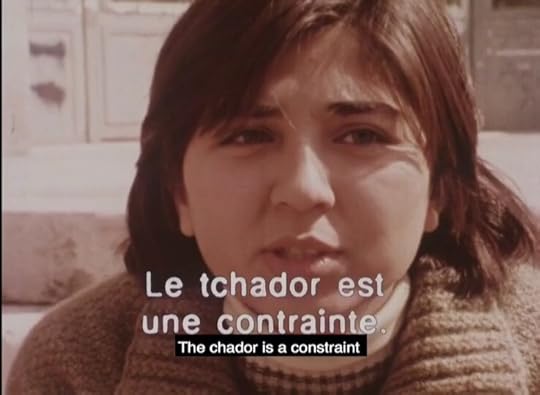
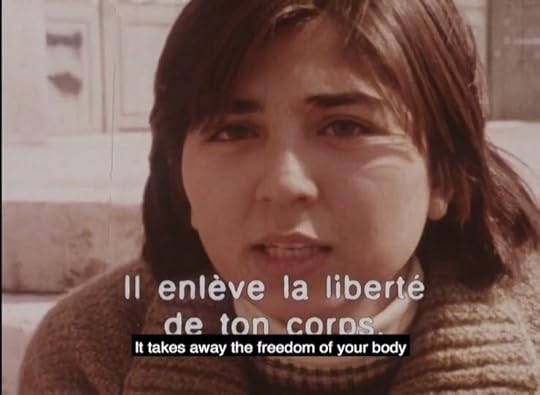
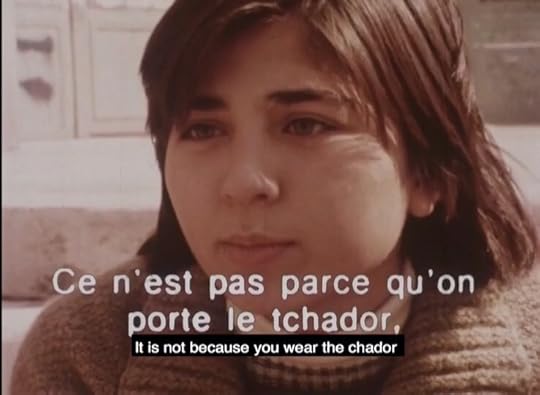
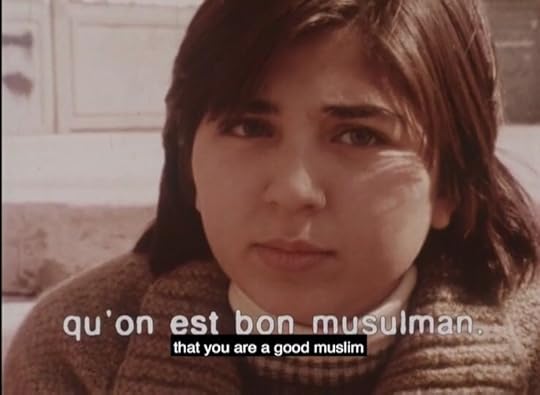
Kate Millett was already an icon of American feminism when she went to Iran in 1979. She arrived just weeks after the Iranian Revolution, to join Iranian women in marking International Women's Day. Intended as a day of celebration, the event turned into a week of protests. Millett, armed with film equipment and a cassette deck to record everything around her, found herself in the middle of demonstrations for women's rights and against the mandatory veil.
Listening to the revolutionary soundscape of Millett's audio tapes, Negar Mottahedeh offers a new interpretive guide to Revolutionary Iran, its slogans, habits, and women's movement―a movement that, many claim, Millett never came to understand. Published with the fortieth anniversary of the Iranian Revolution and the women's protests that followed on its heels, Whisper Tapes re-introduces Millett's historic visit to Iran and lays out the nature of her encounter with the Iranian women's movement.
مطلب شایان توجهی که در کتاب به آن برخوردم در ماههای اول انقلاب اسلامی گروهی هجدهنفره از فمینیستها، به نمایندگی از سازمان جهانی زنان، به ایران سفر میکنند. آنها میخواستهاند با خمینی دیدار کنند. ولی سیمون دوبووار، که به تقلید از سارتر پشت سر رژیم شاه لغز میخواند و ولنگاری میکرد، حالا با این تصمیم مخالف بود: "آخه برای چی میخواهید خمینی را ببینید؟" با اینهمه گروه فمینیستها، لچکبهسر، به دستبوس خمینی مشرف میشوند و سوالاتشان را دربارهی وضعیت زنان ایرانی مطرح میکنند. خمینی، که مثل همهی پرگرسیوها سوالات ناخوشایند را بیجواب میگذاشت، لام تا کام حرف نمیزند. فمینیستها دستازپا درازتر برمیگردند. مصاحبه پنج دقیقه بیشتر طول نمیکشد
Screenshots from Iran, Utopia in the Making (Jocelyne Saab, 1980)