هذا كتاب سيرة ذاتية، ولهذا يركز على جزء يسير من تجربة المسلمة، بوصفنا نساء مسلمات، نشعر بالراحة لمشاطرة تجاربنا والكلام بصراحة عن حياتنا وأفكارنا الخاصة؛ لأن لنا مثالًا رائعًا في عائشة، زوجة النبي صلى الله على وسلم، التي شاركتنا في التفاصيل الحميمة لحياتها معه. حتى نتعلم من تجاربها، ربما سيتعلم بعضهن منا.
الآراء المذكورة في هذا الكتاب نتيجة تجارب وفهم شخصي، ولهذا لا تمثل كل النساء المسلمات. لا تعد كذلك تجاربنا بوصفنا نساء اعتنقنا الإسلام انعكاسًا لتجارب كل النساء المسلمات. يعد المسلمون اعتناق الإسلام مجرد "رجوع" إلى فطرة الإنسان الطبيعية في الاعتراف بوجود رب واحد وعبادته ، لهذا يستعملون كلمة "رجوع" بدلًا من "تحول".
Na’ima B Robert is descended from Scottish Highlanders on her father's side and the Zulu people on her mother's side. She was born in Leeds, grew up in Zimbabwe and went to university in London. At high school, her loves included performing arts, public speaking and writing stories that shocked her teachers. Her popular 'From my sisters' lips' explored the reality of living as a Muslim woman in the West. She has written several multicultural books for children, including 'The Swirling Hijaab', 'Going to Mecca' and 'Ramadan Moon'. She is also the author of the teen novels 'From Somalia, with love', 'Boy vs Girl', 'Black Sheep' and the award-winning 'Far from Home', a historical novel set in Zimbabwe. Her cult classic 'She Wore Red Trainers' pioneered the 'halal romance novel' genre. She divides her time between London and Yorkshire and dreams of living on a farm with her own horses. Until then, she is happy to keep telling untold stories, calling for increased representation in children's books and mentoring other aspiring Muslim writers with her writing groups and programmes.
Very well done. After a family member embraced Islam, I've done a lot of reading to try to understand the religion better. This book describes the religion simply and straightforwardly - and it goes a long way to dispel notions about what kind of women in that practice are all about.
حقيقةً لا أعلم لماذا أعشق القراءة لمعتنقي الاسلام أو العائدين إليه من الغربيين ربما لأنهم وصلوا للإسلام بالطريقة التي كنت أتمنى أن أصل إليه بها أو لأنهم درسوه بعقل منفتح وحيادية بل وأحيانا باتخاذ موقف مسبق ضده أم لأنني دائما ما اتعلم منهم ما لم أتعلمه من دعاة وشيوخ يعيشون في ظل مذاهب مغلقة أم لأنهم تركوا الحياة الغربية - التي يسعى إليها المهزومين نفسيا من أبناء وبنات المسلمين الذين يتركون الصلاة ويشككون في الله بغير علم ويدمنون المسكرات والمخدرات أو اللائي يخلعن الحجاب ويلبسن ملابس لا تستر أبدانهن ويضعن مستحضرات تجميل وعطور وعدسات ملونة ليتشبهن بتلك الغربيات - وذهبوا بملء إرادتهم إلى عقيدة تعد هي الاصعب في التكاليف "حاليا" لإن تكاليفها لايوجد فيهاا تنازلات ولا موائمات فالحلال بين والحرام بين في الاسلام ومن ارتضى الاسلام دينا عليه أن يلتزم به أم لإنهم على مستوى عالٍ من الثقافة والاطلاع والقراءة في مختلف الافكار والايديولوجيات ام لإنهم من خلفيات ثقافية وعرقية وقومية مختلفة وعند اعتناقهم الاسلام أسقطوا تلك الحواجز العنصرية الوهمية لا اعلم لماذا حقا ولكني احب دائما القراءة لهم وعنهم ................................ الكتاب الذي بين أيدينا لسيدة مولودة لأب جنوب أفريقي أبيض وأم سوداء من قبائل الزولو وولدت في شمال انجلترا وتنقلت مع عائلتها إلى اثيوبيا ثم إلى زيمبابوي التي استقرت بها حتى انهت دراستها الثانوية ثم عادت إلى انجلترا لتلتحق بالجامعة هناك فتاة شابة منطلقة تشكل توجهها الاخلاقي -كما تقول- من أغاني أر أن بي وفرق الراب جاءت إلى مصر في اجازة الصيف بعد عامها الجامعي الأول وهنا تعرفت على الاسلام بعدما شاهدت الحجاب - المزدرى والمخلوع حاليا - في كل مكان حتى أن زوجة منظم الحفلة الموسيقية كانت محجبة وعندما سألتها لماذا تغطين نفسك وانتي امرأة جميلة للغاية, كانت اجابة المصرية "لأنني أريد أن يحكم الناس علي بما أقوله وأفعله وليس بما أبدو عليه" تلك الاجابة التي استفزت المؤلفة وجعلتها تفكر في هذا الدين الذي يجعل المرأة قوية لدرجة انها لا تبذل ما في وسعها للفت انتباه الرجال ............. تعرفت اكثر على الاسلام عندما قضت رمضان في صحبة اسرة مسلمة في غينيا وهكذا مع قراءة ترجمة القرأن والنقاش مع صديقتها وزميلتها في الجامعة والتي اعتنقت الاسلام ومصاحبة تلك الاسرة اعتنقت الاسلام
وخلال صفحات الكتاب تروي لنا تحت فصول الكتاب تجربتها وتجربة صديقاتها- أخواتها - مع الاسلام ومع الحجاب ومع الزواج ومع تربية الاطفال ومع نظرة المجتمع لهن والتى لم يولينها اهتماما كبيرا ومع ردود أفعال أهلهن ومع أعمالهن ودراستهن
الكتاب موجه للقارئ/القارئة الغربيين اصحاب الافكار المسبقة المجحفة عن الاسلام الذي يظلم المرأة وعن سيطرة الرجل على المرأة في الاسلام .. الخ
لأن تلك النسوة أخذن الإسلام من الكتب لا من عادات - عاهات - وتقاليد المسلمين فهن يتحدثن عن الاسلام الذي نقرأ عنه في القرأن وفي السنة وفي كتب السيرة النبوية وسير الاجيال الاولى من المسلمين ................... لفت انتباهي نقطة أحب ان اتكلم عنها وهي مظهر المرأة فبعدما تحجبت نعيمة ثم ارتدت العباءة فالجلباب فالنقاب بكامل رغبتها دون أي مؤثر خارجي اعترفت لنفسها ان ملابسها في الجاهلية _كما تقول- كان الغرض الرئيس منها لفت انتباه الرجال وكذلك قلن مثلها اخواتها المسلمات وتلك قناعتي الشخصية أيضا والتي تنكرها بنات المسلمين اللائي يخلعن الحجاب او يرتدين البنطلونات التي تصف كامل اجسادهن وفوقها ما لايستر وفوق رؤسهن قطعة من القماش لا تستر حتى كل شعرهن. أثر في فصل الحجاب كثير خصوصا لأني بصورة شبه يومية أرى فتيات خلعن الحجاب اما لأنهن مطلقات أو لأنهن يردن أن يعجبن من لا تعجبه المحجبات أو لأنهن مصابات بعقدة التغريب. فها هن الغربيات يعلمنكن ويعلموننا درسا قاسيا في احترام الله عز وجل والسير وفق مراده ها هن يعلموننا ويكشفون لنا زيف تديننا الذي لا يسمن ولا يغني من جوع ويكشفون لنا مقدار جهلنا بديننا الذي نشأنا عليه من أول نفس لنا ها هن يردون على هؤلاء الحمقى والجهلة من المنظرين ضد الدين ومن الذين يدخلون اغراضهم الشخصية فيه ومن الحمقى الذي يدعون ان الحجاب ليس فرض ويأولوون الايات بغير تأويلها الصحيح ويلوون أعناقها لتتوافق مع فكرهم المفرط ................................... الكتاب ممتع اللهم الا بعض الملاحظات على الترجمة الحرفية حتى للاحاديث والتي كان يمكن تخريجها بسهولة مع الاشارة الى ذلك في الهوامش كتاب يستحق القراءة والاقتناء والتدريس لمسلمي ومسلمات البطاقة.
آدما خیلی وقت نیست که قدرت انتخاب آیین و مذهبوشن رو پیدا کردن. با این وجود، انتخاب نه تنها توی شرق بلکه در غرب هم بدون هزینه نیست. کتاب از زبان زنانی هست که در غرب مسلمون شدن و اینکه چطوری مسلمون شدن و بعد رفتار و ظاهرشون تغییر کرده. در مورد چالشهاشون با جامعه و خانواده و دوستان بعد از پذیرش آیین جدید هم صحبت کردن. یه نکته جالب کتاب اینه که با خوندنش شما تا حدودی میفهمین اشتراک شخصیتی افرادی که مسلمون شدن چیا بوده و با چه پیشینه فکری و روانی به فکر این جراحی عمیق اعتقادی افتادن. مطالعه کتاب دیدگاهتون رو در مورد نگاه غرب به دین و مذهب منطقی و متعادل میکنه.
انتشارات آرما کتابو به نام "طعم غربی ایمان" با ترجمه قابل قبول منتشر کرده.
I found this book very interesting as it gave me a view of how the Muslim womans world works. This is not something I would be naturally exposed to and I thought it an excellent educational journey.
This book is wonderful. I fear that I don't have many words to fully describe the impact it had on me, so I'll keep this review short. From My Sisters' Lips debunks the common misconceptions about 'oppressed' Muslim women, and in doing so gives voice to many women, allowing them to offer insight into their lives, marriages, families and religion. It was particularly powerful coming from women who had chosen to embrace Islam, and their stories were genuinely enlightening and thought-provoking. It was lovely reading about intelligent women making their own decisions, regardless of what society or their families would think. Even more so, I absolutely loved that this book is able to summarise both Western and Islamic values and point out that, contrary to popular belief, Muslim women are indeed 'liberated', and they do NOT need pity or tears.
A celebration of womanhood and sisterhood, From My Sisters' Lips is a truly remarkable read. I recommend this to anyone who wants an in depth insight into the lives of the so called 'oppressed' Muslim women.
I wasn't sure what to expect out of this book at first. There are so many attempts by Muslim authors to shed light on Islam - Most of which are fractionally sensere. Na'ima B. Roberts does not suffer from this problem. From My sister's lips is a very personal account of various "reverts" to Islam, as she calls them, including herself. Many of the women's stories surprised me and some were inspiring on many levels. Na'ima also gracefully tackles the wide array of reactions non-Muslims have towards veiled Muslim women. It is one of the few books that take great strides in portraying a woman's spirit and strength through the faith of Islam.
There was the occasional euphoric descriptions of the religion. There are also instances where I felt specific sectarian beliefs were over glorified. Still, the author tells her story from a heartfelt place. As a reader, I believed her passion and enjoyed browsing through the lives of all the women in the book. It is an informative book on Islamic women and a pleasant read with smooth transitions.
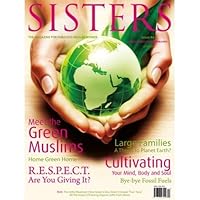
Beautifully written and with utmost clarity, Na’ima gives us an account of her journey back to her original religion, Islam, in her memoir From My Sisters’ Lips. Through Na’ima, we also get to meet other sisters from different parts of the world who share their experiences from reversion to submission, nikkah, divorce, hijab, bereavement, niqab and so on. From My Sisters Lips was the first Islamic book I ever read, as it actually came to me in a period when I was facing some challenges in my life and I found it so interesting. I found solace in Allah (SWT) through this book as the trials faced by some of these sisters were nearly exactly what I was facing then. It was a great iman booster for me, Alhamdulillah, and I was able to evoke major changes in myself partially inspired by this book. From My Sisters Lips is highly inspirational and motivating. I would recommend this for every woman. Reviewed by Fawziyyah Emiabata for the February 2013 issue of SISTERS Magazine.
This Book is the most inspiring piece of autobiographical work i'v ever read. Talking about the basics of Islam, Naima takes us along the journey of her reversion and how she met similar Muslim women who formed her network of 'sisterhood'.
A must read for every girl trying to follow her deen inspite of the societal pressures around her- wether it's donning the hijab or getting married the islamic way...she talks about all the issues that Muslim women face in today's world.
الحياة معركة مستمرة بين الواجب والرغبة .. هكذا - الحياة معركة مستمرة بين الواجب والرغبة .. هكذا تجعلنا نعيمه روبرت نعيد التفكير مرارا وتكرارا في أنفسنا وفي تعاملاتنا وحتى في علاقتنا مع الباريء سبحانه وتعالى نساء اعتنقنا الأسلام كتاب يجعلنا نعيش معه عدة تفاصيل بدأً بالتفكر والتدبر إنتقالاً الى الخضوع والاذعان تتدرج نعيمه بوصف شعورها بكلمات سلسه ومشاعرٌ جياشه في كل مرة ترتدي فيها الحجاب من الوشاح الذي يغطي الشعر وصولا إلى النقاب بطريقه ممتعه تجعلنا نتذكر نحن ايضا اول مرة بدأنا فيها بالاعتياد على الحجاب من سن مبكرة جدا نظرتها لبعض ايات القران تدعو للتأمل والتدبر مثلا عند قوله تعالى (كتب عليكم القتال وهو كرهٌ لكم ) البقرة216 ذكرت جانب جميل وهو جهاد النفس صفحه142 باختصار كتاب رائع ليس فقط لمعتنقي الاسلام حديثا وانما ايضا للجميع لانه يجعلنا نعيد ترتيب اوراقنا من جديد محاولين بذلك اعادة الشعور باللذة في العبادة والطاعه في كل امور ديننا بقلم سامية الصحفي
I’ve had this book on my shelf for at least 3 years now and, sadly, only found the time to pick it up now as part of a reading challenge I participated in here on goodreads. I’m so glad that I finally got around to reading it as it has opened my eyes to a different and fresh perspective on what it means to be a Muslim. Seeing the beauty of Islam through the eyes of recent reverts to Islma, people who were not brought up with it in their lives and, therefore, did not take it for granted and place it second to their daily activities but rather strove to maintain the practice of Islam at the forefront of their daily activities, has instilled in me a certain pride in the beauty of my religion. Sadly, most of the world does not see Islam for the beautiful and peaceful religion it is. Instead, they choose to believe the false propaganda generated by the media which serves the interests of those who control the media and are therefore in positions of greater power to influence the ideas and beliefs of an unquestioning public. To declare that you are a Muslim in this day and age is to invite unfair discrimination and prejudice, to alienate yourself from those who would otherwise call you their friend and to be regarded with suspicion at every turn. However, a true Muslim places their religion before the approval of others. Seeing how much of discrimination these brave and courageous women faced when deciding to first adopt a more modest, Islamic way of dressing even before they decided to become Muslim, and the elevated levels of discrimination they faced once they had accepted Islam and chosen to take the big step of donning the niqaab and covering themselves completely, I have come to realise how easy some of us have had it by growing up in supportive, Islamic backgrounds and amongst people and friends who , although not entirely informed with regard to our religious practices, chose to set aside an prejudices they might otherwise have had and accept us for the people we are and even accommodate our religious practices where necessary. The sisters whose stories are contained in this book are truly worthy of respect for their unyielding resolve to march forward in the face of such great challenges and seek an Islamic way of life in an opposing Western world.
Important ideas that I have picked up from this book include how all-encompassing the daily practices and rituals that inform our existence as Muslims actually are. I never truly understood what people meant when they said that Islam is not just a religion- it is a way of life. Now I’ve moved a little closer to understanding how Islam can be a way of life. In our every action as Muslims, we are taught to exhibit an Islamic identity. There are Islamic guidelines on the proper social etiquette and ways of conducting ourselves in the social, business and family environments. We are provided with clear guidelines for our dressing, grooming, personal hygiene and other personal, everyday matters. Many of the sisters interviewed said that that was one of the main attractions of Islam as it provided them with such clear instructions on how to live a good, Islamic life and that the logic and reason behind many of its guidelines appealed to them. All sisters agreed that Islam served to provide them with a clear direction and granted purpose to their lives.
Another aspect of this book that appealed to me is that it provided a modern-day rationale for polygamous marriages. The Prophet Muhammad (PBUH) had encouraged men to take wives during a time when many women were left widowed as a result of a battle that significantly reduced the numbers of men and, since these women were in danger of turning to prostitution in order to earn a living, the men were encouraged to take them in as their wives if these women would have them. Although I have never been comfortable with the idea of polygamy, I have to admit that even in today’s times there are many women who are left destitute once their husbands have passed on and cannot go on surviving without the financial support of a male breadwinner. In this book, an interesting aspect of how polygamy may benefit the modern career woman is discussed. It is stated that should a woman want to marry, but also wants to have her own space and not have to deal with a demanding husband 24/7, she could allow her husband to take another wife so that she can have some free time to focus on her studies, career, social life or just her own personal growth and development. It is important to note that a man cannot take another wife without the permission of his present wife and a man is not allowed to take another wife simply because he lusts after the other woman.
Coming back to the idea of Islam providing these newly reverted sisters with a deep contentment due to a new purpose in life, I have to admit that I grew ashamed at my own neglect of this purpose as a Muslim. It is so easy to get overwhelmed by the sheer weight of the demands placed on us in our daily lives, that we become so engrossed in our daily activities that all we want at the end of the day is to indulge in some mindless recreation- which is usually in the form of unislamic viewing of TV or listening to Music. As Muslims, we are taught that our life on this earth is fleeting and transitory, so we should not grow attached to this world as our eternal life will be in the Hereafter. Rather, we should view this world as a test wherein we are constantly challenged and have to step up to these challenges and bear them with patience or overcome them in the best manner possible. Our free time should be spent engaging in family activities, sport or other useful endeavours which will not allow us to grow complacent and lazy and deviate from making steady progress toward our ultimate goal.
Muslims are taught to never mock the religions of others, but to always show the utmost respect to the religious beliefs of others. However, while many Muslims strive to exhibit religious tolerance and acceptance in their daily interactions, it is sad that many innocent Muslims (such as the two sisters described in this book) are victims of despicable acts of prejudice and hate based on a widespread condemnation of Muslims in the post-9/11 era. Many people, sadly, do not stop to think before judging and harshly sentencing a vast majority of Muslim people to a lifetime of unfair prejudice and discrimination based on the actions of a select minority whose ideas don’t even stem from anything remotely resembling true Islam. It is my hope that someday Muslims may be able to walk the earth with their heads held high and not have to cower in a corner, accepting the baseless accusations thrown at them for fear of inciting the wrath of any government and its unquestioning public.
আমার মাথায় সবসময় একটা কথাই ঘুরপাক খেতো,এই যে যারা নওমুসলিম হচ্ছে তারা কিভাবে সব সামলাচ্ছে?দ্বীনের বুঝটা সঠিকভাবেই পেয়েছে? আসলে তারা আমাদের মতো গতানুগতিক মুসলিমদের থেকেও ভালোভাবে দ্বীন মেনে চলে।এটা আসলেই সত্যি! আমরা যারা জন্মগত মুসলিম, তারা নিজেদের ইচ্ছামতো বাছাই করে নি কোনটা মানবো আর কোনটা মানবো না।ইসলাম কোনো বুফে নয়!! আর অপরদিকে, নওমুসলিমরা শাহাদাহ পাঠ করার পর,ইসলাম সম্পর্কে আরো বেশী জানে।যেটা ইসলামে নেই,তারা সেগুলো নিজেদের জীবন থেকে সরিয়ে নেয়।আর যা ইসলামে আছে,তা তারা নিজেদের জীবনের একটা গুরুত্বপূর্ণ অংশ হিসেবে মানা শুরু করে।কোনোকিছুতেই আপোষ করে না। বইটা পড়ে ঠিক তেমনটাই বুঝলাম! . অনেকেই নওমুসলিম আবার অনেকে ফিরে আসা মুসলিম তাদের টুকরো টুকরো কথাগুলোই তুলে ধরা হয়েছে।আমি শুধু অবাক হচ্ছিলাম,এমন রঙিন দুনিয়া ছেড়ে কিভাবে তারা নিজেদের একজন মুসলিম হিসেবে তৈরি করার জন্য কতো কিছু বিসর্জন দিলো।আর আমরা জন্মগত মুসলিমরা?
এই নারীদের কাউকেই নির্দিষ্ট ছাঁচে ফেলা যায় না।প্রত্যেকেরই নিজস্ব ব্যক্তিত্ব আছে,নিজস্ব কথা আছে।তাদের কেউ ছিলো গোঁড়া নারীবাদী, আফ্রিকান জাতীয়তাবাদী, কেউ ভেতরে ভেতরে বিদ্রোহী, কেউ গানপাগল, রকস্টার, কেউ ডিস্কোকন্যা, কেউ নিমগ্ন হয়ে চার্চে যাওয়া মেয়ে, ডিজাইনার, খেলোয়াড়, মডেল, গায়িকা, চাকরিজীবী, মাস্টার্সে পড়ুয়া, প্রথাগত মুসলিম, খ্রিস্টান, শিখ, নাস্তিক- সব রকমের পরিবেশ থেকে বিভিন্ন বয়সের মানুষ। এবং সবচেয়ে অপ্রত্যাশিতভাবে,ইসলাম তাদের প্রত্যেকের কাছেই পৌঁছুতে পেরেছে, তাদের হৃদয়ে জায়গা করে নিতে পেরেছে, প্রত্যেকের সাথে ব্যক্তিগতভাবে আলাদা করে কথা বলেছে; তারা যেসব প্রশ্নের উত্তর খুঁজছিলো-- সে উত্তরগুলো তাদের দিয়েছে এবং আজীবনের জন্য জীবন বদলে দিয়েছে। . সারার ভাষায়,
“জাহিলিয়্যায় সব ধরনের ব্যাপারই মানুষকে প্রভাবিত করে—মা বাবার চাওয়া, তুমি যেসব মূল্যবোধ নিয়ে বেড়ে উঠেছ, তা। আমার ক্ষেত্রে ব্যাপারগুলো ছিল যোগ্যতা, প্রাতিষ্ঠানিক পড়াশুনা ইত্যাদি। এগুলো অগভীর ব্যাপার। প্রথম যখন দ্বীন মানা শুরু করলাম, এরকম চিন্তাভাবনা থেকে বেরিয়ে আসাটা আমার জন্য খুব কষ্টকর ছিল। বিশ্বাস আর দ্বীনের বুঝ বাড়তে থাকলে আমি আল্লাহর উপর আস্থা রাখতে শিখলাম। বাইরের চাকচিক্যে প্রভাবিত না হয়ে বুঝতে শিখলাম একজন মানুষের সবচেয়ে বড় সৌন্দর্য হচ্ছে আল্লাহর প্রতি তার আত্মসমর্পণ। আমার স্বামীর সাথে যখন আমার প্রথম দেখা হয় তখন তার এমন কিছুই ছিল না যা আমি জাহিলিয়্যার সময়ে খুঁজতাম। কিন্তু তার মধ্যে যে মূল্যবোধ ও চারিত্রিক বৈশিষ্ট্য ছিল, তা ছিল ওসবের চেয়েও অনেক সুন্দর। কারণ আমি তখন আল্লাহ যা ভালোবাসেন তা ভালোবাসতে শিখেছি।”
▪ " মাঝে মাঝে আমি দেখি একটা ছেলে একটা মেয়ের পাশ দিয়ে হেঁটে যায়,তারপর ঘাড় ঘুরিয়ে পেছনে তাকায়,মেয়েটার পা বা অন্যকিছুর দিকে খেয়াল করে তাকিয়ে থাকে। আমার সাথে কখনো এমন হোক- ব্যাপারটা আমি ঘৃণা করি।আমার মোটেও ভালো লাগে না,এটা কোনো মজা না।আমি বুঝিনা মেয়েদের কিভাবে এটা ভালো লাগে!বরং এটা চমৎকার যে একজন মুসলিম পুরুষ আমার পাশ দিয়ে হেঁটে যাওয়ার সময় চোখ নামিয়ে ফেলে।আমার পা দেখে শিস বাজানোর চেয়ে এটা বেশী সম্মানের। " _____রাবি'আ
একটা পেইজ পড়ছিলাম আর অবাক হচ্ছিলাম,কিভাবে নওমুসলিমরা ইসলামটা সুন্দর করে মেনে নিচ্ছে।যা আমরা জন্মগত মুসলিম হয়েই পারছি না। একেকজনের ফিরে আসার গল্প একেক রকম।কতো প্রশ্ন,কতো ভাবনা।আর তার সুন্দর সুন্দর উত্তর! সবাই কী সুন্দর একে অপরকে সাহায্য করছিলো।
From my Sisters Lips was a thought-provoking read and pretty much all about converts and there journey to Islam, and although it was quite enlightening to know the reasons of choosing Islam and how they were guided, I kind of wanted to know more about Muslim journeys aswell, to getting to know the religion better, nevertheless though I loved how Na'ima B. Robert conveyed her view of Islam and showed her immense love for it, and to love for the love of Allah swt is truly spectacular.
So it pretty much took me forever to read but I did enjoy it, and I must say I did learn a thing or two, and i found it quite satisfying to know that these faceless woman do have there own personalities, and chose to wear the niqab or hijab, not because they were forced to and that makes me extremely content for them.
But the image of a Muslim women in a Niqab and Abaya skateboarding does make me laugh out loud.
Hmm.. a long book. I think some ideas were repeated many times to the extent that the book turned to be -sometimes- boring. However, there are many parts that I totally enjoyed and I even highlighted these pages to keep reading them over and over again. For a practicing Muslim, many ideas seem already well-known, and here, I think they are assumed to be read by non-Muslims who would see these things as 'strange' or 'different.' From My Sisters' Lips also discusses some crucial stuff that happen nowadays in both the Arabian and Western worlds. I like to rate it 3.5, but since that's unavailable, and 4 is high for it, I chose 3. Were the book shorter, more focused, and ALL its chapters were written in a 'really interesting style' -some are already so-, I would have rated it 4 or maybe 5 even.
I was really excited when I started reading this book. I love reading stories of peoples journey's in Islam. Parts of it really interested me. However what spoiled it for me was so much talk about the niqab in particular. As this is a cultural thing rather than a necessity in Islam I suppose I found this part a little (dare I say it) boring. I have many friends who wear the niqab and truthfully it doesn't interest me why they wear it either. I didn't agree with everything she wrote but then that's her opinions and obviously this book is about her and not I. However parts of the book are very funny and enjoyable. I have actually read this book twice but there won't be a third time. The author is a very good writer and I wouldn't hesitate to read one of her other books though.
This book was the first book I read about Islam in English. I really enjoyed the book. It contains good convincing answers for common questions about Islam and Muslim women. It really expressed most of the things that I would like people to know about Muslim women.
وكما أن هناك حب من النظرة الأولى، هناك أيضا حب من المكالمة الأولى :) وهكذا أحببتها أتوق لقراءة هذا الكتاب الذي أتوقع أن أجد فيه الكثير من الإلهام والتقويم لمنهج حياتي شكرا مسز هدا لأنك نشرتِ قصتك في هذا الكتاب.. :)وشكرا شيماء لتعريفي على هذه الإنسانة الرائعة
I can't say that I completely agree with the author's interpretation of Islam but I found the book to be refreshing nonetheless. It is important to include the voices of Muslim women in the discussion about our identity and faith.
I learnt quite a lot reading the book, I wanted to read it having spent some years in Morocco. The book is not well written and has a chatty, girlie magazine, cosy style to its writing. And here is where I start to have misgivings about this book. It's a personal account by the author, that is the description, fair play to her, she is setting things out how she sees and experiences them and she sets out quite a lot of the religious Koranic texts to show her beliefs and the meaning behind them, which I enjoyed and learnt from. However, in chatting with us as to why it makes perfect sense to her that she, for example, covers her head, it assumes a given, that this is why this is, simple as that! 'And that, my friends, is why I cover my body!'. Many people, reading this book may accept what the author says in a black and white context, as a sensible conclusion. However, I urge people to read other balanced views. If someone were to read this book and only this book they may well feel that all is well and good in terms of equality and freedom in the Islamic female community. But it is really not as straightforward as that. Happily I have experienced different views, but this book made me angry by presenting all the author's thoughts and deeds as faits accomplis, that show a saccharine and over-simplified view of life as an Islamic wife and mother.
Good book can be a good read for people to learn about Islam and the lives of Muslim women. Even as a Muslim it gave me a new perspective on some aspects of practicing Islam which I had taken for granted.
However it's important to keep in mind that it's a book about Naima and that the community she portrays is her unique British-Muslim community which somehow seemed a bit secluded to me.
I also felt like she either over glorified or presented as facts her own choices and interpretation of Islam like wearing the niqab and not working. At time making it seem like the only correct 'Islamic way' of living. but I guess being an autobiography she is allowed to do that!
I wanted to love this book, I really did. I couldn't get past her explaining everything so much and the whole book felt that way to me. I couldn't even finish it. Just my preference, I suppose.
I was hesitating between 2 and 3 stars, but eventually settled on 3. I think the book could be made shorter if a lot of unnecessary details and repetitions were removed.
I take my hat off to the converts all over the world for the struggles they've been through, before and after embracing Islam. May Allah bless you all.
Quotes I liked: " And although you know that what you are doing is right and that what you believe is the truth, the feeling of being looked down upon and steered at stings like no other. "
" sometimes it takes extra guts to be who you want to be and do what you want to do, regardless of what people around you expect "
" It would appear that, in this day and age, only paedophilia has not gained media acceptance. "
" Now, to many people today, large families are a symbol of backwardness, of days gone by when human beings did not know how to control their reproductive systems. The Muslim sees things differently; ... "
" It's a mixture of love and respect. When I think of my upbringing, I think, Why did I obey my father? Not because I was scared of him, I obeyed him because I loved him and I had this huge respect for him. "
" In fact, nowadays, it seems that anything that smacks of religious devotion is ridiculed. "
" When you find the truth, the truth isn't always going to be what you like. "
" To be a Muslim, is to be confident, never despairing of Allah's aid "
" It is not Islam that oppresses Muslim women, it is the lack of knowledge or the application of that knowledge that oppresses. "
"I believe that the lack of authentic Islamic knowledge in our societies is felt most keenly by us, its Muslim women. It is we who suffer most when general levels of deen are low, when we do not know our rights and when the men either don't know them or don't fear Allah enough to give them.
It is we who are oppressed by patriarchal cultures and chauvinist attitudes. It is we who are cut, carved and killed, depending on the prevailing customs. It is not Islam that oppresses Muslim women, it is the lack of knowledge or the application of that knowledge that oppresses.” - I've had this book on my TBR since 2015. Something compelled me to pick this up on a random Thursday afternoon, and I'm glad I did.
This book is a small slice of the Muslim experience, specifically the Muslim Woman. This book includes Muslim women from different ethnicities, backgrounds and cultures who questioned their existence, analysed their situations and acted upon their curiosity, and despite our differences, I see bits of myself in each of these women.
I love that the author moulds each of their experiences according to a specific chapter. Like an essay that includes citations, their experiences help to amplify the wisdom behind each Islamic concept. It's refreshing and easy to grasp for Muslims and non-muslims. And if you enjoyed reading It's Not About The Burqa by Mariam Khan, I guarantee you will love this so much more.
Born and raised as Muslim, there are fields in my life I've taken for granted; wuduh, Salah, Dhikr, hijab,... Reading this book was like looking at all these aspects of my deen and identity from a different angle, I've never looked at wuduh the way it was mentioned by Na'ima. I consider praying and wearing hijab as a routine I do in my everyday life, but Na'ima made it sound like a privilege. The journey of Na'ima reverting to Islam was amazing, I cried three times while reading it, the strong emotions she put in words describing her journey were spectacular, reaching the moment she said shshada...I wept like a child..! It was refreshing reading about things I already knew and learnt as a Muslim from the point of view of reverts to Islam rather than a person born and brought as Muslim. I loved that Na'ima wrote about what other reverts think, even if she disagrees with them, but you wouldn't feel the contradiction in points of views in this elegantly written book. I didn't agree with the marriage, deen, love triangle,but I felt the strong belief from where Na'ima was coming. I think this book is most benificial to females who are new reverts to Islam, because it covers what they'd probably go through emotionally and physically.
This is a good read for anyone interested in learning about Islam/Muslim women. It's not the most factual/informative book but gives insight into the lives of Muslim women through the eyes of a few reverts. It would have been nice for there to have been more factual details as a lot of it is opinion based upon the author's experiences - a lot of generalisations were made which dismissed the beautiful variety and differences that we all have. I would have also liked there to be more reference to born Muslims as opposed to reverts which this book heavily focuses on as I felt the other side of the coin was under represented. The recurrent theme of a close knit sisterhood was well portrayed. This isn't a religious text by any means and so I would recommend this book to anyone wanting a bit of general insight into Islam.
This is the book I've been looking for since I became a Muslim. I am often asked, what is a good book to explain you religion, and I have a few that I recommend, but this one does the job of several in just one volume! Ma sha Allah! I absolutely loved the fact that the sister focused more on what Muslims do instead of what we are not allowed to do. An example: I think she only mentions once or twice that Muslims don't eat pork, instead, she talks about the wonderful get-togethers sisters have to share food, love and the practice of our religion. The whole book is like this, and it comes not only from her voice, but from all the converts/reverts she has met along the way.