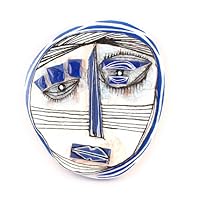
Writing Madness is a new, massive collection of short fiction, novellas, and essays by Patrick McGrath. It features the complete contents of McGrath’s brilliant 1987 debut collection, Blood and Water and Other Tales, the three novellas of Ghost Town, six previously uncollected short stories, seven essays, and over 20 of McGrath’s insightful and engaging introductions and book reviews from over the years. For thirty years Patrick McGrath’s novels have received high critical acclaim worldwide, and won prizes internationally. Writing Madness is the first large-scale collection of McGrath’s short fiction and nonfiction, including the stories in Blood and Water and Other Tales, and Ghost Town: Tales of Manhattan Then and Now. Also included in this unique volume are a number of McGrath’s essays, introductions and book reviews, and several uncollected stories. An account of his childhood in the shadow of the walls of Britain’s largest top-security mental hospital, “A Boy’s Broadmoor,” is reprinted here, as is his astonishing account of a bizarre true-life tragedy, “Death of a Silent Twin.” Gorgeously illustrated by Harry Brockway, Writing Madness has both an introductory essay by Joyce Carol Oates, and an endnote by Danel Olson. The writer who first coined the term The New Gothic, and has been called by one critic “possibly the best gothic novelist ever,” is here published in a beautiful volume from Centipede Press, sure to become a treasured item on every collector’s bookshelf.
Patrick McGrath was born in London and grew up near Broadmoor Hospital where his father was Medical Superintendent. He was educated at Stonyhurst College. He is a British novelist whose work has been categorized as gothic fiction. He is married to actress Maria Aitken and lives in New York City.
La padronanza dell'arte La padronanza dell'arte di annoiare mortalmente il lettore. Raramente ho incontrato racconti così poco interessanti, così poco appassionanti e, spiace dirlo, insignificanti.
Non è tutto da buttare, un paio di episodi meriterebbero la sufficienza (Il racconto dello stivale e Non è una partita di cricket, con un improbabile vampiro e un'ancor più improbabile emula di Van Helsing), ma il giudizio generale sulla raccolta non può che essere oltremodo negativo. Anche solo per il «percorrevamo le strade come zombie» messo in bocca all'io narrante di un racconto ambientato negli anni della Rivoluzione Americana (e non si tratta certo di un passato parallelo in cui possa esistere il concetto di zombie) - colpa dell'Autore o del traduttore?
Alcuni tra i racconti inediti hanno un vago sentore di Poe, in special modo L'Altro psichiatra col suo finale la cui ultima frase ridefinisce tutto il racconto.
This is a beautifully put together edition from Centipede Press and a must for McGrath fans, especially for completists, as it is hard to imagine tracking down all the material the book contains on your own. I came to this as a casual reader and was struck by many of the stories included. They represent explorations of psychology and insanity, which occasionally wanders into the neighborhood of horror and nearly always create an unnerving experience. A few of the tales left me wanting. Particularly some of the longer stories, which felt packed with too many plot points without enough detail to bring it to life and came across a bit like abridged novels.
The last third is a collection of his non-fiction. Some of the essays stood out (Transgression and Decay, which explored themes in Gothic literature, is a must read), but overall I think you need to be a die-hard McGrath fan to really appreciate the inclusion of his book introductions and reviews.
Essendo una raccolta di racconti (comprende due precedenti libri più alcuni racconti inediti e comparsi individualmente su riviste) la qualità è molto disomogenea. Alcuni mi sono piaciuti molto, altri molto meno. Tuttavia è un libro che dà soddisfazione. Ci sono moltissimi racconti, di sapore gotico e tutti imperniati sulla follia umana, e non si rimane pentiti dell’acquisto. Come si dice ... ottimo rapporto tra quantità, qualità e prezzo.
Una nota “estetica” ... il libro con la sua colorazione rossa e tutti i bordi dipinti di nero è un oggetto bellissimo da tenere in mano!
Mi aspettavo una lettura che spiegasse cosa si cela dell’esperienza di Mc Grath nelle sue opere ma in “scrivere di follia” non c’è quasi nulla di tutto questo. Questo romanzo è diviso in tre parti che nulla hanno a che vedere l’una con l’altra.
Tralasciando la terza, in cui sono contenute recensioni, nella prima Mc Grath racconta l’esperienza diretta di bambino che cresce in un ospedale psichiatrico come figlio del direttore della struttura e che da subito viene affascinato dai misteri della mente umana e dalla follia che spesso sfocia dalle problematiche legate ad essa. (Da qui qualche accenno alle sue opere, sporadico e superficiale) Tra fotografie, storie vere e testimonianze è una parte molto bella e interessante che poteva rappresentare la totalità dell’opera.
La seconda parte è invece un’analisi della follia dal punto di vista letterario. Appare già nella prima parte l’unione dell’esperienza dell’autore con gli scritti gotici di romanzieri di epoche antecedenti a quelle in cui Mc Grath ha scritto di follia e di quanto poi la psicanalisi abbia modificato l’idea e il fulcro del romanzo storico.
Leggere l’analisi psicologica dei tratti introspettivi delle opere gotiche racchiuse nella seconda parte, se non sono state lette i romanzi in questione diventa un difficile doppio esercizio di analisi e comprensione. Ho quindi affrontato solamente le due analisi dei romanzi che ho letto e a cui tornerò quando avrò affrontato anche gli altri: (tra questi Dracula, Moby Dick, Il dottor Jakyll e Mr Hyde, Frankenstein, Shirley Jackson ecc).
Il grande assente in questo libro è proprio ciò che promette il titolo: scrivere di Follia. A parte un breve racconto su alcuni casi da cui l’autore ha preso spunto durante la sua infanzia nell’ospedale psichiatrico di Broadmoor mancano le risposte ai tanti perché di tali scelte, dei tratteggi e dei dettagli. Avendo letto solamente “Follia”, dopo aver letto questo libro non ho acquisito nessuna informazione aggiuntiva sulla stesura del romanzo di quante già ne possedevo.
Questo non rende la lettura meno interessante ma unicamente fuori tema rispetto al titolo. “Scrivere di follia” è in realtà un racconto personale dell’autore sulla propria infanzia a Boradmoor che incrocia la scrittura gotica come antitesi della psicanalisi e quindi le incursioni che tali discipline hanno avuto nella letteratura unite a ciò che lui ha visto nella pratica e nella sua infanzia e che di fatto l’hanno portato a scrivere.
Bello e interessante ma come analisi tecnica e psicologica di uno scrittore che riavvolge il nastro della propria esperienza diretta con la follia e la analizza poi nei classici della letteratura che nel gotico hanno affrontato il dualismo psichico.
I received a copy of this book directly from the publisher. Patrick McGrath’s writing represent the pinnacle of the modern Gothic tale. While Joyce Carol Oates may own the catch phrase “American Gothic” the rest of the world belongs to Englishman Mr. McGrath. His writing is a crisp walk through woods of madness that become a desperate run as his characters move forward to doom or even worse isolation from the world. McGrath’s early childhood was spend on the grounds of a mental institution run by his father. The noir of such a home life is part of the weave of his works. Writing Madness has almost been universally hailed as a masterpiece, winning a World Fantasy Award trophy for its stories, one for its art, & another for its editing. Centipede Press’ devotion to McGrath, with Welshman Harry Brockway’s gorgeous illustrations, is breathtaking. American Danel Olson, editor, has skillfully gathered a life’s work and this tome loving presents this to us. The volume includes the McGrath’s debut collection Blood and Water and Other Tales and the amazing three novella collection Ghost Town: Tales of Manhattan Then and Now. When you read these stories you need to prepare yourself. Sit in a well lit room. Have someone you love nearby to walk with you and hold your hand as you shake off the uncomfortable unease that will creep into you as each story unfolds. I hope that someday the volume is available on Kindle so that it can be received by a wide audience given Centipede Press’ limited run.
Una storia d’amore travolgente e perversa, ambientata in un tetro manicomio inglese, tra un artista condannato per uxoricidio e la moglie di uno psichiatra. La psiche dei personaggi è complessa, non è facile l’immedesimazione, ma è inevitabile capirli, comprendere le motivazioni dei loro comportamenti. Alla fine nessuno di loro si salva, tutti pagano le conseguenze delle loro azioni, delle loro ossessioni, delle loro mancanze. La follia percorre tutta la vicenda, essa si rivela non solo nei due amanti, ma anche in chi, forte della sua professione e del suo sapere, cerca con oggettività e apparente freddezza di raccontare ciò che accade. È una storia sconvolgente, che non si dimentica.
Adoro la tua scrittura, sofisticata senza essere troppo complessa, classica ma non barocca. Mi piacciono le sensazioni di inquietudine che evochi, le tue atmosfere malinconiche e un po' gotiche, lo humour spesso tendente al grottesco. E mi chiedo perché non ti credo mai? Anche quando non lo riveli sei un narratore inaffidabile. Racconti di follia... e il folle è quasi sempre il narratore e poi noi, gli spettatori.
Non mi è piaciuta la prima parte, autobiografica e autoreferenziale sugli scritti dell'autore (che non conosco, e di cui non mi interessa nulla della sua vita e dei suoi libri). Pensavo fosse un saggio che raccontava di storie di follia nella letteratura, e in effetti la seconda parte lo è, o meglio dovrebbe esserlo: ho trovato questo legame con la follia molto debole, a volte quasi inesistente, nelle opere analizzate, mi è sembrato più un raccontare a ruota libera le letture preferite dell'autore, centrino o meno con il tema della follia.