

What do you think?

نور ماه بر درختان کاج
سال نشر: پاییز 1385
گزیده ای از هایکوهای شاعران کلاسیک ژاپن
گزیده ای از هایکوهای شاعران کلاسیک ژاپن
87 pages
First published January 1, 2000
About the author
Jonathan Clements
154 books135 followersJonathan Clements is an author, translator, biographer and scriptwriter. His non-fiction works include biographies of Confucius, Marco Polo, Mao Zedong, Koxinga and Qin Shihuangdi. He also writes for NEO magazine and is the co-author of encyclopedias of anime and Japanese television dramas.
Ratings & Reviews
Friends & Following
Create a free account to discover what your friends think of this book!
Community Reviews
Displaying 1 - 30 of 36 reviews

March 23, 2020
اگر «هایکو» بین بیشتر مردم -حتی دوستداران شعر و ادبیات- آنقدرها مقبول نیفتاده، چندان عجیب نیست؛ شاید اگرهر مخاطبی پیش از اولین مواجهۀ جدی با هایکو، فلسفه و چیستی آن را درک کند، ارتباطی بهمراتب بهتر با آن برقرار کند.
پیش از این هایکو را قالبی که هرگز به بلوغ نرسیده میدانستم؛ کلماتی که مانند عروسکهای خیمهشببازی با نخی نامرئی میان زمین و هوا ماندهاند و هیچ نقشی بازی نمیکنند. شاید الآن انتظار میرود بگویم این کتاب دیدگاه من را نسبت به هایکو تغییر داد، اما نه! من این کتاب را یک بار سه سال پیش خوانده بودم و برایم حکم سندی داشت بر قضاوتم درمورد هایکو. اما اینبار با نگاه دیگری سراغ این کتاب رفتم و سعی کردم هایکو را فهم کنم. کلید این فهم در جملهای از مقدمۀ کتاب بود که شاید دفعۀ پیش توجهم را جلب نکرده بود: «نوشتن، تنها بهانهای است تا خواننده با ادراک خود،ناگفتهها را بیافریند... هایکو شعری است که با خاطرات و ناخودآگاه مجرد هر خواننده کامل میشود». اینطور شد که با یک قلمو، پای تابلویی که هر هایکوی این کتاب رسم میکرد نشستم و به شعری که میخواندم، تجسم بخشیدم.
هرچند طبیعتاً بعضی از هایکوهای این کتاب بودند که نتوانستم ارتباطی با آنها برقرار کنم، اما موفقیتی که این کتاب برایم داشت، آموختن لذت بردن از هایکو بود که برایم غنیمت بود.
چند هایکو از این کتاب که بیشتر دوست داشتم:
آه ای پروانه!
رؤیایت چیست
وقت بال زدن؟
/ چیو - نی
نه بهار
و نه تابستان
نتوانستند به ارتفاعات فوجی برسند
/ باشیتسو
بدون قلم
بید، باد را رنگ میکند
/ ساریو
پیش از این هایکو را قالبی که هرگز به بلوغ نرسیده میدانستم؛ کلماتی که مانند عروسکهای خیمهشببازی با نخی نامرئی میان زمین و هوا ماندهاند و هیچ نقشی بازی نمیکنند. شاید الآن انتظار میرود بگویم این کتاب دیدگاه من را نسبت به هایکو تغییر داد، اما نه! من این کتاب را یک بار سه سال پیش خوانده بودم و برایم حکم سندی داشت بر قضاوتم درمورد هایکو. اما اینبار با نگاه دیگری سراغ این کتاب رفتم و سعی کردم هایکو را فهم کنم. کلید این فهم در جملهای از مقدمۀ کتاب بود که شاید دفعۀ پیش توجهم را جلب نکرده بود: «نوشتن، تنها بهانهای است تا خواننده با ادراک خود،ناگفتهها را بیافریند... هایکو شعری است که با خاطرات و ناخودآگاه مجرد هر خواننده کامل میشود». اینطور شد که با یک قلمو، پای تابلویی که هر هایکوی این کتاب رسم میکرد نشستم و به شعری که میخواندم، تجسم بخشیدم.
هرچند طبیعتاً بعضی از هایکوهای این کتاب بودند که نتوانستم ارتباطی با آنها برقرار کنم، اما موفقیتی که این کتاب برایم داشت، آموختن لذت بردن از هایکو بود که برایم غنیمت بود.
چند هایکو از این کتاب که بیشتر دوست داشتم:
آه ای پروانه!
رؤیایت چیست
وقت بال زدن؟
/ چیو - نی
نه بهار
و نه تابستان
نتوانستند به ارتفاعات فوجی برسند
/ باشیتسو
بدون قلم
بید، باد را رنگ میکند
/ ساریو

October 8, 2017
ای برگها،
از باد بپرسید
کدامتان اولین برگی خواهید بود که فرو خواهد افتاد.
سوشکی
از باد بپرسید
کدامتان اولین برگی خواهید بود که فرو خواهد افتاد.
سوشکی

December 28, 2017
“Вземи ме с теб
от клетката да излетя,
хвърчило мое.”
Тама
————————————————————————
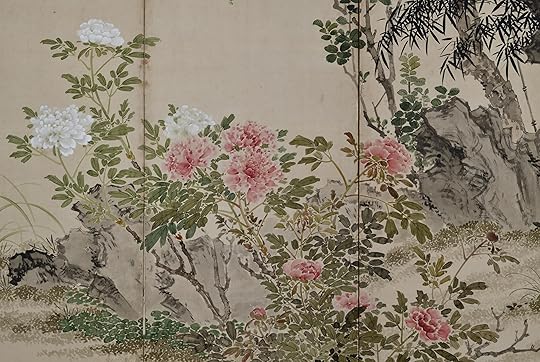
“Чистата утринна роса -
ненужна е на този свят.”
Исса
————————————————————————
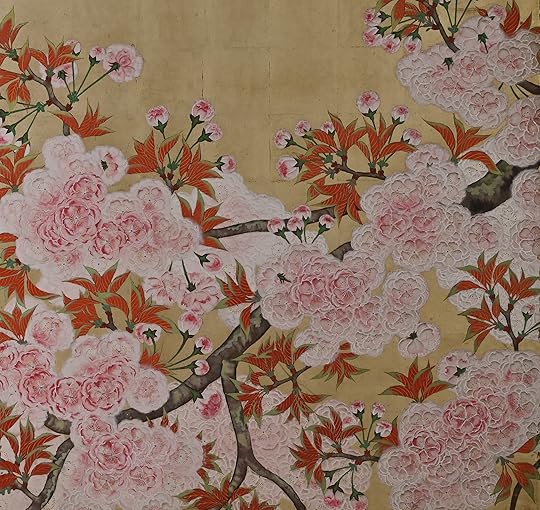
“Когато
вишните цъфтят
по-хубаво е на душата.”
Тацуджо
————————————————————————
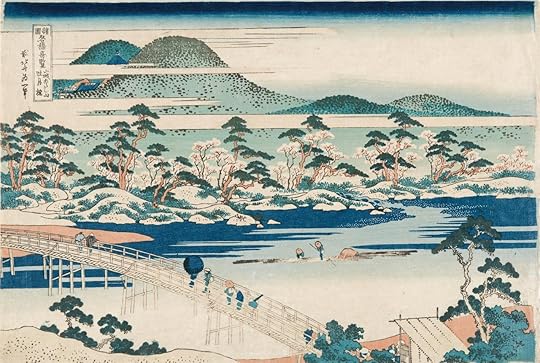
“Има мост над лятната река,
но конете
газят през водата.”
Шики
————————————————————————
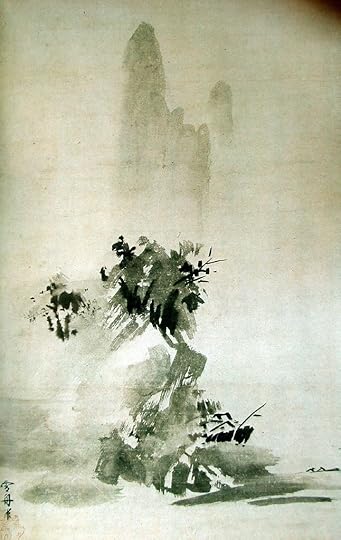
“Няма пътници
по този път -
есенна вечер.”
Башо
————————————————————————
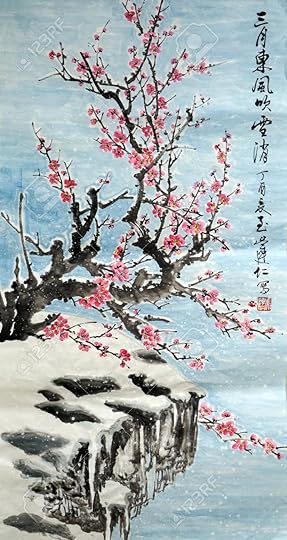
“Дори вишневите клони
да разцъфнат,
светът ни е страдание.”
Исса
от клетката да излетя,
хвърчило мое.”
Тама
————————————————————————
“Чистата утринна роса -
ненужна е на този свят.”
Исса
————————————————————————
“Когато
вишните цъфтят
по-хубаво е на душата.”
Тацуджо
————————————————————————
“Има мост над лятната река,
но конете
газят през водата.”
Шики
————————————————————————
“Няма пътници
по този път -
есенна вечер.”
Башо
————————————————————————
“Дори вишневите клони
да разцъфнат,
светът ни е страдание.”
Исса

October 24, 2017
مقدمه نویسنده خوب بود و همین طور انتخابهاش. ترجمه هم بد نبود. فقط کاش تصاویر رنگی بودند. چون واقعاً حسی که همان چند رنگ ساده در نقاشیهای ژاپنی به آدم میدهند قابل مقایسه با این تصویرهای سیاه و سفید نیست.
از تعابیر و تصاویری که خود هایکوها بیان و رسم میکنند خوشم میآید:
نه بهار
و نه تابستان
نتوانستند به ارتفاعات فوجی برسند.
باشیتسو
از تعابیر و تصاویری که خود هایکوها بیان و رسم میکنند خوشم میآید:
نه بهار
و نه تابستان
نتوانستند به ارتفاعات فوجی برسند.
باشیتسو

December 14, 2015
شعرها عموما جالب بودند. نقاشی ها به دلیل اینکه سیاه و سفید چاپ شدن لطفشونو خیلی از دست دادن - با این حال هنوز هستند نقاشی هایی که حال و هوای هایکوها رو تشدید کنن
در ضمن من با ترجمه مشکلی نداشتم

October 13, 2024
چه ستودنی ست کسی که نیندیشد:
(زندگی گذراست)
هنگام برجهیدن آذرخش.
(زندگی گذراست)
هنگام برجهیدن آذرخش.

February 26, 2013
سر کلاس شیمی خوانده شد!:دی

December 21, 2014
اولین کتاب هایکویی بود که میخوندم. خوب بود به نظرم. لحن هایکوها رو دوست داشتم. البته بنا بر یادداشت گردآورنده در ابتدای کتاب، باید با تجربه شاعر همراه شد تا از شعرها لذت ببرید.

May 14, 2018
زیر باران بهاری
همه چیز
زیبا بنظر میرسد
همه چیز
زیبا بنظر میرسد

April 5, 2017
Physically, this is a lovely book, containing beautiful reproductions of traditional Japanese prints alongside haiku. I appreciate the range of haiku Clements chose for this book, Chiyo-Ni, Shiki, Sote-Jo, as well as writers I was more immediately familiar with, such as Basho and Issa. They arranged in a sensitive manner on the pages, and it's nice to linger over this book. I like some things about Clements' translations: he does not try to stick to the three-line form of the haiku, but uses two, three or four lines depending on what suits the piece best. He manages to capture a certain spontaneity in many of the poems. However, sometimes he uses inversion ["Without white hairs / Wither the willow leaves" - Shokyu-Ni] in a way the feels clunky and old-fashioned. I am also not always impressed by his notes: often he writes his interpretation of the haiku, but does not explain what a Japanese word or place name means -- which is what I am looking for when I read the notes! Clements is the third translator of Basho I have read, and it's also interesting to get different insights into the poems by reading different translators.
I enjoyed reading this, and I think it is something I will return to often.
I enjoyed reading this, and I think it is something I will return to often.

April 8, 2011
بعضی از شعرها تصویر فوق العادهای داشتن.
صد در صد زبان اصلی هایکو خیلی خیلی زیباتر حس ِ شاعر رو منتقل میکنه.شاید علت اصلی اینکه امتیاز بالاتری به کتاب ندادم،ترجمه بود که حس اصلی شاعر و اون تصویر مورد نظر رو انتقال نمیداد
صد در صد زبان اصلی هایکو خیلی خیلی زیباتر حس ِ شاعر رو منتقل میکنه.شاید علت اصلی اینکه امتیاز بالاتری به کتاب ندادم،ترجمه بود که حس اصلی شاعر و اون تصویر مورد نظر رو انتقال نمیداد

April 16, 2019
Lovely selection of haiku grouped by dawn, daylight, dusk and moonlight, throughout the seasons. Really appreciates the comments on the authors and the context of each poem as well... brought a new dimension to many of these interpretations.
April 15, 2023
I especially enjoyed the brief inserts at the back of the book about a few of the poets and insights on selected poems. The chosen artwork complimented the poems and made this book an experience, some place that I’d like to visit again and again

December 21, 2013
A good selection including stylish illustrations.

May 22, 2026
This is a very aesthetically pleasing book. The paper is sturdy, substantial, so the art feels properly supported. The text is aligned in a visually pleasing way as well, giving a nice balance of haiku and image.
My favorite haikus were about wanting to follow a kite into the sky, the summer river having a bridge but horses still wading in the water, the birds being singed by red maple leaves, breeze sending ripples against the heron's legs, and a dead leaf coming back to life because it was actually a butterfly. These resonated in a way that a fair amount of the others didn't quite land. Overall, an artful book, a pleasant taste of text and painting.
My favorite haikus were about wanting to follow a kite into the sky, the summer river having a bridge but horses still wading in the water, the birds being singed by red maple leaves, breeze sending ripples against the heron's legs, and a dead leaf coming back to life because it was actually a butterfly. These resonated in a way that a fair amount of the others didn't quite land. Overall, an artful book, a pleasant taste of text and painting.

December 27, 2021
با اینکه از یک سری شعرها خوشم اومد و بد نبود ، ولی واقعا من نمی فهمم چرا باید یه بازیگر حتما ترجمه هم انجام بده
اونم ترجمه شعر که تخصصی ترین نوع ترجمه ادبیِ حداقل
تا جایی که من می فهمم مترجم هایکو یا باید زبان ژاپنی رو بدونه
یا مثل پاشایی با فرهنگ و عرفان و تاریخ ژاپن آشنا باشه تا بتونه مفاهیم مرتبط رو منتقل کنه
که نیکی کریمی تقریبا هیچ کدوم رو نتونسته انجام بده
اونم ترجمه شعر که تخصصی ترین نوع ترجمه ادبیِ حداقل
تا جایی که من می فهمم مترجم هایکو یا باید زبان ژاپنی رو بدونه
یا مثل پاشایی با فرهنگ و عرفان و تاریخ ژاپن آشنا باشه تا بتونه مفاهیم مرتبط رو منتقل کنه
که نیکی کریمی تقریبا هیچ کدوم رو نتونسته انجام بده

October 28, 2024
В странноприемницата
нощуваха и проститутки,
детелини и луна.
Башо
Есенната луна
засия ярко
и написах това.
Секкей
Че скоро ще умрат,
не знаят - пеят цикадите.
Башо
Попитайте вятъра,
о, есенни листа,
кое ще падне първо?
Сосеки
Няма пътници
по този път -
есенна вечер.
Башо
Старото езеро
- жаба скочи в него.
Плисък.
Башо
Да бях император
на безлюден остров,
как чудесно би било.
Сосеки
нощуваха и проститутки,
детелини и луна.
Башо
Есенната луна
засия ярко
и написах това.
Секкей
Че скоро ще умрат,
не знаят - пеят цикадите.
Башо
Попитайте вятъра,
о, есенни листа,
кое ще падне първо?
Сосеки
Няма пътници
по този път -
есенна вечер.
Башо
Старото езеро
- жаба скочи в него.
Плисък.
Башо
Да бях император
на безлюден остров,
как чудесно би било.
Сосеки

July 21, 2026
Отличен сборник с класически японски хайку стихове!
Към всеки стих, в края на книгата има обяснение от автора и кратки биографии. Книгата е разделена тематично на сезони, като за целта са използвани старини японски картини.
Към всеки стих, в края на книгата има обяснение от автора и кратки биографии. Книгата е разделена тематично на сезони, като за целта са използвани старини японски картини.

October 19, 2017
A lovely little book with beautiful prints/paintings accompanied by haiku from several classic poets.

November 23, 2018
ترجمه نیکی کریمی به تمامی بیانگر آن است که او هیچ از هایکو نمیفهمد.

January 1, 2019
Amazing haiku, amazing art. Loved it! ❤️

Read
December 20, 2021Първият ми досег с хайу поезията, очарован съм! Обичам такива книги, жалко, че по-отдавна не се запознах с този вид изразяване. Препоръчвам я.

Read
March 3, 2018Amazing selection and presentation of haikus. Immensely enjoyed!

October 12, 2016
Peaceful book. ^_^ Really relaxing to just read and drink some tea~

January 3, 2023
Beautiful haiku

June 7, 2022
Take me with you
Fly Free from servitude
My Kite
By Tama
That is but one of so many good haiku in this collection.
Here is another..'
Hang the net
And even the mosquitos are pretty
Flying through the moonbeams.
By Baishitsu
So much wisdom
In such short space
highly recommend
Fly Free from servitude
My Kite
By Tama
That is but one of so many good haiku in this collection.
Here is another..'
Hang the net
And even the mosquitos are pretty
Flying through the moonbeams.
By Baishitsu
So much wisdom
In such short space
highly recommend

May 14, 2015
This is a very nice, short piece that includes a number of traditional Japanese haiku, which have been chosen and translated by Jonathan Clements. Due to the translations these poetic pieces don't seem to follow the 5, 7, 5 rule to us English readers, though they do not lose their original meanings in the process. Overall, these were a beautiful collection from well-known poets which included illustrations to further the depth of these short, but non-the-less powerful, pieces. There is a section that describes further meaning about the poems and the authors near the end, but after reading this collection of haiku I would recommend reading each description following its poem for greater understanding.

October 11, 2014
This book combines English translations of Japanese verse with images of Japanese prints and paintings from the Art Institute of Chicago. The effect ranges from relaxing to exhilarating, but always thought provoking. I imagine I will return to it often

June 21, 2015
I bought this book for the accompanying pictures. It was a well presented book. Many of the translations left much to be desired, but such is the nature of translated haiku. It is nice that there are brief notes for each individual poem at the end of the book.

August 18, 2016
Gorgeous copies of Japanese prints are included, prints from the Chicago Institute of Fine Art. This is my first book of haiku. I enjoyed them for their simplicity.
There is an excellent, and brief, intro.
There is an excellent, and brief, intro.
Displaying 1 - 30 of 36 reviews