

What do you think?

The she-wolf, and other stories
A new translation of this classic story concerns a mother, a daughter and their lover hurtling towards tragedy.
299 pages, Paperback
First published January 1, 1880
About the author
Giovanni Verga
514 books211 followersGiovanni Verga was an Italian realist writer, best known for his depictions of life in Sicily, and especially for the short story Cavalleria Rusticana and the novel I Malavoglia.
The first son of Giovanni Battista Catalano Verga and Caterina Di Mauro, Verga was born into a prosperous family of Catania in Sicily. He began writing in his teens, producing the largely unpublished historical novel Amore e Patria (Love and Country); then, although nominally studying law at the University of Catania, he used money his father had given him to publish his I Carbonari della Montagna (The Carbonari of the Mountain) in 1861 and 1862. This was followed by Sulle Lagune (In the Lagoons) in 1863.
Meanwhile, Verga had been serving in the Catania National Guard (1860-64), after which he travelled to Florence several times, settling there in 1869.
He moved to Milan in 1872, where he developed his new approach, characterized by the use of dialogue to develop character, which resulted in his most significant works. In 1880 his story collection Vita dei Campi (Life in the Fields), (including Fantasticheria, La Lupa, and Pentolacchia) most of which were about rural Sicily, came out; it included the Cavalleria Rusticana, which was adapted for the theatre and later the libretto of the Mascagni opera. Verga's short story, "Malaria", was one of the first literary depictions of the disease.
He then embarked on a projected series of five novels, but only completed two, I Malavoglia and Mastro-Don Gesualdo (1889), the latter of which was the last major work of his literary career. Both are widely recognized as masterpieces.
In 1894 Verga moved back to the house he was born in. In 1920 he was elected a senator. He died of a cerebral thrombosis in 1922.
The Teatro Verga in Catania is named after him.
In the book by Silvia Iannello Le immagini e le parole dei Malavoglia (Sovera, Roma, 2008), the author selects some passages of the Giovanni Verga' novel I Malavoglia, adds original comments and Acitrezza' photographic images, and devotes a chapter to the origins, remarks and frames taken from the immortal movie La terra trema (1948) directed by Luchino Visconti.
The first son of Giovanni Battista Catalano Verga and Caterina Di Mauro, Verga was born into a prosperous family of Catania in Sicily. He began writing in his teens, producing the largely unpublished historical novel Amore e Patria (Love and Country); then, although nominally studying law at the University of Catania, he used money his father had given him to publish his I Carbonari della Montagna (The Carbonari of the Mountain) in 1861 and 1862. This was followed by Sulle Lagune (In the Lagoons) in 1863.
Meanwhile, Verga had been serving in the Catania National Guard (1860-64), after which he travelled to Florence several times, settling there in 1869.
He moved to Milan in 1872, where he developed his new approach, characterized by the use of dialogue to develop character, which resulted in his most significant works. In 1880 his story collection Vita dei Campi (Life in the Fields), (including Fantasticheria, La Lupa, and Pentolacchia) most of which were about rural Sicily, came out; it included the Cavalleria Rusticana, which was adapted for the theatre and later the libretto of the Mascagni opera. Verga's short story, "Malaria", was one of the first literary depictions of the disease.
He then embarked on a projected series of five novels, but only completed two, I Malavoglia and Mastro-Don Gesualdo (1889), the latter of which was the last major work of his literary career. Both are widely recognized as masterpieces.
In 1894 Verga moved back to the house he was born in. In 1920 he was elected a senator. He died of a cerebral thrombosis in 1922.
The Teatro Verga in Catania is named after him.
In the book by Silvia Iannello Le immagini e le parole dei Malavoglia (Sovera, Roma, 2008), the author selects some passages of the Giovanni Verga' novel I Malavoglia, adds original comments and Acitrezza' photographic images, and devotes a chapter to the origins, remarks and frames taken from the immortal movie La terra trema (1948) directed by Luchino Visconti.
Ratings & Reviews
Friends & Following
Create a free account to discover what your friends think of this book!
Community Reviews
Displaying 1 - 30 of 31 reviews

October 24, 2009
I hope no one finds it overly weird that I fantasize about reading these stories out loud in bed to my future husband (NB: there will be a test for anyone thinking of becoming my husband where we will lie in bed and I will read one of these stories out loud and he will have to find it endearing or else risk not becoming my husband).

September 25, 2021
Verga is one of the 19th Century masters of the short story; like Chekhov, the focus is often the experiences of common people--in this case, Sicilian peasants--and they read almost like sketches, but unlike Chekhov they "turn" on uncommon, often violent, extremes of emotion: jealousy, lust, vengeance, guilt. There's very little moralism--and sometimes the darkest of circumstances are mixed with a humor that make these stories unlike anything I've ever read.

January 16, 2025
4.5 ⭐️
This was a fun very engaging fast paced read. The characters are unique and thought provoking. I would recommend this read to newcomers to the classic genre.
This was a fun very engaging fast paced read. The characters are unique and thought provoking. I would recommend this read to newcomers to the classic genre.

August 14, 2021
Good play about Sicilian life.
January 14, 2026
Il senso in questo periodo storico di proporre ancora a scuola rappresentazioni di donne demoniache che tormentano i poveri uomini?? 🥺
Fare questi ragionamenti senza contestualizzare storicamente non è nel mio metodo di analisi, ma al di là di questo mi aspetto un attimo più di spessore da ciò che è definito pietra miliare inattaccabile.
Infatti comprendo il contesto, ma non vedo perché bisogna continuare a legittimare un’opera che non offre assolutamente nient'altro se non il vuoto.
Fare questi ragionamenti senza contestualizzare storicamente non è nel mio metodo di analisi, ma al di là di questo mi aspetto un attimo più di spessore da ciò che è definito pietra miliare inattaccabile.
Infatti comprendo il contesto, ma non vedo perché bisogna continuare a legittimare un’opera che non offre assolutamente nient'altro se non il vuoto.

December 13, 2020
Non è per caso che numerosi racconti (novelle?) di Giovanni Verga siano stati ridotti a film. Come suggerisce il titolo di questa raccolta che contiene quasi tutte le novelle della "Vita dei campi", si tratta di storie e storielle in cui emerge la vera faccia dell'uomo lontano dai confini del comportamento considerato oggi "garbato" e "consapevole". Però gli "abitanti" dei racconti sono costretti a comportarsi in una certa maniera, oppure per meglio dire, mossi di altri motivi, che li rendono molto più audaci di noi lettori. All'epoca sembra contassero altre cose, altri timori, altre passioni. Forse i personaggi verghiani sono più pronti e temerari di noi a fronteggiare tutti gli impacci che ingombrano la loro via verso la felicità. Ed è proprio questa la caratteristica comune tra loro e noi - che tutti siamo alla ricerca della felicità. Nedda, la Lupa, l'amante di Gramigna, Rosso Malpelo - tutti questi personaggi portano alle loro spalle la palla di piombo detta tristezza, mescolata però con dei sogni di una vita felice. Ne sono stati esposti nella raccolta tratti pittorici, quasi fotografici. Però quello che mi ha proprio affascinato è la capacità di Verga di essere taciturno. Si distingue con la bravura nel tacere di ciò che dev'essere intuito. Pertanto sono poche le scene in cui si manifestano i più gravi degli infortuni che capitano ai protagonisti, tanto da essere difficile per me a volte discernere cos'era successo perché ovviamente mi manca l'immaginazione sbocciata in quell'ambito sociale. Comunque tutti i racconti mi hanno fatto una forte impressione.
February 25, 2024
Come in Rosso Malpelo, ne "La Lupa" Verga utilizza dei pronomi, congiunzioni e avverbi, che hanno un'importanza maggiore rispetto agli stessi aggettivi, per cercare di far vivere i personaggi di forza propria.
Queste parti del discorso servono anche per far luce sullo sguardo cupido degli uomini e sui commenti delle comari che "deformano" Il'immagine della donna.
Verga dà voce al popolo femminile, che demonizza la gnà Pina, descrivendola come creatura minacciosa e maligna, mentre la protagonista, ha una sensualità tale da essere considerata un animale randagio.
giovane non fa niente per riscattarsi da questa immagine animalesca, ma sfida tutte le norme sociali, scontrandosi con la figlia Maricchia e seducendo suo marito Nanni.
La Lupa decide di rimanere coerente a sé stessa e all'immagine che le è stata cucita addosso. La sua morte è un atto di coerenza e di sfida nei confronti del genero che non rifiuta di amare.
Nanni, invece, non resiste alla tentazione, infatti prima rifiuta la donna e poi si abbandona al desiderio. Per eliminare questo incantesimo che lo condanna non può far altro che uccidersi.
La natura, selvaggia e primordiale e torrida e assetata come la protagonista, si presenta mitica e immobile nel ciclo delle stagioni. In essa vive una popolazione primitiva e rusticana, che la Lupa profana con i suoi modi selvaggi e sensuali.
Queste parti del discorso servono anche per far luce sullo sguardo cupido degli uomini e sui commenti delle comari che "deformano" Il'immagine della donna.
Verga dà voce al popolo femminile, che demonizza la gnà Pina, descrivendola come creatura minacciosa e maligna, mentre la protagonista, ha una sensualità tale da essere considerata un animale randagio.
giovane non fa niente per riscattarsi da questa immagine animalesca, ma sfida tutte le norme sociali, scontrandosi con la figlia Maricchia e seducendo suo marito Nanni.
La Lupa decide di rimanere coerente a sé stessa e all'immagine che le è stata cucita addosso. La sua morte è un atto di coerenza e di sfida nei confronti del genero che non rifiuta di amare.
Nanni, invece, non resiste alla tentazione, infatti prima rifiuta la donna e poi si abbandona al desiderio. Per eliminare questo incantesimo che lo condanna non può far altro che uccidersi.
La natura, selvaggia e primordiale e torrida e assetata come la protagonista, si presenta mitica e immobile nel ciclo delle stagioni. In essa vive una popolazione primitiva e rusticana, che la Lupa profana con i suoi modi selvaggi e sensuali.
December 30, 2022
A good collection of short-stories, written by the co-father of verismo, or Italian realism. Frequent breaks are needed, though, from the near-constant depictions of back-breaking poverty, onslaughts of cholera and tuberculosis, and familial health/wealth being made or broken by the capricious weather of the harsh Sicilian countryside. Lust and jealousy are major themes here: someone is either being called a "cuckold" or "tramp" every other page.
Read
September 19, 2024Al villaggio la chiamavano la Lupa perché non era sazia giammai – di nulla. Le donne si facevano la croce quando la vedevano passare, sola come una cagnaccia, con quell’andare randagio e sospettoso della lupa affamata; ella si spolpava i loro figliuoli e i loro mariti in un batter d’occhio, con le sue labbra rosse, e se li tirava dietro alla gonnella solamente a guardarli con quegli occhi da satanasso.
May 25, 2023
Excelente lectura y rapidísima.
Para analizar la figura de la mujer en la literatura italiana es crucial.
Anótate esta: Alfonsina Storni escribió una obra en poesía, homónima que se puede usar de contrapunto. (10/10)
Para analizar la figura de la mujer en la literatura italiana es crucial.
Anótate esta: Alfonsina Storni escribió una obra en poesía, homónima que se puede usar de contrapunto. (10/10)

January 31, 2024
4.5☆ – non smetteró mai di ripetere quanto le novelle di Verga siano delle micro opere che racchiudono al loro interno un mondo meraviglioso. solo lui riesce in una tale maniera a catturare il bigottismo di una società arretrata e contadina e di restituirlo sulla carta.
February 10, 2025
Rating based on another version of this book: G. Verga, La lupa, nota introduttiva di F. Portinari, Torino, Einaudi, 1982
It was interesting to read it with as a theatrical representation, a little bit difficult to understand the dialect, but at the end I enjoyed it and I understood the meaning.
It was interesting to read it with as a theatrical representation, a little bit difficult to understand the dialect, but at the end I enjoyed it and I understood the meaning.

June 3, 2020
... La lupa una donna affamata di desiderio che divora gli uomini...
November 6, 2021
A master of the short story form.

October 3, 2023
italian mad love class reading- truly fun to analyze and I wrote a paper on it so tbh really liked the themes in this one

February 27, 2024
Meh. Della novella originale mantiene poco, giusto i nomi dei personaggi e dei luoghi; perde molto dell'intrigo e dell'erotismo di Verga. Peccato.

October 8, 2024
she’s kinda mother wait
October 22, 2025
Que estres que me dio la madre, dios. Deteste las excusas inútiles que decía el marido de la hija (su yerno); diciendo que no se podía resistir🤢🧍♀️
This entire review has been hidden because of spoilers.
February 7, 2026
“al villaggio la chiamavano la Lupa perché non era sazia giammai”
August 26, 2026
Racconto della vita dei campi. Rusticano senza se e senza ma, interessante il personaggio della Gnà Pina e verismo puro e crudo.
March 18, 2020
Una novelle de Verga.

May 28, 2010
[These notes were made in 1984:]. I have never been a great fan of bleak 19th-century verismo, which is what Verga is all about. With the single exception of the last story in the volume (taken from his early and undistinguished romantic phase), all of these stories present a very bleak and dismal reality indeed - that of the poor people in Sicily. The general pattern of most of the stories is an intolerable situation (materially &/or emotionally) which gets worse and worse and finally culminates in an act of violence, often provoked by sexual jealousy. Money, adultery and, to some extent, the Church, are the mainsprings of action in all these stories, but it is action without shape. There is little or no dénouement in any of the stories and (of course in this school of writing), little attempt to analyze character. There are, I suppose, enough details available that the reader is invited to do the analysis. And there's a fair amount of overt symbolism, the plight of an animal often representing, or at least shedding further light on, the plight of human beings. The style is lucid and simple, but not in any way compelling, at least not in translation. I found myself distanced - the situation was alien, and I was not invited to invest emotion in the characters. So it was hard going at times, and I don't know if these techniques could really support a full-length novel. Altho' there was a certain sameness about the stories, I would pick "Ieli" and "Story of the St. Joseph's Donkey" as the two that stand out in my memory.

Want to Read
August 10, 2021Read so far:
*The She-Wolf (La Lupa)--
Cavalleria Rusticana --2
*Jeli, the Shepherd (Jeli, il Pastore) --
*Rosso Malpelo --
Gramigna's Mistress (L'Amante di Gramigna)--
War Between Saints (Guerra di Santi)--
Stinkpot (Pentolaccia)--
*Malaria (Malaria)--
The Orphans (Gli Orfani)--
*Property (La Roba)--
Story of the Saint Joseph Donkey (Storia dell'Asino di S.Giuseppe)--2
Black Bread (Pane nero)--
Freedom (La Liberta)--
Buddies (Camarati)--
*Consolation (Conforti)--
*The Last Day (L'ultima Giornata)--
Temptation --
Nanni Volpe (Nanni Volpe)--
Donna Santa's Sin (Il Peccato di Donna Santa)--
The Mark X --
***
The Stories of the Castle of Trezza (Le Storie del Castello di Trezza)
*The She-Wolf (La Lupa)--
Cavalleria Rusticana --2
*Jeli, the Shepherd (Jeli, il Pastore) --
*Rosso Malpelo --
Gramigna's Mistress (L'Amante di Gramigna)--
War Between Saints (Guerra di Santi)--
Stinkpot (Pentolaccia)--
*Malaria (Malaria)--
The Orphans (Gli Orfani)--
*Property (La Roba)--
Story of the Saint Joseph Donkey (Storia dell'Asino di S.Giuseppe)--2
Black Bread (Pane nero)--
Freedom (La Liberta)--
Buddies (Camarati)--
*Consolation (Conforti)--
*The Last Day (L'ultima Giornata)--
Temptation --
Nanni Volpe (Nanni Volpe)--
Donna Santa's Sin (Il Peccato di Donna Santa)--
The Mark X --
***
The Stories of the Castle of Trezza (Le Storie del Castello di Trezza)

April 12, 2013
An astonishingly intense novella abounding with hot passions and southern tragedies by Sicilian Giovanni Verga, one of the pivotal figures of Italian Realism.
La Lupa, a She-wolf a slang word for prostitute, is the center of an emotional triangular, with her daughter Mara and the handsome Nanni, set among a community of extremely poor peasants in XIX Century Italy.
It is part of a collection of short stories 'Vita dei campi', The life of the fields (1880), showing the extreme fascination of the 'Italian Emile Zola' with realism themes.
La Lupa, a She-wolf a slang word for prostitute, is the center of an emotional triangular, with her daughter Mara and the handsome Nanni, set among a community of extremely poor peasants in XIX Century Italy.
It is part of a collection of short stories 'Vita dei campi', The life of the fields (1880), showing the extreme fascination of the 'Italian Emile Zola' with realism themes.

January 4, 2019
L'unico difetto di questa novella è che dura troppo corta. Una storia meravigliosa, una passione ardente che non viene mai esplicitata eppure è così intensa che viene fuori nei non detti. Ne vorrei una versione di trecentomila parole da leggere e rileggere a piacimento.

Read
April 7, 2012Cecchetti translation.
January 30, 2017
Bleak
January 23, 2023
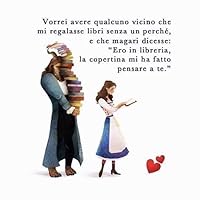
'Ed avrebbe voluto strapparsi gli occhi per non vedere quelli della lupa, che quando gli si ficcavano nei suoi gli facevano perdere l'anima ed il corpo'
February 14, 2024
"il diavolo quando invecchia si fa eremita"
Displaying 1 - 30 of 31 reviews