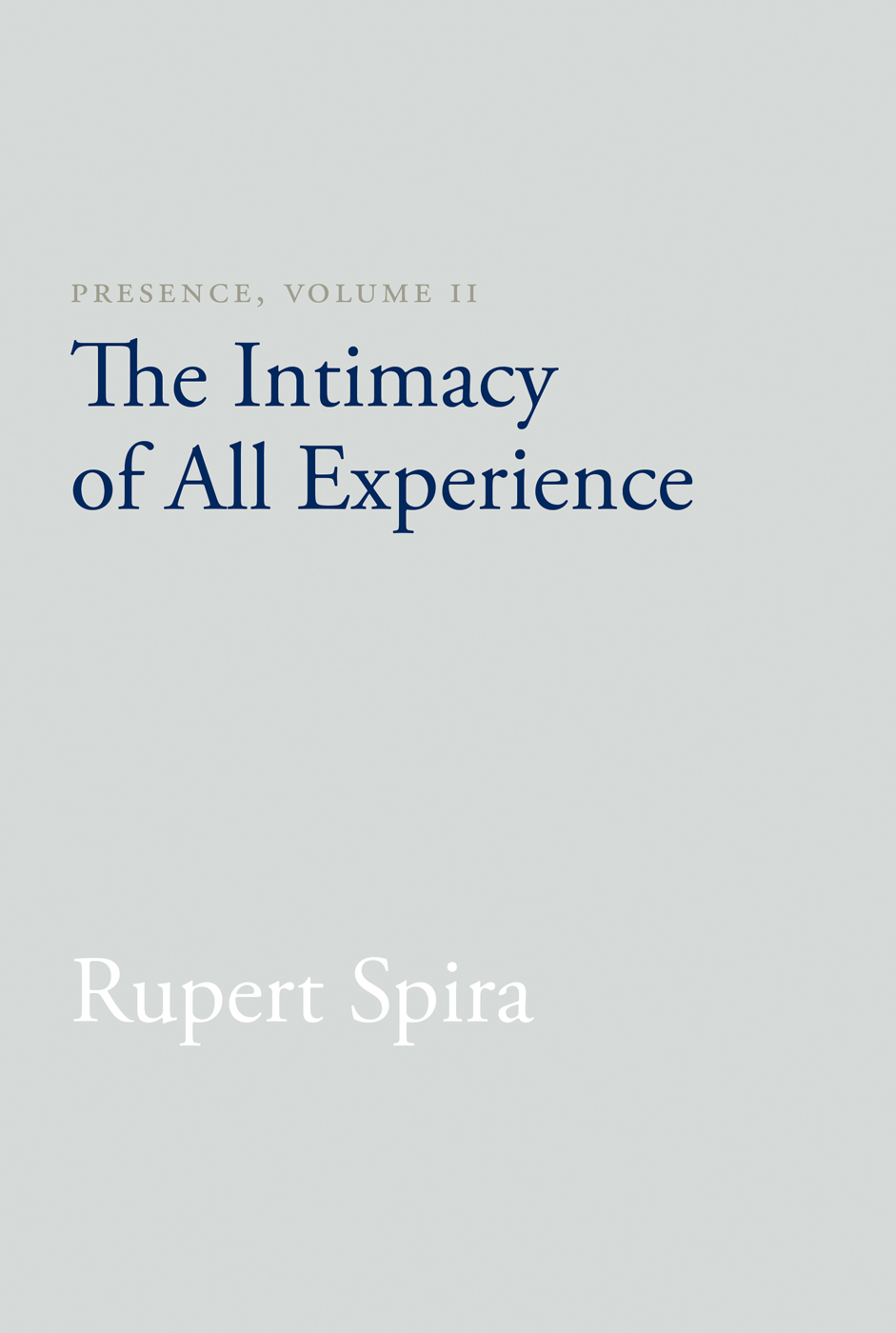
Presented as an essay with segments depicted as interviews and- I’m assuming- conferences, Rupert Spira’s proposal adopts plenty of his own philosophy mainly from Buddhism, but in general, his focus lays on the nature of our own beings as the main source of the happiness we’re meant to find within, and that’s the cornerstone of the book; happiness its meant to be discovered in ourselves, not found somewhere, or someplace else, therefore, the realization of our own awareness outside of the spectrum of thought, experiences, and superficial elements in our everyday lives holds the key to live our lives plentiful.
Spira also stablishes the necessary parameters for meditation, and how this is key to achieve realization of our own awareness, and thankfully, his writing is easy and digestible enough to follow it in an effective way, noticing how it usually gets overcomplicated in general terms, but his book dives deep into it without toying or messing with the reader’s comprehension, and that’s essential for us to go through the entire 170-pages long essay. The entire philosophy condensed in the book is just as simple to follow, although, not lacking in depth and complexity, at least, in terms of the substantial nature of Spira’s proposal. His constant references to his master, the general core ideology of the religions he quotes and exemplifies works in favor of the complementary experience of his work than against it. Not only that, but he also utilizes several exemplifications in the form of casual situations for his reader to understand easier how his ideas work. For example, in trying to teach how finding our own awareness, and the realization that we’re already complete, he uses as an example the scenario in which a man dreams of another one, eventually meeting this man he dreamt of, he informs him that in his own house there’s a treasure buried underneath, returning to his home just to confirm the other man’s affirmation.
Speaking about it of course isn’t enough, the best way to fully get a grasp of what Spira wants to share one might as well check the book. It is a great recommendation for anyone who’d likes to know a little more about the nature of meditation, Buddhism, and of course, the nature of the self, the being, the duality of these two concepts, and the awareness all human beings, but without the complexities and convoluted terminologies other works of this likeness might possess, this is an ideal introduction to more complicated philosophies, and psychology. Some could find this as potential “self-help”, or “self-improvement” regarding the category in which this can be put, however, being someone who tries to avoid those more than often, I’d say Rupert Spira’s work has more to it than simply being a text book on “how to be happy”, which yes, that’s part of its objective, but Spira’s insights are deeper, and way more interesting than “self-help” books usually are. His messaging is concise, he has a great handling of exemplifications, and his arguments read solidly, and the nature of his ideas are compelling, and engaging to get through.
Rather than a guideline, this feels more like a collection of thoughts and academic ideas placed together alongside the author’s own experiences. It’s a great introduction for anyone wishing to know more about these subjects, and the way Spira writes is quite friendly and lighthearted for casual readers to dig the information and finish the book in a spam of a couple of days. In many ways, it increased my interest in more on the subject, and some of the advice he offers I’m planning to put into practice. It’s a little book that I wouldn’t mind revisiting from time to time, and as for Rupert Spira, I’m already looking forward to more of his works, whichever subject they’re meant to address, it already gained my full interest.