شهر و خانه حکایت روزنامهنگاری ایتالیایی است به نام جوزپّه که به لحاظ دلتنگیهای عمیق از جامعه و بیزاری از تکرار غمگنانۀ زندگی و همچنین به دلیل مشکلات اقتصادی تصمیم به مهاجرت به آمریکا، نزد برادرش میگیرد. جوزپّه قبل و بعد از سفر، ارتباط خود را با دوستان فقط از طریق نامهنگاری حفظ میکند، چرا که از این طریق میتواند به ثبت وقایع و احساسات خود و دیگران بپردازد.
Natalia Ginzburg (née Levi) was an Italian author whose work explored family relationships, politics during and after the Fascist years and World War II, and philosophy. She wrote novels, short stories and essays, for which she received the Strega Prize and Bagutta Prize. Most of her works were also translated into English and published in the United Kingdom and United States. An activist, for a time in the 1930s she belonged to the Italian Communist Party. In 1983 she was elected to Parliament from Rome as an Independent.
Are you old enough to remember when people wrote letters? And then you had to find the address and an envelope and a stamp and get it to the post office!
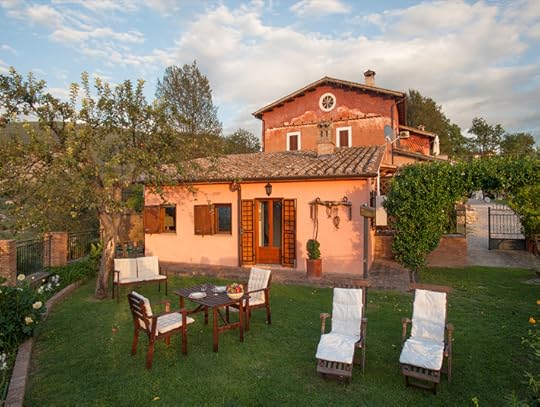
This is a great story, published in 1985 by an Italian author (1916-1991) told entirely in letters back and forth among a group of friends over a couple of years. The group is held together by the hospitality of a husband and wife with a large number of kids who live in a big old yellow house where you are constantly surrounded by people “like a sea-port.” They call the house La Margherite. It’s in the country outside of Rome, giving us the contrast in the title of the novel.
Most of the letters are to and from the main character, a middle-aged man who leaves the group to go live with his brother in America. While in the USA, his brother dies and he ends up marrying his brother’s widow. So his friends write to him but also to each other. “I didn’t tell you [on the phone] because I find it easier to write it down. The telephone isn’t made for saying important things that need time and space, it’s made for trivial remarks, or for news that’s brief despite its importance.”
The major theme of the novel is the disintegration of family relationships and people drifting off from lovers, spouses and children. The main character has a difficult relationship with his gay son from a previous marriage, whom he says he loves, but he doesn’t like his friends, his lifestyle or where he hangs out. They see each other infrequently and he worries that his son is bored with him. When he goes to America he writes back: “As for my son, I can’t say I’m leaving him behind because I don’t really know where he is, and I might see him more often in America, as long journeys are no problem for him.” He refuses to acknowledge that he has another son from a lover in Italy.
I happened to have this book in my TBR pile for years and I had inserted into the book a clipped copy of an article “A Generous Mind: The Realism of Natalia Ginzburg” by Robert Boyers from Harper’s Magazine, June 2004. In it Boyers likens Ginzburg’s realism to “American minimalist realism,” exemplified by short story writer Raymond Carver where “characters invariably make bad choices, with lives that add up to very little…there is little or no meaning in the lives of people who are largely vacant and adrift.” And while that appears true of Ginzburg, many of her characters being “…clueless and pathetic, she is persistently intent upon penetrating to the roots of the pervasive ennui and disaffection…” and “intimates that there might be something better.”
Boyers notes that Ginzburg’s writing is distinguished by the compulsive openness of her characters and by their bluntness. I agree. Her characters hammer away at each other with all the caution and class found in a Donald Trump tweet. Here are a few samples from the letters:
“You have been a couple of real fools.” (About the main character and his father selling their houses.)
“I think you should be psychoanalyzed…you need an analyst. You need one, let me tell you, you need one as much as you need bread to eat.”
[From a former lover to the main character in the USA] “…when you and your brother were children, you always wanted to do what he did. And so now you’ve married his wife. But I think you’ve finished up in a real stinking mess. I’ve seen a photograph of [you and her]… Anne Marie is ugly. She’s cross-eyed. Her smile is false. You have the usual look of a bird that’s just fallen off a roof.”
The main character writing about his ex-wife: “I found her stupid. I was bored with the child because he was a child, I was bored with her because she was stupid, and this was a particularly wearisome boredom. Before I married her I had not realized that she was so stupid, but then I gradually discovered how immensely stupid she was.”
There’s a sub-theme that we all need protectors. There is other good writing:
Here’s an understatement: “Everywhere you look you find difficult childhoods, insomnia, neuroses, problems.”
“What can anyone do against their thoughts? They crawl about your body, backwards and forwards, like worms or diseases.”
I really liked this book. I liked the bluntness bordering on humor and in part because of the originality of telling a story completely in written letters. I’m giving it a “5” and adding it to my favorites.
Photo of villa outside Rome from parkervillas.com/italy Photo of the author from ndbooks.com
شهر و خانه کتابی است از ناتالی گینزبورگ ، نویسنده ایتالیایی . کتاب او که به صورت نامه نگاری نوشته شده ، بخشی از زندگی فردی به نام جوزپه و دوستان او را در جامعه ای نشان می دهد که رو به فروپاشی است . بیشتر داستان در رم می گذرد ، گرچه پس از مهاجرت قهرمان داستان به آمریکا ، بار بخشی از کتاب به پرینستون و آمریکا منتقل شده . داستان را جوزپه شروع می کند ، با خواندن نامه به معشوقه سابقش ، خواننده در می یابد که جوزپه از زندگی ملالت بار خود در رم خسته شده و می خواهد به آمریکا ، پیش برادرش برود که رابطه خوبی هم با او ندارد . مهاجرت جوزپه ، سبب بحث های متعددی میان دوستان و آشنایان او می شود و داستان خانم گینزبورگ این گونه جلو می رود . در میان این بحث ها و طوفانی که جوزپه به پا کرده ، خواننده با گذشته زندگی جوزپه و دیگر افراد آشنا می شود . هم چنین افراد با نامه هایی که بهم می نویسند هم احساسات خود را صادقانه شرح می دهند و هم خواننده با زوایای مختلف یک رخداد آشنا می شود ، رخدادی که از دید افراد گوناگون روایت می شود . شهر و خانه کوشیده تا بی ثباتی بنیان خانواده در غرب را نشان دهد . چه در ایتالیا یا در آمریکا ، خانواده ها در حال زوال و فروپاشی هستند . پدر فرزندان معلوم نیست و همین امر ، سبب بحث های طولانی میان عاشق و معشوق سابق می شود . هم جنس خواهی و ازدواج میان آنها تبدیل به روتین شده ، گرچه این افراد و به ویژه ازدواج میان آنها سبب ناخرسندی دیگران می شود . ازدواج های دراز مدت و داشتن فرزندان هم دلیلی برای ادامه دادن ازدواج نمی شود ، افراد به هر دلیلی همدیگر را ترک کرده و خواهان نوع دیگری از زندگی می شوند اما این زندگی جدید هم چندان ادامه پیدا نمی کند . همچنین افراد کتاب او بیشتر به هنر ، موسیقی و تئاتر علاقه دارند . آنها کار را به چشم ابزاری برای پول ساختن نگاه نمی کنند از این رو دنبال حرفه ای ثابت هم نمی گردند . آنها سر خود را با تئاتر ، نوشتن ، فیلم ساختن و یا نقاشی گرم می کنند و گرچه ممکن است از کار خود لذت ببرند اما شاید در کار و حرفه آنان ، خبر چندانی هم از پول نباشد . مشکل دیگری که نویسنده به آن اشاره کرده ناامنی درشهر رم و در ایتالیا است . او بارها خواننده را با حملات ناگهانی به شخصیت های کتاب خود شوکه می کند . حملاتی که معمولا شبانه و هنگام پیاده روی یا با چاقو و یا با اسلحه گرم انجام می شوند و جنسیت هم برای مهاجم فرق ندارد . در پایان ، شهر و خانه حکایت مردمانی است که در زندگی خانوادگی خود به بن بست رسیده اند ، افرادی که زندگی کاری و حرفه ای قابل توجه ای هم ندارند . افرادی که انتظار خانه و بستر گرمی را دارند اما خانه آنان خالی و بستر شان سرد است اما با این وجود هم چنان هم دل بسته به خانه مانده اند و هم به شهر .
به هیچ تیتر دیگری نمیتوانم فکر کنم چرا که این کتاب عصارهای از زندگیهای معمولی ما بود و زندگی همین است؛ اشکها و لبخندها. گاهی شیون گاهی قهقهه ولی هر چه هست پویاست و در حال حرکت و میبایست با او همراه شد چرا که عقب ماندن از زندگی هیچ چیز نیست، نه عمیق است نه کمدردتر و نه تعالی بخش. همراه زندگی نبودن، بیهودهترین شیوهی گذران عمر است. چیزی که امروز و در این احوال که دارم و برایم جذابیت زیادی پیدا کرده، اتوبیوگرافیها، یادداشتهای روزانه و یا نامههایی است از نویسندگان و در کل هر شخصی که دوست میدارم. شاید به دلیل فضولی و شاید به منظور دستیابی به شخصیترین افکار و مسائل آنها تا بیشتر آنها را لمس کنم. هرچه معمولی بودن آنها عیانتر میشود خوشحالتر میشوم چون بیش از پیش بر من مسلم میشود که؛ زندگی همین است. شهر و خانه، نمونهای گیرا از نامهنگاری و البته عیان شدن زندگی و قالب گفتگوهای بین نامهای است. ماجرای محوری، حول شخصی است که روزنامهنگار از وطن بریدهای است که دیگر احساس تعلق به کشورش را ندارد و راهی آمریکاست. تنها چیزی که برایش مانده چند دوست است که مدام با آنها نامهنگاری میکند و ما شاهد تحولات زندگی این جمع در لابلای سطور نامهها هستیم. من این کتاب را بسیار دوست داشتم و در کل نئورئالیزم را چه در سینما و چه در ادبیات میپسندم. وجه بسیار زمینی، واقعبینانه و انسانی از زندگی را به نمایش میگذارد. نقطه قوت دیگر، رمانی در قالب نامهنگاری بود که به خوبی از پس نگارش آن برآمده بود و در ضمن ترجمه بسیار شسته و رفتهای داشت. در هر صورت هر کتابی برای معرفی مقدمهای نیاز دارد و آدابی ولی در این مدت بعد از خواندن این کتاب، چه در کتابفروشی و چه در حلقه دوستان، هیچ حرف خاصی از کتاب نمیتوانم بگویم فقط به همه میگویم لطفا این کتاب را بخوانید، حتما این کتاب را بخوانید. و جملاتی از این دست. چون هنوز هم خودم نمیدانم چرا این کتاب را خواندم فقط میدانم باید آن را میخواندم.
چقدر قشنگ بود ، شبیه زندگی خودمون هست. کتاب در قالب نامه نگاری نوشته شده دربارهی جوزپه که به دلایلی تصمیم میگیره نزد برادرش به آمریکا مهاجرت کند.و در آنجا کار کند. اما تصمیم میگیره با دوستانش و خانوادهاش مکاتبه کند و در همه ی اتفاقات زندگیش اونارو در جریان بگذارد و همین طور دوستانش. این کتاب خیلی یاد زندگی خودمون افتادم وقتی دوستی یا یکی از اعضای خانواده از پیشمون بره هر اتفاقی چه برای اون چه برای ما میفته زود در جریانش میگذاریم.🥲 خیلی وقته منتظر تجدید چاپ این کتاب بودم و خوشحالم امسال خوندمش.
Natalia Ginzburg's 1984 novel opens with a simple letter from Rome dated October 15 of an unspecified year, from a man, Giuseppe, who is leaving Italy to live with his brother in America. This is then followed by another letter, then another, and another. It's like a series of good-byes early on. Quickly flicking through it's pages I discovered the whole novel is entirely made up of letters. Off the top of my head this is the first time I have read an epistolary novel formed solely in letters. It's a good job then that I just love reading letters.
There are about eight different characters writing to each other throughout the novel, and it does take a while to figure out how they are known or related to each other, we only know so much. Ginzburg is clever, not overfeeding the reader, she treats us with intelligence, it's our job, at least up to a point, to build a picture of the past. We would learn that they were all once drawn to the warmth of Lucrezia, mother of five (Giuseppe's former lover) her husband Piero, and their splendid country home called Le Margherite where they all use to gather at weekends. But this marked the end of an era, as after it's sale, the owners and visitors now spread apart, have to try and pursue a happiness on their own.
With great intimacy, the story unfolds through exchanges, letters of which reveal with poignancy and force of thought the now strained relationships, passions, frustrated yearnings and disasters they experience. They are all bound together by a common sympathy and curiosity, but also distanced by a fragmented love. Though Ginzburg doesn't leave out suffering and several untimely deaths, the novel's overall tone is one of comfort and affection, but without the melodrama. She throws in life's variety, the ups and downs, joys and sorrows, and bittersweet memories, and her supple and lyrical prose really did warm the cockles of one's heart.
Sometimes I think I'll never see you again, and I'm happy that this should be so, because I don't want you to see me as I am now. But at the same time I feel that perhaps you are the only person in the world I could be with without feeling exhausted.
There's something intimate about letter writing. Admittedly, I'm one of a few people in my group of friends who still cherish the art for its transparency, simplicity, and truth. This pandemic may have put us off the exchange of paper, but if anything, it should have also taught us the importance of sharing our lives in ways that go beyond the fakery that can be social media, the surface exchanges of text messages and the immediacy expected through internet exchanges.
Perhaps I'm sorry that you are going. I won't say don't go, or go only for a few days, but when you are there I shall miss you from time to time.
This has been my year of reading Ginzburg and it looks like I will most likely continue this journey. This book of letters is about what happens to friendships once lives take many different turns. A group of friends in the Italian town of Monte Fermo form a friendship hub at a house they have in common. One of them, Giuseppe, decides to move to America, live with his older brother and write a novel. The owners of the house, Le Margherita, see their relationship spiral. Soon, the fate of these friends take different shapes as they either struggle to form better lives for themselves or to overcome personal tribulations.
They write to each other to keep up with the changes in their lives. They write to each other when they are lonely or about to make major decisions. Sometimes the letters are good, sometimes they pierce:
Real friendship does not scratch and bite, and your letter scratched and bit me.
Some friends are ex-lovers and good companions. Some weather death and divorce. There are open marriages and marriages of convenience. There is love and heartache. Even with broken dreams the letters continue to show people who are finding some means of survival. One woman chooses to marry for convenience, even when she knows she is asexual :
He likes talking and he talks a lot. He talks about his life and ideas. I stay quiet. He never asks me questions. And so he knows almost nothing about me...He doesn't know that bed is a problem for me.
The letters start with and center around Giuseppe, the friend who sells his house and travels to America to live with an elder brother. Giuseppe has an estranged son, Alberico, who was raised by his aunt. Alberico lives with his boyfriend and they decide to take in a pregnant woman and raise her child as their own. The aunt dies and leaves Alberico her fortune, which ironically makes him rich while his father struggles to fend for himself. Father and son work on rebuilding their relationship through letters. That subplot takes quite an interesting shape of its own.
Meanwhile, Giuseppe writes to Lucrezia, his former married lover, who now has questions about her life that seems to have morphed from Giuseppe's exit out of their threesome. Giuseppe then marries someone no one would have guessed he would marry (except for the reader, perhaps).
I enjoyed this book for the depth of the seemingly simple prose, for the epistolary form that worked so well, for how love takes various shapes to be celebrated; how each character owns their individuality and uniqueness; how fragility is showcased gracefully.
سفر برایم دلتنگیهای بسیاری دارد. فکر میکنم که دلم برای برخی آدمها و جاهایی که خیلی دوستشان دارم، تنگ خواهد شد. فکر نمیکنم که دوستان تازهای پیدا کنم. دیگر در این سن و سال گوشهگیر شدهام. در این جا چندتایی دوست داشتم که دلم برایشان تنگ خواهد شد. در هر صورت باید از چیزهایی هم رنج برد. مصاحبی چون تو خواهم داشت و برایم بسیار ارزشمند خواهد بود. 📮 کتاب شامل نامهنگاریهای یک نویسندهی ایتالیایی است با دوستانش و دوستانش با هم... او قصد مهاجرت به امریکا و زندگی با برادرش را دارد. برای او مهاجرت و جابجایی، ترک دوستان، جاها و مکانهایی که در آنجا زندگی کرده است بسیار چالش برانگیز میباشد. ترک مکانها، خانهها، شهرها و جاهایی که با آنها خاطره دارد. این جابجایی میتواند خاطرات را از یاد ببرند؟ 📮 ناتالیا گینزبورگ کسیست که با سادهترین جملات و کلمات ما را به اعماق احساسات آدمها و وقایعی که از سر گذراندهاند یا با آنها مواجهند روبه رو میکند. او نویسندهای زیرک و باهوش که کوشش کرده در این کتاب پیچیدهترین دلنگرانیها و عدم تعاملات انسانها با زندگی، تغییرات، سازگاری با محیط را به وضوح بنویسد و این سادگی خیلی برای من جذابه... 📮 در این کتاب داستان زندگی جوزپهی نویسنده و آنچه میان او و دوستانش در حال وقوع است به سادگی بیان شده، روابط بین آدمها، تکریم تنهایی و فلسفهی تنها بودن، پیدا کردن خودمان در روابط و ارج نهادن به آنها، گرفتار روزمرگیها شدن، مشکلات مالی، شروع زندگی تازه و مشکلاتش مسائلی هستند که با خواندن این کتاب ما را به اعماق روح و روان آدمها میبرد و در آخر ما را برای شخصیتهای آن دلتنگ میکند.
(هزار و یک شب،میراثِ شهر و خانه.) "هایکو وار از دل عنوانِ کتاب ها" به جمع اساطیر عالمم قدم نهادند😌 یک هدیه و یادگاری، یکی از ارزشمندترینِ دارایی هام. کافیست جلد جادویی اش را کنار بزنم تا با نوشته ی نابی مواجه شوم و من را ببرد به روز 12 اردی بهشتی ، یادآور شود چه انسان های متعالی وارد زندگیم شدند (این نشان زندگی)🙈💌 بدون هیج پیش داوری و از سر اتفاق ، سراغ" شهر و خانه" رفتم. بدون اینکه به اسم نویسنده و مقدمه کتاب توجه کنم. اسمش"شهر و خانه" مرا جادو کرد ؛ از تمام کتاب های ناخوانده و در الویت گذشتم .خودم را غرق کردم در نامه های: "جوزپه" ، "آلبریکو"،"روبرتا"،"لوکرتزیا"،"آلبینا"،"اجیستو"،"پی یه رو"،"فروچو"،"اینیاتسیو فجیتز"، و "سه ره نا".
فوق العاده بود (است). درمان بود(است) . همه چیز بود (است). زندگی بود (است).
آن هم مضاف که در ایتالیا میگذرد. مرا برد به فیلم های "برتولوچی"😻
و شاید حتی "تقدیم به رم با عشق" وودی آلن😸با این تفاوت برای من که کتاب حوصله ام را سر جایش می آورد تا این که سعی کنم حوصله ام سر جا بماند تا انتهآ.🤓
به نظرم روایت و خلاقیت و ساختار همه به غایت بود. تعبیر ها و جملات منحصر به فردی داشت ولی علامت نزدم چون قصد دارم دوباره کتاب را بخوانم و شاید بار ها. شیفته نثر "ناتالیا گینزبورگ" و آدم های "شهر و خانه" شدم . همزمان با خواندن کتاب متوجه سفر آقای "منصور ضابطیان" به ایتالیا شدم و از گزارش و فیلم هایی که هر روز در تلگرام یا اینستاگرام به اشتراک می گذاشتند کلی لذت میبردم و همین کیف"شهر و خانه" را صد چندان کرد.
و اما یک نامه از چندین نامه ی این رئال دوست داشتنی: 🙈😍
جوزپه به لوکرتزیا رُم،10 نوامبر
دیروز به دیدن اینیاتسیو فجیتز رفتم. به من تلفن کرد و گفت که آیا برای دیدن تابلوهای مناظری از جنگل، اثر یک دوست نقاش، به خانه اش می روم ؟ خانه اش کوچک است. یک سالن که سطح بخشی از آن برجسته است. تحمل سطوح برجسته را ندارم. خانه های معمولی را بیش تر دوست دارم؛ با راهرو. تابلو های بسیاری در خانه دارد. تابلوها چندان جلوه ای برایم ندارند. این موضوع را به او گفتم. حتی به او گفتم که انگار من و او هیچ حرفی برای گفتن نداریم. به من گفت که مهم نیست؛ دو نفر می توانند بدون داشتن حرفی برای گفتن با یکدیگر دوست باشند. درست است. در سالن، پرتره ی زنی قرار دارد: نشسته روی مبل با انبوه موهای طلایی. نگاهش می کردم. گفت که پرتره ی دوست اوست. به نظر او خیلی زیباست. نمی دانم. تابلوهای دیگری را از این زن نشانم داد. همه، منظره هایی است که رنگ های قرمز و طلایی در آن غالب است. ساعت را نگاه کرد و گفت که قرار ملاقات دارد. نمی توانست مرا تا خانه همراهی کند. چون که از سوی دیگری می رفت. با هم پایین آمدیم. خانه اش آسانسور ندارد. راه پله ای تقریبا کثیفی دارد. سوار ماشینش شد. رنوی سبز زیتونی. اجیستو بعداً به من گفت که آن دوستش،همان زن تابلوهای قرمز و طلایی، در پورتا کاوالجری ساکن است و او هر شب در خانه ی آن زن شام می خورد. اسمش ایپولیتا است و ایپو صدایش می کنند. زیبا نیست،اما موهای معرکه ای دارد:پرپشت،فرفری،طلایی. خیلی لاغر است. با این وجود از چاق شدن می ترسد و هیچ چیز نمی خورد. یک قطعه نان، یک هویج،یک لیمو. اما آشپز ماهری است و غذاهای ابتکاری، بی آن که بچشد، می پزد. اجیستو همیشه از کار همه سر در می آورد.
واقعیت این است که هر کتابی که در مورد شهر باشد یا حتی اشارهای به شهر داشته باشد، برای من جالب است. خانه و شهر را هم از روی عنوانش در همین راستا خریدم. عنوان کتاب برای من این ذهنیت را ایجاد میکرد که با داستانی مرتبط با سکونت، هم در خانه و هم در شهر، مواجه خواهم بود. داستان در مورد سکونت هست، خانه هم در آن نقش پررنگی دارد اما راستش شهر خیلی کمرنگ بود. کتاب یک خطی دارد که پیوسته اما گاهی کسل کننده است . داستان کتاب از خلال نامهنویسی پیش میرود. شخصیتها، که با هم خویشاوند و دوست هستند به هم نامه مینویسند. در این نامهها از جزئیترین مسائل روزمره تا عمیقترین احساساتشان و افکاری که به زبان نیاوردهاند حرف میزنند. بیشتر هر چیز به نظرم این کتاب بر نقش نوشتن در ارتباطات تاکیید میکند. زمانی که زیاد دور نیست، این ارتباط نوشتاری از طریق نامه محقق میشده و امروز از طریق شبکهها و راههای ارتباط مجازی. اما به هر صورتی که بوده یا هست، همیشه حرفهایی وجود دارد که نمیتوان به زبان آورد، حتی وقتی به آدمها نزدیک باشی. نوشتن صریح و بیپرده کمک میکند آدمها را بهم نزدیک میکند. نکته مثبت دیگر در مورد این کتاب سبک نوشتاری آن است. به نظر من نویسنده خیلی خوب داستان را در قالب نامه جلو میبرد. فرستنده و گیرنده این نامهها به دقت انتخاب شده است. نوشته شدن نامهها از زبان همه شخصیتها کمک کرده که داستان از زوایای متفاوت روایت شده و قضاوت نهایی را به خواننده محول کردهاست.
من عاشق نامهام و دوستدار داستانهای نامهطور اما گمونم این اولین کتابیه که میخونم و فرمتش نامه است و آدمهایی که به هم نامه مینویسن بیشتر از دو نفرن. در نتیجه فرم داستان برای من خیلی جذاب بود، اینکه یه اتفاق رو چند بار از منظر آدمهای مختلف میخوندم، اینکه بعضیا یه قسمتی از ماجرا رو تعریف میکردن و یه قسمتی رو نه و اینکه روابط آدمها طی نامهها تغییر میکرد. اصل ماجرا ولی در مورد اهمیت خانه است به نظر من، و اینکه چطور یه دوستیای که حول محور خانه/شهر شکل گرفته با نبودن این خانه/شهر عوض میشه. و به نظرم خیلی خوب به این موضوع پرداخته.
کشف جدید و دوست داشتنی نویسندهی ایتالیایی، ناتالیا گینزبورگ. ناتالیا گینزبورگ رو با «شهر و خانه» شروع کردم (به توصیه یکی از دوستان که به نظر اکثر آثار ایشونو خونده بود)
شهر و خانه داستان زندگی ۲-۳ ساله چند دوست در دوره میانسالی شونه، که به طور کامل به صورت نامه نگاری نوشته شده و از تصمیم یکی شون برای مهاجرت به امریکا شروع میشه.
گینزبورگ به قشنگی این روابط تک به تک دوستان با یکدیگر رو در نامه نشون میده و دغدغه های این دورانشون رو بدون قضاوت کردنشون به تصویر میکشه. گفتن (اعتراف) صادقانهی حرفایی از جنس درد به یک دوست امن درمورد شخصیت خودمون.
کتاب خیلی نرم و لطیف جلو میره وقتی تو ذهنم یه پیش بینی میکردم تو نامه بعدی چیزی برخلافش اتفاق می افتاد همونطور که زندگی خیلی وقتا چیزی غیر این نیست، شروع خیلی از نامه ها با غافلگیری همراهه. ترشح دائم دوپامین 😂 مناسب دوستان مبتلا به ADHD 😎😅😒
وقتی از نویسنده ای جدید شروع به خوندن میکنم و به صفحه ده نرسیده خیمه میزنم تو دیجی کالا، طاقچه، فیدیبو وگودریدز یعنی دنیام قراره به طرز دلچسبی بزرگ شه ❤️
4 star داستان زندگی انسان هایی تنها که در جستجوی خوشبختی همواره در حال تغییر هستن...تغییر محل سکونت ، تغییر همسر، تغییر شغل و ....د داستان در قالب نامه هایی است که بین شخصیت های متعدد داستان رد و بدل میشه همانند کتاب فرومایگان(بیچارگان) اثر فئودور داستایوسکی
شخصیت محوری داستان (که یک روزنامه نگار و داستان نویس ناموفق است) به اسم جوزپه برای ایجاد تغییر در زندگی و فرار از چالش های موجود در زندگی در ایتالیا به آمریکا نزد برادرش می رود و فرزند نوجوان و دوستانش را ترک می کند. همه شخصیت های اصلی داستان زمانی که به چالش بر میخورند، از لحاظ شخصیتی آنقدر قوی نیستند که به دنبال راه حل ها باشند . آنها تنها راه حل را فرار می دانند. . آنها فقط فرار میکنند نویسنده خانم ناتالیا گینزبورگ 15 داستان نوشته که این داستان در سال ۱۹۸۹ چهاردهمین داستان اوست. داستان کاملا روان ، خوش خوان و بدون هر گونه اطناب نگارش شده
داستان شهر و خانه نقل انسان های تنهایی است که برای یکدیگر فداکاری میکنند و حتی جان خود را در این مسیر از دست می دهند اما سرگردانند و گویی هرگز نخواهند دانست برای چه زنده اند و زندگی میکنند.هیچ کدام از زندگی خود راضی نیستند حتی وقتی که پسر جوزپه فیلمی در خور تحسین منتقدان می سازد ، به لوکرتزیا میگوید آشغال ساختم و بدین طریق عدم رضایت خود را اعلام میکند . رضایتی که گویی برای هیچ یک از شخصیت های داستان به دست نمی آید
"I would rather phone than write, but when I have phoned you recently I haven’t told you something important. I didn’t tell you because I find it easier to write it down. The telephone isn’t made for saying important things that need time and space, it’s made for trivial remarks, or for news that’s brief despite its importance." - Ferruccio to his brother Giuseppe, 12th November
Spun out entirely through letters written back and forth between a close group of friends, former lovers and family, and spanning approximately 2-1/2 years, the complex day-to-day lives of Italians Giuseppe, Ferruccio, Lucrezia, Piero, Egisto, Alberico, Roberta, Albina, Ignazio and Serena drew me in immediately and held me captive until the very end. Lucrezia's and Piero's country house located just outside Rome and named 'Le Margherite' - big, yellow, beautiful and old - is a pivotal character here as well, weaving itself in and out of these characters' lives. There is so much love, honesty, warmth and comfort shared through these friends letters that I could have read 1000 more. The novel as a whole has a quiet, soothing quality, despite the many personal traumas and upheavals, and demands very little from the reader except enjoyment and appreciation. I will definitely be searching for more books by Natalia Ginzburg. This one was superb and filled with much wisdom, and truth. I didn't want it to end.
"In living with someone else, boredom is the worst risk. Boredom appears when each person knows everything about the other, or thinks he knows everything about the other, and no longer gives a damn about it." ~ Giuseppe to his son Alberico, 18th November
"Dear Giuseppe, how far away you will be in two weeks’ time. America is a long way off. It’s true that it only takes a day to get there by plane, it’s true that everyone comes and goes from America, and it’s true that these days distances don’t exist any more, but still it’s not so easy to come and go around the world if you don’t have the money to travel." ~ Albina to her friend Giuseppe, 22nd November
"We don’t have many things to talk about, except these which however are soon exhausted. But Ignazio Fegiz once said to me that it’s not important to have something to talk about - two people can stay together without having anything special to say to each other and without looking for something, each immersed in his own thoughts, in silence." ~ Giuseppe to his friend and former lover Lucrezia, 14th February
Gràcies Karen per aquest regal. Pocs amics m’han regalat llibres o, almenys, menys dels que un podria esperar de mi. Se m’omple el cor d’amor. Ha estat molt bonic tot. La novel·la preciosa, sencilla però profundament encisadora.
Natàlia Ginzburg, ens hauríem caigut tant bé. Quina pena que ens hàgim hagut de fer amics un cop tu morta i quan només em poden abraçar els personatges de les teves novel·les. Segur, però, que et vas fixar en gent real o, potser, només ets tan bona escriptora que els fas semblar reals. Al final, només és necessari semblar real. Per llegir m’he posat cançons italianes. No sé perquè havia perdut el costum si m’agradaven molt. Pinguini tactici nucleari, Blanco, Rkomi, Irama… són tendres els italians.
Potser envio cartes París-Barcelona a la Karen o a l’Adriana cartes Màlaga-Sant Feliu, i després Tarragona-Barcelona i ja després Barcelona-Barcelona. Podria enviar cartes a en Marcos, Mèxic-Barcelona, segur que tarden molt però bé, també tardaven les cartes Princeton-Roma. Ningú va enviar-me cartes Viena-Barcelona, Viena-Sant Feliu. No culpo a ningú, segur que és molest.
Hauríem de tornar les cartes; ho diem molt els joves, tendim a romantitzar-les. Segurament eren molestes, carregoses. Arribaven sempre tard, en mal moment, i mai en bon estat. Potser aquesta era la gràcia; una gracia que s’ha perdut.
Bon Nadal a tots. El 2024 ens podríem enviar cartes. Gràcies pel ser al Goodreads, gràcies a tots per llegir tant i tan bonic. 🫂
"تو از "ای" می گفتی که همیشه یک دستش را پشتش نگه می دارد.درست است .آن دست بسته در پشت سرش را موقعی که به طرف در رفت دیدم.می گفتی که معلوم نیست توی آن چیست.چیزی در آن نیست.هیچ چیز"
کتاب رو دوست داشتم در قالب نامه نگاری نوشته شده که یکی از سبک های مورد علاقه من هست،به شخصیت ها به خوبی پرداخته شده و حال و هوای شهر هم به خوبیتوصیف شده. امتیازم ۳و نیم بود در واقع!
First ever book I read from Natalia Ginzburg and it made me a fan of hers forever. The book is written entirely in letter-form, letters from friends or lovers or,acquaintances. They write about what is happening to them or to people around them. It is an amazing book.
per les converses literàries. quina buidor ara de cop. haver de deixar enrere aquesta gent que es deien coses entre ells però també a ells mateixos, perquè escriure-ho va bé per adonar-se de coses.
les cases que deixen de ser casa per ser lloc de pas; cases buides, cases plenes; cases quietes i cases en moviment. «les cases es poden vendre o deixar a altres persones, però sempre es conserven dins d'un mateix». no us angoixa pensar que hi haurà un dia que casa vostra serà casa d'algú altra? no sé si m'angoixa més això o que mai cap altra casa pugui ser llar.
crec que me l'hauré de tornar a llegir perquè noto que se m'han escapat moltes coses dins de la complexitat aparentment senzilla de la ginzburg.
en fi, estimades, en parlem d'aquí una estona. fins ara!
In The City And The House by Natalia Ginzburg (translated by Dick Davis), a group of friends write to each other through a course of a few years as they experience significant life changes, loss, grief, and trauma.
At first, I felt a bit distant from the book which is strange considering it is written entirely in the form of letters. But Ginzburg always has this capacity to suck you in before you know it in such a visceral manner.
I was close to tears especially towards the end because it all felt so personal. I have had the same set of close friends since I was eighteen, my life used to revolve around them. I have known them for seventeen years, and our dynamics have changed, though the depth of our feelings never change. We have seen the best and the worst life has to offer from coming out to shifting countries to marriages to giving birth to parental deaths. Sometimes we go without talking for months and yet if we are in the same room again, we are back to that moment when we were all eighteen and growing up together, looking forward to the future. Memory and the passing of time feeling like an enemy and friend all at once. Reading The City and the House felt like I was experiencing all these years all over again, both painful and uplifting in undefinable ways.
Ginzburg's writing is so bright and clear. You can hear voices of the characters because her writing lets them breathe, bringing them alive even more. Fragility, sadness, yearning, joy coming through her minimal prose. This is also the third book of hers I have read with queer characters. I am always grateful for this unexpected queerness in classic novels.
If you haven't read Natalia Ginzburg yet, know that I am so jealous of you and also excited for you because you are about to embark on a life-affirming literary journey.
دربارهی شهر و خانهی خانوم گینزبورگ میتوانم ساعتها حرف بزنم. دربارهی جوزپه و پسرش، اتاق بچّهخرسها، نادیا و لوکرتزیا، خانهی مارگریتها و…. دربارهی فاصله و غصه، لبخند و نجوا، اندوه و تنهایی، تکرار و روزمرگی، عشق و دستهای خالی.
داستان کتاب ماجرای زندگیِ روزنامهنگاری ایتالیایی است که ازسر تنهایی و مسائل و مشکلات مالی به آمریکا مهاجرت میکند تا در پناهِ پول و حمایتِ برادرش آرام بگیرد و زندگیِ تازهای را شروع کند و حالا، نخِ ارتباطی او با آدمهای زندگیِ گذشتهاش در ایتالیا کاغذها و کلمههاست و گاهی هم خطوط تلفن هستند که حرفهای فوری را میبرند و میآورند. منتها، خواننده از ماوقع بهواسطهی نامههای جوزپه و دیگران باخبر میشود و داستان را دنبال میکند؛ از این آدم به آن آدم؛ از این زندگی به آن زندگی. با اینکه کتاب حدود ۲۰۰ صفحه است، خواندنش یکهفتهای طول کشید. البته، نه بهخاطر فضای افسردهوار و پر از رنج و تنهاییِ داستان. امتحانهایم بهانه شد، وگرنه نثرِ ناتالیا گینزبورگ و واکاویاش در زندگیِ روزمره مجذوب و شیفتهام کرده است.
«Qualcuno mi ha detto che La città e la casa è un romanzo pragmatista: crollano i destini, restano le cose». Così Ginzburg in un’intervista a Severino Cesari del 1984. Questo libro è, tra quelli che ho letto di Ginzburg, forse il più triste e probabilmente quello più nostalgico. È, come Caro Michele, un romanzo epistolare ma, ancora di più i personaggi sono irrimediabilmente lontani e sembra poi che non ci si potrà rivedere mai. All’inizio mi sembrava tutto un po’ artefatto, come se certe sentenze, certi modi un po’ spaesati di descrivere i rapporti tra i personaggi fossero troppo consapevoli, l’opera insomma di una scrittrice già molto matura. Alla fine però mi sono molto affezionata alle loro vicende, e il libro nel complesso mi è piaciuto molto. Interessante anche il saggio di Domenico Scarpa (Città, strada, famiglia, casa) alla fine del libro.
A brilliant epistolary novel. It consists of letters between a group of friends/acquaintances that used to meet regularly but are now living farther apart. There is lots of humor and drama, but all described in Ginzburg’s signature no-nonsense understated style.
همه چیز تغییر میکند! زمانی میرسد که دیگر جمع کوچک دوستان، عزیزان و خانواده در کنارت نیستند و هر کدام در زندگی و سرنوشت خود سرگردانند. تغییرات آرام آرام و ذره ذره میآیند و تو متوجهشان نمیشوی و یا حتی اگر از قبل نیز آگاه باشی و فکر کنی که برایش آماده هستی باز هم قبولش سخت است. راستش تغییر کار هر کسی نیست غالباً همه تلاش میکنند که زندگی خود را آنگونه که هست حفظ کنند و چیزی را تکان ندهند! ولی برخی به دنبالش میروند نه اینکه آدم خاصی باشند نه! بلکه فقط به جایی رسیدهاند که دیگر نمیتوانند نفس بکشند همهجا برایشان غیرقابل تحمل است باید بروند آدم یک جا ماندن نیستند یا حداقل اینطور فکر میکنند ولی با اینکه دور میشوند ولی همیشه دلشان تنگ آن لحظههای کوچک باهم خندیدن و گریهکردن میماند تا ابد ...
باز هم سبک نامهنگاری محبوبم منتهی با کاراکترهای بیشتر که اول باعث قاطی کردن شخصیتها میشد اما بعد جا افتادم. کتاب خوبی بود، از رفتن جوزپه تا تصمیم به بازگشتش و در این میون اتفاقهای بسیاری که رخ داد و غافلگیریهایی که من یکی رو چندثانیهای مبهوت میکرد. اما چیزی باعث شد همهی تاثیر کتاب به خوردم نره که نمیدونم چی بود و کمی فاصله گرفتم از کلیت داستان. فرو نرفتم بین شخصیتها، درحد تماشاگر ساکتی بودم که هیچ واکنشی مگر هنگام مرگومیرها نشون نمیده.
Venía con la vara alta e igual me encantó. A través de cartas entre todos los personajes se reconstruyen las vidas de distintos familiares y amigues. En muchas ocasiones Ginzburg cuenta más por medio de lo que no se dice, que de lo que se dice. Hermoso hermoso.