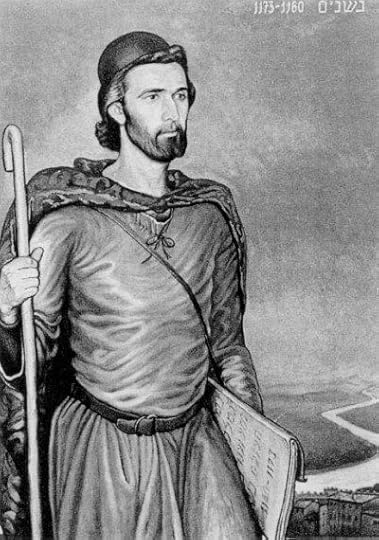
سفرنامهى رابى بنيامين تودولايى، شرح سفرهاى يك نویسنده يهودى قرن ششم هجرى با موضوع پراكندگى قوم يهود است که به زبان عبرى نوشته شده است. مهوش ناطق آن را از روی ترجنه آلمانی مارکوس وگرونهوت به فارسی برگردانده است. چاپ ۱۳۸۱
بنيامين التطيلي يهودي أندلسي من القرن الثاني عشر الميلادي، خرج في رحلة من عام 1165 إلى 1173 زار بها الأراضي الأوربية والإسلامية وكتب عن أحوال اليهود في كل مدينة مر بها، وحين عاد لبلده كتب رحلته هذه بالعبرية... ه الكتاب لطيف في الاطلاع على أحوال البلاد الإسلامية من قبل شخص خارجي في فترة مبكرة قبل تبلور فكرة الشرق والغرب، وقبل الفترة الامبريالية و تعاظم رحلات الغربيين للشرق، وإن كانت رحلته مكرسة بمعظمها على أوضاع اليهود وسبر أحوالهم وأماكنهم المقدسة وعلمائهم، كما ونلاحظ من خلال مشاهداته الفرق بين حال اليهود في بعض أنحاء أوروبا الذين كانوا يعانون من الاضطهاد والتضييق، وبين يهود البلاد الإسلامية الذين كانوا في عزهم وفي تناغم مع محيطهم مما جعله يتحدث عن الخليفة العباسي بإعجاب شديد حين زار بغداد: (وفي هذا القصر يعقد الخليفة العباسي الكبير الحافظ [يوسف المستنجد بالله] مجلس بلاطه. وهو حسن المعاملة لليهود. وفي حاشيته عدد منهم، وهو عليم بمختلف اللغات، عارف بتوراة موسى، يحسن اللغة العبرية قراءة وكتابة. وهو كذلك على جانب عظيم من الصلاح والتقوى يأكل من تعب كفه. [...] ويقيم ببغداد نحو (أربعين) ألف يهودي. وهم يعيشون بأمان وعز ورفاهية في ظل أمير المؤمنين الخليفة) ص161-165 ويقول عن دمشق: (البلد العامرة، حاضرة نور الدين [زنكي...]. وهي مدينة واسعة الأرجاء، جميلة المنظر. تدور بها الأسوار المتينة. وتمتد رياضها وبساتينها إلى ما مسافته خمسة عشر ميلا من كل جانب. ولم أجد مثل فاكهتها وأشجارها في أي مكان آخر في العالم .[...] وفي دمشق جامع للمسلمين يعرف بجامع دمشق، لم أجد بناء آخر يصارعه جمالا. [...] ويقيم بدمشق نحو ثلاثة آلاف يهودي، بينهم العلماء وذوو اليسار) ص143-145 كما ذكر عن يهود تدمر ومساهمتهم في رد الحروب الصليبية قائلا: (يقيم بها نحو الألفين من اليهود. وهم أشداء ذوو بأس، يعاونون جيرانهم المسلمين والعرب من أتباع نور الدين في حربهم مع غزاة النصارى) ص147
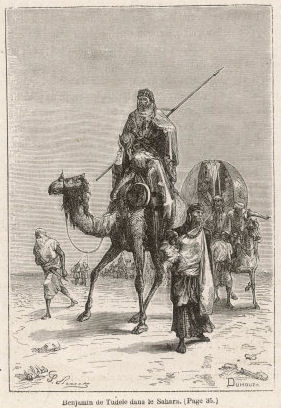
بنيامين التطيلي في الصحراء، نقيشة من القرن التاسع عشر
في الرحلة نزر يسير من الطرائف والنوادر، فجلها كما ذكرت ينصب على تبيان أوضاع اليهود مع اقتباسات من الثقافة اليهودية، وكانت لتكون مبهمة للقارئ، لولا تحقيق وهوامش مترجمها عزرا حداد والتي تجاوزت نصف الكتاب مع الملاحق المضافة، وهو ما جعل الكتاب غنيا وممتعا بالمعلومات، منها: ه - عن استقبال يهود العراق للفاتحين الأوائل من الصحابة بعد أن عانوا من الفرس: (وفي خلافة أمير المؤمنين عمر (رض) تولى رئاسة الجالوت بستناي بن حنيناي سليل رؤساء الجالوت الأقدمين من آل داود، فأقره الخليفة في منصبه بكتاب عهد وجهه إليه، فعادت لليهود حريتهم الدينية وانتظمت إدارتهم الداخلية [...] ويروي مؤرخو اليهود أنه عندما مر أمير المؤمنين الإمام علي بن أبي طالب (رض) بمدينة فيروز شابور (الأنبار) خرج لاستقباله مار إسحق رأس مثيبة فومبديثة بجمع غفير من اليهود يبلغ تسعين ألفا، لعرض الولاء والإخلاص، فأكرم أمير المؤمنين وفادته وأقره في منصبه وأعطاه الحقوق نفسها التي كان يتمتع بها جاثليق النصارى.) ص235 - وهذه قصة طريفة عن عام الطيران، نقلها المترجم من كتاب بذل المجهود في إفحام اليهود للسموأل وهو يهودي متحول للإسلام، وقد حصلت حين ظهر داود ابن الروحي في القرن الثاني عشر الميلادي وهو دجال يهودي ادعى أنه المسيح المنتظر مضلا بذلك طائفة من اليهود، فاستغل الفرصة يهوديان محتالان (فرووا عن لسان داود كتبا إلى يهود بغداد، يبشرهم بالفرج الذي كانوا قديما ينتظرونه، وإنه يعين لهم ليلة يطيرون فيها أجمعين إلى بيت المقدس. فانقاد إليهما بعض السذج من اليهود وذهبوا بأموالهم وحليهم إلى ذينك الشيخين، ليتصدقا به على من يستحقه بزعمهما. وصرف اليهود جل أموالهم في هذا الوجه. واكتسوا ثيابا خضراء، واجتمعوا في تلك الليلة على السطوح، ينتظرون الطيران، بزعمهم، على أجنحة الملائكة إلى بيت المقدس، وارتفع من النساء بكاء على أطفالهن المرتضعين، خوفا أن يطرن قبل طيران أولادهن، أو يطير أطفالهن قبلهن، فتجوع الأطفال بتأخر الرضاع عنهم. فتعجب المسلمون هناك مما اعترى اليهود حينئذ، بحيث أحجموا عن معارضتهم، حتى تنكشف آثار مواعيدهم العرقوبية. فما زالوا متهافتين إلى الطيران إلى أن أسفر الصبح عن خذلانهم وامتناعهم، ونجا ذانك المحتالان بما وصل إليهما من أموال اليهود وانكشف لهم وجه الحيلة؛ فسموا العام "عام الطيران" وصاروا يعتبرون به سنين كهولهم والشبان) ص246
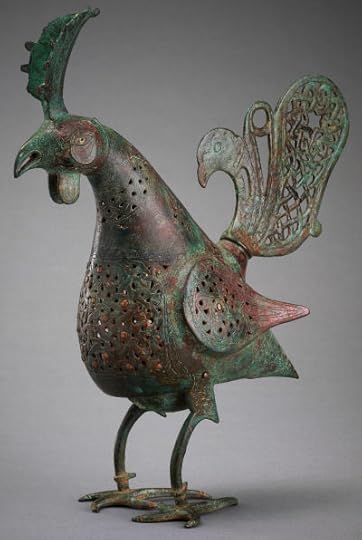
أما صورة الغلاف الجميلة فهي: (طائر برونزي من القرن الحادي عشر الميلادي، من منطقة إيران أو البحر المتوسط)ه
وللأسف أن هذا الغلاف الجميل فيه خطأ بالعنوان _وهذا من قبيح العيوب_ فتاريخ الرحلة بالميلادية، وليس بالهجرية كما هو مكتوب
I read this book not in this edition, but in Greek, by "Stochastis" editions, with comments by Professor Megalommatis. Professor Megalommatis, as usual, did a superb work of providing the theological, philosophical and mystic dimensions behind Benjamin's travels. These comments provide excellent analysis of not just the geographical and political aspects of Benjamin's travels, but also provide the reader with superb knowledge of Judaism, its theological, mystical and messianic aspirations and its relationship with medieval Christianity and Islam.
The publishers should be absolutely ashamed of themselves for not including a legible map with both the medieval and modern city names of Benjamin's route.
Very interesting to read in conjunction with Benjamin's contemporary, Ibn Jubayr. While Jubayr's work reads like a travel diary (complete with anecdotes), Benjamin's work offers more statistics. Put together, they form a fascinating window into the twelfth-century Mediterranean and Levant from the perspective of two Spanish travelers.
As histórias são ótimas. As imagens, genéricas e sem explicação nem referência a fonte de onde foi retirada. Esperava mais de uma publicação da perspectiva.
El text de Benjamí de Tudela ocupa mes o menys la meitat d'aquest llibre, la resta son el pròleg i les notes a peu de pàgina. Benjamí de Tudela descriu breument la situació sociopolítica de les comunitats jueves que troba en el viatge i també hi ha descripcions d'algunes grans ciutats importants. A més hi explica algunes històries fantasioses sobre llocs que no ha visitat. M'ha agradat sobretot el pròleg que explica com eren realment el llocs que va visitar Benjamí. Era un món fascinant que no coneixia amb diversos pobles que convivien a vegades en pau però també amb guerra, amb reis, sultans rabins i profetes, croades i altres tipus de persecucions religioses,.
Excellent and Readable Translation of a Primary Source
I first learned of Benjamin of Tudela while first touring Beit Ha-tefutsot (Museum of the Jewish Diaspora) in Tel Aviv Israel. https://www.bh.org.il/ They had a wonderful diorama with a narrative of Rabbi Benjamin's travels.
I selected this version of the translation and was quite pleased with the quality of the binding and the layout of the text. The original was written in Hebrew around the year 1160 and the audience would have been fellow Jews wishing to know something about the status of other Jewish communities. It thus demonstrates the use of Hebrew as an inter communal language at that point in time. The book also contains 3(!) different introductions (Signer 1983, Adler 1907, Asher 1840), 2 engraved maps showing the area of travel, a set of notes and a bibliography by Asher. Israel on these maps is labeled as being part of "Syria". I found this supplemental material quite informative.
The travels themselves give quite an interesting impression of medieval times. One learns quite a few interesting facts along the way, one of which was the existence of war-like Jewish tribes (matched by war-like Arab tribes) in Saudi Arabia (I had thought the Jewish communities there had been wiped out in the time of Muhammed - that still might have been true but more towards Mecca and Medina) and the existence of a shrine in what is today Iran to Esther and Mordecai. The introductions point out that some of the content may have been hearsay In some cases Benjamin states that he discovered this on arrival - we can take these accounts as direct; in other cases this kind of language is omitted - he may be relating what he heard from someone else. He does travel to Israel and reports on Jewish communities of Acco, Haifa and Cesearea. Of Jerusalem he provides a 2nd hand report from a Rabbi Abraham as to the Jewish community there. A note indicates that travel into the interior may have been impractical due to attacks from Syria by raiding parties of the Saracen Nur-ed-din that occurred around the same time.
The story itself was enjoyable and gives one a reasonable snapshot of the Mediterranean and Arabian world of the late 12th century. Recommended for anyone interested in that period or the continuity of Jewish history either for personal interest or school projects.
منذ سنين لم اقرأ كتاب ممتع مثل "رحلة بنيامين التطيلي" هذا الكتاب هو رحلة غزيرة بالمعرفة والمعلومات المهمة حول اليهود من اوروبا الى الشرق الاوسط في القرن الثاني عشر ( اعدادهم ، احوالهم ، عاداتهم وعادات الشعوب من حولهم ) وكم شعرت بالفخر عندما وصل بنيامين الى ارض العراق والى بغداد تحديدا واصبح ينشد ويتغزل بجمال هذه المدينة والترف الذي كان عليه اهلها وعن مقدار الرفاهية التي يتمتع بها يهود العراق وبغداد والفرق الكبير بين رفاهيتهم في ارض الرافديين ومآسيهم في اوروبا وان رأس الجالوت كان فيها وهو يفرض سلطانه على سائر يهود الشرق وله مكانه وسلطان تكاد تكون مقاربة لسلطان الخليفة الاسلامي العباسي وقتها
وما شدني ومن اهم ما ورد في هذا الكتاب هي قصة داود ابن الروحي ويعتبر هذا المستند الوحيد لدينا يروي قصته العجيبة والمهمة في العمادية في كردستان
انصح به بشدة وانصح ان تجعل هاتفك بقربك وتتبع مسارات بنيامين في خرائط جوجل
لا اريد ان انسى فضل الباحث العراقي الراحل الاستاذ عزرا حداد في ترجمة هذا الكتاب من العبرية الى العربية وتعليقاته وشروحاته المهمة والقيمة في حواشي الصفحات
هذا الكتاب مهم جدا للباحثين واصحاب الدراسات
انا مهتم بقصة اليهود واتمنى ان يقترح علي كل شخص يقرأ مراجعتي اي كتاب رصين حول قصة اليهود حول العالم وفي الشرق الاوسط بشكل خاص
I'm really appreciative of the scholarship Adler has done in this translation. Benjamin's original account catalogs the number of Jews living in different cities and provinces throughout the Mediterranean, as well as parts of Asia and Africa, during the pause between the Second and Third Crusades. He lists Jewish professions, the names of the heads of their communities, and notes some unusual religious or cultural practices (fierce communities of Jewish raiders! a community that moved the sabbath to Sunday!) as well as some of the tourist attractions and political figures of the Muslim and Christian cities in which these Jews lived.
But by cross-checking with other medieval and renaissance sources, as well as drawing on the work of his contemporaries, Adler is able to pinpoint the years in which Benjamin traveled to these communities (before this earthquake, after this ruler passed this edict) and to determine which cities Benjamin actually visited and at which point he stopped his first-hand observations and started relying on the (less accurate and more descriptive) reports of others.
What's most interesting is the sheer variety of Jewish life and practice hinted at in this sparse account: communities of Jewish dyers, silk weavers, and other craftsmen, communities where small groups lead intensely religious lives in contrast to the less observant majority, communities where different streams of Judaism coexist. Also, because Benjamin only counts the heads of households in his census, it's impossible to know when he describes places where there is one Jew whether that means one grandfather with twenty or thirty kids, grandkids, and in-laws, or whether that literally means one person living in isolation. The mixture of breadth and lack of depth in this account makes me hungry to know more.
Look, is this a scintillating read? No. But is it a fascinating look at the Jewish world of the 12th century? Heck yes.
Some of that lush, old-timey language about markets and riches and such, and some local legends, but the bulk is made up of passages like: “went to this town. 200 Jews here. Here there are men of learning, and it is like no other place in the world. Then went to this other town, no Jews.”
The edition I read from Joseph Simon Publishers has helpful historical context and includes older introductions in reverse-chronological order to get you in the mood of going back in time. But what’s especially precious is the ending inclusion of 1840 Asher’s bibliography, where he conducts epic takedowns of basically every other edition. And example of his acerbity: “There are almost as many errors as words in this passage!”
It’s basically a list of places, with the number of Jewish residents (households? adult men?), and very rarely a few other details, that Benjamin of Tudela visited (or was told about) during his travels, 1170 - 1173. Nonetheless, it is fascinating, and amazing to imagine what it was like for Benjamin to make this trip. He records several of the leading names in many of the Jewish communities; when there sre only a handful of families, he records their professions or trades. He encounters groups of Jews that follow somewhat different practices, but he doesn’t seem interested in judging or condemning, just recording who he met. It’s worth reading with a digital atlas close to hand.
The travels within the Jewish communities from Iberia, to Provence, to Italian peninsula, Greece, Cyprus, Anatolia, Syria, Palestine, Mesopotamia, Persia, Arabia, Central Asia, Egypt, over to the Mediterranian, into Germany at about 1170... It presents a world at a time before Crusades, before Marco Polo, before Ghengis Khan, a true gem.
what would we know about the 12th c. world without benjamin of tudela? gives me the incomparable feeling of having been there, having missed it, having wished i'd written down my dream before it faded from my mind...
Maybe the translation was lacking or maybe it is simply the style of the book, but at times it felt like just an info-dump. That being said, this Medieval travel diary was like nothing I’d read before and I learned a lot about the different peoples of the 12th century Mediterranean.
To the extent this book is credible, it shows what a backwater Jewish Europe was in the 12th century; most cities had only a few hundred Jews, while Iraqi cities had thousands or tens of thousands.
Literally breathtaking … also love reading books that like 20 non Judaic scholars have read to further enhance my super niche perspective I like to cultivate
A very unusual press in the fact that it does not have a map despite it being perhaps the most location based book I have ever read. It is in many ways a fascinating albeit at times desperately repetitive survey of Jewish life across the Meditteranean and beyond. The highlights come in the form of his interludes which recount stories of fairly wild and sometimes seemingly impossible annecdotes which are nevertheless at times quite funny (although perhaps not in the way he intended). Certainly a must read for any lover of Jewish history but definitely in need of a better edition.
I found Benjamin of Tudela's account of his travels to be extremely interesting, in his genuine desire to accurately describe the places and people he visited, along with his frequent misunderstandings (or misrememberings?).
Obviously, writing in Hebrew for a Jewish audience, his reflections generally focused on the Jewish communities of the towns and cities he visited (presuming it had one). How populous were they? What was their legal status? Were they prosperous? What type of work did they do? How did they dress? What did they eat? What language did they speak?
Presumably, the itinerary was meant to act as a guide, of sorts, for other Jewish travelers in the Mediterranean, as well as giving exotic tales to more sedentary readers. Both of these functions give it a wealth of value for contemporary students of the Middle Ages.
در دوران گذشته بیشترین دلیل برای سفر رفتن دلایل مذهبی بوده البته دلایل تجاری هم بودند. و افراد کمی برای تفریح یا فقط گشتن به مسافرت و جهانگردی میپرداختن. یکی از این افراد ربی بنیامین تودلایی است که حدودا در قرن ۱۲ میلادی با هدف مشاهده شهرهایی که در کتاب مقدس از انها نام برده شده به جهانگردی پرداخته است. در کتابهای سفرنامه ای میتوان با فرهنگ و اداب و رسوم مردم شهر اشنا شد و نام برخی از فرقه هایی را دید که در حال حاضر وجود خارجی ندارند. خب در این کتاب شهرهایی زیادی رو ناممیبره که الان هیییییچ اثری ازشون نیست و خیلی هاشون تبدیل به آثار باستانی شدن. خواننده شاید در کتاب شاید به دنبال اسامی مشهور باشه ولی هیچ اثری از افراد مشهوری چون ابن میمون نیست. یک نکته که برای خواننده ایرانی و فارسی زبان جالب است حضور او در ایران و اسم بردن از برخی شهرهای ایرانی است.
Less a travelogue than a roaming census by Reb Benjamin. While it provides a listing of cities where there were populations of Jews, and the mention of a few notables, the author wrote little, if anything beyond that.
At a certain point, the list becomes repetitive rather than illuminative.
The afternotes, while somewhat helpful in fleshing out Benjamin's travels, are limited, and IMO, would be better off interspersed at the bottom of the pages through the texts.
As others have noted, the addition of a map, or maps, would be a tremendous improvement to the current book.
I had to read this book for an essay that i’m writing for a world history class in college. It is really interesting for its focus on Jewish life across the Islamic and Christian world and gives a nice slice of life of this time. However parts of the book are mind numbingly boring and I skimmed a bit of it