Jump to ratings and reviews
Rate this book

Tragic Sense of Life

Rate this book
Book by Miguel de Unamuno

303 pages, Paperback

First published January 1, 1912

783 people are currently reading
7566 people want to read

About the author

Miguel de Unamuno

924 books1,053 followers
Miguel de Unamuno y Jugo was born in the medieval centre of Bilbao, Basque Country, the son of Félix de Unamuno and Salomé Jugo. As a young man, he was interested in the Basque language, and competed for a teaching position in the Instituto de Bilbao, against Sabino Arana. The contest was finally won by the Basque scholar Resurrección María de Azcue.

Unamuno worked in all major genres: the essay, the novel, poetry and theatre, and, as a modernist, contributed greatly to dissolving the boundaries between genres. There is some debate as to whether Unamuno was in fact a member of the Generation of '98 (an ex post facto literary group of Spanish intellectuals and philosophers that was the creation of José Martínez Ruiz — a group that includes Antonio Machado, Azorín, Pío Baroja, Ramón del Valle-Inclán, Ramiro de Maeztu and Ángel Ganivet, among others).

In addition to his writing, Unamuno played an important role in the intellectual life of Spain. He served as rector of the University of Salamanca for two periods: from 1900 to 1924 and 1930 to 1936, during a time of great social and political upheaval. Unamuno was removed from his post by the government in 1924, to the protest of other Spanish intellectuals. He lived in exile until 1930, first banned to Fuerteventura (Canary Islands), from where he escaped to France. Unamuno returned after the fall of General Primo de Rivera's dictatorship and took up his rectorship again. It is said in Salamanca that the day he returned to the University, Unamuno began his lecture by saying "As we were saying yesterday, ...", as Fray Luis de León had done in the same place four centuries before, as though he had not been absent at all. After the fall of Rivera's dictatorship, Spain embarked on its second Republic, a short-lived attempt by the people of Spain to take democratic control of their own country. He was a candidate for the small intellectual party Al Servicio de la República.

The burgeoning Republic was eventually squashed when a military coup headed by General Francisco Franco caused the outbreak of the Spanish Civil War. Having begun his literary career as an internationalist, Unamuno gradually became a convinced Spanish nationalist, feeling that Spain's essential qualities would be destroyed if influenced too much by outside forces. Thus for a brief period he actually welcomed Franco's revolt as necessary to rescue Spain from radical influence. However, the harsh tactics employed by the Francoists in the struggle against their republican opponents caused him to oppose both the Republic and Franco.

As a result of his opposition to Franco, Unamuno was effectively removed for a second time from his University post. Also, in 1936 Unamuno had a brief public quarrel with the Nationalist general Millán Astray at the University in which he denounced both Astray and elements of the Francoist movement. He called the battle cry of the rightist Falange movement—"Long live death!"—repellent and suggested Astray wanted to see Spain crippled. One historian notes that his address was a "remarkable act of moral courage" and that he risked being lynched on the spot. Shortly afterwards, he was placed under house arrest, where he remained, broken-hearted, until his death ten weeks later.[1]

Ratings & Reviews

What do you think?
Rate this book

Friends & Following

Create a free account to discover what your friends think of this book!

Community Reviews

5 stars
871 (37%)
4 stars
869 (37%)
3 stars
407 (17%)
2 stars
119 (5%)
1 star
58 (2%)
Displaying 1 - 30 of 240 reviews
Profile Image for Guille.
999 reviews3,235 followers
July 30, 2020
Miguel de Unamuno era un ser profundamente religioso, o dicho de otro modo, necesitaba, para poder vivir aquí, la esperanza de poder seguir viviendo allí, y eso solo es capaz de ofrecerlo la religión y permitirlo la fe.
"Hay que creer en esa otra vida para poder vivir ésta y soportarla y darle sentido y finalidad"
Pero Don Miguel era también y del mismo modo profundamente filosófico, o dicho de otro modo, no le satisfacían las respuestas fáciles, no se conformaba con lo afirmado por otros. Un filósofo con particularidades, eso sí, pues desconfiaba absolutamente de la filosofía, cuya base no podía ser otra que el propio sentimiento, y de la razón: “lo real, lo realmente real, es irracional”.
“Nuestra filosofía, esto es, nuestro modo de comprender o de no comprender el mundo, y la vida brota de nuestro sentimiento respecto a la vida misma”
Cómo no compadecerse de él, cómo no conmoverse por esa verdad que siente tan profundamente cierta y que la razón le niega.
“Ni el sentimiento logra hacer del consuelo verdad, ni la razón logra hacer de la verdad consuelo… Y en este abismo encuéntrase el escepticismo racional con la desesperación sentimental, y de este encuentro es de donde sale una base —¡terrible base! — de consuelo.”
Me temo que no, Don Miguel, y perdone la impertinencia.

Pero no es aquí donde más me conmueve el autor. Dónde su grito es más fuerte y más inútil e irracional es en la inmortalidad que exige, la del cuerpo y del alma. No le valen ángeles ni santos, quiere seguir siendo él, tal cual es, no solo alma, no solo cuerpo, él, con sus defectos, con sus virtudes, con sus gracias y sus desgracias. No se es inmortal si se pasa a ser otro bien distinto tras la muerte, y por eso grita:
“Quiero vivir, vivir ... y ser yo, yo, yo ...” (Niebla).
Profile Image for Ellen.
1,586 reviews456 followers
July 1, 2020
It was hard for me to decide on a rating for Tragic Sense of Life by Miguel de Unamuno. For the many times I struggled to understand, was bored or intensely frustrated, I wanted to give it two stars. But then, for the many times I felt like the text was singing, that I was intensely moved by Unamuno's cris de coeur about faith, despair, and hope, I wanted to give it five stars. But settling on three seemed to betray both aspects of my reading experience so I went with the moments, pages, when I was deeply moved and excited, I decided on four stars.

Some experiences are hard to reduce to a number.

Unamuno is writing of the/his struggle with the knowledge of our inevitable death and how that drives some people to reason and others to faith. He comes down on the side of those for whom the "foolishness of the cross" is the necessary refuge.

Some notes and quotes:
“Our life is a hope that is continually converting itself into a memory and memory in turn begets hope.”

The tragedy of life is death. Death of our individual consciousness. We are caught between not being able to imagine ceasing to be and not being able to imagine continuing-or at least not without doubt.”

A faith that is alive is also on the edge of despair (similar to what Thomas Merton said). We can’t help but doubt but we are still pushed to believe.

We need hope to be happy so if all our desires are fulfilled in heaven, then happiness would be impossible.

We need to believe in order to live even if it seems to us impossible to believe.

According to Kierkegaard, faith is the “crucifixion of reason.”

The “foolishness of the cross.”

It is this contradiction that Unamuno says gives his life meaning and purpose. Or it is the conflict.

Ethics built on struggle with uncertainty.

Problem of vocation or occupation ?! Must give oneself wholly to one’s work.

“virtue like religion is the fruit of passion”

I liked this book best when I read it more as a poem than as philosophy. And it was in that way that I found the text most meaningful and beautiful.
Profile Image for Roy Lotz.
Author 2 books9,029 followers
November 22, 2016
(See below for English translation)

Pues abrigo cada vez más la convicción de que nuestra filosofía española, está liquida y difusa en nuestra literatura, en nuestra vida, en nuestra acción, en nuestra mística, sobre todo, y no en sistemas filosóficos. Es concreta.

Cuando intento aprender un idioma, leo siempre a los filósofos que han escrito en esa lenguaje, por dos razones. Primero, porque me gusta la filosofía ; y segundo, porque el vocabulario de la filosofía—especialmente en las lenguas romances—es bastante similar, con muchas palabras con una raíz común latín y griego. Y el filósofo mas conocido de España, mención aparte de Ortega y Gasset, es Unamuno.

Sin embargo, te aviso de que este libro no es filosofía sensu strictu. Si lo tienes en cuenta desde el principio, te ahorrarás mucha frustración. Unamuno no desarolla argumentos lógicos, ni crea un sistema consistente. Este libro es, más bien, una colección de ensayos, una obra de literatura, un grito de dolor y de alegría, un tratado místico, y finalmente un poema en prosa. Unamuno no está intentando resolver ninguno de los problemas tradicionales de la filosofía; este libro es una expresión del la crisis de su vida.

En su opinión, el problema central de la vida es la muerte. El hecho de que cada hombre va a morir, y ninguno quiera: “No quiero morirme, no, no quiero ni quiero quererlo ; quiero vivir siempre, siempre, y vivir yo este pobre yo que me soy e me siento ser ahora y aquí, y por esto me tortura el problema de la duración de mi alma, de la mía propia.”

Por esta razón tenemos el anhelo de inmortalidad. Este anhelo es simplemente una expresión de la vida, es decir, el anhelo de inmortalidad es la vida misma. En contra de la vida está la razón, que no puede creer en Dios ni en la inmortalidad. Entonces, se nos abren tres opciones: o nos sometemos a la razón, o nos sometemos a la fe, o vivimos con una pelea entre ellas.

Unamuno elige esto último. La vida deseable, en su opinión, es una vida de dolor, angustia, lucha, éxtasis, y exasperación. El individuo vale más que el universo, el individual de carne y hueso que lo existe, y por eso no debemos someternos a algo abstracto, impersonal, ideal. Unamuno no desea el cielo tradicional, donde no hay tiempo, y los beatos no tienen cuerpo ni identidad, sino que todo el mundo están absorto en la visión beatifica. Él quere una continuación infinita de esta vida, nuestra vida de carne y hueso, con toda nuestra esperanza e ilusión, pero sin el miedo terrible a la muerte.

Unamuno se considera a su mismo católico, pero su libro está lleno de herejías. Tras la publicación de este libro, la Iglesia Católica lo añadió a la Index Librorum Prohibitorum. Unamuno está, por ejemplo, en contra del escolasticismo de Santo Tomás de Aquino. El Dios de los escolásticos no es Dios, solo su idea, esto es, una abstracción estéril y vana. Tienes que creer en Dios con tu corazón, no con tu cabeza ; tienes que creer antes de saber, no saber antes de creer. Se puede ver que Unamuno está influido por Pascal y su apuesta, y también el existencialismo de Kierkegaard, a quien Unamuno llama “hermano.”

Aunque no soy cristiano y no creo en dios ni en la vida después de la muerte, admiro a Unamuno por su originalidad y su fe. Filosofía no es, según él, una cosa intelectual ni abstracta, sino una expresión de la vida inquieta y anhelada. En sus palabras: “El mundo intelectual se divide en dos clases: dilettantes de un lado y pedantes de otro.” Seguro que Unamuno fue un diletante, pero también fue artista y, lo más importante, un hombre sincero y ferviente.

Fue también un escritor, un escritor magnífico. Su prosa es viva y eléctrica. Escribe como un místico en trance o un profeta gritando en el desierto. Por eso, si todo demás no bastase, debes leer sus libros:
¿Cuál es, pues, la nueva misión de Don Quijote hoy en este mundo? Clamar, clamar en el desierto. Pero el desierto oye, aunque no oigan los hombres, y un día se convertirá en selva sonora, y esa voz solitaria que va posando en el desierto como semilla, dará un cedro gigantesco que con sus cien mil lenguas cantará un hosanna eterno al Señor de la vida y de la muerte.


English
Profile Image for robin friedman.
1,942 reviews409 followers
April 21, 2025
The Lonely Knight Of Faith

The Spanish philosopher and novelist Miguel de Unamuno's (1864 -- 1936) "Tragic Sense of Life" is one of several important Twentieth Century works exploring the difficult character of religious belief and the conflict between faith and reason. Initially published in 1913, just before WW I the book was translated into English in 1921, shortly after it, by J.E. Crawford Flitch with revisions by the author. In the Preface to the translation, Unamuno wrote "I wrote this book not for Spaniards only, but for all civilized and Christian men -- Christian in particular, whether consciously so or not -- of whatever country they may be." The apparent limitation of the intended audience of the book to "Christians" would exclude other people of faith and secularists and may be a limitation of the work. As a non-Christian who explores religious -- philosophical themes, I learned from this unusual book.

The "tragic sense of life" for Unamuno derives from transience and from the inevitability of death. It is presented as a personal tragedy. Unamuno says that without a sense of eternal life the purposes of individuals become futile and meaningless. Unamuno's sense of eternal life derives from his Catholicism. He finds that the dread of death and its finality is basic to the human condition. The tragic sense of life derives from the need to be immortal for life to have meaning and from life's finitude. Reason teaches the finitude of life which ends with the death of the body. Faith seeks immortality. Hence, Unamuno derives the conflict between faith and reason which he explores and expands upon throughout the book. He does not try to resolve the conflict. Rather, Unamuno tries to use the conflict as a way to deepen understanding and appreciation of life.

The book is written throughout in a highly personal tone with Unamuno describing his own thoughts and experiences. He argues that philosophical thinking is poetic and religious in character and involves the whole person, before the abstractions of rationalistic thinking. The first six chapters of the book develop the dilemma as Unamuno considers the "hunger for immortality", Catholic teachings about immortality, rationalist objections to immortality, and the depths of doubt that result. The final six chapters offer what Unamuno says are imaginative rather than argumentative responses to the dilemma. He considers matters such as the search for love, the search for God, faith, the nature of religion, and living passionately and with purpose in every day life. Unamuno's final chapter includes a meditation on Don Quixote, whom the author sees as emblematic of the religious search for ideals and the willingness to endure loneliness and ridicule in the quest. Don Quixote comes to symbolize the author's own quest, the Spanish character, and the religious life.

Soren Kierkegaard and William James are strong influences on this book. In particular, Unamuno offers an emphatic, extreme reading of William James' famous essay "The Will to Believe". Unamuno suggests that individuals need to persist with their hearts in the quest to find God and immortality, even suggesting that such a quest creates the God which is sought. The book is written in a spirit of tension as Unamuno does not wish to fall into the pit of irrationalism.

The writing in this book is passionate. Its strength lies in its sincerity while its weakness lies in its constant state of overdrive. In his last chapter, Unamuno says that he wrote the book as a sort of an improvisatory free-flow, and it shows. The book is repetitive, leaps from one thing to another with frequent changes in perspective and views. The complexity of the subject and of the thought are captured in the writing. The virtues of cool thinking, reflection, and sustained analysis should not so readily be given up.

I first read "The Tragic Sense of Life" many years ago and came back to it after reading a book by Rabbi Joseph Soloveitchik (1903 -- 1993), an Orthodox Jewish thinker, "The Lonely Man of Faith" (1965) The Lonely Man of Faith The language, styles, and religious commitments differ sharply, but both authors explore the same basic dilemma. Soloveitchik distinguishes between two "Adams" in the Biblical creation account: the Adam of power and domination, and the Adam of loneliness in search of redemption. Lonely Adam must come to terms with the dominant Adam and pray and live with an inherent solitude in a mechanized world. Unamuno's Quixote seems to me a more dramatic figure -- a knight -- than Soloveitchik's quiet scholar but both are essentially loners. Both books are deeply individual, almost confessional. Kierkegaard is a crucial presence in both books. William James, another great writer about philosophy and religion distinguished between "tough minded" and "tender minded" religion. Both Soloveitchik and Unamuno are well on the latter side of the continuum.

The expression of angst in the works of these two differently thoughtful writers, Unamuno and Soloveitchik, resonates with many modern readers with religious interests. Rationalism, science, and thinking an issue through tend to be disvalued in both books in favor of faith. Still, there is much that may be learned from reading these books, even by readers with an unapologetically secular orientation.

Robin Friedman
67 reviews
December 29, 2014
از دوست داشتن چیزهای بی قدر مادی، که با باد می آیند و با باد می روند، و در عاطفه ما ریشه نمی بندند به دوست داشتن چیزهای پایدارتر می رسیم ، از عشق چیزهای خوب ، به عشق خوبی، و از عشق چیزهای زیبا به عشق زیبائی و از عشق و علاقه به چیزهای حقیقی، به عشق حقیقت و از عشق به شادی به عشق سعادت و آخرالامر به عشق عشق می رسیم. از خودمان فارغ می شویم که به خویشتن والا برسیم
Profile Image for Beauregard Bottomley.
1,226 reviews843 followers
August 21, 2022
Consciousness forces on to us an insistence of perhaps from the inherent anxiety we all have regarding nothingness. That is, we know we are alive and that we will die with certainty. We are living an absurd existence and we are surrounded with the knowledge of our own demise giving us dread.

Unamuno’s hope about hope is his insistence of the perhaps (for amplification on that phrase see Caputo’s book Insistence of God). According to Spinoza, a substance is that which needs nothing else in order to exist. Unamuno knows his Spinoza. Unamuno knows his Kierkegaard. Let’s just say Unamuno knows that for which he speaks about and knows there is a severe problem at hand between consciousness and existence.

Unamuno’s beginning essays lays the foundation for his insistence, and Spinoza’s substance plays a part. For each reality there is only one substance and our universe is that one reality that gives us our contrast between the particular and the whole, for without others there could be no self and meaning would be elusive. Unamuno writes with clarity and foreshadows what others will say before they will say it.

The more certain we are in our own immortality the less we appreciate this life and the less we get to live fully. A return to passion supplemented by our feelings precluding our reason can keep us sane in an insane world, at least Unamuno will argue that. Kierkegaard takes his leap of faith across a chasm that lands on a special brand of Christianity. Unamuno likes Kierkegaard, but can’t bring himself to embrace the contradictions between irreconcilable realities but does allow for the insistence of perhaps since there is only one substance, one reality that we know about.

I have no idea how somebody could rate this book below excellent. The writer is gifted. His system is not coherent and not systematic, he tells the reader that multiple times, but who needs consistency and a system since Unamuno is creating a world through his feelings, he makes his reality (and for Spinoza another word for reality is substance). He’s very much an existentialist before Husserl makes it a phenomenal. Nietzsche’s nihilism bothers Unamuno, but at the same time he knows there’s something special within Nietzsche. Atheist bother him. It’s clear for him ‘a fool in his heart says there is no God’, but Unamuno can not bring himself to say there is a God, and wants immortality even if it means he can at best have hope that there is hope but will tell the reader a belief in hell is for the foolish.

I’ve actually did a search on the book for the occurrences of the word Dante and copied each paragraph that was spread across the book. Each paragraph is rich with complexity and hints at how great of a writer Unamuno is.

Unamuno is telling a story that I disagree with, but he does it so smartly that this book is a pure delight to read. Just check out those copied paragraphs below, you’ll get a sense for how he writes and how his writing is chock full of depth even at the paragraph level and these examples are only in reference to Dante.

Our dread keeps us whole while absolute certainty closes off any opportunities for change. Unamuno understands the complex relationships and at times his frustration for existence comes through because the world he is thrown into is not really ready for the message he was trying to deliver at that time. He is definitely an anti-humanist, non-believer who hopes that there is hope and could do without science in general and doubts logic and reason and such, that’s partly where his frustration comes thru, because he wants Reason, but just can’t embrace it while believing in ‘men and peoples’.

I found this book a delight and a pleasant read even though I disagree with what he is concluding, but I thoroughly enjoyed how he was getting there.


THE FOLLOWING ARE JUST SOME RANDOM PARAGRAPHS WITHIN THIS BOOK THAT ALL REALTED BACK TO DANTE.

From the depth of this anguish, from the
abyss of the feeling of our mortality, we emerge into the light of another heaven, as from the depth of Hell Dante
emerged to behold the stars once again—

are the words that Dante puts into the mouth of Francesca da Rimini (Inferno, v., 121-123); but if there is no greater
sorrow than the recollection in adversity of happy bygone days, there is, on the other hand, no pleasure in
remembering adversity in days of prosperity.

Those who
believe that they believe in God, but without any passion in their heart, without anguish of mind, without uncertainty,
without doubt, without an element of despair even in their consolation, believe only in the God-Idea, not in God
Himself. And just as belief in God is born of love, so also it may be born of fear, and even of hate, and of such kind was
the belief of Vanni Fucci, the thief, whom Dante depicts insulting God with obscene gestures in Hell (Inf., xxv., 1-3). For
the devils also believe in God, and not a few atheists.


When in the thirty-third canto of the Paradiso, Dante relates how he attained to the vision of God, he tells us that just
as a man who beholds somewhat in his sleep retains on awakening nothing but the impression of the feeling in his
mind, so it was with him, for when the vision had all but passed away the sweetness that sprang from it still distilled
itself in his heart.
Cotal son to, che quasi tutta cessa
mia visione ed ancor mi distilla
nel cuor lo dulce che nacque da essa
like snow that melts in the sun--
cosi la neve al sol si disigilla.
That is to say, that the vision, the intellectual content, passes, and that which remains is the delight, the passione
impressa, the emotional, the irrational--in a word, the corporeal.

In his Inferno Dante condemned the Epicureans, those who did not believe in another life, to something more terrible
than the not having it, and that is the consciousness of not having it, and this he expressed in plastic form by picturing
them shut up in their tombs for all eternity, without light, without air, without fire, without movement, without life
(Inferno, x., 10-15).

A suffering, a pain, thanks to which it grows without ceasing in consciousness and in longing. Do not write
upon the gate of heaven that sentence which Dante placed over the threshold of hell, Lasciate ogni speranza! Do not
destroy time! Our life is a hope which is continually converting itself into memory and memory in its turn begets hope.
Give us leave to live! The eternity that is like an eternal present, without memory and without hope, is death. Thus do
ideas exist, but not thus do men live. Thus do ideas exist in the God-Idea, but not thus can men live in the living God, in
the God-Man.


What I call the tragic sense of life in men and peoples is at any rate our tragic sense of life, that of Spaniards and the
Spanish people, as it is reflected in my consciousness, which is a Spanish consciousness, made in Spain. And this
tragic sense of life is essentially the Catholic sense of it, for Catholicism, and above all popular Catholicism, is tragic.
The people abhors comedy. When Pilate--the type of the refined gentleman, the superior person, the esthete, the
rationalist if you like--proposes to give the people comedy and mockingly presents Christ to them, saying, "Behold the
man!" the people mutinies and shouts "Crucify him! Crucify him!" The people does not want comedy but tragedy. And
that which Dante, the great Catholic, called the Divine Comedy, is the most tragical tragedy that has ever been written

This mortal Don Quixote died and descended into hell, which he entered lance on rest, and freed all the condemned, as
he had freed the galley slaves, and he shut the gates of hell, and tore down the scroll that Dante saw there and replaced
it by one on which was written "Long live hope!" and escorted by those whom he had freed, and they laughing at him,
he went to heaven. And God laughed paternally at him, and this divine laughter filled his soul with eternal happiness.
Profile Image for v.
369 reviews44 followers
August 5, 2021
Miguel de Unamuno does not want to die. Because he knows he is not very unique, he is quite sure that you too, reader, do not want to die. From that starting point follows an unlikely, obstreperous, and fissile mix of philosophical argumentation, personal anecdote, literary criticism, and theology best labelled as pessimistic, vitalist, Catholic irrationalism. If that sounds like it doesn't work, that's because it probably doesn't and that is more or less the point. Remember: Miguel de Unamuno doesn't want to die, and neither do you.
But I think it goes something like this: the terror of death, which you can couch in whatever philosophy you please, is undeniable. Not wanting to die, we yearn for immortality guaranteed by an anthropomorphic, suffering God without being; and being fundamentally social creatures, we cohere and cringe together to become immortal in whatever way we can. There are better and worse salves for this itch: irrational vitalism (especially Unamuno's idiosyncratic version of Spanish Catholicism) is one of the best, and scientific rationalism is the worst, though they do have their uses in the permanent friction between the two. You are going to die; but believe in your unbelief that your soul won't, and you might just get by and love and live a tragic sense of life within the spirit of a heroic people.
There's a fair amount of take-it-or-leave-it subjectivism and mongrel Existentialism in this book, but a few things make Unamuno's doctrine tough to dismiss. He cuts his own path through this book, but that path can be easily followed and appreciated unlike philosophers who take a denser or more flippant bearing. Unamuno also insists on asking the hard questions about the big subjects; if the welter of late 20th century philosophers have nothing important to say about God and the immortality of the soul, that's because they have pathetically lost the sense and weight of these questions and instead choose to tag along with the vagaries of cultural trends (these being already the precipitate of centuries of Christian madness for immortality: the philosopher who thinks nothing of death or God is, as Unamuno observes, unconsciously sucking its nourishment, like a parasite, from a body coursing with uncertainty about death and God). And finally, Unamuno is a superb writer and thinker of philosophy. Every other page contains an evocative and surprising thought, an endearing foible, or a succinct jibe. So many works of philosophy contain precious little philosophizing; whatever philosophy there might be in this book, it embodies philosophizing. To give a sense of that -- and why I enjoyed a book so much that I generally disagree with -- consider Unamuno's vision of the alternative:
And at the end of it all, the human race will fall exhausted at the foot of a pile of libraries -- whole woods rased to the ground to provide the paper that is stored away in them -- museums, machines, factories, laboratories...in order to bequeath them -- to whom? For God will surely not accept them.
Profile Image for Razieh mehdizadeh.
369 reviews76 followers
August 7, 2020
برای دومین بار “درد جاودانگی اونامونو” را می خوانم. کتابی که در بیست سالگی از کتابخانه ی مرکزی دانشگاه تهران گرفته بودم. هفته ها در صف انتظار ایستاده بودم تا نوبت من شود و این کتاب با این اسم به غایت وسوسه کننده را در دست بگیرم. (در سنی که استخوان های تن هنوز
آنقدر جوانند و انقدر قوی که بی شک منتظر فرصتی هستند که جهانی را تکان بدهند. هنگام خواندن کتاب به یاد دارم چه غروری و شعفی همراهم بودم. آن بیست ساله ای که بنده گی به خدای را باید در خواب به خداوندش هدیه می داد از فرط نارسیسیسم. فضایی که او زیست می کرد و شرایطی که این کتاب خوانده شد. یادم هست که موقع خواندش چقدر مشعوف بودم و بعد از خواندن یادداشت هایی را در دفتر مخصوصم خلاصه برداری کردم. یادداشت هایی که در طی سال ها زیاد شدند و با من به قاره ی دور سفر کردند. حالا برای دومین بار این کتاب "سرشت سوزناک زنده گی" را می خوانم. هنوز کیف می کنم. یک شکل دیگر است این کیف. فرق می کند اما هنوز آن سوز از پس کلمه ها و خطوط کتاب منتقل می شود.
.
اونامونو را نمی توان در چهارچوب هیچ مکتب فلسفی گذاشت. زیرا فیلسوف نیست بلکه بیشتر منتقد فلسفه است و به شیوه ی اعترافات روسو و آگوستین می نویسد. او دوست ندارد از انسان انتزاعی فلاسفه حرف بزند. بلکه بیشتر مقصودش انسانی ست که پوست و گوشت و خون و استخوان دارد.
او می گوید دانش عینی وقتی فایده ی انسانی دارد که زندگینامه ی ذات بی سایقه ی انسان باشد. تمامیت هستی باشد نه تجرید آن.
.
" ما به خدا از این جهت نیازمنیدم که علت هستی را بفهمیم. غایت هستی را احساس کنیم و به جهان معنا ببخشیم.
.
" به جای این من متعین که گوشت و خون دارد و از دندان درد رنج می برد نباید من های تقلبی و ذهنی و نظری را استفاده کرد. دانش به خاطر دانش. حقیقت به خاطر حقیقت امری ست غیرانسانی.
.
فیلسوف پیش از اینکه فیلسوف باشد انسان است. باید زیسته باشد.
.
سعادت پاداش فضیلت نیشست. پاداش فصلیت خود آن است.
دلیل فلسفه ورزیدن هم همین است تلاش برای متقاعد کردن خود. آرزوی متقاعد کردن خود.
.
منی که در جمله ی من می اندیشم پس هستم نفهته است. منی غیرواقعی ست و نهایتا منی اندیشنده است. ان چیزی که در این جا هست دانش است نه حیات. اندیشیدن من نیست. زندگی کردن من است.
درستش این است که من هستم پس می اندیشم. من هستم دارم لذا می اندیشم.
پس " من اراده دارم پس هستم" چی؟ " من احساس دارم پس هستم چطور؟"
.
احساس بی اعتباری جهان گذران شعله ی عشق را در دل ما روشن می کند و فقط عشق است که می تواند بر این بی اعتباری غلبه کند. که زندگی را سرشار نو می کند و به آن ابدیت می بخشد.
بودن همیشه بودن. میل به بیمرگی. عطش جاودانگی. اشتیاق خدا شدن و ادبی بودن.
در سفر پیدایش امده است که مار به نخستین زوج عاشق گفت: مانند خدا خواهید بود. 75
.
در رزوگارانی که کلبه ها حصیری و گلی بودند انسان برای مرده گانش قبرستان های برجسته می ساخت طوریکه آن ها از باد و باران در امان باشند.77
.
و شما از من می پرسد مگر تو کیستی؟ و من از زبان اوبرمان کی گویم:در ترازوی جهان هیچ و برای خودم همه چیز.
.
هنگامی که شک به ما هجوم می آورد و آینه ایمانی را که بی مرز می پنداریم تیره می کند خواهش سوزان و عمیقی نگرانی ما را برای بقای نام و نشانم آن و دستکم سایه‌ای از جاودانگی تشدید می‌کند و تلاش و تقلا ای که برای تفرد بخشیدن به خودمان و به نوعی باقی ماندن در یاد دیگران و بازماندگان داریم از اینجاست. این تلاش و تنازع بقا هزاران بار شدیدتر از تنازع بقای روزمره است

انسان وقتی که صرفا برای گذران معیشت کار نکند برای این که باقی بماند شروع به تلاش برای جاودانگی می کند. این بی تابی که نام و یادمان را از هجوم فراموشی حفظ کنیم. از این شروع بی تابیست که رشک زاده می شود. رشک،هزاران بار موحش تر از گرسنگی است زیرا گرسنگی روح است انسان برای نان زندگی که سهل است سعادت خود را قربانی می کند

روسو در کتاب امیل می‌گوید کدام فیلسوف است که آلمان و آمدن و شریعت را به خاطر کسب وجهه برای خودش فریب نداده باشد ش پیگیر برای بقای نام نشانمان عطف به گذشته نیز می‌شود گذشته که می‌خواهد بر آینده چیره شود

آنچه عقلانیست ضد زندگی ست. زیرا عقل از بنیاد، شکاک است. امور عقلانی به همین جهت اعتباری و نسبی اند. عقل و به عوالم و عناصر غیر عقلانی راه ندارد. به همین دلیل ریاضیات تنها علمی است که کامل است زیرا اعداد را جمع و تفریق ضرب و تقسیم می کند نه اشیای واقعی و متعین را

دانایی گذراست اما فرزانگی پایدار است فرزانگی سینه ای دارد سنگین که سرشار از تجربه های غمناک است و آهسته به سوی آرامش و آهستگی گام بر می دارد

به جرأت می‌توانم بگویم که این اشتیاق زندگی و شوق زندگی ابدی است که این افکار و اندیشه‌ها را به من الهام می کند

به منطق به این قدرت هولناک برای در میان نهادن افکار و مفاهیم ذهنی مان و حتی برای تفکر و درک مفاهیم احتیاج داریم زیرا با کلمات می اندیشیم و با کمک صورت ذهنی درک می‌کنیم اندیشیدم با خود حرف زدن است و تکلم پدیده اجتماعی است و لذا فکر و منطق هم اجتماعی اند اما حقیقت این است که انسان این زندانی منطق که بی مدد منطق قادر به اندیشیدن نیست همواره درصدد بوده است که منطق را تابع آرزوها و مخصوصاً آرزوی بنیادین اش گرداند

فضیلت ایمان اعتماد بر چیزهای امید داشته شده و دانستن چیز های نادیده است اما نمایی و مبنای امید است و امید ضامن ایمان

از سوی دیگر انسان غربی تشنه صراحت است درست برعکس برادر شرقی که از آن نفرت دارد شرق در ماهتاب راز و عرفان زندگی می‌کند و غرب در آفتاب آن معلم شرق انواع التهابی غریب و مبهم چنگ در ابدیت می افکند.

شخص همان اراده است و اراده همواره معطوف به آینده است آنکه مومن است به چیزی ایمان دارد که در آینده تحقق خواهد یافت و چشم امیدش به راه آن است

ایمان ما را زنده نگه می دارد زیرا نشان می دهد که حیات اگرچه بر عقل تکیه دارد ولی سرچشمه و نیروگاه در چیزی فوق طبیعی و معجزه آساست کورمه ریاضیدان که ذهنی سخت متعادل و علمی داشت می‌گوید این تمایل به فوق طبیعی و معجزه آساست که زندگی بخش است و اگر این تمایل نباشد تمام تعاملات عقل به هیچ ختم می شود

عشق همیشه گرایش به آینده دارد زیرا مشغله آش مشغله بقای ماست . خواسته ی عشق، امید ورزیدن است است و فقط با امید می تواند خود را سرپا نگه دارد. بدینسان عشق وقتی به مقصود یا به وصال می‌رسد افسرده می‌شود زیرا درمیابد آنچه این همه اشتیاقش را داشت هدف راستینش نیست است و در میابد که مقصودش دورتر است است و دیگر بار سیر و سلوک دشوار اش را در زندگی پیش میگیرد

عشق واقعی جز در رنج یافت نمی‌شود و در این جهان یا باید عشق را بخواهیم که در رنج است یا شادی را. و عشق به هیچ شادی دیگری جز همان سعادت عشق و تسلای غمناک بیم و امید می رساند. آدمی وقتی به عشق برسند و خشنود شود از اشتیاق تهی می‌شود و دیگر عشق نیست خشنودها عشق نمی ورزند عادتاً به خواب فرو میروند که همسایه دیوار به دیوار فناست. گرفتار عادت شدن، دست شستن از وجود است هر چه انسان توانایی رنج بردن و درد کشیدنش بیشتر باشد انسان تر یعنی الوهی تر است

جریان عظیمی از رنج هاست که موجودات زنده را به سوی یکدیگر می راند و وادارشان می‌کند یکدیگر را دوست داشته باشند و در طلب یکدیگر باشند و در عین حال هم خود باشند و هم دیگری

در واقع مادام که قلب و معده و ریه باعث رنجش و درد و ناراحتی مان نشوند نمی دانیم که چنین اعضایی داریم رنج و جسمانی یا حتی ناراحتی جسمانی وجود درونی ما را بر ما مکشوف می سازد دردورنج روحی هم هم چنین حکمی دارد زیرا عادتاً این واقعیت که دارای رو هستیم تا زمانی که روحمان آفت و آسیب پیدا نکرده است چندان به جات نمی گیریم درد چیزی است که آگاهی را به خویش یعنی به آگاهی رجعت می دهد کسی که درد را نمی شناسد می داند که کار می کند و می اندیشد ولی واقعاً نمی داند چه کار می کند و به چه می اندیشد

در جابجا کردن و نشا کردن نهال فلسفه ریشه هایش نیز همراهش بود اندیشه فلسفی یک ملت یا یک عصر به منزله شکوفه است یعنی بیرونی و بیرون خاک است ولی این شکوفه، شیره ریشه خویش تغذیه می‌کند که همانا مفهوم مذهبی است اندیشه فلسفی کانت، شکوفه شاداب تکامل ذهنی ملت آلمان است ریشه در احساس مذهبی لوتر دارد و محال است فلسفه کانت مخصوصاً بخش عملی آن در خاک ملتی که ماجرای اصلاح دینی را از سر نگذرانده شکوفه و میوه دهد

هر زبان، فلسفه ای بالقوه است. فلسفه افلاطونی همان زبان یونانی است که با زبان افلاطون سخن می‌گوید و کنایه های باستانی اش را در آن باز می یابد.
اسکولا ستیزیسم، فلسفه زبان مهجور لاتین قرون وسطا است که با زبان روزمره کلنجار می رود زبان فرانسه با دکارت سخن می گوید زبان آلمانی با کانتو هگل و زبان انگلیسی با هیوم و استوارت میل
Profile Image for Moshtagh hosein.
469 reviews34 followers
December 23, 2024
این کتاب رو با این موضوع را باید همان ده دوازده سال پیش می‌خواندم که به شدت تحت تاثیر نوشته‌های کازانتزاکیس بودم.
الان فقط خواندمش و به نظرم همان حرف بونوئل در مورد اونامونو بسیار صادق هست(او را مردی فضل فروش دیدم).
تاثیر استاد دانشگاه بودن و الهیات و یونانی تدریس کردن ا‌نامونو بر کل کتاب مشهود است.
فقط موخره‌ی صالح حسینی در مورد ترجمه خیلی جالب بود.
Profile Image for عبدالله .
191 reviews48 followers
March 12, 2020
يخبرنا أونامونو أن الشعور المأساوي بالحياة مهم بل وضروري لكوننا بشرا نشعر بوجودنا من مأساتنا وألمنا وحين نتخلى عن هذا الألم نترك شعورنا بالإنسانية، لذلك يجب أن يؤلم وجودنا ويجب أن نشعر بهذا الألم .
يبدأ أونامونو رحلة الألم والمأساة من الوعي، ويقول أن الوعي الإنساني ضروري ومايلحق هذا الوعي هو الألم ونحن كبشر حين يجذبنا الوعي نذهب إذا في طريق الألم، بعدها يذهب للقول بأن المعرفة ليست عقلية فقط، إنها حسيّة أيضا وعلى هذه الروح في داخلنا أن تحسّ بالمعرفة وحين تحسّها تعيها، فالوعي إذا ليس عقليا بحتا بل حسيٌّ أيضا .
وأن الله أيضا ليس العقل وليس الله فكرة فقط، إنه كيان وكوني يسع كل هذه الأرواح التي خلقها، وكما أنه خلق الإنسان لإظهار عظمته وجماله فالإنسان خلق الله أيضا رغبة منه في الطمأنينة ورغبة منه في وجود روح أخيرة نعود إليها ونتماهى فيها وللتخلص من العدم الساكن والفناء، فكلانا نحن والله نوجد بعضنا، وقد مثّل أونامونو لذلك في المسيحية من ظهور مفهوم الأب الرب ومن ألم مريم الأم والمقدسة ومن المسيح ابن الله، هكذا إذا تتشكل عائلة لهذا الإنسان يشعر معها بالطمأنينة لروحه.
ونحن حين نريد أن نجعل من الله عقلا فقط علينا أن نتخلى عن ��للغة ونستخدم الرموز فقط وبذلك لا نكون بشرا، فالبشر تحكمهم اللغة وباللغة يتكوّن الإنسان ويتكوّن الله الحسّي أيضا .
Profile Image for Ali.
Author 17 books674 followers
October 4, 2007
هیچ نمی دانم چرا این اثر شگرف فیلسوف اسپانیایی را آقای بهاء الدین خرمشاهی به "درد جاودانگی" ترجمه کرده است! اگرچه فصلی از کتاب به نام "عطش جاودانگی" ست و روی هم رفته میل به جاودانه بودن در انسان، در برخی از فصل های کتاب وصف می شود. با این همه و به گمان من "حس دردناک زندگی" با "درد جاودانگی" تفاوت هایی دارد!
Profile Image for Czarny Pies.
2,820 reviews1 follower
October 3, 2022
As someone who has never taken a philosophically course at university nor attempted even to study it systematically as an amateur, I am not well qualified to review Miguel de Unamuno's "Tragic Sense of Life". What is particularly serious is that I have never read anything by Kant who Unamuno refers to constantly. I well then confine myself to making a few comments on the Nietzschean aspects of the work.

"Tragic Sense of Life" is very similar to the "Birth of Tragedy" in which Nietzsche argues that tragedy was invented by the Greeks to celebrate the fundamentally absurdity of life. Fate perpetually makes victims of innocent men like Oedipus. Hence theatrical genre of tragedy is needed to portray the heroes who are treated unjustly. Unamuno's model is very similar. There is no scientific proof of God's existence and the rational or philosophical ones are highly defective. However, we are determined to believe in God because God offers the only means by which we can be immortal. We need Christ because his resurrection demonstrates that we will survive as individuals not simply as part of some amorphous, eternal force. The tragedy of the problem is that we as human beings are by nature skeptical. Hence we can never be sure that we so desperately wish to be true (i.e. our personal immortality). To my mind Unamuno has simply provided an additional proof for Nietszche's contention that man's condition is absurd.

The "Birth of Tragedy" and the "Tragic Sense of Life" are also similar in that both works conclude with a lengthy section in which the author argues the case for the greatness of a national artistic figure. Nietzsche argues that the operas of Wagner mark the return of the Greek tragic genre in the purest form. Unamuno contends that Cervante's "Don Quixote" is the ultimate hero of man caught in a fundamentally tragic (or absurd) situation in that Don Quixote simply laughs at the absurdity of his dreams and serenely charges his windmills.

Unamuno's book is full of bonbons. For someone familiar with Cervantes and Nietzsche, it will be a joy to read.
Profile Image for Jimmy.
Author 6 books279 followers
January 17, 2012
Unamuno's defense of blind faith is, well, indefensible. He is a follower of the Tertullian creed: Credo quia Absurdum, or I believe because it is absurd. Because of our hunger for immortality, we create a god who gives a conscience to the universe and allows us to feel we have meaning. I prefer the courage of facing up to the truth of our mortality.

Unamuno prefers man as a feeling animal rather than a reasoning animal. I prefer the latter. Unamuno prefers to discuss "by metaphor." He ignores or seems unaware of the option that it is death that gives life meaning, the great existential paradox.

"We cannot conceive ourselves as not existing," he says. But I can. And you, gentle reader, can too.

He keeps repeating the question, "Wherefore?" But there is no Why?, there is only what Is. But Unamuno wails about how much he does not want to die, and he does not want to want to die. He claims that Nietzsche because he could not be Christ, bewailed against Christ. Unamuno defends the Church for opposing Galileo for "shattering the anthropomorphic belief that the universe was created for man." And he defends the Church for opposing Darwin for shattering our belief in our exceptionalism. And he defends Pius IX for claiming he was irreconcilable with modern civilization when he became the first infallible pope. Then he quotes Tertullian again with his, "He was buried and he rose again; it is certain because it is impossible."

He believes Spinoza was right to be called an atheist. Pantheism is rightly called atheism disguised. "A terrible thing is intelligence." Spinoza that we spring from nothingness and return to it.

Unamuno refers to the great biblical story where Jesus says to a man, "If you can believe, all things are possible to him that believes." But the man responds, "Lord, I believe; help thou my unbelief!" A truly great quote. But the only solution to that man's unbelief is "faith." And religious faith always implies belief in the unbelievable and the impossible. And if God does not exist, neither do we exist. But Unamuno sees hope rising out of the abyss of despair.

The most tragic thing in life is love. It is the "child of illusion and the parent of disillusion." It is "the sole medicine against death, and it is death's brother." When you come to pity all things, you will arrive at universal love.

He quotes Dante: "There is no greater sorrow than the recollection of happy bygone days." And Herodotus, "The bitterest sorrow that man can know is to aspire to do much and to achieve nothing."

So we believe that God exists "by force of wishing that he may exist." Unamuno finishes by truly going off the deep end of belief. He wants to know the difference between superstition and religion without realizing they are one and the same.
Profile Image for Joan.
223 reviews
July 8, 2022
Uno de los ensayos más famosos de Unamuno, en el que trata ese sentimiento trágico de la vida que supone la muerte y el interrogante sobre el destino del alma. Dice el autor, para quien la inmortalidad del alma es el punto de partida de todo, que el no querer morirnos es la esencia del ser humano. Unamuno no acepta que la ciencia diga que no hay nada más allá, que todo finaliza con nuestro último suspiro; pero, a la vez, por mucho que su forma pueda parecer religiosa, y como señala Fernando Savater en el prólogo de esta edición, ¿hay algo más irreligioso que el no querer morirse? Llegados a cierto punto del ensayo, el mismo don Miguel acepta la fantasía de sus reflexiones, y es aquí en donde llega a una especie de consuelo (único posible): aferrarnos a la incertidumbre de si existe la salvación suprema, y establecido este combate entre razón y fe, alimentarnos de él, dar por bueno este último resquicio de la duda, queriendo querer la inmortalidad del alma. A partir de ahí, creer (y creer mucho) para salvarnos; para la apocatástasis, para esperar la vuelta de todo a Dios, la redención colectiva. A nivel práctico, y siguiendo con esa rebelión absoluta contra la muerte, el consejo práctico de Unamuno, en nuestras vidas diarias, es el de volvernos insustituibles: que cuando nos visite la muerte haya sido pese a toda nuestra oposición a la misma, que quienes nos sobrevivan piensen que qué injusta ha resultado nuestra partida.

Hagamos que la nada, si es que nos está reservada, sea una injusticia; peleemos contra el Destino, y aun sin esperanza de victoria; peleemos contra él quijotescamente. Y no sólo se pelea contra él anhelando lo irracional, sino obrando de modo que nos hagamos insustituibles, acuñando en los demás nuestra marca y cifra, obrando sobre nuestros prójimos para dominarlos; dándonos a ellos, para eternizarnos en lo posible. (…) Y el obrar de modo que sea nuestra aniquilación una injusticia, que nuestros hermanos, hijos y los hijos de nuestros hermanos y sus hijos, reconozcan que no debimos haber muerto, es algo que está al alcance de todos. (…)
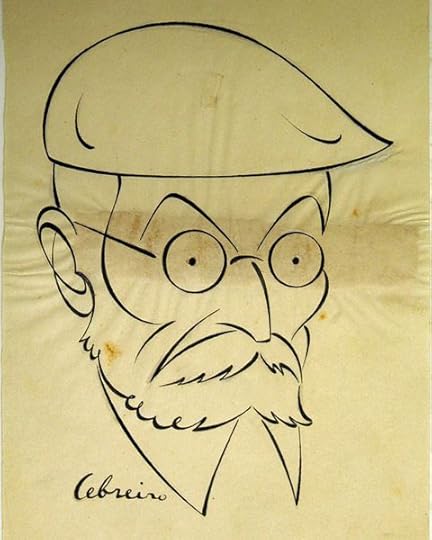

Obra contradictoria, como Unamuno mismo reconoce, plagada de referencias bíblicas y de un sinfín de autores, compleja, apasionada, insustituible.
Profile Image for Mohammad.
145 reviews
January 29, 2018
اونامونو متفکری شدیداً پراگماتیست است و از همین بابت به فیلسوفان و اخلاق‌پژوهان ممحض می‌تازد. کتاب او ملغمه‌ای از بازخوانی‌ها و تأملات و انتقادات است و با زبانی ادیبانه و روحی اسپانیایی نوشته شده است. در ستایشِ بودن است و انسان. به‌عوض انسانیت و مفهوم. به همین دلیل وقتی می‌خواهد والایی رنج‌کشیدن را بیان کند، می‌گوید «مقوله» در این دنیا رنج نمی‌کشد. او موافق هر نظریه‌ایست که راجع‌به انسان گوشت و پوست و استخوان‌دار باشد، از شعر و افسانه و شطح تا مذهب. خواندن کتابش حتماً مفید است. حتیٰ برای افرادی مثل من که فلسفه و اخلاق و تحلیل و مفاهیم را هم گرامی می‌دارند. ترجمهٔ فارسی بهاءالدین خرمشاهی هم کم‌نظیر است.
Profile Image for Mojtaba.
111 reviews23 followers
January 27, 2019
برای دومین بار سعی کردم کتاب رو بخونم ولی نشد و نمی توانم. کتابی که استاد بزرگ، خرمشاهی ترجمه کرده و بسیار هم دوستش داره رو من نفهمیدم.
به نظرم کتاب از منطق یکسانی برای رد بقیه مکاتب و تایید نظر خودش استفاده نمی کنه. با نظرات بقیه بسیار موشکافانه برخورد می کنه ولی نظرات خودش رو بسیار بدیهی می دونه. در رد بقیه بسیار جزم اندیشه و با صفاتی شدید مثل مضحک، بی شک دروغگو، زائد و ... روبرو میشه و اسپینوزا رو یهودی غمناک پرتغالی آمستردام می خونه. نخوتی در ادبیاتش هست که اذیتم کرد. ترجمه استاد خرمشاهی اگر چه هنرمندانه است و صالح حسینی نقد خوبی براش نوشته که در انتهای کتاب آمده، ولی به نظرم خود نماست و برای فرار از سره نویسی از کلمات عربی نامعمولی استفاده کرده مثل بالنتیجه به جای در نتیجه و یا غیرالنهایه! احتمالا به جای بی نهایت.
به هر حال جلوتر از صفحه ۱۳۰ نرفتم.
Profile Image for Moh. Nasiri.
333 reviews107 followers
April 7, 2019
میگل داونامونو در میان نویسندگان و فیلسوفان اسپانیایی قرن بیستم جایگاه ممتازی دارد. اندیشه‌های او بر فیلسوفان اگزیستانسیالیسم قرن بیستم تاثیر‌گذار بوده است. اونامونو علاوه‌بر آن‌که منتقد ادبی و فیلسوف بود، شعر، رمان و نمایشنامه نیز می‌نوشت
این کتاب از میان بیش از پنجاه شاهکار ادبی-کلامی داونامونو به بیش از ۳۰ زبان ترجمه شده، و شهرت نویسنده اش در اسپانیا مانند مولوی ؛ حافظ در ایران است کم کم در ایران خوانده می شود و خواننده درد آشنا و دیر آشنای خود را می یابد.در اين كتاب مباحث غامض فلسفي و شرح سيره و سلوك داونامونو بيان مي شود. داونامونو بر اين باور است كه انسان جديد راه خويش را گم كرده و نمي داند در كجاست و براي چه زندگي مي كند.وي اين كتاب را با تأسي از رمان دن كيشوت اثر "سروانتس" به رشته تحرير درآورده است.
------
ویلیام بارت درد جاودانگی را «تغزل فلسفی شگرفی» نامیده است. زبان فلسفه زبانی است غامض، آکنده از اصطلاحات فنی و دیریاب. اما پای تغزل که به میان می آید، شور و سرود و سر مستی سر بر می آورد. اونامونا ��رای جلوه گر ساختن این تغزل شگرف از واژگانی استفاده کرده است که همچون باران و شکوفه های بهاران پر از طراوت است. درد جاودانگی در اصل مبحث غامض فلسفی است، ولی این مبحث غامض با همت طلبی از شکسپیر و دانته و میلتون و مولفان عهد جدید و در آمیختن قول و غزل آنها با درد اشتیاقی که از سینه ی شرحه شرحه از فراق رب می خیزد ، به یکی از شاعرانه ترین و شکوه مند ترین نوشته های زمان ما تبدیل شده است. بهاءالدین خرمشاهی هم به مدد دانش و بینش و قریحه ی سرشار و با همت طلبی از عطار و مولانا و خیام و سعدی و حافظ موفق شده است این « تغزل فلسفی شگرف» را در زبان فارسی باز آفرینی کند...

این کتاب فلسفی درباره میل به جاودانگی انسان گوشت و خون دار (و نه انسان انتزاعی که در مباحث فیلسوفان و متکلمان وجود دارد) است. اونامونو در این بحث مطرح می‌کند که نیازمند خدایی است که ضامن جاودانگی بشر باشد؛ خدایی که بتوان بر او امید بست که با نقد و بررسی استدلاهای فیلسوفان معروف کلاسیک و مدرن از جمله کانت، اسپینوزا،نیچه استدلال خود را به شکلی متفاوت طرح و از فلسفه متافیزیک گره گشایی می نماید.
کتاب شامل 12 فصل است که عناوین آن به ترتیب عبارتند از «انسانی که گوشت و خون دارد»، «نخستین منزل»، «عطش جاودانگی»، «بی‌چارگی عقل»، «ژرفنای بی‌پایان»، «عشق، رنج، شفقت، تشخص یافتن»، «از خدا تا به خدا»، «ایمان، امید و خیرخواهی»، «دین، اساطیر عالم بالا و بازگشت به خدا»، «شالوده عمل»، «دن‌کیشوت در تراژدی ــ کمدی امروز اروپا»
--------------------
گزیده ای از کتاب درد جاودانگی :
« اگر کسی مدعی باشد که برای دلش می نویسد یا نقاشی می کند یا مجسمه می سازد یا آواز میخواند و آنگاه هنرش را به دیگران ارایه کند ،واسم و امضایش را در پای اثرش بگذارد بی شک دروغ می گوید . چرا که دست کم میخواهد ردپایی ازخود بگذارد که پس از مرگش باقی بماند .اگر نویسنده کتاب" سیره مسیح" ناشناس است ازاین است که درپیِ جاودانگی روح بوده است و پروای نام و نشان نداشته است. هر ادیب و نویسنده ای که مدعی باشد از شهرت بیزار است ، شیادی دروغزن است .بوکاتچو می گوید دانته ، یعنی همان کسی که سی و سه قطعه بلند و شیوا در ذم جاه و جلال دنیوی سروده است (برزخ ، قسمت ششم) از نام و آوازه خود خرسند بوده و حتی گاهی بیشتر از آنچه در خور شأنش باشد بدان مباهات میکرده است . سوزانترین تمنای دوزخ نشینان دانته این است که کاش زمینیان خاطره شان را از یاد نبرند و از آنان سخن بگویند ، و این بزرگترین تسلی است که ظلمات دوزخِ دانته را بدل به روشنایی می کند . و دانته خود اذعان کرد که هدفش در دفاع از سلطنت ، صرفا خدمت به دیگران نبود ، بلکه می خواست برای خود کسب وجهه و افتخار بیشتری بکند . در باب سلطنت ، آیا همین کافی نیست ؟حتی آن قدیس که وارسته ترین مردم از قید جهان گذران بود ، همان راه نشین فروتن آسیزی ، به گفته صاحب کتاب داستان سه همدم گفته است :«خواهید دید که چگونه همه جهانیان مرا ستایش خواهند کرد! »
162 reviews25 followers
July 23, 2020
Unamuno je jedan od tri najznačajnija španska filozofa (i teologa) dvadesetog vijeka, a ovo je teološko djelo koje obiluje filozofijom.

Glavni utisak je razlika između pravoslavnog i katoličkog pristupa onim pitanjima koja nauka i religija drugačije tumače. (Slijedi neprilična generalizacija.) Dok pravoslavni teolozi, poput Nikolaja Velimirovića, stoje na stanovištu da u pogledu spornih pitanja nauka griješi i da je to stvar jasna po sebi, katolički teolozi, poput Unamuna, prvo kažu da je nauka u pravu, ali tim gore po nauku, jer, možda su Galilej i Bruno govorili istinu, ali čemu to, čemu istina? Zato, psst (zavjerenički mig), pravimo se da nemamo pojma ko su dotični, a naučna znanja, zarad nas samih, podredimo onim koje zastupa crkva.

Ovo mi je jedna od dražih knjiga iz ranijih dana. Poslije drugog čitanja je dosta slabiji utisak, ali vrijedi pročitati.
Profile Image for عماد رشاد عثمان.
Author 4 books3,686 followers
Currently reading
July 16, 2021
يا له من كتاب، وياله من كاتب!

هل يمكنني أن أعتبره كتابًا في الفلسفة.. إذا فقد وضعت توقعات لا تلبث أن تتحطم على صخرة (المعيار).. فهو بكل تأكيد ليس كتابًا فلسفيًّا بالمعنى المعياري.

فهل أعتبره كتاب تآملات .. فإنني حينهل أكون قد بخسته حقه، فلا يمكنك أن تنفي (الهيكيلية) السارية فيه، حتى أنك يمكنك أن تعمل على استخلاص مذهب فلسفي منه!

فهو ليس كتاب تأملات معياري، ولا كتاب فلسفة معياري، وليس مجموعة مقالات بلا شك، وليس كتابًا نثريًا أو شعريًا، أو روحانيًّا.
هو شيء يخالف ذلك كله ويتجاوزه.

لفيلسوف شاعري رقيق، صادم وصارم وعنيف وعدواني، وحالم ودافيء وحدسي.

هو ليس مثاليًا وليس ماديًا وليس وضعيًا
فإن عددته وجوديا، لم تجده إلا وهو يلطم كبار الوجوديين في عنف، ويهزأ بهم في مكر، وينقض بنيانهم في عبث.

فإن عددته لاهوتيا لوجدته يستنكر على اللاهوتيين أدلتهم، وإن وافقهم فيما وصلوا إليه.

ما أنت يا رجل!
ما هذا التفرد العجيب.

الكتاب متنوع الصعوبة، في مناطق تجده مستغلقًا يحتاج منك خلفية فلسفية، وأحيانا تجده سهلا سلسا أقرب لخاطر صديق متحير يشرد جوارك في رحلة صيد، ليتساءل -دون أجوبة- عن الحياة والمعنى والخلود والله!

الكتاب تجربة قراءة استثنائية وغير معتادة
ألزمت نفسي به لأنني قررت مناقشته في صالون ثقافي، وأظن لولا الإلزام لكنت تخليت عن متابعته لصعوبة حينا ولتوهة حينا ولتحطيمه بنيان العقل حينا دون أن ينشيء لي سوى بناء هلامي قائم على (الشعور)


Profile Image for مغلق.
5 reviews7 followers
May 27, 2018
"أمّا الآن وقد عرّفتُ في مجرىٰ هذه الأبحاث التائِهة موقفي الشخصيّ إزاء المشكلة التي أنا بصددها ، فإنّيَ لن أُعدَم قارئاً غير راضٍ ، أو مثقّفاً ذا عقيدة فيقول : (هذا الرجل متردّدٌ لا قرارَ له ، إنّه يؤكّد شيئاً ثم يثبت نقيضه ، إنّه ملآن بالتناقضات ولا يمكنني أن أصنّفه ، فمن هو ؟ )"

ولَقَدْ صدقْ ، فبقدر ما كنت أمضي إلى صحفاتٍ أبعد في هذا الكتاب بقدر ما كانت حيرتي تزداد من هذا الرجل فمن هو ؟ وماذا يريد ؟ ، ولكنّه يجيب بلا تلعثم " أنا هو أنا ، امرؤ يثبت بالتناقضات ، ويتّخذ من الصراع بينها حياته" ، وهذه الجسارَة في تأكيد الذات هي ما أثار إعجابي في هذا الرجل ، فليس قلقه الوجودي وتشاؤميّته مثل تشاؤميّة سيوران وبيسو المهزومة والسطحيّة ، إنه قلق عميق يصارع أونامونو في سبيله الفلاسفة والقدّيسين وشعراء الملاحم ، فيبدأ كتابه معلناً أن غاية الفلسفة هي الإنسان ، ليس الإنسان المجرّد أو الإنسان النظري ، ليس الإنسان الموجود في عقول المفكّرين أو في نصوص الدساتير ووثائق الحقوق ، وإنما الإنسان الحقيقي من لحم ودم ، إنسان الحياة اليوميّة .

وعلى ذلك لا يجب أن نلتفت لأعمال الفلاسفة بقدر ما يجب علينا أن نلتفت لحياتهم ، فليس كانط هو ناقد الميتافيزيقيا الشهير وليس هو العبقري المقدّس الذي يسجد له الكانطيين النقديين وإنما هو رجلٌ عاش في مدينة كونيغسبيرغ في القرن الثامن عشر ، رجل كان يعاني من توتّر وجودي عميق حاول إخفائه باللغة الأكاديمية والترتيب المنطقي ولكنّه كان ظاهراً لمن يعرف كانط الإنسان ، فعندما حطّم كانط الإلٰه الآرسطي (أو هكذا اعتقد) في نقد العقل المحض ، فإنه قد شيّد أساس الإلٰه اللوثري في نقد العقل العملي ، لقد كان يريد أن يوجد الله إرادة عميقة ، هناك رجل آخر كان يريد أن يوجد الله ولكنه كان أجبن من كانط وقد عاش حياته خائفاً مطارداً ، وكان يكتب ببهجة ويحرّض على السعادة محاولاً إخفاء تعاسته الوجوديّة ، إنّه يهودي آمستردام البرتغالي الكئيب الذي كتب "أن الإنسان الحرّ لا بفكر بالموت" ولم يكن هو نفسه يصدّق ما كتب ، فلقد أراد سبينوزا معالجة الهلع من العدم عبر تجاهله ، ولكن كيف يمكن للمرء أن يعطي ظهره لحقيقة أن الفناء يتربّص به في كل لحظة وأن ذاته التي لا يمتلك غيرها سوف تتلاشى ، هذا يرعب الكاتب إذ يقول :

"إن الموت ولغز ما بعد الموت يشكّلان نبض وعيي ، فإذا ما تأمّلتُ الحقل الأخضر الناضر ، أو إذا تأمّلت عينيْن صافيتيْن تطلّ عليهما نفسٌ هي أُختُ نفسي ، يملتئ وعيي بالحياة وأحس بحركة إنبساط الروح ، وأتشرّب بالحياة المحيطة بي وأؤمن بمستقبلي ، لكنّ صوت السرّ سرعان ما يهمسُ لي (ستكفّ عن أن تكون) ويجعلني أحتكّ بجناح ملاك الموْت ، فتغمر حركة انقباض الرّوح أعماقي بدم الألوهة"

ميغيل أونامونو يعالج الوجود الإنساني بطريقة مقلوبة فهو لا يعتبر مثل سائر الوجوديّيين السابقين أن القلق العميق للإنسان مصدره وجوده ، وإنما مصدر هذا القلق هو فكرة أن هذا الوجود هو محض زيْف ، إنه وجودٌ عابرٌ زائلٌ يفتقرُ لأيّ أصالة ، فلا يخدعنّ الإنسانُ نفسهُ بالحديث حوْل الماضي والمستقبل فليست حياته سوى ومضة ضوء بيْن أبديّتيْن من الظلام ، ومن هذا الإعتقاد يتفرّع كل شعور مأساوي بالحياة ، فتفقد الذات الإنسانيّة إيمانها بنفسها ويبدأ التوتّر اللانهائي ، وردّاً على ذلك ولدت أعظم فكرة في تاريخ البشرية حسب الكاتب وهي فكرة خلود النفس ، وهي أعمق تأكيد للذات الإنسانيّة ، فليس مصدر هذا الإعتقاد هو الدين حسب ما يعتقد أغلبنا وإنما يقول أن مصدر هذا الإعتقاد هو أول وعي ناضج لأول إنسان ، فبدون الإيمان بخلود النفس ينهار صرح الإنسانيّة ، وليس من فيلسوف في التاريخ إلّا وقد خاض في هذا الأمر ، فقد عبّر أفلاطون عن عطشه إلى الخلود بهدوء ، وسبينوزا بجبن ، وكيركجارد بصدق ، ونيتشة بجنون ، وعلى هذا الطريق خاض الكاتب حواره وصراعه مع المدارس الفلسفية مثل اللاأدريّة والبرجماتية والسكولائية ومع المدارس الصوفيّة مثل عقيدة وحدة الوجود ، ومع الكاثوليكية والقديسين الأوائل يلتمس منهم الجواب على أسئلة لا يلبث أن يغيّر من صياغتها في كل صفحة.


كانت قراءة هذا الكتاب بمثابة محاولة الثبات على زورق تتلاطمهُ الأمواج ، فتارة يكون أونامونو أشد اللاأدريّين عدميّةً معلناً حربه ضد كل دوغما وتارة يأخذ على آباء الكاثوليكيّة زيغهم في الضلال ، حيناً في صفّ الفلاسفة وحيناً في صفّ الشّعراء وحيناً في صفّ القدّيسين ، وقد تاهَ وإعترفَ بتيْهِه ولا يُلام إذ أن الشعور الذي يحاول علاجه ليس سهلاً وضعه في رموزٍ مكتوبة ، وتكفيه شجاعة الخوض في هذا الأمر الذي لا أعرف أحداً سبقه إليه .
Profile Image for Jordi.
260 reviews8 followers
December 30, 2020
Este clásico de Unamuno es pura vida, puras ganas de vivir. Un darse de cabezazos contra lo razonable para salvar algún tipo de fe.

Unamuno se pregunta por este animal extraño que almacena sus muertos, aquejado de la enfermedad de la conciencia y que, como cualquier ser vivo, se define por su esfuerzo en persistir, por no morir. El problema se nos presenta cuando la conciencia nos hace ver, más pronto o más tarde, que en algún momento dejaremos de ser. Nos resistimos y queremos seguir viviendo de alguna manera, y de ahí que las creencias en algún tipo de inmortalidad del alma hayan existido casi desde siempre.

Pero Unamuno escribe esto a principios del siglo XX, en plena modernidad, cómo vamos a creer en estos cuentos. La razón aquí nos pone en ridículo. Unamuno repasa algunos intentos de probar racionalmente a Dios y la inmortalidad del alma, y vamos viendo cómo, uno a uno, se nos mueren.

Y, sin embargo, la clave para Unamuno es que ello no quita que el sentimiento de querer creer siga ahí - al menos así lo vive él. Además, el propio escepticismo de la razón es casi un disolvente, no sabe parar, nos lleva a dudar de la razón misma. Con lo cual, el conflicto entre razón y sentimiento persiste. De hecho, Unamuno encuentra en él una base para el consuelo, una base para una problemática forma de fe.

Una fe que ni es ciega, ni necesita de evidencias - una fe que funciona casi como una hipótesis, pero que puede ser efectiva - con consecuencias en esta vida. De hecho, Unamuno viene a dar con una especie de prueba moral de ésta: “Obra de modo que merezcas a tu propio juicio y a juicio de los demás la eternidad, que te hagas insustituible, que no merezcas morir”.

Y Unamuno no se engaña: lo más probable es que no haya nada más, pero eso no le quita fuerza a su fe, puesto que le hace vivir: “Hagamos que la nada, si nos está reservada, sea una injusticia; peleemos contra el Destino, y aun sin esperanza de victoria; peleemos contra él quijotescamente”.

Todo muy irracional si se quiere. En todo caso contra-racional, como dice Unamuno. Si fuera completamente irracional sería inexpresable. Quizá falso, pero si te puede hacer vivir mejor, que se muera uno del todo al final es casi lo de menos.
Profile Image for Bruce.
274 reviews40 followers
July 15, 2016
This is the best work of Christian apologetics I've ever read. It's also the weakest intellectually; far below, say, C.S. Lewis' Mere Christianity. Unamuno goes for the emotional jugular: We all want to live forever, and if you think you don't, then you haven't fully confronted the fact of your own death. Believers believe because their dogma holds out the possibility of eternal life -- that's Unamuno's essential point, with the proviso that the life worth living is inevitably full of suffering, but a suffering full of glory, an absurd glory like Don Quixote's, which will ultimately be vindicated.

The best part of the book for me was his discussion of the key value of vocation. It is pursuing one's work passionately, and aspiring to be so good that one is indispensable, that is the true work of soul building that makes eternal life more tenable. Unamuno even recognizes that immortality may be a fiction -- he is adamant in agreeing that no objective proof is possible -- but, if so, the struggle for glory through one's work will at least be a fitting protest hurled at the universe.

Heady, intoxicating, inspiring stuff! To meet with Miguel de Unamuno for a drink and a discussion -- that is another possibility worth hoping against hope for in that improbable yet devoutly hoped for future state!
Profile Image for Sara.
136 reviews201 followers
June 30, 2015
Ay, Unamuno, Unamuno, que rompederos de cabeza y discrepancias me has causado.
Lo cierto es que me gusta más el Unamuno novelista (en el cual se esconde parte de su filosofía)
Discrepo mucho con ciertos aspectos de su pensamiento (hay una clara oposición a los míos propios) pero a pesar de estas discrepancias he encontrado partes verdaderamente enriquecedoras y un último capítulo (¿ensayo?) verdaderamente brillante.
Conclusión: me ha gustado, el último capítulo me ha encantado y necesito tiempo para procesar. Por ahora se queda sin puntuar.
Profile Image for Bere Tarará.
534 reviews34 followers
December 24, 2019
Los primeros capítulos del libro son excelentes, pero conforme avanza el libro se vuelve hartante la actitud del autor, intentando a toda costa que creamos en dios, termina siendo una suerte de catecismo
12 reviews3 followers
April 25, 2018
داونامونو دن کیشوت وار سعی اش را می کند تا فوندانسیون اعتقادی خودش رو ویران کنه و از نو بسازه تا بتونه به چیزی( خدا) ایمان بیاورد ولی هر آنچه سخت و استوار است به ناچار دود می شود و به هوا می رود.

 حالات داونامونو در آخرین فصل کتابش منو یاد این ابیات حافظ انداخت:


حیلت رها کن عاشقا دیوانه شو دیوانه شو

و اندر دل آتش درآ پروانه شو پروانه شو

هم خویش را بیگانه کن هم خانه را ویرانه کن

وآنگه بیا با عاشقان هم خانه شو هم خانه شو

رو سینه را چون سینه‌ها هفت آب شو از کینه‌ها

وآنگه شراب عشق را پیمانه شو پیمانه شو

باید که جمله جان شوی تا لایق جانان شوی

گر سوی مستان می‌روی مستانه شو مستانه شو

آن گوشوار شاهدان هم صحبت عارض شده

آن گوش و عارض بایدت دردانه شو دردانه شو

چون جان تو شد در هوا ز افسانه شیرین ما

فانی شو و چون عاشقان افسانه شو افسانه شو

فریاد داونامونو در کتاب درد جاودانگی فریادیست برای جاودانه ماندن و جاودانه شدن، از اعماق دل,فریادی در برهوت که فاصله بین ظلمات و نور پدید می آید؛ همان لحظه ای که زندگی می نامیمش!


«پایان بشریت زمانی است بشر علم را بیافریند و جهان را فهرست بندی کند که دسته بندی شده به دست خدا برسد! و آشکار است که انسان حتی از ایده کمتر است.و آخرالعمر نژاد بشر،بی جان و بی نفس در پای کتابخانه ها_که همه چوبهای عالم را برای ساختن کاغذ کتابهایشان به کار برده اند_ و در پای موزه ها و ماشینها و کارخانه ها و آزمایشگاه ها در خواهند غلتید و آنها را از خود به میراث خواهند نهاد.اما معلوم نیست برای کی؟ به درد خدا که نمی خورد!»


از کتاب درد جاودانگی
Profile Image for Maha Alhasawi.
87 reviews34 followers
April 7, 2014
مختصر هذا الكتاب ان تاريخ البشر المأساوي ما هو الا تاريخ الصراع بين العقل والحياة ، الرغبة في خلود النفس والشك منها . العقل هو تاريخ الفلسفة والفلسفة هي تاريخ الدين .و الحل الوحيد لهذا النزاع هو تقبل النزاع كما هو والعيش منه .

لم أتقبل الكثير من أفكار هذا الكتاب ربما اسميها شطحات او هرطقات و استغرب من الكاتب الذي ينتقد بعض المذاهب انها سفسطائية ولا يعي ان ما يكتبه فيها شيء من هذه السفسطائية بالرغم مما ذكره قبل الفصل السابع ان ما سيلي ذكره ما هو الا اخيلة فيها من نتاج العقل ، وان الخيال"الفانتازيا" أكثر بكثير من العقل .

ان ما يذكره في هذه الكتاب ذكر أديب متعمق في قضايا الحياة و في قضية الله بالتحديد ، وفي إحساسه الذاتي بالحياة وبالله حد الشفقة على ابناء العالم وحبه لهم لتقديم هذا الكتاب كخلاص لهم من الشعور المأساوي بالحياة .

الصفحات المئة الأولى والتي تعرض مشكلة الصراع وتاريخه تبعث على الملل احيانا ،، الا انها قد تكون الفصول الأكثير قيمية في هذا الكتاب .

كنت أفضل ان تكون هناك مقدمة دراسية وبحثيك عن مضمون الكتاب وفكر صاحبه حتى يكون مدخلا لفهم ما تبعثر في صدر الكتاب من الأفكار .
Profile Image for Laurel.
105 reviews12 followers
October 22, 2007
actually a book of philosophy with some true humanity, whether or not you agree with all
of his points. the eternal conflict between head and heart... an applicable topic for all of
us layman philosophers. in that sense: highly practical for daily life, but certainly not
practical in the sense of mundane. very accessible, as well. you can read this even if you
don't have to for a class (unlike whitehead, for example)! i kinda think it's necessary
reading.
Profile Image for امیرمحمد حیدری.
Author 1 book73 followers
March 17, 2022
چه شلم‌شوربای جالبی! خود نویسنده نیز به اطناب و عدم انسجام نوشته‌هایش معترف است و گاه از ترسِ آن، از پرداختن به‌موضوعی حذر می‌کند. اما در کل، هریک از سرفصل‌ها، حرف‌های بسیاری برای گفتن دارند و بسیاز لذت بردم‌.
Displaying 1 - 30 of 240 reviews

Can't find what you're looking for?

Get help and learn more about the design.