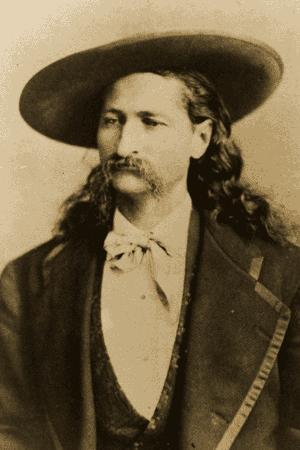
Quite moving. The authenticity of these letters is disputed. At their most authentic they are a compelling, intimate record of the experiences and feelings of a woman who loomed large and lived an uncommon life in a period of rapid change. At their least authentic they are a thoughtful and deeply felt work of late nineteenth century epistolatory fan fiction, centered around a legend’s lifelong love for her estranged daughter. Either way they are fascinating and a valuable artifact of history.
But I choose to believe they are genuine (as does the author of the introduction). There’s no harm in it, and there’s a good amount of evidence. Besides, it’s not the facts that matter here. Jane Canary made sure there was no possible way to authenticate a fact about her. No, the letters are tense, and messy with grief, despair, self loathing, feeling withheld, reverence for animals, doubt of God. With deep love and deep disdain for the various faces of humanity. With error. And they felt honest in that sense.
More than anything I just loved reading them and think they deserve to be taken seriously. It’s moving to witness a person’s capacity for so many familiar multitudes— especially when they walked this earth a hundred years before you did. It reminds you that humanity is a blip in the arc of this universe, but each life is something of deep significance—simultaneously unknowable and yet the longest thing, the only thing, that can be fully known. And the rare record of a single, specific life, from the incalculable total of lives lived, is often proof that time has not changed the human animal, not in a way that counts. Our emotional complexity is brutal and constant. We are a blip, but of extreme significance.
Anyway. These letters were good, felt honest, and sparked a lot of thought. I know I’ll think of them often.
- - -
“Remember, love isn’t passion our [sic] hope— but days & years you will find it so.”
- Jane’s advice to her daughter in a letter she intended to deliver posthumously. Her punctuation was wacky and inconsistent, but I interpret this as: “Remember—love isn’t passion and hope, but days and years. You will find it so.”
I think it’s both, and I bet Jane, could she have forgiven herself, would have agreed. Amid all the despair, hope leaped from every page. Hope was intrinsic in the act of writing each letter. Hope to be known, hope to pass love on. Hope to be forgiven.
Her final words: “Forgive me, and consider I was lonely.”