Each book I read offers a new perspective. In this post, I share my thoughts on this book in Persian and English. I hope this will be enjoyable for you :)
هر کتابی که می خوانم دریچه ای به دنیایی جدید است. تو این نوشته دیدگاه و تجربه ام از مطالعه ی این کتاب رو به دو زبان فارسی و انگلیسی با شما به اشتراک می ذارم امیدوارم خوندنش براتون لذتبخش باشه :)
Persian (فارسی)
در نگاه اول، «طوفان در مرداب» ممکن است روایتی ساده از کشمکشی تاریخی به نظر برسد. اما لئوناردو شاشا، نویسندهی برجستهی اهل سیسیل که در مخالفت با مافیا، جعل تاریخ و استثمار مذهبی پیشینه دارد،این رمان کوتاه را به بستری برای کاوش در ساختارهای فاسد قدرت، پیوند دین با سیاست، و تحریف حقیقت بدل کرده است. این داستان نهتنها تصویری از یک مرداب واقعی را ارائه میدهد، بلکه استعارهایست از دنیایی که حقیقت در آن گلآلود شده—و خواننده برای درک آن، باید آمادهی شیرجه زدن در لایههای پنهان تاریخ و فلسفه باشد.
شاشا با بهرهگیری از شناخت عمیق خود از تاریخ اروپا، بهویژه تجربهی زیسته در سیسیل، تصویری ارائه میدهد که هم شخصیست، هم جهانی. در این روایت، مفاهیمی مثل سلطهی مذهبی، فساد نهادینه، و تردید اخلاقی نه در قالب نظریه، بلکه در زندگی شخصیتهایی مجسم شدهاند که گاه خاموشاند، گاه طغیانگر.
پیشنیازهای خوانش ⚖️
برای لمس تمام ظرافتهای این داستان، دانستن مفهومهایی چون فئودالیسم، ژاکوبنیسم، و آشنایی با هرم سلطه در قرون وسطی و عصر روشنگری ضرورتی است انکارناپذیر. از اتحاد کلیسا و اشراف تا سرکوب فکری و اجتماعی مردم، ساختار قدرتی به تصویر کشیده میشود که فساد نهفقط در سطوح فردی، بلکه در تار و پود نهادهای کلان نهادینه شده است.
نمادها و ساختار قدرت ⛪️
در این روایت، کلیسا نه مظهر معنویت، بلکه بازیگری است در نقاب تقدس—با دستانی آلوده به جعل تاریخ و میل به تثبیت قدرت. همانطور که در تاریخ واقعی دیدهایم، این اتحاد میان اشراف و نهادهای مذهبی، اغلب محصول منفعتطلبی بوده نه ایمان. شاشا این همدستی را بهخوبی در روابط بین شخصیتها و موقعیتهای داستانی عیان میسازد.
«طوفان در مرداب» یادآور لحظاتیست که عروسکهای قدرت فرو میریزند، اما نخهایی که آنها را تکان میدادند، همچنان باقیمی مانند.
جغرافیا و خاستگاه نویسنده 🌍
شاشا، خود زادهی سیسیل، سرزمینی است که در قلب فساد تاریخی و سلطهی مافیا جای دارد. این آشنایی زیستی با زمینههای داستان، به او قدرتی منحصر بهفرد داده تا از درون، و نه بیرون، نظامهای استثماری را نقد کند. سیسیل در این اثر نه صرفاً بستر داستان، بلکه انعکاسی از تاریخ زخم زخمخوردهایست که هنوز هم پژواکهایش شنیده میشود.
روانشناسی شخصیتها 🎭
شاشا، با نگاهی موشکافانه به ابعاد درونی شخصیتها، رمانی خلق کردهاست که در آن هر کنش بیرونی، بازتابیست از جدالهای درونی. در رأس این منظومه، دن جوزپه وُلا قرار دارد—کشیشی متفکر، اما گرفتار در دام تعصب و میل به تثبیت قدرت. جاهطلبی او در جعل تاریخ سیسیل و همدستی با ساختارهای مذهبی، از یک سو تلاشیست برای نظمبخشی به روایت رسمی، و از سوی دیگر، پردهایست بر اضطرابهایی عمیقتر: ترس از ناپایداری ایمان، از دست رفتن اقتدار، و مواجهه با حقیقتی که نه قابل انکار است و نه قابل پذیرش.
نویسنده، با ارائهی چنین شخصیتهایی، نشان میدهد که فساد، تنها بیرونی نیست؛ بلکه اغلب از اعماق ذهن و روح انسان آغاز میشود. در «طوفان در مرداب»، اخلاق نه شعار است و نه کلیشه؛ بلکه عرصهایست برای تنشهای واقعی میان شناخت، شک، و قدرت.
تاریخ به مثابه بستر روایت 📖
در «طوفان در مرداب»، تاریخ نه پسزمینهای خنثی، بلکه پیکری زنده و پویاست که در تار و پود روایت تنیده شده. شاشا، با اشاراتی به انقلاب فرانسه، عصر روشنگری، و ساختارهای سلطه در قرون گذشته، زمانِ داستان را به شبکهای از ارجاعها بدل میکند؛ به گونهای که گذشته و حال در آینهی یکدیگر بازتاب مییابند.
انقلاب فرانسه، با ندای عقلانیت و طغیان علیه اقتدار، در این اثر چون نوری کمفروغ در دل تاریکی حضور دارد؛ نوری که امید آزادی را میپراکند، اما در مردابِ مذهب، اشرافیت، و روایت رسمی گرفتار میشود. شاشا، با ترکیب ظریف واقعیت تاریخی و خیال داستانی، نشان میدهد که حقیقت همواره در جدال با قدرت است—و این جدال، فارغ از زمان، در ساحت اندیشه، ایمان، و اخلاق تکرار میگردد.
اقتباس سینمایی| بازتابی از قرن هجدهم در قاب تصویر 🎬
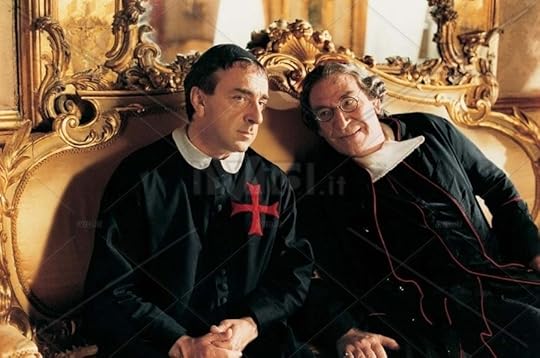
این روایت قدرتمند در سال ۲۰۰۲ با عنوان «The Council of Egypt» به فیلمی سینمایی تبدیل شد؛ اثری که با حفظ فضای قرن هجدهم سیسیل، ظرفیت دراماتیک و تاریخی داستان را فراتر از صفحات رمان به تصویر کشیدهاست.
فرجامی در آستانه ی حقیقت 🌅
«طوفان در مرداب» قصهی کسانیست که در میانهی گلولای تاریخ، بهدنبال صدایی حقیقی میگردند؛ صدایی که زیر بار روایتهای رسمی، نهادهای مقدس، و سکوتهای نهادینه مدفون شده. شاشا، با قلمی بیپروا، خواننده را به قلب تناقضها و پرسشها پرتاب میکند—نه برای ترسیدن، که برای دیدن، فهمیدن، و زیستن در برابرِ تحریفها.
این اثر برای آنان نوشته شده که از مسیرهای هموار عبور کردهاند و حالا جرئت کردهاند وارد مرداب شوند. برای آنان که باور دارند حقیقت، هرچند در سایه، هنوز نفس میکشد.
و پرسشی که باقی میماند، پرسشیست برای جستوجوگران آگاهی:
وقتی حقیقت در حصار قدرت خاموش میشود، آیا جسارت پرسیدن، اولین گام روشنگری نیست؟
English (انگلیسی)
At first glance, the Council of Egypt may seem like a straightforward tale of historical tension. But Leonardo Sciascia—a renowned Sicilian author known for his resistance against the mafia, historical distortion, and religious exploitation—transforms this short novel into a piercing exploration of corrupted power, the intertwining of religion and politics, and the manipulation of truth. This story not only presents the image of a literal marsh, but also a metaphorical world where truth is muddied—and the reader must be prepared to dive into the hidden layers of history and philosophy to uncover it.
Drawing from his deep understanding of European history and lived experience in Sicily, Sciascia paints a portrait that is both personal and universal. Ideas such as religious dominance, institutional corruption, and moral ambiguity do not appear as abstract concepts, but through the lives of characters who sometimes remain silent, and other times rebel.
Reading Prerequisites ⚖️
To grasp the full subtleties of this novel, familiarity with concepts like feudalism, Jacobinism, and the hierarchy of power during the Middle Ages and the Enlightenment is essential. From the alliance between Church and nobility to the intellectual and social repression of the people, Sciascia portrays a power structure where corruption is not merely personal—but woven into the very fabric of institutions.
Symbols and Power Structures ⛪️
Here, the Church does not symbolize spirituality, but rather acts behind the mask of sanctity—with hands stained by historical fabrication and a hunger to maintain control. As history has often revealed, this alliance between aristocracy and religious institutions is driven more by mutual gain than faith. Sciascia skillfully illustrates this complicity through character relationships and narrative situations. The Council of Egypt reminds us of moments when the puppets of power collapse, yet the strings that moved them remain intact.
Geography and the Author’s Origin 🌍
Sciascia, born in Sicily—a land at the heart of historical corruption and mafia dominance—offers a unique lens shaped by firsthand experience. His connection to this context empowers him to critique exploitative systems from within rather than outside. In this story, Sicily is not just a backdrop; rather, it is a reflection of a history wounded and scarred, whose echoes can still be heard.
Psychology of the Characters 🎭
With incisive insight into his characters’ inner worlds, Sciascia crafts a novel where every outward action echoes internal conflict. At the center stands Don Giuseppe Vella—a contemplative priest caught in the snare of fanaticism and the pursuit of power. His ambition to falsify Sicilian history and conspire with religious institutions is, on the surface, a desire to control the narrative. Yet beneath that lies a deeper anxiety: fear of unstable faith, loss of authority, and confronting an uncomfortable truth. Through such characters, Sciascia reveals that corruption often begins within the psyche. In The Council of Egypt, morality is no slogan or cliché—it is a real battlefield of understanding, doubt, and dominance.
History as the Canvas of Narrative 📖
In this novel, history is not a passive background—it is a living, dynamic force woven into the story’s fabric. Referencing the French Revolution, Enlightenment era, and past systems of domination, Sciascia makes time a net of interconnections where past and present mirror one another. The French Revolution, with its call for reason and revolt against authority, appears here as a dim light in darkness—a hope for freedom nearly drowned in the swamp of religion, aristocracy, and official narratives. By merging historical reality with fictional imagination, Sciascia demonstrates that truth is always in tension with power—and that this battle recurs endlessly across thought, faith, and ethics.
Film Adaptation | Reflections of Eighteenth-Century Sicily on Screen 🎬
This powerful narrative was adapted into a feature film in 2002 under the title The Council of Egypt. This cinematic work preserves the atmosphere of eighteenth-century Sicily, capturing the story’s dramatic and historical depth beyond the bounds of the written novel.
An Ending on the Threshold of Truth 🌅
The Council of Egypt is the story of those searching for a true voice amid the mud of history—a voice buried under official narratives, sacred institutions, and institutional silence. With fearless prose, Sciascia throws the reader into the heart of contradictions and questions—not to frighten, but to awaken, to understand, and to resist manipulation.
This work is written for those who have passed through smooth paths and now dare to enter the marsh. For those who believe that truth, though shadowed, still breathes.
And the question that lingers is one for every seeker of awareness:
When truth is silenced by power, isn’t the courage to ask the first act of enlightenment?