

What do you think?
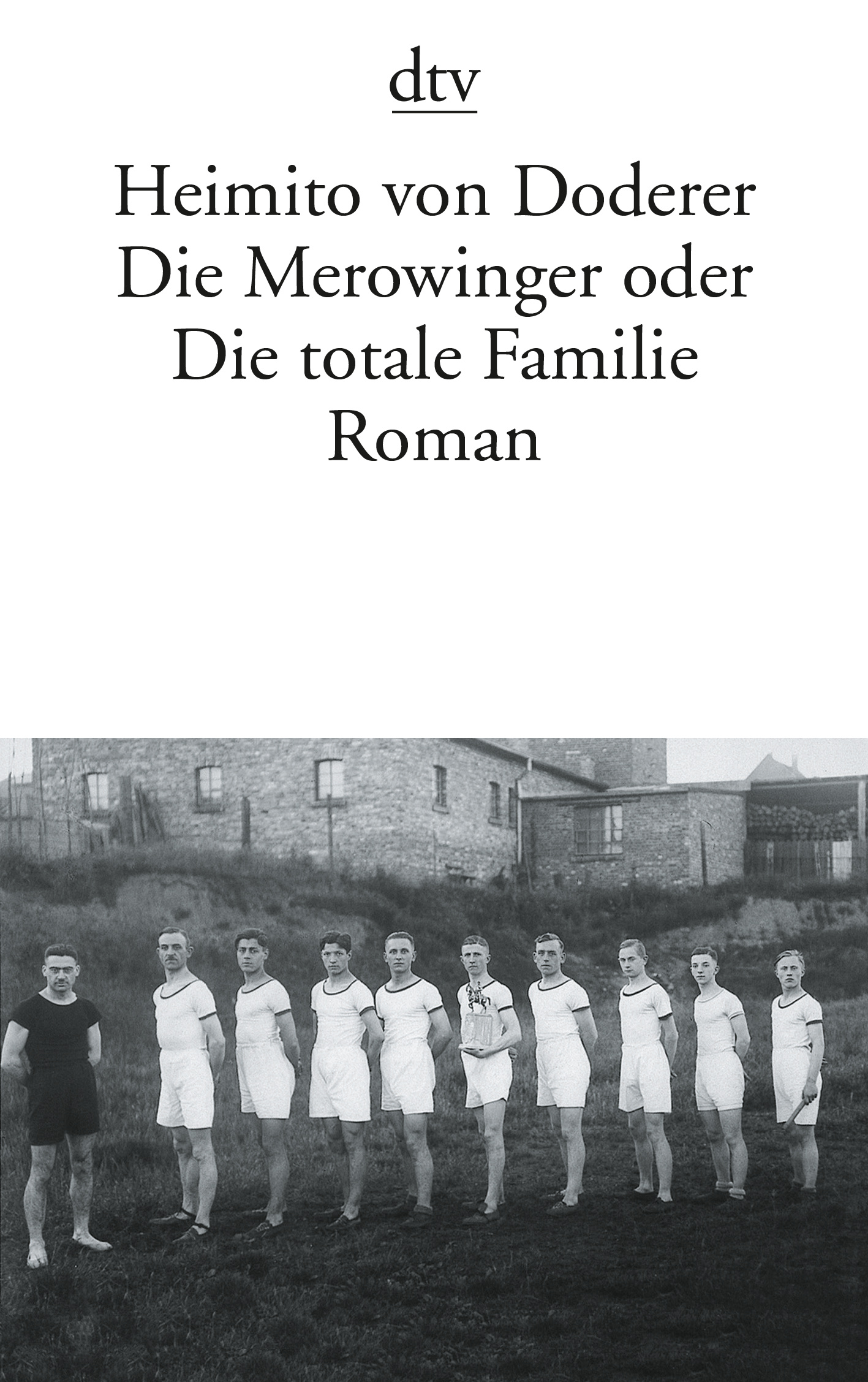
Die Merowinger oder Die totale Familie
Childerich von Bartenbruch, der schmächtige, doch zu unglaublichen Wutausbrüchen neigende Majoratsherr in Mittelfranken, hält sich - nicht ganz zu Unrecht - für einen Nachfahren der Merowinger. Gleichzeitig verfolgt er hartnäckig die Realisierung seiner Idee von der totalen Familie. Durch eine ungewöhnliche Heirats- und Adoptionspolitik gelingt es ihm, sein eigener Vater, Großvater, Schwiegervater und Schwiegersohn zu werden...
307 pages, Paperback
First published January 1, 1962
About the author
Heimito von Doderer
60 books68 followersHeimito von Doderer lebte fast ausschließlich in Wien. 1916 geriet er in russische Gefangenschaft und kehrte erst 1920 zurück. Er studierte Geschichtswissenschaft. Seit der Veröffentlichung seiner Hauptwerke "Die Strudlhofstiege" (1951) und "Die Dämonen" (1956) gilt er als einer der bedeutendsten österreichischen Schriftsteller.
Ratings & Reviews
Friends & Following
Create a free account to discover what your friends think of this book!
Community Reviews
Displaying 1 - 13 of 13 reviews

April 23, 2013
nicht nur der bizarrste roman von heimito von doderer: "die merowinger - oder die totale familie" ist eventuell das verrückteste romandestillat, welches jemals in österreich aus einem autorenhirn hervorgebracht wurde. vom beginn weg geht es um wut, und mit der vorstellung eines unter dieser erkrankung leidenden patienten wird auch sofort eine recht unfassbare behandlungsmethode eingeführt, die es möglich macht, vorrübergehend von der wut geheilt zu werden. der auf diese weise erfolgreich seinen lebensunterhalt verdienende arzt ist nur eine von vielen figuren dieses romans: im zentrum steht childerich von bartenbruch, ein zwar kleinwüchsiger aber nichtsdestotrotz (oder gerade deswegen) zu unglaublichen wutausbrüchen fähiger adeliger mensch, der neben all seinen unangenehmen eigenschaften auch die angewohnheit hat, seinen bart metamorphierend den bärten der männer anzupassen, deren frauen er geheiratet (und auf diese weise vernichtet) hat: er übernimmt anteile der bärte in seinen immer verrückter gestalteten bart. sein ziel: die totale familie in sich zu vereinen. doderer hat in diesem buch all das skurile und verrückte seiner anderen, "seriösen" romane verdichtet und einen "kardinalsspaß" der erfrischendsten sorte abgelegt, der mich nicht losgelassen hat: ich empfand das buch wie rockmusik so fesselnd und durchrüttelnd in seiner mitreissenden sprache und brachial-erfrischenden komik.

July 26, 2026
Schnippeldilderich 4 president
October 11, 2026
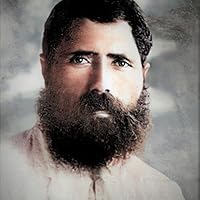
Heimito von Doderer, an Austrian author with a life of service in World War I, a stretch as a Russian prisoner of war, and a later academic career in history and psychology, published The Merowingians in 1962. The book is a farce about a modern aristocrat in Central Europe, following him from the 1920s to the 1950s. Its hero, Baron Childerich III von Bartenbruch, shares a name with the Frankish kings of the early Middle Ages and claims Frankish warriors as ancestors. He is a small man with bulging eyes and a beard of heroic scale. Childhood taught him patience through daily thrashings from his brothers and sisters, and it left him a memory that kept count of every blow, a "ledger-like memory for insult." His revenge is the Total Family, a plan to gather every family role onto one head, his own. The book reads as an anatomy of ambition, showing how a boyhood of sibling beatings can grow into a campaign of genealogical conquest.
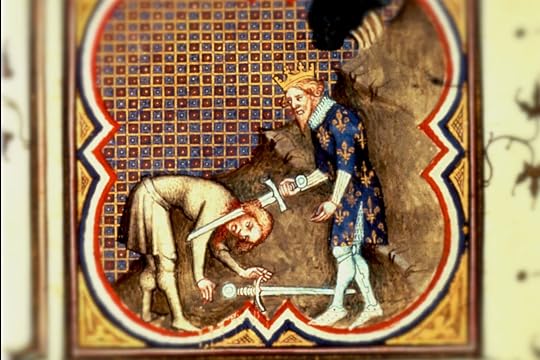
The plan starts by chance. At thirty, the Baron receives Countess Clara Cellé, young widow of his grandfather, who arrives carrying the ancient family sword in brown paper. After one long stare, he marries her and becomes his own grandfather. The discovery thrills him. He next marries his stepmother and becomes his own father, then a stepdaughter, and the quest toward the roles of son-in-law and beyond turns marriage into a form of bureaucratic mischief. Each wedding adds a mustache or whisker style from a predecessor, so his face grows into a family chart in hair. The first meeting between Childerich and the Countess even pauses for a lecture on early medieval swords, delivered while the Baron staggers under the weight of one. He grows his predecessors' whiskers and beards his relatives in the older sense of confronting them, while his stepchildren, a clan of brewers, ferment grudges.
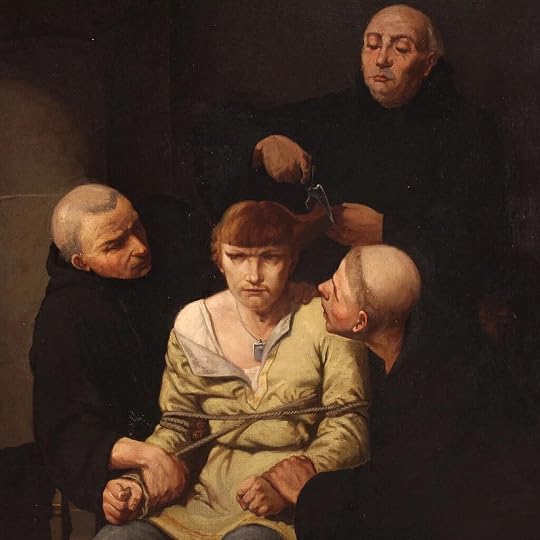
His rage attacks bring him to Professor Horn, a panting psychiatrist in a white smock the size of a glacier. On the 1st, 10th and 20th of each month, patients receive a nose clamp on a string, a blaring march by the composer Meyerbeer, and drumsticks on the skull while stamping past a table of porcelain shepherdesses. Rage splays the feet outward, and Horn tracks recovery in degrees as each figurine shatters. These "rage treatments" become a kind of public theater. Horn's business booms once he phones government offices to request gentleness for his patients, because patients return from those offices angrier than before and the waiting room fills. One floor below, the broke writer Döblinger pockets Horn's hush money for the noise and ends up telling the story. Döblinger has a neighbor in Herr Zilek, who lives in the flat below and monitors the building with the zeal of a border official. The population of grotesques extends well past the Baron, into a world of farcical bureaucrats and eccentric medical professionals, all observed with a detached yet immediate eye.
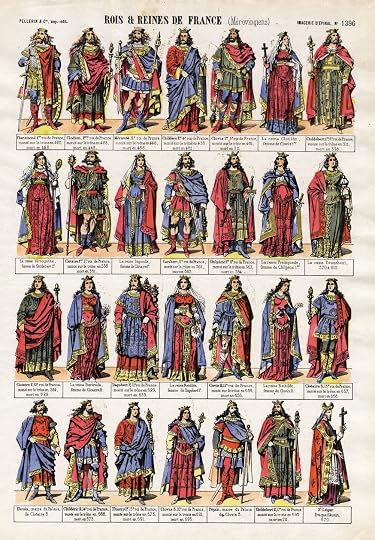
Heredity has its own surprises. The Baron's son Childerich IV, nicknamed Schnippedilderich, grows into a giant and dislocates a boxing teacher's jaw out of carelessness. Doderer treats heredity as a mud-volcano, occasionally spewing a prehistoric strength into a degenerate line. The son also scorns the ancestral sword as "an old toothpick," and a governess dodges a water bottle hurled in rage, each a small comic detonation. Meanwhile the growing empire frightens relatives holding claims on the inheritance. A French count named Pépin, an echo of the dynasty that overthrew the Merovingians, joins as head steward and gathers them for a counteroffensive with trumpets, a battle in verse at Windbühel, and a barber. The Baron's mission ends in defeat by the "Sub-account holders" and a final public humiliation involving a shorn head and a loss of power.
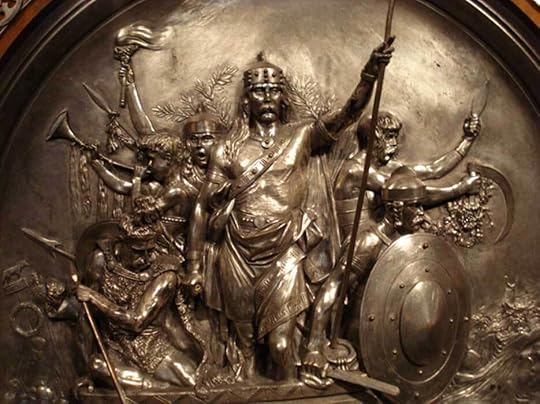
Doderer narrates with the grave courtesy of a funeral director at a custard fight. Chapter titles include "The Great Pouch Stab" and "The Questionable Chapter." His style marries the stately with the grotesque, and the result is an extraordinary, self-contained universe of intellectual slapstick, a lunatic genealogy spun into a sustained act of comic architecture. Fans of Evelyn Waugh and other satirists of the upper classes will recognize a cousin.
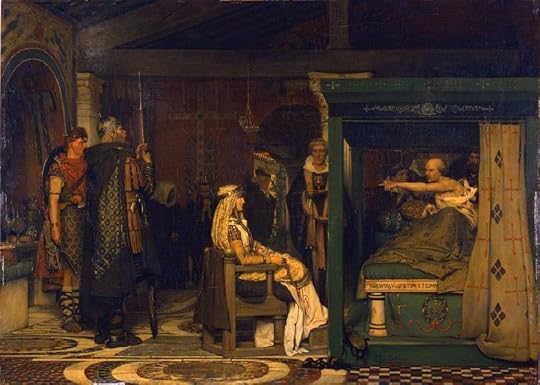
Beneath the absurdity lies a sly commentary on power. The book leaves a lingering unease, since power consolidates through the baroque annexation of relation itself, and it can be read as an allegory for the dangers of a totalizing ideology in which one man seeks to become the beginning and end of everything. It feels alarmingly relevant for a time when leaders often seek to annex all authority and to declare, like Childerich, "la famille c'est moi." The book's greatest surprise is how it turns the mundane into the momentous and the historical into the hysterically human, and it leaves a fresh sense of the fragility of power and the ludicrous nature of any claim to it.
Reading demands some effort. A pencil helps with the cast, since stepchildren, nieces, nephews and brothers crowd the middle chapters like a wedding photograph with four hundred relatives, and the genealogical table at the back offers rescue. The long sentences demand stamina. Something in the design leans toward the gimmicky, and the English translation grows heavy in spots. The quotes below show a story bursting with razor-edged hilarity, yet circumlocution blunts the force of the humor and clogs its rhythm. The German may well carry the wit with greater ease. Even so, the cold fun of power as a family business keeps the pages turning, and for the English version I stop at 3.75 stars.
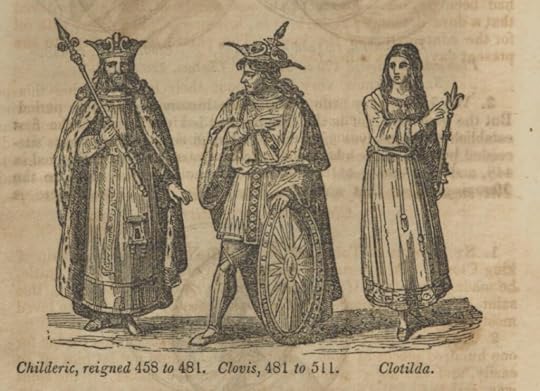
"...Childerich's boyhood had the contours of a military campaign in which his brothers played the part of a hostile occupying force. Each morning brought a fresh sortie, pinches, blows, and inventive insults, administered with a strategic cruelty that would have done credit to a general. This forced him to develop a strange kind of patience, one part accountancy, one part boxing school. He learned to wait for years before exacting payment on an injury, to husband his resources of spite, and to take a punch as though his bones were made for it. Such schooling did more than harden his will; it gave him the taste for conquest, which later took the form of genealogical annexations every bit as ambitious as any war..."
[image error]
"...When Barbara Bein came into his life, the opportunities multiplied. She was both stepdaughter and potential bride, a combination that turned the family tree into something resembling a topiary, clipped and reshaped until the gardener himself appeared in every corner. The wedding joined two estates without moving them an inch, and the heralds despaired of fitting the resulting title on a single banner. At family gatherings, Barbara would sometimes remark, with a smile that drew the eye to her extravagant shoulders, that she was married to her own father-in-law, a statement that made the servants drop their trays. Childerich, for his part, regarded these remarks as proof of her high spirits..."
[image error]
"...Herr Zilek, thin as the leg of a compass, lived in the flat below Döblinger and knew everything that happened in the building. From his window he monitored the stairwell like a customs officer at a border, noting the comings and goings of Professor Horn's patients. Each new face was classified, each sound from above interpreted according to a private code. He attempted to draw the caretaker's wife into his network of informants, but she offered only monosyllables and polite smiles. Failing that, he turned his attentions to Döblinger himself, tapping away at the man's defenses with neighborly concern, like a hammer striking a wall in search of a hollow..."
[image error]
❤️ 🇮🇱
The plan starts by chance. At thirty, the Baron receives Countess Clara Cellé, young widow of his grandfather, who arrives carrying the ancient family sword in brown paper. After one long stare, he marries her and becomes his own grandfather. The discovery thrills him. He next marries his stepmother and becomes his own father, then a stepdaughter, and the quest toward the roles of son-in-law and beyond turns marriage into a form of bureaucratic mischief. Each wedding adds a mustache or whisker style from a predecessor, so his face grows into a family chart in hair. The first meeting between Childerich and the Countess even pauses for a lecture on early medieval swords, delivered while the Baron staggers under the weight of one. He grows his predecessors' whiskers and beards his relatives in the older sense of confronting them, while his stepchildren, a clan of brewers, ferment grudges.
His rage attacks bring him to Professor Horn, a panting psychiatrist in a white smock the size of a glacier. On the 1st, 10th and 20th of each month, patients receive a nose clamp on a string, a blaring march by the composer Meyerbeer, and drumsticks on the skull while stamping past a table of porcelain shepherdesses. Rage splays the feet outward, and Horn tracks recovery in degrees as each figurine shatters. These "rage treatments" become a kind of public theater. Horn's business booms once he phones government offices to request gentleness for his patients, because patients return from those offices angrier than before and the waiting room fills. One floor below, the broke writer Döblinger pockets Horn's hush money for the noise and ends up telling the story. Döblinger has a neighbor in Herr Zilek, who lives in the flat below and monitors the building with the zeal of a border official. The population of grotesques extends well past the Baron, into a world of farcical bureaucrats and eccentric medical professionals, all observed with a detached yet immediate eye.
Heredity has its own surprises. The Baron's son Childerich IV, nicknamed Schnippedilderich, grows into a giant and dislocates a boxing teacher's jaw out of carelessness. Doderer treats heredity as a mud-volcano, occasionally spewing a prehistoric strength into a degenerate line. The son also scorns the ancestral sword as "an old toothpick," and a governess dodges a water bottle hurled in rage, each a small comic detonation. Meanwhile the growing empire frightens relatives holding claims on the inheritance. A French count named Pépin, an echo of the dynasty that overthrew the Merovingians, joins as head steward and gathers them for a counteroffensive with trumpets, a battle in verse at Windbühel, and a barber. The Baron's mission ends in defeat by the "Sub-account holders" and a final public humiliation involving a shorn head and a loss of power.
Doderer narrates with the grave courtesy of a funeral director at a custard fight. Chapter titles include "The Great Pouch Stab" and "The Questionable Chapter." His style marries the stately with the grotesque, and the result is an extraordinary, self-contained universe of intellectual slapstick, a lunatic genealogy spun into a sustained act of comic architecture. Fans of Evelyn Waugh and other satirists of the upper classes will recognize a cousin.
Beneath the absurdity lies a sly commentary on power. The book leaves a lingering unease, since power consolidates through the baroque annexation of relation itself, and it can be read as an allegory for the dangers of a totalizing ideology in which one man seeks to become the beginning and end of everything. It feels alarmingly relevant for a time when leaders often seek to annex all authority and to declare, like Childerich, "la famille c'est moi." The book's greatest surprise is how it turns the mundane into the momentous and the historical into the hysterically human, and it leaves a fresh sense of the fragility of power and the ludicrous nature of any claim to it.
Reading demands some effort. A pencil helps with the cast, since stepchildren, nieces, nephews and brothers crowd the middle chapters like a wedding photograph with four hundred relatives, and the genealogical table at the back offers rescue. The long sentences demand stamina. Something in the design leans toward the gimmicky, and the English translation grows heavy in spots. The quotes below show a story bursting with razor-edged hilarity, yet circumlocution blunts the force of the humor and clogs its rhythm. The German may well carry the wit with greater ease. Even so, the cold fun of power as a family business keeps the pages turning, and for the English version I stop at 3.75 stars.
"...Childerich's boyhood had the contours of a military campaign in which his brothers played the part of a hostile occupying force. Each morning brought a fresh sortie, pinches, blows, and inventive insults, administered with a strategic cruelty that would have done credit to a general. This forced him to develop a strange kind of patience, one part accountancy, one part boxing school. He learned to wait for years before exacting payment on an injury, to husband his resources of spite, and to take a punch as though his bones were made for it. Such schooling did more than harden his will; it gave him the taste for conquest, which later took the form of genealogical annexations every bit as ambitious as any war..."
[image error]
"...When Barbara Bein came into his life, the opportunities multiplied. She was both stepdaughter and potential bride, a combination that turned the family tree into something resembling a topiary, clipped and reshaped until the gardener himself appeared in every corner. The wedding joined two estates without moving them an inch, and the heralds despaired of fitting the resulting title on a single banner. At family gatherings, Barbara would sometimes remark, with a smile that drew the eye to her extravagant shoulders, that she was married to her own father-in-law, a statement that made the servants drop their trays. Childerich, for his part, regarded these remarks as proof of her high spirits..."
[image error]
"...Herr Zilek, thin as the leg of a compass, lived in the flat below Döblinger and knew everything that happened in the building. From his window he monitored the stairwell like a customs officer at a border, noting the comings and goings of Professor Horn's patients. Each new face was classified, each sound from above interpreted according to a private code. He attempted to draw the caretaker's wife into his network of informants, but she offered only monosyllables and polite smiles. Failing that, he turned his attentions to Döblinger himself, tapping away at the man's defenses with neighborly concern, like a hammer striking a wall in search of a hollow..."
[image error]
❤️ 🇮🇱
October 30, 2012
ich stehe ja immer noch schwer unter dem eindruck der genialität der strudelhofstiege und der dämonen. wären die merowinger nicht von doderer, hätte ich sie wohl nicht fertiggelesen - unglaublich zähe 300 seiten, die sich wie mindestens 800 anfühlten. im umfang einer kurzen novelle wäre das vielleicht eine ganz witzige und kurzweilige angelegenheit gewesen, aber nach 50-70 seiten hat bei mir das gähnen und mitunter auch der ärger eingesetzt - über die verschwendete zeit und darüber, dass mir hier einer eine "familiengeschichte" vorsetzt, die die ganze erste hälfte des 20. jahrhunderts - bis in die 1950er jahre - abdeckt und es schafft, zwei weltkriege und nationalsozialismus in nicht mehr als insgesamt vielleicht zehn halblustigen halbsätzen zu streifen. die zwei sterne sind also als eher großzügig zu verstehen - siehe meinen ersten satz.

August 2, 2024
“Verzeihen Sie, Doctor, aber das ganze ist doch ein Mordsblödsinn.”
“Ja freilich, freilich Blödsinn!” rief der Doctor Döblinger, beglückt, von diesem sehr geschätzten Leser endlich und richtig verstanden worden zu sein. “Wie denn anders?! Und was denn sonst als Blödsinn?! Alles Unsinn -”
Diese auf der letzten Seite des Buches statt findende Unterhaltung fasst zusammen was man gerade gelesen hat. Unsinn und Blödsinn. Aber wie viel Spaß ich dabei hatte! Eine wunderbare Satire, entsetzlich grobschlachtig und durchaus derb in der Handlung, aber sprachlich mit einer solchen Finesse verfasst, einfach fabelhaft. Es gilt über die bei Erscheinen noch nicht sonderlich auffälligen Sexismen hinweg zu sehen um das Buch vollends genießen zu können, aber schlußendlich bekommt jeder in diesem Buch sein oder ihr Fett weg.
“Ja freilich, freilich Blödsinn!” rief der Doctor Döblinger, beglückt, von diesem sehr geschätzten Leser endlich und richtig verstanden worden zu sein. “Wie denn anders?! Und was denn sonst als Blödsinn?! Alles Unsinn -”
Diese auf der letzten Seite des Buches statt findende Unterhaltung fasst zusammen was man gerade gelesen hat. Unsinn und Blödsinn. Aber wie viel Spaß ich dabei hatte! Eine wunderbare Satire, entsetzlich grobschlachtig und durchaus derb in der Handlung, aber sprachlich mit einer solchen Finesse verfasst, einfach fabelhaft. Es gilt über die bei Erscheinen noch nicht sonderlich auffälligen Sexismen hinweg zu sehen um das Buch vollends genießen zu können, aber schlußendlich bekommt jeder in diesem Buch sein oder ihr Fett weg.
March 22, 2025
the most absurd book I have read in a long time (possibly ever). grotesque genealogy, dynastic fates, anger issues and a satire of science. all this in and around a small town in Franconia. glorious.
tl;dr Childerich III tries and fails to establish the total family and gets very angry in the process. The fall of the Merovingians repeats itself in the 1950s.
tl;dr Childerich III tries and fails to establish the total family and gets very angry in the process. The fall of the Merovingians repeats itself in the 1950s.

September 20, 2016
Ich besitze das Buch gebunden Bd. 9 Bd. der Ausgabe aus dem C.H. Beck Verlag.
Dieser Doderer ist (nur) etwas für Doderer Feinspitze und Leser die dem Absurd-Grotesken zugetan sind. Ein blödelnder und erzählerischer Rundumschlag - da geht's um nix. Doderer hat unter Wutanfällen gelitten und die Merowinger dürften sein Blitzableiter gewesen sein. Dinge die er loswerden musste und nicht in seinen "seriösen" Romanen und Erzählungen unterbringen konnte oder durfte, landeten hier. Hier wird geprügelt, am Bart gerissen, getreten, an den Ohren gerissen, geschlägert und überfallen - und das ohne ausreichende Gründe, einfach so. Childerich der III (von mäßiger Statur) besitzt aber ein Vehikel, das in zu Ruhm und Rache führen kann: seine das ungewöhnliche Maß weit übersteigende Manneskraft. (So stehts im Buch und in der Doderer Bio. von Klaus Nüchtern: Kontinent Doderer eine Durchquerung, C.H.Beck Verlag). Eine nebulöse sabotierende Geheimgesellschaft existiert auch noch, deren Hauptaufgabe "die Störung ernster Männer bei der Erfüllung schwerer Berufspflicht" ist. Insgesamt eine riesige, böse Gaudi und mich wunderts, dass auch Leser die nicht in Österreich und da besonders in Wien sozialisiert worden sind, Zugang zu diesem unsinnigen "Mordsblödsinn" finden konnten. Noch ein Zitat aus Nüchterns Doderer Biographie: "So gesehen könnte man "Die Merowinger" als den Kropf des Doderer'schen Euvres auffassen: jenen Ort, an dem all das entsorgt wird, was zu heftig, zu dreist, zu peinlich ist, als dass es andernorts untergebracht werden könnte." Ein schräges Buch für Feinspitze.
Dieser Doderer ist (nur) etwas für Doderer Feinspitze und Leser die dem Absurd-Grotesken zugetan sind. Ein blödelnder und erzählerischer Rundumschlag - da geht's um nix. Doderer hat unter Wutanfällen gelitten und die Merowinger dürften sein Blitzableiter gewesen sein. Dinge die er loswerden musste und nicht in seinen "seriösen" Romanen und Erzählungen unterbringen konnte oder durfte, landeten hier. Hier wird geprügelt, am Bart gerissen, getreten, an den Ohren gerissen, geschlägert und überfallen - und das ohne ausreichende Gründe, einfach so. Childerich der III (von mäßiger Statur) besitzt aber ein Vehikel, das in zu Ruhm und Rache führen kann: seine das ungewöhnliche Maß weit übersteigende Manneskraft. (So stehts im Buch und in der Doderer Bio. von Klaus Nüchtern: Kontinent Doderer eine Durchquerung, C.H.Beck Verlag). Eine nebulöse sabotierende Geheimgesellschaft existiert auch noch, deren Hauptaufgabe "die Störung ernster Männer bei der Erfüllung schwerer Berufspflicht" ist. Insgesamt eine riesige, böse Gaudi und mich wunderts, dass auch Leser die nicht in Österreich und da besonders in Wien sozialisiert worden sind, Zugang zu diesem unsinnigen "Mordsblödsinn" finden konnten. Noch ein Zitat aus Nüchterns Doderer Biographie: "So gesehen könnte man "Die Merowinger" als den Kropf des Doderer'schen Euvres auffassen: jenen Ort, an dem all das entsorgt wird, was zu heftig, zu dreist, zu peinlich ist, als dass es andernorts untergebracht werden könnte." Ein schräges Buch für Feinspitze.

Read
March 9, 2025Bachmeyer, der von Zornausbrüchen geplagt ist, konsultiert Dr. Horn. Dieser therapiert den Patienten mit Schwester Helga zu Meyerbeers Marsch aus dem „Propheten“ und einer Nasenzange.
Dr. Horn - eine Koryphäe auf dem Gebiet der Wuttherapie wird neuer Nachbar des Schriftstellers Doctor Döblingers. Horn als neuer Nachbar leistet dem Schriftsteller gegenüber eine Geldzahlung, um ihn aufgrund des entstehenden Lärms durch die Patienten am 5., 10, und 20. eines Monats zu entschädigen. Horn setzt sich schon vorher mit den Beamten in den entsprechenden Ämtern telefonisch auseinander, um den Patienten den Eindruck zu geben, dass seine Therapie fruchtbar ist. Auch den Nachbarn, der unter Herrn Döblinger wohnt, lernen wir kennen: Herrn Zilek, der so dünn sei, „dass man, wenn er nur einen Türspalt öffnete, ihn schon zur Gänze erblicken konnte“.
Danach folgt ein langer Abschnitt über Childerich von Bartenbruch. Klein, weich und schon früh faltig und eben von schlimmsten Wutanfällen heimgesucht. Nach und nach heiratet er erst selbst (Frau stirbt früh), dann die Frau des Großvaters, dann des eigenen Vaters, sodass er alle Reichtümer an sich bindet.
Und dann????? Nahm mein Interesse so schlagartig ab, dass ich das Buch nach ca. 130 Seiten zur Seite legen musste. Ich hätte es gerne geschafft, aber diese Dauergroteske ist nicht meins. Schade.
Dr. Horn - eine Koryphäe auf dem Gebiet der Wuttherapie wird neuer Nachbar des Schriftstellers Doctor Döblingers. Horn als neuer Nachbar leistet dem Schriftsteller gegenüber eine Geldzahlung, um ihn aufgrund des entstehenden Lärms durch die Patienten am 5., 10, und 20. eines Monats zu entschädigen. Horn setzt sich schon vorher mit den Beamten in den entsprechenden Ämtern telefonisch auseinander, um den Patienten den Eindruck zu geben, dass seine Therapie fruchtbar ist. Auch den Nachbarn, der unter Herrn Döblinger wohnt, lernen wir kennen: Herrn Zilek, der so dünn sei, „dass man, wenn er nur einen Türspalt öffnete, ihn schon zur Gänze erblicken konnte“.
Danach folgt ein langer Abschnitt über Childerich von Bartenbruch. Klein, weich und schon früh faltig und eben von schlimmsten Wutanfällen heimgesucht. Nach und nach heiratet er erst selbst (Frau stirbt früh), dann die Frau des Großvaters, dann des eigenen Vaters, sodass er alle Reichtümer an sich bindet.
Und dann????? Nahm mein Interesse so schlagartig ab, dass ich das Buch nach ca. 130 Seiten zur Seite legen musste. Ich hätte es gerne geschafft, aber diese Dauergroteske ist nicht meins. Schade.

July 29, 2023
„Die Wut dieses Zeitalters ist tief!“ Für wahr…
Absurd, grotesk und blödsinnig, obwohl:
Ein starker, humorhinterlegter und schwungvoller Einstieg.
Und dann? Nur noch: Grimme, Grimme, Grimm, Wut, Fussspreizung, Prügel, Keilerei und Geldgeilheit.
Die Idee einer totalitären Struktur in der Familie (die Familie bin ich!) als NSDAP Verfechter auch irgendwie innovativ in der Literatur platziert.
Wenn auch wohl als Österreichische Adelssatire beabsichtigt, schnell langweilig und hart kauend werdend. Womöglich muss man tiefer in den Hintergründen stecken, um dem Werk mehr abzugewinnen.
Dröge, zäh, leider.
Absurd, grotesk und blödsinnig, obwohl:
Ein starker, humorhinterlegter und schwungvoller Einstieg.
Und dann? Nur noch: Grimme, Grimme, Grimm, Wut, Fussspreizung, Prügel, Keilerei und Geldgeilheit.
Die Idee einer totalitären Struktur in der Familie (die Familie bin ich!) als NSDAP Verfechter auch irgendwie innovativ in der Literatur platziert.
Wenn auch wohl als Österreichische Adelssatire beabsichtigt, schnell langweilig und hart kauend werdend. Womöglich muss man tiefer in den Hintergründen stecken, um dem Werk mehr abzugewinnen.
Dröge, zäh, leider.
February 19, 2017
Was für eine seltsame Mischung von Gelehrtheit und Albernheit, die man von dem hochgeehrten Autor der Strudlhofstiege nicht ohne weiteres erwartet hätte!

November 2, 2010
das war aber so was von nicht meins! einige sehr nette sprachliche zuckerln, aber sonst bin ich sehr froh, dass ich durch bin.

June 27, 2024
Stets am Abend ein wenig etwas zu Schmunzeln gehabt.
May 19, 2025
Konzept deutlich lustiger als die Umsetzung (nach 100 Seiten abgebrochen)
Displaying 1 - 13 of 13 reviews