

What do you think?
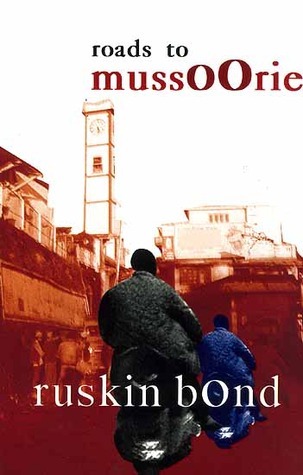
Roads to Mussoorie
Roads to Mussoorie is a memorable evocation of a writer's surroundings and the role they have played in his work and life. Ruskin Bond describes his many journeys to, from and around Mussoorie, delving with gusto into the daily scandals of this not so sleepy hill town. The pieces in this collection are characterized by Bond's incorrigible sense of humour and eye for detail, as well as his enduring affection and nostalgia for the home he has lived in for over forty years.
125 pages, Paperback
First published January 1, 2010
About the author
Ruskin Bond
741 books3,683 followersRuskin Bond is an Indian author of British descent. He is considered to be an icon among Indian writers and children's authors and a top novelist. He wrote his first novel, The Room on the Roof, when he was seventeen which won John Llewellyn Rhys Memorial Prize in 1957. Since then he has written several novellas, over 500 short stories, as well as various essays and poems, all of which have established him as one of the best-loved and most admired chroniclers of contemporary India. In 1992 he received the Sahitya Akademi award for English writing, for his short stories collection, "Our Trees Still Grow in Dehra", by the Sahitya Akademi, India's National Academy of Letters in India. He was awarded the Padma Shri in 1999 for contributions to children's literature. He now lives with his adopted family in Landour near Mussoorie.
Ratings & Reviews
Friends & Following
Create a free account to discover what your friends think of this book!
Community Reviews
Displaying 1 - 30 of 245 reviews

May 5, 2016
To all the finer things we take for granted. To the butterflies and buuttercups. To chestnut and pine trees. To early mornings and birds. To fine breakfast and ice creams. To roads we never noticed. To reading a beautiful poem and to taking in the perfume of a rose.
Ruskin bond knows everything, he just knows.
Ruskin bond knows everything, he just knows.

May 3, 2017
Roads to Mussoorie is nostalgic collection of incidents and stories that Ruskin Bond delightfully recollects. He describes the many journeys he made over forty years to, fro and around Mussoorie. Each is packed with little anecdotes that makes reading them a pleasant experience. Simplistic in style this book will make you fall in love with Musssooire.

March 8, 2022
What is nostalgia, after all, but an attempt to preserve that which was good in the past?
Roads to Mussorie is a beautiful selection of stories and anecdotes from Ruskin Bond's life that he has collected over the years. He takes you through all the Roads (pun intended) around Mussorie and even to the villages and areas around. And Mr Bond does the perfect job of preserving all these stories.
I loved reading each and every story. The book made me nostalgic. Not for the place or the time, as I have never been to Mussoorie and was not even born during the time when a lot of the stories take place. But for the experiences. The way the stories are written, you experience everything that Mr Bond did. And these are the things almost everyone experiences at one point in time or the other. Fun outings with friends, annoying neighbours, small-town gossip - everything is in there. The wry humour that he uses is just the cherry on top. Here are a few examples:
Had she eloped with the laundryman, or had she become a good breakfast for the leopard? We do not know till this day.
Adultery under the pines? Mussoorie was well ahead of the times.
At more than one party I have been known to throw things at people. Inspite of this—or maybe because of it—I get invited to these affairs.
All small towns in the hills have a resident ghost who is often seen late at night on the highway wearing a white saree. And the resident ghost of Mussoorie is known as Bhoot Aunty and is well known for causing accidents. Worrying that his story of Bhoot Aunty should not affect the tourism in Mussoorie, Mr Bond points out that in many places, ghosts are often a part of tourist attractions:
So do we promote Bhoot-Aunty as a tourist attraction? Only if she reforms and stops sending vehicles off those hairpin bends that lead to Mussoorie.
This book is a perfect blend of personal anecdotes and a little local history of the area. I never thought I would enjoy an autobiographical book as much as I enjoyed this. And I am so glad to have been proven wrong.
I have never been a fast walker, or a conqueror of mountain peaks, but I can plod along for miles. And that's what I've been doing all my life—plodding along, singing my song, telling my tales in my own unhurried way. I have lived life at my own gentle pace, and if as a result I have failed to get to the top of the mountain (or of anything else), it doesn't matter, the long walk has brought its own sweet rewards; buttercups and butterflies along the way.

July 25, 2017
I bought this book mainly because I liked his 'The India I love' so much. And the blurb promised something similar. But I must say the blurb is kind of misleading. Roads to Mussoorie is not so much about Mussoorie but about the various treks Ruskin Bond undertook from other places like Dehradun to Mussoorie and that too when he was relatively young which was a long time ago. Mussoorie might be a bustling hill town now. But during Bond's time, it was a picnicking place and not a place of teeming stories. So on that note, I was disappointed. The last few chapters were the kind of stuff that I like to read. Enjoyed them. Ruskin Bond's writing with its characteristic wit didn't disappoint. Actual rating: 3.5 stars.
May 24, 2023
প্রথমবারের মতো Ruskin Bond পড়া হলো। বেশ কদিন ধরেই সোশাল মিডিয়া আর গুডরিডসে বারবার রাস্কিন বন্ডের নামটা চোখে পড়ছিলো। বইগুলোর টাইটেল দেখেই বেশ লোভনীয় মনে হলো পড়ার জন্য। Roads to Mussoorie নাম দেখেই অনুমান করেছিলাম নিশ্চয়ই ভ্রমণকাহিনীই হবে। কিন্তু ভ্রমণকাহিনী পড়তে গিয়ে পড়ে ফেললাম মজার এক আত্মজীবনী।
এছাড়াও এই বই পড়তে গিয়ে এক অদ্ভুত অভিজ্ঞতা হলো এবার। লেখার শুরুতেই লেখক নিজেকে একজন ব্যাকওয়ার্ড মানুষ হিসেবে দাবি করেছেন। সেই সাথে তিনি তার পাঠকদের পরামর্শ দিয়েছেন তার বই পিছনের চ্যাপ্টার থেকে শুরু করে সামনের দিকে পড়তে! আমিও ভাবলাম, “কেন নয়!” লেখকের দারুণ কৌতুকরসবোধের সাথে সাথে আমিও প্রথম ব্যাকওয়ার্ড পাঠক হিসেবে নিজেকে আবিষ্কার করতে করতে উত্তরাখণ্ডের বিভিন্ন শহর-গ্রামে ঘুরে বেড়ালাম।
এছাড়াও এই বই পড়তে গিয়ে এক অদ্ভুত অভিজ্ঞতা হলো এবার। লেখার শুরুতেই লেখক নিজেকে একজন ব্যাকওয়ার্ড মানুষ হিসেবে দাবি করেছেন। সেই সাথে তিনি তার পাঠকদের পরামর্শ দিয়েছেন তার বই পিছনের চ্যাপ্টার থেকে শুরু করে সামনের দিকে পড়তে! আমিও ভাবলাম, “কেন নয়!” লেখকের দারুণ কৌতুকরসবোধের সাথে সাথে আমিও প্রথম ব্যাকওয়ার্ড পাঠক হিসেবে নিজেকে আবিষ্কার করতে করতে উত্তরাখণ্ডের বিভিন্ন শহর-গ্রামে ঘুরে বেড়ালাম।

January 18, 2018
This is my first Ruskin Bond book which i have read from start to finish and boy am i smitten? Well, i have fallen head over heals for this man from the hills who's heart is full of gold or shall i say buttercups and butterflies? Any written word about what i think about this marvelous book just as i finish it would be a shame so, go read it for yourself and i will be surprised if your smile doesn't reach your eyes or if a tiny joyful tear doesn't trickle down your cheek when you accompany Mr. Bond through his Roads to Mussoorie :)
February 5, 2021
Snakes and ladder book bingo.
Prompt no. 8: Indian protagonist
Prompt no. 8: Indian protagonist

February 20, 2017
I have been really slow with reading books from last year or two. The pile of abandoned books feeds the volume of guilt that I kept feeling from time to time. Guilt for having given way to easy and non-committed wanderings on the social media instead of diving in a book. This year, I would like to change a few things to reduce that volume of guilt. But can I? Ah, I digress, rather I've not started with the matter at hand...
A month back, I picked up a friendly Wodehouse (My 24th) and proceeded to read it during my trip to the lovely place called Landour in Mussoorie. Yes, I loved the place and everything it stood for. Early morning runs around Char Dukan > Nag Tibba > Kellogg's Church, getting worried about big monkeys on the road instead of the usual dogs, breathing copious amounts of fresh, pristine air, eating scrumptious food, sleeping cozily inside a fleece blanket while thinking about the 40 degrees back home, was a fantastic way to spend time with the family.
Even when you read a bit and hear stories about Landour, you know this place has seen some incredible history. Or at least history that will make up for good and interesting stories. I was really sure this is one reason why Ruskin Bond stuck around there. I would do that too if given a choice (and a lot of money). Roads to Mussoorie confirmed part of my theory. (Part of it might be unraveled by his upcoming autobiography Lone Fox Dancing.) It was my first Ruskin Bond book. I had bought his collection of stories a few years back but somehow didn't read them. (Like many, many other books.) The recent visit to Landour, Mussoorie, and around made me pick this book up. I wanted to meet the man himself, but he visits the mall road only on Saturdays and sadly we couldn't have a free Saturday in our itinerary.
Roads to Mussoorie is a fun little book filled with lovely anecdotes (and some unruly spelling mistakes that Rupa Publications should really work on!). In fact, just because of the vivid stories and interesting characters painted by Ruskin Bond, and his lucid style of writing, I could look beyond the typos. I wish this book was a bit longer though, and wish that Mr. Bond lingered on with his words, but I think that will make me read a lot more of his work. It is rare that a writer can make you feel warm about humanity, make you laugh at life, and make you wonder about the beautiful nature that is around us. All things we seem to easily take for granted.
I have made a list of Ruskin Bonds books that I would like to read next, but foremost, I am glad that his autobiography will be out in the next 15 days or so. I am looking forward to that! Maybe on my next trip to Landour, I hope I meet Mr. Bond and get a signed copy from him.
A month back, I picked up a friendly Wodehouse (My 24th) and proceeded to read it during my trip to the lovely place called Landour in Mussoorie. Yes, I loved the place and everything it stood for. Early morning runs around Char Dukan > Nag Tibba > Kellogg's Church, getting worried about big monkeys on the road instead of the usual dogs, breathing copious amounts of fresh, pristine air, eating scrumptious food, sleeping cozily inside a fleece blanket while thinking about the 40 degrees back home, was a fantastic way to spend time with the family.
Even when you read a bit and hear stories about Landour, you know this place has seen some incredible history. Or at least history that will make up for good and interesting stories. I was really sure this is one reason why Ruskin Bond stuck around there. I would do that too if given a choice (and a lot of money). Roads to Mussoorie confirmed part of my theory. (Part of it might be unraveled by his upcoming autobiography Lone Fox Dancing.) It was my first Ruskin Bond book. I had bought his collection of stories a few years back but somehow didn't read them. (Like many, many other books.) The recent visit to Landour, Mussoorie, and around made me pick this book up. I wanted to meet the man himself, but he visits the mall road only on Saturdays and sadly we couldn't have a free Saturday in our itinerary.
Roads to Mussoorie is a fun little book filled with lovely anecdotes (and some unruly spelling mistakes that Rupa Publications should really work on!). In fact, just because of the vivid stories and interesting characters painted by Ruskin Bond, and his lucid style of writing, I could look beyond the typos. I wish this book was a bit longer though, and wish that Mr. Bond lingered on with his words, but I think that will make me read a lot more of his work. It is rare that a writer can make you feel warm about humanity, make you laugh at life, and make you wonder about the beautiful nature that is around us. All things we seem to easily take for granted.
I have made a list of Ruskin Bonds books that I would like to read next, but foremost, I am glad that his autobiography will be out in the next 15 days or so. I am looking forward to that! Maybe on my next trip to Landour, I hope I meet Mr. Bond and get a signed copy from him.

November 26, 2020
This short, delightful book is a collection of essays in which Ruskin Bond talks about life in his beloved Mussoorie (not to mention Landour), as well as some other places in the hills. The animals and trees, the treks up to Tungnath and elsewhere, the perils of a writer whose house is well-known enough for total strangers to feel they can pay a visit whenever they like. The picnics. The parties. The ghosts and the haunted houses, memories of Bond's relationship with cinema. And much, much more.
The essays are entertaining and mostly very witty, and the hills come really alive through Bond's writing. A warm, cosy, funny book which also manages to be surprisingly informative at times, for instance, when Bond writes of people like Cautley, who was responsible for the creation of the Ganga Canal.
Vintage Bond, very readable.
The essays are entertaining and mostly very witty, and the hills come really alive through Bond's writing. A warm, cosy, funny book which also manages to be surprisingly informative at times, for instance, when Bond writes of people like Cautley, who was responsible for the creation of the Ganga Canal.
Vintage Bond, very readable.

March 9, 2021
"The only occasion when a sports event really came to life was when a misdirected discus narrowly missed decapitating the Headmaster's wife."
I never know Mr. Ruskin could tread a path of such edgy humor. Anyway, the book is a great weekend read, although I took my own sweet time with it. The author's suggestion in the foreword was quite interesting - and it surely did not disappoint.
I never know Mr. Ruskin could tread a path of such edgy humor. Anyway, the book is a great weekend read, although I took my own sweet time with it. The author's suggestion in the foreword was quite interesting - and it surely did not disappoint.

April 17, 2018
Oh! the heartwarming nostalgia. Just beautiful.
Updated on 23rd June 2020:
I went back to this book after two years. Ruskin Bond is the kind of person the world needs. His words are like warm reassuring embraces that have the power to cheer up a person who has "a subdued settled despair in his mind".
In a time like the one we are facing, with all kinds of bad news and negativity bombarded upon us from all directions, it's words like those of Ruskin Bond's- that come to our rescue and give one a moment's solace. Read for a better sleep.
Updated on 23rd June 2020:
I went back to this book after two years. Ruskin Bond is the kind of person the world needs. His words are like warm reassuring embraces that have the power to cheer up a person who has "a subdued settled despair in his mind".
In a time like the one we are facing, with all kinds of bad news and negativity bombarded upon us from all directions, it's words like those of Ruskin Bond's- that come to our rescue and give one a moment's solace. Read for a better sleep.

April 27, 2024
Mussoorie is a magical place, and I am grateful to have spent my entire childhood at its foothills in Dehradun. The Himalayan mountains and the hill station culture that surrounds it is so unique and there is a deep appreciation for stories of Tiger & Leopard spottings, hikes undertaken, neighborhood parties, tall Deodar trees and the langoors that inhabit it, a constant stream of chai, and the boarding school life. Ruskin Bond is a household name in these parts and he writes beautifully and poignantly, reminiscing about his life spent in these mountains. I recommend this to anyone who is looking to travel to India or has spent any time in Mussoorie/Dehradun.

February 24, 2020
A short book of the experiences and some of the memories of the writer at different times of his life.

September 13, 2020
Makes you want to go to Mussoorie.

May 10, 2020
Before talking about the book, let me first share how lucky I find myself to be able to read Ruskin Bond’s work. Ohh My God is the word made for this Author. After reading Ruskin Bond, I find all other authors I have read so far faded in a way. The main ingredient of the dish Mr. Bond serves is his most striking and individual writing style. I bet you won’t be able to find one tiny reason not to read further when he will be writing. You.Just.Cant.
Phew!!!
Roads to Mussoorie is a very nicely crafted and shared book. It is a compilation of author’s experiences of the time of his life that he has spent in the hill station Mussoorie.
The book is an absolute delight. I could have gone on and on and on if the book hadn’t finished. I just did not want it to end. It’s my very first Ruskin Bond book and I am damn sure I am not going to stop here. He is an author that did not feel like writing, it was like he was actually talking to the reader.
“The adventure is not in getting somewhere, it’s the on-the-way experience. It is not the expected, it’s the surprise, not the fulfilment of prophecy, but the providence of something better than the prophesied.”
I believe that’s exactly how the book is. Author’a experiences over the years he has spent in Mussoorie are scattered around and there wasn’t a single line that did not leave me laughing. Not smiling mind well, laughing.
His puns were definitely intended and delightful.
“One day I surprised everyone, including myself, by getting up before sunrise”
He is stupendous, fanatic, mind boggling, fascinating and what not!! If you have been to Mussoorie, the book will bring back your memories of this beautiful place. If you haven’t been there (like me) you would want to move it to the top of your travel bucket list. And when you will go there, I am sure you will pack this book along. I am sure.
It’s a book full of pun, experiences, laughter and delicately compiled guide how you can fall in love with a city.
I believe the book for me was less of a book but more of Ruskin Bond himself, I am going to keep recommending the author to people blond folded. He will sit on the top of the authors I will never stop trusting.
Okay so by now. You know it’s a definite 5 🌟
Phew!!!
Roads to Mussoorie is a very nicely crafted and shared book. It is a compilation of author’s experiences of the time of his life that he has spent in the hill station Mussoorie.
The book is an absolute delight. I could have gone on and on and on if the book hadn’t finished. I just did not want it to end. It’s my very first Ruskin Bond book and I am damn sure I am not going to stop here. He is an author that did not feel like writing, it was like he was actually talking to the reader.
“The adventure is not in getting somewhere, it’s the on-the-way experience. It is not the expected, it’s the surprise, not the fulfilment of prophecy, but the providence of something better than the prophesied.”
I believe that’s exactly how the book is. Author’a experiences over the years he has spent in Mussoorie are scattered around and there wasn’t a single line that did not leave me laughing. Not smiling mind well, laughing.
His puns were definitely intended and delightful.
“One day I surprised everyone, including myself, by getting up before sunrise”
He is stupendous, fanatic, mind boggling, fascinating and what not!! If you have been to Mussoorie, the book will bring back your memories of this beautiful place. If you haven’t been there (like me) you would want to move it to the top of your travel bucket list. And when you will go there, I am sure you will pack this book along. I am sure.
It’s a book full of pun, experiences, laughter and delicately compiled guide how you can fall in love with a city.
I believe the book for me was less of a book but more of Ruskin Bond himself, I am going to keep recommending the author to people blond folded. He will sit on the top of the authors I will never stop trusting.
Okay so by now. You know it’s a definite 5 🌟
January 14, 2020
First book from the previous year's Christmas gifts - done.
Ruskin Bond (or should I say Buskin Rond :p) is synonymous with nostalgia.
This collection of stories is from his time living in Mussoorie which made me frequently image search mussoorie :)
You just cannot resist chuckling every few minutes, his writing is so humorous.
Ruskin Bond (or should I say Buskin Rond :p) is synonymous with nostalgia.
This collection of stories is from his time living in Mussoorie which made me frequently image search mussoorie :)
You just cannot resist chuckling every few minutes, his writing is so humorous.

August 12, 2018
This is my first Ruskin Bond book and I'm sure this won't be the last now. He's witty, his sarcasm is on point and he's observant about his surroundings. This book rings a strong bell of nostalgia. I enjoyed it thoroughly and as suggested by the author himself, read it back to front. Hours well spent. Definitely a must read.
This entire review has been hidden because of spoilers.

November 14, 2021
audio book narrated by Fred Stella
Accompanying Ruskin Bond through the roads of Mussoorie, Landour and the surrounding areas is one of my favourite pastimes. This is yet another nostalgic selection of non-fiction stories and recollections from the great story-teller, with a narration by Fred Stella that suits the stories well.
Accompanying Ruskin Bond through the roads of Mussoorie, Landour and the surrounding areas is one of my favourite pastimes. This is yet another nostalgic selection of non-fiction stories and recollections from the great story-teller, with a narration by Fred Stella that suits the stories well.

May 12, 2021
‘What is Nostalgia, after all, but an attempt to preserve that was good in the past.’
Roads to Mussoorie, another compilation of Ruskin Bond 12 short stories, all related to road journey undertaken by him and funny things that have happened to him on the way up or down the hills. (Some autobiographical and some not, well no one knows)
We always choose to remember good memories for they are something that make up our life. Bond in his book shares his insights about loving his breakfast and scrambled eggs, with a French toast in the morning and how always he manages to screw up the omelettes he made. Like he says – ‘Some thought has to go into an omelette. And a little love too. It’s like writing a book—done much better with some feeling!’
The book describes his journeys to Delhi, events that he encountered enroute Delhi, friendships forged with cab drivers – one being Sardar Manmohan Singh who happened to be a wildlife enthusiast. With the tales he tells, it actually seems that we are fellow passengers, Bond and the readers, travelling to some faraway lands.
The stories also take a turn when bond sets out to find whether Kipling actually visited Mussoorie when he came to India, and through his stories I came to know how the cottages has its own stories and history behind the name they have been provided. We see the journeys to Nandprayag and Tungnath, their beauty unadulterated by materialistic society, which are as bright as morning summer blue sky.
We all need companions to walk beside us in the path of life. That’s where he cautions us in the story At the end of the Road, where he tells his tales of his fellow companions, good or bad, fun or boring which showcases how important is it to us to have good friends and company in life.
Village roads and paths have been described in in old India, how to reach Pauri Garhwal, you need to get out at Luxor, then going to Najibabad (A hot, dusty and lifeless place) through train and ultimately reaching to Tarai and then Kotdwara (which was equally depressing). The book also showcases various treks that the author took from Mussoorie to Chamba, camping at Tara Devi, on the outskirts of Shimla.
In his story, Lets go to the Pictures, he reminisces of the time when watching a movie was still a luxury at the cinema, it was indeed a social occasion. He Remembers watching the movies at the Picture palace in Mussoorie, the Ritz, Rivoli and the Regal in Shimla, the Orient, Odeon or Hollywood in Dehra; eating roasted bhutta and peanuts at the corner side, all with delighted pleasures
There is also present an unusual tale of how aloo’s were introduced to the Indian plainlands by the Captain Irish Young. And hence the saying that went –
For aloo-mutter and aloo-dhum,
Our heartfelt thanks to Captain Young!
Some funny excerpts of him are also included of him signing as other authors on books which no one seemed to mind, how he hates going as chief guests at various school annual functions and much more.
We can’t thank Mr. Bond enough for his unique storytelling and always coming up with a new story to entertain us. We must move on, of course. There's no point in hankering after distant pleasures and lost picture palaces. But there's no harm in indulging in a little nostalgia.
The best kind of walk is the one in which you have no particular destination when you set out. Travelling makes you grow as a person, you meet new people, share their stories, learns about life from their perspectives, learns about their challenges which in turn makes you make more grateful towards life. The adventure is not in getting somewhere, it’s the on-the-way experience. It is not the expected; it’s the surprise. Not the fulfilment of prophecy, but the providence of something better than that prophesied.
Love nature and I assure you that it will open its heart to exert its magic.
Roads to Mussoorie, another compilation of Ruskin Bond 12 short stories, all related to road journey undertaken by him and funny things that have happened to him on the way up or down the hills. (Some autobiographical and some not, well no one knows)
We always choose to remember good memories for they are something that make up our life. Bond in his book shares his insights about loving his breakfast and scrambled eggs, with a French toast in the morning and how always he manages to screw up the omelettes he made. Like he says – ‘Some thought has to go into an omelette. And a little love too. It’s like writing a book—done much better with some feeling!’
The book describes his journeys to Delhi, events that he encountered enroute Delhi, friendships forged with cab drivers – one being Sardar Manmohan Singh who happened to be a wildlife enthusiast. With the tales he tells, it actually seems that we are fellow passengers, Bond and the readers, travelling to some faraway lands.
The stories also take a turn when bond sets out to find whether Kipling actually visited Mussoorie when he came to India, and through his stories I came to know how the cottages has its own stories and history behind the name they have been provided. We see the journeys to Nandprayag and Tungnath, their beauty unadulterated by materialistic society, which are as bright as morning summer blue sky.
We all need companions to walk beside us in the path of life. That’s where he cautions us in the story At the end of the Road, where he tells his tales of his fellow companions, good or bad, fun or boring which showcases how important is it to us to have good friends and company in life.
Village roads and paths have been described in in old India, how to reach Pauri Garhwal, you need to get out at Luxor, then going to Najibabad (A hot, dusty and lifeless place) through train and ultimately reaching to Tarai and then Kotdwara (which was equally depressing). The book also showcases various treks that the author took from Mussoorie to Chamba, camping at Tara Devi, on the outskirts of Shimla.
In his story, Lets go to the Pictures, he reminisces of the time when watching a movie was still a luxury at the cinema, it was indeed a social occasion. He Remembers watching the movies at the Picture palace in Mussoorie, the Ritz, Rivoli and the Regal in Shimla, the Orient, Odeon or Hollywood in Dehra; eating roasted bhutta and peanuts at the corner side, all with delighted pleasures
There is also present an unusual tale of how aloo’s were introduced to the Indian plainlands by the Captain Irish Young. And hence the saying that went –
For aloo-mutter and aloo-dhum,
Our heartfelt thanks to Captain Young!
Some funny excerpts of him are also included of him signing as other authors on books which no one seemed to mind, how he hates going as chief guests at various school annual functions and much more.
We can’t thank Mr. Bond enough for his unique storytelling and always coming up with a new story to entertain us. We must move on, of course. There's no point in hankering after distant pleasures and lost picture palaces. But there's no harm in indulging in a little nostalgia.
The best kind of walk is the one in which you have no particular destination when you set out. Travelling makes you grow as a person, you meet new people, share their stories, learns about life from their perspectives, learns about their challenges which in turn makes you make more grateful towards life. The adventure is not in getting somewhere, it’s the on-the-way experience. It is not the expected; it’s the surprise. Not the fulfilment of prophecy, but the providence of something better than that prophesied.
Love nature and I assure you that it will open its heart to exert its magic.
July 29, 2020
In his own unhurried way Ruskin Bond has told about some of the sweet moments of his life along with buttercups and butterflies.
"What is nostalgia, after all, but an attempt to preserve that which was good in the past?"
Forward or backward (you've to read the book to get it) , no matter in which way you read this book, the road of nostalgia adorned with nature's beauty in its most natural and humble way and with the humour in (almost) every line is going to soothe your mind and bless your soul.
I've grown up with his writings and as usual it never failed me! 💛
"What is nostalgia, after all, but an attempt to preserve that which was good in the past?"
Forward or backward (you've to read the book to get it) , no matter in which way you read this book, the road of nostalgia adorned with nature's beauty in its most natural and humble way and with the humour in (almost) every line is going to soothe your mind and bless your soul.
I've grown up with his writings and as usual it never failed me! 💛

March 5, 2021
Ruskin Bond presents us with the interesting people he meets on his journeys. With the trips to the city of Mussoorie, he adds a special tone of excitement and adventure.
The terrible and hilly pathways are so easily handled and given with a gentle mood that renders him an individual genius. His love for hillmen is absolutely wonderful, with his lovely illustrations.
The English cinema culture and evolving situation in the movie theater are also illuminated. His desire is very much visible for this pastime. As with other characters in his novels, there are a bit amazing stories of ghosts.
The terrible and hilly pathways are so easily handled and given with a gentle mood that renders him an individual genius. His love for hillmen is absolutely wonderful, with his lovely illustrations.
The English cinema culture and evolving situation in the movie theater are also illuminated. His desire is very much visible for this pastime. As with other characters in his novels, there are a bit amazing stories of ghosts.
September 11, 2020
The book takes the reader on a vivid journey down the memories & nostalgic feelings author carries in his heart for his beloved hometown Mussoorie. The stories delve into ordinary people & life in and around the place, while he tenderly touches upon history too. Writing can be described as humble & tender with a ounce of humour sprinkled along.

June 13, 2015
I have read this book when I was in my alma mater, one of my friends introduced me to Ruskin Bond's book and I eventually fell in love with his books. So I picked up this book again as it is a short, sweet and nostalgic read.
The title is little misleading this book is not about travels or treks in Mussoorie but about the beautifully narrated stories or experiences the author had while living in Mussoorie. The book uniquely starts with a backward instead of a forward with a different concept of reading the book backwards. So this time I did that and it was quite an experience. It is an anthology so it doesn't matter if one read it backwards or from the start.
The book didn't particularly describes Mussoorie. The author talks about his love for mountains, his travels and life around Mussoorie, Dehradun. The book gradually describes the change and evolution of the people and regions of Mussoorie over the years. I was definitely feeling a ting of nostalgia while reading the book as I have also experienced the sudden change in the living standard since my childhood.
The book is also filled with historical facts throughout presented humorously which was fun to read.
The writing style of Ruskin Bond is very simple and easy to read and that's why I keep recommending his books to others. This book is also very simply put and joyous to read, every chapter is filled with sweet anecdotes. Like the other books by the author this is also a combination of short stories and experiences filled with his puns which make me laugh the whole time like when he tells about how he has signed as Mark Twain, Pickwick etc for people who mistook him for different globally famous authors.
This book also made me want to go out on a vacation as he beautifully describes his travels to Tungnath Temples, Rudraprayag and his treks with different people. Few chapters is filled with his travelogue and takes you to that place while reading.
" Tungnath's lonely eminence gives it a magic of its own. To get there (or beyond), one passes through some of the most delightful temperate forest in the Garhwal Himalaya. Pilgrim, or trekker, or just plain rambler such as myself, one comes away a better person, forest-refreshed, and more aware of what the world was really like before mankind began to strip it bare."
Being an english person he describes these religious places with such warmth and admiration. The pine trees, chestnuts and walnuts magically appeared before my eyes as described by him. I fell in love with Mussoorie even before visiting it. I feel connected with people mentioned that is how good the author is.
He quotes the works of famous authors and philosophers at various chapter which reflects the vast reading genre of the author and he also mentions a lot of historical facts which made the stories more interesting.
The book is filled with Inspiring quotes. Like,
"The best kind of walk, and this applies to the plains as well as to the hills, is the one in which you have no particular destination when you set out."
"The adventure is not in getting somewhere, it’s the on-the-way experience. It is not the expected, it’s the surprise, not the fulfilment of prophecy, but the providence of something better than the prophesied."
"If you love mountains and lust for untouched and unspoiled treasures of Himalayas like I do. You would love this book."
I will end my review by concurring the last quote of the author that if you're a mountain person you will definitely love this book.
The title is little misleading this book is not about travels or treks in Mussoorie but about the beautifully narrated stories or experiences the author had while living in Mussoorie. The book uniquely starts with a backward instead of a forward with a different concept of reading the book backwards. So this time I did that and it was quite an experience. It is an anthology so it doesn't matter if one read it backwards or from the start.
The book didn't particularly describes Mussoorie. The author talks about his love for mountains, his travels and life around Mussoorie, Dehradun. The book gradually describes the change and evolution of the people and regions of Mussoorie over the years. I was definitely feeling a ting of nostalgia while reading the book as I have also experienced the sudden change in the living standard since my childhood.
The book is also filled with historical facts throughout presented humorously which was fun to read.
The writing style of Ruskin Bond is very simple and easy to read and that's why I keep recommending his books to others. This book is also very simply put and joyous to read, every chapter is filled with sweet anecdotes. Like the other books by the author this is also a combination of short stories and experiences filled with his puns which make me laugh the whole time like when he tells about how he has signed as Mark Twain, Pickwick etc for people who mistook him for different globally famous authors.
This book also made me want to go out on a vacation as he beautifully describes his travels to Tungnath Temples, Rudraprayag and his treks with different people. Few chapters is filled with his travelogue and takes you to that place while reading.
" Tungnath's lonely eminence gives it a magic of its own. To get there (or beyond), one passes through some of the most delightful temperate forest in the Garhwal Himalaya. Pilgrim, or trekker, or just plain rambler such as myself, one comes away a better person, forest-refreshed, and more aware of what the world was really like before mankind began to strip it bare."
Being an english person he describes these religious places with such warmth and admiration. The pine trees, chestnuts and walnuts magically appeared before my eyes as described by him. I fell in love with Mussoorie even before visiting it. I feel connected with people mentioned that is how good the author is.
He quotes the works of famous authors and philosophers at various chapter which reflects the vast reading genre of the author and he also mentions a lot of historical facts which made the stories more interesting.
The book is filled with Inspiring quotes. Like,
"The best kind of walk, and this applies to the plains as well as to the hills, is the one in which you have no particular destination when you set out."
"The adventure is not in getting somewhere, it’s the on-the-way experience. It is not the expected, it’s the surprise, not the fulfilment of prophecy, but the providence of something better than the prophesied."
"If you love mountains and lust for untouched and unspoiled treasures of Himalayas like I do. You would love this book."
I will end my review by concurring the last quote of the author that if you're a mountain person you will definitely love this book.

October 20, 2025
"I was sipping a coffee at a wayside restaurant, when a foreign woman walked in, and asked the waiter if they had 'à la carte' . Roadside stops seldom provide menus, nor do they go in for French, but our waiter wanted to be helpful, so he led the tourist outside and showed her the way to the public toilet. As she did not return to the restaurant, I have no idea if she eventually found à la carte."
A memoir of Bond's time in the hills. Good anecdotes.
" The best kind of walk, and this applies to the plains as well as to the hills, is the one in which you have no particular destination when you set out."
A memoir of Bond's time in the hills. Good anecdotes.
" The best kind of walk, and this applies to the plains as well as to the hills, is the one in which you have no particular destination when you set out."
April 16, 2017
Rupa: you published a book with at least two editing errors (Pg 40 and 114, for those interested). The cover was not nice, and neither was the paper/font used. The only thing good about this book was probably that Rusty wrote it. And Rusty, Rusty, Rusty. You've once more won me over with a story that is so, so relatable. You paint an endearing picture of the town you call your own, of your friends and acquaintances, of the events in your life, of the good and the bad, the adventures and the misadventures.
There are writers who write incisive stories which cut you through to the core with their scathing prose and dagger-sharp subject matter, and there are writers who use the language itself in such a way that a reader is, wittingly or unwittingly, forced to concede to the obvious superiority of the writer. Not you, though. You keep the language as simple as you can, and in the process deliver a story that is anything but. So much of your writing is just about living, about enjoying life as it comes. You've kept that boy who took to writing about his room on the roof alive all these years. More power to him, and you.
There are writers who write incisive stories which cut you through to the core with their scathing prose and dagger-sharp subject matter, and there are writers who use the language itself in such a way that a reader is, wittingly or unwittingly, forced to concede to the obvious superiority of the writer. Not you, though. You keep the language as simple as you can, and in the process deliver a story that is anything but. So much of your writing is just about living, about enjoying life as it comes. You've kept that boy who took to writing about his room on the roof alive all these years. More power to him, and you.

July 9, 2019
In his quintessential unhurried style, Ruskin Bond gives us snippets about his life in the quaint hill-station of Mussoorie.
From comforting tales about the perfect English breakfast to notes on weary travellers along the hills to dangerous overtures from neglected pretty ladies to the unvarnished joy of reliving the bygone era of “going to the pictures” to his innate introversion being bombarded by wannabe writers, Ruskin Bond continues his cozy run. He intersperses his people-watching with animal-escapades and misty odes to the trees outside his window.
Like the hill-station he calls his home, Bond’s words are chatty, easy-flowing and brimming with the charms of a fast disappearing way of life.
From comforting tales about the perfect English breakfast to notes on weary travellers along the hills to dangerous overtures from neglected pretty ladies to the unvarnished joy of reliving the bygone era of “going to the pictures” to his innate introversion being bombarded by wannabe writers, Ruskin Bond continues his cozy run. He intersperses his people-watching with animal-escapades and misty odes to the trees outside his window.
Like the hill-station he calls his home, Bond’s words are chatty, easy-flowing and brimming with the charms of a fast disappearing way of life.

May 2, 2016
Another beautiful essay collection by one of favourite authors. This man is someone else. So simple and down to earth, writing about simple and ordinary people and the hilarious situations arising out in their day to day life. Ruskin Bond has a great ability to just observe and bring out happiness in small pleasures of life. The way he writes about the blooming flowers of the valley, the roadside tea shops, fellow travellers on the road and other such aspects of a common person's life is amazing. Wish I could meet you once sir and have a hearty conversation with you about your experiences in life and may you live long and keep writing such wonderful stories and essays.

November 30, 2016
"What is nostalgia, after all, but an attempt to preserve that which was good in the past."
This honest and vivid account of many nostalgic recollections by Ruskin Bond is a beautiful read; travelogue taking both outward and inward journeys simultaneously. His hilarious narration coupled with some of the most chilling incidents (like that of "Mother Dear, I am Here") give the readers a wholesome experience of having spent 5-6 decades in the northern mountains themselves.
I highly recommend this book to be read cozily sitting in your bed, with coffee in your hands and a blanket shrouding you from the hassle of the everyday life.
This honest and vivid account of many nostalgic recollections by Ruskin Bond is a beautiful read; travelogue taking both outward and inward journeys simultaneously. His hilarious narration coupled with some of the most chilling incidents (like that of "Mother Dear, I am Here") give the readers a wholesome experience of having spent 5-6 decades in the northern mountains themselves.
I highly recommend this book to be read cozily sitting in your bed, with coffee in your hands and a blanket shrouding you from the hassle of the everyday life.
January 7, 2018
For an ardent Ruskin Bond reader, the book did not offer much new. Most of the stories were from other Bond books I have read. Having said that the writing style is endearing and so are his perspectives on life :)
June 30, 2017
Feels like you went for a walk in the mountains alongwith Mr Bond.
Displaying 1 - 30 of 245 reviews