

What do you think?

Retribution: The Battle for Japan, 1944-45
With an introduction read by Max Hastings. A companion volume to his best-selling Armageddon, Max Hastings' account of the battle for Japan is a masterful military history.
Featuring the most remarkable cast of commanders the world has ever seen, the dramatic battle for Japan of 1944-45 was acted out across the vast stage of Asia: Imphal and Kohima, Leyte Gulf and Iwo Jima, Okinawa, and the Soviet assault on Manchuria.
In this gripping narrative, Max Hastings weaves together the complex strands of an epic war, exploring the military tactics behind some of the most triumphant and most horrific scenes of the 20th century. The result is a masterpiece that balances the story of command decisions, rivalries, and follies with the experiences of soldiers, sailors, and airmen of all sides as only Max Hastings can.
Featuring the most remarkable cast of commanders the world has ever seen, the dramatic battle for Japan of 1944-45 was acted out across the vast stage of Asia: Imphal and Kohima, Leyte Gulf and Iwo Jima, Okinawa, and the Soviet assault on Manchuria.
In this gripping narrative, Max Hastings weaves together the complex strands of an epic war, exploring the military tactics behind some of the most triumphant and most horrific scenes of the 20th century. The result is a masterpiece that balances the story of command decisions, rivalries, and follies with the experiences of soldiers, sailors, and airmen of all sides as only Max Hastings can.
615 pages, Hardcover
First published October 1, 2007
About the author
Max Hastings
121 books1,818 followersSir Max Hugh Macdonald Hastings, FRSL, FRHistS is a British journalist, editor, historian and author. His parents were Macdonald Hastings, a journalist and war correspondent, and Anne Scott-James, sometime editor of Harper's Bazaar.
Hastings was educated at Charterhouse School and University College, Oxford, which he left after a year.After leaving Oxford University, Max Hastings became a foreign correspondent, and reported from more than sixty countries and eleven wars for BBC TV and the London Evening Standard.
Among his bestselling books Bomber Command won the Somerset Maugham Prize, and both Overlord and The Battle for the Falklands won the Yorkshire Post Book of the Year Prize.
After ten years as editor and then editor-in-chief of The Daily Telegraph, he became editor of the Evening Standard in 1996. He has won many awards for his journalism, including Journalist of The Year and What the Papers Say Reporter of the Year for his work in the South Atlantic in 1982, and Editor of the Year in 1988.
He stood down as editor of the Evening Standard in 2001 and was knighted in 2002. His monumental work of military history, Armageddon: The Battle for Germany 1944-1945 was published in 2005.
He is also a Fellow of the Royal Society of Literature.
Sir Max Hastings honoured with the $100,000 2012 Pritzker Military Library Literature Award for Lifetime Achievement in Military Writing.
Hastings was educated at Charterhouse School and University College, Oxford, which he left after a year.After leaving Oxford University, Max Hastings became a foreign correspondent, and reported from more than sixty countries and eleven wars for BBC TV and the London Evening Standard.
Among his bestselling books Bomber Command won the Somerset Maugham Prize, and both Overlord and The Battle for the Falklands won the Yorkshire Post Book of the Year Prize.
After ten years as editor and then editor-in-chief of The Daily Telegraph, he became editor of the Evening Standard in 1996. He has won many awards for his journalism, including Journalist of The Year and What the Papers Say Reporter of the Year for his work in the South Atlantic in 1982, and Editor of the Year in 1988.
He stood down as editor of the Evening Standard in 2001 and was knighted in 2002. His monumental work of military history, Armageddon: The Battle for Germany 1944-1945 was published in 2005.
He is also a Fellow of the Royal Society of Literature.
Sir Max Hastings honoured with the $100,000 2012 Pritzker Military Library Literature Award for Lifetime Achievement in Military Writing.
Ratings & Reviews
Friends & Following
Create a free account to discover what your friends think of this book!
Community Reviews
Displaying 1 - 30 of 345 reviews

November 12, 2008
When I was a kid - but a kid who loved history - my mom got me a ticket for a dinner and lecture featuring World War II pilots speaking about their experiences. The thing that struck me then, as it does now, was how hard it was to imagine these old, frail, wrinkled, stooped men as heroes, hale and true. One of these men was Chuck Albury, co-pilot of a B-29 Superfortress called "Bock's Car." On August 9, 1945, shortly after 11:00, Bock's Car dropped a single bomb - Fat Man - from its belly. Fat Man exploded 1500 feet above the City. In a double clap of light, at least 40,000 people were immolated.
The discussion about the Bomb was brief, ancillary, and was explained simply as something that had to be done to end the war. The dissonance between the nice old man on the dais, and the bomb he dropped, and the destruction it wrought, was never touched upon.
We have been in a long period of World War II commemoration. The ugliness and brutalities of the conflict are often lost amid the platitudes, parades and foreign legion hats.
Max Hasting's Retribution is focused on the ugliness and brutality. It is a companion piece to Armageddon, which detailed the last year of World War II in Europe. This sequel-in-kind tells the horrible, bloody history of the last year of World War II in the Pacific. It culminates, of course, in one of the most destructive events ever perpetrated by man: the dropping of the atomic bombs on Hiroshima and Nagasaki.
I really like Max Hastings. I don't always agree with his conclusions, but he is always evocative. He takes familiar history and makes you look at it from entirely new angles; once you read his books, you feel you have a new understanding, or at the very least, that your mind has been taught to think a little more critically.
Retribution skips the over the beginnings of the Pacific War. There is little discussion about the reasons for the war, no analysis of Dutch oil, co-prosperity spheres, or missed warnings. There is no Pearl Harbor, Bataan, Guadalcanal, Coral Sea, or Midway. Instead, the reader is plunged right into the final, bloody months: Burma; China; Iwo Jima; Okinawa; the Philippines; submarine warfare; the bombings of Japan; kamikazes; the atomic bombs; and finally, the surrender on the USS Missouri.
Hastings is not a great writer, but he does a superb job of deftly limning characters, creating short, compelling sketches of General William Slim, Gen. Tomoyuki Yamashita, Admirals Nimitz and Halsey, and General Curtis LeMay. Hastings also has time to pound a few more nails into the coffin of General Douglas MacArthur's reputation. But Hastings doesn't get caught up top. Instead, he has done a great deal of primary research on the ordinary soldiers and civilians who lived through this time (of course, only the ordinary soldiers and civilians were young enough at the time to be alive for Hastings to do primary research, but I digress). The result is a seamless transition from top to bottom to top, where you get the command decisions from the generals and admirals, and then feel the consequences felt by the privates and corporals.
I wouldn't call Retribution a military history of the Pacific. As Hastings states in his forward, he hasn't set out relate the ins-and-outs of each battle. You can a strategic overview, but nothing about the tactics. I don't know what you'd call this type of book. Perhaps "historical mood piece." You get an unvarnished feel for the war.
This book is best read by people who already have a working familiarity with the Pacific War. It moves quickly and assumes a lot. It's good to know the tropes, the currents, the way it all plays out, because there's not a lot of handholding. Indeed, there are some interesting chapters on the war in Burma, the fight in China, and especially the post-atomic invasion of Manchuria by the Russians. However, these are necessarily dealt with swiftly, so you are only getting a nibble of a vaster story. Also, by starting at the last year, you lose all the context. So, beware: you must bring your context with you.
The thrust of this book is a critical analysis of the battles, decisions, and sacred cows of the Pacific. For instance, even while giving credit to John Dower's War Without Mercy, Hastings disagrees with Dower's belief that the savagery of the war came from its racial nature.
Hastings gives even more time to the firebombings of Tokyo and the decision to drop the atomic bombs. This takes up the last third of the book, and here I had some quibbles. When I first started reading, I knew that Hastings was in the pro-bombing camp. Now, I've read Richard Frank's Downfall, which pretty much tears apart the argument that any invasion of Japan was necessary. To my surprise, Hastings was in complete agreement with Frank. Hastings shows persuasively that Japan was in no condition to repel an invasion. Sure, they would have put together their kamikaze corps, their suicide ships, their dogs with bombs strapped to their bellies. The reality, though, was that there were only a few and battered planes left; no oil to fly them; to pilots to pilot them; that the suicide ships had failed completely at Okinawa; and that the citizenry probably wasn't as gung-ho about mass suicide as the military clique thought. Besides, American submarines had effectively blockaded the island nation, making it impossible for them to get more oil. Japan would not have been able to hold out for long. Yet, Hastings believes there were still good reasons for the atomic bombs (though he is oddly of the belief that the Tokyo firebombings were unnecessary in light of the airtight sub blockade). Hastings thinks that the bomb served the twin aims of retributive justice and keeping the Russian bear at bay. I'm not going to get into a lengthy discussion on this, but suffice it to say, I did not find his moral arguments compelling.
Hastings is a historian, not a philosopher, and when he starts getting into philosophical arguments, the book just gets muddled. It would've been better if he had delineated a philosophical school and then applied it to these facts. Instead, he speaks in moral vagaries, saying that the Japanese had to be punished for starting the war. Essentially, the argument is that the "brought it on themselves." That begs the question: how is burning 12 year-old school girls, old men and women, infants and invalids, punishment for those who started the war? What did they do? Is this an argument for collective guilt, such as the Germans were convicted of? If so, Hastings should have made that contention, rather than the specious and brutal notion that innocent and ordinary civilians should be crisped by the splitting of atoms for the sins of its political leaders.
(Ironically, I recall that when Doolittle's bombers took off from the Hornet and bombed Tokyo back in 1942, they were told not to bomb the Imperial Palace, which would've been one way of actually punishing the wrongdoers. Apparently, it is passe for one government to try and kill the leaders of the opposing government. This is why the British refused to get on board with attempts to assassinate Hitler. Isn't that funny in a disgusting way? One government has a problem with another government, so they bring fire down upon the civilians who have no say or control over what takes place, as a way to punish that government. Maybe John Lennon was on to something. Imagine, indeed.)
Anyway, I heartily endorse this book, and all of Max Hastings work. It is, at the least, provocative.
The discussion about the Bomb was brief, ancillary, and was explained simply as something that had to be done to end the war. The dissonance between the nice old man on the dais, and the bomb he dropped, and the destruction it wrought, was never touched upon.
We have been in a long period of World War II commemoration. The ugliness and brutalities of the conflict are often lost amid the platitudes, parades and foreign legion hats.
Max Hasting's Retribution is focused on the ugliness and brutality. It is a companion piece to Armageddon, which detailed the last year of World War II in Europe. This sequel-in-kind tells the horrible, bloody history of the last year of World War II in the Pacific. It culminates, of course, in one of the most destructive events ever perpetrated by man: the dropping of the atomic bombs on Hiroshima and Nagasaki.
I really like Max Hastings. I don't always agree with his conclusions, but he is always evocative. He takes familiar history and makes you look at it from entirely new angles; once you read his books, you feel you have a new understanding, or at the very least, that your mind has been taught to think a little more critically.
Retribution skips the over the beginnings of the Pacific War. There is little discussion about the reasons for the war, no analysis of Dutch oil, co-prosperity spheres, or missed warnings. There is no Pearl Harbor, Bataan, Guadalcanal, Coral Sea, or Midway. Instead, the reader is plunged right into the final, bloody months: Burma; China; Iwo Jima; Okinawa; the Philippines; submarine warfare; the bombings of Japan; kamikazes; the atomic bombs; and finally, the surrender on the USS Missouri.
Hastings is not a great writer, but he does a superb job of deftly limning characters, creating short, compelling sketches of General William Slim, Gen. Tomoyuki Yamashita, Admirals Nimitz and Halsey, and General Curtis LeMay. Hastings also has time to pound a few more nails into the coffin of General Douglas MacArthur's reputation. But Hastings doesn't get caught up top. Instead, he has done a great deal of primary research on the ordinary soldiers and civilians who lived through this time (of course, only the ordinary soldiers and civilians were young enough at the time to be alive for Hastings to do primary research, but I digress). The result is a seamless transition from top to bottom to top, where you get the command decisions from the generals and admirals, and then feel the consequences felt by the privates and corporals.
I wouldn't call Retribution a military history of the Pacific. As Hastings states in his forward, he hasn't set out relate the ins-and-outs of each battle. You can a strategic overview, but nothing about the tactics. I don't know what you'd call this type of book. Perhaps "historical mood piece." You get an unvarnished feel for the war.
This book is best read by people who already have a working familiarity with the Pacific War. It moves quickly and assumes a lot. It's good to know the tropes, the currents, the way it all plays out, because there's not a lot of handholding. Indeed, there are some interesting chapters on the war in Burma, the fight in China, and especially the post-atomic invasion of Manchuria by the Russians. However, these are necessarily dealt with swiftly, so you are only getting a nibble of a vaster story. Also, by starting at the last year, you lose all the context. So, beware: you must bring your context with you.
The thrust of this book is a critical analysis of the battles, decisions, and sacred cows of the Pacific. For instance, even while giving credit to John Dower's War Without Mercy, Hastings disagrees with Dower's belief that the savagery of the war came from its racial nature.
Hastings gives even more time to the firebombings of Tokyo and the decision to drop the atomic bombs. This takes up the last third of the book, and here I had some quibbles. When I first started reading, I knew that Hastings was in the pro-bombing camp. Now, I've read Richard Frank's Downfall, which pretty much tears apart the argument that any invasion of Japan was necessary. To my surprise, Hastings was in complete agreement with Frank. Hastings shows persuasively that Japan was in no condition to repel an invasion. Sure, they would have put together their kamikaze corps, their suicide ships, their dogs with bombs strapped to their bellies. The reality, though, was that there were only a few and battered planes left; no oil to fly them; to pilots to pilot them; that the suicide ships had failed completely at Okinawa; and that the citizenry probably wasn't as gung-ho about mass suicide as the military clique thought. Besides, American submarines had effectively blockaded the island nation, making it impossible for them to get more oil. Japan would not have been able to hold out for long. Yet, Hastings believes there were still good reasons for the atomic bombs (though he is oddly of the belief that the Tokyo firebombings were unnecessary in light of the airtight sub blockade). Hastings thinks that the bomb served the twin aims of retributive justice and keeping the Russian bear at bay. I'm not going to get into a lengthy discussion on this, but suffice it to say, I did not find his moral arguments compelling.
Hastings is a historian, not a philosopher, and when he starts getting into philosophical arguments, the book just gets muddled. It would've been better if he had delineated a philosophical school and then applied it to these facts. Instead, he speaks in moral vagaries, saying that the Japanese had to be punished for starting the war. Essentially, the argument is that the "brought it on themselves." That begs the question: how is burning 12 year-old school girls, old men and women, infants and invalids, punishment for those who started the war? What did they do? Is this an argument for collective guilt, such as the Germans were convicted of? If so, Hastings should have made that contention, rather than the specious and brutal notion that innocent and ordinary civilians should be crisped by the splitting of atoms for the sins of its political leaders.
(Ironically, I recall that when Doolittle's bombers took off from the Hornet and bombed Tokyo back in 1942, they were told not to bomb the Imperial Palace, which would've been one way of actually punishing the wrongdoers. Apparently, it is passe for one government to try and kill the leaders of the opposing government. This is why the British refused to get on board with attempts to assassinate Hitler. Isn't that funny in a disgusting way? One government has a problem with another government, so they bring fire down upon the civilians who have no say or control over what takes place, as a way to punish that government. Maybe John Lennon was on to something. Imagine, indeed.)
Anyway, I heartily endorse this book, and all of Max Hastings work. It is, at the least, provocative.

August 20, 2023
How the War Ended
Sir Max Hastings’ telling of the last days of the Pacific Conflict is excellent. He never disappoints when delivering history and once again he delivers an opinionated, well balanced and fascinating account of the end of the Second World War in Nemesis. They key point and reason for you to read a Max Hastings book is that he has opinions on the history and isn’t afraid to tell you them. He does this in a good way, he provides an analysis of the source material to tell you where he research has led him. What it is not is an irrelevant take, or loaded with a political agenda which he has tried to squeeze badly into the history.
For Hastings, the end of the war was more fascinating than how it began. He also states that Japanese high command was not ready to surrender before the Atomic Bombs were dropped. For him this notion is ‘absurd’. The book starts with a prologue on the rise of Japanese Imperialism, Pearl Harbour and then the quick expansion over Singapore, Burma, The Philippines and South Pacific. Then we are taken to the beginning of the end and the meeting between President Franklin D Roosevelt, Admiral Chester Nimitz and General Douglas MacArthur in Hawaii in July 1944.
For most westerners, the end of the war in Europe is more familiar and less complicated. The war in Pacific is not as committed to memory or taught in as much detail. There are a number of different push and pull factors, belligerents and questions to answer. After the loss of her colonies, what was Britain’s role in the East? Why invest valuable resources? The retaking of Burma would not end the war, therefore was this to restore their lost sovereignty in the region? Or was it for national pride? Australia had virtually no impact on the final years of the war and today is almost a national embarrassment, quickly swept under the carpet. What about the war in China? As Hastings points out, not one bit of the fighting there actually help end the war a day quicker. But what was the US supposed to do? Leave it between Mao Zedong’s communists and Chiang Kai-Shek’s nationalist? Hastings, even points out alienating Mao was a huge oversight which has led to a lack of western influence in the area. For me I don’t think this would have changed much anyway one the tyrant gained power.
Nemesis provides extremely detailed and first class analysis of the key battles of this stage of the war. The British retaking Burma and the Battle of Iwo Jima come to mind. For example, this tiny spec of an island 809 miles from the Japanese mainland cost 21,000 Japanese lives, virtually the entire garrison and 6140 US Marines. Hastings states that the US could again have bypassed this volcanic wasteland as when she did take it, she hardly used it as a airbase to attack the mainland. But as with everything hindsight is a wonderful thing. The Okinawa campaign, the bloodiest battle of the war, showed the desperation and intensity of the fighting increasing. The human cost was immense and so builds a strong argument for the use of the bombs on Nagasaki and Hiroshima.
Not only the battles are describes but the personalities. The charismatic and well connected Admiral Lord Louis Mountbatten, who had no real intelligence. The arrogant, difficult and self promoting MacArthur who pushed for the Philippines campaign and became de facto ruler of Japan after the war. Hastings does admire Nimitz and British General William Slim, 1st Viscount Slim who’s victories in appalling jungle conditions Hastings recognises as an amazing achievement. The only problem is that they were virtually irrelevant.
Overall I found Nemesis to be refreshing, engaging, modern and exciting with that typical Hastings flair for ink on a page. Describing a war over a 8000 mile front is extremely complicated and difficult. Hastings has mastered this without cutting corners. I’ve yet to read one of his books which has disappointed me and as such I recommend this book to you.
Sir Max Hastings’ telling of the last days of the Pacific Conflict is excellent. He never disappoints when delivering history and once again he delivers an opinionated, well balanced and fascinating account of the end of the Second World War in Nemesis. They key point and reason for you to read a Max Hastings book is that he has opinions on the history and isn’t afraid to tell you them. He does this in a good way, he provides an analysis of the source material to tell you where he research has led him. What it is not is an irrelevant take, or loaded with a political agenda which he has tried to squeeze badly into the history.
For Hastings, the end of the war was more fascinating than how it began. He also states that Japanese high command was not ready to surrender before the Atomic Bombs were dropped. For him this notion is ‘absurd’. The book starts with a prologue on the rise of Japanese Imperialism, Pearl Harbour and then the quick expansion over Singapore, Burma, The Philippines and South Pacific. Then we are taken to the beginning of the end and the meeting between President Franklin D Roosevelt, Admiral Chester Nimitz and General Douglas MacArthur in Hawaii in July 1944.
For most westerners, the end of the war in Europe is more familiar and less complicated. The war in Pacific is not as committed to memory or taught in as much detail. There are a number of different push and pull factors, belligerents and questions to answer. After the loss of her colonies, what was Britain’s role in the East? Why invest valuable resources? The retaking of Burma would not end the war, therefore was this to restore their lost sovereignty in the region? Or was it for national pride? Australia had virtually no impact on the final years of the war and today is almost a national embarrassment, quickly swept under the carpet. What about the war in China? As Hastings points out, not one bit of the fighting there actually help end the war a day quicker. But what was the US supposed to do? Leave it between Mao Zedong’s communists and Chiang Kai-Shek’s nationalist? Hastings, even points out alienating Mao was a huge oversight which has led to a lack of western influence in the area. For me I don’t think this would have changed much anyway one the tyrant gained power.
Nemesis provides extremely detailed and first class analysis of the key battles of this stage of the war. The British retaking Burma and the Battle of Iwo Jima come to mind. For example, this tiny spec of an island 809 miles from the Japanese mainland cost 21,000 Japanese lives, virtually the entire garrison and 6140 US Marines. Hastings states that the US could again have bypassed this volcanic wasteland as when she did take it, she hardly used it as a airbase to attack the mainland. But as with everything hindsight is a wonderful thing. The Okinawa campaign, the bloodiest battle of the war, showed the desperation and intensity of the fighting increasing. The human cost was immense and so builds a strong argument for the use of the bombs on Nagasaki and Hiroshima.
Not only the battles are describes but the personalities. The charismatic and well connected Admiral Lord Louis Mountbatten, who had no real intelligence. The arrogant, difficult and self promoting MacArthur who pushed for the Philippines campaign and became de facto ruler of Japan after the war. Hastings does admire Nimitz and British General William Slim, 1st Viscount Slim who’s victories in appalling jungle conditions Hastings recognises as an amazing achievement. The only problem is that they were virtually irrelevant.
Overall I found Nemesis to be refreshing, engaging, modern and exciting with that typical Hastings flair for ink on a page. Describing a war over a 8000 mile front is extremely complicated and difficult. Hastings has mastered this without cutting corners. I’ve yet to read one of his books which has disappointed me and as such I recommend this book to you.

June 2, 2021
Another Hastings's classic, fully deserving its four stars. Hastings takes us on a tour of the various battlefields in the latter stage of the Pacific War. Iwo Jima, Okinawa and Burma, but also the lesser known theatres such as China and the Russian invasion of Manchuria. Grand strategy interspersed with individual experiences, both Allies as Japanese makes this another Hastings masterpiece.

January 2, 2019
It is perhaps inevitable that an oral historian's honest look at both sides of the fence would penetrate most into a Japanese experience, namely that of a child subjected to non-nuclear bombardment. Yet it's only one of a thousand bright pieces in Hasting's customary mosaic.

October 24, 2012
This is an engrossing book focusing on the last year of the war with Japan. At times, there is even some sardonic humour.
Mr. Hastings makes a strong case for Japan being at fault for needlessly prolonging the war. Every battle was to be the last and determining one – Saipan, then the Philippines, followed by Iwo Jima then Okinawa. The last one would have been Japan proper, where the Japanese people were to drive the invaders from the homeland. He also cites the kamikaze volunteers, of which there were thousands in support of this death struggle. There was a cult of self-immolation that extended from the individual to the entire nation. When islands were attacked like Iwo Jima and Okinawa many defenders fought to the bitter end, even though there was no chance to win or escape. The Bushido code was anti-humanitarian and was responsible for inflicting cruel punishment, rape and death on all the countries occupied by Japan. The enmity for Japan exists to this day in countries like China and the Philippines.
All the events of the last year of war are well depicted - from the American island invasions, the British in Burma, the Chinese mainland (where fighting started in 1933), and even the Russian invasion of Manchuria after the atomic bombs were dropped.
Mr. Hastings acknowledges the cruelty of the atomic bombs, but argues convincingly that it finally prompted some Japanese to realize the futility of their position. The emphasis is on ‘some’ because, as he points out there was still a significant war faction who wanted the Japanese to continue the final struggle. Mr. Hastings also states that the onus was on the Japanese (with many of their cities in utter devastation) to end the war. Prior to the dropping of the bombs the Japanese were bargaining futilely with the Russian government to obtain favourable terms from the Allies. Mr. Hastings discusses at length the ludicrousness of this approach when the Americans had made public the Potsdam Declaration at the end of July 1945 to end the war. Japan completely ignored and dismissed the Potsdam Declaration.
He looks at these events in the context of 1944-45 – not as a retrospective of later years, when we are far removed from six consecutive years of the most brutal war in the history of mankind against relentless enemies – Germany and Japan. By the summer of 1945 the Allies were not looking forward to an invasion of Japan. They were searching for an end-game.
Mr. Hastings makes a strong case for Japan being at fault for needlessly prolonging the war. Every battle was to be the last and determining one – Saipan, then the Philippines, followed by Iwo Jima then Okinawa. The last one would have been Japan proper, where the Japanese people were to drive the invaders from the homeland. He also cites the kamikaze volunteers, of which there were thousands in support of this death struggle. There was a cult of self-immolation that extended from the individual to the entire nation. When islands were attacked like Iwo Jima and Okinawa many defenders fought to the bitter end, even though there was no chance to win or escape. The Bushido code was anti-humanitarian and was responsible for inflicting cruel punishment, rape and death on all the countries occupied by Japan. The enmity for Japan exists to this day in countries like China and the Philippines.
All the events of the last year of war are well depicted - from the American island invasions, the British in Burma, the Chinese mainland (where fighting started in 1933), and even the Russian invasion of Manchuria after the atomic bombs were dropped.
Mr. Hastings acknowledges the cruelty of the atomic bombs, but argues convincingly that it finally prompted some Japanese to realize the futility of their position. The emphasis is on ‘some’ because, as he points out there was still a significant war faction who wanted the Japanese to continue the final struggle. Mr. Hastings also states that the onus was on the Japanese (with many of their cities in utter devastation) to end the war. Prior to the dropping of the bombs the Japanese were bargaining futilely with the Russian government to obtain favourable terms from the Allies. Mr. Hastings discusses at length the ludicrousness of this approach when the Americans had made public the Potsdam Declaration at the end of July 1945 to end the war. Japan completely ignored and dismissed the Potsdam Declaration.
He looks at these events in the context of 1944-45 – not as a retrospective of later years, when we are far removed from six consecutive years of the most brutal war in the history of mankind against relentless enemies – Germany and Japan. By the summer of 1945 the Allies were not looking forward to an invasion of Japan. They were searching for an end-game.

December 17, 2018
This is a remarkable book, worth reading even for those who consider themselves knowledgeable about World War II in the Pacific. It is part strategic overview, part biography of key leaders, part oral history by the soldiers and civilians who lived through it, and part discussion of the decision making processes that led, ultimately, to the use of the atomic bombs. The different parts fit together well, each reinforcing the other in complicated cause and effect sequences.
The suffering was appalling. Those who have read other histories of the war might have become inured to the huge numbers of deaths, but Max Hastings retells them in a way that gives shocking immediacy. What makes them even worse is that now, in hindsight, we can tell that so many of them were unnecessary. As Hastings points out, all the suffering and bloodshed in India and Burma were a sideshow to the main campaigns, and did not bring the war one day closer to ending. The fighting there was as much a fight against historical forces as against the Japanese, a last ditch effort to try to ensure the continuation of colonialism after the war. For those who want to know more about this murderous theater, I highly recommend George MacDonald Fraser’s Quartered Safe Out Here, which manages to transcend its time and become something of an evocation of the eternal soldier slogging his way from one fight to the next, knowing nothing about strategy and caring for nothing but his comrades, his equipment, and his next meal.
The situation in China would have been comical if it had not been so tragic. The Nationalist warlords seemed to vie with one another to see who could be the most corrupt and incompetent, even to the point of selling food and equipment to the Japanese. As the Allied forces hammered away at Japan island by island, only in China did their empire continue to expand, because the Nationalists could not, and would not fight. It was a disgraceful performance, but it happened for a reason. Chiang Kai-Shek know that his real battle would come after the Japanese where defeated, when he would face the Communists, so he was happy to take the Americans' money and equipment, promise results and not deliver, and wait for the fighting to end. Mao’s communists, on the other hand, were barely in the war at all. Aside from a few inconsequential harassing attacks they left the Japanese alone, who in turn ignored them. Mao too knew that his real fight would come after the Japanese had left.
The passage of decades has lent a feeling of moral equivalence to the war, as in “Yes, the Japanese did some bad things, but the Americans dropped the bomb.” It is, of course, far more complicated than that, and Hastings does an excellent job examining the situation from all angles. First, he points out, “The British, French and Dutch had much to be ashamed of in their behaviour towards their own Asian subject peoples. Nothing they had done, however, remotely matched the extremes, or the murderous cruelty, of Japan’s imperialists.” The Japanese acted with astounding barbarity everywhere they went, absolutely convinced that they were so superior that no other peoples were of any concern to them. In trying to understand the decisions that led to massive Japanese civilian casualties, Hastings says,
And the fighting went on, island by murderous island. The fighting on Iwo Jima was nightmarish in its brutality. The Japanese position was hopeless, but they were dug in and well prepared, and the U.S. Marines had to advance step by step across open ground covered by pre-registered mortar and artillery positions, with overlapping fields of machine gun fire. John Shively’s The Last Lieutenant recounts the story of a young Marine who landed on Iwo with his 41 man platoon. After 28 days, and having received 19 replacements, only 10 men were left; his platoon had taken 50 casualties, 20 of them dead.
The standard histories of World War II take it for granted that the conquest of Iwo Jima was essential, but Hastings takes another look at it:
The campaign to retake the Philippines comes across as one long disaster for everyone, the Americans, the Japanese, and especially the civilians caught in the fighting. No general of the Second World War has seen his reputation fall as far as MacArthur, and Hastings considers him unfit for his position, saying he
His management of the fighting on Leyte was preposterous, and might seem farcical except for the enormous suffering that ensued. He was incapable of admitting a mistake, and over time his mental state started to be called into question. “MacArthur’s belief that his critics were not merely wrong, but evil, verged on derangement. He claimed to perceive a 'crooked streak' in both Marshall and Eisenhower, two of the most honourable men in American public service.” The entire grotesque battle can be summed up with, “Leyte proved a worse defeat than the Japanese need have suffered, a more substantial victory than MacArthur deserved.”
By this point it was obvious how the war was going to end, so why did it go on? Japanese leadership believed they had one last trump card to play.
Given the ferocity with which they had defended Iwo Jima and Okinawa, and the American casualties they had extracted, it was not surprising that the thought of having to take the Japanese homeland street by street in similar fashion was something the Americans were keen to avoid. However, “It is now widely acknowledged that Olympic would almost certainly have been unnecessary. Japan was tottering and would soon have starved. Richard Frank, author of an outstanding modern study of the fall of the Japanese empire, goes further. He finds it unthinkable that the United States would have accepted the blood-cost of invading Kyushu, in light of radio intelligence about Japanese strength.”
Before getting into the final act of the war, the Australian contribution should be mentioned. After performing magnificently in North Africa their troops were recalled home, where they spent the rest of the war contributing little other than occasionally being sent off on pointless expeditions, such as rooting out bypassed Japanese garrisons which were incapable of doing any significant damage, and were starving to death anyway. It was a sorry case of poor generals, pusillanimous politicians, and labor troubles that were positively harmful to the war effort (dock workers would not, for instance, work when it rained).
The question of whether the atomic bombs should have been dropped has been debated endlessly. It is easy for us, decades later, so sit around and moralize about whether it was right or wrong, but given the constraints that Truman and his advisers were under, it is had to believe that they could have come to any other decision. Japan had been behaving barbarously since the invasion of Manchuria in 1931, and its atrocities had become widely know. Its treatment of Allied prisoners, its brutality in Manila, and its insistence on fighting to the death at all times meant there was little support for treating them as worthy of dignified surrender terms.
The Japanese government still believed that they could get generous peace terms that would allow them to keep Manchuria and Korea, and that could protect their leaders from war crimes trials conducted by the Allies. As for the military, "in those days the conduct of its leaders was extraordinary. They seemed to care nothing for the welfare of Japan’s people, everything for their perverted concept of personal honour and that of the institution to which they belonged.” They insisted that the country must fight to the death, not only the soldiers, but the civilians as well, whether they wanted to or not. Even senior leaders who were willing to discuss peace had to publicly declare for continued war, to avoid being murdered by their own fanatical subordinates.
Dropping the atomic bombs was brutal, but was it justified? Even without an invasion of Japan, it is likely that many more lives would have been lost in the end by bringing the war to a conventional end.
And finally, there is the question of the Soviets and their invasion in August 1945. Interestingly, they were there because the Americans had repeatedly asked for them. “Through the winter of 1944–45, with increasing urgency Washington solicited Russian participation in the war against Japan.” Stalin was willing to participate, after Germany had been defeated but he demanded territory in return. By the time the Russians were ready to attack the Americans were close to winning the war, and wanted to draw things to a close before the Soviets could intervene, but that was not to be. In fact, had the war not ended when it did, post war Asia would probably have seen Japan divided just as Korea and Vietnam were, and we know how well that turned out. “[I]t is a matter of fact that when Stalin’s armies attacked in August, the Soviet leader held open the option of seizing Hokkaido, and almost certainly would have done so had Japanese resistance persisted.”
Some argue that the atomic bombs were unnecessary even without an invasion of the Japanese homeland. Some say that it was the Soviet intervention that brought about the surrender, and the bombs were unnecessary. As Hastings points out, even with both the bombs and the Soviets, the Japanese would still have fought to the death without the intervention of their emperor, a feckless weakling who performed the one noble feat of his life. “Historians have expended much ink upon measuring the comparative influence of the atomic bombs against that of Soviet intervention in persuading Japan to surrender. This seems a sterile exercise, since it is plain that both played their parts. “For Japan’s civilian politicians,” asserts Japanese historian Kazutoshi Hando, ‘the dropping of the atomic bombs was the last straw. For the Japanese army, it was the Russian invasion of Manchuria.’”
This book should be considered essential reading for anyone with an interest in World War II.
The suffering was appalling. Those who have read other histories of the war might have become inured to the huge numbers of deaths, but Max Hastings retells them in a way that gives shocking immediacy. What makes them even worse is that now, in hindsight, we can tell that so many of them were unnecessary. As Hastings points out, all the suffering and bloodshed in India and Burma were a sideshow to the main campaigns, and did not bring the war one day closer to ending. The fighting there was as much a fight against historical forces as against the Japanese, a last ditch effort to try to ensure the continuation of colonialism after the war. For those who want to know more about this murderous theater, I highly recommend George MacDonald Fraser’s Quartered Safe Out Here, which manages to transcend its time and become something of an evocation of the eternal soldier slogging his way from one fight to the next, knowing nothing about strategy and caring for nothing but his comrades, his equipment, and his next meal.
The situation in China would have been comical if it had not been so tragic. The Nationalist warlords seemed to vie with one another to see who could be the most corrupt and incompetent, even to the point of selling food and equipment to the Japanese. As the Allied forces hammered away at Japan island by island, only in China did their empire continue to expand, because the Nationalists could not, and would not fight. It was a disgraceful performance, but it happened for a reason. Chiang Kai-Shek know that his real battle would come after the Japanese where defeated, when he would face the Communists, so he was happy to take the Americans' money and equipment, promise results and not deliver, and wait for the fighting to end. Mao’s communists, on the other hand, were barely in the war at all. Aside from a few inconsequential harassing attacks they left the Japanese alone, who in turn ignored them. Mao too knew that his real fight would come after the Japanese had left.
The passage of decades has lent a feeling of moral equivalence to the war, as in “Yes, the Japanese did some bad things, but the Americans dropped the bomb.” It is, of course, far more complicated than that, and Hastings does an excellent job examining the situation from all angles. First, he points out, “The British, French and Dutch had much to be ashamed of in their behaviour towards their own Asian subject peoples. Nothing they had done, however, remotely matched the extremes, or the murderous cruelty, of Japan’s imperialists.” The Japanese acted with astounding barbarity everywhere they went, absolutely convinced that they were so superior that no other peoples were of any concern to them. In trying to understand the decisions that led to massive Japanese civilian casualties, Hastings says,
considering the later U.S. firebombing of Japan and decision to bomb Hiroshima, it is useful to recall that by the spring of 1945 the American nation knew what the Japanese had done in Manila. The killing of innocents clearly represented not the chance of war, nor unauthorised actions by wanton enemy soldiers, but an ethic of massacre at one with events in Nanjing in 1937, and with similar deeds across Asia. In the face of evidence from so many different times, places, units and circumstances, it became impossible for Japan’s leaders credibly to deny systematic inhumanity as gross as that of the Nazis.”
And the fighting went on, island by murderous island. The fighting on Iwo Jima was nightmarish in its brutality. The Japanese position was hopeless, but they were dug in and well prepared, and the U.S. Marines had to advance step by step across open ground covered by pre-registered mortar and artillery positions, with overlapping fields of machine gun fire. John Shively’s The Last Lieutenant recounts the story of a young Marine who landed on Iwo with his 41 man platoon. After 28 days, and having received 19 replacements, only 10 men were left; his platoon had taken 50 casualties, 20 of them dead.
The standard histories of World War II take it for granted that the conquest of Iwo Jima was essential, but Hastings takes another look at it:
Some historians highlight a simple statistic: more American aircrew landed safely on its airstrips in damaged or fuelless B-29s than Marines died in seizing it. This calculation of profit and loss, first offered after the battle to assuage public anger about the cost of taking Iwo Jima, ignores the obvious fact that, if the strips had not been there, fuel margins would have been increased, some aircraft would have reached the Marianas, some crews could have been rescued from the sea. Even if Iwo Jima had remained in Japanese hands, it could have contributed little further service to the homeland’s air defence. The Americans made no important use of its bases for offensive operations.
The campaign to retake the Philippines comes across as one long disaster for everyone, the Americans, the Japanese, and especially the civilians caught in the fighting. No general of the Second World War has seen his reputation fall as far as MacArthur, and Hastings considers him unfit for his position, saying he
displayed a taste for fantasy quite unsuited to a field commander, together with ambition close to megalomania and consistently poor judgement as a picker of subordinates. He shamelessly manipulated communiqués about his forces’ achievements, personally selected photographs of himself for press release, deprived subordinates of credit for successes, shrugged off his own responsibility for failures.
His management of the fighting on Leyte was preposterous, and might seem farcical except for the enormous suffering that ensued. He was incapable of admitting a mistake, and over time his mental state started to be called into question. “MacArthur’s belief that his critics were not merely wrong, but evil, verged on derangement. He claimed to perceive a 'crooked streak' in both Marshall and Eisenhower, two of the most honourable men in American public service.” The entire grotesque battle can be summed up with, “Leyte proved a worse defeat than the Japanese need have suffered, a more substantial victory than MacArthur deserved.”
By this point it was obvious how the war was going to end, so why did it go on? Japanese leadership believed they had one last trump card to play.
They believed that their ability to extract a huge blood price from their enemy before succumbing represented a formidable bargaining chip. Instead, of course, this helped to undo them. It seems irrelevant to debate the merits of rival guesstimates for Olympic’s U.S. casualties—63,000, 193,000, a million. What was not in doubt was that invading Japan would involve a large loss of American lives, which nobody wished to accept. Blockade and firebombing had already created conditions in which invasion would probably be unnecessary.”
Given the ferocity with which they had defended Iwo Jima and Okinawa, and the American casualties they had extracted, it was not surprising that the thought of having to take the Japanese homeland street by street in similar fashion was something the Americans were keen to avoid. However, “It is now widely acknowledged that Olympic would almost certainly have been unnecessary. Japan was tottering and would soon have starved. Richard Frank, author of an outstanding modern study of the fall of the Japanese empire, goes further. He finds it unthinkable that the United States would have accepted the blood-cost of invading Kyushu, in light of radio intelligence about Japanese strength.”
Before getting into the final act of the war, the Australian contribution should be mentioned. After performing magnificently in North Africa their troops were recalled home, where they spent the rest of the war contributing little other than occasionally being sent off on pointless expeditions, such as rooting out bypassed Japanese garrisons which were incapable of doing any significant damage, and were starving to death anyway. It was a sorry case of poor generals, pusillanimous politicians, and labor troubles that were positively harmful to the war effort (dock workers would not, for instance, work when it rained).
The question of whether the atomic bombs should have been dropped has been debated endlessly. It is easy for us, decades later, so sit around and moralize about whether it was right or wrong, but given the constraints that Truman and his advisers were under, it is had to believe that they could have come to any other decision. Japan had been behaving barbarously since the invasion of Manchuria in 1931, and its atrocities had become widely know. Its treatment of Allied prisoners, its brutality in Manila, and its insistence on fighting to the death at all times meant there was little support for treating them as worthy of dignified surrender terms.
Some historians, not all of them Japanese, argue that Japan’s leaders represented a significantly lesser baseness; and certainly not one which deserved the atomic bomb. Few of those Asians who experienced Japanese conquest, however, and knew of the millions of deaths which it encompassed, believed that Japan possessed any superior claim on Allied forbearance to that of Germany.
The Japanese government still believed that they could get generous peace terms that would allow them to keep Manchuria and Korea, and that could protect their leaders from war crimes trials conducted by the Allies. As for the military, "in those days the conduct of its leaders was extraordinary. They seemed to care nothing for the welfare of Japan’s people, everything for their perverted concept of personal honour and that of the institution to which they belonged.” They insisted that the country must fight to the death, not only the soldiers, but the civilians as well, whether they wanted to or not. Even senior leaders who were willing to discuss peace had to publicly declare for continued war, to avoid being murdered by their own fanatical subordinates.
Dropping the atomic bombs was brutal, but was it justified? Even without an invasion of Japan, it is likely that many more lives would have been lost in the end by bringing the war to a conventional end.
Considering the plight of civilians and captives, dying in thousands daily under Japanese occupation, together with the casualties that would have been incurred had the Soviets been provoked into maintaining their advance across mainland China, almost any scenario suggests that far more people of many nationalities would have died in the course of even a few further weeks of war than were killed by the atomic bombs. Stalin would almost certainly have seized Hokkaido, with his usual indifference to losses. Robert Newman suggests that 250,000 deaths would have occurred in every further month the war continued. Even if this is excessive, it addresses a plausible range of numbers. Starvation and LeMay’s fire-raisers would have killed hundreds of thousands more Japanese by the late autumn of 1945. Such an assertion does not immediately render the detonations of the atomic bombs acceptable acts. It merely emphasises the fact that the destruction of Hiroshima and Nagasaki by no means represented the worst outcome of the war for the Japanese people, far less for the world.
And finally, there is the question of the Soviets and their invasion in August 1945. Interestingly, they were there because the Americans had repeatedly asked for them. “Through the winter of 1944–45, with increasing urgency Washington solicited Russian participation in the war against Japan.” Stalin was willing to participate, after Germany had been defeated but he demanded territory in return. By the time the Russians were ready to attack the Americans were close to winning the war, and wanted to draw things to a close before the Soviets could intervene, but that was not to be. In fact, had the war not ended when it did, post war Asia would probably have seen Japan divided just as Korea and Vietnam were, and we know how well that turned out. “[I]t is a matter of fact that when Stalin’s armies attacked in August, the Soviet leader held open the option of seizing Hokkaido, and almost certainly would have done so had Japanese resistance persisted.”
Some argue that the atomic bombs were unnecessary even without an invasion of the Japanese homeland. Some say that it was the Soviet intervention that brought about the surrender, and the bombs were unnecessary. As Hastings points out, even with both the bombs and the Soviets, the Japanese would still have fought to the death without the intervention of their emperor, a feckless weakling who performed the one noble feat of his life. “Historians have expended much ink upon measuring the comparative influence of the atomic bombs against that of Soviet intervention in persuading Japan to surrender. This seems a sterile exercise, since it is plain that both played their parts. “For Japan’s civilian politicians,” asserts Japanese historian Kazutoshi Hando, ‘the dropping of the atomic bombs was the last straw. For the Japanese army, it was the Russian invasion of Manchuria.’”
This book should be considered essential reading for anyone with an interest in World War II.

May 15, 2012
Let me start by pointing out that this is not a book dedicated to a detailed study of offensives, battles and orders of battles. This is not this kind of book. Instead, Max Hastings dedicates this volume to a sweeping narrative of the last twelve months or so of Second World War in the Pacific in Asia. By weaving together a mosaic of personal recollections, accounts of key events and descriptions of prominent personalities he somehow manages to present a surprisingly complete, but perhaps even more importanly, remarkably nuanced picture of conflict's final phase.
"Retribution" is special in other respects than for its very special narrative style and the way Max Hastings chooses to present this vast tragedy to the reader. This volume is to my best knowledge the only single volume about this topic that dedicates as much space to the seemingly never-ending war in China, struggle between British and Japanese in Burma and Soviet attack of 1945, as it does to the American drive toward Japanese home islands and bombing offensive against Japan's urban centers. That in itself makes this book unique.
The most important and admirable quality of "Retribution" lies however in its relentless, sometimes even scathing critical analysis of events described in this book and people who took part in them, both as nations and individuals. It is, for me at least, so very refreshing to read work of an author who isn't afraid to present his own conclusions, even if they will ruffle feathers and raise complaints about their political incorrectness.
"Retribution" is special in other respects than for its very special narrative style and the way Max Hastings chooses to present this vast tragedy to the reader. This volume is to my best knowledge the only single volume about this topic that dedicates as much space to the seemingly never-ending war in China, struggle between British and Japanese in Burma and Soviet attack of 1945, as it does to the American drive toward Japanese home islands and bombing offensive against Japan's urban centers. That in itself makes this book unique.
The most important and admirable quality of "Retribution" lies however in its relentless, sometimes even scathing critical analysis of events described in this book and people who took part in them, both as nations and individuals. It is, for me at least, so very refreshing to read work of an author who isn't afraid to present his own conclusions, even if they will ruffle feathers and raise complaints about their political incorrectness.

March 21, 2015
Hastings has much excellent research to present, though too much of it went into the writing and not enough of it into thinking about humanity in general. He argues for the true historian's creed, to judge the past based only on what those of the past were presented with, not with what we think they should have done, then proceeds to disgrace this creed by making judgments on some of the most controversial aspects of the American defeat of Japan, the fire-bombing of civilians on a mass scale, the use of atomic bombs, by drawing conclusions based solely on what we know now. A British, he doesn't write like a brainwashed American on these controversies, but ends up writing in defense just the same which is inexcusable.
Hastings writes that after Pearl Harbor American command knew from the beginning that Japanese cities would be directly attacked. The viciousness and cruelty of Imperial Japan directed against America, which began with Pearl Harbor, had been directed solely against the American military and not its civilians. This small point was lost on Curtis LeMay, general for the air force responsible for "strategic bombing" against civilians, who described his policy as "Bomb and burn 'em till they quit." The rape and murder Imperial Japan inflicted on Asian countries was not especially "Japanese", as the racial thinking goes, but an example of humanity at large when international order has not been established. You couldn't say of the Japanese what one ill-educated American boy said about Mount Fuji as seen from the cockpit of one of the Superfortresses, the B-29: "It was a beautiful site, and one that very few people will ever witness during the war. It was hard to believe that below us lay one of the rottenest countries that ever existed." Americans' lack of historical understanding has never been better expressed.
The world economy had already begun to shift dramatically away from the disastrous European model the moment Hitler invaded Poland so that by late 1942 the American government knew it would be its responsibility to take the reins of free capitalism to try and control and guide it once the war in Europe and Asia concluded. Why America felt it was her responsibility - how was it that Americans throughout government had the faith and confidence that this would now become the American job - is to me one of the most fascinating aspects of this war. The administration of FDR in its first two terms, as it was preoccupied with saving its citizenry from free capitalism's destructive forces at home, was isolationist, into regulation and not the kind of unfettered nature the atomic bomb represents.
The 9 March 1945 American (fire)bomber attack on Tokyo killed around 100,000 people, and rendered a million homeless.
Hastings says that the most astonishing aspect of the new "strategic bombing" campaign led by LeMay was that it was implemented without reference to the political leadership in Washington. He also says there is no documentation to suggest that either Roosevelt or Truman was ever consulted about LeMay's campaign. I am almost relieved to hear that, as I have been ready to assign Truman to the depths of hell where LeMay belongs. His post-war rationalization for this fire-bomb attack on Tokyo and other cities: "We were going after military targets. No point in slaughtering civilians for the mere sake of slaughter... All you had to do was visit one of those targets after we'd roasted it, and the ruins of a multitude of tiny houses, with a drill press sticking up through the wreckage... The entire population got into the act and worked to make those airplanes or munitions of war... men, women, and children. We knew we were going to kill a lot of women and kids when we burned that town. Had to be done." The tone of the barbaric "Had to be done" with its inarticulate half-thought represents uneducated America at its worst. Describing it as the "entire" population shows how little he knew about the nation he was assigned to defeat, even when he had time to digest what he had done.
Hastings admits "neither LeMay personally nor the air force as an institution welcomed the overwhelming evidence that Japanese industry was already being strangled to death by the naval blockade" when the indiscriminate bombing began. Hastings argues that once American industry went ahead with creating the B-29 and the atomic bomb, given the Japanese determination to fight to the end and general war-weariness on the part of the combatants, the uses of these technologies was inevitable. This is not "you are there" history. It is an apologia for technology being the beast that we as human beings can at best only ride - so let us ride it. LeMay wasn't typical as there were many honorable American leaders in the military. But he also wasn't the exception. His savagery represents a strain in American life that should be feared by Americans if we are to value our country. We can only hope we have more individuals of influence involved in the military and civilian nexus such as Brig. Bonner Fellers, one of Gen. MacArthur's closest aides, who could see what anyone who isn't sycophantic to power could see: the American air raids on Japan was "one of the most ruthless and barbaric killings of non-combatants in all history." If history is to judge those Japanese responsible for "the rape of Nanking" as war criminals (another instance where civilian and military control was severed), then the same should apply to those like Curtis LeMay.
Hastings writes that after Pearl Harbor American command knew from the beginning that Japanese cities would be directly attacked. The viciousness and cruelty of Imperial Japan directed against America, which began with Pearl Harbor, had been directed solely against the American military and not its civilians. This small point was lost on Curtis LeMay, general for the air force responsible for "strategic bombing" against civilians, who described his policy as "Bomb and burn 'em till they quit." The rape and murder Imperial Japan inflicted on Asian countries was not especially "Japanese", as the racial thinking goes, but an example of humanity at large when international order has not been established. You couldn't say of the Japanese what one ill-educated American boy said about Mount Fuji as seen from the cockpit of one of the Superfortresses, the B-29: "It was a beautiful site, and one that very few people will ever witness during the war. It was hard to believe that below us lay one of the rottenest countries that ever existed." Americans' lack of historical understanding has never been better expressed.
The world economy had already begun to shift dramatically away from the disastrous European model the moment Hitler invaded Poland so that by late 1942 the American government knew it would be its responsibility to take the reins of free capitalism to try and control and guide it once the war in Europe and Asia concluded. Why America felt it was her responsibility - how was it that Americans throughout government had the faith and confidence that this would now become the American job - is to me one of the most fascinating aspects of this war. The administration of FDR in its first two terms, as it was preoccupied with saving its citizenry from free capitalism's destructive forces at home, was isolationist, into regulation and not the kind of unfettered nature the atomic bomb represents.
The 9 March 1945 American (fire)bomber attack on Tokyo killed around 100,000 people, and rendered a million homeless.
Hastings says that the most astonishing aspect of the new "strategic bombing" campaign led by LeMay was that it was implemented without reference to the political leadership in Washington. He also says there is no documentation to suggest that either Roosevelt or Truman was ever consulted about LeMay's campaign. I am almost relieved to hear that, as I have been ready to assign Truman to the depths of hell where LeMay belongs. His post-war rationalization for this fire-bomb attack on Tokyo and other cities: "We were going after military targets. No point in slaughtering civilians for the mere sake of slaughter... All you had to do was visit one of those targets after we'd roasted it, and the ruins of a multitude of tiny houses, with a drill press sticking up through the wreckage... The entire population got into the act and worked to make those airplanes or munitions of war... men, women, and children. We knew we were going to kill a lot of women and kids when we burned that town. Had to be done." The tone of the barbaric "Had to be done" with its inarticulate half-thought represents uneducated America at its worst. Describing it as the "entire" population shows how little he knew about the nation he was assigned to defeat, even when he had time to digest what he had done.
Hastings admits "neither LeMay personally nor the air force as an institution welcomed the overwhelming evidence that Japanese industry was already being strangled to death by the naval blockade" when the indiscriminate bombing began. Hastings argues that once American industry went ahead with creating the B-29 and the atomic bomb, given the Japanese determination to fight to the end and general war-weariness on the part of the combatants, the uses of these technologies was inevitable. This is not "you are there" history. It is an apologia for technology being the beast that we as human beings can at best only ride - so let us ride it. LeMay wasn't typical as there were many honorable American leaders in the military. But he also wasn't the exception. His savagery represents a strain in American life that should be feared by Americans if we are to value our country. We can only hope we have more individuals of influence involved in the military and civilian nexus such as Brig. Bonner Fellers, one of Gen. MacArthur's closest aides, who could see what anyone who isn't sycophantic to power could see: the American air raids on Japan was "one of the most ruthless and barbaric killings of non-combatants in all history." If history is to judge those Japanese responsible for "the rape of Nanking" as war criminals (another instance where civilian and military control was severed), then the same should apply to those like Curtis LeMay.

April 29, 2015
The Sunday Times review quoted on the cover of my copy--"compassionate but unsparing in its judgements"--is about right. Hastings is compassionate towards civilians on both sides whose lives were destroyed by the war, as well as common soldiers on both sides exposed to "the demented culture of bushido" (p. 465); and unsparing in his criticisms of leaders, also on both sides, who showed such contempt for human suffering.
Hastings' account of the last year of the Asia-Pacific War is comprehensive. There are chapters about the British in Burma ("as so often in wars, brave men were to do fine and hard things in pursuit of a national illusion" p. 77); chapters about the slaughter meted out by both sides in the Philippines ("one post-war estimate suggests that for every six Manileros murdered by the Japanese defenders, another four died beneath the gunfire of their American liberators. Some historians would even reverse that ratio" p. 256); and chapters about the war in China ("the principal consequence of the huge Allied commitment was to intensify the miseries of China's people" p. 240); as well as chapters on prisoners of war, the battles for Iwo Jima, Okinawa, and Manchuria, and the fire- and atomic-bombing of Japanese cities. The cumulative effect is--rightly, of course--grim and horrifying.
Hastings is especially concerned to expose the "culture of massacre in which the entire Japanese military was complicit" (pp. 256, 595). Even though I thought I was well informed about atrocities committed by the Imperial Army, reading Hastings' book made me realize I didn't know the half of it. I hadn't known, for example, that "at least a million Vietnamese died in their country's great famine of 1944-45, which was directly attributable to Japanese insistence that rice paddies should be replanted with fibre crops for the occupiers' use" (p. 13); or that "when a cholera epidemic struck Tamil railway workers at Nieke in June 1943, a barracks containing 250 infected men, women and children was simply torched" (p. 375). That "culture of massacre" was also directed at other Japanese:
In his chapter on submarine warfare, Hastings notes that the "Japanese empire was uniquely vulnerable to blockade. Its economy was dependent upon fuel and raw materials shipped from China, Malaya, Burma and the Netherlands East Indies." (p. 289) Thus by 1945, there was:
In Hastings' conclusion, he argues that "wartime Japan was responsible for almost as many deaths in Asia as was Nazi Germany in Europe" (p. 598) and thus Japan should pay reparations to its victims, as Germany and Austria have. This reader was convinced.
Hastings' account of the last year of the Asia-Pacific War is comprehensive. There are chapters about the British in Burma ("as so often in wars, brave men were to do fine and hard things in pursuit of a national illusion" p. 77); chapters about the slaughter meted out by both sides in the Philippines ("one post-war estimate suggests that for every six Manileros murdered by the Japanese defenders, another four died beneath the gunfire of their American liberators. Some historians would even reverse that ratio" p. 256); and chapters about the war in China ("the principal consequence of the huge Allied commitment was to intensify the miseries of China's people" p. 240); as well as chapters on prisoners of war, the battles for Iwo Jima, Okinawa, and Manchuria, and the fire- and atomic-bombing of Japanese cities. The cumulative effect is--rightly, of course--grim and horrifying.
Hastings is especially concerned to expose the "culture of massacre in which the entire Japanese military was complicit" (pp. 256, 595). Even though I thought I was well informed about atrocities committed by the Imperial Army, reading Hastings' book made me realize I didn't know the half of it. I hadn't known, for example, that "at least a million Vietnamese died in their country's great famine of 1944-45, which was directly attributable to Japanese insistence that rice paddies should be replanted with fibre crops for the occupiers' use" (p. 13); or that "when a cholera epidemic struck Tamil railway workers at Nieke in June 1943, a barracks containing 250 infected men, women and children was simply torched" (p. 375). That "culture of massacre" was also directed at other Japanese:
Japan's human catastrophes were crowded into the last months of war...during the futile struggle to avert the inevitable. Japan's commanders and political leaders were privy to the desperate nature of their nation's predicament, but most remained implacably unwilling to acknowledge its logic. In the last phase, around two million Japanese people paid the price for their rulers' blindness, a sacrifice which availed their country nothing. (p. 18)
In his chapter on submarine warfare, Hastings notes that the "Japanese empire was uniquely vulnerable to blockade. Its economy was dependent upon fuel and raw materials shipped from China, Malaya, Burma and the Netherlands East Indies." (p. 289) Thus by 1945, there was:
overwhelming evidence that Japanese industry was already being strangled to death by the American naval blockade when B-29 bombs began to fall upon it; that aerial bombardment in the last five months of the war contributed little towards the destruction of Japan's warmaking powers.... (p. 334)
In Hastings' conclusion, he argues that "wartime Japan was responsible for almost as many deaths in Asia as was Nazi Germany in Europe" (p. 598) and thus Japan should pay reparations to its victims, as Germany and Austria have. This reader was convinced.

April 25, 2011
I believe this is the first World War II history I've read that was written by a non-American author. It was a revelation to me. Max Hastings confines himself to the last year of WWII in the Pacific, the campaign against Japan. But when I say "confines," I don't wish to be misleading -- this history is enormous in scope, because Hastings doesn't limit himself to the history most Americans know. He explores the entirety of the final year of the war in the Pacific, from mid-1944 to the war's end in 1945: from the actions of the Japanese in the countries they had invaded and occupied; to the American re-invasion of the Philippines and the Navy's island-by-island advance (including details of diplomatic, espionage and intelligence, ground, sea, and air operations); to the British campaigns in Burma and Malaya; the actions of the nationalist and communist armies in China; the Australians' reluctant participation; the Russian invasion of Manchuria, North Korea, and Sakalin Island; and as always, the relentless jockeying for supremacy between military services and rival allied military leaders.
Hasting's history is peppered with quotes and statements from people who were there -- interviews, memoirs, diary entries, letters home -- from participants of all nations, enemy and allied, from refugees to enslaved Chinese peasants to women abducted to serve as "comfort girls," from battlefield grunts and sailors to generals and admirals, from diplomats to heads of state.
Hastings' work is scholarly and thorough, yet anything but dry. This was one of the most engaging war histories I have ever read, and probably due to my own American myopia, full of things I didn't know. I swear, I learned something new on almost every page. Here's a taste to whet your appetite: when US Army soldiers went ashore on Okinawa, during the brief lull before the Japanese began firing back, enterprising troops sewed up fake Japanese flags from parachute silk, shot them to create bullet holes, and sold them as war souvenirs to the sailors of the invasion fleet. You have to love learning things like that, right? I sure did.
Beyond these fascinating details, Hastings puts you into the mindset of the decision-makers of the time, helping you to understand why they took the actions they did by explaining what they knew at the time, minus the benefit of hindsight. One understands, after reading this history, why allied military forces showed little mercy to the Japanese, why the people of Japanese-occupied countries hate and fear the Japanese to this day, and why American military and political leaders undertook the firebombing of Japanese cities, and later, the employment of atomic bombs.
Max Hastings has written a companion WWII history covering the last year of the allied campaign against the Nazis. It is titled Armageddon. I will certainly read it, and soon.
Hasting's history is peppered with quotes and statements from people who were there -- interviews, memoirs, diary entries, letters home -- from participants of all nations, enemy and allied, from refugees to enslaved Chinese peasants to women abducted to serve as "comfort girls," from battlefield grunts and sailors to generals and admirals, from diplomats to heads of state.
Hastings' work is scholarly and thorough, yet anything but dry. This was one of the most engaging war histories I have ever read, and probably due to my own American myopia, full of things I didn't know. I swear, I learned something new on almost every page. Here's a taste to whet your appetite: when US Army soldiers went ashore on Okinawa, during the brief lull before the Japanese began firing back, enterprising troops sewed up fake Japanese flags from parachute silk, shot them to create bullet holes, and sold them as war souvenirs to the sailors of the invasion fleet. You have to love learning things like that, right? I sure did.
Beyond these fascinating details, Hastings puts you into the mindset of the decision-makers of the time, helping you to understand why they took the actions they did by explaining what they knew at the time, minus the benefit of hindsight. One understands, after reading this history, why allied military forces showed little mercy to the Japanese, why the people of Japanese-occupied countries hate and fear the Japanese to this day, and why American military and political leaders undertook the firebombing of Japanese cities, and later, the employment of atomic bombs.
Max Hastings has written a companion WWII history covering the last year of the allied campaign against the Nazis. It is titled Armageddon. I will certainly read it, and soon.

February 21, 2011
highly idiosyncratic for sure. hastings *hates* douglas macarthur, chiang kai-shek and "bull" halsey (and most japanese people), loves william slim, and (like the rest of us) feels a reverent but dirty awe for "hap" arnold, the same awe one feels regarding jose canseco(**) or kim kardashian(*). great vocabulary, though it's marred by repeated, clustered use of "guesstimate" and gratuitous puns involving "haversack". more deeply scarring are at least a dozen grotesque grammatical errors (they seem damning of the history-copyediting complex in its entirety. i mean, this is not a technical book, or a serial romance, or the ravings of some southern newspaper columnist regarding the nighttime vociferousness of Varsity chilidawgs; it's an "acclaimed historian" and his invisible dog team of grad students, and surely well-bearded copyeditors versed in military history and the Queen's English both? froth!). we'll see how Armageddon goes.
points for nice coverage of the Soviets' Manchurian excursions following Hiroshima, detailed coverage of Burma and the Hump, the unimportance of Leyte Gulf, graphic and intense coverage of island battles, and repeated emphasis on the central oversight of Pacific Command: island hoppers ought have leaped faster; the majority of japanese garrisons were utterly immaterial. also, no nauseating anti-Bomb platitudes.
(*) hottest woman on earth. i brook no disagreement.
(**) the 1988 A's remain the greatest team of all time, nevermind shitty stupid herschieser and his LA slimfast dodgers
points for nice coverage of the Soviets' Manchurian excursions following Hiroshima, detailed coverage of Burma and the Hump, the unimportance of Leyte Gulf, graphic and intense coverage of island battles, and repeated emphasis on the central oversight of Pacific Command: island hoppers ought have leaped faster; the majority of japanese garrisons were utterly immaterial. also, no nauseating anti-Bomb platitudes.
(*) hottest woman on earth. i brook no disagreement.
(**) the 1988 A's remain the greatest team of all time, nevermind shitty stupid herschieser and his LA slimfast dodgers

January 16, 2020
Απολαυστικό βιβλίο! Χωρίς ταμπου και αναστολές λέει την αλήθεια για όλα τα εμπλεκόμενα πρόσωπα και έθνη στον Β' Παγκόσμιο πόλεμο στον ειρηνικό. Αραδιάζει άγνωστες στον πολύ κόσμο πληροφορίες που συγκλονίζουν κάποιον που τις μαθαίνει για πρώτη φορά. Παράλληλα, η μικρές ιστορίες απλών στρατιωτών και αξιωματικών βοηθάει να μην γίνεται βαρετό το βιβλίο. Οι περισσότεροι δυτικοί, και ειδικά η Ευρωπαίοι, όπως εγώ, θα μείνουν με το στόμα ανοιχτό διαπιστώνοντας πως η Ιαπωνία ήταν το ίδιο, αν όχι πολύ περισσότερο βάρβαρη από την ναζιστική Γερμανία.

October 7, 2022
I first read an excerpt from this back in 2013 when I was attending Air Command and Staff College as part of my professional military education in the U.S. Air Force. The specific passage I was assigned to read was on the March 1945 firebombing of Tokyo. Since first reading it, that section has forever been imprinted in my brain and I have never forgotten it. Not only because it was graphic and terrible, but because it really upended a lot of my pre-conceived notions on air power (growing up in the 90s, air power meant seeing precision munitions on CNN that only hit the bad guys and spared the civilian population). So, as this was my first exposure to this subject, it was pretty eye opening. I have since read other equally compelling accounts of the firebombing of Japan, but this one in particular has always stuck with me.
Retribution provides an extremely thorough account of the last year of the war in the Pacific, including many fronts and events that have never received as much attention. In addition to the more famous events (MacArthur’s return to the Philippines, the island hoping campaign, kamikazes, and the first (and so far only) use of atomic weapons in war), Max Hastings provides compelling accounts of lesser known battles and fronts (the British in Burma, French in Indochina, Chiang Kai-shek and Mao’s activities in China, and the Russian invasion of Manchuria to name a few). This book is well worth it just to get a greater appreciation for the larger sphere of activities beyond our narrow American focus.
The book provides some excellent insight into a lot of the politics between and internal to all nations (the internal perspective and logic of the Japanese leadership, the disagreements between the US and the UK/France (the US infatuation with China and the British/French race to reclaim lost colonies), US unrestricted submarine warfare, and the race to end the war before Russia gained too large a foothold in the Far East (after years of the US begging them to enter the Pacific War).
The book’s title, Retribution would lead you to believe that the author would present the subject matter in the unfavorable light of modern attitudes and morality. Surprisingly, I thought the author was incredibly balanced and objective, viewing the terrible events of this war in their proper context and from the perspective of the people who actually lived through years of senseless and brutal war. It is often assumed that the US was willing to employ nuclear weapons because Japan was not populated by white people of European ancestry. The author presents a rather compelling explanation for why this was not true. First, one need only look at the bombing campaign in Europe (on Dresden for example) to see that Japan was not treated all that differently when it came to indiscriminate bombing by the Allies, and 2) that the powers that be never really appreciated at the time the world-altering significance of using nuclear weapons.
The book also contains some extremely graphic depictions of Japanese atrocities, not only against Allied POWs but against other Asians. Seriously, the descriptions of their brutality against Chinese, Koreans, Filipinos, etc is the stuff of nightmares and was so systematic as to put their regime on par with those of the Nazis. As news of their behavior became widespread, there was naturally less sympathy for the Japanese who were subject to firebombing, starvation from naval blockade, and the horror of atomic weapons. It is only in hindsight (from our perspective shaped by lives of peace and prosperity) that we can so easily object to the US excesses of that horrible war.
Some parts of the book are not as compelling as others…there is a reason few people read about many of the secondary theaters (like Burma). But overall a really solid account of the final year of war in the Pacific. Would absolutely recommend. 4 Stars.
What follows are some notes on the book:
When the decision of unconditional surrender was applied against Japan, with their bushido moral code, it was a recipe for an absolute bloodbath. Japanese logic was to make the war as costly as possible in outlying territories to dissuade the US against any invasion of the home islands. The US responded by resorting to aerial bombardment and naval blockade to minimize US casualties. (The US casualty rate in the Pacific was still 3x that of the war in Europe (though overall losses were smaller)).
From the Japanese perspective, they viewed their overseas conquest as equivalent to European and American actions during their periods of colonial expansion. Japan viewed itself as merely a late comer to this game.
The consequence of Japanese fanaticism on the battlefield (and barbarism against Asian civilians and allied POWs) was that allied commanders favored the use of extreme methods to defeat them. As US material superiority became clear, Japanese strategy shifted to make the war so costly, that this “nation of shopkeepers” would choose to negotiate. This miscalculation would cost Japan greatly. The book contains many detailed accounts of Japanese atrocities, including interviews with “comfort women” forced into sexual servitude by Japanese soldiers.
The book also provides an objective (and as a result unflattering) perspective of General Douglas MacArthur, whose generalship left much to be desired. His prestige and emotional appeal to rescue the Philippines allowed him to go toe to toe with Roosevelt and Marshall to get his way even though they all had serious reservations with the plan.
The twin track (MacArthur to the Philippines and Nimitz up the Marianas island chain to Tinian) was a spreading of resources that could only be acceptable to a nation with the US’s fantastical financial and material resources. No other country on earth could have afforded to split their forces in such a way and hoped to succeed.
As things in 1944 began to go from bad to worse, the Japanese began to talk more frequently of “ending the war.” However they had unrealistic expectations of what that meant. They believed they could maintain control of their overseas empire in Manchuria, Korea, and Formosa as well as preventing any interference in their national government. No one in Japan ever realistically considered unconditional surrender as an option or likely outcome.
Imperial British re-conquest in Asia was wholly dependent on an unenthusiastic America for logistical support. Churchill’s designs on Burma and other previous possessions had little material impact on ending the war, but he continued to divert resources there. The British were in a race to recapture Burma before the Yanks defeated the Japanese. Any territory they didn’t control at the end of the war was unlikely to be retained. In the light of the coming American world order and the right of self-determination, many brave men died for an illusion of empire. The Indian subcontinent provided the manpower reservoir for the British army. The war in Burma was defined by horrible jungle combat and disease. Nevertheless Field Marshall William Slim achieved many remarkable maneuvers and victories.
The book provides a detailed account of the naval battle in Leyte Gulf and Halsey’s blunders. As I have written notes about this in other book reviews I am omitting them here.
Chiang Kai-Shek was able to get American support and resources on his own terms, but this (and lots of corruption) just insured his own collapse in the end. His inability or unwillingness to engage the Japanese at any meaningful scale led the US to look for others (the Soviets) to challenge the Japanese on the Asian mainland.
MacArthur belittled the intelligence estimates provided to him, choosing to operate off his own opinions (often to the detriment of the soldiers under his command). He also put out self-aggrandizing press releases on his recapture of Manila (before the job was completed). He made extensive preparations for a victory parade unaware that he was about to oversee the city’s martyrdom. The Japanese were looking to make one last slaughter of American troops to improve their country’s position at the negotiating table. The struggle for Manila continued block by block, laying waste to the city. American soldiers nervous of a Jap behind every door, were liberal in their use of grenades and satchel charges to clear buildings. The Japanese systematically slaughtered the city’s “guerillas” (i.e. civilian residents including men, women, and children). The Japanese soldiers aware that they were destined to be sacrificed, set up rape camps for one last hedonistic binge. The Japanese committed unspeakable atrocities against tens of thousands of Filipinos that I will not describe here. The US knew of this well in advance of the firebombing of Japanese cities. American artillery likely killed 4 Filipinos for every 6 murdered by the Japanese. The capture of Manila cost 1K American lives (6K Japanese lives). Over 1M Filipinos died in the war, most during the last months. Intense debate persists over whether we should have bypassed Luzon altogether…it is almost certain that they suffered more as a result making their home a battlefield.
The author recounts the bloody battles in the island hopping campaign, many of which could realistically been bypassed. I do not recount them here as I have made notes on books that focus specifically on this subject.
Strangulation by submarine: The Silent Service was a mere 1.6% of the US Navy, but took out 55% of all Japanese shipping. Japan, an island nation with limited natural resources, was uniquely vulnerable to blockade and failed to develop an anti-submarine force. The submarine campaign started slowly due to torpedo design failures, overly-cautious commanders, and a misguided emphasis on attacking warships instead of commerce. However, after weak commanders were fired and the US realized the value in targeting raw tonnage (especially tankers) the submarine campaign delivered tremendous results that helped accelerate the end of the war.
Firebombing: The firebombing campaign arrived at a time of significant war weariness (the Axis powers had zero chance of victory and nobody wanted to be the last man to die in a war whose end was imminent). This, coupled with the growing awareness of Japan’s atrocities (amplified by kamikaze attacks) numbed US moral sensibilities. The B-29 bombing campaign started out as a disappointing waste of resources and men. Initially based out of mainland China which required an insane logistical tail for a limited number of sorties. Curtis Lemay, with experience in the European theater, was placed in command and turned things around. Operations were transferred from China to the Marianas. As in Europe, the Army Air Corps started out with the intention to conduct radar-enabled targeted strikes on industrial targets. However, the jet stream over Japan, overloading of aircraft, mechanical issues, and technological shortcomings quickly proved that high altitude “precision” bombing was an expensive and ineffective waste of resources and personnel.
So Lemay switched to low altitude, nighttime incendiary attacks against Japanese cities. The author provides an incredibly dramatic account of the March attack on Tokyo. As a father, I can’t help but put myself in the shoes of the families that sought to escape the flames that consumed the city. The Tokyo firebombing killed approximately a 100K and made another 1M homeless. The firebombing proved a political boon to an Air Force that was looking to contribute to the war effort and establish itself as a service independent of the US Army. In reality, by the time the firebombing went into effect in 1945, Japanese industry was already being strangled by the naval blockade and was likely unnecessary to crush Japanese industry (though it certainly had a powerful impact on the Japanese population).
The last year of the war was among the most inglorious in the history of Australia’s armed forces. While they contributed greatly in other theaters, as Australian forces returned home they began to languish from inactivity. Aussies who continued to fight overseas (like in Papua New Guinea) resented their counterparts lazing around back home. Strikes, laziness, absenteeism were rampant (including in dock workers that resupplied US ships). Many Allies questioned whether Australia had completely pulled out of the war. A national malaise overtook the country (except for the women who literally embraced American servicemen). MacArthur lost faith in them and only used Australians in backwater mopping up operations. These ops were detested by the public who saw them as a needless waste of Australian lives for no reason other than to be seen doing something in the war.
The war-weary and stretched-thin British fleet was embarrassingly ineffective in Pacific waters during the last year of the war. The Japanese decided to make one last suicide stand at Okinawa. There was no hope of winning the battle, but the Japanese prosecuted it in hopes of exacting a terrible price and sending a message of what was to be expected on an even larger scale on their home islands.
American soldiers were shocked by the ferocity and willingness to die rather than be captured in a losing battle. The Japanese Navy, just a husk of its former self, enacted its own kamikaze run (most famously with the super-battleship Yamato). Hundreds if not thousands of barely trained pilots were launched in kamikaze attacks. It is estimated that 1 out of every 5 aircraft hit a target (a significantly higher percentage than conventional attacks). It quickly became evident this was a systematic campaign. The Japanese were right that kamikazes would have a psychological effect on Americans, but not the one they predicted. Rather than deter an assault on the home islands, it led the Americans to look for alternatives to direct assault (blockade and bombing). As late as June, atomic bombs we’re not even a real consideration for the chiefs of staff who were still planning an amphibious invasion that could cost hundreds of thousands of American lives.
American, especially Roosevelt placed great stock in their Asian ally China. They would be sorely disappointed. China was dirt poor and had no real ability to contest a well-armed and disciplined force like the Japanese, so they resorted to small scale attacks and sabotage. In reality both factions in China were more interested in posturing for the coming civil war than they were fighting the Japanese.
French “liberation” (re-conquest) of Indo-China commenced with persistent anger at the Americans for failing to come to their aid. The Potsdam decision to split the country between French and Chinese spheres set in motion events that would culminate in the Vietnam War.
The author discussed the circumstances of the dropping of the atomic bombs. While Truman tried to re-write history and present the decision as his own….events largely unfolded under their own momentum with General Leslie Groves and the military making their own calls on the use of these weapons. There was shockingly little civilian oversight of so drastic a decision (again, it didn’t seem all that different in light of the firebombing campaign that was already well underway).
While the Japanese were holding out hope that the Soviets would negotiate a peace deal, Stalin was quietly building up his forces to invade Japanese possessions. The author recounts the Russian conquest of Manchuria (initially viewed as liberators, the Chinese quickly came to loath the Russians who raped and pillaged the locals). Russia attempted to push their way into occupying the Japanese islands but the Americans held fast. The Russian entry into the Pacific, coupled with the threat of atomic destruction, certainly helped to end the war, but also set up the Cold War, Korean War, and contention between East and West for decades to come.
Retribution provides an extremely thorough account of the last year of the war in the Pacific, including many fronts and events that have never received as much attention. In addition to the more famous events (MacArthur’s return to the Philippines, the island hoping campaign, kamikazes, and the first (and so far only) use of atomic weapons in war), Max Hastings provides compelling accounts of lesser known battles and fronts (the British in Burma, French in Indochina, Chiang Kai-shek and Mao’s activities in China, and the Russian invasion of Manchuria to name a few). This book is well worth it just to get a greater appreciation for the larger sphere of activities beyond our narrow American focus.
The book provides some excellent insight into a lot of the politics between and internal to all nations (the internal perspective and logic of the Japanese leadership, the disagreements between the US and the UK/France (the US infatuation with China and the British/French race to reclaim lost colonies), US unrestricted submarine warfare, and the race to end the war before Russia gained too large a foothold in the Far East (after years of the US begging them to enter the Pacific War).
The book’s title, Retribution would lead you to believe that the author would present the subject matter in the unfavorable light of modern attitudes and morality. Surprisingly, I thought the author was incredibly balanced and objective, viewing the terrible events of this war in their proper context and from the perspective of the people who actually lived through years of senseless and brutal war. It is often assumed that the US was willing to employ nuclear weapons because Japan was not populated by white people of European ancestry. The author presents a rather compelling explanation for why this was not true. First, one need only look at the bombing campaign in Europe (on Dresden for example) to see that Japan was not treated all that differently when it came to indiscriminate bombing by the Allies, and 2) that the powers that be never really appreciated at the time the world-altering significance of using nuclear weapons.
The book also contains some extremely graphic depictions of Japanese atrocities, not only against Allied POWs but against other Asians. Seriously, the descriptions of their brutality against Chinese, Koreans, Filipinos, etc is the stuff of nightmares and was so systematic as to put their regime on par with those of the Nazis. As news of their behavior became widespread, there was naturally less sympathy for the Japanese who were subject to firebombing, starvation from naval blockade, and the horror of atomic weapons. It is only in hindsight (from our perspective shaped by lives of peace and prosperity) that we can so easily object to the US excesses of that horrible war.
Some parts of the book are not as compelling as others…there is a reason few people read about many of the secondary theaters (like Burma). But overall a really solid account of the final year of war in the Pacific. Would absolutely recommend. 4 Stars.
What follows are some notes on the book:
When the decision of unconditional surrender was applied against Japan, with their bushido moral code, it was a recipe for an absolute bloodbath. Japanese logic was to make the war as costly as possible in outlying territories to dissuade the US against any invasion of the home islands. The US responded by resorting to aerial bombardment and naval blockade to minimize US casualties. (The US casualty rate in the Pacific was still 3x that of the war in Europe (though overall losses were smaller)).
From the Japanese perspective, they viewed their overseas conquest as equivalent to European and American actions during their periods of colonial expansion. Japan viewed itself as merely a late comer to this game.
The consequence of Japanese fanaticism on the battlefield (and barbarism against Asian civilians and allied POWs) was that allied commanders favored the use of extreme methods to defeat them. As US material superiority became clear, Japanese strategy shifted to make the war so costly, that this “nation of shopkeepers” would choose to negotiate. This miscalculation would cost Japan greatly. The book contains many detailed accounts of Japanese atrocities, including interviews with “comfort women” forced into sexual servitude by Japanese soldiers.
The book also provides an objective (and as a result unflattering) perspective of General Douglas MacArthur, whose generalship left much to be desired. His prestige and emotional appeal to rescue the Philippines allowed him to go toe to toe with Roosevelt and Marshall to get his way even though they all had serious reservations with the plan.
The twin track (MacArthur to the Philippines and Nimitz up the Marianas island chain to Tinian) was a spreading of resources that could only be acceptable to a nation with the US’s fantastical financial and material resources. No other country on earth could have afforded to split their forces in such a way and hoped to succeed.
As things in 1944 began to go from bad to worse, the Japanese began to talk more frequently of “ending the war.” However they had unrealistic expectations of what that meant. They believed they could maintain control of their overseas empire in Manchuria, Korea, and Formosa as well as preventing any interference in their national government. No one in Japan ever realistically considered unconditional surrender as an option or likely outcome.
Imperial British re-conquest in Asia was wholly dependent on an unenthusiastic America for logistical support. Churchill’s designs on Burma and other previous possessions had little material impact on ending the war, but he continued to divert resources there. The British were in a race to recapture Burma before the Yanks defeated the Japanese. Any territory they didn’t control at the end of the war was unlikely to be retained. In the light of the coming American world order and the right of self-determination, many brave men died for an illusion of empire. The Indian subcontinent provided the manpower reservoir for the British army. The war in Burma was defined by horrible jungle combat and disease. Nevertheless Field Marshall William Slim achieved many remarkable maneuvers and victories.
The book provides a detailed account of the naval battle in Leyte Gulf and Halsey’s blunders. As I have written notes about this in other book reviews I am omitting them here.
Chiang Kai-Shek was able to get American support and resources on his own terms, but this (and lots of corruption) just insured his own collapse in the end. His inability or unwillingness to engage the Japanese at any meaningful scale led the US to look for others (the Soviets) to challenge the Japanese on the Asian mainland.
MacArthur belittled the intelligence estimates provided to him, choosing to operate off his own opinions (often to the detriment of the soldiers under his command). He also put out self-aggrandizing press releases on his recapture of Manila (before the job was completed). He made extensive preparations for a victory parade unaware that he was about to oversee the city’s martyrdom. The Japanese were looking to make one last slaughter of American troops to improve their country’s position at the negotiating table. The struggle for Manila continued block by block, laying waste to the city. American soldiers nervous of a Jap behind every door, were liberal in their use of grenades and satchel charges to clear buildings. The Japanese systematically slaughtered the city’s “guerillas” (i.e. civilian residents including men, women, and children). The Japanese soldiers aware that they were destined to be sacrificed, set up rape camps for one last hedonistic binge. The Japanese committed unspeakable atrocities against tens of thousands of Filipinos that I will not describe here. The US knew of this well in advance of the firebombing of Japanese cities. American artillery likely killed 4 Filipinos for every 6 murdered by the Japanese. The capture of Manila cost 1K American lives (6K Japanese lives). Over 1M Filipinos died in the war, most during the last months. Intense debate persists over whether we should have bypassed Luzon altogether…it is almost certain that they suffered more as a result making their home a battlefield.
The author recounts the bloody battles in the island hopping campaign, many of which could realistically been bypassed. I do not recount them here as I have made notes on books that focus specifically on this subject.
Strangulation by submarine: The Silent Service was a mere 1.6% of the US Navy, but took out 55% of all Japanese shipping. Japan, an island nation with limited natural resources, was uniquely vulnerable to blockade and failed to develop an anti-submarine force. The submarine campaign started slowly due to torpedo design failures, overly-cautious commanders, and a misguided emphasis on attacking warships instead of commerce. However, after weak commanders were fired and the US realized the value in targeting raw tonnage (especially tankers) the submarine campaign delivered tremendous results that helped accelerate the end of the war.
Firebombing: The firebombing campaign arrived at a time of significant war weariness (the Axis powers had zero chance of victory and nobody wanted to be the last man to die in a war whose end was imminent). This, coupled with the growing awareness of Japan’s atrocities (amplified by kamikaze attacks) numbed US moral sensibilities. The B-29 bombing campaign started out as a disappointing waste of resources and men. Initially based out of mainland China which required an insane logistical tail for a limited number of sorties. Curtis Lemay, with experience in the European theater, was placed in command and turned things around. Operations were transferred from China to the Marianas. As in Europe, the Army Air Corps started out with the intention to conduct radar-enabled targeted strikes on industrial targets. However, the jet stream over Japan, overloading of aircraft, mechanical issues, and technological shortcomings quickly proved that high altitude “precision” bombing was an expensive and ineffective waste of resources and personnel.
So Lemay switched to low altitude, nighttime incendiary attacks against Japanese cities. The author provides an incredibly dramatic account of the March attack on Tokyo. As a father, I can’t help but put myself in the shoes of the families that sought to escape the flames that consumed the city. The Tokyo firebombing killed approximately a 100K and made another 1M homeless. The firebombing proved a political boon to an Air Force that was looking to contribute to the war effort and establish itself as a service independent of the US Army. In reality, by the time the firebombing went into effect in 1945, Japanese industry was already being strangled by the naval blockade and was likely unnecessary to crush Japanese industry (though it certainly had a powerful impact on the Japanese population).
The last year of the war was among the most inglorious in the history of Australia’s armed forces. While they contributed greatly in other theaters, as Australian forces returned home they began to languish from inactivity. Aussies who continued to fight overseas (like in Papua New Guinea) resented their counterparts lazing around back home. Strikes, laziness, absenteeism were rampant (including in dock workers that resupplied US ships). Many Allies questioned whether Australia had completely pulled out of the war. A national malaise overtook the country (except for the women who literally embraced American servicemen). MacArthur lost faith in them and only used Australians in backwater mopping up operations. These ops were detested by the public who saw them as a needless waste of Australian lives for no reason other than to be seen doing something in the war.
The war-weary and stretched-thin British fleet was embarrassingly ineffective in Pacific waters during the last year of the war. The Japanese decided to make one last suicide stand at Okinawa. There was no hope of winning the battle, but the Japanese prosecuted it in hopes of exacting a terrible price and sending a message of what was to be expected on an even larger scale on their home islands.
American soldiers were shocked by the ferocity and willingness to die rather than be captured in a losing battle. The Japanese Navy, just a husk of its former self, enacted its own kamikaze run (most famously with the super-battleship Yamato). Hundreds if not thousands of barely trained pilots were launched in kamikaze attacks. It is estimated that 1 out of every 5 aircraft hit a target (a significantly higher percentage than conventional attacks). It quickly became evident this was a systematic campaign. The Japanese were right that kamikazes would have a psychological effect on Americans, but not the one they predicted. Rather than deter an assault on the home islands, it led the Americans to look for alternatives to direct assault (blockade and bombing). As late as June, atomic bombs we’re not even a real consideration for the chiefs of staff who were still planning an amphibious invasion that could cost hundreds of thousands of American lives.
American, especially Roosevelt placed great stock in their Asian ally China. They would be sorely disappointed. China was dirt poor and had no real ability to contest a well-armed and disciplined force like the Japanese, so they resorted to small scale attacks and sabotage. In reality both factions in China were more interested in posturing for the coming civil war than they were fighting the Japanese.
French “liberation” (re-conquest) of Indo-China commenced with persistent anger at the Americans for failing to come to their aid. The Potsdam decision to split the country between French and Chinese spheres set in motion events that would culminate in the Vietnam War.
The author discussed the circumstances of the dropping of the atomic bombs. While Truman tried to re-write history and present the decision as his own….events largely unfolded under their own momentum with General Leslie Groves and the military making their own calls on the use of these weapons. There was shockingly little civilian oversight of so drastic a decision (again, it didn’t seem all that different in light of the firebombing campaign that was already well underway).
While the Japanese were holding out hope that the Soviets would negotiate a peace deal, Stalin was quietly building up his forces to invade Japanese possessions. The author recounts the Russian conquest of Manchuria (initially viewed as liberators, the Chinese quickly came to loath the Russians who raped and pillaged the locals). Russia attempted to push their way into occupying the Japanese islands but the Americans held fast. The Russian entry into the Pacific, coupled with the threat of atomic destruction, certainly helped to end the war, but also set up the Cold War, Korean War, and contention between East and West for decades to come.

March 17, 2024
A comprehensive book of the many campaigns in the final year of the War in the Pacific.
There were so many sections but I especially liked the sections on Burma and the Battle of Leyte. These were two historical events of which I had little prior knowledge. Hastings' research shined through here.
MacArthur's obsession with returning to Luzon is also covered in some depth in the book. By this point the Philippines were not as an important strategic objective as earlier in the war. The campaign cost many American soldier's their lives. But there was a human cost to doing nothing too. Hundreds of thousands of Filipinos died in brutal ways during the Japanese occupation. I think maybe MacArthur's controversial decision to commit forces to return was the right one but perhaps not for selfless reasons.
Hastings is an excellent writer and a well known historian who has a more solid background on British military history which actually makes for more interesting reading.
In closing, I think by choosing a single year in the War covering everything in the Pacific rather than on a single campaign makes the book unwieldy at times.
4 stars
There were so many sections but I especially liked the sections on Burma and the Battle of Leyte. These were two historical events of which I had little prior knowledge. Hastings' research shined through here.
MacArthur's obsession with returning to Luzon is also covered in some depth in the book. By this point the Philippines were not as an important strategic objective as earlier in the war. The campaign cost many American soldier's their lives. But there was a human cost to doing nothing too. Hundreds of thousands of Filipinos died in brutal ways during the Japanese occupation. I think maybe MacArthur's controversial decision to commit forces to return was the right one but perhaps not for selfless reasons.
Hastings is an excellent writer and a well known historian who has a more solid background on British military history which actually makes for more interesting reading.
In closing, I think by choosing a single year in the War covering everything in the Pacific rather than on a single campaign makes the book unwieldy at times.
4 stars

March 29, 2017
This is a very good analysis of the last year of WWII in the Pacific. Hastings goes into detail about the Burma Campaign, the war in China, the Battle of Leyte, and the invasions of Iwo Jima and Okinawa, the bombing of Hiroshima and Nagasaki, and the Russian invasion of Manchuria. He balances the narrative by explaining the higher-level view and then quoting from soldiers on what they were experiencing during the battles. My favorite part of the book was his analysis towards the end in which he laid out how Japan finally capitulated. Highly recommended for those interested in a thorough analysis of the end of the War in the Pacific.

June 8, 2018
Sjajna, ipak. S obzirom da nas Hastings bez preteranog uvoda, katapultira u poslednju godinu rata na Pacifiku, a da osim najosnovnijih informacija ne blistam baš u poznavanju azijske istorije tridesetih i četrtdestih, ponekad nije bilo najjednostavnije ispratiti likove, geografiju i posledice prethodnih događaja. Međutim, kako sam se približavao kraju ove 30-satne audio epopeje, shvatao sam da je iskusiti istoriju sa ovim autorom, vrhunska stvar.
Autor piše o visokoj politici, bitkama, stotinama hiljada mrtvih, ali i prenosi anegdote i priče pojedinaca, čime nam dodatno približava strahote najinteresantnijeg perioda ljudske istorije.
Osim toga, prvi put mi je kao velikom protivniku korišćenja nuklearnog oružja za okončanje 2. svetskog rata, jasno zašto su bombe morale biti bačene. Nije da se sad odjednom slažem sa takvom odlukom, ali potpuno razumem zašto je na osnovu njihovih tadašnjih saznanja i načina razmišljanja najviših ljudi američke administracije odluka praktično morala biti donešena.
1. Bombe su postojale. Otprilike kao kod Čehova - jednom kad staviš pištolj u dramu, on do kraja drame mora da opali.
2. Potrošeno je mnogo novca na njihov razvoj.
3. Na atomske bombe su gledali samo kao na "efikasniju" verziju bombardovanja napalmom, kojim su dotad već pobili nekoliko stotina hiljada japanskih civila (mnogo više nego što će ih umreti u Hirošimi i Nagasakiju).
4. Čak ni naučnici koji su radili na Projektu Manhatan, nisu bili svesni kakve će biti kasnije posledice radiacije.
5. Ono što se najčešće i pominje - skraćenje rata i realno gledano, verovatno veći broj ukupnih žrtava u slučaju da se rat nastavio.
6. Pokazivanje svetu (pre svega Sovjetskom Savezu) šta imamo.
Često se u ovom kontekstu pominjala i invazija na Japan, koja bi donela fanatičnu samoubilačku odbranu i do milion žrtava sa obe strane. Međutim, Hastings argumentuje da je ovo pogrešna pretpostavka. Prema njegovom mišljenju, Japan je praktički bio na kolenima, pa do iskrcavanje ne bi ni došlo. Kombinacija pomorske blokade, koja je carstvo već izglednela, i sovjetske invazije na Mandžuriju, bi najverovatnije vrlo brzo dovela do kapitulacije.
I, kao poslednja stvar na tu temu - interesantno je da nije postojao trenutak u kom je američki predsednik odlučio i dao naredbu da se bombe bace. Jednostavno je razgovarao sa vojnim vrhom na tu temu u junu, i kasnije bio obaveštavan o napretku. Moja zamišljanja crvenog dugmeta, dva kompleta ključeva i sličnog - potpuno su bila pogrešna. Jednostavno, Truman je doneo jedino odluku o tome da ne donese odluku da spreči bacanje bombi. Što je navodno i uradio i sprečio bacanje treće na Tokio, pre potpisa kapitulacije.
Autor piše o visokoj politici, bitkama, stotinama hiljada mrtvih, ali i prenosi anegdote i priče pojedinaca, čime nam dodatno približava strahote najinteresantnijeg perioda ljudske istorije.
Osim toga, prvi put mi je kao velikom protivniku korišćenja nuklearnog oružja za okončanje 2. svetskog rata, jasno zašto su bombe morale biti bačene. Nije da se sad odjednom slažem sa takvom odlukom, ali potpuno razumem zašto je na osnovu njihovih tadašnjih saznanja i načina razmišljanja najviših ljudi američke administracije odluka praktično morala biti donešena.
1. Bombe su postojale. Otprilike kao kod Čehova - jednom kad staviš pištolj u dramu, on do kraja drame mora da opali.
2. Potrošeno je mnogo novca na njihov razvoj.
3. Na atomske bombe su gledali samo kao na "efikasniju" verziju bombardovanja napalmom, kojim su dotad već pobili nekoliko stotina hiljada japanskih civila (mnogo više nego što će ih umreti u Hirošimi i Nagasakiju).
4. Čak ni naučnici koji su radili na Projektu Manhatan, nisu bili svesni kakve će biti kasnije posledice radiacije.
5. Ono što se najčešće i pominje - skraćenje rata i realno gledano, verovatno veći broj ukupnih žrtava u slučaju da se rat nastavio.
6. Pokazivanje svetu (pre svega Sovjetskom Savezu) šta imamo.
Često se u ovom kontekstu pominjala i invazija na Japan, koja bi donela fanatičnu samoubilačku odbranu i do milion žrtava sa obe strane. Međutim, Hastings argumentuje da je ovo pogrešna pretpostavka. Prema njegovom mišljenju, Japan je praktički bio na kolenima, pa do iskrcavanje ne bi ni došlo. Kombinacija pomorske blokade, koja je carstvo već izglednela, i sovjetske invazije na Mandžuriju, bi najverovatnije vrlo brzo dovela do kapitulacije.
I, kao poslednja stvar na tu temu - interesantno je da nije postojao trenutak u kom je američki predsednik odlučio i dao naredbu da se bombe bace. Jednostavno je razgovarao sa vojnim vrhom na tu temu u junu, i kasnije bio obaveštavan o napretku. Moja zamišljanja crvenog dugmeta, dva kompleta ključeva i sličnog - potpuno su bila pogrešna. Jednostavno, Truman je doneo jedino odluku o tome da ne donese odluku da spreči bacanje bombi. Što je navodno i uradio i sprečio bacanje treće na Tokio, pre potpisa kapitulacije.

February 6, 2016
-Kamidammerung.-
Género. Historia.
Lo que nos cuenta. Con el subtítulo La derrota del Japón 1944-1945, acercamiento a los dos últimos años de la Segunda Guerra Mundial en el escenario del Pacífico desde las actitudes de los líderes de Japón y los Aliados, en especial los de Norteamérica e incluyendo sus fricciones, y muy interesado en reflejar las condiciones de vida de soldados y civiles en esas zonas de Asia.
¿Quiere saber más de este libro, sin spoilers? Visite:
http://librosdeolethros.blogspot.com....
Género. Historia.
Lo que nos cuenta. Con el subtítulo La derrota del Japón 1944-1945, acercamiento a los dos últimos años de la Segunda Guerra Mundial en el escenario del Pacífico desde las actitudes de los líderes de Japón y los Aliados, en especial los de Norteamérica e incluyendo sus fricciones, y muy interesado en reflejar las condiciones de vida de soldados y civiles en esas zonas de Asia.
¿Quiere saber más de este libro, sin spoilers? Visite:
http://librosdeolethros.blogspot.com....
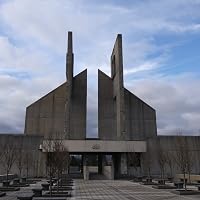
August 24, 2023
This is my first Hastings and certainly won't be my last. I'm not well-read in WWII history by any means but I can tell with Sir Hastings's works one can expect a thorough and in-depth look into the past. I appreciated the tight focus on the end of the war in the Pacific and reading about the specific politics and standpoints of the Japanese nation at that time.

January 27, 2014
“How much bad news will pampered European and American voters take? Not that much, I suspect, in the absence of bombs raining down around their heads, figuratively or literally. We get the political leaders we deserve. Recent evidence suggests that in America, especially, charlatans prosper on the hustings, while good people flinch from exposing themselves to the humiliations and deceits essential to secure public office. Unless or until electorates become more rational, I doubt we shall see leaders much better – though, please God and the Tea Party, no worse – than today.” (Max Hastings, Financial Times)
Why on earth would I start a review of this book with that quote, well, because in researching Max Hastings, it popped up near the top of my search list. Max Hastings is an iconoclast. This book has real strengths and, in the main, is well put together. However, it is riddled with attacks on key American, British, and Australian figures in World War II. Some of it deserved, some gratuitous.
There are several things that make this book worth reading. One is the honest and detailed description of Japanese brutality. Those who fought the Japanese were considered by the Japanese to be almost subhuman and were treated accordingly. The recounting of the infamous unit 731 including vivisection of prisoners is one instance. Use of PWs and Chinese and others for live bayonet practices is another. These atrocities were not confined to unit 731. Captured B-29 crews were beheaded and in Fukuoka sixteen B-29 crew members were hacked to death with swords AFTER the Japanese surrendered. Japanese ministry officials began destroying records on 14 August, the day before the Emperor’s famous surrender recording was broadcast. They were able to spend a good two to three weeks – and probably much longer – getting rid of what had to have been incriminating evidence.
The recounting of wartime Japan’s government resisting the calls for surrender and the emperor’s roll in finally making it happen are well told down to the attempted coup by field grade officers. The Soviet advance into Manchuria and into the Kurile Islands is also well told. British and American war efforts in the China-Burma-India Theater are also well detailed and fascinating. Additionally, the account of Curt LeMay’s firebombing of Japanese cities is chilling and accurate. Death and destruction from B-29 napalm drops greatly exceeded that of the two atomic weapons. Finally, the use of atomic weapons is well explained and Hastings is masterful in providing the reasons for it and why it was a choice that had to be made then and most likely the only real choice.
The book depends heavily on anecdote and personal memory or “oral histories” in some cases, in fact in many cases, stories told more than thirty years after the event. Since there is no bibliography it is a bit difficult to determine and check sources. Additionally, some sources appear to have been neglected, for instance, Haruko and Ted Cook’s remarkable “Japan at War: An Oral History.” Additionally no mention is made of the efforts of the US Military Intelligence Service, an organization manned by AJAs (Americans of Japanese Ancestry). Well over 3000 MIS soldiers were a key part of the intelligence efforts in the Pacific and their efforts were probably as critical to our success as those of the MAGIC personnel at Pearl Harbor. In fact, code books captured on Guadalcanal and recognized for their intelligence value by three AJA soldiers were probably critical to early MAGIC efforts. These MIS soldiers were where the fighting was starting with Guadalcanal. Hastings loves to retell stories he had translators gain during interviews. Too bad he didn’t interview Terry Doi, who fought on Iwo Jima and entered a cave full of Japanese soldiers with his shirt off to show he was unarmed to talk the Japanese into surrendering. Too bad he didn’t tell the story of Hoichi Kubo, another AJA, on Saipan. Kubo’s heroic activity saved 8 Japanese soldiers and 122 women and children. It could be that Hastings was unaware of the activities of the MIS or that including their stories just didn’t not lend itself to his theme. I’m not sure which.
Finally, there is a bit of a problem with General Douglas MacArthur. Now, I will readily admit that Douglas MacArthur was arrogant, headstrong and that he was sometimes a lousy judge of character especially in the selection of his senior staff. Hastings misses no opportunity to bash MacArthur and certainly there are things he can be bashed for. When Hastings recounts MacArthur’s meeting with Roosevelt at Pearl Harbor, he talks about MacArthur being late for a meeting with FDR on board the Baltimore which had docked at Pearl Harbor. Hastings also says that MacArthur harbored Presidential ambitions. Hastings’ footnote to that commentary cites D. Clayton James “The Years of MacArthur.” I reread James’ account of that meeting. What Hastings omits is that MacArthur had just gotten off a 26 hour flight to get to that meeting. If you read the James account you come away from Hastings shaking your head. The James account does not deny that MacArthur could be arrogant, but it clearly indicates that MacArthur and Roosevelt enjoyed each other’s company. James leaves the reader with the impression that two old BS artists, Mac and FDR recognized each other for what they were and thoroughly enjoyed each other’s company. Read the account by James for yourself and make up your own mind. I came away thinking that Hastings clearly ‘cherry picked’ from James’ book.
On the other hand, it is clear that there were too many big egos involved and that these egos sometimes cost the war effort. Admiral Ernest King comes in for a beating which I suspect was well deserved. James’ book also relates that when MacArthur returned to his staff he told them he was struck by how frail FDR look. FDR would be dead eight months later. Other accounts -- the Yalta Conference, for example, indicate that by Feb 1945, FDR was so sick as to be virtually unable to function at that conference. Basically, I have to wonder how effectively FDR was able to function as Commander in Chief, especially since he Roosevelt was fixated on the 1944 election. In fact, as MacArthur suggests FDR’s travel to Pearl Harbor was probably a “purely political” excursion.
As much as I enjoyed this book and as much as I agree with most of the conclusions Hastings draws, I am just a little bit skeptical about his research and how much his theme was driven by agenda as opposed to research.
Arrgh, I want to give this book a higher rating than I did, but I just can’t. My problem is the omissions, the “cherry picking,” and over reliance on evidence that is anecdotal.
Postscript, next day, after doing a little more checking. William Manchester gives a much more credible account of the meeting of FDR, Nimitz and MacArthur in American Caesar. That account provides probably the best summary of what went on and it credits both FDR and Roosevelt for their roles. It starts on p. 424 .... Interestingly, Manchester notes that FDR's "wasted appearance" shocked MacArthur. The General told his wife, "He is just a shell of the man I knew." MacArthur also told another person regarding FDR "Doc, the Mark of death is on him! In six months he'll be in his grave." FDR died about eight months later. This is another source Hastings omitted because it clearly ran counter to Hastings' attempt to denigrate MacArthur. Hastings pretty much totally missed the mark on the Pearl Harbor Conference.
Why on earth would I start a review of this book with that quote, well, because in researching Max Hastings, it popped up near the top of my search list. Max Hastings is an iconoclast. This book has real strengths and, in the main, is well put together. However, it is riddled with attacks on key American, British, and Australian figures in World War II. Some of it deserved, some gratuitous.
There are several things that make this book worth reading. One is the honest and detailed description of Japanese brutality. Those who fought the Japanese were considered by the Japanese to be almost subhuman and were treated accordingly. The recounting of the infamous unit 731 including vivisection of prisoners is one instance. Use of PWs and Chinese and others for live bayonet practices is another. These atrocities were not confined to unit 731. Captured B-29 crews were beheaded and in Fukuoka sixteen B-29 crew members were hacked to death with swords AFTER the Japanese surrendered. Japanese ministry officials began destroying records on 14 August, the day before the Emperor’s famous surrender recording was broadcast. They were able to spend a good two to three weeks – and probably much longer – getting rid of what had to have been incriminating evidence.
The recounting of wartime Japan’s government resisting the calls for surrender and the emperor’s roll in finally making it happen are well told down to the attempted coup by field grade officers. The Soviet advance into Manchuria and into the Kurile Islands is also well told. British and American war efforts in the China-Burma-India Theater are also well detailed and fascinating. Additionally, the account of Curt LeMay’s firebombing of Japanese cities is chilling and accurate. Death and destruction from B-29 napalm drops greatly exceeded that of the two atomic weapons. Finally, the use of atomic weapons is well explained and Hastings is masterful in providing the reasons for it and why it was a choice that had to be made then and most likely the only real choice.
The book depends heavily on anecdote and personal memory or “oral histories” in some cases, in fact in many cases, stories told more than thirty years after the event. Since there is no bibliography it is a bit difficult to determine and check sources. Additionally, some sources appear to have been neglected, for instance, Haruko and Ted Cook’s remarkable “Japan at War: An Oral History.” Additionally no mention is made of the efforts of the US Military Intelligence Service, an organization manned by AJAs (Americans of Japanese Ancestry). Well over 3000 MIS soldiers were a key part of the intelligence efforts in the Pacific and their efforts were probably as critical to our success as those of the MAGIC personnel at Pearl Harbor. In fact, code books captured on Guadalcanal and recognized for their intelligence value by three AJA soldiers were probably critical to early MAGIC efforts. These MIS soldiers were where the fighting was starting with Guadalcanal. Hastings loves to retell stories he had translators gain during interviews. Too bad he didn’t interview Terry Doi, who fought on Iwo Jima and entered a cave full of Japanese soldiers with his shirt off to show he was unarmed to talk the Japanese into surrendering. Too bad he didn’t tell the story of Hoichi Kubo, another AJA, on Saipan. Kubo’s heroic activity saved 8 Japanese soldiers and 122 women and children. It could be that Hastings was unaware of the activities of the MIS or that including their stories just didn’t not lend itself to his theme. I’m not sure which.
Finally, there is a bit of a problem with General Douglas MacArthur. Now, I will readily admit that Douglas MacArthur was arrogant, headstrong and that he was sometimes a lousy judge of character especially in the selection of his senior staff. Hastings misses no opportunity to bash MacArthur and certainly there are things he can be bashed for. When Hastings recounts MacArthur’s meeting with Roosevelt at Pearl Harbor, he talks about MacArthur being late for a meeting with FDR on board the Baltimore which had docked at Pearl Harbor. Hastings also says that MacArthur harbored Presidential ambitions. Hastings’ footnote to that commentary cites D. Clayton James “The Years of MacArthur.” I reread James’ account of that meeting. What Hastings omits is that MacArthur had just gotten off a 26 hour flight to get to that meeting. If you read the James account you come away from Hastings shaking your head. The James account does not deny that MacArthur could be arrogant, but it clearly indicates that MacArthur and Roosevelt enjoyed each other’s company. James leaves the reader with the impression that two old BS artists, Mac and FDR recognized each other for what they were and thoroughly enjoyed each other’s company. Read the account by James for yourself and make up your own mind. I came away thinking that Hastings clearly ‘cherry picked’ from James’ book.
On the other hand, it is clear that there were too many big egos involved and that these egos sometimes cost the war effort. Admiral Ernest King comes in for a beating which I suspect was well deserved. James’ book also relates that when MacArthur returned to his staff he told them he was struck by how frail FDR look. FDR would be dead eight months later. Other accounts -- the Yalta Conference, for example, indicate that by Feb 1945, FDR was so sick as to be virtually unable to function at that conference. Basically, I have to wonder how effectively FDR was able to function as Commander in Chief, especially since he Roosevelt was fixated on the 1944 election. In fact, as MacArthur suggests FDR’s travel to Pearl Harbor was probably a “purely political” excursion.
As much as I enjoyed this book and as much as I agree with most of the conclusions Hastings draws, I am just a little bit skeptical about his research and how much his theme was driven by agenda as opposed to research.
Arrgh, I want to give this book a higher rating than I did, but I just can’t. My problem is the omissions, the “cherry picking,” and over reliance on evidence that is anecdotal.
Postscript, next day, after doing a little more checking. William Manchester gives a much more credible account of the meeting of FDR, Nimitz and MacArthur in American Caesar. That account provides probably the best summary of what went on and it credits both FDR and Roosevelt for their roles. It starts on p. 424 .... Interestingly, Manchester notes that FDR's "wasted appearance" shocked MacArthur. The General told his wife, "He is just a shell of the man I knew." MacArthur also told another person regarding FDR "Doc, the Mark of death is on him! In six months he'll be in his grave." FDR died about eight months later. This is another source Hastings omitted because it clearly ran counter to Hastings' attempt to denigrate MacArthur. Hastings pretty much totally missed the mark on the Pearl Harbor Conference.

January 23, 2018
Una obra titánica cortesía del historiador británico Max Hastings dedicado a la Segunda Guerra Mundial, pero centrado exclusivamente en el teatro del Pacífico y específicamente, en los dos últimos años de guerra contra en imperio del Japón. Hastings es un excelente narrador de guerra y provisto de un amplio abanico de fuentes históricas y de testimonios de los protagonistas de todos los bandos (desde soldados norteamericanos pasando por civiles chinos y filipinos, hasta integrantes del ejército imperial japonés), nos regala un libro amplio en extensión y datos, pero cargado de una narrativa impresionante gracias a que rescata el lado humano de la guerra, siendo narradas sus atronadoras brutalidades directamente por victimas y victimarios. La lectura se hace entretenida gracias a que Hastings hace los relatos necesarios -en aras de contextualizar al lector- sobre tácticas bélicas y estratégicas, y se centra más en la narración de los hechos en general. Si algo hay que agradecerle por siempre a este libro, es que no permite que olvidemos campañas asiáticas que también hicieron parte de la Segunda Guerra Mundial, y que se vieron eclipsadas por el teatro de operaciones europeo, pero a la postre, resultaron incluso más sangrientas y despiadadas. El "ejército olvidado" de los británicos en Birmania, la barbarie a la que fue sometida más de la mitad de Asia bajo el yugo de los soldados japoneses, el código de honor japonés del bushido y la explicación a la inmolación de los kamikazes , el aporte final de la Unión Soviética al invadir un territorio tan vasto y agreste como Manchuria, y especialmente, la reivindicación de China no sólo como combatiente aliado en la Segunda Guerra Mundial, sino el padecimiento abominable que tuvieron que soportar los civiles chinos bajo la espada del ejército invasor japonés, tanto o más inclemente y despiadado que los nazis en Europa.
Otro gran aporte de Hastings con su libro, es el análisis que introduce, sobre todo en los últimos capítulos, a temas que han generado discusión desde la capitulación de Japón en septiembre de 1945. La necesidad de invadir Filipinas, Iwo Jima y Okinawa con un coste en vidas y sangre tan alto, la responsabilidad del emperador Hirohito, los amañados juicios de Tokio de 1946, el negacionismo japonés de posguerra y especialmente, el mayor tema de debate desde entonces: La real necesidad de haber apelado a las bombas atómicas de Hiroshima y Nagasaki frente a un enemigo agónico y derrotado. Las conclusiones de Hastings permiten abrir el debate.
Como puntos negativos, hay dos que sobresalen: El primero, que para un lector poco avezado en la guerra del Pacífico, el libro de entrada parecerá como si lo hubiesen lanzado en una balsa a la mitad del océano en 1944... se echan de menos algunos apartes introductorios que dieron forma a lo que pasó al final de la guerra, y eventos tan decisivos como la batalla del Mar de Coral, Midway, Gudalcanal y Saipán, apenas son mencionados. En segundo lugar, se hace supremamente evidente el odio que Hastings destila por Douglas MacArthur, a quien se encarga de dar palo durante las más de 800 hojas del libro, a quien tilda de megalómano, inepto, egocéntrico, vanidoso e incompetente, entre otros adjetivos. Si bien es cierto, su astucia militar no puede compararse a la de genios como Rommel, Montgomery, Slim o Patton, no puede dejarse de lado su papel preponderante en la Guerra del Pacífico y el traje de héroe con el que tuvo que vestirse para unificar a una nación en guerra.
Poco más que decir, un gran libro al que de seguro volveré en unos cuantos años!!!
Otro gran aporte de Hastings con su libro, es el análisis que introduce, sobre todo en los últimos capítulos, a temas que han generado discusión desde la capitulación de Japón en septiembre de 1945. La necesidad de invadir Filipinas, Iwo Jima y Okinawa con un coste en vidas y sangre tan alto, la responsabilidad del emperador Hirohito, los amañados juicios de Tokio de 1946, el negacionismo japonés de posguerra y especialmente, el mayor tema de debate desde entonces: La real necesidad de haber apelado a las bombas atómicas de Hiroshima y Nagasaki frente a un enemigo agónico y derrotado. Las conclusiones de Hastings permiten abrir el debate.
Como puntos negativos, hay dos que sobresalen: El primero, que para un lector poco avezado en la guerra del Pacífico, el libro de entrada parecerá como si lo hubiesen lanzado en una balsa a la mitad del océano en 1944... se echan de menos algunos apartes introductorios que dieron forma a lo que pasó al final de la guerra, y eventos tan decisivos como la batalla del Mar de Coral, Midway, Gudalcanal y Saipán, apenas son mencionados. En segundo lugar, se hace supremamente evidente el odio que Hastings destila por Douglas MacArthur, a quien se encarga de dar palo durante las más de 800 hojas del libro, a quien tilda de megalómano, inepto, egocéntrico, vanidoso e incompetente, entre otros adjetivos. Si bien es cierto, su astucia militar no puede compararse a la de genios como Rommel, Montgomery, Slim o Patton, no puede dejarse de lado su papel preponderante en la Guerra del Pacífico y el traje de héroe con el que tuvo que vestirse para unificar a una nación en guerra.
Poco más que decir, un gran libro al que de seguro volveré en unos cuantos años!!!
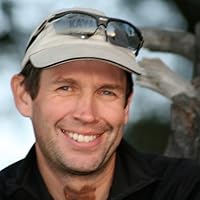
November 6, 2011
Add Bill Slim to my very short list of officers I admire.
The blurb on the jacket of my edition of Nemesis says that the Pacific theatre had the most extraordinary cast of characters and having just finished the book I would have to say I agree. Hastings uses the by-now familiar device of interweaving the stories of ordinary people into the broader context of strategic and political decisions by generals and statesmen. And it works a treat, shining the light on the human consequences of warfare.
The book greatly improved my limited knowledge of many of the key figures of the war in the Far East , particularly Macarthur, Chiang Kai Shek and one of the great forgotten British heroes, Bill Slim.
It also convincingly showed how the psyche of an entire nation can be shaped and perverted by a small, influential, determined and ruthless group. The Japanese military, which effectively ruled Japan and directed its expansionist policies, were truly the ayatollahs of 20th century Asia and the grotesque brutality inflicted on captured enemy combatants and occupied civilians defies any attempt at rational explanation. Hastings is unflinching in his condemnation of Japanese atrocities while still managing to find enough individual acts of decency and kindness to prevent his criticism becoming a demonisation.
Hastings also put paid to, in my mind at least, any lingering doubts about the decision to drop the atomic bombs on Hiroshima and Nagasaki. The fire-bombing of Tokyo had shown that conventional ‘terror tactics’ by the USAAF would do little to persuade the Japanese to abandon their policy of forcing the Americans to the negotiating table and the experience of Okinawa had shown what price they were willing to pay to stave off unconditional surrender.
As with most histories of war containing personal accounts I finished the book both shocked and awed by what human beings are capable of doing to one another.
The blurb on the jacket of my edition of Nemesis says that the Pacific theatre had the most extraordinary cast of characters and having just finished the book I would have to say I agree. Hastings uses the by-now familiar device of interweaving the stories of ordinary people into the broader context of strategic and political decisions by generals and statesmen. And it works a treat, shining the light on the human consequences of warfare.
The book greatly improved my limited knowledge of many of the key figures of the war in the Far East , particularly Macarthur, Chiang Kai Shek and one of the great forgotten British heroes, Bill Slim.
It also convincingly showed how the psyche of an entire nation can be shaped and perverted by a small, influential, determined and ruthless group. The Japanese military, which effectively ruled Japan and directed its expansionist policies, were truly the ayatollahs of 20th century Asia and the grotesque brutality inflicted on captured enemy combatants and occupied civilians defies any attempt at rational explanation. Hastings is unflinching in his condemnation of Japanese atrocities while still managing to find enough individual acts of decency and kindness to prevent his criticism becoming a demonisation.
Hastings also put paid to, in my mind at least, any lingering doubts about the decision to drop the atomic bombs on Hiroshima and Nagasaki. The fire-bombing of Tokyo had shown that conventional ‘terror tactics’ by the USAAF would do little to persuade the Japanese to abandon their policy of forcing the Americans to the negotiating table and the experience of Okinawa had shown what price they were willing to pay to stave off unconditional surrender.
As with most histories of war containing personal accounts I finished the book both shocked and awed by what human beings are capable of doing to one another.

July 25, 2021
An exemplary historical account of the Atlantic Front between 44-45, replete with hundreds of first-hand accounts, synergized in a way that constructs several compelling narratives. Hastings captures the complexity and horror of this conflict in a way that encourages further inquiry without glorifying its events - now and again, a description turns the stomach.
November 12, 2025
The limited time frame of this book allows the level of detail to show how absolutely awful the whole thing was. One thing that is absolutely clear throughout is that the war could have ended before hundreds of thousands of other lives were lost if it wasn't for the egos of men, both allies and axis.
September 16, 2021
The greatest history book I've ever read, a must for anyone slightly interested in the not-so-known WWII's Pacific battles. I've literally devoured (well, not literally because paper isn't my favourite snack) Retribution's thousand pages in a couple of weeks.
Even if the author's goal is not to justify the use of the atomic bombs in Hiroshima and Nagasaki (fun fact: Nagasaki wasn't the target, Kokura was, but the sky was covered in fog in the later so they had to change the target), all along the book the description of the Japanese behaviour and atrocities lead to think that the nuclear bombing was unavoidable.
And more important, the author demystifies the nuclear bombs' harm, as they "only" caused 100,000 deaths, less than the people who died in just one night in Tokio the month before as a consecuence of fire bombs.
Even if the author's goal is not to justify the use of the atomic bombs in Hiroshima and Nagasaki (fun fact: Nagasaki wasn't the target, Kokura was, but the sky was covered in fog in the later so they had to change the target), all along the book the description of the Japanese behaviour and atrocities lead to think that the nuclear bombing was unavoidable.
And more important, the author demystifies the nuclear bombs' harm, as they "only" caused 100,000 deaths, less than the people who died in just one night in Tokio the month before as a consecuence of fire bombs.

July 27, 2015
Max Hastings' Retribution exhaustively chronicles the last year of the Pacific War. History books that take on this broad a topic always run the risk of getting bogged into endless detail rendering the work more of a reference than a readable non-fiction book. Here, Hastings colors the tactical and technical details of troop movements and battles that covered a third of the globe with an impressive array of commentary from belligerents from all sides. Using letters written home during the war, recent interviews, past interviews, transcripts from war criminal trials, etc, Hastings created a flowing narrative with the first-person perspectives of decision makers and rank and file soldiers and sailors. Again, a book of this breadth must reduce topics that often take up 500 page books on their own to a chapter or two on each; the British Army - who were mostly Indians and East Africans - fighting in Burma, the U.S. battle for the Philippines, Japanese cruelty on mainland China, the setting of the stage for the following Chinese civil war, the battle for Manchuria, Iwo Jima, Okinawa, the Japanese kidnapping campaign to provide "comfort women", the development and dropping of the atomic bombs, the contribution - or lack thereof - of the Australian military, balancing the timing of attacks with the effort in Europe, the internal struggle between the war party and wannabe peacemakers advising Hirohito . . . The topics are as fascinating as they are endless, and this is as good and approachable as one 600 page volume that delves into all of them could be.
Beyond just the abject quality of the work, Retribution is also notable for Hastings' willingness to make sweeping conclusions on the topics of focus. The most blatant is his searing criticism of, and personal animus towards General Douglas MacArthur. Hastings hates MacAurther, and spends 100s of pages explaining why. He makes a compelling case that MacArthur's outsized ego, delusions of personal grandeur, and his bizarre, paternalistic attitude towards the Philippine people were the leading influences in his decision-making, rather than what would end the war fastest, protect the lives of his troops, or protect the lives of Philippine civilians. He wanted to take Manila, overarching strategy be damned, and Hastings argues hundreds of thousands of Allied dead - for no tactical gain - was the cost of MacArthur's self-obsession.
Most post-publication controversy surrounding Retribution surrounded Hastings' claims regarding the Australian force's lack of willingness to fight in a war that threatened their nation's existence. The Aussies seemed content to let Americans, Brits, and Canadians be killed on their behalf, while sorting out the, on balance meaningless, labor issues they faced domestically. Hastings does not hesitate to use the word "shameful" when detailing the Aussie effort. This book is all I've read on the subject. Hastings also aggressively defends the use of atomic weapons on civilian population centers; "Those who seek to argue that Japan was ready to surrender before Hiroshima are peddlers of fantasies." (Pg. 513). He argues the war continuing for another year, presumably including a Soviet/US land invasion of Japan and continued "traditional bombing" would have resulted in multiple times the civilian casualties.
My only quibble, is that for how beautifully and compellingly Hastings details the "where, what, and how" of the last year of the war, he does not touch on the "why." What about the Japanese mindset in that period led its leaders to believe that the entire Pacific and the eastern half of Asia was rightfully theirs for the taking? What about the Japanese mindset and culture lead hundreds of millions of Japanese not only to buy in to that theory, but exercise inhuman self-sacrifice in the furthering of diabolic suffering and cruelty on fellow Asians?
Beyond just the abject quality of the work, Retribution is also notable for Hastings' willingness to make sweeping conclusions on the topics of focus. The most blatant is his searing criticism of, and personal animus towards General Douglas MacArthur. Hastings hates MacAurther, and spends 100s of pages explaining why. He makes a compelling case that MacArthur's outsized ego, delusions of personal grandeur, and his bizarre, paternalistic attitude towards the Philippine people were the leading influences in his decision-making, rather than what would end the war fastest, protect the lives of his troops, or protect the lives of Philippine civilians. He wanted to take Manila, overarching strategy be damned, and Hastings argues hundreds of thousands of Allied dead - for no tactical gain - was the cost of MacArthur's self-obsession.
Most post-publication controversy surrounding Retribution surrounded Hastings' claims regarding the Australian force's lack of willingness to fight in a war that threatened their nation's existence. The Aussies seemed content to let Americans, Brits, and Canadians be killed on their behalf, while sorting out the, on balance meaningless, labor issues they faced domestically. Hastings does not hesitate to use the word "shameful" when detailing the Aussie effort. This book is all I've read on the subject. Hastings also aggressively defends the use of atomic weapons on civilian population centers; "Those who seek to argue that Japan was ready to surrender before Hiroshima are peddlers of fantasies." (Pg. 513). He argues the war continuing for another year, presumably including a Soviet/US land invasion of Japan and continued "traditional bombing" would have resulted in multiple times the civilian casualties.
My only quibble, is that for how beautifully and compellingly Hastings details the "where, what, and how" of the last year of the war, he does not touch on the "why." What about the Japanese mindset in that period led its leaders to believe that the entire Pacific and the eastern half of Asia was rightfully theirs for the taking? What about the Japanese mindset and culture lead hundreds of millions of Japanese not only to buy in to that theory, but exercise inhuman self-sacrifice in the furthering of diabolic suffering and cruelty on fellow Asians?
February 25, 2009
Max Hasting's Armageddon is a bleak, but brilliant history of the last years of the European Theater of World War 2. He has followed up that book with Retribution, a book about the last years of the Pacific Theater. Just as in the first volume, Hastings emphasizes the utter brutality and waste of war as well as providing frank criticism of the failures of leadership.
His biggest target is MacArthur who he blames for many mistakes, perhaps most of all the invasion of the Philippines. This invasion led to thousands of deaths of Americans and Japanese and an orgy of Japanese violence in Manila that conjures images of Nanjing. Hastings very clearly identifies Japanese barbarism, in fact it is a key focus of his book, but argues that the atrocities would not have occurred if the US had not launched the strategically unnecessary invasion of the archipelago. MacArthur's vanity cost the US (and the Filipinos) dearly, as it would again in Korea.
I quite liked how Hastings was willing to say some policies were simply wrong. As an example, he identifies the use of P-51 Mustangs as escorts for B-29s as a mistake. While they had served a purpose over Germany, they did not over Japan. The B-29s could largely protect themselves against Japanese fighters. The P-51s added little and their patrols cost the lives of many pilots through accidents. So many military historians would water down the criticism with a few "on the other hands," Hastings is pleasingly unequivocal.
He also provides a much more expansive view of the Pacific War than you get from many historians. Yes, there is Leyte and yes there is the bombing campaigns, but there is also coverage of China, Burma, the submarine campaign, and even the story of the Australians. The Australians, who figured heavily in the Solomons disappear from most histories in the later years. Hastings explains why.
His strong point of view has raised the hackles of many reviewers. He does come down, mostly on the positive side regarding the use of nuclear weapons. See Kai Bird's Washington Post review on the Powells page for a strong criticism on Hastings's position. I think Bird overstates the case that Hastings's central theme is that the atomic bombings were "justified and necessary." Instead I would argue his theme is that the particular war was brutal, a brutality largely driven by the Japanese strategic culture, and that the special nature of the bombs was not evident among all the other horrors. The vast majority of the book makes no mention of the bomb, so if you must avoid the topic, you can. Simply skip Chapter 19 (out of 21) , helpfully titled "The Bombs."
His biggest target is MacArthur who he blames for many mistakes, perhaps most of all the invasion of the Philippines. This invasion led to thousands of deaths of Americans and Japanese and an orgy of Japanese violence in Manila that conjures images of Nanjing. Hastings very clearly identifies Japanese barbarism, in fact it is a key focus of his book, but argues that the atrocities would not have occurred if the US had not launched the strategically unnecessary invasion of the archipelago. MacArthur's vanity cost the US (and the Filipinos) dearly, as it would again in Korea.
I quite liked how Hastings was willing to say some policies were simply wrong. As an example, he identifies the use of P-51 Mustangs as escorts for B-29s as a mistake. While they had served a purpose over Germany, they did not over Japan. The B-29s could largely protect themselves against Japanese fighters. The P-51s added little and their patrols cost the lives of many pilots through accidents. So many military historians would water down the criticism with a few "on the other hands," Hastings is pleasingly unequivocal.
He also provides a much more expansive view of the Pacific War than you get from many historians. Yes, there is Leyte and yes there is the bombing campaigns, but there is also coverage of China, Burma, the submarine campaign, and even the story of the Australians. The Australians, who figured heavily in the Solomons disappear from most histories in the later years. Hastings explains why.
His strong point of view has raised the hackles of many reviewers. He does come down, mostly on the positive side regarding the use of nuclear weapons. See Kai Bird's Washington Post review on the Powells page for a strong criticism on Hastings's position. I think Bird overstates the case that Hastings's central theme is that the atomic bombings were "justified and necessary." Instead I would argue his theme is that the particular war was brutal, a brutality largely driven by the Japanese strategic culture, and that the special nature of the bombs was not evident among all the other horrors. The vast majority of the book makes no mention of the bomb, so if you must avoid the topic, you can. Simply skip Chapter 19 (out of 21) , helpfully titled "The Bombs."

November 21, 2013
EXCELLENT HISTORY
For whatever reason my reading of World War II history is heavily weighted towards the European conflict against the Nazis to the neglect of the Pacific theater. Therefore while I can follow the timeline and personalities of the Allied war against Hitler's Germany, the history from Pearl Harbor to Nagasaki and Hiroshima is somewhat of a blur. Retribution chronicles the final twelve months - give or take - of the war against Japan. And just like the author's previous book, Armageddon, which tracks the final year of the European war, Retribution is an excellent book and history writing at its finest.
Where this author excels is in his ability to tie together multiple threads, melding perspectives from military leaders to the men doing the fighting; piecing together the multiple geographic theaters - be it on land, sea or in the air; which all culminates in the Allied victory. When necessary, the author historically backfills decisions made and battles fought as well as providing brief biographical sketches when new personalities are introduced to the story. All of this is chronicled in a very coherent and engaging narrative.
Hastings is also not shy about jumping into the fray offering editorial comments about decisions made, war strategies and the men at the top, without being too heavy handed. His comments and observations on MacArthur are priceless but Hastings also highlights the brutality of the Japanese military machine and their inability to strategically adapt to the changing military picture; the phenomenon of the Kamikazes; the Allies' frustration with China; the overwhelming war production of the US; Japan's cultural inability to face their defeat; Stalin's late entry into the Pacific War and the ambivalence of the U.S. and Great Britain in allowing him to do so; and finally the decision made by Truman and the top US military brass to use nuclear bombs.
This is a great history book and if you're looking to "fill in the gaps" you may have regarding World War II history, it's a perfect read.
For whatever reason my reading of World War II history is heavily weighted towards the European conflict against the Nazis to the neglect of the Pacific theater. Therefore while I can follow the timeline and personalities of the Allied war against Hitler's Germany, the history from Pearl Harbor to Nagasaki and Hiroshima is somewhat of a blur. Retribution chronicles the final twelve months - give or take - of the war against Japan. And just like the author's previous book, Armageddon, which tracks the final year of the European war, Retribution is an excellent book and history writing at its finest.
Where this author excels is in his ability to tie together multiple threads, melding perspectives from military leaders to the men doing the fighting; piecing together the multiple geographic theaters - be it on land, sea or in the air; which all culminates in the Allied victory. When necessary, the author historically backfills decisions made and battles fought as well as providing brief biographical sketches when new personalities are introduced to the story. All of this is chronicled in a very coherent and engaging narrative.
Hastings is also not shy about jumping into the fray offering editorial comments about decisions made, war strategies and the men at the top, without being too heavy handed. His comments and observations on MacArthur are priceless but Hastings also highlights the brutality of the Japanese military machine and their inability to strategically adapt to the changing military picture; the phenomenon of the Kamikazes; the Allies' frustration with China; the overwhelming war production of the US; Japan's cultural inability to face their defeat; Stalin's late entry into the Pacific War and the ambivalence of the U.S. and Great Britain in allowing him to do so; and finally the decision made by Truman and the top US military brass to use nuclear bombs.
This is a great history book and if you're looking to "fill in the gaps" you may have regarding World War II history, it's a perfect read.
June 14, 2024
This is an absolute banger, and classic Max Hastings. I've read a few of his books now and he is, I think, the James Holland of an earlier generation (even though they are both alive and writing today... ). He is quite good at weaving a story of differing perspectives, while also weighing the evidence to give a judgement. In the Battle for Japan, this is made most clear where he gives Japanese perspectives of the war alongside Allied ones, but doesn't shy away from his justified criticism of Japanese behaviour, which should bring them much shame, and contrasts the Japanese nation unfavourably with Germany.
Some of the fights were thrilling. Plenty of tragedy there too, particularly the more intense fights, like Iwo Jima. They demonstrated massive and impressive American technological and industrial power. The British battling in Burma may have been a sideshow but it was impressive to read about nonetheless. The loyalty of the British colonial troops to the mother was impressive. I note the Gurkas that guard the building I work in today. It was a Gurkha in the war who defiantly wrote to the Japanese "THE BRITISH HAVE BEEN AND ALWAYS WILL BE THE FINEST RACE IN THE WORLD", for which he was sent to solitary confinement. The British were far better colonial masters than the Japanese, who dished out savage horrors to fellow Asians, particularly the Chinese, who suffered greatly.
The Australian contribution was embarassing, but that was not for the efforts of Australian troops - who proved themselves quite able when placed into battle. Rather the Americans in charge, once the full might of American power was present in the western Pacific, placed Australians on less critical 'mop up' duties. And the other was the vile conduct of far-left Australian dockworkers, whose strikes impeded the ability of Australia to support its own and allied soldiers.
Worth a read. Great book.
Some of the fights were thrilling. Plenty of tragedy there too, particularly the more intense fights, like Iwo Jima. They demonstrated massive and impressive American technological and industrial power. The British battling in Burma may have been a sideshow but it was impressive to read about nonetheless. The loyalty of the British colonial troops to the mother was impressive. I note the Gurkas that guard the building I work in today. It was a Gurkha in the war who defiantly wrote to the Japanese "THE BRITISH HAVE BEEN AND ALWAYS WILL BE THE FINEST RACE IN THE WORLD", for which he was sent to solitary confinement. The British were far better colonial masters than the Japanese, who dished out savage horrors to fellow Asians, particularly the Chinese, who suffered greatly.
The Australian contribution was embarassing, but that was not for the efforts of Australian troops - who proved themselves quite able when placed into battle. Rather the Americans in charge, once the full might of American power was present in the western Pacific, placed Australians on less critical 'mop up' duties. And the other was the vile conduct of far-left Australian dockworkers, whose strikes impeded the ability of Australia to support its own and allied soldiers.
Worth a read. Great book.

January 18, 2016
Hastings covers even the less familiar Asia zones in his focus on the last year of the war with Japan. Hastings is English so he gives more attention to English and Commonwealth efforts than you most histories. This is a quite comprehensive treatment of the major historic figures and a sampling of ordinary people so the reader gets familiar with the impact of the war. Many passages of Japanese atrocities are brutal in their descriptions. Not for the faint of heart.

May 18, 2011
Reads smooth like sunshine. Broad strokes narrative. Adds the touching anecdote. A bit of biography a dint of analysis. History for the lazy chair.
Displaying 1 - 30 of 345 reviews