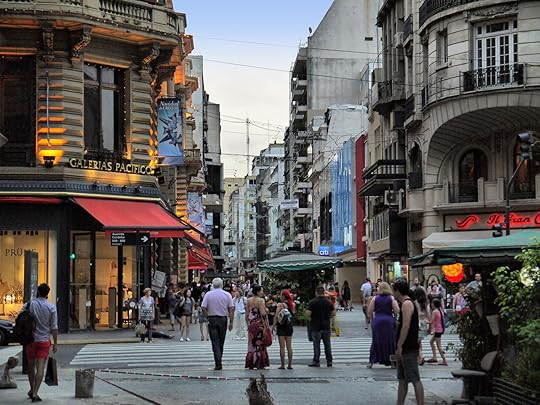
Arhitekt Pablo Simo želi izgraditi zgradu o kojoj sanja, ali zadovoljava se time da je crta. Već dvadeset godina radi u arhitektonskom studiju, koji ne može ili ne želi napustiti. Već je dvadeset godina u braku s Laurom, za koju ga vežu još samo navika i kći tinejdžerica.
Kada mu na uredska vrata pokuca tamnokosa djevojka tražeći Nelsona Jaru, počet će se odmotavati klupko tajne koju su Simo, njegov šef i kolegica željeli zaboraviti zauvijek. Jedna davna pukotina, u stanu Nelsona Jare, otvorit će i druge, u životu Pabla Simoa. I više ništa neće biti isto.
Buenos Aires koji raste u nebo, grad koji nastaje i nestaje, pozornica je ove priče o zločinu i o sjećanju, sudionik nečujna razgovora o braku i ljubavi, o krizi srednjih godina i snovima koje smo (jesmo li?) izgubili.
Claudia Piñeiro is an Argentine novelist and screenwriter, best known for her crime and mystery novels, most of which became best sellers in Argentina. She was born in Burzaco, Buenos Aires province.
حين تدخل عالم الرواية ترى بوينس أيرس فأنت في صحبة وعي معماري أربعيني (منتصف العمر) ظل محبا للفن الكلاسيكي وبداخله صديق دراسة عاشق للفن الحديث، ترى معه واجهات المباني، وتطور الحياة، واختلاف الأجيال، وفتور العلاقات، ووجوهنا في عيون الآخرين، والاستغلال المتبادل في المجتمع الرأسمالي، والذين يبحثون عن مأوى، وتوقعات الخيال، وحمولة الذاكرة بغفلتها وجرمها، والمأساة البشرية لعمرانقضى يضع في النفس شرخا يستحيل معه أن تلتئم رحلة استعادة لحظة جريمة مدفونة أسفل بناية وفي ذاكرة ثلاث شخصيات، تنفتح الذكرى فتبدو وضاعة القاتل والقتيل والمنظومة الأحلاقية المغلقة على التواطؤ المحرك لحافلة حياة صدئة تكرر نفسها حتى تتخذ شخصية ما قرارها بالخروج عن القضبان، وإن ظلت أسيرة لسيناريو مسبق طوال القراءة تشعر بالأسى تجاه النماذج الإنسانية التي تعرضها الدراما من وعي عالم فنان متوسط الفكر والموهبة انفصل أمسه عن غده، وأصبح حائرا في واقعه المشتت، تراوده أحلام اليقظة في مونولوجات تستكمل المعمار الدرامي في خطاب سردي كاشف عن فداحة أزمة الإنسان اليوم وفي أيام ليست بالقليلة وأماكن عابرة للمحيطات معرفتنا تتأخر كثيرا لأن أذهاننا لا تستطيع أن تدرك إلا بالمقارنة داخل سياق، ولكي تفعل ذلك لابد أن تنتظر متغيّرات تحدث فينا، أي في الذات المدركة نفسها، مثلما تحدث في المواضيع التيي تتغيّر أشكالها أو تنمو من علاقات متشابكة لم تكن خاضعة لنسق يمكن استشراف نتائجه
An interesting novel in which Pineiro- as usual- blends crime with social and practical aspects in characters life after years of false stability and unsatisfying feelings, there comes a moment when a person discovers the truth of his life, himself and others and from that moment on, everything to come- right or wrong- is his choice
في اللحظة التي تظهر فيها تلك الفتاة بذلك المكتب الهندسي تسأل عن " نيلسون جارا "...تنكشف لك جريمة قتل مُروعة حيث دُفِن الرجل فى القاعدة الخرسانية للمكتب..هناك بأسفل أرضية المكتب التي يسير عليها ثلاثتهم كل يوم...!! الثلاثة هم رئيس المكتب وامرأة مسؤولة عن تنفيذ الأعمال بالمواقع والمهندس الذي يقوم بالتصميمات الهندسية... تأخذنا الكاتبة الأرجنتينية "كلاوديا بينيرو " في هذا العمل المترجم بعنوان " شرخ في الحائط " إلى قلب " بونيس آيرس " حيث الواجهات المعمارية التي باتت جامدة..مُعادة..تفتقر إلى الفن والجمال.... وعن تلك التي لم تطولها يد الحداثة فتراها تحاول أن تحافظ على صورتها والذي قد تُشوه إحدى زواياها بشكل او بآخر فلا يلتقطه سوى عين فنان يرصد كل ما هو شاذ عن الصورة الأصلية... هنا الصدع الذي تصنعه الضربات عمداً، يطول..يتسع..ويتعمق في جدار الروح والعلاقات الإنسانية مترقباً لحظة الإنهيار الحتمي....الصدع المُلفق من أجل المال...الخيانة...والجُبن ، وعن الذي يتوغل تحت مُسمى الاعتياد دون محاولة إكتشاف الجانب الآخر ...ودون سعي للإنصات والتفاهم... كم من صدع يمكن أن يهدد حياتنا ونواريه وراء ستار من المظاهر الخادعة والإبتسامات الزائفة... هنا الصدع الذي لا يمكن ترميمه ، ذاك الذي سيظل يمثل كل لحظة تهديداً يستنزف وجود أحدهم على مهل وبالخفاء.....
Para ser sincero mi puntuación sería 4,5...y preferí redondear para arriba. A estas alturas sospecho la posibilidad de que la popularidad que les ha dado el cine a las historias de Piñeiro le haya restado prestigio a nivel de la crítica. Porque a medida que leo sus novelas confirmo que es una excelente narradora, de esas que no permiten que decaiga el interés de su argumento en ningún momento. El hombre mediocre ha sido el protagonista por excelencia de la narrativa del siglo XX, y lo es también de esta narración. El arquitecto Pablo Simó es el protagonista alrededor del cual se despliega la anécdota que involucra al Jara del título, un "extorsionador" de poca monta que reclama una indemnización por los daños que una recién iniciada construcción le ha provocado a su propiedad. A partir de este planteo inicial, Piñeiro recrea en dos momentos separados por tres años las vicisitudes vividas por Simó, y construye una caracterización del arquitecto enfrentado a una crisis personal que, mediados los cuarenta, precipita una serie de cambios que su trayectoria vital hacía impensados. Si bien no alcanza las honduras líricas de la que creo que es su obra mayor, "Una suerte pequeña", Piñeiro construye una interesantísima y ágil novela que además de entretener, nos muestra la mediocridad espiritual de una generación que muestra sus grietas por todas partes, y lo que parece aun peor, no se da cuenta de esa penosa realidad.
This August, Charco Press will be publishing a third novel by Claudia Piñeiro, after Elena Knows and A Little Luck. But I couldn't wait. So I dipped back into Piñeiro's earlier work, when she was known as a "Crime Author".
There was indeed a crime, or crimes, in this novel. But not the one you might normally think of: you know, murder. Or maybe so. There's a body, sure enough, and we know where it is. Piñeiro, not surprisingly, keeps that backstory just opaque enough.
But it's that Crack in the Wall that has our attention. It's real enough, even as we know we should look elsewhere. While the symbolism was obvious, it was never trite; the writing was that good.
واضح ان الفساد متأصل في الارجنتين. و إن الشرخ في القانون و العلاقات أوسع من شرخ الحائط. بابلو سيمو مهندس معماري "زميل يعني" موظف في مكتب بورلا و شركاه، يمر بأزمة منتصف العمر.. فقدان شغف.. أزمة ثقة في النفس. مكتب بورلا و شريكته مارتا يقع في بناية أسفلها قنبلة موقوتة، جثة قاموا ثلاثتهم بدفنها. لتأتي فتاة مجهولة و تشعل فتيل القنبلة بإدعائها معرفة القتيل🔥 تكشف بينيرو عن وجه بوينس آيرس القبيح بعمارتها المشوهة و انعكاسه علي سكانها، نفوس مشوهة بحب المال و الشهوة و الاحتيال و الخداع.
خدعتني كلاوديا في البداية بتفاصيل مملة و تركت الرواية مرتين لكن كاتبة "إيلينا تعرف" تعرف كيف تمتع القارئ و كيف تخبئ المفاجأة تلو الاخري حتي النهاية و بسبب النهاية المميزة و تسارع الأحداث في النصف الثاني استحقت ٤ نجوم ❤️ شكرا هبة انك شجعتيني اكملها❤️❤️
A Crack in the Wall was first published as Las grietas de Jara in 2009 and I read the Miranda France translation first published in 2013.
Argentinian writer Claudia Piñeiro set this novel in Buenos Aires and this is very much a novel about this city and its people.
At first glance this would seem like a crime novel, and there was a crime committed and there is something of a mystery surrounding the perpetrators of the crime and whether they will be found out. But in more significant ways, this is a character study or social commentary about contemporary Argentina and its mores and customs.
When a middle aged architect, whose marriage is failing and whose relationship with his young adult daughter is strained, meets a young woman looking for a man who is missing, this sets off a chain of events and cause and effect circumstances.
Sensual, romantic, and with an undercurrent of dramatic tension throughout, this is sometimes difficult to follow but has a unique tone that is endearing and entertaining.
A parte la copertina stupenda (talmente vivida l'immagine che continuava a cadermi l'occhio pensando "come ho fatto a macchiare il libro?"...ma potrebbe anche essere il mio cervello bacato!) credo che identificare questo libro con un genere sia difficile, soprattutto con il genere utilizzato da Goodreads "Mistery/Crime". Penso che sia molto più di questo. Un piccolo gioiellino, perfetto nella lunghezza e nel finale, ottimo nell'esecuzione!
La pluma de Claudia Piñeiro me cautiva. Pero si a esa maravillosa manera de narrar, donde mezcla realidades con sentimientos, miedos con deseos y frustraciones con anhelos, se le une la melodiosa voz argentina, la entonación, la cadencia de las palabras y ese continuo aprendizaje de vocabulario para saber a qué se está refiriendo... la fascinación ya es absoluta. Me encantan las novelas de Claudia Piñeiro en audiolibro. Me hechizan. Me enamoran.
I absolutely love Claudia Piñeiro's writing and this time she's outdone herself. A Crack in the Wall is absolutely superb. The only bad thing about Piñeiro's books is that there aren't more coming out in rapid succession. Let me just say up front that while this isn't simply a novel of crime fiction per se, the crime that does occur has a great deal to do with the rest of the story. Metaphorically, this is a story about a man whose personal and moral ground undergoes a seismic shift, leading him to decide to "rediscover something that, until recently, he didn’t even realize he had lost."
Set in Buenos Aires in 2007, this very character-driven novel focuses on architect Pablo Simó, who works in a dead-end job. He's been there for more than twenty years, and has never made it to a higher level in his career the entire time. At the office, when he's not working, he spends time drawing the same eleven-story tower over and over again -- a building he would make real if he could, and not "on the rubble of something else," the modern reality in Buenos Aires, where land is simply not available, and old buildings have to come down for the new ones to go up. It is also an old city that is being transformed as profit margin starts edging out the old for the new. As an example, Pablo loves to go to a particular café where
"the same waiters have been toiling for years, shouting their orders over to the bar with enviable brio, and where there are white cloths over the wooden tables and old-fashioned glass sugar-shakers with metal spoons,"
and hates the chain that's been "scattering identikit cafés throughout the city."
Pablo's firm specializes in cheap housing; the owner is Borla, and there is also Marta, who has a thing going with her married boss. Pablo is married to Laura, has a teenaged daughter Francisca, and his life is very routine. He also spends a lot of time conversing with an old friend Tano, whom he hasn't seen for a while, in his head -- Tano is also an architect, and their "conversations" are like a dialogue where Pablo engages with his conscience. Into the office one day, one that Pablo "had always feared might one day come to pass," comes a young, 20-something woman named Leonor asking for Nelson Jara. Her visit shakes them all up, because they know where Nelson Jara is, and they don't want to think about it. In fact, they've spent the last three years trying not to think about Nelson Jara, a man who'd come into the office to complain about a crack in the wall of his apartment. He claims that construction of a building that Borla's company is working on is causing the crack, and he shows Pablo some photos that prove how the crack has progressed. Pablo does his best to convince Jara otherwise, but he's not listening. Eventually Jara gets down to the nitty gritty:
"...there may be a structural problem here that ends up affecting other apartments too, and my silence has got to be worth something, don't you think?"
Jara starts to get under Pablo's skin, but not just because of the money or the extortion attempt -- Pablo recognizes he too has a crack, one that, like the one on Jara's wall, has been widening for some time. This notion hits him most especially before a trip around the city with Leonor, who has asked him to pick "the city's five most beautiful buildings, according to the architect Pablo Simó" for a photography course assignment. An imagined conversation with Tano reminds him that he used to be a person with ideals, making him wonder where that other person is now. His growing awareness of the crack in the wall dividing who he is and who he knows he can be spreads out to other areas of his life as well, encompassing the realization that his life over the last twenty years has been one consisting largely of compromise -- moral and otherwise.
A Crack in the Wall is an excellent novel, one that will satisfy readers of more literary-styled crime fiction, but it rises well above the usual fare, as do all of her books. In all of her novels, Claudia Piñeiro has this way of getting into private lives and exposing the cracks that exist there, personally and within various types of relationships, bringing her characters to a point where they're forced to examine themselves. If that sort of thing appeals, you can't ask for a better book. Very highly recommended.
This entire review has been hidden because of spoilers.
Segundo libro de Claudia que leo. El anterior (Tuya) me había sorprendido y encantado. Pero este, me ha dejado una sensación a poco, un regusto amargo. Esperaba más de la trama. Quería más de los personajes. Daba para más. Pero es una historia creíble. Se lee rápido.
Una novela corta que encierra dentro de ella una serie de emociones y pulsiones que afloran y van desarrollándose de manera bastante natural. Muchos asuntos: el chantaje, la mentira, la hipocresía, el deseo reprimido, el sexo, el choque generacional, la mujer ayer y hoy, la necesidad de probar antes de que el tiempo nos lleve... Y por encima de todos ellos, conteniéndolos, Buenos Aires. En especial la arquitectura del gran Buenos Aires que festonea las grandes avenidas de la ciudad que cobran protagonismo especial en esta novela de Claudia Piñeiro. Y es que Argentina se contiene en Buenos Aires y Buenos Aires destila argentinidad por sus cuatro costados: la Chacarita, Madero, San Telmo, Avenida de Mayo, Recoleta, etc. Un hombre que a los 45 años piensa que quizás ha llegado el momento de reinventarse, que si espera más tiempo ya no habrá lugar a ello. Un arquitecto con un deseo arquitectónico que dibuja desde la primera página. ¿Logrará llevarlo a cabo?
Un thriller davvero anomalo, che ha per protagonista un architetto, Pablo Simó, che sogna di costruire il suo palazzo a undici piani orientato a nord, ma che da vent'anni vegeta in uno studio di architettura il cui titolare, l'architetto Borla, non gli ha mai proposto di diventare socio. Non è una bella persona, Pablo Simó. Sposato a Laura, va avanti per inerzia, anche se il suo sogno erotico è la sua collega Marta Horvat dalle tette rifatte, la donna per cui, due anni prima ha commesso un gravissimo crimine. Non è una persona intelligente, Pablo Simó, o forse non vuole esserlo, fino a quando l'arrivo nello studio di una ragazza che chiede notizie di Nelson Jara non manda a carte quarantotto la sua vita. Perché Nelson Jara è proprio la persona che Borla, Marta e Pablo hanno seppellito qualche metro sotto il pavimento sul quale loro tre camminano ogni giorno entrando o uscendo da quell’ufficio (e questo non è uno spoiler, perché è scritto nel primo capitolo). Nelson Jara, con la sua crepa nel muro provocata dalla costruzione del palazzo progettato dallo Studio Borla, una crepa che si ingrandisce di giorno in giorno. Non è stato facilissimo empatizzare con Pablo Simó, perché non l'ho trovato il mio ideale di protagonista. L'ho preso a parolacce, gli ho dato dello st@@@ e del co@@@@, però i suo romanzo di (mal)formazione tardiva è davvero avvincente. Come al solito, Claudia Piñeiro non fallisce un colpo.
ثمة جريمة تختبىء تحت الثرى. ثمة جريمة تعمد الزمن نسيانها. ثمة شرخ في الحائط. تبدو رواية عادية للوهلة الأولى، ولكن سرعان ما تتلاحق الأحداث وتتشابك خيوطها؛ فينكشف المعني الحقيقي الذي ينطوي عليه شرخ الحائط وسرعان ما تصبح مصائر الأبطال في مهب التساؤلات.
اسلوب الكاتبة جميل ، الترجمة سلسة وجميلة ايضاً لكن لا يوجد حقاً ما يدفعني لإكمال قراءة هذا الكتاب ، ربما التمطيط المتعمد من قبل الكاتبة او غياب الحبكة لكن على أي حال لم يناسبني الكتاب
“A te sembra che siamo ancora in tempo per dare un bel colpo di timone e cambiare rotta?”
Che personaggio mediocre è Pablo Simò, dipendente di uno studio di architetti, attratto dall’irrangiungibile collega sexy, sposato con una lagnosa donna borghese, definito ‘patetico’ dalla figlia adolescente. Buonista, passivo, meticoloso, uno che tira a campare nell’omogenea quotidianità, legato a una routine compulsiva mentre coltiva un solo ambizioso sogno: costruire un palazzo di undici piani rivolto a nord. Da anni lo disegna e ridisegna. Banalmente e inutilmente. Fino a quando l’apparizione, e poi la scomparsa, di Nelson Jara aprirà una falla destinata a far implodere quell’opaco quieto vivere entro il quale Pablo Simò si sta scavando la fossa che lui chiama vita.
Buenos Aires -e la sua architettura- è il teatro entro cui Claudia Pineiro costruisce con stile asciutto e rapido la breve parabola esistenziale di un uomo apparentemente normale che si rispecchia in un altro, spericolato manipolatore, aprendo così una crepa, fisica e psicologica, che a poco a poco gli spalancherà la visione del suo vero io. Dalla quale non potrà più tornare indietro.
Che personaggio mediocre è Pablo Simò. Non vale due lire. Non ci aspettiamo niente da lui. Tranne quello che Claudia Pineiro con la sua mente machiavellica riesce a fargli fare.
I am not exactly sure what I think about this book. The title, "Crack in the Wall", is representative of the themes throughout the book; the "crack" is both literal and symbolic. A crack, a fault in an apartment wall causes a series of events including a murder and a seismic shift in the moral character of an architect
It is weird, very Latin in its affect, contemporary. The ending indicates a turn for the better in the personal future of the main character, while peripheral characters may or may not get their dues....
There is an element of romance but not a lasting connection - in fact it is unclear at the end whether or not they will ever see each other again.
It is a mystery of the sort that the reader knows pretty much from the start that a crime has been committed, who, why, where and when - but the story is actually about what happens to the main character in the aftermath.
Interesting. I would be interested to hear what other readers think.
A pesar que tengo la sensación que repite patrón en muchos de los libros que he leído (una muerte, personajes cargados de reflexiones, creencias y valores condicionantes, giros de trama ...), lo cierto es que la habilidad de Piñeiro para profundizar en diálogos, aspectos cotidianos o no de la vida, conclusiones, personalidades y denuncia social ... me tiene atrapada. Para mí vuelve a ser un "sí" rotundo.
Otra novela sólida de Claudia que mezcla el crimen con problemáticas sociales. Tiene varios momentos gaggy corte telenovela del trece que me hicieron reír (intencionalmente) mientras quedaba prendido a la lectura. Recomiendo para lectura de fin de semana.
بحبكة تشبه قليلًا روايات غيوم ميسو، يدور هذا العمل حول مهندس معماري تنقلب حياته بسبب رجل يدعي وجود شرخ في الحائط بسبب إحدى مشاريع المكتب الهندسي، هنا تحدث جريمة، ستترك آثارها على المهندس المذكور ولكن ليس في وقتها بل بعد مرور 3 سنوات عندما تظهر شابة تسأل بشكل عابر عن ذلك الرجل.
الرواية جيدة، قد تكون الحبكة ضعيفة بعض الشئ، كنا أن هناك إسهابًا في بعض الجزئيات لا داعِ له، ولكن العمل بشكل عام يجعلك تقرأه سريعًا لمعرفة ما يحدث.
Ho eletto ormai Claudia Pineiro fra i miei scrittori preferiti e anche questo romanzo mi è piaciuto davvero molto. E’ un giallo scritto con uno stile teso, asciutto, distaccato, capace di mantenere la tensione narrativa anche senza le azioni e le suspense tipiche di questo genere di romanzo, perché “il giallo” è dentro il protagonita, non fuori. L’autrice si serve di questa struttura per indagare, in realtà, la complessa interiorità del personaggio principale, l’architetto Pablo Simò, un uomo nella cui vita c’è una fessura inconfessabile, una crepa che gli alberga nell’anima che negli ultimi tre anni ogni giorno, piano piano, si è estesa e allargata sempre più, fino a che tutto all’improvviso precipita, proprio come succede ad un muro con una crepa. Questa crepa ha un nome, si chiama Nelson Jara, crepa nessuno più in ufficio aveva osato scoprire, né il suo capo Borla, né la sua consociata Marta (sulla quale Pablo ha fantasie erotiche), fino a quando un giorno irrompe in ufficio una giovane donna, Leonor, in cerca di Nelson Jara, che non solo mette a nudo la crepa, ma contribuisce ad ampliarla e a far precipitare su se stesso Simò, fino ad un finale a sorpresa, tra il cinico e il crudemente realista.
Seguiamo assieme al narratore tutto quanto accade nell’animo di Pablo Simò, i suoi pensieri, i suoi desideri, la monotonia di una vita coniugale e lavorativa ormai fatta solo di piccoli rituali quotidiani ai quali è fortemente attaccato, come fossero un’ancora di salvezza per non andare alla deriva, i tanti interrogativi che si pone sulla vita e sul significato di certe espressioni, che le persone attorno a lui usano normalmente, come se invece lui le sentisse per la prima volta. Pablo Simò mi ha dato l’impressione di essere un uomo che si è lasciato schiacciare dagli eventi della vita senza provare minimamente a reagire, privo cioè del necessario nerbo per non lasciarsi sopraffare dagli altri (la moglie, il capo, l’associata) e che a poco a poco ha perso il gusto per la vita, per la bellezza, per l’architettura e che non sa più cosa sia l’amore. Ma è quando in ufficio arriva all’improvviso Leonor che si rende conto di tutto questo: Leonor che lo costringe a ripensare a tutta la vicenda di Nelson Jara, scoprendo che in fin dei conti era un piccolo truffatore, una “canaglia” come si sta rendendo conto di essere pure lui. Con Leonor riscopre anche la sua Bueno Aires che da anni non guarda più, perché ha scelto di utilizzare sempre la metropolitana nel tragitto casa-lavoro-casa, riscopre i suoi palazzi con le facciate più belle e artistiche, si rende conto, ripensando ai discorsi che faceva con il suo antico compagno di università (in realtà è con la sua coscienza che parla), di aver abbandonato anche la sua amata architettura, caduta ormai al servizio della speculazione edilizia. Leonor è quindi il suo detonatore che fa scoppiare tutte le sue frustrazioni, che lo fa agire e prendere una decisione drastica e alquanto soprendente, che finalmente lo renderà libero di esprimersi per quello che lui effettivamente sente di essere.
Un romanzo insomma davvero particolare e insolito che merita di essere letto e che fa riflettere sulla vita e sulle sue “crepe”.
After the last crime novel I read I made the comment that the plot was a well-worn one, taken by many, but that is most certainly not the case here.. The subject matter concerns the modern architecture of Buenos Aires, more specifically apartment blocks. At one stage, the protagonist (an architect himself) is asked to show an inquistive lawyer his five favourite towers, or high-rises, of the city; and in the following passages they are revealed. It takes for him to be mixed up in a murder, to have the opportunity to break out of his mundane lifestyle. It works quite well, as Piñeiro's writing (and the translation), as with Thursday Night Widows, is of such a good standard. In common to both books, is a cynical observation that the more negative sides of humanity, personal gain and cowardice, over love and morality. I'm always interested in crime fiction that is different, and this certainly is that.
Como hasta la mitad me pareció aburrido y que le faltaba gancho, creo que en gran parte la culpa es de la tercera persona, que repita demasiado seguido el nombre completo del prota y que se ponga un poco denso con todo lo relacionado al negocio de la arquitectura. Tiene un poco de suspenso que rodea a Jara y alrededor de eso empiezan a darse los giros que te sorprenden y son uno de los sellos del estilo de la autora que tanto me gustan. Y el final estuvo bueno, el prota le da un giro bastante irónico a su vida que te deja satisfecho y hasta da un poco de gracia.
De los 4 libros que he leído de Claudia Piñeiro, éste es el que menos me ha enganchado. Creo que es el más flojo aunque también tiene cosas que no están nada mal. Me ha interesado mucho más sus reflexiones sobre la pareja y la vida familiar que el misterio que encierra la historia y el devenir de la carrera profesional de Pablo.
Si eres incondicional de Claudia Piñeiro, debes leerlo, pero si vas a iniciarte en su literatura hay otros libros mejores.
(Terminado hace rato, pero acabo de volver de vacaciones) 3.5 estrellas
Mi segundo libro de Piñeiro, no sé si por el momento (lo leí en el avión) o por mis expectativas no llegué a disfrutar del todo esta historia. No me convenció el protagonista, me molestaba bastante para ser sincera, el resto de los personajes tampoco me llamó mucho la atención. Sin embargo, es una novela que engancha, rápida de leer, entretenida. ¿Lo mejor? El final, eso sí puedo decirles que me encantó