

What do you think?

The Last Days of the Romanovs: The Murder of the Tsar & the Russian Royal Family, 1918
The end of a dynasty
It is likely that few of those who contributed to the outbreak of the First World War would have imagined its consequences or predicted which nations would prevail, which would fall in defeat and which would all but cease to exist. Very few would have foreseen the fall of so many of the royal houses of Europe and yet this came to pass; most prominent among them were the Romanovs of Russia. It was almost inconceivable that the Tsar, who ruled over a vast territory and many millions of subjects, would be murdered (or executed, according to one's sensibility) with all of his immediate family such a short time from when the power and influence of the Romanovs had seemed immutable. But this was an age of global warfare on an industrial scale, and of revolution and political change that would affect the nature of war and peace for a century to come. This highly regarded book considers in detail the downfall of the Russian Imperial family, and the authors have drawn upon eyewitness testimony of those who were close to these historic events. The narrative follows the Romanovs to their deaths, ordered by Lenin, in a Yekaterinburg cellar, so preventing the Tsar becoming a figure for the White Russians to rally around. An essential and recommended work for any student of the fall of monarchy, Russian involvement in the Great War and the rise of Bolshevism.
Leonaur editions are newly typeset and are not facsimiles; each title is available in softcover and hardback with dustjacket; our hardbacks are cloth bound and feature gold foil lettering on their spines and fabric head and tail bands.
It is likely that few of those who contributed to the outbreak of the First World War would have imagined its consequences or predicted which nations would prevail, which would fall in defeat and which would all but cease to exist. Very few would have foreseen the fall of so many of the royal houses of Europe and yet this came to pass; most prominent among them were the Romanovs of Russia. It was almost inconceivable that the Tsar, who ruled over a vast territory and many millions of subjects, would be murdered (or executed, according to one's sensibility) with all of his immediate family such a short time from when the power and influence of the Romanovs had seemed immutable. But this was an age of global warfare on an industrial scale, and of revolution and political change that would affect the nature of war and peace for a century to come. This highly regarded book considers in detail the downfall of the Russian Imperial family, and the authors have drawn upon eyewitness testimony of those who were close to these historic events. The narrative follows the Romanovs to their deaths, ordered by Lenin, in a Yekaterinburg cellar, so preventing the Tsar becoming a figure for the White Russians to rally around. An essential and recommended work for any student of the fall of monarchy, Russian involvement in the Great War and the rise of Bolshevism.
Leonaur editions are newly typeset and are not facsimiles; each title is available in softcover and hardback with dustjacket; our hardbacks are cloth bound and feature gold foil lettering on their spines and fabric head and tail bands.
272 pages, Hardcover
First published September 1, 1920
About the author
Robert Archibald Wilton
3 books2 followersRobert Wilton was the son of a British mining engineer employed in Russia. In 1889 he joined the European staff of the New York Herald, remaining with that newspaper for fourteen years, and corresponding on both Russian and German affairs. He then took up an appointment as The Times correspondent in St Petersburg, and became known as a keen observer of events in Russia during the last years of the Tsarist regime.
After the Revolution, Wilton moved to Siberia. Following the collapse of the Kolchak government, he managed to escape from Russia and eventually arrived in Paris where, in 1920, he rejoined the New York Herald. In 1924 he joined the staff of a newly founded newspaper, the Paris Times (which published in English). He died from cancer at the Hertford British Hospital in Paris early in 1925.
Wilton served with the Russian army during the First World War, and was awarded the Cross of St George.
He was the author of two books: Russia's Agony (published by Edward Arnold, London, 1918) and The Last Days of the Romanovs (1920).
After the Revolution, Wilton moved to Siberia. Following the collapse of the Kolchak government, he managed to escape from Russia and eventually arrived in Paris where, in 1920, he rejoined the New York Herald. In 1924 he joined the staff of a newly founded newspaper, the Paris Times (which published in English). He died from cancer at the Hertford British Hospital in Paris early in 1925.
Wilton served with the Russian army during the First World War, and was awarded the Cross of St George.
He was the author of two books: Russia's Agony (published by Edward Arnold, London, 1918) and The Last Days of the Romanovs (1920).
Ratings & Reviews
Friends & Following
Create a free account to discover what your friends think of this book!
Community Reviews
Displaying 1 - 14 of 14 reviews

November 25, 2021
This was a tremendously powerful work which moved me deeply, both with compassion for the innocent, suffering Romanov family, and with revulsion and the bitterest hatred for all embodiments of communism; from Bolsheviks, to Mensheviks, to Cossacks, to today’s hard left Democrats. Once one discerns from the trail of corpses, the ruthless, sanguinary, and immoral destination that those tracks all lead to, it is impossible for the thinking man to feel otherwise.
December 2, 2025
Robert Wilson was the Times correspondent in Russia and was wildly reactionary, a notorious antisemite and utterly unreliable. Because of the way the Soviets hid, suppressed and disseminated untruths regarding everything to do with the fate of the Romanovs this wildly inaccurate book was for years referenced by reputable historians and biographers. Since the collapse of the Soviet Union the need to even touch such foul literature has been removed. This book, like Wilton, should be banished to obliquity of the works of later lying journalists like Walter Duranty.
October 14, 2008
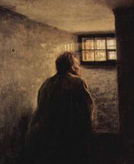
If you are interested in 20th cent. Romanov history, read the original sources first, quoted so often in interpretive accounts. Well shockingly biased, reflecting the times, factually they give a sharper image of the story, particularly in terms of witness accounts, etc. A must read if you are serious about discovering what happened in the Ipatiev House.

February 17, 2017
The Last days of the Romanovs explains the days before the fall of the Tsar, the days of imprisonment of the royal family, their murder and what came after. It sets the context and the describes the participants quite well. I liked the colorful details about their life during the months they were in prison, it truly paints a picture of the situation.
It’s a really hard book to read because of the subject, reading about the cruelty and annihilation of the Romanovs is never easy. But I think it’s important to know the past in order not to make the same mistakes in the future. There is a lot of books that center around the 2WW, but there is not that many historical fiction or novels on the Romanovs/Russian subjects and it IS important to remember them too.
This particular book was raw in the writing, but you could see the judgement of the author, which is not what you want in a history book. I get that most of the revolutionaries that brought the downfall of the Tsar were Jewish, but I believe is a little too much to specify in every page if they were or not Jews. Is not religion what makes you a god or bad person, and that kind of thinking is too relatable to the 2WW. The general discrimination in real life breaks my heart.
All in all, I’m giving this book 3 stars out of 5. It’s well researched, has maps and a lot in inside view of the last days of the family. I kind of want to read this same book, but by Helen Rappaport. I have a feeling her is better…
Edit: Ok, I googled Robert Wilton. He was anti-Semite. Now I get his way of writing. God, there’s so much in the world…
It’s a really hard book to read because of the subject, reading about the cruelty and annihilation of the Romanovs is never easy. But I think it’s important to know the past in order not to make the same mistakes in the future. There is a lot of books that center around the 2WW, but there is not that many historical fiction or novels on the Romanovs/Russian subjects and it IS important to remember them too.
This particular book was raw in the writing, but you could see the judgement of the author, which is not what you want in a history book. I get that most of the revolutionaries that brought the downfall of the Tsar were Jewish, but I believe is a little too much to specify in every page if they were or not Jews. Is not religion what makes you a god or bad person, and that kind of thinking is too relatable to the 2WW. The general discrimination in real life breaks my heart.
All in all, I’m giving this book 3 stars out of 5. It’s well researched, has maps and a lot in inside view of the last days of the family. I kind of want to read this same book, but by Helen Rappaport. I have a feeling her is better…
Edit: Ok, I googled Robert Wilton. He was anti-Semite. Now I get his way of writing. God, there’s so much in the world…

September 22, 2012
This book was about 4 stars until after the family was killed, at which point it plummeted to about 2 stars. There just wasn't much to be said about the aftermath of the murders, especially since not all of the details were known at the time. To the author's credit, the book was written a few short years after the murders took place. The one unforgivable aspect about the book, however, was the author's raging anti-Semitism. Blaming the Revolution and subsequent murders of Imperial Family on "the Jews" must've been all too convenient during the 1920s, but it tends to be frowned upon in the West these days.
July 23, 2020
A funny little work of fiction by Wilton. A far right and reactionary antisemite known for forging and falsifying lists and documents about the Bolsheviks.
One of the more interesting part of the books was the fact that Wilton was trying to push the execution of the Romanian as a Jewish ritual. Although it is now known that there were ethnic Russians among the executioners, it is still kind of funny to see how a paranoid antisemite preserves a historical event.
One of the more interesting part of the books was the fact that Wilton was trying to push the execution of the Romanian as a Jewish ritual. Although it is now known that there were ethnic Russians among the executioners, it is still kind of funny to see how a paranoid antisemite preserves a historical event.
April 22, 2020
This book adds absolutely nothing new to the history of the Romanov family. Very anti-semitic, and basically blames Germany for the revolution and the death of the Imperial family.
July 23, 2026
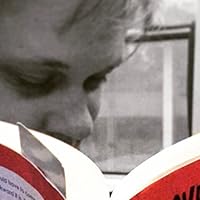
𝗝𝘂𝗹𝘆 𝟭𝟳, 𝟭𝟵𝟭𝟴. 𝗔 𝗰𝗲𝗹𝗹𝗮𝗿 𝗶𝗻 𝗘𝗸𝗮𝘁𝗲𝗿𝗶𝗻𝗯𝘂𝗿𝗴. 𝗧𝗵𝗲 𝗲𝗻𝗱 𝗼𝗳 𝟯𝟬𝟬 𝘆𝗲𝗮𝗿𝘀 𝗼𝗳 𝗥𝗼𝗺𝗮𝗻𝗼𝘃 𝗿𝘂𝗹𝗲.
“𝙏𝙝𝙚𝙞𝙧 𝙢𝙪𝙧𝙙𝙚𝙧 𝙬𝙖𝙨 𝙖 𝙬𝙖𝙮 𝙤𝙛 𝙨𝙝𝙤𝙬𝙞𝙣𝙜 𝙩𝙝𝙚 𝙬𝙤𝙧𝙡𝙙 𝙩𝙝𝙚𝙧𝙚 𝙬𝙖𝙨 𝙣𝙤 𝙬𝙖𝙮 𝙗𝙖𝙘𝙠.”
In the early hours of July 17th, 1918, Russia’s last Tsar and Tsarina, their five children and their few remaining loyal retainers were roused from their beds and led into the cellar of the Ipatiev House to their deaths.
What followed was murder - or execution, depending on your view. For its perpetrators, it was a brutal statement to the world: there was no way back. But in the West - especially at the Courts of Europe, to whom the Romanovs were bound by blood - it was seen as appallingly and unnecessarily cruel, above all the murders of the four Grand Duchesses and the young Tsarevich.
In The Last Days of the Romanovs George Gustav Telberg and Robert Wilton give us one of the very first accounts - originally published in 1920 - of the circumstances surrounding the massacre of Russia’s Imperial Family. They not only reconstruct what happened that terrible night, but also what came before: from Revolution, through captivity, to annihilation.
The first half of the book is even more chilling: it is composed of sworn statements gathered by the White Russian Government in 1919 - from members of the Imperial Court, a commandant of the guards, and even the assassins themselves.
𝙁𝙤𝙧 𝙚𝙫𝙚𝙧𝙮𝙤𝙣𝙚 𝙬𝙝𝙤 𝙪𝙣𝙙𝙚𝙧𝙨𝙩𝙖𝙣𝙙𝙨 𝙩𝙝𝙖𝙩 𝙖𝙣 𝙚𝙢𝙥𝙞𝙧𝙚 𝙙𝙤𝙚𝙨 𝙣𝙤𝙩 𝙛𝙖𝙡𝙡 𝙞𝙣 𝙖 𝙙𝙖𝙮 - 𝙞𝙩 𝙗𝙡𝙚𝙚𝙙𝙨 𝙤𝙪𝙩, 𝙤𝙣𝙚 𝙡𝙞𝙛𝙚 𝙖𝙩 𝙖 𝙩𝙞𝙢𝙚.
PS. A necessary note: for all its value as a primary source, this 1920 account has a deeply uncomfortable edge. Wilton in particular leans heavily into the antisemitism and anti-German sentiment that was rife at the time, at points framing Jews and Germans as the driving forces behind the Revolution. It reflects the blind spots and propaganda of its era more than the complex reality of Russian revolutionary hatred. Worth reading, but with that lens firmly in mind.
“𝙏𝙝𝙚𝙞𝙧 𝙢𝙪𝙧𝙙𝙚𝙧 𝙬𝙖𝙨 𝙖 𝙬𝙖𝙮 𝙤𝙛 𝙨𝙝𝙤𝙬𝙞𝙣𝙜 𝙩𝙝𝙚 𝙬𝙤𝙧𝙡𝙙 𝙩𝙝𝙚𝙧𝙚 𝙬𝙖𝙨 𝙣𝙤 𝙬𝙖𝙮 𝙗𝙖𝙘𝙠.”
In the early hours of July 17th, 1918, Russia’s last Tsar and Tsarina, their five children and their few remaining loyal retainers were roused from their beds and led into the cellar of the Ipatiev House to their deaths.
What followed was murder - or execution, depending on your view. For its perpetrators, it was a brutal statement to the world: there was no way back. But in the West - especially at the Courts of Europe, to whom the Romanovs were bound by blood - it was seen as appallingly and unnecessarily cruel, above all the murders of the four Grand Duchesses and the young Tsarevich.
In The Last Days of the Romanovs George Gustav Telberg and Robert Wilton give us one of the very first accounts - originally published in 1920 - of the circumstances surrounding the massacre of Russia’s Imperial Family. They not only reconstruct what happened that terrible night, but also what came before: from Revolution, through captivity, to annihilation.
The first half of the book is even more chilling: it is composed of sworn statements gathered by the White Russian Government in 1919 - from members of the Imperial Court, a commandant of the guards, and even the assassins themselves.
𝙁𝙤𝙧 𝙚𝙫𝙚𝙧𝙮𝙤𝙣𝙚 𝙬𝙝𝙤 𝙪𝙣𝙙𝙚𝙧𝙨𝙩𝙖𝙣𝙙𝙨 𝙩𝙝𝙖𝙩 𝙖𝙣 𝙚𝙢𝙥𝙞𝙧𝙚 𝙙𝙤𝙚𝙨 𝙣𝙤𝙩 𝙛𝙖𝙡𝙡 𝙞𝙣 𝙖 𝙙𝙖𝙮 - 𝙞𝙩 𝙗𝙡𝙚𝙚𝙙𝙨 𝙤𝙪𝙩, 𝙤𝙣𝙚 𝙡𝙞𝙛𝙚 𝙖𝙩 𝙖 𝙩𝙞𝙢𝙚.
PS. A necessary note: for all its value as a primary source, this 1920 account has a deeply uncomfortable edge. Wilton in particular leans heavily into the antisemitism and anti-German sentiment that was rife at the time, at points framing Jews and Germans as the driving forces behind the Revolution. It reflects the blind spots and propaganda of its era more than the complex reality of Russian revolutionary hatred. Worth reading, but with that lens firmly in mind.

November 30, 2025
Książka powinna stanowić raczej dodatek do posiadanej już wiedzy na temat jekaterynburskiej zbrodni gdyż: a) uprzedzenie autora dotyczące wyznawców judaizmu i obarczanie ich większością winy za morderstwo razi w oczy i nawołuje do kwestionowania wierzytelności tego dzieła, b) całokształt emocjonalnego ładunku zawarty w Ostatnich Dniach Romanowów - mimo iż usprawiedliwiony stosunkiem autora do historii, która działa się właściwie na jego oczach - odrzuca od książki i zmusza do poszukania prawdy historycznej w innym utworze.
Lecz czy poleciałabym książkę? Mimo wszystko tak, ponieważ można zobaczyć też inną stronę tej historii. w tym wypadku - jak dla mnie przynajmniej - trzeba brać ją z przymrużeniem oka.
Lecz czy poleciałabym książkę? Mimo wszystko tak, ponieważ można zobaczyć też inną stronę tej historii. w tym wypadku - jak dla mnie przynajmniej - trzeba brać ją z przymrużeniem oka.

August 5, 2010
This was an interesting look at the last days of Russia's last Tzar. I enjoyed it well enough, because I've always been fascinated by the mystery surrounding the Romanovs and the missing children when the bodies were found.

September 8, 2010
Interesting about the murder of the Romanov family


February 2, 2021
I enjoyed learning some of the interesting timeline, but I definitely feel I need to read other accounts of this event.
Displaying 1 - 14 of 14 reviews