

What do you think?

The Wartesaal Trilogy #1
Success: Three Years in the Life of a Province
An enthralling roman à clé depicting the rise of Nazi-ideology in Germany.
Martin Krueger, a museum director in Munich, has become quite unpopular and some people would like to be rid of him. Consequently, the lawsuit against him does not turn out to his favor. However, his friends keep fighting to prove his innocence.
“The novel ‘Success’ is more than a ‘documentation of Bavaria’. It turns out to be the story about the overall state of affairs in the epoch of incipient Nazism in Germany.” Victor Klemperer
Martin Krueger, a museum director in Munich, has become quite unpopular and some people would like to be rid of him. Consequently, the lawsuit against him does not turn out to his favor. However, his friends keep fighting to prove his innocence.
“The novel ‘Success’ is more than a ‘documentation of Bavaria’. It turns out to be the story about the overall state of affairs in the epoch of incipient Nazism in Germany.” Victor Klemperer
Textbook Binding
First published January 1, 1930
About the author
Lion Feuchtwanger
163 books282 followersLion Feuchtwanger was a German Jewish emigre. A renowned novelist and playwright who fled Europe during World War II and lived in Los Angeles from 1941 until his death.
A fierce critic of the Nazi regime years before it assumed power precipitated his departure, after a brief internment in France, from Europe. He and his wife Marta obtained asylum in the United States in 1941 and remained there in exile until they died.
A fierce critic of the Nazi regime years before it assumed power precipitated his departure, after a brief internment in France, from Europe. He and his wife Marta obtained asylum in the United States in 1941 and remained there in exile until they died.
Ratings & Reviews
Friends & Following
Create a free account to discover what your friends think of this book!
Community Reviews
Displaying 1 - 30 of 38 reviews

June 7, 2023
This is the first book in the Wartesaal (Waiting Room) Trilogy. The main character is Martin Krüger, a public art gallery director in Munich, who makes himself unpopular by hanging controversial paintings in his gallery. Because justice has become purely an instrument of political power in interwar Germany and particularly in Bavaria, Krüger is subjected to a trumped up charge of perjury and is tried and imprisoned. For the next 900 pages (this is a very long novel!) his friend Johanna Krain does everything to try and influence the powers that be to retry him, grant him an amnesty, or otherwise free Krüger. Along the way, the reader gets to know many of the powerful and influential people of that time (the Weimar Republic) in Munich, only some of whom are fictional. However, those that aren’t are not called by their real names, but it is pretty easy to guess (or look up) who is who. The obvious one is Adolf Hitler, who is called ‘Rupert Kutzner’ in the book.
In many ways the narrative of the novel is secondary. What really counts is the way that Feuchtwanger shows us all of the ills that beset Bavaria and the Reich just after WW1, and that allowed and facilitated the rise of Hitler’s Nazis and German fascism in general. Especially relevant in this respect is the impossible burden of war reparations that was imposed on Germany by the allied victors of WW1, leading indirectly to inflation and eventually to hyperinflation, culminating with the humiliating occupation of the Ruhrgebiet (Germany’s main primary industrial area) by French and Belgian forces, in an effort to extract reparations in kind. Furthermore, Feuchtwanger shows graphically the decline of judiciary and governance standards, as well as the abject destitution of the general populace, in a formerly well-ordered country, after ordinary people had been led to believe by their duplicitous leaders that they could win the Great War, right to the end, when it had already become clear that they would lose, thus plunging Germany into societal upheaval and ruin.
Bavaria does not get off easily either, which Feuchtwanger describes as backward, narrow-minded, stubborn, xenophobic, and inherently antisemitic. He should know: he grew up in a Jewish family in Munich. By the way, the book ends with the failed Beer Hall Putsch of Hitler’s Nazis (in the book they are sarcastically called ‘Die Wahrhaft Deutschen’, the ‘True Germans’).
This is one of the most informative and at the same time entertaining books I have read in a long time. Feuchtwanger is a great story teller, using every device (including humour) masterfully. This book is a real masterpiece in my opinion! The other two books in the trilogy (‘Die Geschwister Oppermann’ and ‘Exil’) are also terrific (you can read my reviews if you’re interested).
In many ways the narrative of the novel is secondary. What really counts is the way that Feuchtwanger shows us all of the ills that beset Bavaria and the Reich just after WW1, and that allowed and facilitated the rise of Hitler’s Nazis and German fascism in general. Especially relevant in this respect is the impossible burden of war reparations that was imposed on Germany by the allied victors of WW1, leading indirectly to inflation and eventually to hyperinflation, culminating with the humiliating occupation of the Ruhrgebiet (Germany’s main primary industrial area) by French and Belgian forces, in an effort to extract reparations in kind. Furthermore, Feuchtwanger shows graphically the decline of judiciary and governance standards, as well as the abject destitution of the general populace, in a formerly well-ordered country, after ordinary people had been led to believe by their duplicitous leaders that they could win the Great War, right to the end, when it had already become clear that they would lose, thus plunging Germany into societal upheaval and ruin.
Bavaria does not get off easily either, which Feuchtwanger describes as backward, narrow-minded, stubborn, xenophobic, and inherently antisemitic. He should know: he grew up in a Jewish family in Munich. By the way, the book ends with the failed Beer Hall Putsch of Hitler’s Nazis (in the book they are sarcastically called ‘Die Wahrhaft Deutschen’, the ‘True Germans’).
This is one of the most informative and at the same time entertaining books I have read in a long time. Feuchtwanger is a great story teller, using every device (including humour) masterfully. This book is a real masterpiece in my opinion! The other two books in the trilogy (‘Die Geschwister Oppermann’ and ‘Exil’) are also terrific (you can read my reviews if you’re interested).

December 24, 2019
Mindenekelőtt megragadnám az alkalmat, hogy boldog karácsonyt kívánjak mindenkinek. El ne felejtsétek résnyire nyitni az ablakot, mert a Jézuska nem tud majd bejönni az angyalkákkal, és akkor szomorúak lesznek a gyerekek. Továbbá ellenőrizzétek, hogy elutaltátok-e neki az ajándékok ellenértékét (akár egyházi adó formájában), mert még a végén valami gagyit hoz. Olvassatok sokat a továbbiakban is, mégpedig lehetőleg jobb könyveket, mint ez – rosszabbakat pedig csak akkor, ha perverz vonzódás él bennetek a lehúzós értékelések megalkotása iránt.
Mert ez a regény (mint regény) nem túl jó, bár ezzel együtt bír egy erős izgalomfaktorral: a szerző ugyanis élőidőben közvetíti benne a nácizmus szárba szökkenését. A helyszín Bajorország, közelebbről München, az idő pedig a húszas évek alkonya, a válság, és egyben a szélsőségek megcombosodásának időszaka. Szereplői pedig egyfelől a kispolgári, kétszínű bajorok, akik eszik a kolbászt, isszák a sört, közben pedig golyvát növesztenek és köpködnek mindenre, ami kicsit is újszerű, másfelől pedig – természetesen – az „újszerűek”, az átlagbajor köpéseinek céltáblái, akik akarnak valami jobbat, többet, mint a botor tömeg, csak gyakran azt nem tudják, pontosan mit. Az ő lelkükért küzdenek a kommunisták és a soviniszták, utóbbiak némileg nagyobb eséllyel, mert 1.) a kispolgári bajorok szeretik, ha valaki a szuverén Bajorországról áradozik nekik, és hát a soviniszták ebben nagyon jók 2.) a szűklátókörű politikai elit, megrettenve népszerűségüktől, körbehízelgi őket. Jegyezzük fel, Feuchtwanger a regény nyomdába kerülésekor még nem tudhatta, hogy pár év, és a kötet egyik mellékszereplőjének, Rupert Kutznernek az „eredetije”, bizonyos Adolf Hitler kancellár lesz, és ezzel a német nép tesz egy nagy lépést a sírgödör felé – ám megsejtett valamit a korszellemből, amibe bele volt kódolva az önpusztítás eme kacifántos módja. A társadalmi haláltánc ábrázolása tehát méltó az érdeklődése – de a megírás mikéntje számos sebből vérzik.
Aminek oka talán az, hogy ha egy író olyan problémákról ír, amelyek túlságosan az elevenjébe vágnak, akkor a prófétálás és vészharangkongatás vágya felülírja regényírói talentumát. Feuchtwanger – azt hiszem – annyira meg akarta írni „A Nagy Bajor Regényt” (így, nagy kezdőbetűkkel), annyira meg akarta csinálni a maga monstre, kíméletlen igazságtablóját a korról, annyira bele akart tömködni a regénybe minden típust a számító politikustól egészen az élvhajhász táncosnőig, hogy a cselekményszövésre és a karakterábrázolásra nem maradt ereje. Valahogy nem éreztem rá a ritmusra, körülményeskedőnek, túlbeszéltnek éreztem a szöveget. Olybá tűnt, mintha Feuchtwanger csak azért dobálna bele újabb és újabb szereplőket a történet folyamába, hogy minél több szögből ábrázolhassa a trágyadombot, aminek ő Bajorországot látja. Ez a probléma a leglátványosabban Johannában érhető tetten, aki a számos központi szereplő közül talán a legközpontibb: őt a szerző mintha egyszerre akarná határozottnak és határozatlannak ábrázolni, amitől figurája riasztóan inkonzisztensnek, és ezáltal hiteltelennek tűnik. (Megjegyzem: bár Johannának vitán felül olyan személyiségnek kellett vón lennie, akivel az olvasó szimpatizál, de engem határozottan irritált következetlensége.)
Összegezve: társadalomtudományi értelemben aranybánya ez a könyv, mert szépen ábrázolja, hogyan rohad el belülről egy nemzet, ha polgárai az egyszerűbb és agresszívebb válaszokat részesítik előnyben. Viszont az irodalmi értékét tekintve komolyak a kétségeim. Bár ugyanazzal a tollal írta volna Feuchtwanger, mint A zsidó háború-t.
Mert ez a regény (mint regény) nem túl jó, bár ezzel együtt bír egy erős izgalomfaktorral: a szerző ugyanis élőidőben közvetíti benne a nácizmus szárba szökkenését. A helyszín Bajorország, közelebbről München, az idő pedig a húszas évek alkonya, a válság, és egyben a szélsőségek megcombosodásának időszaka. Szereplői pedig egyfelől a kispolgári, kétszínű bajorok, akik eszik a kolbászt, isszák a sört, közben pedig golyvát növesztenek és köpködnek mindenre, ami kicsit is újszerű, másfelől pedig – természetesen – az „újszerűek”, az átlagbajor köpéseinek céltáblái, akik akarnak valami jobbat, többet, mint a botor tömeg, csak gyakran azt nem tudják, pontosan mit. Az ő lelkükért küzdenek a kommunisták és a soviniszták, utóbbiak némileg nagyobb eséllyel, mert 1.) a kispolgári bajorok szeretik, ha valaki a szuverén Bajorországról áradozik nekik, és hát a soviniszták ebben nagyon jók 2.) a szűklátókörű politikai elit, megrettenve népszerűségüktől, körbehízelgi őket. Jegyezzük fel, Feuchtwanger a regény nyomdába kerülésekor még nem tudhatta, hogy pár év, és a kötet egyik mellékszereplőjének, Rupert Kutznernek az „eredetije”, bizonyos Adolf Hitler kancellár lesz, és ezzel a német nép tesz egy nagy lépést a sírgödör felé – ám megsejtett valamit a korszellemből, amibe bele volt kódolva az önpusztítás eme kacifántos módja. A társadalmi haláltánc ábrázolása tehát méltó az érdeklődése – de a megírás mikéntje számos sebből vérzik.
Aminek oka talán az, hogy ha egy író olyan problémákról ír, amelyek túlságosan az elevenjébe vágnak, akkor a prófétálás és vészharangkongatás vágya felülírja regényírói talentumát. Feuchtwanger – azt hiszem – annyira meg akarta írni „A Nagy Bajor Regényt” (így, nagy kezdőbetűkkel), annyira meg akarta csinálni a maga monstre, kíméletlen igazságtablóját a korról, annyira bele akart tömködni a regénybe minden típust a számító politikustól egészen az élvhajhász táncosnőig, hogy a cselekményszövésre és a karakterábrázolásra nem maradt ereje. Valahogy nem éreztem rá a ritmusra, körülményeskedőnek, túlbeszéltnek éreztem a szöveget. Olybá tűnt, mintha Feuchtwanger csak azért dobálna bele újabb és újabb szereplőket a történet folyamába, hogy minél több szögből ábrázolhassa a trágyadombot, aminek ő Bajorországot látja. Ez a probléma a leglátványosabban Johannában érhető tetten, aki a számos központi szereplő közül talán a legközpontibb: őt a szerző mintha egyszerre akarná határozottnak és határozatlannak ábrázolni, amitől figurája riasztóan inkonzisztensnek, és ezáltal hiteltelennek tűnik. (Megjegyzem: bár Johannának vitán felül olyan személyiségnek kellett vón lennie, akivel az olvasó szimpatizál, de engem határozottan irritált következetlensége.)
Összegezve: társadalomtudományi értelemben aranybánya ez a könyv, mert szépen ábrázolja, hogyan rohad el belülről egy nemzet, ha polgárai az egyszerűbb és agresszívebb válaszokat részesítik előnyben. Viszont az irodalmi értékét tekintve komolyak a kétségeim. Bár ugyanazzal a tollal írta volna Feuchtwanger, mint A zsidó háború-t.

November 5, 2025
Bavaria 1921. The nationalist conservative forces in power use a controlled judicial system to get rid of disliked opponents. Does that ring a bell?
Success is the story of Martin Krüger, a Munich museum director out-of-favor with those in power due to the art he displays, due to his opinions and his unconventional behaviour. He gets sentenced for a false oath which actually wasn't false. The outcome of this trial was clear from the beginning for the judge. Krüger doesn't stand a chance. He gets sentenced to three years in prison. The majority of the book is about his friends and his wife trying to get an amnesty or a revision of the trial. And about the ones who had an interest in getting him sentenced.
But Success is much more than that. It is the book "Bavaria". On a meta level, in the very last chapters of the book after 850 pages we learn about this project of Feuchtwanger's alter ego Jacques Tüverlin. That he's planning to write this book. The case of the sentenced Krüger is the common thread running through the narration. The viewpoints shift between a lot of characters, showcasing different parts of society. An all encompassing view of Bavaria in the early 1920s. Feuchtwanger depicts the Bavarians as a bunch of dull ignorant backward people. He's showcasing the mindsets leading toward the Third Reich. Written in 1930 before it even began.
Feuchtwanger takes a deep dive into the mindsets of the people who support the "True Germans" from the start as the Nazi party is called in this book. A fascinating look knowing that this was written before the Nazis took power in Germany. The signs on the horizon could be read by attentive observers. All the opportunists joining the Nazis for various egoistic reasons. Making a career, feeling disadvantaged, using the Nazis to get rid of the communists hindering business.
Feuchtwanger uses the collage technique to give width to his picture of society. Epitaphs for four random Bavarians, repeated mention of the exchange rate of the dollar to the Reichsmark and prices for bread, seemingly unrelated chapters like the one about the successes and failures of Amundsen's polar expeditions. Success is written as a historical novel even though it treats a then contemporary topic. Feuchtwanger himself said that he wanted Success to be read as if it was written in the year 2000, looking back at the events leading to the Hitler putsch in November 1923. The inflation, the dissatisfaction with the peace treaty from Versailles, the political disruptions caused by the shift from monarchy to republic. All this is done as a roman à clef (Schlüsselroman). Hitler is Rupert Kutzner, Ludendorff is General Vesemann, the Bavarian minister president Gustav von Kahr is Flaucher. Feuchtwanger is Tüvelin, Bertolt Brecht is Pröckel. Krüger on the other hand does not stand for an individual but for the ones pursued by the corrupted judicial system in general.
The injustice occured to Krüger in this corrupted judicial system is the pivotal point of the story. Justicia isn't blind anymore, justice is misused by those in power to support their goals. From this, all the evil about to happen followed. It was the first enabler. Once justice cannot be relied upon and judges the same crimes differently, Pandora's Box is opened. The right-wing nationalist forces are barely prosecuted while leftists can be sentenced even when they are the victims of a right-wing attack and act in self-defense. Leftist politicians and activist workers got much more severe sentences than Hitler for his putsch. His co-conspirator Ludendorff even was acquitted.
Success has a disturbing relevance nowadays. The Trump government uses the exact same mechanisms of justice to erode the democratic system. Legislation is surpassed by decrees, the judicial system has been aligned to politics from the top. The executive is used to pursue opponents and deter any resistance. It worked once back then. Feuchtwanger with his book Success wanted to wake up and educate the voters before it was too late. To no avail, his book was rejected by the right and the left. Unluckily, an 870 page tome from a century back won't change things nowadays either. History repeating.
Success is the story of Martin Krüger, a Munich museum director out-of-favor with those in power due to the art he displays, due to his opinions and his unconventional behaviour. He gets sentenced for a false oath which actually wasn't false. The outcome of this trial was clear from the beginning for the judge. Krüger doesn't stand a chance. He gets sentenced to three years in prison. The majority of the book is about his friends and his wife trying to get an amnesty or a revision of the trial. And about the ones who had an interest in getting him sentenced.
But Success is much more than that. It is the book "Bavaria". On a meta level, in the very last chapters of the book after 850 pages we learn about this project of Feuchtwanger's alter ego Jacques Tüverlin. That he's planning to write this book. The case of the sentenced Krüger is the common thread running through the narration. The viewpoints shift between a lot of characters, showcasing different parts of society. An all encompassing view of Bavaria in the early 1920s. Feuchtwanger depicts the Bavarians as a bunch of dull ignorant backward people. He's showcasing the mindsets leading toward the Third Reich. Written in 1930 before it even began.
Feuchtwanger takes a deep dive into the mindsets of the people who support the "True Germans" from the start as the Nazi party is called in this book. A fascinating look knowing that this was written before the Nazis took power in Germany. The signs on the horizon could be read by attentive observers. All the opportunists joining the Nazis for various egoistic reasons. Making a career, feeling disadvantaged, using the Nazis to get rid of the communists hindering business.
Feuchtwanger uses the collage technique to give width to his picture of society. Epitaphs for four random Bavarians, repeated mention of the exchange rate of the dollar to the Reichsmark and prices for bread, seemingly unrelated chapters like the one about the successes and failures of Amundsen's polar expeditions. Success is written as a historical novel even though it treats a then contemporary topic. Feuchtwanger himself said that he wanted Success to be read as if it was written in the year 2000, looking back at the events leading to the Hitler putsch in November 1923. The inflation, the dissatisfaction with the peace treaty from Versailles, the political disruptions caused by the shift from monarchy to republic. All this is done as a roman à clef (Schlüsselroman). Hitler is Rupert Kutzner, Ludendorff is General Vesemann, the Bavarian minister president Gustav von Kahr is Flaucher. Feuchtwanger is Tüvelin, Bertolt Brecht is Pröckel. Krüger on the other hand does not stand for an individual but for the ones pursued by the corrupted judicial system in general.
The injustice occured to Krüger in this corrupted judicial system is the pivotal point of the story. Justicia isn't blind anymore, justice is misused by those in power to support their goals. From this, all the evil about to happen followed. It was the first enabler. Once justice cannot be relied upon and judges the same crimes differently, Pandora's Box is opened. The right-wing nationalist forces are barely prosecuted while leftists can be sentenced even when they are the victims of a right-wing attack and act in self-defense. Leftist politicians and activist workers got much more severe sentences than Hitler for his putsch. His co-conspirator Ludendorff even was acquitted.
Success has a disturbing relevance nowadays. The Trump government uses the exact same mechanisms of justice to erode the democratic system. Legislation is surpassed by decrees, the judicial system has been aligned to politics from the top. The executive is used to pursue opponents and deter any resistance. It worked once back then. Feuchtwanger with his book Success wanted to wake up and educate the voters before it was too late. To no avail, his book was rejected by the right and the left. Unluckily, an 870 page tome from a century back won't change things nowadays either. History repeating.

February 7, 2023
I inherited my battered hard-covered copy of this book (translated into English from the original German) from my German-Jewish grandfather. The book had been sitting on my bookshelf for years and I knew very little about it. I pulled it out only recently after learning that The Oppermanns, a sort of sequel to this one, was being re-published. (While the English translation of Erfolg (the German title) appears to be out of print, quite a decent facsimile of this 1930 publication is available free for downloading from the Internet Archive.)
Lion Feuchtwanger, a German Jew, escaped Germany in 1933. In the late 1920s when he wrote it, the movement for National Socialism seemed to have failed. Indeed, among other key narrative threads related to corruption and growing extremist politics, the later chapters of the novel provide an only lightly fictionalized story of the Beer Hall Putsch. The Nazis here are called True Germans. Adolf Hitler is called Rudolf Kutzner. There are many characters in this novel and I admit that I had trouble throughout keeping up with who is who. At least several characters are fictionalized versions of historical figures or friends of the author. Kasper Prökl for example is based on Bertolt Brecht, a friend and collaborator of Feuchtwanger. Jacques Tüverlin is based on Feuchtwanger himself. Although I could only identify a very few of them, there are many others that have real-life counterparts. While there are forays to Berlin and Paris, Weimar Munich is the primary setting and, more than any of these characters, that city is the novel’s main character.
In addition to the ubiquity of corruption in German politics and the legal system, a major theme of the novel concerns the rise of Nazism. While the book is far from optimistic about the Germany’s political prospects, it does appear to assume that, however corrupt the institutional systems remain, Nazism at least was in deep retreat following the failure of the Putsch. To my mind this error in prediction makes the book even more important and relevant for our own time. It would, of course, be foolish to regard this novel as speaking directly to us today about our current political situation in the United States, all the same—damn it!—this novel has much to say about our current political situation in the United States. Knowing as we do what ultimately did happen to Germany just a few years beyond its 1930 publication makes this book all the more valuable. It is a more important cautionary tale beyond what its fine author thought he’d written.
Apart from this warning (particularly for we Americans witnessing the Republican Party transforming into a nascent party of fascism), the novel has great literary merit. Feuchtwanger’s book has been compared to Dos Passos’ Manhattan Transfer and USA Trilogy, in that like Dos Passos his overriding aim was to a paint a vivid panorama of an entire complex culture. I agree, although in contrast to those excellent Dos Passos’ novels, and despite the narrative sprawl, there is more of an underlying story tying this novel together—Martin Kruger’s railroaded incarceration owing to the liberal, aesthetic, political, and artistic choices he’s made as the director of the great art museum in Munich, along with his foreign (Bohemian) nationality.
There are weaknesses in the novel (4.5 stars rounded up), or perhaps weaknesses in my ability to keep track of so many people and their activities, but ultimately this long-forgotten novel achieves greatness and has continuing relevance for us today.
Lion Feuchtwanger, a German Jew, escaped Germany in 1933. In the late 1920s when he wrote it, the movement for National Socialism seemed to have failed. Indeed, among other key narrative threads related to corruption and growing extremist politics, the later chapters of the novel provide an only lightly fictionalized story of the Beer Hall Putsch. The Nazis here are called True Germans. Adolf Hitler is called Rudolf Kutzner. There are many characters in this novel and I admit that I had trouble throughout keeping up with who is who. At least several characters are fictionalized versions of historical figures or friends of the author. Kasper Prökl for example is based on Bertolt Brecht, a friend and collaborator of Feuchtwanger. Jacques Tüverlin is based on Feuchtwanger himself. Although I could only identify a very few of them, there are many others that have real-life counterparts. While there are forays to Berlin and Paris, Weimar Munich is the primary setting and, more than any of these characters, that city is the novel’s main character.
In addition to the ubiquity of corruption in German politics and the legal system, a major theme of the novel concerns the rise of Nazism. While the book is far from optimistic about the Germany’s political prospects, it does appear to assume that, however corrupt the institutional systems remain, Nazism at least was in deep retreat following the failure of the Putsch. To my mind this error in prediction makes the book even more important and relevant for our own time. It would, of course, be foolish to regard this novel as speaking directly to us today about our current political situation in the United States, all the same—damn it!—this novel has much to say about our current political situation in the United States. Knowing as we do what ultimately did happen to Germany just a few years beyond its 1930 publication makes this book all the more valuable. It is a more important cautionary tale beyond what its fine author thought he’d written.
Apart from this warning (particularly for we Americans witnessing the Republican Party transforming into a nascent party of fascism), the novel has great literary merit. Feuchtwanger’s book has been compared to Dos Passos’ Manhattan Transfer and USA Trilogy, in that like Dos Passos his overriding aim was to a paint a vivid panorama of an entire complex culture. I agree, although in contrast to those excellent Dos Passos’ novels, and despite the narrative sprawl, there is more of an underlying story tying this novel together—Martin Kruger’s railroaded incarceration owing to the liberal, aesthetic, political, and artistic choices he’s made as the director of the great art museum in Munich, along with his foreign (Bohemian) nationality.
There are weaknesses in the novel (4.5 stars rounded up), or perhaps weaknesses in my ability to keep track of so many people and their activities, but ultimately this long-forgotten novel achieves greatness and has continuing relevance for us today.

February 17, 2023
Der Roman bildet großartig die Zeit der Weimarer Republik 1921-1924 ab und war damit eine Parallellektüre zu den Sachbüchern, das Jahr 1923 betreffend. Klare Sprache, klare bayerische Charakteure, aber keiner war für mich berührend. Ich habe den Roman immer eher als Sachbuch angenommen.

May 9, 2026
Anspruchsvoller Zeitroman, der angesichts der Parallelen zur Gegenwart besonders lesenswert ist, allerdings auch nicht ganz einfach zu lesen, wenn man sich mit der bayrischen Politprominenz der Weimarer Republik nicht gut auskennt.

August 9, 2014
It's hard to find anything written about this book. It's been out of print a long time. What you do find describes it as being about the rise and fall of the Nazi party. That is part of what it's about. It was published in 1930 and the author eventually found to his surprise that, to paraphrase Mark Twain, reports of the fall of the Nazis were premature. Feuchtwanger was imprisoned in France, first by the French because he was a German, and then by the Vichy government because he was wanted by the Nazis. It's sometimes hard to please anyone. He escaped with the aid of an American diplomat aided by Eleanor Roosevelt. That sounds like the idea for a pretty good novel.
On the surface, Success is mostly about Martin Krüger, who is convicted and jailed unjustly in post World War I Bavaria, and Johanna Krain, who spends the better part of two years trying to free him. This story segues into an extremely thinly veiled, novelized version of the beer hall putsch of 1923. Success was published in 1930, and at that point it appeared that the Nazi party was disappearing into insignificance. It wasn't until the Reichstag elections of September 1930 that the party polled a significant percentage of the vote. While the novel is a damning account of the early rise of the Nazi party, that doesn't appear to me to be the actual point of the story.
I won't tell you about Krüger's fate in case you decide to find and read the book. In my (humble) opinion though, what Success is really about can be summed up by the quote from its final pages,
Now the voice was speaking of the Market of Justice...Martin Krüger...found himself in one of the worst booths in that market. Do not tell me that he is dead and his fate is finished with. The market still goes on, and you are all doomed to be its customers.
Success is about injustice and the breakdown of law and order, which are two different things. It is set in Bavaria in the early 1920's, but the story is more universal than that. There are a few people who are dead set against Martin Krüger being freed, a few people who want to free him, and a lot of people who don't really care. Throughout the book, this single injustice is shrugged away as just one example in a society that doesn't appear to value justice since the end of the Great War (WWI). As the True Germans (Nazis) begin to rise and become more and more violent, they become the obstacle to Krüger's freedom. But even when the putsch fails embarrassingly (as did the real one) and their leader Rupert Kutzner (aka Adolf Hitler) flees the field leaving his supporters to the guns of the Army, and it appears that the True Germans are being swept away from power (temporarily as it turned out in real life), the injustice rolls on.
Finally, the novel is also about how little anyone can actually do to help someone else when society turns its back on him. There is a great quote in this book. "Life is a primitive jungle through which everyone had to hack his own path." That is a realization most parents are forced to accept in some form as their children become adults, and the conclusion that Johanna Krain ultimately comes to.
I can't honestly say that I was impressed by the actual prose. It's hard to know whether the issues were with the writing or the translation, but it drags in parts and the characters flip emotionally with a speed that can give whiplash to a reader trying to keep up. There are also a lot of superfluous characters who don't have any real role in the story. Having said that though, I was never tempted to give up on it and the second half picked up a great deal from the first. It's worth getting ahold of a copy. It is an ambitious and important story. I'll certainly be looking for some of Feuchtwanger's other works.
On the surface, Success is mostly about Martin Krüger, who is convicted and jailed unjustly in post World War I Bavaria, and Johanna Krain, who spends the better part of two years trying to free him. This story segues into an extremely thinly veiled, novelized version of the beer hall putsch of 1923. Success was published in 1930, and at that point it appeared that the Nazi party was disappearing into insignificance. It wasn't until the Reichstag elections of September 1930 that the party polled a significant percentage of the vote. While the novel is a damning account of the early rise of the Nazi party, that doesn't appear to me to be the actual point of the story.
I won't tell you about Krüger's fate in case you decide to find and read the book. In my (humble) opinion though, what Success is really about can be summed up by the quote from its final pages,
Now the voice was speaking of the Market of Justice...Martin Krüger...found himself in one of the worst booths in that market. Do not tell me that he is dead and his fate is finished with. The market still goes on, and you are all doomed to be its customers.
Success is about injustice and the breakdown of law and order, which are two different things. It is set in Bavaria in the early 1920's, but the story is more universal than that. There are a few people who are dead set against Martin Krüger being freed, a few people who want to free him, and a lot of people who don't really care. Throughout the book, this single injustice is shrugged away as just one example in a society that doesn't appear to value justice since the end of the Great War (WWI). As the True Germans (Nazis) begin to rise and become more and more violent, they become the obstacle to Krüger's freedom. But even when the putsch fails embarrassingly (as did the real one) and their leader Rupert Kutzner (aka Adolf Hitler) flees the field leaving his supporters to the guns of the Army, and it appears that the True Germans are being swept away from power (temporarily as it turned out in real life), the injustice rolls on.
Finally, the novel is also about how little anyone can actually do to help someone else when society turns its back on him. There is a great quote in this book. "Life is a primitive jungle through which everyone had to hack his own path." That is a realization most parents are forced to accept in some form as their children become adults, and the conclusion that Johanna Krain ultimately comes to.
I can't honestly say that I was impressed by the actual prose. It's hard to know whether the issues were with the writing or the translation, but it drags in parts and the characters flip emotionally with a speed that can give whiplash to a reader trying to keep up. There are also a lot of superfluous characters who don't have any real role in the story. Having said that though, I was never tempted to give up on it and the second half picked up a great deal from the first. It's worth getting ahold of a copy. It is an ambitious and important story. I'll certainly be looking for some of Feuchtwanger's other works.

December 20, 2016
As Moby-Dick; or, The Whale is to whaling, this book is to the conditions that led to the rising of the Nazis (called True Germans in the book) in and near Munich 1921-1923. This is an in depth exhaustive study that captures the atmosphere of the time. The plot involves an art critic who displays some articles that offended and is brought up on trumped up charges. The plot seemed to be secondary and to drag at times because the author wanted to be very descriptive. Readers who liked The Magic Mountain might like this as well. There is a reference to werewolves in the book.

July 24, 2016
Ein mächtiger Roman. Lion Feuchtwanger erzählt in einer wunderschönen Sprache von einem München der frühen 1920er Jahre und bringt mir so einen Teil der Geschichte dieser Stadt näher, über den in dieser Form selten gesprochen wird.
Die, in meiner Generation viel gestellte Frage "Wie konnte das passieren?" wird hier, für mich ganz neu beleuchtet und erklärt.
Das München in dem ich heute Lebe hat gottseidank mit dem München von damals nur noch wenig gemeinsam - was eine neue Erkenntniss für mich war.
"Große Reiche vergehen, ein gutes Buch bleibt." - mit diesen Worten möchte ich diesen Roman jedem ans Herz legen, der München heute kennt, jedem der die 1920er und 1930er Jahre nicht kennt und jedem der gerne gute Bücher liest :)
Die, in meiner Generation viel gestellte Frage "Wie konnte das passieren?" wird hier, für mich ganz neu beleuchtet und erklärt.
Das München in dem ich heute Lebe hat gottseidank mit dem München von damals nur noch wenig gemeinsam - was eine neue Erkenntniss für mich war.
"Große Reiche vergehen, ein gutes Buch bleibt." - mit diesen Worten möchte ich diesen Roman jedem ans Herz legen, der München heute kennt, jedem der die 1920er und 1930er Jahre nicht kennt und jedem der gerne gute Bücher liest :)

June 25, 2026
Feuchtwanger sagt über dieses Buch (in Centum opuscula: Eine Auswahl), dass er hier nicht Einzelindividuen behandelt, sondern eine Gruppe von acht Personen, und daneben dreißig anderen, die denen an Wichtigkeit fast gleichkommen und weiteren hundert, die unbedeutend sind, „jedoch dem Werk jene Lebensfülle verleihen, die ich suche. Unter diesen – den acht, den dreißig und den hundert – rangiert die große Masse, das bayrische Volk.”
Es ist gar nicht so einfach, zu entscheiden, wer zu den acht gehört. Sicher der Kunstkritiker Martin Krüger. Der wird wegen eines angeblichen Meineids zu einer Gefängnisstrafe verurteilt. Wir befinden uns in München in den Jahren zwischen 1921 und 1924. Es handelt sich um einen politischen Prozess, denn der Mann hat Bilder ausgestellt, die man, so die Meinung von Personen, die glauben, das beurteilen zu können, dem bayrischen Volk nicht zugemutet werden können. Unter anderem ein Selbst-Aktportrait einer Künstlerin, die sich umbringt. Mit der habe Krüger eine Beziehung gehabt, was Krüger per Eid bestreitet. Ein Taxifahrer sagt aber per Eid aus, er habe ihn vor ihrer Wohnung abgesetzt. Ein absurdes Verfahren. Dass der Taxifahrer gelogen hat, ist jedem klar, er prahlt damit und endet in einer Kneipenschlägerei. Dessen Frau will die Sache klarstellen, um den Gatten aus dem Fegefeuer zu befreien, aber so ganz klappt das nicht. Es stehen im Raum Wiederaufnahmeverfahren und Begnadigung. Das ist der rote Faden des Buches.
Tatsächlich gibt es dann aber eine Unmenge von Einzelepisoden. Über die Freundin des Mannes, Johanna, die den Mann (Martin Krüger wird von Feuchtwanger fast durchgängig als der Mann Krüger bezeichnet, aus irgendeinem Grund) aus, möglicherweise falsch verstandener Solidarität, im Gefängnis heiratet. Sie ist bereit, einen echten Meineid zu leisten. Gegen den Rat des Anwalts. Der Anwalt hat einen unehelichen Sohn, der der politischen Partei der Wahrhaften Deutschen angehört, in denen auch der unbedarfte Leser die NSDAP erkennt. Hitler taucht als Rupert Kutzner auf, er gehört zu den dreißig. Mit diesem unehelichen Sohn, der der Windige genannt wird, hat Johanna ein Verhältnis. So wie zu einem der Geschworenen und mit einem Schriftsteller, der sie in einer Szene vor ein paar Rüpeln schützt, Jacques Tüverlin. Tüverlin ist, wie man nachlesen muss, in Wahrheit Feuchtwanger. Wir haben es mit einem Schlüsselroman zu tun. Es tauchen auf Bertolt Brecht, Karl Valentin, Ludwig Thoma, Ludwig Ganghofer, Ludendorf und etliche andere, allerdings nicht so, dass ich das ohne Schlüssel erkannt hätte.
In einem der stärksten Kapitel begeht der Windige einen Fememord, zusammen mit dem Bruder Hitlers. Wie Feuchtwanger das Opfer (unschuldig) in wenigen Sätzen vorstellt, um ihr ein menschliches Gesicht zu geben und um den abscheulichen Mord noch abscheulicher zu machen, ist genial. (Der Bruder stellt sich schließlich, wird aber von der Polizei abgewiesen.)
Großartig auch die Kapitel, in denen kurz einzelne Personen, die nichts mit der Handlung zu tun haben, vorgestellt werden. Drei eheliche, dreizehn uneheliche Kinder. Soundsoviele Eide, davon soundsoviele falsch. Ein Wortschatz von 620 Wörtern. Ein General hat keinen viel größeren Wortschatz. Fünf oder sechs typische Bayern. Alle werden zu Grabe getragen zu den schönen Klängen von Ich hatt' einen Kameraden.
Einer Frau wird ein Staubsauger verkauft, ein anderer verkauft ihr einen günstigeren, verspricht, sich um den anderen Vertrag zu kümmern. Die Frau muss beide bezahlen, es kommt zum Prozess. Der endet mit einem Kompromiss. Das Resultat ist, dass sich die Frau, der Vertreter von Triumph und der Vertreter von Apollo alle betrogen fühlen. Und alle wenden sich in ihrer Empörung den Wahrhaft Deutschen zu. Besser kann man es nicht darstellen.
Der Geschworene hat eine Keramikfabrik und eine Freundin, die sich um ihn kümmert, nachdem er Konkurs anmeldet (wir befinden uns in der Zeit der Hyperinflation). Seinen Kram, unter anderem eines der Bilder, um die es zu Anfang ging, muss er versteigern. Eine Tennisspielerin bringt sich um, weil sie sich den Arm gebrochen hat.
Warum heißt der Fünfte Evangelist, der Fünfte Evangelist?
Tüverlin hat erst keinen Erfolg mit einer Revue, dann aber schließlich doch. Geht es um den Erfolg der Nordpolexpedtion? Tatsächlich geht es um den Jahrmarkt der Gerechtigkeit. Das ist der Titel, den Tüverlin dem Roman gibt, den er über die Affäre Krüger innerhalb dieses Romans schreibt, worin selbstverständlich die Figuren verfremdet sind, denn es geht um prinzipielle Fragen, die die Leser noch in fünfzig Jahren (und wir nach hundert) verstehen sollen. Sprechen die Toten, oder schweigen sie? Johanna macht dagegen einen Film zu dem Thema.
Ein wunderbares Buch, das allerdings Längen hat. Hat mir nicht viel ausgemacht, denn auch in den langweiligeren Kapiteln wird man immer wieder mit gelungenen Passagen bei der Stange gehalten: Der unlogischste Mann, der mir je untergekommen ist, sagte Tüverlin anerkennend.
Die Figuren sind insgesamt nicht glaubwürdig (gut, das ist Absicht). Besonders Johanna. Ich hätte mir doch etwas mehr Profil gewünscht.
Am Ende wird die 11. Feuerbachthese auf den Kopf gestellt. „Die Philosophen haben die Welt nur verschieden interpretiert; es kommt aber darauf an, sie zu verändern.“ Nein, sagt Feuchtwanger, und allein dafür verehre ich ihn. Es kommt darauf an, die Welt zu erklären. Dieser Roman trägt dazu bei.
9/10
Es ist gar nicht so einfach, zu entscheiden, wer zu den acht gehört. Sicher der Kunstkritiker Martin Krüger. Der wird wegen eines angeblichen Meineids zu einer Gefängnisstrafe verurteilt. Wir befinden uns in München in den Jahren zwischen 1921 und 1924. Es handelt sich um einen politischen Prozess, denn der Mann hat Bilder ausgestellt, die man, so die Meinung von Personen, die glauben, das beurteilen zu können, dem bayrischen Volk nicht zugemutet werden können. Unter anderem ein Selbst-Aktportrait einer Künstlerin, die sich umbringt. Mit der habe Krüger eine Beziehung gehabt, was Krüger per Eid bestreitet. Ein Taxifahrer sagt aber per Eid aus, er habe ihn vor ihrer Wohnung abgesetzt. Ein absurdes Verfahren. Dass der Taxifahrer gelogen hat, ist jedem klar, er prahlt damit und endet in einer Kneipenschlägerei. Dessen Frau will die Sache klarstellen, um den Gatten aus dem Fegefeuer zu befreien, aber so ganz klappt das nicht. Es stehen im Raum Wiederaufnahmeverfahren und Begnadigung. Das ist der rote Faden des Buches.
Tatsächlich gibt es dann aber eine Unmenge von Einzelepisoden. Über die Freundin des Mannes, Johanna, die den Mann (Martin Krüger wird von Feuchtwanger fast durchgängig als der Mann Krüger bezeichnet, aus irgendeinem Grund) aus, möglicherweise falsch verstandener Solidarität, im Gefängnis heiratet. Sie ist bereit, einen echten Meineid zu leisten. Gegen den Rat des Anwalts. Der Anwalt hat einen unehelichen Sohn, der der politischen Partei der Wahrhaften Deutschen angehört, in denen auch der unbedarfte Leser die NSDAP erkennt. Hitler taucht als Rupert Kutzner auf, er gehört zu den dreißig. Mit diesem unehelichen Sohn, der der Windige genannt wird, hat Johanna ein Verhältnis. So wie zu einem der Geschworenen und mit einem Schriftsteller, der sie in einer Szene vor ein paar Rüpeln schützt, Jacques Tüverlin. Tüverlin ist, wie man nachlesen muss, in Wahrheit Feuchtwanger. Wir haben es mit einem Schlüsselroman zu tun. Es tauchen auf Bertolt Brecht, Karl Valentin, Ludwig Thoma, Ludwig Ganghofer, Ludendorf und etliche andere, allerdings nicht so, dass ich das ohne Schlüssel erkannt hätte.
In einem der stärksten Kapitel begeht der Windige einen Fememord, zusammen mit dem Bruder Hitlers. Wie Feuchtwanger das Opfer (unschuldig) in wenigen Sätzen vorstellt, um ihr ein menschliches Gesicht zu geben und um den abscheulichen Mord noch abscheulicher zu machen, ist genial. (Der Bruder stellt sich schließlich, wird aber von der Polizei abgewiesen.)
Großartig auch die Kapitel, in denen kurz einzelne Personen, die nichts mit der Handlung zu tun haben, vorgestellt werden. Drei eheliche, dreizehn uneheliche Kinder. Soundsoviele Eide, davon soundsoviele falsch. Ein Wortschatz von 620 Wörtern. Ein General hat keinen viel größeren Wortschatz. Fünf oder sechs typische Bayern. Alle werden zu Grabe getragen zu den schönen Klängen von Ich hatt' einen Kameraden.
Einer Frau wird ein Staubsauger verkauft, ein anderer verkauft ihr einen günstigeren, verspricht, sich um den anderen Vertrag zu kümmern. Die Frau muss beide bezahlen, es kommt zum Prozess. Der endet mit einem Kompromiss. Das Resultat ist, dass sich die Frau, der Vertreter von Triumph und der Vertreter von Apollo alle betrogen fühlen. Und alle wenden sich in ihrer Empörung den Wahrhaft Deutschen zu. Besser kann man es nicht darstellen.
Der Geschworene hat eine Keramikfabrik und eine Freundin, die sich um ihn kümmert, nachdem er Konkurs anmeldet (wir befinden uns in der Zeit der Hyperinflation). Seinen Kram, unter anderem eines der Bilder, um die es zu Anfang ging, muss er versteigern. Eine Tennisspielerin bringt sich um, weil sie sich den Arm gebrochen hat.
Warum heißt der Fünfte Evangelist, der Fünfte Evangelist?
Tüverlin hat erst keinen Erfolg mit einer Revue, dann aber schließlich doch. Geht es um den Erfolg der Nordpolexpedtion? Tatsächlich geht es um den Jahrmarkt der Gerechtigkeit. Das ist der Titel, den Tüverlin dem Roman gibt, den er über die Affäre Krüger innerhalb dieses Romans schreibt, worin selbstverständlich die Figuren verfremdet sind, denn es geht um prinzipielle Fragen, die die Leser noch in fünfzig Jahren (und wir nach hundert) verstehen sollen. Sprechen die Toten, oder schweigen sie? Johanna macht dagegen einen Film zu dem Thema.
Ein wunderbares Buch, das allerdings Längen hat. Hat mir nicht viel ausgemacht, denn auch in den langweiligeren Kapiteln wird man immer wieder mit gelungenen Passagen bei der Stange gehalten: Der unlogischste Mann, der mir je untergekommen ist, sagte Tüverlin anerkennend.
Die Figuren sind insgesamt nicht glaubwürdig (gut, das ist Absicht). Besonders Johanna. Ich hätte mir doch etwas mehr Profil gewünscht.
Am Ende wird die 11. Feuerbachthese auf den Kopf gestellt. „Die Philosophen haben die Welt nur verschieden interpretiert; es kommt aber darauf an, sie zu verändern.“ Nein, sagt Feuchtwanger, und allein dafür verehre ich ihn. Es kommt darauf an, die Welt zu erklären. Dieser Roman trägt dazu bei.
9/10
Read
December 12, 2012OMG - I accidentally stumbled onto a famous German author, which explains the exquisite poignancy of this outstanding read. Translated from the German, it is like no other type of genre I've read. Written during the 1930s (literally), the author brilliantly not only foresees the terror of the coming Socialist Party, but as well shows its fallacies, foibles, prejudices and outright insanity that this party attempts to force onto Bavarian politics, and unlike the author at the time this was written, the reader realizes how prescient this brilliant man was. A fictionalized portrayal through the most banal yet amazing characters...

December 30, 2021
Es müsste Pflichtlektüre in der Schule sein und ich müsste es eigentlich direkt nochmal von vorne lesen, konzentrierter.
March 10, 2024
Es ist zwar ein Gegenwartsroman, liest sich aber absichtlich wie ein historischer, extra für uns Menschen in der Zukunft. Geniale Idee & beste Kost für meinen Weimarer-Republik Fetisch

October 20, 2012
Written in the style of another age. The sentences and paragraphs are a delight, but the weight of so many dense and meandering pages is more than I can handle at the moment, with so much else that I must read.

April 8, 2013
When this book was published in Dutch for the first time, the critics were not impressed at all. The style was sober, there was no real main character, and the setting was contemporary and by consequence not that mindblowing.
in my opinion these very same flaws actualy make up its strength
in my opinion these very same flaws actualy make up its strength

November 16, 2024
Eins der besten Bücher die ich jemals gelesen habe
Read
March 20, 2008Ein wunderbares Lesevergnügen!: Im Grunde gehts um einen Gerichtsprozess, bei dem im München der Zwanziger Jahre ein liberaler und etwas leichtlebiger Museumsdirektor zu Unrecht von der rechten Justiz zu drei Jahren Festungshaft verurteilt wird. Seine Freundin findet sich damit nicht ab und versucht, Begnadigung zu erreichen.
Das ist die Kerngeschichte, um die mehrere weitere Handlungsfäden herumgewoben sind, beispielsweise der von einem energischen kommunistischen Ingenieur, der Züge von Bertolt Brecht trägt. Außerdem wird in vielen Kapiteln das Land Bayern in seinen speziellen Sitten und der besonderen Mentalität mit ironischem und liebevollem Blick zugleich ausgebreitet, dass es eine wahre Lesefreude ist.
Trotz der Länge des Buches kommt auf keiner Seite Langeweile auf. Feuchtwanger treibt sein ironisches Spiel mit denjenigen Figuren, deren Eigenarten und Fehler er kritisieren will, wobei immer auch ein Schuss Wohlwollen zu erkennen ist. Mehrere solcher Typen sind ins Geschehen gemischt und machen den Roman ungemein bunt, plastisch und süffisant, fast wie bei Karikaturen. Daneben gibt es auch vielschichtiger angelegte Charaktere, vor allem die Freundin des Gefangenen, mit der Feuchtwanger wieder einmal eine eindrucksvolle und teilweise widersprüchlich gestaltete Frauenpersönlichkeit gelungen ist.
Das Wesentliche sind aber Politik und Sprache: Nachkriegszeit, Inflation, rechte Justiz, Hitler-Putsch werden in Facetten dargestellt, die man nicht aus den Geschichtsbüchern kennt; kleine, intensive Episoden lassen die Zeit vor dem inneren Auge neu und lebendig sich abspielen, beispielsweise Kutzners (=Hitlers) hitzige und theatralische Reden in den raucherfüllten Münchner Bierkellern vor Menschen, die manchmal schon allein deswegen den Weg zu den "Wahrhaft Deutschen" gefunden haben, weil sie von der Stadt München einen Strafzettel bekommen oder eine Antiquität an einen Juden aus Holland verkauft haben, weswegen sie nun voll Zorn sind. Feuchtwanger lässt in kleinen Begebenheiten ganze Erkenntisse aufblitzen, bei manchen Intrigen der bayerischen Politiker, die am zünftigen Stammtisch mit Bier und Weißwürsten diskutiert werden, liest man mit offenen Mund und denkt sich, so muss es heute auch noch sein, so werden heute auch noch Politiker ausgewechselt und Fakten umgedreht.
Feuchtwanger erreicht dieses bunte Spiel mit seinem scharfen Blick und mit seiner scharfen Sprache, mit der er den Nagel immer auf den Kopf trifft. Als Leser hat man dabei den Eindruck, dass das Erzählte nur auf diese Weise und nicht anders erzählt werden kann. Ich habe die Kapitel geradezu verschlungen, auch weil sie mitunter ziemlich witzig sind (beispielsweise die Beschreibung eines Auftritts von Balthasar Hierl alias Karl Valentin), und war am Ende fast traurig, dass der Roman nicht weitergeht, bei dem nicht nur die Kenner und Liebhaber der bayerischen Lebensart voll auf ihre Kosten kommen.
Hier noch zwei von ganz vielen Schmankerln: "'Mach deine Ochsenaugen auf, Aff, geselchter!', rief er dem erschrockenen RAdfahrer die landesübliche Formel zu, zurückschimpfend." "Die materiell Minderbemittelten waren zumeist in den Linksparteien, die geistig Minderbemittelten in den Rechtsparteien organisiert."
Das ist die Kerngeschichte, um die mehrere weitere Handlungsfäden herumgewoben sind, beispielsweise der von einem energischen kommunistischen Ingenieur, der Züge von Bertolt Brecht trägt. Außerdem wird in vielen Kapiteln das Land Bayern in seinen speziellen Sitten und der besonderen Mentalität mit ironischem und liebevollem Blick zugleich ausgebreitet, dass es eine wahre Lesefreude ist.
Trotz der Länge des Buches kommt auf keiner Seite Langeweile auf. Feuchtwanger treibt sein ironisches Spiel mit denjenigen Figuren, deren Eigenarten und Fehler er kritisieren will, wobei immer auch ein Schuss Wohlwollen zu erkennen ist. Mehrere solcher Typen sind ins Geschehen gemischt und machen den Roman ungemein bunt, plastisch und süffisant, fast wie bei Karikaturen. Daneben gibt es auch vielschichtiger angelegte Charaktere, vor allem die Freundin des Gefangenen, mit der Feuchtwanger wieder einmal eine eindrucksvolle und teilweise widersprüchlich gestaltete Frauenpersönlichkeit gelungen ist.
Das Wesentliche sind aber Politik und Sprache: Nachkriegszeit, Inflation, rechte Justiz, Hitler-Putsch werden in Facetten dargestellt, die man nicht aus den Geschichtsbüchern kennt; kleine, intensive Episoden lassen die Zeit vor dem inneren Auge neu und lebendig sich abspielen, beispielsweise Kutzners (=Hitlers) hitzige und theatralische Reden in den raucherfüllten Münchner Bierkellern vor Menschen, die manchmal schon allein deswegen den Weg zu den "Wahrhaft Deutschen" gefunden haben, weil sie von der Stadt München einen Strafzettel bekommen oder eine Antiquität an einen Juden aus Holland verkauft haben, weswegen sie nun voll Zorn sind. Feuchtwanger lässt in kleinen Begebenheiten ganze Erkenntisse aufblitzen, bei manchen Intrigen der bayerischen Politiker, die am zünftigen Stammtisch mit Bier und Weißwürsten diskutiert werden, liest man mit offenen Mund und denkt sich, so muss es heute auch noch sein, so werden heute auch noch Politiker ausgewechselt und Fakten umgedreht.
Feuchtwanger erreicht dieses bunte Spiel mit seinem scharfen Blick und mit seiner scharfen Sprache, mit der er den Nagel immer auf den Kopf trifft. Als Leser hat man dabei den Eindruck, dass das Erzählte nur auf diese Weise und nicht anders erzählt werden kann. Ich habe die Kapitel geradezu verschlungen, auch weil sie mitunter ziemlich witzig sind (beispielsweise die Beschreibung eines Auftritts von Balthasar Hierl alias Karl Valentin), und war am Ende fast traurig, dass der Roman nicht weitergeht, bei dem nicht nur die Kenner und Liebhaber der bayerischen Lebensart voll auf ihre Kosten kommen.
Hier noch zwei von ganz vielen Schmankerln: "'Mach deine Ochsenaugen auf, Aff, geselchter!', rief er dem erschrockenen RAdfahrer die landesübliche Formel zu, zurückschimpfend." "Die materiell Minderbemittelten waren zumeist in den Linksparteien, die geistig Minderbemittelten in den Rechtsparteien organisiert."

November 14, 2015
Eines meiner absoluten Lieblingsbücher. Selbstverständlich musste ich Feuchtwanger und seinem Roman auch ein Porträt in meinem "Bayerischen Panoptikum" widmen. Hier ein Auszug:
"Kennen Sie das, dieses kleine Stückchen Schokolade, das Ihnen im Geist fortwährend zuraunt iss mich! und obwohl Sie sich fest vorgenommen haben, dieses Mal standhaft zu bleiben, geben Sie schließlich nach.
In diesem Fall handelt es sich nicht um ein Stückchen Schokolade, sondern um einen Roman, der mir nicht aus dem Kopf geht. Eigentlich hatte ich mir vorgenommen, ihn in diesem Buch nicht zu berücksichtigen. Nicht weil ich ihn nicht für wichtig genug gehalten hätte, das auf gar keinen Fall. Aber ich war der Meinung, dass das Panoptikum schon genügend andere Autoren und Werke dieser Zeit beinhaltet, und dann wollte ich eigentlich auch München hier nicht noch mehr Raum einräumen als die Stadt ohnehin schon beansprucht.
Keine Chance. Wenn ich am Odeonsplatz aus der U-Bahn steige und die Feldherrnhalle vor mir auftaucht, auf der anderen Seite die Theatinerkirche, dann raunt mir der Roman zu: Schreib!
Wenn ich mit der Tram der Linie 19 meine Lieblingsstrecke vom Maximilianeum in Richtung Innenstadt zurücklege und am altehrwürdigen Wilhelms-Gymnasium vorbeikomme, denke ich nicht nur an meine eigene, kurze Lehrtätigkeit dort, sondern noch viel mehr an den berühmten Schüler der Schule, und wieder raunt es in meinem Kopf: Schreib!
Wenn ich beim eleganten Geschäft Handschuh-Röckl vorbei gehe, muss ich an den Hoflieferanten Diermoser denken, eine Nebengestalt des Romans, im Englischen Garten begleitet mich die Romanfigur des Justizministers Dr. Otto Klenk und die Pfälzer Weinstube in der Residenz erinnert mich an die historische Tiroler Weinstube des Romans. Die gibt es freilich nicht mehr, aber wenn ich über den Viktualienmarkt schlendere, werfe ich regelmäßig einen Blick auf das Haus Frauenstraße 2, wo sie sich vor dem Krieg befand.
Nein, keine Chance, an diesem Roman vorbei zu kommen – und so gebe ich nach und widme dieses Porträt also Lion Feuchtwanger und seinem Roman Erfolg.
Um bei dem Vergleich mit der Schokolade zu bleiben: Ich gehöre nicht zu den Leuten, die eine ganze Tafel auf einmal genießen können. Ganz ähnlich ging es mir mit diesem Roman. Obwohl ich Bücher sonst wirklich verschlingen kann, hier ist mir das nicht gelungen. Drei Anläufe habe ich gebraucht. Drei Mal habe ich wieder von vorne begonnen. Es gibt einige, wenige Bücher, da könnte ich jedes Wort geradezu aufsaugen, bei jedem Satz rufe ich innerlich Ja, genau! Zu diesen seltenen Büchern gehört für mich auch Feuchtwangers Erfolg. Jedes Wort ein Treffer."
"Kennen Sie das, dieses kleine Stückchen Schokolade, das Ihnen im Geist fortwährend zuraunt iss mich! und obwohl Sie sich fest vorgenommen haben, dieses Mal standhaft zu bleiben, geben Sie schließlich nach.
In diesem Fall handelt es sich nicht um ein Stückchen Schokolade, sondern um einen Roman, der mir nicht aus dem Kopf geht. Eigentlich hatte ich mir vorgenommen, ihn in diesem Buch nicht zu berücksichtigen. Nicht weil ich ihn nicht für wichtig genug gehalten hätte, das auf gar keinen Fall. Aber ich war der Meinung, dass das Panoptikum schon genügend andere Autoren und Werke dieser Zeit beinhaltet, und dann wollte ich eigentlich auch München hier nicht noch mehr Raum einräumen als die Stadt ohnehin schon beansprucht.
Keine Chance. Wenn ich am Odeonsplatz aus der U-Bahn steige und die Feldherrnhalle vor mir auftaucht, auf der anderen Seite die Theatinerkirche, dann raunt mir der Roman zu: Schreib!
Wenn ich mit der Tram der Linie 19 meine Lieblingsstrecke vom Maximilianeum in Richtung Innenstadt zurücklege und am altehrwürdigen Wilhelms-Gymnasium vorbeikomme, denke ich nicht nur an meine eigene, kurze Lehrtätigkeit dort, sondern noch viel mehr an den berühmten Schüler der Schule, und wieder raunt es in meinem Kopf: Schreib!
Wenn ich beim eleganten Geschäft Handschuh-Röckl vorbei gehe, muss ich an den Hoflieferanten Diermoser denken, eine Nebengestalt des Romans, im Englischen Garten begleitet mich die Romanfigur des Justizministers Dr. Otto Klenk und die Pfälzer Weinstube in der Residenz erinnert mich an die historische Tiroler Weinstube des Romans. Die gibt es freilich nicht mehr, aber wenn ich über den Viktualienmarkt schlendere, werfe ich regelmäßig einen Blick auf das Haus Frauenstraße 2, wo sie sich vor dem Krieg befand.
Nein, keine Chance, an diesem Roman vorbei zu kommen – und so gebe ich nach und widme dieses Porträt also Lion Feuchtwanger und seinem Roman Erfolg.
Um bei dem Vergleich mit der Schokolade zu bleiben: Ich gehöre nicht zu den Leuten, die eine ganze Tafel auf einmal genießen können. Ganz ähnlich ging es mir mit diesem Roman. Obwohl ich Bücher sonst wirklich verschlingen kann, hier ist mir das nicht gelungen. Drei Anläufe habe ich gebraucht. Drei Mal habe ich wieder von vorne begonnen. Es gibt einige, wenige Bücher, da könnte ich jedes Wort geradezu aufsaugen, bei jedem Satz rufe ich innerlich Ja, genau! Zu diesen seltenen Büchern gehört für mich auch Feuchtwangers Erfolg. Jedes Wort ein Treffer."
February 25, 2014
Een turf. Maar één van de grootste literaire aanklachten tegen het fascisme. Geschreven in de Duitse jaren '30, en vrijwel onmiddellijk door de nazi's op de brandstapel gegooid. Blijft - jammer genoeg- zeer actueel: "populisme, uitsluiting en demonisering als bedreigende en ondermijnende krachten van een samenleving" (achterflap).

January 13, 2015
Feuchtwanger zeichnet die Entwicklung in seiner Heimat zur Zeiten der Weimarer Republik nach, inklusive des Entstehens des Nationalsozialismus und des Sturms auf die Feldherrnhalle. Eine bittere, hellsichtige Analyse, brillant geschliffen geschrieben.
February 5, 2016
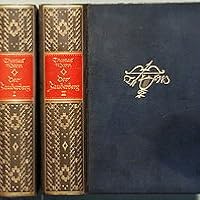
have 1930 hardback
May 15, 2026
De rode draad van dit verhaal is het lot van Martin Kruger museumdirecteur in München. Begin twintiger jaren van de vorige eeuw botst met hij met de bestuurlijke en politieke elite van Munchen en Beieren over het tentoonstellen van een schilderij met een naakte vrouw.
Martin buigt niet onder de druk van de machthebbers om het schilderij te verwijderen. Politiek en bestuur durven echte hierover geen openlijke confrontatie met hem aan te gaan. Zij gaan wel op zoek om hem op andere (strafrechtelijke) gronden aan te pakken en dat lukt. Op basis van een valse getuige die verklaart dat Martin meinedig is geweest, wordt hij wegens meineed tot drie jaar gevangenisstraf veroordeeld.
Diverse personen spannen zich in om hem vrij te krijgen De zaak is echter zodanig politiek geworden, dat het belang van Martin daardoor dreigt onder te sneeuwen.
Het boek portretteert de diverse personages in al hun facetten en laat onthullend zien dat hoe eerlijk, ethisch, sterk/zwak, schurkachtig, wreed of gemeen iemand is, het eigen belang nooit vergeten wordt.
Dit wordt zichtbaar in de politieke verwikkelingen en confrontaties die zich voordoen in München en Beieren tussen 1920 en 1925, waaronder begrepen de opkomst en mislukte staatsgreep op 8 en 9 november 1923 van "De ware Duitsers" (De Nazis).
Feuchtwanger was persoonlijk getuige van het culturele, politiekeke en financiële verval in Munchen/Beieren/Duitsland. In 1930 heeft hij dit boek voltooid en In 1933 is hij Duitsland ontvlucht.
Voor mij behoort dit boek tot de monumenten van de literatuur. Het heeft ons veel te zeggen hoe het politieke kwaad zich ook nu manifesteert.
Het is dan heel jammer dat dit boek, dat zonder meer een herdruk verdient, alleen nog tweedehands verkrijgbaar is.
Martin buigt niet onder de druk van de machthebbers om het schilderij te verwijderen. Politiek en bestuur durven echte hierover geen openlijke confrontatie met hem aan te gaan. Zij gaan wel op zoek om hem op andere (strafrechtelijke) gronden aan te pakken en dat lukt. Op basis van een valse getuige die verklaart dat Martin meinedig is geweest, wordt hij wegens meineed tot drie jaar gevangenisstraf veroordeeld.
Diverse personen spannen zich in om hem vrij te krijgen De zaak is echter zodanig politiek geworden, dat het belang van Martin daardoor dreigt onder te sneeuwen.
Het boek portretteert de diverse personages in al hun facetten en laat onthullend zien dat hoe eerlijk, ethisch, sterk/zwak, schurkachtig, wreed of gemeen iemand is, het eigen belang nooit vergeten wordt.
Dit wordt zichtbaar in de politieke verwikkelingen en confrontaties die zich voordoen in München en Beieren tussen 1920 en 1925, waaronder begrepen de opkomst en mislukte staatsgreep op 8 en 9 november 1923 van "De ware Duitsers" (De Nazis).
Feuchtwanger was persoonlijk getuige van het culturele, politiekeke en financiële verval in Munchen/Beieren/Duitsland. In 1930 heeft hij dit boek voltooid en In 1933 is hij Duitsland ontvlucht.
Voor mij behoort dit boek tot de monumenten van de literatuur. Het heeft ons veel te zeggen hoe het politieke kwaad zich ook nu manifesteert.
Het is dan heel jammer dat dit boek, dat zonder meer een herdruk verdient, alleen nog tweedehands verkrijgbaar is.
June 14, 2026
This book provides the reader with a comprehensive picture of the 1920s in Germany (with particular focus on Bavaria). It is the first novel of the Wartesaal Trilogy. It maps the political and sociological trends which will soon lead to the catastrophe of the Nazi regime. The novel is a roman à clef. Many of the characters are stand-ins for real people like Hitler and Berthold Brecht. While the language is exceptionally clear and the characters are well described, as a novel I found it was lacking in authenticity and emotion. It provides a strong analysis of the danger and chaos of the time but the motivations and emotions of the individuals it describes are somehow subsumed under the political role and function they play in the real world which sometimes make them cut-out types rather than real people. Despite all this, it is definitely worth reading and offers many deep insights into the time. When writing the novel, Feuchtwanger did not know that despite being incarcerated for the Munich plot, Hitler would rise to become Germany's dictator only a few years after this novel was published.
November 16, 2024
Wow, what a journey this book is! It's said that great art sticks with you, and I think the memories from Success will stay around for a long time. Such a document on the rise of one of the most destructive periods of our history has so much value, way beyond what Feuchtwanger could have ever imagined. Time and time again I have to remind myself that this was written in the 1920s!
The thing that I loved the most in Success is however Lion's amazing ability to make people seem so petty, with just a few chosen words. His anger towards all who accept and support the development in this time gets apparent on many occations, and it is extremely well done. All men here, no matter how powerful or popular, protagonist or antagonist, are deep down just so small as humans.
It is in many ways an odd book, and it would probably not have the weight it does if history would have taken another turn. But here we are, and knowing what we know, Success just hits really hard.
The thing that I loved the most in Success is however Lion's amazing ability to make people seem so petty, with just a few chosen words. His anger towards all who accept and support the development in this time gets apparent on many occations, and it is extremely well done. All men here, no matter how powerful or popular, protagonist or antagonist, are deep down just so small as humans.
It is in many ways an odd book, and it would probably not have the weight it does if history would have taken another turn. But here we are, and knowing what we know, Success just hits really hard.

January 29, 2022
Americans don’t know much about German history. Germans lost WWI. Nazis bad. Germans lost WWII. Angela Merkle cool. This is a liability when reading a historical novel about Bavaria in the 1920’s.
The characters are based on real people and events and they are more familiar to us today than we would like to admit. That the the story ends soon after the failed Beer Hall Putsch doesn’t need a spoiler alert, but how it ends does.
The characters are based on real people and events and they are more familiar to us today than we would like to admit. That the the story ends soon after the failed Beer Hall Putsch doesn’t need a spoiler alert, but how it ends does.

July 27, 2025
Knap geschreven maar in een (ouwbolige) stijl die zwaar op de hand ligt en meanderend over personages en gebeurtenissen die slechts onrechtstreeks met de kern van de zaak te maken hebben.
Ongetwijfeld een noodzakelijk en relevant boek over de absurditeit van een totalitaire burocratie maar onvoldoende schwung om mij te motiveren dit dikke boek af te werken. Gestopt na ca. 200 blz.
Ongetwijfeld een noodzakelijk en relevant boek over de absurditeit van een totalitaire burocratie maar onvoldoende schwung om mij te motiveren dit dikke boek af te werken. Gestopt na ca. 200 blz.

March 31, 2026
Genuinely the best novel I ever read. The stunning accuracy of this historic abstraction & knowledge of contemporary society that Feuchtwanger shows, combined with a brilliant style of storytelling is what makes it so wonderful.
Incredibly well executed parody, critique and analysis of Bavarian and German society in the years 1921-1924, packed into a great fictional story.
Incredibly well executed parody, critique and analysis of Bavarian and German society in the years 1921-1924, packed into a great fictional story.

September 15, 2026
Heel verontrustend boek: ik snap dat de Nazi's dit verbrandde, want dit was de werkelijkheid die ze niet in beeld wilden brengen.
De mensen komen zo tot leven, dat je helemaal met ze meevoelt en hun onmacht voelt, hun liefde en hun haat.
De mensen komen zo tot leven, dat je helemaal met ze meevoelt en hun onmacht voelt, hun liefde en hun haat.
August 20, 2021
Fictieve personen waarin duidelijk bijvoorbeeld Hitler in herkend wordt. Speelt zich af in Beieren ten tijde van de Putch die Hitler daar wilde plegen. Prachtig boek.

August 31, 2022
Ein langes Buch: ein bisschen langsam am Anfang, aber wird besser, besonders mit der Einmischung den "Wahrhaften Deutschen".
Displaying 1 - 30 of 38 reviews