

What do you think?

Reach for the Sky
Reach for the Sky : The Story of Douglas Bader D.S.O., D.F.C. Brickhill, Paul
384 pages, Hardcover
First published March 1, 1954
About the author
Paul Brickhill
45 books72 followersFrom Rosetta Books:
Though The Great Escape is a novel, its basic story is true, and the novel's author Paul Brickhill (1916-91) was a participant in it. Brickhill, an Australian, had flown missions against the Germans in Tunisia for the Royal Australian Air Force when he was shot down in 1943. Locked away and bored in Silesia in Luft Stalag III, he and his fellow prisoners concocted an escape plan -- a daring idea that would result in a mass escape from the Germans. Of the 76 officers who escaped, only three were successful; Hitler himself ordered the execution of 47 of the men who were recaptured. Still, the escape remains one of the great heroic stories of World War II.
A native of Melbourne, Brickhill had begun a career as a newspaper reporter at the Sydney Sun when war was declared in 1939. His instincts as a reporter stuck with him during his incarceration by the Germans, as he collected stories from his fellow prisoners that became the foundation for his later work. After the war, Brickhill sought to go back to newspapering, but quickly abandoned it to begin work on his first book, entitled Escape to Danger (1946), about his experiences in the POW camp. From this, he drew the story of The Great Escape, published four years later.
The following year, Brickhill published The Dam Busters, an acclaimed account of pinpoint bombing raids by the 617 Squadron, followed by an anthology of POW stories entitled Escape or Die (1952) and Reach for the Sky (1954) a biography of aviator Douglas Bader.
Though The Great Escape is a novel, its basic story is true, and the novel's author Paul Brickhill (1916-91) was a participant in it. Brickhill, an Australian, had flown missions against the Germans in Tunisia for the Royal Australian Air Force when he was shot down in 1943. Locked away and bored in Silesia in Luft Stalag III, he and his fellow prisoners concocted an escape plan -- a daring idea that would result in a mass escape from the Germans. Of the 76 officers who escaped, only three were successful; Hitler himself ordered the execution of 47 of the men who were recaptured. Still, the escape remains one of the great heroic stories of World War II.
A native of Melbourne, Brickhill had begun a career as a newspaper reporter at the Sydney Sun when war was declared in 1939. His instincts as a reporter stuck with him during his incarceration by the Germans, as he collected stories from his fellow prisoners that became the foundation for his later work. After the war, Brickhill sought to go back to newspapering, but quickly abandoned it to begin work on his first book, entitled Escape to Danger (1946), about his experiences in the POW camp. From this, he drew the story of The Great Escape, published four years later.
The following year, Brickhill published The Dam Busters, an acclaimed account of pinpoint bombing raids by the 617 Squadron, followed by an anthology of POW stories entitled Escape or Die (1952) and Reach for the Sky (1954) a biography of aviator Douglas Bader.
Ratings & Reviews
Friends & Following
Create a free account to discover what your friends think of this book!
Community Reviews
Displaying 1 - 30 of 110 reviews

April 5, 2010
Inspirational WWII Pilot
My Mum bought me this book when I was about 12 or 13. I still have it on my bookshelves, and the sight of where she cut off the corner of the paper cover, where the price had been, with her pinking shears, brings back fond memories.
As for the book: it is the inspirational true story of WWII RAF fighter pilot, Group Captain Sir Douglas (Dogsbody) Bader CBE, DSO & Bar, DFC & Bar, FRAeS, DL.
Despite losing both his legs during peacetime, he signed up again when the Second World War broke out, and flew Hurricanes and Spitfires in the Battles of France and Britain. He was one of "The Few." Despite being always in trouble with senior officers for his rebellious nature and his forthright challenges to authority, the intrepid pilot became a popular British hero. Deservedly so, in my opinion.
Eventually, he was shot down over France and captured by the Germans. He spent the rest of the war in Prisoner of War camps, and directed his trouble-making at his captors. He escaped, was re-captured, and imprisoned in the infamous Colditz Castle.
This is a fascinating, and truly inspirational story. You cannot fail to be moved by it. I have read this book several times, and it never fails to lift me. What a man he was! If you haven't already done so, get your hands on a copy as soon as you can.
By the way, a film of this book was made with Kenneth More starring as Bader. It is very rare that I think that a film is as good as the book that it is based upon, but this one makes the mark. You should see it.
My Mum bought me this book when I was about 12 or 13. I still have it on my bookshelves, and the sight of where she cut off the corner of the paper cover, where the price had been, with her pinking shears, brings back fond memories.
As for the book: it is the inspirational true story of WWII RAF fighter pilot, Group Captain Sir Douglas (Dogsbody) Bader CBE, DSO & Bar, DFC & Bar, FRAeS, DL.
Despite losing both his legs during peacetime, he signed up again when the Second World War broke out, and flew Hurricanes and Spitfires in the Battles of France and Britain. He was one of "The Few." Despite being always in trouble with senior officers for his rebellious nature and his forthright challenges to authority, the intrepid pilot became a popular British hero. Deservedly so, in my opinion.
Eventually, he was shot down over France and captured by the Germans. He spent the rest of the war in Prisoner of War camps, and directed his trouble-making at his captors. He escaped, was re-captured, and imprisoned in the infamous Colditz Castle.
This is a fascinating, and truly inspirational story. You cannot fail to be moved by it. I have read this book several times, and it never fails to lift me. What a man he was! If you haven't already done so, get your hands on a copy as soon as you can.
By the way, a film of this book was made with Kenneth More starring as Bader. It is very rare that I think that a film is as good as the book that it is based upon, but this one makes the mark. You should see it.

December 8, 2020
3⭐
I read this book, along with Brickhill's more famous, The Great Escape, so very long ago that I have trouble separating them out from the subsequent movies that were made from each of them. I do recall I thought that the films followed each of them pretty closely, though I remember thinking that book's portrayal of Douglas Bader was of a grittier and grumpier individual than the movie. The one anecdote that stays with me for some reason is that after he was shot down and captured by the Germans, Bader tried to escape so often they took away his artificial legs.
This was a great read for the high school kid I was, when the issues of World War II were black and white. I wonder what I'd make of this book today.
I read this book, along with Brickhill's more famous, The Great Escape, so very long ago that I have trouble separating them out from the subsequent movies that were made from each of them. I do recall I thought that the films followed each of them pretty closely, though I remember thinking that book's portrayal of Douglas Bader was of a grittier and grumpier individual than the movie. The one anecdote that stays with me for some reason is that after he was shot down and captured by the Germans, Bader tried to escape so often they took away his artificial legs.
This was a great read for the high school kid I was, when the issues of World War II were black and white. I wonder what I'd make of this book today.

October 8, 2013
🇬🇧 I read this as a boy. It was de rigueur, since we’ve always had so many in the Air Force in the family, including during WW2, which is when this story takes place. Bader lost both his legs before the war and they said he’d never fly again. But he refused to give up. He got his artificial legs and learned to fly with them. So, when the Luftwaffe tried to bomb Britain into submission in 1940, he was one of The Few who took to the air in his Spitfire to resist and defeat them. A powerful and inspiring biography.
🇬🇧 I did find the 1959 movie based on this book on YouTube. A good vintage b/w watch.
💙💙I love to fly even though I’m not a pilot 💙💙
🇬🇧 I did find the 1959 movie based on this book on YouTube. A good vintage b/w watch.
💙💙I love to fly even though I’m not a pilot 💙💙
This entire review has been hidden because of spoilers.

July 27, 2007
I’m not usually a fan of war stories (except holocaust books) but remember this one fondly and remember that it was one I reread a few times. I just recently noticed that it’s by the same author as The Great Escape, one of the few other war books I’ve enjoyed. This book was interesting and inspiring because it’s about a remarkable man. Douglas Bader was a British WW II fighter pilot, despite having lost both legs above the knee. Account of his life, including his amazing multiple escape attempts when he became a POW. Great tale of perseverance and determination.

April 8, 2017
Quite simply - a brilliantly told story about a brilliant man.
June 1, 2021
Ì read thùs book of my father's as a teenager in the late 60s and was incredibly moved by it. I plan to read it again if its available and take an older view. .

July 20, 2015
An inspirational, fantastic book!
This book describes Douglas Bader's life as a child, through school, to RAF Cranwell (pilot training school), his accident, recovery, back to civvy street, back in to the RAF and pitting himself successfully against the Germans, his exploits as a prisoner of war and some of his post war occupations/experiences.
And most of the above was carried out without any legs!
It is quite staggering what he achieved. To get to Group Captain and inventing a whole school of thought in regards defending Britain in fighter aircraft (Bader's 'Big Wing') is quite amazing in itself without taking into account his tin legs.
Back them artificial limbs were very uncommon. Bader was very much a guinea pig and not only managed to live a half decent life - but went on to have a fascinating one!
The struggle for him to first survive the accident is vivid and to watch him them somehow walk again and then convince the RAF to let him re-join (unprecedented) and then become a fighter ace and most important character in the RAF and known by all protagonist nations (including the Germans), then getting shot down and put in prison, and then escaping and the Germans having to confiscate his legs!
The book is a triumph against adversity and should be read by anyone who has suffered major injury/incident where they cant see a way forward - here is an example that you can not only survive but thrive at the absolute top level.
It is also an inspiration to the average reader such as myself.
An added interest for me is the airfields he operated from are about 20 minutes away from me too. History really is on your door step at times!
I think this book is absolute magic and I would recommend it to anyone with any interest in anything.
You do not have to have an interest in the Second World War to thoroughly enjoy the book.
I would go as far as to say it is the best book I have ever read.
Fantastic.
This book describes Douglas Bader's life as a child, through school, to RAF Cranwell (pilot training school), his accident, recovery, back to civvy street, back in to the RAF and pitting himself successfully against the Germans, his exploits as a prisoner of war and some of his post war occupations/experiences.
And most of the above was carried out without any legs!
It is quite staggering what he achieved. To get to Group Captain and inventing a whole school of thought in regards defending Britain in fighter aircraft (Bader's 'Big Wing') is quite amazing in itself without taking into account his tin legs.
Back them artificial limbs were very uncommon. Bader was very much a guinea pig and not only managed to live a half decent life - but went on to have a fascinating one!
The struggle for him to first survive the accident is vivid and to watch him them somehow walk again and then convince the RAF to let him re-join (unprecedented) and then become a fighter ace and most important character in the RAF and known by all protagonist nations (including the Germans), then getting shot down and put in prison, and then escaping and the Germans having to confiscate his legs!
The book is a triumph against adversity and should be read by anyone who has suffered major injury/incident where they cant see a way forward - here is an example that you can not only survive but thrive at the absolute top level.
It is also an inspiration to the average reader such as myself.
An added interest for me is the airfields he operated from are about 20 minutes away from me too. History really is on your door step at times!
I think this book is absolute magic and I would recommend it to anyone with any interest in anything.
You do not have to have an interest in the Second World War to thoroughly enjoy the book.
I would go as far as to say it is the best book I have ever read.
Fantastic.

August 15, 2012
"Reach for The Sky", Paul Brickhill, 1954. The air to air combat descriptions are absolutely superb. Obviously Brickhill worked closely with Douglas Bader while writing his biography. If I weren't already familiar with the legendary ace's ultimate fate, it would have been difficult to predict his future by reading the first few chapters. While stunting, Bader clips a wing tip and cartwheels his biplane. Both of his legs are amputated. Years later, after being re-qualified, he mistakenly takes off with his propeller in 'course pitch' and crashes. He then crashes another Spitfire while attempting to land in fog. A rough start! The loss of both legs had one advantage. He was able to withstand higher G-forces in the very maneuverable Spitfire. Bader quickly became a high scoring ace. Brickhill paints Badar as blunt, acidic, incredibly fearless, and always confrontational. -standard fair for a fighter pilot. The most fascinating part of the book is how well Bader is respected and treated by the Germans after he is shot down. They efficiently tend to his wounds, remarkably locate and then repair his prosthetic legs. They offer to allow the British to fly in another pair of wood legs. Luftwauffe ace Adolph Galland introduces him to Germany's top fighter pilots over dinner and champagne. Galland even allows him sit in the cockpit of an Me 109. "Reach for The Sky" became a best seller in 1954 and later was made in to a motion picture which made author Paul Brickhill fairly wealthy. Rumor has it that Douglas Bader was contemptuous of Brickhill's financial success. I'm not sure that I would have felt any differently.

July 29, 2015
Not just a World War Two epic, documenting the incredible Battle of Britain exploits of Wing Commander Douglas Barder, but one of the most intimate biographies produced by Paul Brickhill, himself an Australian fighter pilot shot down and taken prisoner to Stalag Luft III, which produced 'The Great Escape' in 1949. He was also the author of other WWII classics as 'The Dam Busters', 'Escape or Die' as well as 'Reach for the Sky' from 1954.
How many times have I watched the films made from these publications? Not just the legendary characters and courageous heroic giants of these events are five star, but Brickhill's almost autobiographical detail is five star reporting.
From these broad sunlit uplands we can look back into legend.
How many times have I watched the films made from these publications? Not just the legendary characters and courageous heroic giants of these events are five star, but Brickhill's almost autobiographical detail is five star reporting.
From these broad sunlit uplands we can look back into legend.

June 28, 2019
42 WORD REVIEW:
Brickhill is firmly eulogistic (though not without cause) in detailing the extraordinary feats of double-amputee fighter pilot Douglas Bader, and also something of English life itself in the interwar period and during World War II. Robert Hardy’s audiobook reading captures the spirit.
Brickhill is firmly eulogistic (though not without cause) in detailing the extraordinary feats of double-amputee fighter pilot Douglas Bader, and also something of English life itself in the interwar period and during World War II. Robert Hardy’s audiobook reading captures the spirit.
March 6, 2022
Amazing story. Dragged a bit around 60% mark, but picked up again!
January 17, 2022
It took 3 weeks to make it through this book. Tough read: British vernacular, antiquated prose, and the author’s outright fawning over his subject… I finished it with no regrets but not sure I’d recommend this one to anyone looking for a good book on military history, leadership, etc. Oh well!

September 11, 2015
This is a classic 'boys own' adventure story of a hero of the Battle of Britain, first published in 1954. It's the story of Douglas Bader - cricketer, rugby champion and larrikin hero. In wartime he became a fighter ace, credited with around 30 victories over the Luftwaffe. He was awarded the Distinguished Service Order (DSO) and the Distinguished Flying Cross (DFC) for "an act or acts of valour, courage or devotion to duty whilst flying in active operations against the enemy". Shot down over occupied France, he served the last years of the war in Nazi prison camps, distinguishing himself with so many escape attempts that he ended up in the notorious Colditz Castle - where the Germans put their most hardened POWs. Oh, and did I mention he had no legs?
That is the most extraordinary thing for me about this biography, penned by Australian journalist and veteran, Paul Brickhill - also known for writing 'The Great Escape' and 'The Dam Busters'. It is what Brickhill called his 'fanatical tenacity', his refusal to yield to overwhelmingly difficult circumstances. At times considered rigid and foolhardy, his men admired him for the aura of will-power and self-confidence that surrounded him. He just never gave up and proved his worth time and time again in the face of overwhelming odds. This quality in itself makes this a worthwhile book to read.
But the book is also an artefact of early 20th century British culture. It harks back to Bader's adolescence as a time when playing 'rugger' for England was the summit of ambition. It was a time when men were men and the most appalling circumstances were greeted with stoic dry humour. For example, when he crashed his plane in 1931 (the accident which led to him losing his legs), everyone rushed across the aerodrome to try and pull him from the wreck. One of the first men on the scene was a steward from the officer's club, bearing a bottle and glass on a tray. The steward's first words to Bader (blood everywhere, legs crushed beneath him, close to death), 'Here you are sir, have a bit of this brandy.' Or when he woke in hospital days later, the doctor nonchalantly remarked, 'I'm sorry old chap, but I'm afraid we've had to take off your right leg'. But as Brickhill says, he was 'too practical for self-pity' and simply got on with making the most of his situation.
So, even though the tenor of the book may be in some ways out of step with today's readers, it is still a fascinating account of an impressive individual. A book which I would consider a classic, and essential reading for anyone interested in World War Two military aviation.
That is the most extraordinary thing for me about this biography, penned by Australian journalist and veteran, Paul Brickhill - also known for writing 'The Great Escape' and 'The Dam Busters'. It is what Brickhill called his 'fanatical tenacity', his refusal to yield to overwhelmingly difficult circumstances. At times considered rigid and foolhardy, his men admired him for the aura of will-power and self-confidence that surrounded him. He just never gave up and proved his worth time and time again in the face of overwhelming odds. This quality in itself makes this a worthwhile book to read.
But the book is also an artefact of early 20th century British culture. It harks back to Bader's adolescence as a time when playing 'rugger' for England was the summit of ambition. It was a time when men were men and the most appalling circumstances were greeted with stoic dry humour. For example, when he crashed his plane in 1931 (the accident which led to him losing his legs), everyone rushed across the aerodrome to try and pull him from the wreck. One of the first men on the scene was a steward from the officer's club, bearing a bottle and glass on a tray. The steward's first words to Bader (blood everywhere, legs crushed beneath him, close to death), 'Here you are sir, have a bit of this brandy.' Or when he woke in hospital days later, the doctor nonchalantly remarked, 'I'm sorry old chap, but I'm afraid we've had to take off your right leg'. But as Brickhill says, he was 'too practical for self-pity' and simply got on with making the most of his situation.
So, even though the tenor of the book may be in some ways out of step with today's readers, it is still a fascinating account of an impressive individual. A book which I would consider a classic, and essential reading for anyone interested in World War Two military aviation.

August 15, 2018
Simply amazing!

June 3, 2015
A good and interesting read.

June 1, 2025
A story that walked with me into adulthood.
I read this as a teenager, thinking I was just picking up another war biography. I had no idea this book would etch itself into my memory like it did. Years later, I can still picture certain scenes with clarity. Moments of heartbreak, defiance, and impossible triumph because Douglas Bader's story doesn't just entertain, it sticks to the ribs of who you are.
The writing itself is clean, direct, and quietly gripping. Paul Brickhill doesn’t waste time with unnecessary dramatics. He lets Bader’s life carry the weight. And what a life. Losing both legs before World War II and still managing to return to active duty as a fighter pilot.
What struck me most wasn’t just the physical adversity Bader overcame (though that alone is staggering), but his personality, his determination, his stubbornness, and his refusal to be pitied or sidelined. He could be sharp, arrogant even, but never hollow. He felt real, and I admired that as a young reader. I still do.
What makes this biography stand out from other wartime stories is that it’s not about a flawless hero. It’s about someone who refused to be less than what he knew he could be, even when the world told him otherwise. That spirit lit something in me when I was young, and that fire hasn’t gone out.
This isn't just a war story. It’s a story about agency and about refusing to let circumstance write the ending for you. Bader never walked again, but somehow he soared.
If you're looking for a story that will inspire you long after the last page, this is it. And if you happen to read it as a teen, fair warning: it might stay with you for the rest of your life.
I read this as a teenager, thinking I was just picking up another war biography. I had no idea this book would etch itself into my memory like it did. Years later, I can still picture certain scenes with clarity. Moments of heartbreak, defiance, and impossible triumph because Douglas Bader's story doesn't just entertain, it sticks to the ribs of who you are.
The writing itself is clean, direct, and quietly gripping. Paul Brickhill doesn’t waste time with unnecessary dramatics. He lets Bader’s life carry the weight. And what a life. Losing both legs before World War II and still managing to return to active duty as a fighter pilot.
What struck me most wasn’t just the physical adversity Bader overcame (though that alone is staggering), but his personality, his determination, his stubbornness, and his refusal to be pitied or sidelined. He could be sharp, arrogant even, but never hollow. He felt real, and I admired that as a young reader. I still do.
What makes this biography stand out from other wartime stories is that it’s not about a flawless hero. It’s about someone who refused to be less than what he knew he could be, even when the world told him otherwise. That spirit lit something in me when I was young, and that fire hasn’t gone out.
This isn't just a war story. It’s a story about agency and about refusing to let circumstance write the ending for you. Bader never walked again, but somehow he soared.
If you're looking for a story that will inspire you long after the last page, this is it. And if you happen to read it as a teen, fair warning: it might stay with you for the rest of your life.

November 11, 2023
Reach For The Sky by Paul Brickhill is a biographical account that explores the remarkable life of Douglas Bader, a World War II pilot who overcame incredible odds to become a celebrated flying ace. Brickhill skillfully narrates Bader's story, emphasising his determination, resilience, and indomitable spirit. This book is not just a biography of a war hero. Brickhill's sensitive and respectful portrayal of Bader creates a lasting impression, reminding us that even in the darkest times, extraordinary individuals can rise above adversity and inspire others.
Brickhill vividly portrays Bader, beginning with his early years and passion for aviation. Brickhill captures Bader's infectious enthusiasm for flying and his relentless pursuit of his dream despite facing numerous challenges. Bader's vibrant personality shines through the pages, immediately drawing readers into his world. The book centres on Bader's journey as a pilot during the Battle of Britain, so Brickhill carefully describes the intense air battles without portraying them exploitatively. Through his writing, Brickhill successfully interprets the 'fog of war' and uncertainty of war, allowing readers to experience the adrenaline-fuelled air combat alongside Bader.
Brickhill vividly portrays Bader, beginning with his early years and passion for aviation. Brickhill captures Bader's infectious enthusiasm for flying and his relentless pursuit of his dream despite facing numerous challenges. Bader's vibrant personality shines through the pages, immediately drawing readers into his world. The book centres on Bader's journey as a pilot during the Battle of Britain, so Brickhill carefully describes the intense air battles without portraying them exploitatively. Through his writing, Brickhill successfully interprets the 'fog of war' and uncertainty of war, allowing readers to experience the adrenaline-fuelled air combat alongside Bader.

October 10, 2018
Reach For The Sky, by Paul Brickhill was first published in 1954.
It tells the story of Douglas Bader a British ace who lost both legs as a result of some aerobatics in a plane crash in 1931. Despite his incredible disability, when England declared war on Nazi Germany, Douglas convinced the British RAF to recommission him as a flyer in September 1939. Commanding many different squadrons, Captain Bader flew both hurricanes and spitfires for the RAF throughout the Battle of Britain. “Old emotions were stirring. In this élite of beardless youth he had more seniority than anyone, twice as many flying hours as most and was years older. Long ago he had been the golden boy of such a squadron, and now he was a good boy - the ‘sprog” (120). In August 1941, Captain Bader was shot down by the Luftwaffe over France and was captured by the Germans. He escaped from two different camps until he was caught again. Held in a fortified castle in Germany for the duration of the war, Bader was imprisoned until an American Regiment liberated him in April 1945. I would rate this book 4 out of 5 stars as it is both action-packed and riveting. The author did a fine job bringing such a harrowing story to life. Winston Churchill once said that all free people owe the RAF a debt of gratitude. Given what Captain Douglas Bader contributed to the British Air Force, his courage embodies the spirit of a group of men who stood up to the Nazis and bravely defended their island nation.
It tells the story of Douglas Bader a British ace who lost both legs as a result of some aerobatics in a plane crash in 1931. Despite his incredible disability, when England declared war on Nazi Germany, Douglas convinced the British RAF to recommission him as a flyer in September 1939. Commanding many different squadrons, Captain Bader flew both hurricanes and spitfires for the RAF throughout the Battle of Britain. “Old emotions were stirring. In this élite of beardless youth he had more seniority than anyone, twice as many flying hours as most and was years older. Long ago he had been the golden boy of such a squadron, and now he was a good boy - the ‘sprog” (120). In August 1941, Captain Bader was shot down by the Luftwaffe over France and was captured by the Germans. He escaped from two different camps until he was caught again. Held in a fortified castle in Germany for the duration of the war, Bader was imprisoned until an American Regiment liberated him in April 1945. I would rate this book 4 out of 5 stars as it is both action-packed and riveting. The author did a fine job bringing such a harrowing story to life. Winston Churchill once said that all free people owe the RAF a debt of gratitude. Given what Captain Douglas Bader contributed to the British Air Force, his courage embodies the spirit of a group of men who stood up to the Nazis and bravely defended their island nation.

July 11, 2020
Indefatigable is the way I would describe my understanding of Douglas Bader. An inspiration at the highest level to millions the world over. Paul Brickhill, the author of this magnificent work certainly knew how to capture not only the story of this great man but his heart and spirit also. By the end of the book, you felt you knew this brave man intimately and if not, you certainly wish you did. I was fascinated all the way through and Brickhill's prose was so beautifully felt. For example, "But gradually the drip-drip of grave but well-meant encouragement began to have a sinister effect." and... "He felt a serenity pervading him, turning into a glow like a man who feels his fourth whiskey flooding him with soft fire." A difficult book to find any fault with and indeed I did not. One of humanity's real-life heroes. Very highly recommended.

April 1, 2023
Some lessons that I learned by reading this book:
1. Never give up
The main character, Douglas Bader was a true fighter and despite all the setbacks he met in life - like losing his legs or being captured as a prisoner of war and sent to german camps - he continued to fight
2. Everything can be achieved
With the right attitude and mindset, we can achieve anything we set our minds to, regardless of the obstacles we might face.
3. Believe in your powers
When nobody gave Bader the smallest chance to live after his crash, he still managed to live a normal life and be considered a hero.
1. Never give up
The main character, Douglas Bader was a true fighter and despite all the setbacks he met in life - like losing his legs or being captured as a prisoner of war and sent to german camps - he continued to fight
2. Everything can be achieved
With the right attitude and mindset, we can achieve anything we set our minds to, regardless of the obstacles we might face.
3. Believe in your powers
When nobody gave Bader the smallest chance to live after his crash, he still managed to live a normal life and be considered a hero.

February 16, 2025
I read this many years ago, as a young voracious reader who read everything in my parents’ book case.
I liked it then, and I liked it now, even knowing that Bader would be considered politically incorrect these days. But he was a man of his times, a personality that thrived in war-time England.
I also watched the movie, starring Sir Kenneth More, a favourite of mine from the past. That was just as enjoyable as the book.
Good review here: https://www.goodreads.com/review/show...
I liked it then, and I liked it now, even knowing that Bader would be considered politically incorrect these days. But he was a man of his times, a personality that thrived in war-time England.
I also watched the movie, starring Sir Kenneth More, a favourite of mine from the past. That was just as enjoyable as the book.
Good review here: https://www.goodreads.com/review/show...

June 11, 2017
Great though I think the film is, books usually contain a little more detail and that is true here. Brickhill tells an amazing story very well, with just the right mix of action, suspense, humour and literary style. As he also wrote the Great Escape and the Dambusters, he clearly knows his onions yet never bogs the story down with detail or jargon. This ought to be on the school curriculum in UK. Quite brilliant. 5/5
November 25, 2021
The book I enjoyed, it is well written and although of it's time, was a page turner. Unfortunately Bader appears to be a divisive character in real life, which is only hinted at in the book, so as a factual account I have my doubts. I can only admire how he had the strength of character to recover from losing both his legs but as a person I don't think I would have enjoyed sharing a drink (orange juice for him) with him.
July 7, 2026
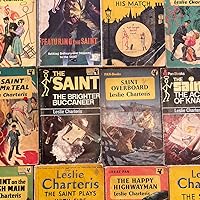
This old audio cassette version of Reach For The Sky was a big part of my childhood! Two tapes, about 2.5hrs long, and abridged perfectly to grab & keep your attention. The narrator, Tony Britton, is brilliant with the voices and accents and stiff-upper-lip emotions that bring this war memoir to life. I can't recommend this audiobook highly enough.
(1984 Music For Pleasure Ltd/ Listen For Pleasure, EMI Records)
(1984 Music For Pleasure Ltd/ Listen For Pleasure, EMI Records)

July 21, 2020
This is one of the best biographies I’ve read in a while. Following a terrible accident, Douglas Bader loses both of his legs, but refuses to let his disability slow him down. He drives cars, flies fighter planes, and constantly surpasses others’ expectations. His optimism and refusal to give up is an inspiration.
December 30, 2022
I last read this 45 years ago and remember being gripped by it. I still am, up to a point - what an amazing man - but it's interesting to see the character flaws as well as the great traits from the vantage point of age: courage, determination, tenacity, brilliant leadership, an often cavalier attitude, arrogance and something of the eternal schoolboy. Definitely a Marmite character.

May 7, 2017
An inspiring story of a man overcoming having both his legs amputated to become a fighter pilot. He even escapes from the Nazis. He is an inspiration and a bit of a jerk. He seems like an actual, living, breathing person. Well written and fun to read.

March 7, 2018
This is the remarkable story of Douglas Bader, an RAF pilot during the Second World War who became an ace despite having lost both legs in an airplane crash. The fighter tactics he devised helped win the Battle of Britain. A stirring and inspiring story of triumph over adversity.

April 29, 2018
The story itself is amazing and remarkable. The writing is a little dry and lots of unfamiliar war terms that were hard to follow. Overall inspirational, particularly for anyone overcoming adversity.

September 1, 2018
My copy is published in this year (1954) but by Collins. Dust cover looks like that shown. A classic biography - of a different time but one we should remember an evaluate for ourselves. Read the book even if you have seen the film.
Displaying 1 - 30 of 110 reviews