

What do you think?
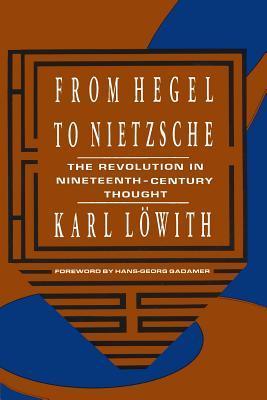
From Hegel to Nietzsche
Beginning with an examination of the relationship between Hegel and Goethe, Löwith discusses how Hegel's students, particularly Marx and Kierkegaard, interpreted----or reinterpreted----their master's thought, and proceeds with an in-depth assessment of the other important philosophers, from Feuerbach, Stirner, and Schelling to Nietzsche.
464 pages, Paperback
First published January 1, 2001
About the author
Karl Löwith
68 books55 followersKarl Löwith was a German philosopher, a student of Heidegger. Löwith was one of the most prolific German philosophers of the twentieth century; the bibliography of his works comprising more than 300 titles.
Löwith was born in Munich. Though he was himself Protestant, his family was of Jewish descent and he therefore had to emigrate Germany in 1934 because of the National Socialist regime. He went to Italy and in 1936 he went to Japan. But because of the alliance between the Third Reich and Japan he had to leave Japan in 1941 and went to the USA. From 1941 to 1952, he taught at the Hartford Theological Seminary and the New School for Social Research. In 1952 he returned to Germany to teach as Professor of Philosophy at Heidelberg, where he died.
He is probably most known for his two books From Hegel to Nietzsche, which describes the decline of German classical philosophy, and Meaning in History, which discusses the problematic relationship between theology and history. Löwith's argument in Meaning in History is that the western view of history is confused by the relationship between Christian faith and the modern view, which is neither Christian nor pagan. Löwith describes this relationship through famous western philosophers and historians, including Burckhardt, Marx, Hegel, Kierkegaard, Voltaire, Vico, Bossuet, Augustine and Orosius. The modern historical consciousness is, according to Löwith, derived from Christianity. But, Christians are not a historical people, as their view of the world is based on faith. This explains the tendency in history (and philosophy) to an eschatological view of human progress.
Löwith was born in Munich. Though he was himself Protestant, his family was of Jewish descent and he therefore had to emigrate Germany in 1934 because of the National Socialist regime. He went to Italy and in 1936 he went to Japan. But because of the alliance between the Third Reich and Japan he had to leave Japan in 1941 and went to the USA. From 1941 to 1952, he taught at the Hartford Theological Seminary and the New School for Social Research. In 1952 he returned to Germany to teach as Professor of Philosophy at Heidelberg, where he died.
He is probably most known for his two books From Hegel to Nietzsche, which describes the decline of German classical philosophy, and Meaning in History, which discusses the problematic relationship between theology and history. Löwith's argument in Meaning in History is that the western view of history is confused by the relationship between Christian faith and the modern view, which is neither Christian nor pagan. Löwith describes this relationship through famous western philosophers and historians, including Burckhardt, Marx, Hegel, Kierkegaard, Voltaire, Vico, Bossuet, Augustine and Orosius. The modern historical consciousness is, according to Löwith, derived from Christianity. But, Christians are not a historical people, as their view of the world is based on faith. This explains the tendency in history (and philosophy) to an eschatological view of human progress.
Ratings & Reviews
Friends & Following
Create a free account to discover what your friends think of this book!
Community Reviews
Displaying 1 - 10 of 10 reviews

February 25, 2017
همواره از خوندن کتابهایی که از صرف بیان نظریات عبور میکنند و تلاش میکنند از دادوستدهای نظری [و بعضاً عملی] فیلسوفان با هم در یک دوره زمانی سخن به میان آورند لذت میبرم. این کتاب علاوه بر اینکه این ویژگی را داشت، بسیاری بیش از این هم داشت. در فصلهای ابتدایی، زمانی که لوویت از رابطه بین هگل و گوته و تعاملات نظری آنان سخن به میان آورد و وجه تمرکز هر یک را متمایز کرد، مشعوف شدم و این شعف زمانی به اوج رسید که در بخشهای آخر فصل واپسین کتاب، نسبت به رابطه و تاثیر کیرکگور از فوئرباخ آگاهی بدست آمد؛ اینکه چقدر کیرکگور در تئوری ایمانی خود به فوئرباخ وابسته است و چگونه جواب به پرسشهای او را در جهت دیگری پیگیری میکند.
کتاب به شکل اعجابانگیزی دقیق است و خود به مثابه یک اثر فلسفی ظاهر شده است. هیچ بخش آن ابتدایی نیست و تماماً به فراتحلیل فیلسوفان میپردازد و تقریباً هیچ تعهدی به نویسنده تازهوارد ندارد. برای همین با بخشی از مباحث کتاب اساساً نمیشد ارتباط گرفت و هرچند به نظر میرسید نویسنده در بخشهای به مجادلات مطرح در حوزه فکری خود میپردازد و بدون هیچ ارجاعی نمیتوان رد آن نزاعها را گرفت، گاهاً حتی لوویت به تفسیرهایی از فیلسوفان دست پیدا میکرد که اساساً بدیع و حقیقتاً تأمل برانگیز بودند؛ ولی به هر حال نمیشد از کتاب به عنوان یک متن آشناساز سخن گفت و در نهایت باید از بخشهایی از آن بدون فهم گذر می کردم.
ولی در مجموع کتاب با ترجمه درخشان حسن مرتضوی کلنجاری جذابی بود.
پ.ن: وقفه 2 ماهه وسط کتاب پیش اومد و اونم بخاطر قانون مسخره کتابخونه بود که نمیذاشت یک کتابی که به زور تحویل میگیرن و قبل از یه بازه زمانی مجدداً بگیری!! :)
کتاب به شکل اعجابانگیزی دقیق است و خود به مثابه یک اثر فلسفی ظاهر شده است. هیچ بخش آن ابتدایی نیست و تماماً به فراتحلیل فیلسوفان میپردازد و تقریباً هیچ تعهدی به نویسنده تازهوارد ندارد. برای همین با بخشی از مباحث کتاب اساساً نمیشد ارتباط گرفت و هرچند به نظر میرسید نویسنده در بخشهای به مجادلات مطرح در حوزه فکری خود میپردازد و بدون هیچ ارجاعی نمیتوان رد آن نزاعها را گرفت، گاهاً حتی لوویت به تفسیرهایی از فیلسوفان دست پیدا میکرد که اساساً بدیع و حقیقتاً تأمل برانگیز بودند؛ ولی به هر حال نمیشد از کتاب به عنوان یک متن آشناساز سخن گفت و در نهایت باید از بخشهایی از آن بدون فهم گذر می کردم.
ولی در مجموع کتاب با ترجمه درخشان حسن مرتضوی کلنجاری جذابی بود.
پ.ن: وقفه 2 ماهه وسط کتاب پیش اومد و اونم بخاطر قانون مسخره کتابخونه بود که نمیذاشت یک کتابی که به زور تحویل میگیرن و قبل از یه بازه زمانی مجدداً بگیری!! :)

May 27, 2013
This massive work impressed me as being an analysis of philosophical relationships. In his introduction the author observes the felicitous appearance of both Goethe's Faust, Part One and Hegel's Phenomenology of Mind at almost the same moment in history. Following a discussion of their relationship Lowith goes on in a thorough fashion to dissect the channels of thought that were inspired by Hegel's ideas. This includes the many thinkers who reacted in often different directions in response to and sometimes in reaction against Hegel. Encompassing more than Germany the reactions also occur in other countries; for example, the leading members of the budding Russian intelligentsia, Bakunin, Belinsky and Herzen, were inspired by Hegel's thought. The analysis leads inexorably toward Nietzsche and the journey is one that, while complex, is worth considering if you are interested in an important strand of Nineteenth-Century thought.

May 18, 2009
This book was writen in Japan by an exiled german philosopher during the second world war and the weight of the 'ZeitGeist' pessimism and nostalgy are present in this work.
This is a complete and interesting review of philosophical debates in Germany from the early years fo Hegel to the death of Nietzsche. This is not only related to the well known poeple but also to oscure and forgotten poeple of these times.
Instead of presenting a story in sequence only, Karl Löwith organised also this study by themes which provide an original point of view about the german philosophy.
If was asthonished by some discussions related by K. Löwith and discover how they are also related to our present time.
This repetition of themes and conflicts in these past times and today reveal how the philosophy is about the human condition and therefore, not "eternal", but omnitemporal as well as the human condition accross the historical variations.
I can say: variations (human history) on the same theme(human condition). That's why via this book we can 'dialog' with our brothers in humanity accros the time and space.
Danke schön Karl Löwith für das Gross Buch.
Ref.: this uncompleted article in Wikipedia
http://en.wikipedia.org/wiki/Karl_L%C...
Better in french:
http://fr.wikipedia.org/wiki/Karl_L%C...
This is a complete and interesting review of philosophical debates in Germany from the early years fo Hegel to the death of Nietzsche. This is not only related to the well known poeple but also to oscure and forgotten poeple of these times.
Instead of presenting a story in sequence only, Karl Löwith organised also this study by themes which provide an original point of view about the german philosophy.
If was asthonished by some discussions related by K. Löwith and discover how they are also related to our present time.
This repetition of themes and conflicts in these past times and today reveal how the philosophy is about the human condition and therefore, not "eternal", but omnitemporal as well as the human condition accross the historical variations.
I can say: variations (human history) on the same theme(human condition). That's why via this book we can 'dialog' with our brothers in humanity accros the time and space.
Danke schön Karl Löwith für das Gross Buch.
Ref.: this uncompleted article in Wikipedia
http://en.wikipedia.org/wiki/Karl_L%C...
Better in french:
http://fr.wikipedia.org/wiki/Karl_L%C...

February 6, 2008
Perfect for anybody who wants to delve into the wilderness of 19th century continental thought. For all those legions upon thousands upon trillions of you who wish to do so, this is your book. In english, for your pleasure. At last. Don't tarry. Go ahead! Whatya waiting for?

November 8, 2020
هگل و نیچه دو قله ای شمرده می شوند که مسیر تاریخ اندیشه در آلمان سدۀ نوزدهم بین آنها کشیده شده است. اما چون معمولا آثار هگل را اوج درخشان نظام های ایده آلیستی تلقی می کنند و سنجش های دلبخواه آثار نیچه را برای استفاده های فرصت طلبانه برمی گزینند، احتیاط در باب هریک از آن ها لازم بوده است. اگر تنها نفوذ نیچه و آثار هگل را معیار قرار دهیم، به نظر می رسد هگل از ما خیلی دور و نیچه به ما خیلی نزدیک است. در واقع، اگرچه هگل، به واسطۀ شاگردانش، تاثیری بر حیات ذهنی و سیاسی گذاشته که به دشواری می توان آن را نادیده گرفت، تاثیرات بی شمار نیچه از سال 1890 به بعد، تنها در زمان ما به زایش ایدئولوژی آلمانی انجامیده است. نیچه ای های دیروز با هگلی های دهۀ 1840 مطابقت دارند. در مقابل انجمن دانشگاهی نظام هگل توسط هگل پژوهان، و پیچ و تاب دادن عامیانه به نوشته های نیچه توسط ستایشگرانش، نگارنده در کتاب حاضر می کوشد با بازنویسی تاریخ فلسفی سدۀ نوزدهم در افق زمان حال، به عصری جان بخشد که با هگل آغاز می شود و با نیچه پایان می یابد. وی در کتاب، پس از بررسی آراء و افکار هگل، این موضوع را مورد بحث قرار می دهد که شاگردان هگل به ویژه مارکس و کی یرکگور، چگونه اندیشه های استاد را تفسیر ـ یا بازتفسیر ـ کردند. آن گاه به ارزیابی عمیق فیلسوفان برجسته ای چون فویرباخ، اشتیرنر و شلینگ تا نیچه می پردازد. مباحث مطرح در کتاب مشتمل است بر: تاریخ اندیشه در آلمان سدۀ نوزدهم و خاستگاه تکامل ذهنی زمانه در فلسفۀ تاریخ روح هگل؛ و مطالعاتی در تاریخ جهان بورژوایی ـ مسیحی که مسائلی چون جامعۀ بورژوایی، کار، آموزش، انسان و مسیحیت را دربرگرفته است.

May 11, 2025
Il saggio di Löwith – apparso per la prima volta a Zurigo nel 1941 – rappresenta uno dei più interessanti sguardi dell'ultimo secolo e mezzo al tema della Filosofia della Storia: Löwith si pone il problema del senso della storia che dal tempo di Hegel e dei suoi seguaci, in pieno Romanticismo, ha sempre più portato gli uomini verso la distruzione della Ragione, fino ad arrivare all'annuncio nietzscheano della morte di Dio e all'ammissione che un senso alle cose non c'è e basta.
Erroneamente fatto passare per uno studio di Storia della filosofia per il suo carattere didascalico sui singoli autori degli ultimi 200 anni, il libro di Löwith non ha uno scopo didattico e si pone a pieno titolo nella saggistica filosofica sul problema del Senso delle cose.
Erroneamente fatto passare per uno studio di Storia della filosofia per il suo carattere didascalico sui singoli autori degli ultimi 200 anni, il libro di Löwith non ha uno scopo didattico e si pone a pieno titolo nella saggistica filosofica sul problema del Senso delle cose.
September 6, 2024
non voglio parlarne

June 1, 2022
Karl Löwith's "From Hegel to Nietzsche" presents a profound examination of the intellectual journey from Hegelian philosophy to Nietzschean thought. Löwith explores the development and transformation of philosophical ideas during this crucial period, shedding light on the shifting cultural and intellectual landscape. This review aims to provide an academic evaluation of Löwith's arguments, discussing the book's strengths, weaknesses, and its significance within the fields of intellectual history, philosophy, and cultural studies.
"From Hegel to Nietzsche" by Karl Löwith delves into the intricate intellectual evolution that occurred between the philosophical systems of Hegel and Nietzsche. Löwith meticulously traces the shifting currents of thought, examining the challenges, contradictions, and philosophical breakthroughs that emerged during this pivotal period. He explores the impact of Hegelian idealism, the crisis of its foundational assumptions, and the subsequent rise of Nietzschean thought as a critical response to the limitations of Hegelianism.
Löwith's work stands out for its depth of analysis and its ability to elucidate complex philosophical concepts. He engages with primary texts, secondary literature, and historical context, offering readers a comprehensive understanding of the intellectual milieu in which Hegel and Nietzsche operated. Löwith's analysis fosters critical reflections on the interplay between philosophy, culture, and historical context, illuminating the profound shifts that occurred within nineteenth-century European thought.
One of the notable strengths of "From Hegel to Nietzsche" lies in Löwith's meticulous scholarship and his adept interpretation of philosophical texts. He demonstrates a nuanced understanding of the thinkers he discusses, allowing readers to grasp the intricacies and originality of their ideas. Löwith's analysis provides a comprehensive account of the intellectual tensions and transitions that took place between Hegel and Nietzsche, shedding light on the broader currents of intellectual history.
Moreover, Löwith's exploration of the philosophical and cultural context enhances the significance of the philosophical shifts he discusses. He situates Hegelian and Nietzschean thought within the broader intellectual landscape, emphasizing the social, political, and cultural forces that shaped these philosophical systems. Löwith's comprehensive perspective enriches the book, enabling readers to appreciate the broader implications of these philosophical transformations.
While "From Hegel to Nietzsche" offers a compelling analysis, it is not without its limitations. Some critics argue that Löwith's interpretation may oversimplify or overlook certain aspects of Hegel's or Nietzsche's thought, potentially neglecting important nuances or alternative readings. A more comprehensive engagement with the breadth of scholarship on these philosophers could enhance the book's depth of analysis.
Additionally, Löwith's writing style can be dense and intricate, making it challenging for some readers to navigate his arguments. A more accessible presentation of ideas, clearer connections between concepts, and a more explicit delineation of the overarching thesis would enhance the book's readability and facilitate a broader readership's engagement with the content.
"From Hegel to Nietzsche" holds significant importance within the fields of intellectual history, philosophy, and cultural studies as a seminal work that sheds light on the transformative period between Hegelian and Nietzschean thought. Löwith's analysis deepens our understanding of the profound shifts in philosophical perspectives, challenging conventional narratives of intellectual development. The book's contribution lies in its ability to foster critical reflections on the complexities of intellectual evolution, encouraging a reassessment of the philosophical, cultural, and historical forces that shape intellectual paradigms.
GPT
"From Hegel to Nietzsche" by Karl Löwith delves into the intricate intellectual evolution that occurred between the philosophical systems of Hegel and Nietzsche. Löwith meticulously traces the shifting currents of thought, examining the challenges, contradictions, and philosophical breakthroughs that emerged during this pivotal period. He explores the impact of Hegelian idealism, the crisis of its foundational assumptions, and the subsequent rise of Nietzschean thought as a critical response to the limitations of Hegelianism.
Löwith's work stands out for its depth of analysis and its ability to elucidate complex philosophical concepts. He engages with primary texts, secondary literature, and historical context, offering readers a comprehensive understanding of the intellectual milieu in which Hegel and Nietzsche operated. Löwith's analysis fosters critical reflections on the interplay between philosophy, culture, and historical context, illuminating the profound shifts that occurred within nineteenth-century European thought.
One of the notable strengths of "From Hegel to Nietzsche" lies in Löwith's meticulous scholarship and his adept interpretation of philosophical texts. He demonstrates a nuanced understanding of the thinkers he discusses, allowing readers to grasp the intricacies and originality of their ideas. Löwith's analysis provides a comprehensive account of the intellectual tensions and transitions that took place between Hegel and Nietzsche, shedding light on the broader currents of intellectual history.
Moreover, Löwith's exploration of the philosophical and cultural context enhances the significance of the philosophical shifts he discusses. He situates Hegelian and Nietzschean thought within the broader intellectual landscape, emphasizing the social, political, and cultural forces that shaped these philosophical systems. Löwith's comprehensive perspective enriches the book, enabling readers to appreciate the broader implications of these philosophical transformations.
While "From Hegel to Nietzsche" offers a compelling analysis, it is not without its limitations. Some critics argue that Löwith's interpretation may oversimplify or overlook certain aspects of Hegel's or Nietzsche's thought, potentially neglecting important nuances or alternative readings. A more comprehensive engagement with the breadth of scholarship on these philosophers could enhance the book's depth of analysis.
Additionally, Löwith's writing style can be dense and intricate, making it challenging for some readers to navigate his arguments. A more accessible presentation of ideas, clearer connections between concepts, and a more explicit delineation of the overarching thesis would enhance the book's readability and facilitate a broader readership's engagement with the content.
"From Hegel to Nietzsche" holds significant importance within the fields of intellectual history, philosophy, and cultural studies as a seminal work that sheds light on the transformative period between Hegelian and Nietzschean thought. Löwith's analysis deepens our understanding of the profound shifts in philosophical perspectives, challenging conventional narratives of intellectual development. The book's contribution lies in its ability to foster critical reflections on the complexities of intellectual evolution, encouraging a reassessment of the philosophical, cultural, and historical forces that shape intellectual paradigms.
GPT

May 10, 2016
Historiikkikatsaus Hegelin hurinoista Marxin kautta Nietzschen ajan hulinaan. Ostin pro gradu tutkielman jälkeen, koska ohjaaja mainitsi noihin aikoihin, että oli unohtanut mainita teoksen, josta olisi mahdollisesti ollut hyötyä. Jälkikäteen pitkän lukuprosessin jälkeen voin todeta, että eipä olisi hirveästi hyödyttänyt omaa tutkielmaa, joten en menettänyt mitään olennaista.
Sen sijaan niille, joita kiinnostaa erityisesti Hegel ja Marx sekä näitten kolossien ympärillä pyörineet pienet suuret saksalaisen filosofian jukuripäät, teos tarjoaa varmasti hyvin koottuja langanpätkiä siitä, miten suurinpiirtein jokainen tuon ajan itseään ajattelijana tiluleeraava halusi sanoa jotain Hegelin puolesta tai vastaan, ja mitä kaikkea tästä sitten ajan kuluessa seurasi. Hegeliä on näemmä ja kaiketi kiittäminen ja parjaaminen monesta.
Nietzschestä Löwith osaa sen sijaan sanoa vain fragmentteja, joten Nietzschestä kiinnostuneet löytävät paljon parempia koontiteoksia kyseisestä herrasta muualta (ks. esim. Janawayn Beyond selflessness tai Nehamasin Life as literature). Kierkegaardista Löwith osaa sen sijaan sanoa hieman enemmän, mutta varsin rajoittuneesta näkökulmasta, minkä tähden myös Kierkegaardista kiinnostuneet löytävät parempia koontiteoksia muualta (esim. Cambridge companion to...).
Lyhyesti sanottuna teoksen painotus on pitkälti poliittisessa ja yhteiskunnallisessa filosofiassa, sivuten yksilöä ja uskontoa, ja yllämainitun ajanjakson ajattelijoiden yhtäläisyyksien ja erojen selkeyttämisessä.
Kirja on tosin erinomaisesti kirjoitettu, joten se ei ole karmeinta luettavaa sellaisellekaan, jota aihepiiri ei palavasti kiinnosta. Viitteiden epäselvyys tosin pääsee häiritsemään moneen otteeseen; välillä on vaikea erottaa, mikä on Löwithiä ja mikä lainattua henkilöä, ja toisinaan Löwith, käsitellessään kahta ajattelijaa rinnakkain, käyttää viitteitä sikin sokin niin, ettei käy selväksi, kuka puhuu.
Sen sijaan niille, joita kiinnostaa erityisesti Hegel ja Marx sekä näitten kolossien ympärillä pyörineet pienet suuret saksalaisen filosofian jukuripäät, teos tarjoaa varmasti hyvin koottuja langanpätkiä siitä, miten suurinpiirtein jokainen tuon ajan itseään ajattelijana tiluleeraava halusi sanoa jotain Hegelin puolesta tai vastaan, ja mitä kaikkea tästä sitten ajan kuluessa seurasi. Hegeliä on näemmä ja kaiketi kiittäminen ja parjaaminen monesta.
Nietzschestä Löwith osaa sen sijaan sanoa vain fragmentteja, joten Nietzschestä kiinnostuneet löytävät paljon parempia koontiteoksia kyseisestä herrasta muualta (ks. esim. Janawayn Beyond selflessness tai Nehamasin Life as literature). Kierkegaardista Löwith osaa sen sijaan sanoa hieman enemmän, mutta varsin rajoittuneesta näkökulmasta, minkä tähden myös Kierkegaardista kiinnostuneet löytävät parempia koontiteoksia muualta (esim. Cambridge companion to...).
Lyhyesti sanottuna teoksen painotus on pitkälti poliittisessa ja yhteiskunnallisessa filosofiassa, sivuten yksilöä ja uskontoa, ja yllämainitun ajanjakson ajattelijoiden yhtäläisyyksien ja erojen selkeyttämisessä.
Kirja on tosin erinomaisesti kirjoitettu, joten se ei ole karmeinta luettavaa sellaisellekaan, jota aihepiiri ei palavasti kiinnosta. Viitteiden epäselvyys tosin pääsee häiritsemään moneen otteeseen; välillä on vaikea erottaa, mikä on Löwithiä ja mikä lainattua henkilöä, ja toisinaan Löwith, käsitellessään kahta ajattelijaa rinnakkain, käyttää viitteitä sikin sokin niin, ettei käy selväksi, kuka puhuu.

Read
May 8, 2023"We're not worthy"
<*Wayne & Garth voice>
<*Wayne & Garth voice>
Displaying 1 - 10 of 10 reviews