By turns subversive and darkly comic, brutal and tender, Ron Leshem’s debut novel is an international literary sensation, winner of Israel’s top award for literature and the basis for a prizewinning film. Charged with brilliance and daring, hypnotic in its intensity, Beaufort is at once a searing coming-of-age story and a novel for our times—one of the most powerful, visceral portraits of the horror, camaraderie, and absurdity of war in modern fiction.
Beaufort. To the handful of Israeli soldiers occupying the ancient crusader fortress, it is a little slice of hell—a forbidding, fear-soaked enclave perched atop two acres of land in southern Lebanon, surrounded by an enemy they cannot see. And to the thirteen young men in his command, Twenty-one-year-old Lieutenant Liraz “Erez” Liberti is a taskmaster, confessor, and the only hope in the face of attacks that come out of nowhere and missions seemingly designed to get them all killed.
All around them, tension crackles in the air. Long stretches of boredom and black humor are punctuated by flashes of terror. And the threat of death is constant. But in their stony haven, Erez and his soldiers have created their own little world, their own rules, their own language. And here Erez listens to his men build castles out of words, telling stories, telling lies, talking incessantly of women, sex, and dead comrades. Until, in the final days of the occupation, Erez and his squad of fed-up, pissed-off, frightened young soldiers are given one last a mission that will shatter all remaining illusions—and stand as a testament to the universal, gut-wrenching futility of war.
The basis for the Academy Award-nominated film of the same name.
C’è una letteratura sulla guerra, una narrativa che parla della guerra – di solito si cita come primo esempio e, probabilmente, capostipite, Niente di nuovo sul fronte occidentale - e c’è una letteratura che mi viene da definire, per distinguerla, “di” guerra. Questa seconda è composta da opere che non si limitano a parlare della guerra, ‘anche’ della guerra: ma che ne sono partorite, generate, che della guerra sono figlie, nella guerra prosperano. Nella mia personale esperienza, il primo esempio che mi venga in mente è Dispacci di Michael Herr, secondo me la madre di tutti i libri “di” guerra”, pur essendo un reportage e non un romanzo ha una potenza narrativa insuperata.
Questo esordio di Ron Leshem, all’epoca della pubblicazione ventinovenne, nasce in lingua originale col titolo che suona “Se esiste un paradiso”, diventa per la maggior parte del mondo “Beaufort” dal nome della fortezza costruita dai Crociati nel XII secolo nel sud del Libano che è il luogo centrale del romanzo e presta il titolo anche al bel film vincitore dell’Orso d’Argento al festival di Berlino del 2007 – invece da noi diventa un insipido “Tredici soldati”. Che poi, nei fatti, i soldati sono tredici più il sergente e l’ufficiale, quindi quindici - ma poi c’è anche il comandante responsabile della fortezza, altro personaggio importante. E la guarnigione è composta da 70/80 militari. Quindi, i tredici del titolo italiano sono fuorvianti, poco indicativi.
Invece Beaufort… Che suono, che impatto… Anni fa sono capitato per caso davanti al film e rimasto molto positivamente colpito. Non potevo non leggere il romanzo. Tanto più che Leshem è un mago della serialità televisiva israeliana, tra le migliori del mondo, geni del format, e nel film di Joseph Cedar è co-sceneggiatore insieme allo stesso regista.
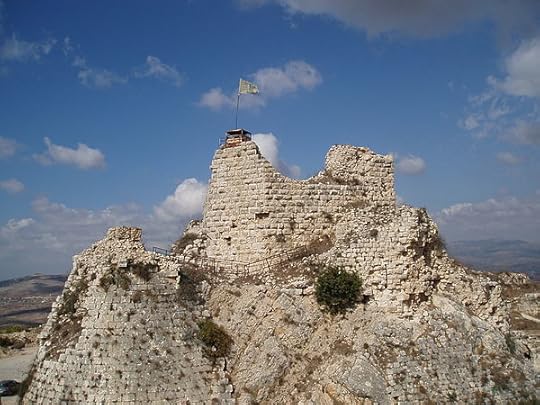
Le rovine del castello di Beaufort nel 2005 con la bandiera di Hezbollah che sventola dove prima c’era quella israeliana.
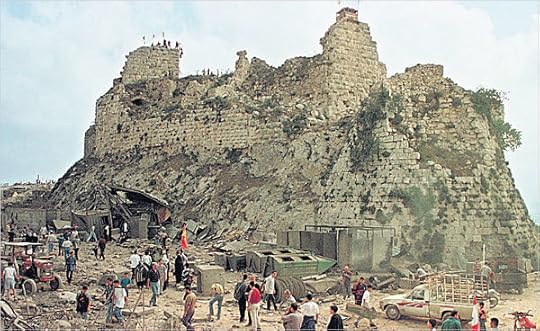
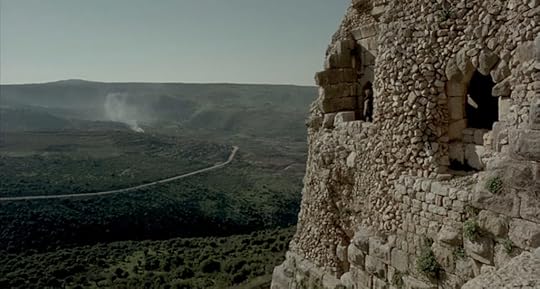
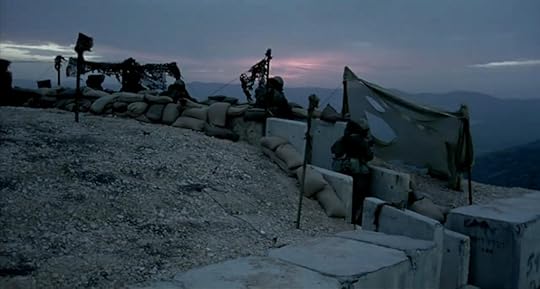
Beaufort sono i resti della fortezza dei Crociati in cima a un monte. Gli israeliani lo ‘conquistarono’ (occuparono) nel 1982, all’inizio della Prima guerra del Libano (poche settimane dopo ci fu il massacro di Sabra e Chatila), e lo abbandonarono nel 2000, al termine di quella anche chiamata con macabra ironia Operazione Pace in Galilea. Il romanzo racconta l’ultimo periodo di stanza nella fortezza, e l’abbandono definitivo, il ripiegamento, il ritorno a casa. Nei piani d’Israele serviva una zona di cuscinetto, più ambiguamente Zona di Sicurezza, per evitare che Hezbollah arrivasse al confine e potesse lanciare razzi nelle case degli israeliani. Chi prestava servizio nella fortezza finiva con l’essere come un piccione del tiro al bersaglio: stava lì, faceva la guardia, si metteva al coperto quando arrivavano lanci di bombe, granate, razzi, contava i morti, e si chiedeva perché non tornavano a casa, che ci stavano a fare in Libano.
Qui, invece, è il castello di Beaufort subito dopo la ritirata israeliana, nel 2000.
Questi soldati sono poco più che ragazzi. Erez, il loro comandante, dice: Non finisco di stupirmi di come mi seguano sempre senza fare domande. Dio, sono proprio dei bambini, innocenti, giuro, non capiscono che ho la loro età, solo un anno di più, che ricevo ancora ordini dalla mamma, che chiedo la macchina al papà, sono solo un po’ più esperto di loro, nient’altro. Parlano di ragazze, sesso, rimorchio, organi genitali, sembra che il mondo sia pronto ad accoppiarsi per intero. Superstizione intrecciata a fatalismo. Spirito di corpo, una certa dose di machismo. Con linguaggio piacevolmente sboccato e abbondante uso di slang, questi ragazzi hanno voglia di quella normalità che il loro paese non conosce, sognano il modello di vita occidentale, mitizzano il Sudamerica come luogo del rimorchio all’ennesima potenza.
Da notare che Ron Leshem non è mai stato militare sul campo, mai andato a Beaufort o partecipato a operazioni del genere: il romanzo è frutto di un accurato lavoro di incontri, interviste, documentazione, ricerca. Da notare il coraggio di uno scrittore israeliano che va al cuore del problema senza girarci intorno, parla di guerra soldati e nemici.
Sono pronto a perdonare le troppe pagine (un editor in stile Gordon Lish avrebbe giovato), pronto a perdonare anche le situazioni che si ripetono, qualche divagazione non indispensabile, il filo del racconto che ogni tanto sembra smarrirsi. Quello che invece mi lascia spiacevolmente colpito è che pur sollevando un sacco di giustificatissimi dubbi (anche se, più che sulla guerra in sé, sulla violenza e sulle invasioni e …, il dubbio nel romanzo sembra concentrarsi sulla necessità di stare in Libano, sul sacrificio di vite per motivi strategici e politici), ogni dubbio viene tacitato nel momento in cui adotta il punto di vista dell’io narrante, Erez, il quale respinge dubbi e domande e cortei e manifestanti e giornalisti, etichettando tutti come fighette e frocetti, e si presenta anche al termine della narrazione incrollabile nel suo amor di patria e spirito di corpo e cameratismo. Quando l’amico soldato e infermiere River dice, Noi moriremo uno dopo l’altro, e sarà per niente, perché alla fine ripiegheremo, non c’è dubbio. Ma una parte di noi uscirà in una bara, ed è un peccato morire così, senza motivo, è triste, Erez, il sottotenente a capo dei tredici soldati protagonista di tutto il romanzo e voce narrante, si arrabbia, Con idee simili sarai un combattente di merda; saranno i dubbi ad ammazzarti. Leshem vuole farci vedere le cose con lo sguardo di Erez, vuole che la pensiamo come lui. Ho sperato fin all’ultimo in una sterzata, in un tardivo ravvedimento: attesa invano. Non c’è una parola spesa per i civili libanesi. Gli altri sono sempre terroristi, quando Erez-Leshem è più gentile diventano genericamente arabi.
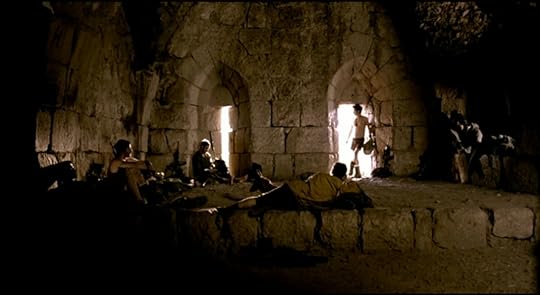
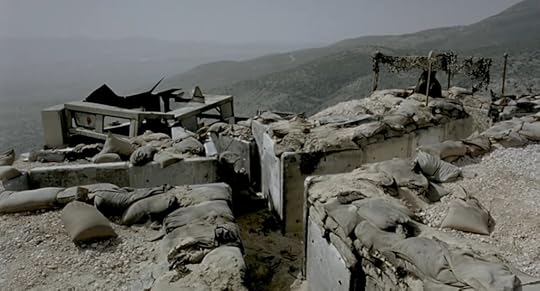
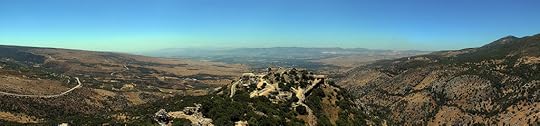
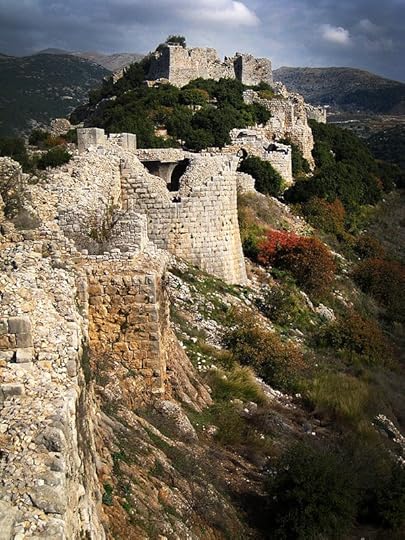
Il film corregge ogni problema. Forse perché il regista Joseph Cedar è un veterano di quella guerra. Forse, invece, perché queste erano anche le intenzioni del romanziere e co-sceneggiatore che avrebbe avuto bisogno di un bravo editor. Girato nella fortezza di Nimrod sulle alture del Golan, altro castello dei Crociati ma questo in territorio israeliano, invece che in Libano (e, d’altra parte, Beaufort fu fatto in gran parte saltare in aria dagli israeliani quando lo abbandonarono), immerge tutto in un ambiente e in un’atmosfera che più che a un film di guerra rimanda alla fantascienza. O al sottomarino di Das Boot – U-Boot 56. Nonostante le due ore e undici minuti di durata, non ha lungaggini e momenti non necessari. Condensa saggiamente il racconto, sfoltisce la pletora di nomi e personaggi, si concentra davvero su un manipolo di soldati guidati da Liraz (che nel romanzo è Erez). Non mostra mai il nemico. E soprattutto chiarisce il punto di vista e l’obiettivo: senza retorica, pur sembrando quasi non prendere posizione, è chiaro il suo intento antimilitarista, la critica alla guerra in sé.
Il romanzo chiude con una profezia che si è purtroppo rivelata vera: la ritirata dal Libano durò poco, alla prima seguì una seconda guerra (invasione), nel 2006 la storia si è ripetuta. Il film terminò le riprese un mese prima che iniziasse la Seconda guerra del Libano.
Il Castello di Nimrod sulle alture del Golan dove è stato girato il film.
Il Castello di Nimrod sulle alture del Golan dove è stato girato il film di Joseph Cedar.
A young Israeli soldier tells of his time leading a group guarding an outpost in Lebanon at the end of the 20th century. This led up to the rather abrupt withdrawal, and the chaos that ensued upon departure, after nearly two decades spent guarding the northern border of Israel. I was unaware of this place, turns out Beaufort is an old “Crusader” castle build on a strategically favorable outcropping that has changed hands many times over hundreds of years. This book is the end of the occupation by the Israeli Defense Force. It is a novel written by a Jewish journalist who lives in Tel Aviv and has many contacts with the actual men from whom he gathered background. I found this book when searching for the screenwriter of an HBO show where I though the script was particularly well written. I’ve found some find novels this way.
This novel is pure stream of consciousness from inside the head of our protagonist, a smaller stature but bullish man who must keep up appearance of strength in front of his charges. But he is deeply troubled within, and his difficulties in the real “soft” world on furlough, and with his girlfriend, is always juxtaposed with the stark life on the cold fort, where bombardments are frequent, and the men live in a “submarine” type tunnel when not on duty. He loves his girl most when she’s not around, and he accumulates letters that he is afraid to send. The book is a rambling of his own jumbled thoughts, and the rough and tumble life of his compatriots, often crude and chock full of gallows humor. This book surely ranks as one of the better for the life of a soldier, and the intimacies that they develop is unparalleled to any other in real life, hence the challenge of living post war. The horrors of the death and mutilations are as raw as they come, and the emotional toll is unflinching and brutal to these young men. They begin to question their mission, but these are soldiers sworn to honor and our leader struggles to keep his own allegiance and the boys strong (an ambiguous mission, or doubt being a recipe for death).
This book helped me sympathize with those I know who’ve seen combat and reminds me of the human toll we put our young people through in the name of war and national security. The book is well done, and unique in the way it is told from the inside of a young man at one of the many times of turmoil in the middle east. As a young man I was often dismayed that a “solution” to the middle east seemed out of reach for the human race. This was a time of the end of the Irish troubles, which also perplexed me, so perhaps it is possible. Then the Balkan war – so much war, all the time, it can get me down. But this book was a good one for its intensity and bringing home the reality of what humans do to humans. My number was not called as a young man, and for that I am fortunate, so I feel a debt to remember for those who were not lucky. I obsessed on the literature and films of the late 1970s in America. The author helped me feel this viscerally in another part of the world, where young men also died to prove their masculinity and to preserve the interests of the leaders of their clans and countries.
הספר התחיל בתיאור הדמויות הכי קלישאתיות שאפשר לתאר. חיילים שבוזים שמדברים כל היום על לזיין וכל מילה שניה היא ראסמי או דוגרי או תכלס. וכל מי שחבר אז הוא גם אח, וכולם שותים קפה שחור ומשחקים ששבש.
נתתי לסיפור הזדמנות וניקיתי מעצמי את הרושם הראשוני שהיה לי, ושמחתי שעשיתי את זה. הדמויות לאט לאט הופכות לאמינות, והסיפור כולו מרגיש אמיתי וחי. הייתי מרותק עד הסוף ולא רציתי שיגמר.
אמנם הכתיבה לא מושלמת ולפעמים כל הדמויות נשמעות כמו אותו בן אדם, אבל החוויות הצבאיות מרגישות מאוד נכונות, העלו המון זכרונות.
We few, we happy few, we band of brothers; For he to-day that sheds his blood with me Shall be my brother; be he ne'er so vile, “ --- “Henry V”, Shakespeare
Beaufort” offers a gripping fictional account of an Israeli defense force manning a desolate outpost in southern Lebanon. Instead of a GWOT, you have a local war on terror and Hezbollah. Ron Leshem creates a fully believable world of full metal jacket, so realistic you can almost smell the cordite, sweat and blood. The mental stress of fighting “the new war” that rarely offers open pitched battles is drawn brilliantly. “Beaufort” underscores the challenges of any occupation force as it struggles to impose its will on foreign territory – a timely lesson that of course transcends southern Lebanon. The tedium and terror that comprises the soldier’s life is depicted in a fully believable way. “Beaufort” launches a full armed assault on your senses as it takes you into a world characterized by days of boredom and minutes of firefight terror. A gripping combat novel!
Per ora sono ancora sotto anestesia. E dubito che, dopo un libro così, d'invenzione, ma vero, ne uscirò mai più. Anche se, dice e ripete Erez, la voce narrante, si ricomincia sempre.
Mai più, è scritto all'inizio. E poi cominciano i capitoli, 23. In cui vita e morte, senso e non senso, domande e risposte s'intrecciano. Io invece farò, prime delle ultime pagine. Per cercare, comunque e nonostante, una speranza.
Before the Israeli election in May 1999 the prime minister of Israel, Ehud Barak, promised that within a year all Israeli forces would withdraw from Southern Lebanon.
Israel had forces in Lebanon since the first Lebanon war in 1982, forces that were reduced between 1983 and 1985 to a security zone north of the Israeli border. The purpose of this security zone was to prevent terror attacks from Lebanon on the northern Israeli border. As the years advanced, the local Hezbollah forces became more proficient and daring and the Israeli forces were reduced to well protected outposts. The supply and reinforcements were done by armored convoys or by air. It slowly became apparent to many that the forces in Lebanon were not really guarding the Israeli border but were mostly protecting themselves, and the public opinion in Israel was changing and questioning the logic of the presence of Israeli forces in Lebanon.
This book follows an Israeli unit in the Beaufort outpost built on the ruins of a crusader castle. The book gives us a realistic description of the difficult service in Lebanon about the physical and mental hardship, the relationship between the members of the unit, between them and the commander. The narrative is written from the point of view of Liraz, the team commander in the isolated outpost, who is forced to deal with loss, fear and the lack of legitimacy at home. Although the characters and events are fictional and even though the author did not serve in Lebanon, the book was inspired by real events, based on an investigation conducted with soldiers and officers who served in Beaufort in the years 1999-2000.
As a person who had my share of Lebanon time, I found interest in the book and in its unique language and dilemma’s.
While this book is very Israeli and connected to the place and era, I am sure that similar fears, conflicts, situations and dilemmas may be found in any war conflict zone and in any time. This book is another proof that leaders should reconsider many times before sending (or keeping) soldiers in battle.
Beaufort is a gripping novel about a company of Israeli soldiers serving in the ancient crusader castle of the same name. At the time it was being used by the IDF as an outpost in their war on Hezbollah. Reminiscent of "All Quiet On the Western Front" Lesham's haunting prose illuminates many of the same themes, and gives the reader a window(as much as a book can) into what it was like to serve in Lebanon in the late 90's, and the bonds that only the shared experience of combat can form, reminding us that despite technological advances, the emotionial experience of war remains largely the same.
ספר מאד גברי, מאד ישראלי, שמעביר היטב את תחושותיו ועולמו של חייל בעיצומה של הלחימה בלבנון. מדובר על תקופת פעילות צה״ל ברצועת הבטחון בדרום לבנון בשנים 1999-2000, בין מלחמת לבנון הראשונה לשנייה, בערך בשנתיים האחרונות של מוצב בופור, עד שפונה.
הספר הזכיר לי קצת את מלכוד-22, רק כזה שמתרחש בישראל. גם כאן, יש דיבור עם המון גסויות, גם כאן הקול הנשי כמעט ולא נשמע והבנות המעטות הן על תקן ״כוסיות״, וגם כאן נהרגים ונפצעים חבריו של המספר וגם כאן הפיקוד הצבאי הבכיר אינו יוצא במיטבו והחיילים מוצאים את עצמם במצבים בלתי אפשריים. מטורף לקרוא ספרי מלחמה ישראלים אחרי מה שקרה ה 7/10…. עצוב מאד. תמיד תהיה פה מלחמה לצערי.
הקריינות של עמוס תמם הייתה פשוט מהממת. ****************************************************** אם יש גן עדן, ככה הוא נראה. אם יש גיהנום, ככה הוא מרגיש.
"We sit up here at Beaufort, disconnected from everything, drawing rockets and mortar shells and explosive devices, endangering our lives, just so we can continue sitting at Beaufort. That's the entire mission. What a shitty feeling." (pg. 130)
Israeli journalist Ron Leshem interviewed IDF soldiers who sat up in the ancient crusader fortress named Beaufort during its occupation of the Lebanon border area that lasted from 1982 to 2000. In his novel, the exact detailing of the mundane, what soldiers know as hours of boredom punctuated by split-seconds of sheer terror, brings the situation to life. It's a familiar story, an almost free-associative illustration of war a la The Yellow Birds melded to the bored-yet-terrorized kids trapped in an outpost surrounded by the enemy in A Midnight Clear: A Novel. I liked Beaufort better than Yellow Birds because I felt a stronger emotional attachment to the characters (despite, it seemed at times, the narrator's every effort to the contrary), but the narrative's wheels stuck at times under the weight of itself, and with no larger story to propel the reader along--unlike Midnight Clear.
Ultimately, this is a tough book for me to review. While reading I went through many stages of discomfort at my reaction to the often off-putting characters, the stream-of consciousness style, the depressing material, and my own inability to determine whether this I should take this all with an ironic grain of salt--or was the author feeding this to me straight? I want to think that the narrator's self-professed mysogyny, homophobia, and zeal-for-war was all an act to do his job as officer, and indeed, he does it very well. At some point in the middle I noticed an emotional cycle where the author would take one of the undeveloped side characters, bring them center-stage, soften them up, get them to spill their secrets, and then "waste" them in the next few pages. It was an almost clockwork procedure of emotional manipulation, and made the book easy to put down, hard to pick back up. In the last 60 pages the story at last shakes off its torpor and I finally felt that resonance I had wanted to feel from the beginning.
I picked this book up for a Modern Middle East class, but I absolutely loved it. Now, I'm kind of obsessed with the Israeli-Palestinian conflict, and the history and current conditions of this area.
Beaufort takes place in 2000 in Lebanon, focusing on a group of Israeli soldiers. This book is amazing; its raw, real, and completely devastating. Written by a journalist, it really gets down to the experience of war, not just the dramatic story line. People see a lot of crap in war, and in many ways, become complete desensitized by it.
The story of this group of men starts before the orders to pull out of Lebanon, then continues through as you see the effect the orders has on the soldiers. Their station is the Beaufort Fortress; a castle in Lebanon that seems to be surrounded by the invisible enemy who attack from nowhere and everywhere. This fortress isn't just territory though; its a symbol, and the Israeli soldiers will do anything in their power to hold onto it.
The writing is fantastic, the plot is based on true events, and the emotion and intensity of this book is incredible. It is a report of history in narrative form; its distressing and frustrating and complex. Go read it.
“You pray to God, to Allah, even to Muhammed or Jesus, or all of them together, because there’s no way of describing how scary it is when [a bomb] closes in on you, makes your heart pound at a rate of four hundred beats to the minute and there’s nowhere to run to.”
Now for my side note rant:
I highly recommend this book; and I recommend people look more into this part of history. I've been doing a lot of documentary watching on the Israeli-Palestinian conflict and it is so much more complex and frustrating than we can even begin to understand, and the conditions that these people are living in are terrible. Why does this effect us (if you are in the US), you ask? Because we are paying for it to continue. Oh yes, its true. And its still happening. Two good documentaries to watch are Occupation 101 and Death in Gaza (both on youtube).
This is the best novel I've read about men in war since Tim O'Brien's "The Things They Carried". In a flood of language (translated effectively from Hebrew to English) we are swept into a world of words describing experiences that have no counterpart in everyday life. The young IDF soldiers stationed inside Lebanon during the 1980s and 90s occupation of that country, led by a nonstop talking narrator, fill the boredom of their lives and block out the terror of their perilous position as a target of Hezbollah artillery by talking, talking, talking, mostly in an argot of their own invention.
The talk is often raunchy, outrageous and absurd, marked with playful gallows humor, while the CO of the squad is constantly concerned with whatever persuasive powers are needed to maintain both discipline and morale, in the face of often incomprehensible military orders and a growing media-covered revolt among civilians at home against the government's defense policies. These, we discover, are the months, weeks, and days before a final pull-out, as one by one, lives are still being lost.
There is little actual engagement with the enemy, just a hanging on until an end that seems never to come. Meanwhile, the soldiers in the unit struggle to understand what the experience is doing to them as young men on the sudden sharp edge of adulthood. This is a powerful book, neither pro-war nor anti-war, though it will surely disturb those who are strongly one or the other. Regardless of how you view the Isreali government's policies, you will not soon forget this book - if it's even possible.
I tried to read this late last year, so this should go under 2009 attempts. Oh well. I got about halfway through the book before giving up. When you look at a book and are thinking "Ugh, I still have to finish this..." it's time to find another book. The pity is the story itself has potential. The story is told from the point of view of Erez, the squadron leader at Beaufort in the year before Israel's withdraw from South Lebanon in 2000. You would think that such a setting, with all of its politics, intrigue and action, would make for a fast-paced interesting read. But the story meanders and repeats a LOT. It almost feels like stream-of-consciousness, which I'm not a big fan of. I do like the glimpses of what the soldiers go through. I realize a part of the tone of the book is Erez and his squadron having to wait long stretches of time -- but I've seen it better done.
Beaufort reads like a war memoir, down to the grittiest or most tedious details of military life, and I was stunned to learn when I read the author's bio that he himself had not served in Lebanon. Leshem did an amazing job of reporting to create this book.
He also does the neat trick of choosing a narrator who would seem to be the last person I'd sympathize with -- hard-core macho, sexist, racist anti-Arab working class Israeli guy -- and yet builds up a respect and affection for this fellow.
לפעמים המילים הכי פשוטות מצליחות לספר את הסיפור הכי כואב.
זה המשפט שעבר לי בראש לאורך כל הספר. חלק מאהבתי המתפתחת לספרים מצוייה בשימוש בשפה עשירה ומורכבת, כזו שיכולה לתאר לך בחידוד יתר התרחשות או הרגשה, שאי אפשר לפשט אותה יותר ממה שהיא. מילים שלעיתים אתה לא מבין את המשמעות שלהם במאת האחוזים אך את הנקודה שהמחבר מנסה להעביר אתה מבין יותר מאי פעם.
בספר הזה זה לא המקרה. הפשטות, האותנטיות, הדיבור בגובה העיניים, הניסיון להסביר מצב כל כך מורכב של מלחמה, של שכול, של כאב, של סבל ולכלוך, של חוסר אונים במילים של ילד בן 22 היא משימה כה קשה, אך דווקא הפשטות הזו מספרת את הסיפור כולו. הספר הוא ספר שהכאב מלווה כל מילה ומילה בו. גם בצחוק יש כאב וגם באהבה יש כאב. המילים הפשוטות ביותר הן אלה שגורמות לך להרגיש הכי כאב.
בזמן שקראתי את הספר הוא לא עזב אותי, המחשבה על השהייה במבצר הבופור, המרחק מהבית, ההתמכרות לכאב, ליוו אותי גם כשעזבתי את הספר. מה גם עזרה התקופה שבה קראתי את הספר - מלחמת חרבות ברזל. אין חדש תחת השמש. גם היום, שאנחנו נמצאים במלחמה מיותרת, שנמשכת שנה וחצי, חיילים שלנו עדיין ממשיכים למות שכבר בשינקין שותים מיץ מנגו וצוחקים בבתי הקפה, גם היום, התחושות הן אותן תחושות. הספר מעביר אותנו תהליך שארז עובר - המפקד "הצהוב", שמאמין בדרך הפקודה, המקל ללא הגזר - מבין שבסוף, המטרה העילית היא אמנם הגנה על מדינת ישראל, אך המציאות היא שצה"ל צריך גם צאן לטבח, בשר תותחים. גם בהגנה על המדינה, על הישובים, על הילדים שלנו - הפוליטיקה חשובה יותר.
ומה יש לחייל אחרי שראה הכל? מה מרגש אותו? מה מצליח להזיז לו את מיתרי הלב - עוד מלחמה, עוד כאב.
כשסיימתי את הספר לקחתי פתק וטמנתי אותו בתוך כריכת הספר, מן סיפתח לקורא הבא שישאיל אותו בספריה, על הפתק כתבתי: "הרע מתערבב עם הטוב הכאב מתערבב עם העונג המציאות מתערבבת עם הדמיון אבל הפחד תמיד נשאר פחד"
seems like my exboyfriend used this book (by his words his favorite) as a manual for life: constant complaining and negativity, holding your emotions, fighting instead of loving, not trusting anyone, homophobia, hating Isntrael and everyone in it, but unable to leave or change a thing, so going down on the spiral of negativity. First about 100 pages were boring and i suffered through them. After the action it started making sense; the action parts in general were more interesting then the boring moments of calm when the main character just complained. It seems like the only lesson learnt is that it was not worth it – both the time in Lebanon and reading this book
RICK “SHAQ” GOLDSTEIN SAYS: CAMARADERIE IS BUILT AS ISRAELI BOYS BECOME MEN DURING ISRAEL/LEBANON WAR.” ------------------------------------------------------------------------------ The Israeli author Ron Leshem wrote this in Hebrew in 2006 and won Israel’s top literary award – “The Sapir Prize”. Leshem co-authored the film version of “Beaufort” which won the Berlin International Film Festival’s “Silver Bear” for Best Director. And now in 2008 it has been wonderfully translated into English. The story takes place in February 1999 in Northern Israel and Southern Lebanon during the Israel/Lebanon conflict. The main character and narrator in the story is Lieutenant “Erez” Liberti. His real first name is Liraz, but in basic training, at the very first roll call, the platoon commander said: “What kind of a name is that? Liraz? That’s a chick’s name. From now on you’re “Erez”, like the cedars of Lebanon.” And from there on out he was Erez. Though this entire story takes place during war, as Israel enters and mans the infamous Beaufort outpost that was taken from Lebanon in a historic battle in 1982, the powerful emotional strength of this story isn’t in constant grisly battles of weaponry and uncountable deaths and killings. Though any amount of death is too much and there are horrendous emotional heartbreaking deaths on the battlefield, the strength, power and heart rendering beauty of this story is in the building of the relationships between the young Israeli soldiers. I am a Viet Nam era veteran and when I entered the military I wasn’t old enough to “legally” drink, but I was old enough to “legally” kill. I understood that, having been raised to respect and appreciate the price that America has paid for the freedoms we possess. Looking back on my life I thought I was already a man when I entered the service, but I was nothing but a boy. When I got out of the service I was a man, knowing things I wished I never got to know. That’s what this story is about. Erez, though only a couple of years older than his troops was not happy with the discipline he saw in his “KIDS” as they got ready for battle, so he runs them into the ground. As the story unfolds the reader gets to learn intimate details about Erez and the thirteen boys/kids/men under his command. Friendships are earned, not born, when everyone’s life is on the line every second. I can attest to the fact, that the true mettle of a man, even with all the training in the world, mixed with all the youthful male “bravado” and braggadocio, is not proven or understood fully, until the first mortar’s, the first missiles, and the first rockets land in the middle of your platoon! That’s when a true “man” is forged.
After the first death in Erez’s squad, by my experience, it becomes a necessity to inoculate a close knit group on the battlefield with some form of “dark-gallows-humor” and that’s what Erez’s “kids did. They invented a game called “WHAT HE CAN’T DO ANYMORE” and it’s what everyone played when a friend was killed. I.e. “Hetzl” (I’ve used a fake name so I won’t reveal an individual’s death before you read it.) won’t be able to get laid anymore… he won’t be able to piss off a mountain peak anymore... he won’t know his parents were proud of him anymore.. etc. “Gallows humor” at its finest, and it does help you soldier on in your tight knit group where each and every life is dependent on the other to stay alive. As these boys become men, there are gut-wrenching tears shed as the cost of war includes heads literally blown off bodies during missile attacks, arms and legs destroyed, which the soldiers feel is worse than dying. There are attempts through tears to stuff friend’s innards back inside him as they realize in horror they can’t save a friends life. But through it all, the beauty of friendship and trust and “LOVE” emerges miraculously through the horror of the battlefield, like the beauty of a flower sprouting up through a crack in a deserted sidewalk in a ghetto. This is an unforgettable book that I recommend to all.
I have been focused more on Non Fiction reading about Zionism, Israel, and Antisemitism, so this foray into Fiction was a welcome change. My wife has been suggesting that I read this book for a while since we read the book "PumpkinFlowers" by Matti Friedman. This was a fictional account of the Lebanon war, not by someone who lived through it; but, by a journalist who interviewed many people who were in the war. I found the book to be well written, though at times a little confusing. I do not know if that was due to the fact it was originally written in Hebrew and then translated to English or if the original was confused in places.
Much has been written about the Lebanon War. For some, it was a war to protect the people in the north from random attacks. Having cousins who live in the north who experienced rockets falling on a regular basis, I could understand it. For others, it showed the futility of an incursion that just feeds the conflict dead without accomplishing much.
The question becomes does war resolve issues or simply create new ones? In some cases, such as in WW II with the defeat of Nazism and the Israel War of Independence, there were resolutions to important questions. However, in other wars and conflicts, it is the conflict itself that takes on a life of its own resolving nothing.
I read this book not as a comment on the war in Lebanon; I read the book as a comment on the conflict between Israel and the Palestinians. I could quote chapter and verse as to why I believe Israel is in the right. I could further justify in my mind and many others why Israel should not give one iota of land to create a Palestinian state. But what good would that do? It would just perpetuate the current futile situation.
To me, this book is a comment on futility. If we do nothing, then we perpetuate a conflict that will continue to be fed in human lives from both sides. Therefore, before nothing is accomplished, we must conclude that a new approach is required.
Ron Leshem's novel ‘Beaufort’ initially published in Hebrew in 2005 and subsequently translated and published in English in 2007. The book tells the gruesome and gripping story of Commander Liraz Librati and his section of 13 newly drafted IDF soldiers. They are sent to Southern Lebanon to hold the line against Hezbollah in the last year of the Israeli occupation of Lebanon. Levi is a warrior, a tough, battled tested soldier who has to guide his 13 raw recruits through their hellish tour of duty at outpost Beaufort. The lives of the men are his concern yet, he struggles to understand their personal feelings and views on 'why are we here'. The story about young men thrust into the war as duty calls in Israel. The young fresh troops are generations away from the values and the cost of living in the Jewish state of their parents and grandparents. Levi must manage his frustration and hate of the young soldiers' weaknesses. He commands his men with an iron rod and communicates poorly with his own commanders. Levi wants to engage and fight and kill the enemy. The politicians and high command are tired and exhausted by nearly twenty years of occupation. The time has come for the IDF to withdraw (retreat?) from Southern Lebanon and the young men anxious to live their post IDF lives are caught up in the realities of war and the politics of the zionist state. The men continue to ask why, yet they serve and perform their duty even as they are killed and maimed by an unseen enemy who send rockets and missiles at will into Beaufort. They are confused, frustrated and scared. The countdown to the withdrawal is a pressure cooker and in some ways it is better to fight than to sit and feel like sitting ducks. A brilliant book about men at war. Beautifully written and gripping by the page. I highly recommend this novel as it will give you an insight into the mind of the IDF and the Israeli State. Bought from Apple Books (eBook)
Beaufort is a gripping, intense, and deeply human portrait of young soldiers navigating the absurdity, fear, and camaraderie of war. Ron Leshem’s debut novel captures the psychological tension of life in a small, exposed fortress with precision and emotional resonance, balancing dark humor with moments of brutal reality.
The story of Lieutenant Liraz “Erez” Liberti and his squad is both intimate and epic. Leshem excels at portraying the soldiers’ boredom, anxieties, and small triumphs against the backdrop of constant danger, creating a claustrophobic world where language, storytelling, and small acts of defiance become survival mechanisms.
What stands out is the novel’s honesty: the futility, the fear, and the fleeting moments of tenderness are rendered without sentimentality. Leshem also conveys the universal experience of war the moral compromises, the bond between men, and the moments that test courage and humanity.
For readers interested in literary fiction that is both psychologically acute and viscerally realistic, Beaufort is a searing, unforgettable work. It’s no surprise the novel inspired the acclaimed film adaptation, and it resonates far beyond its immediate military setting.
what do i do when i can’t rate or review a book, just because it’s been haunting for 2.5 weeks? no words, no number can describe what it’s like reading the war. a war of a different time but of the same lands. the same hills, the same names, used by different people 26 years later. what do i do when every page shakes the ground the same way it really did back in 99’ and 1.5 years ago? it almost doesn’t make sense for me that someone who wasn’t even there can find these words i’ve been looking for, for me. i’m not a man, i’m not a combat soldier. but the strange, eery and somewhat natural connection a generation has to the experience described in this book, to the mountains of lebanon and the galilee, is timeless, genderless. first review i’ve written and probably the last, too
קשוח ביותר הכי חשוף, פשוט מחשבות ללא פילטר, אמין בטירוף וזה מה שהופך אותו לכל כך קשה לקריאה, במיוחד בטיימינג הזה של ימי מלחמה. הרבה גסות יש בכתיבה, תיאורים גרפיים שלא נעים לקרוא אבל הרגשתי שזו היתה קריאה משמעותית וחשובה. דברים שפשוט צריך לשמוע. ספר חד פעמי להרגשתי. שמחה שצלחתי אותו.
הורדת הכוכב היתה על הבחירה הספרותית לפתיחה של הספר שלא הרגשתי שהיתה מוצדקת מבחינת הבנייה של הדמויות, אנחנו פותחים במוות של יונתן והגעתי ישר בהכנה לחפש אותו אבל האירוע עצמו לא תפס חלק משמעותי מספיק מתוך הטקסט והרגשתי שהדמות שלו דווקא לא היתה זו שהכי התחברנו אליה והכי תוארה באריכות.
מעבר לזה, ספר מטלטל. מצאתי את עצמי עם דמעות בעיניים בסוף.
A wonderful, rich, entertaining, educating and moving book. This book is in the tradition of Catch 22 and before that Evelyn Waugh: a meditation on horrors, futility and chaos of War, its purpose and justification and its effect on the individual. For me the main theme of this book is the conflict between the military and the civilian existence, and the ability (or inability) of the individual to reconcile one to the other. This is beautifully exemplified by the narrator, Erez when he returns to Tel Aviv for a furlough and he is unable to deal with life in normal society. First he splits up with his girlfriend for no real reason. Then this beautiful passage:
"At home. An entire nation was there [at beachfront Tel Aviv cafes:] drinking mango and banana smoothies, having a great time. I really hoped I'd feel part of it, flow with the new rules, play along, get used to it. But it didn't happen"
And another after an uncomfortable encounter in a pub:
"I felt like a pear whose insides have been gutted by a worm and there's just the skin left, but it refuses to fall from the tree"
Erez is aslo a fascinating character: arrogant, cruel, snobbish, racist, sexist and homophobic ... curious - and unusual - that the author should imbue his protagonist with so many negative characteristics.
Another more recent book I am reminded of is "The Things They Carried" by Tim O'Brien which follows a similar theme: a collection of related stories about a platoon of American soldiers in Vietnam - this also explores the conflict between military and civilian life.
Beaufort however has a greater richness, and the language used is at times poetic, humourous, challenging and always eloquent. One wonderful passage is where one of the soldiers is reading from Henry V - Shakespeare's own meditiation on war. Ron Leshem (through the mouth of Zitlawi) then takes on the Bard at his own game with his own take on this speech - an impossible task of course, but he does pretty well! [I am curious as to whether the Shakespeare is in English or Hebrew in the original version ????:]
Another prevalent theme of Baufort is the conflict between the religious and the secular within the military setting - which again is something Waugh explored, but for me in Beaufort this is much more powerful because of the intensity of the Judaic religion (cf Christianity). We have Bayliss from a religious home who gradually drops everything whilst at Beaufort, but as soon as he leaves the post to go home to his family his Yarmulka reappears. The we have the wonderful recurring encounter with Hodya - the religious 16yo blond girl - who surprises us all! Another beautiful section, Hannukah, after Zitlawi has been killed:
"How the hell were we supposed to recite: Blessed are you who has kept us in life, sustained us, and enabled us to reach you on this joyous occasion .. at a time like that..."
The book also effortlessly provides a rationale for Israeli military policy - we are left in no doubt about the justification for the war against terrorism. I was in UK in December at the time of the Israeli invasion of Gaza and daily I had to listen to stories about how evil the Israelis are - both in the media (British sentiment is traditionally - and historically - anti Israel) and from friends and - I hate to say - members of my family. Most of what I heard was based on only partial understanding: an ignorance of the real issues and history, and an inability to see beneath what is on the surface (ie Palestinian children being killed in shopping centres). This is poignantly summed up by Ron Leshem: when the anti-war demonstrator Ashkenazi woman bangs on the soldier's vehicle window and yells "Cannon Fodder!" .. "She was hysterical. It was a pity they couldn't see the whole picture the way we can. Up there in Lebanon the war looks a whole lot better". Interesting choice of word: "better".
The passages dealing the death of the soldiers, River and (even more so) Zitlawi I found intensely moving and emotional. The horror, sadness and traumatic effect of these events on the other soldiers is convincingly portrayed.
There are many wonderful aspects of this book: the eccentric characters and behaviour, the beautiful, paradoxical descriptions of the hilltop location of Beaufort and others too numerous to mention. It is not an easy read - it needs full attention - but is intensely rewarding. The form and structure is excellent. After the initial excitement of the first ten or twenty pages I was concerned that we may run out of ideas, but this is not the case: the tension and interest is maintained through to the last page and various themes are developed expertly.
I found the language used extremely engaging and - as I said before - poetic and poignant. I wonder how much of this is down to the translator?? Two more quotes from sections I enjoyed: "Hatred is an excellent antidote to boredom" (p11) - very true - who hasn't lingered in anger on occasion, as something to hide behind, to avoid having to confront other issues? Also, when descibing the landscape around Beaufort: (p13) "If I could only fly along the rivers and over the mountains I would be home already". Wouldn't we all ?!
Two other aspects (author's tricks) which I enjoyed: we are never told the contents of the piece of paper from his gf Erez keeps around his neck (was this changed in the movie??), and I liked the fact that the identity of the dead soldier referred to in the prologue is not revealed until almost the end of the book.
This book is full of shallow caricatures drawn by the typical leftist Tel Avivian. There's Rambo-like knucklehead that disobeys orders due to anger management issues, An Ars that is extremely unintelligent but has a golden heart, religious people that are conflicted about it and of course endless idolization of the "thoughful" representative of the Israeli far left. All the characters might as well appear in Eretz Nehederet sketch. Moreover, the voice of the author comes through the again and again, breaking character and ruining the flow of the story.
I began thinking *Beaufort* was the greatest grunt military vision ever manifested in writing, but found all the best lines are found in the first ¼ of the book. After that he’s spinning his wheels looking for direction. This still should be entertaining for many who like army realism and who can uncritically enjoy a depiction of behind the front lines dialog.
It goes into a James Joyce, stream of consciousness style where a paragraph can go on forever. Is this a writer’s-high inspiration? Or a lack of discipline?
super intense, very realistic narrative voice. i think it captures a moment in time very well, blending the very personal with the national and international convincingly. one star off for blatant homophobia and rape culture.
שיא הגבריות הרעילה. בחורים מתנחגים כמנייאקים, אבל הם ״אחים״ ואוהבים אחד את השני יותר מכל דבר אחר בחיים. לנשים אין זכות הדיבור בספר, וממילא הן כולן זונות. המלחמה היא חסרת-משמעות, כל הבחורים נהרגים ביום שלפני השחרור, כל המפקדים טמבלים, אבל לבקר את הצבא זה בגידה. קיצר, שתויות במיץ.