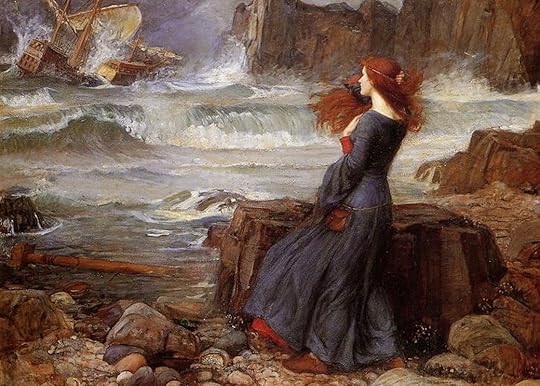
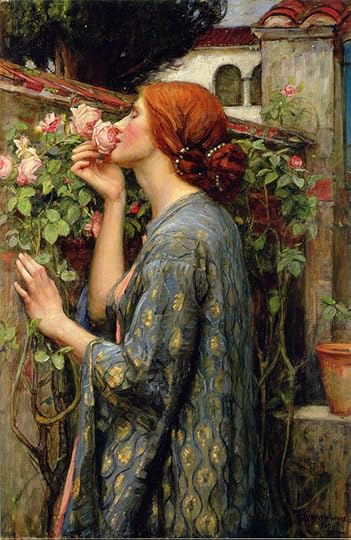
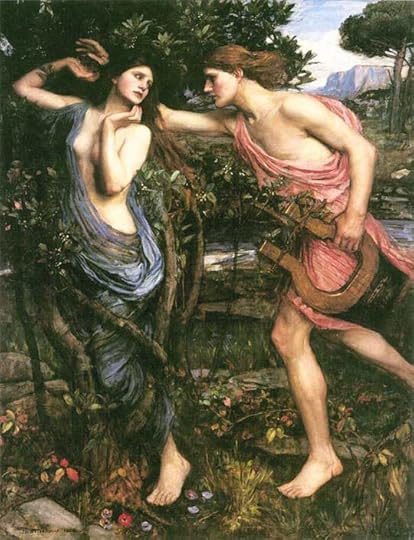
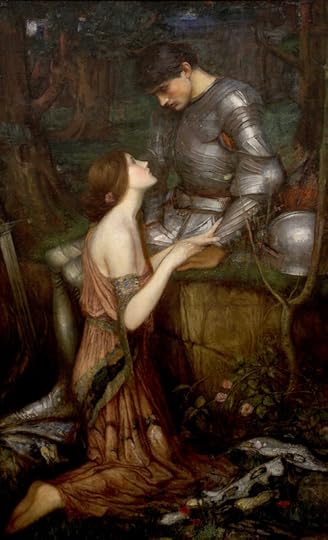
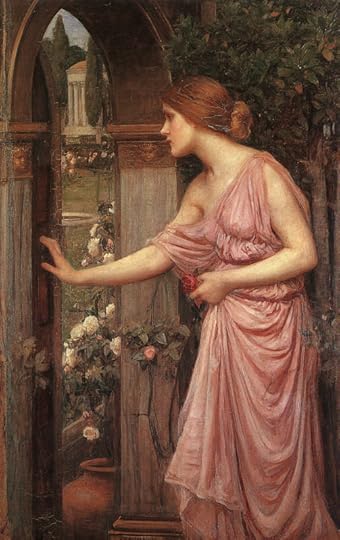
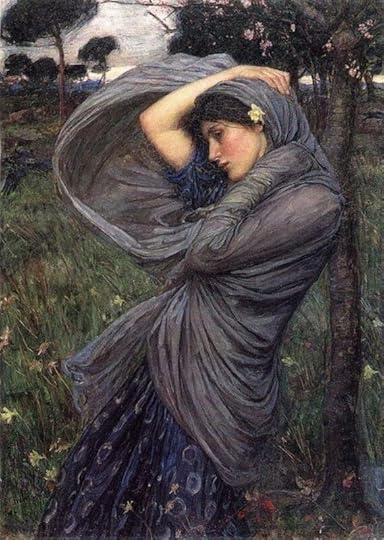
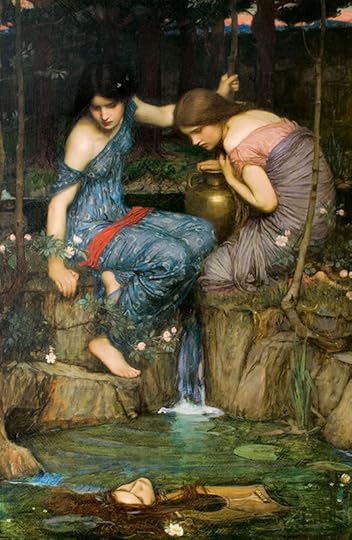
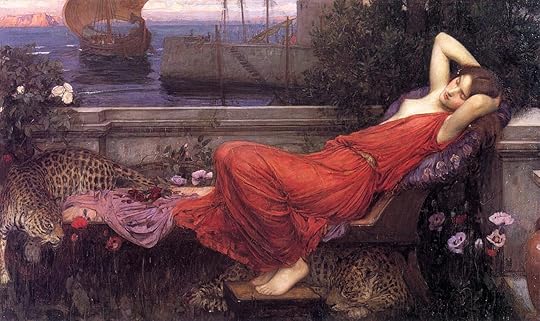
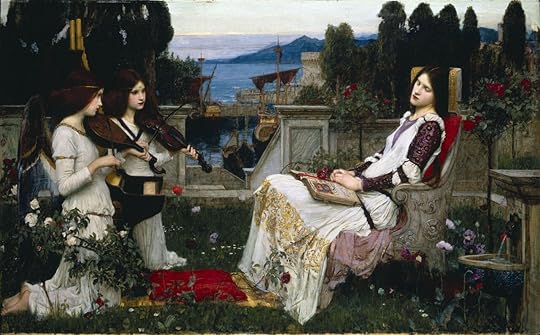
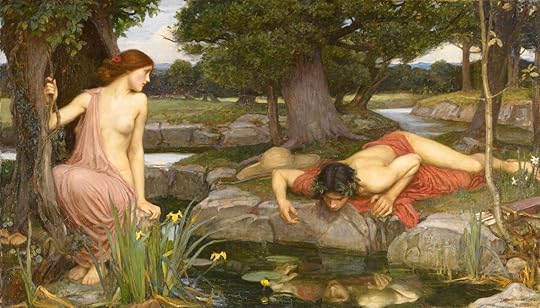
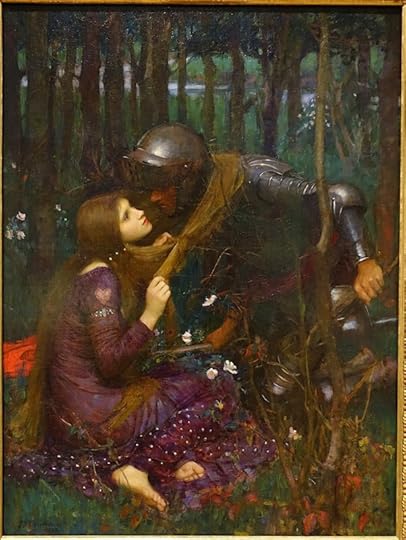
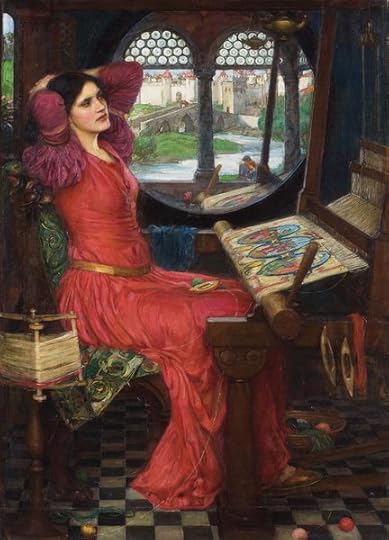
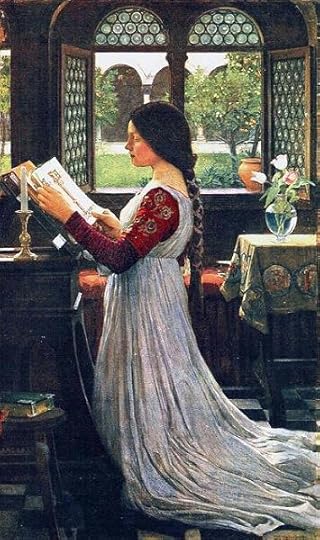
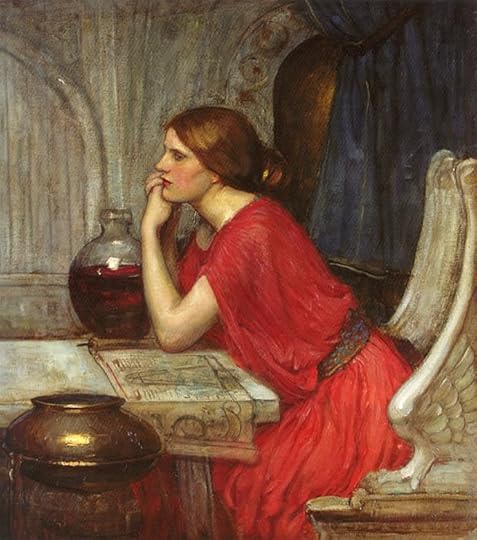
"John William Waterhouse (1849-1917) is among the most popular Victorian artists, and many of his paintings have become icons of femininity recognized the world over. With their glowing colour, compelling composition and Impressionist-inflected technique, these paintings are admired for their beauty, yet at the same time have the power to transport viewers into a romantic world of myth and legend." "Waterhouse's art reflects not only his distinctive ideal of female beauty, but also a lifelong fascination with the Romantic and Symbolist themes of passion, magic and transformation - spiritual, erotic and physical. These themes also reflect the complex and ambivalent attitudes of his age. Peter Trippi presents a new analysis of Waterhouse's enchantresses, martyrs and nymphs, at the same time presenting a fresh and thoroughly researched review of this surprisingly enigmatic artist's life and the circumstances in which he painted." Like other Victorian artists, Waterhouse was neglected through much of the twentieth century, but today he is acknowledged as a crucial inheritor of the Pre-Raphaelite legacy. Peter Trippi's monograph provides a timely re-evaluation that combines a close reading of Waterhouse's imagery with a new appraisal of his unique and enduring qualities.
A wonderful examination of one of my favorite artists, who characterizes the Pre-Raphaelites in theme and subject. I love it when books about artists include the work of their contemporaries/friends and sketches by the artist, so Trippi's book was just the thing.
There's something I've loved about the Pre-Raphaelites for ages. I can't quite put my finger on it, but I like them.
One of the joys of reading is learning. This review is focused on one new experience for me—the art and life of J. W. Waterhouse. I had no real knowledge of the Victorian, pre-Raphaelite perspective, before reading this book. As such, this book opened a new world for me; this book does what reading is best at—introducing us to new vistas.
The book is a combination of biography and critical analysis of Waterhouse’s art. I am amazed at how many blank spots there are in his biography. One would have thought that someone so well known would have had a more complete record of his life story. The author of this book, Peter Trippi, speculates that Waterhouse’s widow, after his death, may have destroyed his records and correspondence. And, indeed, if the author is correct, we know very little about Waterhouse’s wife, Esther Kenworthy Waterhouse, outside of scraps of information here or there (and see a fine portrait of her by Waterhouse himself [see page 75:]).
He began by painting classical themes (e.g., “The Death of Cocles”), fairy tales/folklore (e.g., “Undine”) , and so on (e.g., “The Slave”). As his work evolved, his art became more subtle and telling (e.g., with the classical themes, see the progression from “The Death of Cocles” to “The Remorse of Nero” and “Diogenes” and “The Favourites of the Emperor Honorius”).
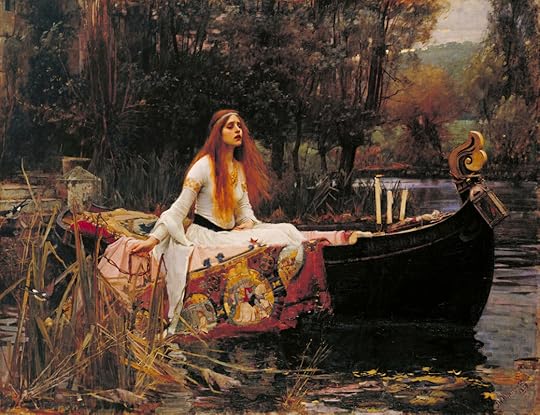
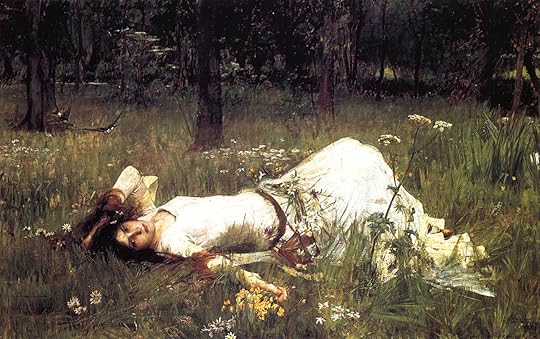
The next phase of his career was a major step forward in his work. Some of the key works (which I find stunning and powerful, as one juxtaposes the underlying stories with his paintings): “The Lady of Shalott,” “Saint Eulalia,” “Mariamne,” and “Ophelia” (different versions of which are powerful in their own right). This review is already too long. Suffice it to say that his work continued to evolve.
The final chapter tries to place Waterhouse in context and make some judgments about his body of work. Trippi concludes that (Page 237): “His place in the history of art is guaranteed by his highly individual application of the Impressionist-inflected brushstroke to themes drawn from, or evocative of, the Pre-Raphaelite canon.” If, like me, you are not at all conversant with the work of J. W. Waterhouse, this book is a wonderful resource. Even if you know quite a bit, this would still appear to me to be most useful, pulling many of his works into one volume while providing a sense of who he was and what his life was like.
I received this book as a Christmas gift because they knew I loved John William Waterhouse's work. It is a glorious book. The author does a great job of laying out Mr. Waterhouse's life which apparently is no easy task as the man was very private and all of his papers and letters were lost to time. So he mainly had to work through what other people said about him and the few letters he wrote to others that they saved. I liked how the author basically told Mr. Williams story through his paintings laying them out chronologically, as he explained what they could've have meant and filled in what was happening in the art world and the world at large at the time. The paintings are in full color and are gorgeous I am so happy to have been given this book.
J.W. Waterhouse By far one of my most favorite artists I decided to do the Extended Essay for my IB diploma on him. It's a truly beautiful book, a wonderful mix of his personal life and his artwork, as well as some background information on his influences and the context for many of his pieces. The images were all such high quality and clearly labelled and easy to identify. I hope to one day buy this for my own personal collection instead of just taking it out from the library, this deserves to be on any art lover's bookshelf. I definitely uncovered some new works from him and got to revisit some of my personal favorites, all contained within one spine. Absolutely loved it.
The hardback edition of this book is a gorgeous thing to have. Fact and works are all there beautifully arranged. Whether you love or not Waterhouse's works this is a must have book to any book shelf.
I was inclined to buy it following the path of excellent reviews at Amazon.com and I am not disappointed.
I love books on painting that give a good balance between the artists' lives and their works, which is something not so common as you would think it should be. Highly recommended, just beautiful.
Waterhouse's paintings are lustful and ethereal at the same time, otherworldly and carnal meet in a fantasy world of his imagining. Nymphs and satyrs, sprites and faeries, beauties bathing, it's a very sensual world. The printing in this volume is first rate, and you can not only see the brushstrokes, you can feel them.
Lovers of the works of Gustav Klimt and Maxfield Parrish will love this subtler, but just as stylized, volume of paintings.
This author is a tit-bit obsessed with breasts. Without going into sexual practices of the time period pointing out the breasts (which way they where pointing, what color are they, can i see them, how much can i see) in every painting that included women, which in Waterhouse paintings means just about all of them, is a bit redundant. Could have used a little less of that in general.
An otherwise lovely discussion of the development of J.W. Waterhouse's style and biography.
Decent overview of Waterhouse's work, and the quality of the prints is generally good. Some paintings crossing two pages I find annoying as the fold breaks the spell, as well as black and white photos of some colour paintings (fairly rare thankfully).
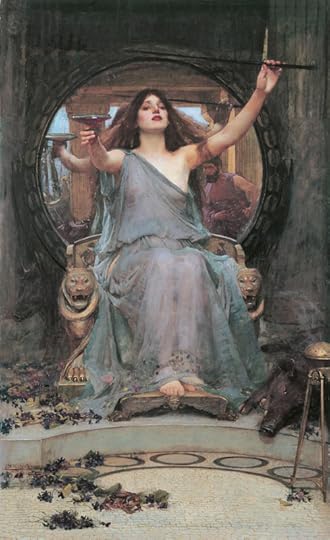
essay book no.1 lowkey it was really funny reading about this guy. huge fan of his work circe is one of my favorite paintings of all time but WOW did he have one crazy madonna-whore complex lol
Hard to know how to rate this. I have always loved Waterhouse art, but the stories Trippi tells about the pictures and about what they mean were totally unknown to me. I guess I prefer my innocent interpretations of the artwork. I love the beautiful pictures in this volume, but am not really thrilled with the stories that tell about the painter.