«Тайм-драйв» отличается популярным изложением. В максимально простой и пошаговой форме, на реальных российских примерах, она дает ответ на главный вопрос современного менеджера: как успевать больше? Приводятся советы по организации рабочего времени и отдыха, по мотивации и целеполаганию, планированию, расстановке приоритетов, эффективному чтению и пр. Круг освещаемых вопросов настолько широк, а методы их решения настолько универсальны, что книгу можно рекомендовать практически любым категориям читателей.
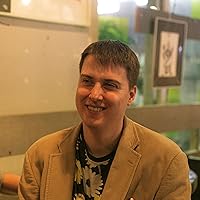
Глеб Алексеевич Архангельский — эксперт в области управления временем. Генеральный директор компании «Организация времени». Автор книг по тайм-менеджменту, среди которых «Организация времени» и «Тайм-драйв».
Окончил Факультет прикладной математики — процессов управления Санкт-Петербургского государственного университета. Работал в ЗАО АКБ «Банкирский дом» помощником председателя правления по вопросам стратегического планирования. Руководитель корпоративных проектов внедрения тайм-менеджмента в компаниях РАО ЕЭС, «Русский стандарт», «Вимм-Билль-Данн» и других. Преподаватель Президентской программы в РЭА им. Плеханова.
Кандидат экономических наук, заведующий кафедрой тайм-менеджмента Московской финансово-промышленной академии Обладатель звания Microsoft Most Valuable Professional в области Outlook. Обладатель звания «Предприниматель года — 2009» в номинации «Образование и развитие бизнеса».
«Если кто не в курсе: Архангельский — это «отец российского тайм-менеджмента». Таковым, по крайней мере, он сам себя полагает :-) Если серьёзно, то заслуга Глеба очевидна — он приложил кучу энергии для популяризации на одной шестой суши всех современных американских идей по организации делопроизводства, управлению временем и проч. Архангельский издал много книг по данной теме, организовал очень полезные и эффективные учебные семинары по Mind Manager, поделился методикой приспособления к классическому Getting Things Done таких традиционных монстров как MS Excel и Outlook. Думаю, то обстоятельство, что тема тайм-менеджмента сегодня звучит из уст напыщенных чиновников и влиятельных дядек-управленцев — во многом заслуга Глеба Архангельского, за что и выражаем ему искреннюю благодарность. Если уж наша управленческая элита ещё не доросла до свободного владения иностранными языками, то по крайней мере уже в курсе, что в роли органайзера могут выступать интеллектуальные карты и PPS, а не только бумажные органайзеры и перекидные календари на буковых столах. Сергей Голубицкий, журнал «Компьютерра», 7 апреля 2009г.»
Наверно, я слишком много прочитал литературы на психологическую тему. И опять я не нахожу ничего кардинально нового в общем-то хорошей книге Глеба Архангельского. Есть несколько моментов, которые мне показались весьма интересными, но о них немного позже. Хотелось бы выразить несколько благодарностей Глебу Архангельскому. Во-первых, за простое и понятное изложение книги. Хотя Глеб сам позиционирует свою книгу, как популярное издание. Во-вторых, за то, что у него «правильные» убеждения. Многие тезисы сильно перекликаются с точкой зрения Кови. Автор несколько раз сам ссылается на его работы. Это очень правильно - брать лучшее и, добавляя к нему свои мысли, выводить новое. Кардинально нового не получилось, но, тем не менее все очень достойно. В-третьих, за адаптацию своих взглядов к российской действительности. Очень мало книг, которые дают не только теоретические наработки, но и методы применимые здесь и сейчас. Теперь коротко пробегусь по самой книге и выделю те моменты, которые показались мне особо интересными.
Глава 1. Отдых. Как не превратиться в загнанную лошадь. Ритмичность во время отдыха или отдых по расписанию. Очень хороший принцип. Это своеобразная тренировка отдыха. Сразу ничего не получается, нужно все переводить в привычку. И первый шаг к привычке, это занятия по расписанию.
Глава 4. Рабочий день. Как организовать его в быстро меняющемся мире. При разработке плана проявляется гибкость и закладываются резервы. Автор пишет: «Обратите внимание: в этом плане дня много «воздуха», мы не пытаемся расписать по времени все задании. Благодаря этому план устойчив к любым внешним помехам». Но на мой взгляд, план на день не достаточно пластичен. На этом месте предлагаю вернуться к идеям Стивена Кови. Он предлагает строить планы на основе недельного планирования. Об идеях Стивена я напишу, как-нибудь позже. Эти идеи, на самом деле, стоят того, чтобы о них написали отдельный, а может даже не один пост.
В этой же главе нашёл очень правильные мысли по поводу кражи чужого времени. Хамство в нашем обществе привычно и как-то уже не бросается в глаза. И тот человек, которому не перезвонили, чтобы отменить встречу и украли потратили два часа его времени к этому отнесется философски.
Глава 7. Информация: как управлять творческим хаосом. В книге, в конце каждой главы приводятся краткие рекомендации по прочитанному материалу. Это очень удобно. И в конце седьмой главы, наряду со всеми, я отметил для себя рекомендацию: «Заведите творческую картотеку для материализации мыслей». Действительно, часто бывает, что пришла хорошая мысль. Или кажется, что она хорошая. Отмечаешь её про себя и думаешь, что хорошо бы над ней поразмыслить чуть позже. А через час другой нет мысли, забылась. Этого не случится, если будет творческая картотека.
Глава 8. Поглотители: как найти резервы времени В книге много идей, но большинство из них самоочевидные вещи, которые нужно делать. Например, составлять план на ближайшее будущее, расставлять приоритеты, делать пометки и т.д. И отдельной строкой, среди россыпи советов, в которой немудрено запутаться, я бы выделил рекомендацию провести хронометраж времени. Хронометраж - действительно нужная и полезная вещь. Даже не сам хронометраж, он выступает в роли инструмента. Важно то, что с помощью этого инструмента мы получаем. Получаем мы, необходимую информацию для анализа. Вспоминается случай описанный Дейлом Карнеги в своей книге «Как перестать беспокоится и начать жить». Страховой агент очень переживал из-за своей производительности. Он очень много времени тратил на бесперспективных клиентов, которым он вряд ли смог что-то продать. Это стало ясно после изучения статистики, которую он получил из своего гроссбуха. Дело в том, что если его страховку кто-то покупал, то в большинстве случаев это было в первый или второй его визит. Третий и последующий визиты к потенциальным клиентам не приносили существенных дивидендов. И он просто перестал ходить более двух раз к возможных покупателям. Лишив себя множества забот и освободив много времени. Так и с хронометражем, мы получаем данные на основании которых мы сможем определить, что мы делаем и делаем ли мы это правильно. И действительно очень важно сделать корректные выводы из полученных результатов.
Глава 10. ТМ-манифест: от инструмента к идеологии. Добро пожаловать, читатели. Мы прибыли на станцию назначения. Эта глава, которая делает из обычной книги по управлению временем, книгу которая достойна прочтения каждого. Здесь воодушевляющая идеология. Правда, надо было начинать с неё. Правильным путем является, как я считаю, сначала теория идеология, а потом практика. Не хочу много писать об этой главе. Её нужно прочитать. Мне она очень понравилась. Приведу лишь пару цитат: «Организация времени – уникальный инструмент, помогающий людям и мирозданию развиваться, изменяться в лучшую сторону на самом сложном и «неоперабельном» уровне – на уровне ценностей и мировоззрения». «В постиндустриальном обществе менять мир стало легче. Не нужен большой начальный капитал, благоприятные стартовые условия. Достаточно не бояться включаться в борьбу идеологий, ценностей, мировоззрений. Задействовать немного ответственности – за происходящее вокруг. И свободы – свободы делать что-то, не продиктованное непосредственными работно-зарплатными нуждами. Свободы менять мир в соответствии со своими ценностями».
В заключении, хочу сказать что книга будет полезна очень многим людям, желающим изменить свой образ жизни и жить более продуктивно. Чтобы было с чем сравнивать, могу предложить книги Стивена Кови, например «Главное внимание – главным вещам».
«Удача чаще приходит к тому, кто вкалывает, чем к тому, кто лежит на печи и ждет, когда же его жизнь изменится к лучшему».
Полезняшки: Якоря! Метод "швейцарского сыра"... Выполнять задачи не в логическом порядке, а в произвольном, "выгрызая" из различных мест маленькие кусочки - наиболее простые, приятные и т.д. Q: Через некоторое время в вашем сыре образуется столько дырок, что доесть его будет совсем несложно. (с) Разглобализация. Местность смерти. Deadline, redline. Любищев и его хронометраж. Эпитафия или прощальная речь. Информационная избыточность. Кайрос - удобный момент, удобные обстоятельства для совершения какого-либо дела. Vs Хронос.
Q: А вы все-таки пишите. ... его очините, положите перед собой лист бумаги и начните таким образом: “Мне сегодня что-то не пишется”. Н.В.Гоголь. (с)
Книга затрагивает не только все основные вопросы тайм-менеджмента, но и более крупные, «стратегические» темы (масштаба всей жизни), при этом автор излагает легко (но не примитивно), кратко, структурированно, с наглядными примерами.
Рекомендую прочесть каждому, кто хотя бы раз в жизни задумывался «зачем я живу».
Хорошая книга для тех кто хочет сделать свою жизнь более качественной, насыщенной и при этом находить время для всех самых важных вещей в жизни. В книге автор предлагает простые и эффективные методики для управления временем, а точнее для качественной организации жизни в рамках времени согласно своих ценностей и целей. Здесь есть много советов и инструментов современного тайм-менеджмента, а также приводятся достаточное количество примеров из жизни других людей, которые усвоили принципы ТМ и самоорганизации. Рекомендую данную книгу к прочтению.
В этой книге мне очень понравилась фраза "Инвестируйте в своим мозги, это инвестиции которых не стоит боятся, они обязательно принесут вам пользу в будущем" После прочетения первых глав книги начала применять советы и у меня получилось решить несколько неприятных и сложных задач Я стала чаще задумываться о своем времени, и на что его трачу. Любые новые проекты начила оценивать как интересны/неинтересные и насколько они способствуют материализации моей основной мечты.
Книга будет очень полезна тем, кто хочет покорить себе самый свободолюбивый ресурс – время.
Не могу сказать, что книга стала откровением. Скорее, квинтэссенцией всего того, что так или иначе уже было прочитано мною в интернете. Тем не менее, этого самого обобщения во многом и не хватало. Не смотря на то, что многое уже было известно до прочтения книги, кое-какие интересные идеи из нее почерпнул. Ну и кроме того, если уж её "употреблять" изо дня в день, то только аудиокниги (а именно таким образом я ее и "прочитал"), конечно, будет не достаточно.
Много хороших техник. Если не воспринимать ( как и любую литературу такого жанра) как догму, а адаптировать под себя что то, то от этого можно серьезно облегчить себе жизнь
Time-Drive: How to Have Time to Live and to Work by Gleb Arhangelsky Review by El Pogorelova
Time management is an investment that is a must in order to oversee the life.
The books states the obvious facts, which each individual needs to remember: Each person has only one life; Time is the material, which life comprises of; Time and actions of the person are irreversible.
The book covers various aspects of time management, including the following: Rest; Motivation; Goal setting; Work day; Planning; Priorities management; Information; Time absorbents; Time management bacillus; Time management manifesto.
Having read the book, I have come up with the following conclusions for each aspect: Rest: this is one of the most important ways to be productive. The rest should be active and should be different from the working time. Basically, if you have been reading / watching videos, the rest should be drastically different, e.g. sports etc. The author recommends taking 5 min pauses every 60 mins to be productive and suggests not to blame yourself for the lazy rest; Motivation: the author suggests decreasing the time required to manage the unpleasant tasks by motivating yourself to get them resolved asap. In order to do that, Gleb A. suggests incorporating the following approaches: Using of “anchors” to manage various tasks and rest (for instance, having specific playlist for various activities). I personally apply this and listen to Rudimental when work out; Eating a “frog” every day - managing an unpleasant task; Cutting “elephants” (large/burdensome projects) into steaks - dividing the large projects into smaller tasks; Goal setting: the author suggests setting up 5-7 main aspects of the life, which should be approached and made the top priority. One of the tools the book describes is the description of my day in the future. This allows to understand the priorities; Work day: the author suggests using both “firm” and “flexible” approaches towards the planning. By “firm” tasks we assume the tasks, which have been planned and cannot me moved. Such as the meetings with the customers, stand ups etc. Such tasks “Flexible” tasks include any other tasks, which can be moved during the day. For such tasks, the changes in the calendar would not be a major issue. Planning: Some tasks can be budgeted. For instance, the presentation for the customer or the preparation for the speech. In order to have everything prepared on time, the book suggests calculating the time required for the preparation. The author suggests using “kairoses” in order to set up the tasks for discussion with the required people; Priorities management: the author suggests concentrating on the tasks, which have high priority rather than concentrating on the tasks, which do not bring any value. In order to do so, the following techniques could be used: Saying “NO”; Delegating the tasks. When delegating the tasks, active control is recommended; Buying the time of other people or outsourcing the time. Both for professional and personal life; Information: the author suggests incorporating data filtration, storage and migration. This includes reading, email filtration setup, folders setup; Time absorbents: the book suggests tracking the time spent each day of a specific task, including the tasks, which took more than 5 minutes. Such tracking provides the ability to find out what are the time absorbents the person has and the ways to decrease them; Time management bacillus: the author recommends implementing time management techniques for yourself and also sharing the approach with the team and the management. In order to share the time management ideas with the team, the author recommends using the role model approach and compulsory activities to save the time; Time management manifesto: as the summary, the author convinces the reader to understand that the Time is irreplaceable and that the approach towards it should be serious.
As for myself, I have been using the approach for some time now. The personal approach that I incorporate includes the following: Planning the month and the week with the help of iCal; Using iCal / Google calendar for business-related tasks -both firm and flexible; Splitting the tasks into parts when working on the “elephants”; Having the weekly planner at home with duplicated tasks from iCal - includes only the tasks, which are not related to the work + include the tasks, such as gym, grocery shopping, meeting with the friends; Using anchors when concentrating on a specific tasks. Such as, I have a specific playlist for the gym; Being persuasive when resolving the tasks. For instance, when I called the bank today, the bank employee suggested that I need to visit the bank, as they cannot provide information over the phone. In 2 minutes, it appeared that all the details are available on the website and there is no need to visit the bank.
This entire review has been hidden because of spoilers.
Хорошая книга. Мне очень понравилась. Я до этой книги даже не знал, что существует такая дисциплина как "тайм-менеджмент". А тут сразу столько полезных советов и практик.
Могу всем рекомендовать, кто не хочет просерать жизнь из-за неумения распоряжаться временем.
Однозначно рекомендую к прочтению. Книга отражает более-менее все важные моменты, инструменты и методы управления временем, как личным, так и рабочим, причем не только своим.
1. Мотивация: как справляться с неприятными задачами
>>Чтобы быстрее выполнить сложные и неприятные задачи, научитесь настраиваться на них, используя «якоря», материальные привязки — музыку, цвета, ритуалы. Но не используйте «якорь», связанный с работой, на отдыхе.
>>Применяйте «метод швейцарского сыра» — выполняйте задачу не в логическом порядке, а в произвольном. Через некоторое время в «сыре» образуется столько дырок, что «доесть» его будет совсем просто.
>>Разбейте задачу на несколько частей и поощряйте себя, закончив одну часть. Ежедневно съедайте минимум одну «лягушку» — выполняйте простую, но неприятную задачу. Обычно такие задачи накапливаются и становятся проблемой. Если же решать одну из них каждое утро, то они быстро закончатся и обеспечат хорошее настроение на весь день.
2. Цели: как приблизить мечты к реальности
>> SMART цели >> «Мемуарник» - список ключевых ценностей и побуждение каждый день уделять несколько минут вопросу о Главном.
3. Рабочий день: как организовать его в быстро меняющемся мире
>>Контекстное и среднесрочное планирование по методу «День — Неделя»
>>Планнинг со списком «гибких» задач на неделю рядом с «жёсткой» сеткой времени либо закладка с «гибкими» задачами.
>>«Cтратегическая картонка» со списком ключевых целей на ближайшие полгода-год (план ключевых мероприятий на год; крайние сроки ключевых проектов; список небольших задач с далёким сроком исполнения, не попавших в контекстные разделы ежедневника; график дней рождения, памятных дат и т. п.)
4. Планирование: как укладываться в сроки - «Жёсткие задачи» — привязанные к конкретному моменту. - «Гибкие задачи» — не привязанные к точному времени. - «Бюджетируемые задачи» — крупные и важные задачи, отнимающие много времени, у которых нет жёстких сроков исполнения.
5. Приоритеты: как отсеять лишнее и найти время на главное >> Используйте для приоритезации задач взвешенные оценки. Определите критерии и значимость каждого из них, чтобы в сумме они давали 100 %. Затем оцените задачу по каждому из критериев, умножьте оценки на значимость, сложите и получите итоговую оценку. Затем отсортируйте задачи по этим оценкам.
Я не фанат книг-мотивашок, і взяла цю книгу для того, щоб переконатись, що це буде ще-одна-мотиваційна-книга-ні-про-що. Насправді я щиро рада, що автор допоміг на багато що глянути по іншому. Книга однозначно варто уваги і я обрала не всі поради, бо переконана, що круті скіли і звички складно одночасно вбудовувати в своє життя в один момент. Тому обрала дві фішки і успішно використовую їх досі. А згодом я перечитаю цю книгу і точно знайду щось потрібне мені.
Хочу зауважити, веду щоденник цілей більше двох місяців (а для мене це тортурна справа). І наразі це дуже приємна звичка, котра дозволяє не забувати важливе, втілювати якщо не все, то бодай вдало реалізовувати найважливіше.
І якщо перший місяць на мене це наганяло журбинку, то через місяць я таки глянула на свої результати і втішилась, що багато що зроблено. І тепер от з новим роком, з новим зошитом і цілями я щиро вірю, що попереду будуть цікаві справи та зміни. Головне їх вписати і вдало розписати.
Сначала прочтите 10 главу: манифест ТМ. Там самый главный ответ на вопрос, зачем организовывать время. После неё можно читать с первой главы. Тогда всоприятие книги будет более серьезным. Первое издание написано в начале - середине 2000х. После этого даже в 20х издании текст не обновляли и не синхронизировали с настоящим. Сейчас варинаты и возможности технологий ушли уже дальше чем просто Outlook или ксерокопия страниц.
Из практических советов для себя подчернул метод день-неделя и немного в расстановке приоритетов. Самое важное, ещё раз повторю, в 10й главе.
Мне кажется, что эта книга хороша как вводная для тех, кто хочет организовывать время и управлять проектами. После неё рекомедую перейти уже к конкретным методикам.
Отличная книга для начинающих рационалистов и людей, которые хотят поставить себе цели и достичь их. Эффективное управление временем для данных целей является абсолютно необходимым инструментом. Книга довольно проста по своей структуре, так и по содержанию, но те базовые приемы, которые предлагает автор, на мой взгляд абсолютно необходимы для человека, решившего "привести свои дела в порядок", и обязательно послужат трамплином для достижения амбициозных целей, какими бы они ни были.
Полезная книга о том, как структурировать свое время, успевать больше и наслаждаться жизнью. Практичные и легко запоминающиеся советы, НО - очень, чересчур много самовосхваляния автора, его эго просто вываливается чуть ли не с каждой страницы, это мешало читать и вникать в методику. К чести книги нужно сказать, что 3-4 основных методики прочно обосновались в моей голове и спустя год все еще живут в моей работе.
Много полезных техник. Как и в большинстве подобных книг, польза для читателя будет, только если эти техники начать применять. После прочтения захотелось попробовать хронометраж, но в данный момент в работе такой хаус, что решил это отложить. Вообщем, мою 4-ку книга заслужила.
Пожалуй, отнесу эту книгу к категории "MustRead". В книге очень кратко и доступно описан ряд весьма интересных практик для организации времени. Очень мотивирует и мне уже не терпится начать их внедрять в свою жизнь.
Получил массу идей из книги для организации себя и рабочих процессов. Особенно идея развития навыков ТМ до миссий ТМ. Очень понравились дополнения про диктафон и работу секриториата.