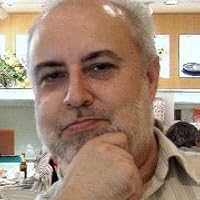
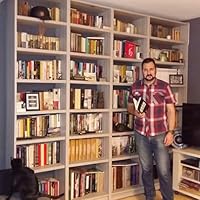
Dževad Karahasan rođen u Duvnu, je bosanskohercegovački književnik, dramatičar, esejist, romanopisac.
U rodnom je gradu završio osnovno i gimnazijsko školovanje. Diplomirao je na Filozofskom fakultetu u Sarajevu, studij komparativne književnosti i teatrologije, a u Zagrebu, na Filozofskom fakultetu u Zagrebu, branio je doktorski rad. Dugi niz godina učestvovao je u uređivanju sarajevske revije kao urednik za kulturna pitanja Odjek, te dramaturg u Zeničkom narodnom pozorištu.[2]
Od 1986-93. Karahasan je na mjestu docenta za dramaturgiju i historiju drame na Akademija scenskih umjetnosti u Sarajevu, gdje vrši dužnost dekana. Bio je glavni urednik časopisa za teoriju i kritiku umjetnost Izraz u Sarajevu. Od 1993. nakon odlaska iz Sarajeva zbog rata u BiH, živi u Grazu. 1994-95. godine gostujući je profesor na Univerzitetu u Salzburgu, 2001. u Innsbrucku, a u Berlinu od 2009-10. 1995. godine postaje stipendist DAAD Berlin, a 1995. i 1997. je lektor za bosanski, hrvatski i srpski jezik na Odsjeku za slavistiku Univerziteta u Göttingenu. U akademskoj godini 2007/08. je stipendist naučnog kolegija Wissenschaftskolleg u Berlinu.[2]
Od 1993. radio je kao dramaturg za pozorište ARBOS – Gesellschaft für Musik und Theater. Piše drame, romane, pripovjetke, eseje, historiju i kritiku teatra i učestvuje kao pozorišni reditelj. Njegovi pozorišni komadi igraju se u Austriji (Beč, Krems, Hallein, Eisenstadt, Salzburg, Villach, Klagenfurt), Njemačkoj (Gera, Erfurt, Berlin, Leipzig), Bosni i Hercegovini (Sarajevo), Ukrajini (Odesa), Češkoj (Prag, Hradec Králové, Brno), Kosovu (Priština), Poljskoj (Szczecin), Singapuru (Singapore Arts Festival) i SAD (Washington D.C.). Živio je i radio u Sarajevu i Grazu sa suprugom Draganom Tomašević-Karahasan, gdje je preminuo 19. maja 2023. godine.
L'argomento è talmente interessante da meritare il massimo delle stellette. Ma Karahasan sembra nascondersi dietro spiegazioni tecniche, quasi scientifiche, restare troppo distante.
Probabilmente ha ragione Slavenka Drakulić nella sua preziosa introduzione: Karahasan ...sembra aver bisogno di una nuova lingua per esprimere esperienze che non possono essere sopportate. Come già, prima di lui, era successo a Primo Levi.
Però, pagine e pagine dedicate all'urbanistica e all'architettura della città, alla letteratura bosniaca, al metodo, al centro ecc, raffreddano l'opera.
Che diventa avvincente quando si scalda, quando racconta, quando entra negli aspetti secondari, nel tran tran della guerra (!!): la fila per l'acqua, l'incontro con uno straniero, il gesto di due attori di teatro, ecc.
Belle le lettere e ottimo l'intervento di Drakulić che focalizza l'opera: perché si scrive di guerra? Perché si documenta l'orrore? Possiamo davvero ancora credere che serva da monito per il futuro, quando gli orrori si ripetono, anche sotto i nostri occhi? Quante volte abbiamo intonato “Mai più”, in tutte le lingue?!
È verosimile che scrivere di guerra significhi prima di tutto stabilire un qualche ordine al caos. Perché se la guerra rappresenta la negazione dell'umanità, la prosa documentaria è la sua affermazione.
Tendría que ser lectura obligatoria. El mejor libro que he leído este año. No miento si digo que ha cambiado radicalmente mi manera de entender la cultura y el arte. Un alegato por la tolerancia que mueve a reflexionar sobre la piedad, sobre la convivencia, sobre la otredad y sobre el sentido de vivir en sociedad. Brillante, desgarrador y sobre todo, humano.
«Una de las funciones básicas del arte es la de proteger a la gente de la indiferencia, y el hombre está vivo mientras no permanezca indiferente. Ustedes son mejores que los señores de Occidente que no nos ayudan aunque podrían hacerlo, mejores porque están vivos mientras ellos permanecen indiferentes. Ustedes sienten dolor, miedo, hambre y sed, sienten amor y rabia… Pero ¡¿saben lo que ello, pobres, tienen que hacer para sentir algo?!»
#lesejahr2019 Letzte Woche beim Stöbern in der Bibliothek fiel mein Blick wieder darauf, auf den schmalen Band von #dzevadkarahasan , seinen 1993 geschriebenen schmerzvollen Liebesblick auf Sarajevo, auf ein Sarajevo, das gerade von aufgebrachten Nationalisten zerstört wurde, auf ein Sarajevo, in dem Menschen noch versuchten den Traum des Zusammenlebens unterschiedlicher Religionen, Herkunft zu erhalten. Ein wunderschöner Text, ein trauriger Abgesang. Allen, die sich in nationalistsche Kokons einwickeln, die das Gemeinsammenschliche vergessen, würde ich diesen Text ans Herz legen, und alle die den gemeinsamen Traum träumen, sollen diesen Text lesen.
Sarajevo is one of those cities that always seemed to come with a sense of mystique with its complex multi-cultural formation, its place in some of the big events in world history and its sense of Romantic otherness. Yet more recently it became a marker of tragedy, of the collapse of the former Yugoslavia into a genocidal internecine war that among other things gave is the definition of ‘ethnic cleansing’, the extinguishment of populations (think Srebrenica) and in the case of Sarajevo gave us the siege. All in all, it is a recent image that is hard to imagine, with siege seeming to be so mediaeval.
Dzevad Karashan does well to take us inside that world, of a city under siege – physically, conceptually and culturally. Described as a ‘prosaist’ in the blurb, this is a fine instance of ‘creative non-fiction’ evoking the sense in the mid-1990s of the complexly inconceivable. The book has three sections; one focusing on an apartment building with its rising sense of fear, danger and getting on with life as the siege intensifies. Juxtaposed to ths sense of the ordinary, there are two essays engaging philosophically or conceptually with the state of being at/in war and then finally three short essays unpacking the fragmented or rather fragments of the city.
It is elegant, poetic prose, evoking a sense that is hard to comprehend as an old world crumbles violently. And with all that it is, with all its horror, hauntingly beautiful, even if I can’t say I enjoyed it.
Many books are written about historical events during the Yugoslavian War. But how was it like to live in Sarajevo in the 90s? This manuscript gives a short insight into the life of "normal" people (opposed to the many accounts of war leaders and soldiers) during the siege of Sarajevo. People who struggle to keep on with their normal life. This book is short , but Karahasan writes from a very personal point of view and tells us stories that really happened. Some people claim in their review that the book is way too philosophical. It is true that it seems to be philosophical, indeed, it has to be like that. It does not contain only stories to entertain us. It contains reflections on the war/siege embedded in those stories. Those reflexions are the essence of the book because only through them we can relate (in some way) to the life of people in Sarajevo
I really loved the idea of this book, but the translation was so poorly done that I had to mentally translate everything back to get the true spirit of the story.
Upravo tada kad sam prvi put opažao koliko je lijepa moja marindvorska zgrada; cijelog prožela i doslovno zaboljela svijest da se ja to opraštam od svoje kuće
Buljio sam u vlastite ruke provjeravajući ponekad njihovu stvarnost
Taj teatar hrani i brani od straha, kao topla majčina utroba ili neka od još nesrušenih bogomolja
Sasvim konkretno, književnost me je spasila od stvarnosti... pružila je utočište meni i, što je mnogo važnije, spasila ženu koju volim
Sve dotle dok želimo nešto napisati ili naslikati, dok nastojimo svoju situaciju i svoja osjećanja artikulirati teatrom - sve dotle imamo mogućnost da opstanemo
Pitanje koje se glasno izgovorilo mojim jezikom: Bože, zašto si dopustio da majka žali što su joj djeca s njom?
"Šta to ima?", upitao sam bijesan zbog neuspjeha. "Ima mogućnost da umre", odgovorio je
Nekoliko dana sam nepročitano pismo nosao u džepu, ne uspijevajući da se odlučim između želhe za čitanjem prijateljske riječi i potrebe da štedim ulje
"Kako to podijeliti?", pitao sam. Kad bi se Sarajevo podijelilo, ja se ne bih mogao kupati, jer bi kada ostala u srpskoj provinciji moje žene
"Pobijte ave, a Gospod će izabrati pravovjerne svoje, kad dođu Njemu", odgovorio je papa Inocene III
Je li moguće da je negdje u tajnoj knjizi historije zapisano, još u ona vremena, da Bosna mora biti uništena
Ruševine, koje su ostale od našega grada, ipak štite od studeni i vrelog sunca
Mi ostali smo stajali u tišini i gledali mrtvoga, izbjegavajući da pogledamo jedni druge
Ali jeste problem, govorio sam, ako na svijetu ostane jedan Jeruzalem
A on, pretpostavljam, tuguje zbog moje nezahvalnosti i nespremnosti da budem nesretan onoliko koliko mi je on nudio
Da li se radi o ruševini, o praznini ili o nečemu trećem? Kako nazvati to što je nastalo, a kako ono što je ostalo?
Prva jasna misao koja mi se javila nakon "potresa" bila je da je nagorjeli list ispisanog papira istinita metafora književnosti kojoj pripadam
To se preklopilo s onim što se u meni već bilo formulisalo kao moja zadaća za budućnost: poetika ruševine
To je kao da pišete drame ili roman - sjedate pisati onda kad znate šta bi svaki od vaših likova naručio u gostionici
Kao što imate pravo vjerovati da poznajete kuću u kojoj stanujete ako možete zamisliti kako će ona izgledati kad bude ruševina
Tako dodaješ još jednu repliku, manje ili više vidljivu, manje ili više bitnu, razgovoru koji traje otkako se govori i piše
A onda najbolnije pitanje: nije li ono što sam upoznao kao svoju tradiciju nasumični izbor onoga što slučajno nije obuhvaćeno ranijim požarima?
Jako želim u to vjerovati, treba mi da u to vjerujem. Da, postoji, ali kako i gdje? Među sjenama? Na način na koji postoji sjena? Ako je i tako, dobro je
Potisnuo glumca i na pozornicu izveo čovjeka
Znam da se to ne može učiti u školi, znam da se ta forma istinitosti otkriva suviše rijetko i u okolnostima koje niko ne želi upoznati
I znam da nam samo umjetnost i religija mogu objaviti tu vrstu istine
I znam da ću do kraja života biti zahvalan za onaj trenutak u kojem se usne spuštaju na ispucalu kožu ruke s nateklim zglobovima i daruju joj poljubac dug kao život
Koja je moja odgovornost u svemu ovome
Jer ja odgovoran jesam, ja sam kolega s tim ljudima, ja s njima dijelim jezik i zanat, s nekima od njih se i osobno poznajem
I ne zaboravimo da ja dolazim iz razorene zemlje. Bože, kako da to bar na trenutak zaboravim?
Iduće godine u Jeruzalemu. Izgovorena u samom Jeruzalemu, ona naprosto nema smisla
Vidio sam, iza sklopljenih trepavica, kako se Sarajevo, ovako razoreno i ovako voljeno, voljeno kao nikad prije, diže sa zemlje, polijeće i leti nekamo
Znači li to, Bože moj, da sam se svog Sarajeva u sebi već odrekao? Znači li to da ono u ovom svijetu više i ne postoji onakvo kakvo poznajem i volim
Samo književnost sanja o tome da se izjednači s cijelim jezikom
Jer je jedino u kaosu sve moguće, pa i nastanak legalnosti koja suspendira legitimnost
Može kućica pored zida biti udobna i namještena kako vas volja, može zid biti raskošno oslikan i prelijep - stanovnik te kućice će ostati pas ako je zid neproziran, tako da ne dozvoljava slutnju o onome iza
I znam da klišei, proizvedeni u jednoj kulturi, o njoj kazuju najdublje istine
Ostavi doduše i poruku koja se zatvara u sebe samu, tako da ne proizvodi značenje i nema smisla: "My name is Bond, James Bond".
Strašno je to što sve više razumijem, i sve manje živim
Jedna od osnovnih funkcija umjetnosti jeste da ljude brani od ravnodušnosti, a čovjek je živ dok nije ravnodušan
El comienzo perfecto de una nueva aventura en la ciudad en la que habita mi alma.
Esta vez llegué a Sarajevo acompañada pero, tras unos días frenéticos creando recuerdos en familia, una vez que el deslumbrante sol otoñal bosnio y la metamorfosis de los colores en las montañas que rodean esta ciudad-valle volvieron a ser mis únicos compañeros de viaje, decidí sumergirme de cabeza en esta lectura tan breve, como intensa e inolvidable. Y he de decir que el domingo que pasé en su compañía, paseando por lugares íntimos, secretos y especiales para mí, será siempre uno de mis recuerdos favoritos en esta ciudad.
Sarajevo, Exodus of a City nos ayuda a comprender lo que fue y lo que es. De su mano he vuelto a sentirme en comunión con el espíritu intangible que reina en las calles de esta metrópolis y, por primera vez quizá, he logrado hallar las respuestas a varias de las preguntas que constantemente me ha hago sobre sus misterios.
Preveo una re-lectura frecuente durante el resto de mi vida.
Izvanredni opisi grada kroz priče Karahasanovih junaka gdje se vidi koliko je identitet jednog grada utkan u samog pisca... Mislim da Karahasan, svjesno ili ne, ozbiljno udara temelje proučavanju prostornih identiteta, opisujući kako je historija i burna bh. prošlost ostavila svoj trag i očituje se u svakodnevnom životu njenih stanovnika... To se odnosi i na grad i na državu. Karahasan kaže da mnogi Bosanci postaju Bosancima tek kada odu iz Bosne, ali i da se breme 'bosanstva' ne ostavlja tako lako.
This English translation destroyed the reading experience with partly very bizarre footnotes by the translator. In general, I have never before seen this kind of hostage taking of the original text by translator and his 'interpretations' of what the author could have meant and do not understand how the editor could let this happen.
"Me conmovió la belleza del texto y el rigor ético de 'Diario de un éxito', dijo el escritor español Juan Goytisolo después de haber leído este libro. "El hambre, la falta de agua, el expolio, el miedo, la muerte, todos los horrores del sitio de Sarajevo, que se iniciaron en mayo de 1992, son para el escritor [...] menos terribles que la destrucción sistemática de una cultura plural", dice Rosa Mora en su artículo "Dževad Karahasan narra el dolor de la destrucción de Sarajevo" ('El País', 31.05.2005). "En pocas líneas -prosigue la periodista- el escritor sutúa históricamente la ciudad [donde] desde su fundación, en 1440, convivieron personas de tres religiones: islámica, católica y ortodoxa. Cincuenta años después, llegó un numeroso grupo de judíos expulsados de España. Se hablaba turco, áraba, persa, bosnio, croata, serbio, húngaro, alemán y español". El ultranacionalismo serbio, en su afán expansionista, acabó con aquel sistema cultural. Monika Zgustová, por su parte, en una entrevista a Karahasan ("Vengo de un país devastado", publicada en la edición para Cataluña de 'El País' el 14.06.2005) reflexiona sobre lo que el visitante halla hoy en Sarajevo: "Tiene la sensación de encontrarse en una pesadilla: delante de unos escombros sin techo ni ventanas, ante unas ruinas que podrían parecer pintorescas si no fueran trágicas, familias enteras disponen sus mesas para cenar y bailar al son del acordeón sus 'sevdalinkas', canciones nostálgicas con elementos eslavos y turcos, mezcla característica del país; al acercárseles uno percibe que sólo hay mujeres bailando juntas: sus maridos fueron asesinados durante la guerra. Las carreteras y sus márgenes están salpicados de inscripciones oficiales: 'Prohibido pasar, peligro de minas'".
Der Blick auf eine Stadt ist mit Sicherheit ein anderer, sobald man dort einmal gewesen. Und so erscheinen diese fragmentarischen Essays über die letzten Tage im belagerten Sarajevo nicht ohne Zusammenhang, sondern fügen sich in Ecken und Straßen ein. Und man erfährt das Schreiben als Gewissheit vom Zusammenbruch der Stadt, von der Veränderung, die mit Belagerung und Eskalation des Krieges einhergeht. Der Blick zurück in die Geschichte der Stadt ist somit keine wehmütige Erinnerung, er ist vielmehr ein Eröffnen und Vergegenwärtigen der ganz eigen, von Bergen umzäunten, seit jeher multikulturell zu verstehenden Welt mit einem nahen Nebeneinander von vier Religionen, von vergangenen Imperien und Staaten mit ihren Hinterlassenschaften. Gleichzeitig aber zeigt er ein Spektrum an Gedanken und Verhalten im Angesicht der Belagerung, von Fluchten in Routinen und abwegiges Verhalten, vom Wunsch der Nachbarin, dass ihr Kind verletzt sei, damit sie in Sicherheit käme(56f), von der zermürbenden Realität, die sich in seiner Vorstellung mit der Wut eines Mathematikprofessors auf seinen Schüler vergleichen lässt, "der hartnäckig eins herauskriegt, wenn er eins mit eins multipliziert; am Ende bringt der außer sich geratene Professor den Schüler um, obwohl der arme Schüler gar nichts anderes herauskriegen konnte"(64). Mit Sicherheit waren diese Fragmente weit eher eine angemessene Darstellung der zeitgleich sich entwickelnden Situation in der Stadt; sie drücken Nähe aus in ihrer unvollendet und belegen schon in ihrer Form gegenwärtig und unabgeschlossenheit der Belagerung, die sich so auch wieder mit meiner Gegenwart berührt. Und die einen im Geiste erneut die Straßen ablaufen läßt, vielleicht dann einmal doch mit der Idee, dass die umgebenden Berge Gefahr ausstrahlen.
KARAHASAN, Dzevad: "Tagebuch der Aussiedlung". Klagenfurt Salzburg 1993 Der Bosnier Karahasan hat in diesem Buch Eindrücke aus der Belagerung Sarajevos durch die jugoslawische Armee in den 90er Jahren festgehalten. In vier Teilen: Mit dem Kapitel "Sarajevo - Porträt der inneren Stadt" gibt er einen historischen Abriss. In "Marindvorer Fragmente" wird die Situation der Kriegszeit in Eindrücken aus einem Stadtteil Sarajevos heraus beschrieben. Erste Beschießungen der Stadt, die zwar nicht überraschend aber doch überfallsartig kamen. Als Professor schildert er, wie er mit Studierenden auch während des Kriegszustands arbeitete. Seine Frau hat für eine Hilfsorganisation gearbeitet und da haben Menschen die Hilfe der UNO Organisation UNICEF abgelehnt, weil sie Kleider in serbischen Fabriken kaufte und in Bosnien verteilte. Als ein Mann beim Wasserholen eines natürliche. Todes stirbt wird er beneidet, weil er eben nicht kriegerisch umgekommen ist. Ein Gespräch mit einem Franzosen wird im Kapitel "De la methode" festgehalten. Journalist erwartete ein negatives Gespräch mit dem eingeschlossenen Autor, dieser sah aber vieles vom Leid positiv. Das Hotel Europa (Kapitel " Hotel Europa") wird vom Autor als Zentrum der Stadt angesehen, weil es n der Grenze zwischen dem türkisch muslimischen Teil und dem von der Österreichisch-Ungarischen Monarchie erbaute. Stadtteil liegt. In seiner Interpretation hat es von beiden Kulturen etwas in sich. Den Juden, die vor 500 Jahren erstmals in die Stadt kamen und die während der Belagerung fast alle die Stadt verließen wird ebenfalls ein Abschnitt gewidmet. In der Nachbemerkung erfährt man, warum und wie dieses Buch entstand.
This book was quite hard to read, and it had nothing to do with the subject matter. This is a book that purportedly about the siege of Sarajevo, but seems more interested in throwing about ten dollar words and waxing poetic about the meaning of humanity. The problem is, more often than not, the book ends up feeling more like the ramblings of a hippy at a Grateful Dead concert, who throws around a bunch of deep concepts without really connecting them to what he seems to think he's talking about.
Worse still, the book has a rich liberal slant, filled with thoughts that are clearly from people who are over educated and well off and think they're liberals and they know how to fix things, when they don't understand how real people live and are just sprouting platitudes. Also, the chapter about the role of literature in the war stinks of academic snobbery.
This is a book of noble intentions, and it is well written, but it's not for everyone.
A series of meditations on the siege in Sarajevo from 1992 to 1996. He meditates on how Sarajevo was able to achieve such a melange of different cultures coexisting together and depending on one another, and how that unity was affected by the siege. He also meditates on the effect of war on the human spirit and how priorities change as people learn the bare necessities of survival as they face death and grief and struggle each day.
The translator of this book has added several footnotes to explain certain word choices (when there is not a good English equivalent) or to explain what the author was alluding to and when his facts and figures are in doubt. I found that the translator's perspective adds a lot to the book.
Now I was in Sarajevo this summer, and feel slightly in love. So what's more natural than by a book about Sarajevo, in Sarajevo?
And I loved it, I suppose mainly because the author's love for the city is felt throughout the book. It consists of anecdotes I suppose, about how the human spirit in Sarajevo survived during the siege. I liked that it were mainly musings about what Sarajevo is, what literature concretely means under that kind of circumstances and more generally what culture means, when survival is at stake. I felt this made for a more profound book than one about dry facts of hardships would've been.
Translator's footnotes provided counterpoint to some things said in the main text, both annoying and useful.
Some of the essays were rather difficult to read. I think the author used 'big(read pretentious) words' unnecessarily.The one that literature and writing at large are responsible for the armed conflicts from the '90s in ex-Yugoslavia, and specifically BiH seemed very poorly supported, if at all and rather far stretched. However, it is a nice little book that gives many details that non-experts on Yugoslavia might be surprised by.
One of the shallowest books I've ever read. The script was so unnecessarily poetic (even for me coming from the middle-east), with a spice of cheap philosophy. Facts were exaggerated, comparisons were wrong. Sorry for such a harsh review, but it really upsets me when I read a crap book. Probably the writer is a well known and talented writer, but sometimes even talented writers are out of topic. When you don't have a topic, take a break.
Despite this book being quite short, I had trouble finishing it. In many parts I felt I was reading the same paragraph over and over, just worded a bit differently. There was no flow and the whole thing felt very disjointed. I don't know if this was the result of the translation or if it is also this way in the original text. It's also possible I missed the point. Who knows.
Either way, I did not enjoy reading it and I learned little by the end.
La visione filosofica e il racconto del personale rapporto dell'autore con Sarajevo: una passione per la propria città, la sua storia, i suoi significati, gli elementi che la compongono che - come gli ingredienti della sarma - nella loro diversità creano un risultato unico al mondo, lo "spirito di Sarajevo".
I've bought and read it during my work-related mission. It's written in a romantic/lyrical way rather than historical facts. Anyhow, for those who want to read something quick and tasty; it's the best book especially if you are reading it in an historical street in Sarajevo.
ni es un diario ni se va de Sarajevo. la describe un poco, las cosas que come y tal, pero luego suelta un rollo tremendo y acomplejado sobre las cosas que son literatura y tal.
This was one of the best books that I’ve recently read. I don’t normally write reviews but after reading a few negative ones decided to add my five cents. It looks like a few readers completely misunderstood this work. One needs to remember that this a biographical work. It is not a fiction writing. This is a firsthand account of a person who lived through horrors of the besieged city. The author writes with honesty. You can see how much he loved his hometown, its people and cultures. It pains him to see how the world he used to know is being destroyed. This book is a not an ordinary war novel. It is a book about author’s own experience and those who were close to him.
4/5. Karahasanovo Sarajevo je stoletja veljalo za mesto sožitja za raznorazne manjšinske skupnosti, ki so v prejšnjih domovinah čez noč postale nezaželene. 1992 pa se situacija povsem obrne, kotlina ob reki Miljacki postane mesto zaklonišč in odlagališče granatnih izstrelkov. Dnevnik selitve, napisal leta 1993, je tako hkrati avtorjeva meditacija in poziv evropski ter svetovni skupnosti, naj pri uničevanju "drugega Jeruzalema" ne gleda vstran in prisluhne "zakloniščnikom" v njihovem posnemanju "nove" realnosti.
jedes mal wenn ich in ein neues kapitel eingestiegen bin und kurz danach das philosophieren karahasans anstrengend fand, erschloss sich mir jedes mal der grund für dieses philosophieren, selbst wenn es teilweise langweilig wirkt. am ende erlangt man allerdings jedes mal klare einblicke in die post jugoslawische gesellschaft, die immer auch universell auf unsere moderne gesellschaft anzuwenden sind.
Lo he terminado por su breve número de páginas, pero me ha costado mucho hacerlo. Esperaba un testimonio de la vida en el interior de una ciudad sitiada en una cruel guerra civil, pero me he encontrado con un reiterativo e ininteligible circunloquio, además de no entender ni compartir la visión del autor. Tenía interés al haber estado en Bosnia en 1996, pero ha sido una decepción como libro.