This group has been designated for adults age 18 or older. Please sign in and confirm your date of birth in your profile so we can verify your eligibility. You may opt to make your date of birth private.
Donalyn Miller's Blog
August 4, 2024
The Book Whisperer (Blog) Moves to Substack
Hello! If you are receiving this post via email, you are a past subscriber of The Book Whisperer blog. If you have found my page via search engine, welcome. I have not posted to this page since 2016. For more than a decade, I wrote at least once a month for The Nerdy Book Club. In 2020 and 2021, I wrote a monthly column for School Library Journal.
Working on my fourth and fifth books back-to-back during the first years of the pandemic was challenging. Completing The Joy of Reading (Heinemann, 2022) after my co-writer and friend Teri Lesesne passed away in 2021 was one of the hardest things I have ever done. I’m proud of our book and honored to be Dr. Lesesne’s final collaborator. I remain dedicated to our shared mission—helping young people find increased access to books and encouragement for reading. As teachers and readers ourselves, Teri and I learned that the power and joy of reading have the potential to enrich and transform many lives.
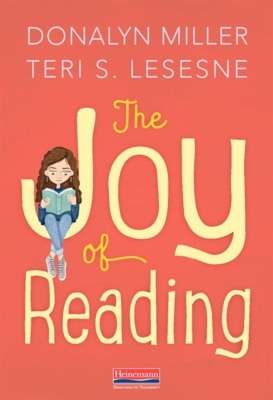
One of the most important resources educators and librarians bring to school is their personal engagement with reading. Teri and I crafted The Joy of Reading to be a resource for educators, but we also want it to be enjoyable to read. I hope you find the book useful and engaging. My wonderful colleague, Aliza Werner, created a fantastic book study guide for The Joy of Reading. Please reach out to me if you would like a free copy.
After submitting the manuscript for Joy, I turned my full attention toward finishing The Commonsense Guide to Your Classroom Library (Scholastic, 2022). This is my second book with my long time collaborator and Nerdy Book Club co-founder, Colby Sharp. As teachers, we know first hand the potential of classroom libraries to enhance and extend students’ reading experiences. Colby and I have also struggled with selecting books and organizing our classroom collections to maximize their benefits while managing their pitfalls.

Based on years of observing students, reflecting on what worked and what didn’t, and endlessly tweaking our own classroom libraries, Colby and I collected our best ideas and observations in this guide. Just like our first book, Game Changer, Colby and I were able to interview several administrators, teachers, and librarians for their own suggestions for building and sustaining your classroom library and using it with students. The Commonsense Guide to Your Classroom Library includes guiding questions after each chapter to support your personal inquiry or discussion with colleagues, too.
Finishing these two books was satisfying, but it drained me intellectually and emotionally. I needed a break. During the same time period, my husband, Don, and I moved three hundred miles south to San Antonio. Managing the move and settling into our new home took my attention for more than a year. I didn’t write much in 2022 and into 2023.
I have written more this year and enjoyed writing again. I miss blogging. I miss organizing my thoughts about reading, then sharing them with others. I miss the self-expression. I miss learning from all of you. I do not miss the trolls who commented on my blog or the pressure to write on a regular basis. As for this page, I am not sure that “blogging” for this page is the right space for us to connect anymore.
While Nerdy Book Club and its blog continue, I do not plan to continue writing on this page. I have started a Substack. If you are interested in following my open writing in the future, please subscribe to my Substack newsletter and posts. The basic newsletter and most of my Substack content will always remain free. There is a paid subscriber option for folks who can support my work in that way. Paid subscribers will also have access to four webinars a year. The first one is in September.
I appreciate all of you for supporting this blog in the past. I hope it was useful and interesting. I look forward to connecting with you on Substack and continuing our discussions about books and reading. You can also connect with me via social media.
—Donalyn Miller


May 24, 2016
The Eighth Annual #bookaday Challenge
While educators, families and kids walk into every new school refreshed and hopeful, we are all exhausted and brain-fried by the last month of school. We push more and more things into our “I will get back to this when summer starts” pile. For many of us, our summer piles are stuffed with books we plan to read when we have more time.
It’s natural for reading to fall lower on our list of priorities now and then. We can fill our days with a hundred activities that aren’t reading. For every night we spend binge reading a book until the wee morning hours, we can point to weeks when we didn’t read anything more than Facebook posts. It happens to every reader.Our reading lives ebb and flow. Summer’s slower pace gives us breathing room—an opportunity to recommit ourselves to daily reading.
I started the #bookaday challenge in 2009 because I realized that my family and I read less during the last six weeks of the school year than any other time. Overwhelmed by end-of-year projects and school celebrations like band concerts and award ceremonies, we let our nightly reading routines slip by the wayside. When we did talk about reading, we talked about what we wanted to read during the summer.
Announcing the first annual Book-a-Day Challenge was a public declaration of my commitment to read one a book a day for every day of summer break. In the weeks leading up to summer vacation, I talked with my students continuously about how fun and exciting it would be to read as much as they wanted over the summer. We made lists of books they might read. I loaned books out for the summer. If I believed what I told my students, I needed to read more and ensure that my family read more, too. Beyond my responsibility as a reading role model for the children in my life, I needed a challenge. I wanted to kick start my reading life and push myself to read more than I ever had.
I read 75 or so books that summer and rediscovered my reading mojo. My summer memories included wonderful reading experiences—languid days spent reading under my ceiling fan, taking my children to the public library and checking out a Radio Flyer wagon full of books, and connecting to the burgeoning online world of book lovers and educators. Beyond the personal benefits of Book-a-Day, the challenge reinforced the power of book talking to connect my students with engaging books. I walked into my classroom that fall with two overflowing bags of books to promote and share with my new students.
Over the past seven summers, Book-a-Day has grown and changed. In 2010, Book-a-Day became #bookaday and participants began using the hashtag to connect and share books on Twitter. In 2011, I met Colby Sharp online during the #bookaday challenge. The Nerdy Book Club community grew from the conversations #bookaday participants were having online every day. Folks started shorter #bookaday challenges during winter and spring holiday breaks. Jillian Heise created the picture #bookaday challenge, pledging to read one picture book with her middle school students for every day of the school year. Teri Lesesne and I shared the origins and benefits of the #bookaday challenge with colleagues at the Texas Library Association conference last month and invited everyone to join. More than a summer reading challenge now, the #bookaday community continues to share books and celebrate reading all year.

Colby Sharp’s first #bookaday tweets in 2011.
The summer #bookaday event endures as an annual opportunity to hit the reset button on our reading lives, connect with other readers, celebrate books, and remind ourselves how much reading matters to our lives and the young people we serve. If you have participated in past years, welcome back! If you are new to the #bookaday challenge, don’t be intimidated!
It doesn’t matter if you actually read a book every day or not. Dedicate more time to read. Celebrate your right to read what you want. Make reading plans. Share and collect book recommendations. Connect with other readers.The #bookaday challenge is personal, not a competition. Finish that series. Tackle that epic historical your mother gave you for your birthday (last September). Try audiobooks. How would you like to grow as a reader this summer?
The #bookaday guidelines are simple:
You set your own start date and end date.
Read one book per day for each day of summer vacation. This is an average, so if you read three books in one day and none the next two, it still counts.
Any book qualifies including picture books, nonfiction, professional books, audio books, graphic novels, poetry anthologies, or fiction—children’s, youth, or adult titles.
Keep a list of the books you read and share them often via a social networking site like goodreads or Twitter (post using the #bookaday hashtag), a blog, or Facebook page. You do not have to post reviews, but you can if you wish. Titles will do.
Since I work year round now, I never really stop my #bookaday challenge. I read on average a book a day all year. Some days, I read twenty picture books. Other times, I spend a week or more savoring a lush book. The measure of a reading life isn’t how many books we read. It’s the experiences, the knowledge gained, the connections we make with other readers that make our reading lives meaningful. The summer #bookaday challenge gives us the chance to remember what we love about reading.
I am planning a wonderful summer of travel—inside and outside of my books. I hope our paths cross during the Eighth Annual #bookaday challenge or during my summer road trips. I look forward to connecting and sharing with you.

March 22, 2016
Best Books of 2016 (so far) March Edition
During the Michigan Reading Association Conference this weekend, I shared my recommended children’s and young adult literature titles for early 2016. I have expanded the list and posted it here for anyone interested. This list is current as of the books I read today. Thousands of books are published for young readers each year. I read approximately 350-400 books each year, which is a drop in the bucket!
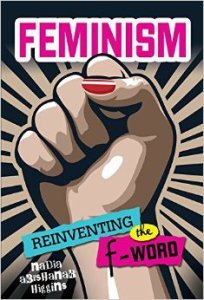
Qualifiers:
I do not recommend books that I have not read.
“Best” is subjective. I filter my evaluations through my own book knowledge, my teaching and reading experiences, and the reading experiences of my reading community, which includes children. I don’t think every book on this list is perfect or exemplifies award-worthy criteria, but I do believe there is something for every reader.
I receive many ARC’s from kind publishers and authors. Receipt of a book does not guarantee promotion.
I buy hundreds of books a year. I often have to wait for a book’s release before I can read it. Tuesday, which is a popular book release day, is my favorite day of the week! I don’t think my UPS delivery person agrees.
When creating any book list, I strive to balance diversity, genre, reader interest, and recommended ages. I am bound by what books I can acquire at any given time.
If you do not see a personal favorite or much-lauded title, assume that I haven’t read it or I haven’t acquired or borrowed a copy, yet.
In years past, I have sorted my annual lists into several categories including poetry, graphic novels, picture books, middle grade fiction, young adult fiction, and nonfiction. I chose to divide books into only three categories this year: fiction, nonfiction, and poetry. I want to reinforce that picture books and graphic novels are formats for storytelling and do not define or limit a reader’s age. Picture books and graphic novels are for everyone.
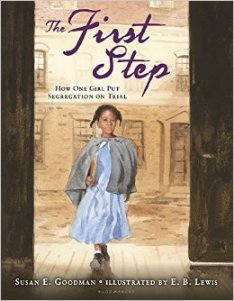
I use many sources to locate and research books I would like to purchase or borrow including recommendations from friends, colleagues, family members, and kids; children’s and young adult literature conferences and workshops; book review publications and blogs; and publishers’ catalogs & websites.
Here is the list of my recommended children’s and young adult titles of early 2016.
I hope you enjoy the list and find some new titles to read and share. I will update this list throughout the year and share new books as I read and evaluate them. I post a lot of my presentations and lists to my slideshare page. You can subscribe and get an alert when I add new content.
Happy Reading!

October 18, 2015
Fallow Fields
It is still 80 degrees in Texas, but summer is over. Hay bails dot fields beside the road. It’s chilly in the mornings. Time to start carrying a jacket. Five months of gray skies and brown grass ahead. I don’t enjoy fall and winter weather, but I understand its value. The world can’t grow all of the time. A fallow field rests to restore its nutrients and prevent exhaustion. Mother Nature needs a break.

Fall in Texas–brown grass and one leaf in my yard.
Our reading and writing lives cycle through productive and restive periods, too. We scribble notes and start drafts that don’t go anywhere. We linger in our last book—unready to leave it behind. Reading and writing help us understand and navigate our lives, but readers and writers need time to experience reading and writing without producing all of the time. The connection between our literacy and our lives travels between periods of growth, harvest, and dormancy. We must learn to appreciate and navigate these stages if we are to remain readers and writers throughout our lives.
I take breaks from reading, but they don’t last long. If I go without picking up a book for a few days, my bookshelves Siren call me back to them. My mind splinters when I don’t read and I feel it. I’m off-kilter and out of sorts. I don’t always finish books the books I start, though. I dip into parts and fall back out for long stretches. I have several books on pause at the moment. Some books blind me to all others. Some books take longer to warm my interest.
I go longer periods not writing. My blog goes dormant. I lose my notebook for a few days and don’t miss it. I beat myself up about not writing, but Don doesn’t think I should, “You’re always mulling over ideas, reading articles, talking with your friends. You’re always writing. You’re just not always writing it down.” He’s right. Being a writer has a lot to do with looking at the world as a writer. Writing demands observing. Writing demands time to think. Writing demands time to wallow.
We don’t commit to reading and writing once in our lives. We recommit to reading and writing again and again. We travel between seasons of dedication and neglect. Seasons of interest and apathy. Seasons of high productivity and low. We wander through fallow seasons and benefit long term from the rest. When reading and writing call to us again, we return.
In my early years of teaching, I failed to recognize my students’ needs to linger in books they loved, to pause between books, to go days without reading much. I didn’t reflect on my students’ need to percolate ideas, to revisit their writing, or to write without finishing anything. I do these things. A lot of readers and writers do. Some readers and writers need incubation. We need reflection. It makes us our reading and writing life better in the end.
Prescribed charts defining THE writing process crowd out the necessity for every writer (and reader) to find a process that works for them. There’s no lock step progression through a reading and writing life. We amble and wander and stop in various stages, as needed. We each must find our own way.
When we limit young readers and writers time to think about what they read and write, time to reflect on their reading and writing experiences, time to plan for future reading and writing, or permission to step away from reading and writing at times, we miss opportunities to model and teach our students strategies that enrich their literate lives and help them find their way back into reading and writing again when they stray.
Not all who wander are lost.
Examining the seasons of our own reading and writing lives provides insights that improve our ability to mentor young readers and writers. How do we see ourselves as readers and writers? Are there temporary or long term obstacles limiting our reading and writing lives? If so, what are you going to do about it? Which books lure us into reading binges and which books take dedication on our part? How do we handle these reading experiences differently? What do we do when our writing is stuck? How do we unstick it? How do we maintain and sustain a reading and writing life? We must give ourselves grace when we read and write less. Embrace time to dawdle and wallow, and value our students’ need to do the same.
Writers write. Readers read. We cannot wear these identities unless we actively read and write. That’s true. But writing and reading aren’t solely productive acts, they’re creative acts that require feeding to flourish and bloom. Readers who push from book to book leave themselves little room to savor a book’s meaning. Writers pressured to write on demand at all times miss opportunities to follow threads to where they lead. To every thing there is a season. Writing and reading have seasons, too.
Without this time, it’s difficult to find personal relevance in our reading and writing lives. If we want reading and writing to matter to our students, we must value the non-productive aspects of reading and writing that foster long term ownership and growth. Without this time, it’s difficult to find personal relevance in reading and writing. We must recognize the difference between resting and floundering—providing encouragement and gentle pressure when required and backing off when necessary.
Fields in constant production deplete their resources and lose the ability to sustain life, but fallow fields lead to rich harvests in the end.

May 3, 2015
Reading Is Its Own Reward: Summer Reading and the 7th Annual #Bookaday Challenge
I cleaned the season’s first melted chapstick out of my car yesterday. Summer must be around the corner. Time to check the expiration date on last year’s sunscreen and buy some new flip-flops.
Our bleak winter weather lasted too long, and I’m hungry for the sun. I long for the first day that’s so hot I can feel it warm my bones. I look forward to summer’s easy-going vibe, too. Released from the confines of winter clothes and school calendars, summer feels lighter. More freedom. Fewer rules. Although I travel quite a bit during the summer, the pace seems slower—more relaxed. As a mom, I’m relieved that our lives won’t revolve around Sarah’s high school schedule for the next few months. The Millers can gravitate back to our nocturnal natures—staying up too late watching movies and eating kettle corn.
Summer liberates my reading and writing life, too. I indulge in reading and writing binges instead of snatching time in between other things. I dream of languid days curled up under my ceiling fan—reading and writing for as long as I wish. Delicious as eating peaches over the sink.
Unfortunately, summer doesn’t offer reading freedom for all. As another school year winds down, I see renewed emphasis on summer reading programs, required summer reading lists, and contests. Teachers and administrators know that children who do not read over the summer lose significant academic ground when they don’t read. Summer learning loss is cumulative and creates an achievement gap between low-income and middle-income students that widens over time (Allington &McGill-Franzen, 2012). No matter what children accomplish during the school year, if they don’t read over the summer, their learning stalls or regresses (Cooper, Borman, & Fairchild, 2010).

Concerned about students’ summer reading, many educators and parents implement reading incentives and competitions to motivate children to read more. These well-meaning folks may be unaware of the negative long-term effects of such rewards. A meta-analysis of 128 studies on the effects of rewards concludes that, “tangible rewards tend to have a substantially negative effect on intrinsic motivation. Even when tangible rewards are offered as indicators of good performance, they typically decrease intrinsic motivation for interesting activities (Deci, Koestner, and Ryan; 1999).” Readers motivated for personal reasons are more likely to remain interested in reading than readers who are externally motivated through rewards (Marinak & Gambrell, 2008).
In his landmark book, Punished by Rewards (1995), Alfie Kohn describes why reading rewards undermine long-term goals to engage children with reading, “What matters more than the fact that children read is why they read and how they read. With incentive-based programs, the answer to “why” is “To get rewards,” and this, as the data make painfully clear, is often at the expense of interest in reading itself.” Short-term reading excitement for a contest does not spark long-term reading engagement.
Reading contests can harm students’ reading self-efficacy and interest. Why would we employ reading initiatives that derail internal reading motivation and divide kids into reading winners and losers? I have never met an adult who became a lifelong reader because they won a theme park pass or a t-shirt. Talking to kids around the country, many admit to me that they overestimate the pages, books, or minutes they record on summer reading logs, so they can win a prize or avoid negative consequences.
When we communicate to children that the only reason to read is to earn a reward or grade, we fail to impart reading’s true value. Reading is its own reward and it bestows immeasurable gifts on readers.
While you may be able to share the success of individual summer reading programs, there is little evidence that such programs foster lifelong reading habits or engage children with reading after the program ends. I suspect that most schools with successful summer reading programs invest in students’ reading lives all year long. If we want to engage our students with reading over the summer, we must focus our efforts on the fundamental best practices that encourage children to read for a lifetime instead of short-term external goals.

Launching a successful summer reading initiative is not easy, but you don’t need incentives or competitions to do it. These factors have been proven to engage children with reading at school and at home:
Time to read. We must communicate to our school communities the importance of reading over the summer. Reading is a wonderful way to stave off summer boredom and increase students’ vocabulary acquisition, fluency, and background knowledge. Share research about summer reading loss and the benefits of summer reading with family members and school staff. (I recommend Richard Allington and Anne McGill-Franzen’s recent books on summer reading.) Brainstorm with students a list of reading emergencies when they could read over the summer, such as car trips and rainy days.
Access to books. We must ensure that every child has access to engaging reading material over the summer. Many students lose their book access when school and classroom library close for the summer, and lower-income students feel this loss the most. Consider opening your school library for a few hours a week over the summer. Arrange for students to borrow books over vacation. Invite the local public librarians to your school to share their programs and pass out library card applications.
Choice in reading material. We must provide opportunities and encouragement for students to self-select their summer reading material. Choice is a powerful factor in human motivation. Providing children choice in what they read fosters engagement and increases reading motivation, interest, and effort (Gambrell, Coding, & Palmer, 1996; Worthy & McKool, 1996; Guthrie & Wigfield, 2000). Children who are given choices for summer reading read more and report higher reading engagement and motivation after summer ends (Kelly & Aligne, 2015; Allington & McGill-Franzen, 2012). Summer reading lists should include titles selected by students and provide students diversity in reading levels, formats, genres, cultural and historical perspectives, and topics. When offering books for summer reading, provide students free choice options. Celebrate children’s book choices. When we value all reading, we value all readers.
Family and community involvement. We must encourage our school communities to model and share positive reading habits with children. Parents who read and share reading with their children influence children’s future reading habits. Teachers who are engaged with reading are more successful at engaging students with reading (Nathanson, Pruslow and Levitt, 2008). Invite school community members to set and share their own summer reading goals. Encourage adults to invest time reading aloud and alongside children over the summer.
For the past seven summers, I have challenged myself to read a book for every day of summer break. I launched the first summer #bookaday challenge on my Teacher Magazine blog in 2009. The #bookaday challenge began as my public commitment to read more over the summer, and invite others to do the same. Over the years, #bookaday has grown into an online community for celebrating books and supporting each other as readers. Participants post recommendations and queries all year under the #bookaday hashtag and many people have forged professional and personal reading relationships that last far beyond Labor Day.
Beyond the goal to read and share, #bookday celebrates reading freedom. We can choose what we read, when we read it, and how we respond to what we read. No strings. No arbitrary markers of success. The #bookday challenge is the antithesis of a summer reading contest. No one keeps score. No one competes. Everyone who reads is a winner.
That best seller sitting on your nightstand collecting dust? The books you got for your birthday last August? That series you never finished? The picture book pile stacked on your office floor? Don’t you have books that glare at you because they sit unread? What would you like to read this summer?
The traditional #bookaday guidelines are simple:
Set your own start date and end date.
Read one book per day for each day of summer vacation. This is an average, so if you read three books in one day (I know you’ve done this!) and none the next two, it still counts.
Any book qualifies including picture books, nonfiction, professional books, audio books, graphic novels, poetry anthologies, or fiction—children’s, youth, or adult titles.
Keep a list of the books you read and share them often via a social networking site like goodreads or Twitter (post using the #bookaday hashtag), a blog, or Facebook page. You do not have to post reviews, but you can if you wish. Titles will do.
While #bookaday encourages people to read more, the challenge is personal, not public. The only reading goals that should matter are the reading goals we set for ourselves. If reading more books doesn’t meet your reading needs, what would you like to accomplish as a reader this summer? Commit to reading a little more. Push yourself to read outside of your comfort zone. Reread old favorites. No matter your goals, #bookaday offers a community of readers who will embrace you.
In the spirit of increasing book access and sharing books and reading, I am challenging myself to give away a book for every day of summer break. Every Saturday, I will randomly select one person who is actively using the #bookaday hashtag on Twitter, Facebook, or Instagram. Winners will receive ten gently-read young adult and children’s books from my personal and classroom library collections. #Bookaday drawings will begin on May 16th and occur every Saturday until September 5th. Books will include a random assortment of advanced reader copies*, paperbacks, hardcovers, picture books—whatever I put into the box. All I ask is that you read the books, or give them away to kids who need them. One book will take them farther than any pizza coupon or award certificate ever could.
Enjoy a wonderful summer of reflection, rest, and a little reading. I hope our paths cross online or in person this summer. I look forward to meeting you and swapping a book recommendation or two.
*Selling publishers’ galleys or advanced reader copies violates copyright laws. If you receive an ARC you do not wish to keep after reading, donate it or throw it away.

February 28, 2015
Comic Book Girl
While I was out of town last month, our 16-year old daughter, Sarah, had a reading emergency. She told me the story over dinner when I came home, “Mom, my English teacher assigned us an independent reading project.”
I leaned in, whole body listening, “Hmm. What are the guidelines for the project?”
Once a teacher, always a teacher. I can’t help it. I wanted to know how “independent” this independent reading project was.
Sarah ticked off the requirements, “It has to be a book we haven’t read…”
We’re good so far. That’s a reasonable expectation.
She continues, “The book has to be 200 pages long.”
Whew, The Catcher in the Rye just makes the cut at 224 pages. Sorry, Of Mice and Men, you’re too short. Arbitrary rules like this one communicate to kids that teachers think students are lazy and hate to read, and they go for the shortest books they can find. What about students’ personal desires or prior reading experiences?
True, some kids might pick the shortest books they can because they hate to read. You’re their English teacher. Help them. High school isn’t too late to discover reading. Ask Penny Kittle and Kelly Gallagher.

“And no graphic novels. She looked right at me when she said that, Mom.”
I sighed. Seriously, we’re still fighting this battle? Maus won a PULITZER in 1992. The only people who still believe that graphic novels aren’t “real” or “rigorous” reading reveal their own lack of reading experiences. Stephen Krashen and Terry Thompson put this misunderstood notion to rest long ago. Graphic novels provide reading gateways for many young readers. We’ve damaged a lot of boy readers over the years by scorning their comic book and magazine reading. Girls read comics, too. According to Market Beat, 47% percent of girls read comics. Sarah offers her idiosyncratic list of the following graphic novels and comics for your reading education:
American Born Chinese by Gene Luen Yang
Anya’s Ghost By Vera Brosgol
Babymouse and Squish by Jennifer L. Holm and Matthew Holm
The Complete Maus, 25th Anniversary Edition by Art Spiegelman
El Deafo by CeCe Bell
Friends with Boys by Faith Erin Hicks
In Real Life by Cory Doctorow and Jen Wang
Locke and Key by Joe Hill and Gabriel Rodriguez
The Olympians by George O’Connor
Scott Pilgrim by Bryan Lee O’Malley
Through the Woods by Emily Carroll
Tomboy: A Graphic Memoir by Liz Prince
The Walking Dead by Robert Kirkman and Tony Moore

“Everything Raina Telgemeier has written.”
Catch up on these:
Smile
Drama
Sisters
The Babysitters Club
“I read those because of RAINA, Mom. I never read those books.”
“What about Doug TenNapel? I know that you read Ghostopolis.”
“I read all of his stuff. Put him on there, too.”
Ghostopolis
Bad Island
Cardboard
Tommysaurus Rex

Sarah chose Libba Bray’s The Diviners for her independent reading project. All 608 glorious pages of it. Challenge accepted. Sarah’s a curious girl. She has strong opinions about things. She’s a sixteen-year-old. Don’t disdain her choices or attempt to define her. Reading or otherwise.
Yes, Sarah reads a lot of graphic novels. Sarah’s also read A Midsummer Night’s Dream, The Great Gatsby, Wuthering Heights, The Odyssey–all the canon fodder. I think she reads every book her teachers assign her to read. Sometimes, Sarah discovers that she appreciates these books. Other times, she reads an assigned book because she respects her teachers and does what she’s told. Engagement ratings? Mixed.
Sarah gave her boyfriend a copy of To Kill a Mockingbird for Christmas because he somehow, “dodged reading it in 9th grade.” For some reason, Sarah isn’t willing to let him slide on Mockingbird. I get it. Her father wouldn’t let me slide on Sandman or Watchmen, either.

Reading shapes and transforms who we become–both as readers and as human beings. Encouragement and opportunities to choose what they read have lasting benefits for kids. **Self-selected reading:
Allows children to value their decision-making ability.
Fosters their capacity to choose appropriate reading material.
Builds confidence and a feeling of ownership.
Improves reading achievement.
Encourages lifelong readers.
I understand the role that reading classic literary works plays in Sarah’s education. She’s building a social and cultural identity, but she’s developing her personal identity, too. She feeds all of her identities with the books she reads–the ones she’s assigned to read and the ones she chooses on her own. Not all of her reading influences come from school. She’s building her own canon.
Sarah is a student. She’s also a singer. A gamer. A cheese Danish and cat lover.
She’s our comic book girl.
And she’s her own girl. It’s a marvelous thing to see.
*(Johnson, D., & Blair, A., 2003)

February 8, 2015
I’ve Got Research. Yes, I Do. I’ve Got Research. How About You?
In 1847, Hungarian doctor, Ignaz Semmelweis made a remarkable discovery. When doctors washed their hands in a solution of chlorine and water, childbirth fever rates at Vienna General Hospital dropped from 18% to near zero. Offended that Semmelweis implied doctors were killing their own patients, the medical community rejected hand washing as an infection prevention measure, and drove Semmelweis out of medicine and into an insane asylum.
A few years later, Louis Pasteur and Joseph Lister made scientific advances that reinforced Semmelwies’s claims about germ theory and infection. Hand washing between patient examinations is considered best practice today.
In spite of all scientific evidence, we still live in a world where hand washing isn’t universal practice. Folklore, tradition, and culture exert powerful influences on human behavior. You can’t convince everyone with research. You might recall that Pasteur invented vaccinations, too.
In 1977, the Journal of Reading (now The Journal of Adolescent and Adult Literacy) published Richard Allington’s landmark paper, “If They Don’t Read Much, How They Ever Gonna Get Good?” Allington described factors that engage children with reading and charged that ineffective reading instruction hindered reading development for many children. Almost 40 years later, many educators remain ignorant of Allington’s findings or reject his observations outright. Multiple studies since 1977 have identified what helps children learn to read well and become lifelong readers, but the general public and many educators remain ignorant of this research.
In 2000, the federally funded National Reading Panel concluded that,
“With regard to the efficacy of having students engage in independent silent reading with minimal guidance or feedback, the Panel was unable to find a positive relationship between programs and instruction that encourage large amounts of independent reading and improvements in reading achievement (p. 12).”
The National Reading Panel Report caused as much damage to reading instruction practices as the standardized testing movement and set independent reading initatives in schools back decades. Instead of considering what necessary “guidance and feedback” teachers must provide students for independent reading to become most effective, many school districts and reading programs threw out independent reading altogether.
 Almost immediately after the report was released, the reading research community jumped to disprove the Panel’s dismissal of independent reading. Conducting meta-analysis of over 50 reading research studies, Stephen Krashen found that the single greatest factor in reading achievement (even above socio-economics) was reading volume—how much reading people do. Krashen’s influential book, The Power of Reading, has been in print for 11 years now, but the New York Times still quotes the National Reading Panel from time to time.
I’m frequently asked to substantiate with research my opinions about independent reading. I don’t mind. The research is ubiquitous and it doesn’t take me much time to find it. While I am happy to provide websites, journal articles, and book recommendations for colleagues seeking more information about reading research, I often wonder why people ask for it. Does anyone go to the basketball coach and ask her to provide research to support why players are running plays and practicing shots? Does anyone go to the band director and ask him why musicians are playing their instruments during band class?
Why must English teachers constantly defend the need for students to practice reading and writing in a class dedicated to reading and writing?
Do we really need research proving that kids who read the most outperform kids who don’t read that much? Do we really need research proving that when readers are engaged with what they read they invest more effort in reading? Do we really need research proving that when kids have books in classrooms, libraries, and homes they read more? I suspect many of the research requests I receive are from teachers who need research to convince administrators or parents who question why kids are “just reading” in a reading class.
If you are looking for research about independent reading, here are a few of the research reports, journalistic articles by researchers, and professional books that have shaped my understanding of independent reading and informed my teaching:
“Every Child, Every Day” by Richard Allington and Rachael Gabriel
“Creating Classroom Cultures That Foster Reading Motivation” by Linda Gambrell
The Power of Reading by Stephen Krashen
Classrooms That Work: They Can All Read and Write by Patricia Cunningham and Richard Allington
Reading Matters: What the Research Reveals about Reading, Libraries, and Community by Catherine Sheldrick Ross, Lynne, McKechnie, and Paulette Rothbauer
Creating Lifelong Readers Through Independent Reading by Barbara Moss & Terrell Young
No More Independent Reading Without Support by Debbie Miller and Barbara Moss
Engaging Adolescents in Reading edited John Guthrie
“Farewell to Farewell to Arms: De-Emphasizing the Whole Class Novel” by Douglas Fisher and Gay Ivey
The IRA/CBC/NCTE Position Paper on Leisure Reading
Scholastic’s Kids and Family Reading Report (2014)
 You can find more reading research by cross-referencing the bibliographies of my books, and books by Kelly Gallagher, Linda Rief, Laura Robb, Kylene Beers, Penny Kittle, Teri Lesesne, Jeff Wilhelm, Lester Laminack, Janet Allen, Cris Tovani, Franki Sibberson, Nancie Atwell, Lucy Calkins, Irene Fountas and Gay Pinnell, and other teacher practitioners and researchers who have written well-regarded books about reading.
I invite everyone to share in the comments section of this blog post the professional resources that have formulated the research-basis for your teaching methods. We can all learn and share from each other.
You might be saying to yourself, “Oh, you can get research to say anything.” No, you can’t. You cannot find credible research proving that the Sun rotates around the Earth or that bad air causes diseases. You cannot find research proving that test prep improves children’s reading achievement or test performance.
In The Reading Zone, Nancie Atwell reminds us, “A child sitting in a quiet room with a good book isn’t a flashy or marketable teaching method. It just happens to be the only way anyone became a reader.”
Today, any doctor who rejected hand washing as a basic hygiene measure would lose his license. Rejecting foundational research in reading education is teaching malpractice. Pinterest and Teachers-Pay-Teachers aren’t pedagogy. We must become knowledgeable and remain current about research in our field. That’s what professionals do.
The children we serve deserve professional teaching.

September 14, 2014
Open a World of Possible
This week, Scholastic announced its new global reading initiative, Open a World of Possible. Through education programs, print and online resources, and literacy events, the Open a World of Possible campaign promotes the importance of independent reading for children and provides tools to support and sustain independent reading initiatives in our home and school communities.
On the Open a World of Possible website, you can:
Watch the inspiring literacy campaign video written by National Student Poet, Sojourner Ahebee, and narrated by actress and mom, Sarah Jessica Parker and videos from kids, parents, and teachers celebrating their love for reading.
Register for the November 6th Bigger Than Words webcast with Usher.
Access Scholastic’s comprehensive reading research summary, The Joy and Power of Reading, and practical, research-based resources for parents and teachers.
Read Open a World of Possible: Read Stories About the Joy and Power of Reading, which includes over 100 essays from literacy thought leaders, researchers, teachers, and authors like Katherine Paterson, Jimmy Santiago Baca, Walter Dean Myers, Alfred Tatum, Penny Kittle, Franki Sibberson, and Colby Sharp. Share these essays at staff meetings, education classes, and parent programs. Children will adore reading and discussing author Kwame Alexander’s poem, “How to Read a Book.” The e-book is available as a free download.
I’m honored to participate in the Open a World of Possible initiative, which advocates for young readers and their families, and inspires us all to promote and encourage independent reading in our homes, classrooms, and communities.
As a sneak peek, enjoy my essay “Reading Sent Me to the Principal’s Office,” which appears in the Open a World of Possible anthology. My beloved elementary school librarian, Mrs. Potter, changed my reading life forever—a reminder of the power we have to influence children’s reading lives each day.

Reading Sent Me to the Principal’s Office
(excerpted from Open a World of Possible: Real Stories About the Joy and Power of Reading. Scholastic, 2014)
The only time I went to the principal’s office was because of reading. My mother claims this isn’t precisely true, but it’s my story, so I get to tell it how I want.
A precocious reader, I don’t remember a time when I couldn’t read. Knowing how to read by first grade didn’t seem like a problem to my mother and me, but my teachers thought differently. Initially enthusiastic about school, I was bored with the phonics worksheets and bland textbook stories that made up our school’s reading program. In third grade, my teacher, Mrs. Shugart introduced us to a new reading activity—SRA cards. Stored inside a large box, each color-coded card included a reading selection on one side and comprehension questions on the back. Mrs. Shugart tested each of us—determining where we should start in the SRA program, and for an hour every day, my classmates and I read SRA cards and answered questions.
I didn’t mind reading SRA cards. I knew I was a good reader and also a little bit of a show-off. I don’t remember where I started in Mrs. Shugart’s box, but I burned through those cards. Every day, when I turned in my questions, Mrs. Shugart clucked her tongue and scrutinized my work, “Three cards today? Are you sure you’re really reading them?” I stood at her desk while she checked my answers against the key. If I missed even one question, she would send me back to my desk to repeat a card—insisting that I read too quickly.
Eventually, I finished the last card in the box. Mrs. Shugart didn’t know what to do with me during SRA time, so she made me sit with other kids and help them read their cards. I hated it. One day, Mrs. Shugart returned from the office to find me standing at the chalkboard, chalk in hand, writing the answers to SRA cards on the board. With a gasp, she snatched me by the arm and marched me down to the principal’s office. The secretary called my mother.
No-nonsense about behavior and grades, my mother was unhappy about getting a call from school. Waiting for Mrs. Shugart, Mom asked me what happened, “You were cheating? What were you thinking, Donalyn?” While she talked with Mrs. Shugart and our principal, I sat outside the office in agony—imagining increasingly horrific punishments.
After an eternity, my mother emerged from the principal’s office and escorted me to the car. I kept my head down and my mouth shut. As we pulled out of the school parking lot, my mother sighed, “Did you know that Mrs. Shugart was standing there for three minutes before you noticed her? She says that you gave out at least ten answers and she has to skip those assignments with the other kids now.”
“Mom, I don’t think the other kids will mind skipping those cards,” I said, “What’s going to happen to me?”
“Well, I asked if you could move to the 4th grade reading class, but everyone nixed that suggestion. We came up with a different plan. Every day during reading time, you will go down to the library and help Mrs. Potter.”
And that’s what I did. Every day during SRA time, for the rest of third grade and into fourth grade, I worked as Mrs. Potter’s library aide. Looking back, I recognize that spending an hour a day with Mrs. Potter permanently influenced my reading life.
I don’t remember what Mrs. Potter looked like, but I can still hear her voice in my head, “Horses? You like horses? Have you met Marguerite Henry? Let’s start with King of the Wind.” After King of the Wind, I read every Marguerite Henry book in the library—Misty of Chincoteague, Brighty of Grand Canyon, and White Stallion of Lipizza. I read Anna Sewell’s Black Beauty, too.
When I ran out of horse books, Mrs. Potter steered me toward other animal books like Old Yeller by Frank Gipson, Rascal by Sterling North, and Marjorie Kinnan Rawlings’ The Yearling. Every book Mrs. Potter gave me launched another adventure.
Each time I returned a book, Mrs. Potter spent a few minutes chatting with me about the story, asking what I learned from the book and what parts I liked. Under her guidance, I read a staggering pile of books—Laura Ingalls Wilder’s Little House books, The Borrowers by Mary Norton, most of the Newbery winners, and selections from the Childhood of Famous Americans series. In my opinion, Mrs. Potter was a magician—able to find a book that matched any random interest of mine.
I took reading for granted before my two years with Mrs. Potter. I enjoyed reading, but I didn’t grasp the power of reading until she showed me. From then on, my education belonged to me because I loved to read. I can learn about anything, travel anywhere, ask my own questions and seek my own answers because I read. Thanks to Mrs. Potter’s wisdom and guidance, my life has been one long reading adventure—rich and exciting and mine.

September 7, 2014
No More Language Arts and Crafts
I’ll admit that I hold my children’s teachers to a higher than reasonable standard. Would you want my kid in your English class? As a parent, I could be a burr in your saddle. I get that.
I’m not a harassing parent, I promise. Most of my children’s teachers have no idea who I am, other than Celeste and Sarah’s mom. That’s how it should be.
On the other hand, my children’s teachers don’t know who Penny Kittle is. They don’t know who Kristin Ziemke is. They don’t know who Kelly Gallagher is.
Heck, my children’s teachers don’t know who Nancie Atwell and Lucy Calkins are. It doesn’t matter if they’ve read my books about teaching reading, but it does matter when my children’s teachers haven’t read a book or article about teaching reading in 20 years.
A line divides parents who know a lot about reading and their children’s less-knowledgeable teachers. What can we teacher-parents do when our children have poor reading instruction at school? I may not have my own classroom this year, but this reading war front line cuts across my lawn. It stretches across my dining room table—limiting and defining my children’s reading lives.
My oldest granddaughter, Emma, spends an hour and a half at our house every morning and afternoon. My husband walks Emma to first grade. We help her with homework. Celeste, my older daughter, joked with us last week, “Andrew and I don’t think we’re are going to have to worry about Emma’s reading log all year. It’s always filled out when we pick her up.”
Of course, I’m going to read with her. You can bet your tail feathers that I will monitor my grand baby’s reading homework.
Emma has a reading log. Each day, she’s supposed to read for 20 minutes. We record the book titles for what she reads and sign Emma’s log. Kids with unsigned reading logs receive consequences at school. Emma’s vague on what happens because her log is always signed.
 Last week, Emma and I re-read three outstanding wordless picture books, Flashlight by Lizi Boyd, The Troublemaker by Lauren Castillo, and Molly Idle’s Flora and the Flamingo, a 2014 Caldecott Honor Book. Filling out her reading log, Emma said, “We can’t write those books down, Mimi. We didn’t read any words.”
These books are standouts—amazing pieces of storytelling. Award-deserving. Emma recommends them, too.
Sadly, they’re not reading log worthy.
Somewhere in Texas, on a first grade teacher’s desk, sits a reading log with my signature on it. I have publicly denounced reading logs for a decade, but I still sign one every night for my granddaughter. I feel the injustice every time I hold the pen.
And the world spins madly on.
Our younger daughter, Sarah, is a high school sophomore this year. Sarah is a reader. Well, Sarah was a reader. Her dad and I hope she will be a reader in the future. She doesn’t read much any more. Burdened with pointless assignments for English class, Sarah doesn’t have time to read or write at home. Her English teacher doesn’t give Sarah and her classmates time to read or write at school, either.
Sarah is in the gifted and talented program. She’s an International Baccalaureate student. She takes an advanced English course. Sarah’s first project this year? Make a collage about The Beast from The Lord of the Flies. Her second project? On the corners of a tissue box, share your hopes, dreams, fears, and personal creed. I guess Sarah’s teacher needed Kleenex.
Sarah told us that the kids didn’t even share their boxes with each other. They just stacked their boxes on a table. That’s where kids’ hopes and dreams belong—in the back of the room.
Two weeks into school, and Sarah still hasn’t read a book or visited the school library with her class. The Lord of the Flies was assigned for summer reading.
Last week, Sarah’s teacher launched a discussion about “why reading matters” and “what makes a book worthy.” She lectured the class for an hour about literary merit. She never asked students to contribute their opinions about the importance of reading and the value of books. What could Sarah and her classmates possibly know about reading? She’s the teacher. She knows why reading matters.
It’s clear that my children’s teachers value school-based definitions of reading. Reading matters outside of school, too. I’m glad Emma and Sarah learned this at home, but what about the kids who don’t?
On Facebook this weekend, I invited friends to share the worst reading assignments they’ve seen as students, parents, and teachers. In many cases, our children complete the same boring, teacher-directed reading assignments we did 30 years ago. Putting low-level comprehension questions on iPads doesn’t improve the questions.
My Facebook query opened a floodgate. Dioramas, book reports, paragraph and chapter summaries, Accelerated Reader quizzes—teachers confessed to assigning landslides of pointless busy work to their students. Parents bemoaned burdensome reading logs and worksheets. Librarians complained about teachers’ restrictive book selection criteria that prevent children from self-selecting books—unreasonable page limits, reading level boundaries, and narrow genre requirements.
What are children really learning from us about reading?
I’m not a perfect teacher. I’ve assigned some crummy, waste-of-time, language arts and crafts projects to my students over the years. Cereal Box Biographies, novel unit packets, and vocabulary crossword puzzles—my students churned out a lot of mindless work. It finally occurred to me that if I hated grading 98 cereal boxes, my students hated making them.
I’m still learning how to be a better teacher. I’ve missed a lot of chances to connect my students with reading. I’ve created negative reading experiences in my classroom. I didn’t know what I know now. I learned. I grew. I evolved. I improved. I was a novice teacher once, but I’m not new any more. When you know better, you do better. No excuses.
Celebrating Dr. Seuss’s birthday on March 2nd can’t offset a year of reading logs and book reports. Our children must spend more time reading than they spend completing reading-related activities. Generating grades shouldn’t drive teaching decisions. Our children must develop positive reading identities. Worksheets don’t value readers or reading. Children should not become readers in spite of school.
At some point, ignorance becomes a choice. When teachers reject evidence-based teaching practices in favor of outdated traditions, it’s a choice. When parents endure the disrespectful, useless reading work our children bring home, it’s a choice.
Share what you know. Learn as much as you can. Build relationships. When we remain silent—afraid to rock the boat, offend a teacher, or question an administrator, it’s a choice. What choices do our children have?
We must advocate for children’s reading lives, or they won’t have reading lives.
If we don’t speak up, too many children will make the only reading choice they have left. They will choose not to read.

August 16, 2014
Why I’m Not Answering Your E-Mail Today
I know I owe you an e-mail response. Looking at my inboxes, it appears I owe the world an e-mail. It’s not that I don’t want to respond. I do care, but if I give as much time to answering my e-mail as it demands, I would never read, write, or talk to my family and friends, again. Yes, I could have answered your e-mail instead of writing this blog post. I could let g-mail consume me and never again feel the rays of the sun.
I have two e-mail accounts, Sisyphus and Bartleby. I conservatively receive 300 e-mails a day—each box. I admit that occasionally it’s a Talbots’ coupon. If you e-mailed me during your workday this summer, I was likely standing in front of our teaching colleagues leading a workshop, or attending a literacy conference. At night, I’m usually on airplanes. I feel blessed every day to have these opportunities, but they do limit my availability.
You must know that I spend a lot of time reading. I need to read for both my sanity and my soul. In a traveling life, reading wards off loneliness. The stories I’ve read (and lived) inspire and sustain me. I’m not much good to myself or anyone else if I stop reading.

I read journal articles, professional books, blog posts, tweets, and Facebook posts about teaching and reading. I need to remain current with our profession. I’m not done learning how to be a good teacher. To keep growing, I must read research, innovations, conversations, and world news. I will never learn all there is to know.
I read hundreds of books a year written for kids. I enjoy children’s and young adult literature. Reading it helps me stay connected to my students and the children in my life. Staying current on children’s literature remains a vital part of my teacher education. Bottom Line: I should always be able to recommend a book to a kid. That’s where I started. Who am I if I can’t do that?
I enjoy and appreciate children’s and young adult literature for my own reading purposes. I’ll admit it. At this stage of my reading life, I’m chasing a great story. I want to read things that excite and surprise me. Children’s and young adult authors are the best writers around these days. Yes, I read The Goldfinch this summer. OK, part of it. I didn’t like it as much as Grasshopper Jungle.
I read all of your e-mails, I promise. You’re not just casting into the wind. I respond to as many as I can every single day. Some days, it’s five. Some days, it’s fifty. I will eventually answer you. I learn a lot reading your e-mails; you stretch my thinking and show me what topics matter to teachers.
Reading e-mails feeds my writing, but answering them doesn’t. If twenty teachers ask me the same question, I need to pay attention. My answer to you might be addressed to thousands of teachers or just myself. Reading in the Wild began with questions teachers asked me. My blog post about the 40 Book Challenge grew from e-mails, too. I’m working on a book right now with Teri Lesesne. I need to spend more time writing it. She’s counting on me to row my side of the canoe.
Fleeting free moments in my life– I tithe to writing. I discover and work through a lot of ideas and feelings when I write. Writing helps me think. Everything I read, hear, see, feel, wonder—comes together when I write. As Donald Graves said, my brain is “in a constant state of composition.” I’m a painfully slow writer. I spend an inordinate amount of time percolating ideas. Thinking about what I want to say through my writing takes up more time than writing does. I have grown to accept my processes. Sometimes, I slip my writing out into the world and share it. That feels good.

I might have time to answer your email today. I probably won’t. I’m sorry. I’m going to lunch with an old friend. I haven’t seen her in almost a year. Later, I’m going bowling with my husband and my teenager. You’re important. They’re more important.
I promise to be fully present when I answer your email. I will focus on the conversation and engage with you. I will take the time and write a decent answer. You may be waiting awhile. I know it’s rude, but I can’t help it.
I need to be fully present and engage with my life, today. I hope you take the time to live your life today, too.