

What do you think?
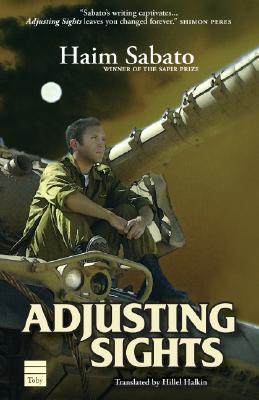
Adjusting Sights
When war breaks out in 1973, childhood friends Haim and Dov are called up together to serve in their tank battalion, but in the chaos of battle the friends are separated. A month later, Haim returns alone, on his first leave home. Struggling to come to terms with his experiences he wonders what happened to Dov during those fateful days.
154 pages, Paperback
First published January 1, 1999
About the author
Haim Sabato
16 books12 followersHaim Sabato is an Israeli rabbi and author.
Haim Sabato was born to a family of Aleppan-Syrian descent in Cairo. In the 1950s, his family immigrated to Israel and lived in a "ma'abara" (transit camp) in Kiryat HaYovel, Jerusalem. He studied at a Talmud Torah in Bayit Vegan, in the vicinity, and after it attended the "Netiv Meir" yeshiva-high school, also in Bayit Vegan. Rabbi Aryeh Bina, Rosh Yeshiva of "Netiv Meir", was one of his key influences.
After graduation, he joined the "Hesder" program at Yeshivat Hakotel, in the old city of Jerusalem, which combines yeshiva studies with military service. His experiences during the Yom Kippur war, at the age of 21, led him to write Adjusting Sights.
After the war, Sabato spent the next few years at Yeshivat Mercaz Harav, the spiritual home of religious Zionism. After receiving rabbinical ordination, Sabato co-founded Yeshivat Birkat Moshe in Ma'aleh Adumim, near Jerusalem, in 1977.
Sabato's lyrical writing, with sentences studded with phrases drawn from, and referring to, passages in the Bible and Talmud has won him numerous fans and made him a symbol of the "pitfalls" of translating literary works form one language to another. He has published four novels in addition to Rabbinical works.
Sabato's first book, Emet Mi Eretz Titzmach, (published in English as Aleppo Tales), is a collection of short stories relating to his family's ancestral home and community of Aleppo, Syria.
Sabato was awarded the Sapir Prize for Literature in its inaugural year, as well as the Yitzhak Sadeh Prize, for his second work, Teum Kavanot (Adjusting Sights in the English translation), a moving account of the experiences of a soldier in the Yom Kippur war. The book has also been made into a film.
His third publication, Ke-Afapey Shachar (published in English as Dawning of the Day: A Jerusalem Tale), tells the story of Ezra Siman Tov, a religious Jerusalemite coming to terms with a changing world.
Sabato's next work, Boyi Ha-Ruach (published in English as From the Four Winds), describes his experiences as an "oleh chadash" (a new immigrant) in the Israeli "ma'abarot" (typical transit camps of the 1950s).
In his most recent book, Be-Shafrir Chevyon, Sabato returns again to his childhood in "Beit Mazmil", Jerusalem, as a newcomer, with memories from Cairo intermingling with adventures in the monastery of Ein-Karem, and the annual Independence Day exhibition in Jerusalem. Again we meet both the Piutim (religious poetry) and Torah study that dominate Sabato's spiritual world, along with his Yom Kippur War memories, all tied together in a constant search of God, Who often hides from the human eye, when the latter needs him most.
Haim Sabato was born to a family of Aleppan-Syrian descent in Cairo. In the 1950s, his family immigrated to Israel and lived in a "ma'abara" (transit camp) in Kiryat HaYovel, Jerusalem. He studied at a Talmud Torah in Bayit Vegan, in the vicinity, and after it attended the "Netiv Meir" yeshiva-high school, also in Bayit Vegan. Rabbi Aryeh Bina, Rosh Yeshiva of "Netiv Meir", was one of his key influences.
After graduation, he joined the "Hesder" program at Yeshivat Hakotel, in the old city of Jerusalem, which combines yeshiva studies with military service. His experiences during the Yom Kippur war, at the age of 21, led him to write Adjusting Sights.
After the war, Sabato spent the next few years at Yeshivat Mercaz Harav, the spiritual home of religious Zionism. After receiving rabbinical ordination, Sabato co-founded Yeshivat Birkat Moshe in Ma'aleh Adumim, near Jerusalem, in 1977.
Sabato's lyrical writing, with sentences studded with phrases drawn from, and referring to, passages in the Bible and Talmud has won him numerous fans and made him a symbol of the "pitfalls" of translating literary works form one language to another. He has published four novels in addition to Rabbinical works.
Sabato's first book, Emet Mi Eretz Titzmach, (published in English as Aleppo Tales), is a collection of short stories relating to his family's ancestral home and community of Aleppo, Syria.
Sabato was awarded the Sapir Prize for Literature in its inaugural year, as well as the Yitzhak Sadeh Prize, for his second work, Teum Kavanot (Adjusting Sights in the English translation), a moving account of the experiences of a soldier in the Yom Kippur war. The book has also been made into a film.
His third publication, Ke-Afapey Shachar (published in English as Dawning of the Day: A Jerusalem Tale), tells the story of Ezra Siman Tov, a religious Jerusalemite coming to terms with a changing world.
Sabato's next work, Boyi Ha-Ruach (published in English as From the Four Winds), describes his experiences as an "oleh chadash" (a new immigrant) in the Israeli "ma'abarot" (typical transit camps of the 1950s).
In his most recent book, Be-Shafrir Chevyon, Sabato returns again to his childhood in "Beit Mazmil", Jerusalem, as a newcomer, with memories from Cairo intermingling with adventures in the monastery of Ein-Karem, and the annual Independence Day exhibition in Jerusalem. Again we meet both the Piutim (religious poetry) and Torah study that dominate Sabato's spiritual world, along with his Yom Kippur War memories, all tied together in a constant search of God, Who often hides from the human eye, when the latter needs him most.
Ratings & Reviews
Friends & Following
Create a free account to discover what your friends think of this book!
Community Reviews
Displaying 1 - 6 of 6 reviews

April 11, 2017
"מישהו טפח על שכמי. מה נשמע? גם בפלוגה שלכם יצא צוות אחד לעשרים וארבע שעות? היה זה מוטי מפלוגה גימ"ל. שוב עלו המראות ואני רציתי שקט. שקט כבר לא יהיה לי.
במוצאי יום הכיפורים נסענו יחד בדרך לטבריה באוטובוס מקריית־נוער. מוטי ישב לפנינו עם שעיה. שעיה נפל. אני ישבתי ליד דוב. דוב נפל. "
סיפור המחדל המזעזע של מלחמת יום כיפור, מסופר מנקודת מבטו של חייל, בן ישיבת הסדר שהתגייס לצנחנים והועבר לשיריון. המספר שירת בחזית הסורית בזמן מלחמת יום כיפור.
רוב הספר מתמקד בתיאור החוויות מהמלחמה והאבל על אובדן חברו דוב. אבל, בין הפרקים ישנם שביבים של תיאור קליטת משפחתם בארץ, בתחילה בטבריה ואז בירושלים.
פרק ח' הוא אחד הפרקים המזעזעים ביותר בספר וכנראה הוא מתאר את אחד הפרקים המבזים בהיסטוריה של מלחמות ישראל . יחידת התיעוד מגיעה למוצב לשמוע את החיילים אחרי שהמלחמה נגמרה. החיילים אחרי שבועות של לוחמה עם ציוד קלוקל וחסר ופקודות עקומות, המומים מהחוצפה של הפיקוד לשלוח אליהם קבוצת קצינים שיתעדו את המלחמה כשהם סיימו את הקרב חבולים ומוכים ושחלקם איבדו חברים.
עוד לפני כן, הפיקוד שלח ליחידה את אות המלחמה. החיילים שזועמים על האופן שבו נשלחו למלחמה, שמו את העיטורים בתיקים.
כל חייל ביחידה נדרש לספר קורות יום אחד. הדובר מבקש לתאר את יום שני (יום הפריצה של צהל), כשהקצין שואל אותו בשיא הטימטום איזה יום שני.
החייל מתאר את הקרב כאשר הטנקים לא היו מצויידים ולא בוצע בהם תיאום כוונות. גם החיילים לא היו מצויידים. הוא מתאר את הפגיעה בטנק שלהם ואת האופן שבו ניצלו בחירוף נפש.
מדובר בתיאורים חיים והרגשתי שנכתבו בדם ליבו של סבתו. אומנם היה ניתן לערוך את הספר טוב יותר, אבל האוטנטיות ורוח שבה נמסרים הדברים מחפים על החסרונות של הספר הזה שאכן ראוי לפרס ספיר שזכה בו.
במוצאי יום הכיפורים נסענו יחד בדרך לטבריה באוטובוס מקריית־נוער. מוטי ישב לפנינו עם שעיה. שעיה נפל. אני ישבתי ליד דוב. דוב נפל. "
סיפור המחדל המזעזע של מלחמת יום כיפור, מסופר מנקודת מבטו של חייל, בן ישיבת הסדר שהתגייס לצנחנים והועבר לשיריון. המספר שירת בחזית הסורית בזמן מלחמת יום כיפור.
רוב הספר מתמקד בתיאור החוויות מהמלחמה והאבל על אובדן חברו דוב. אבל, בין הפרקים ישנם שביבים של תיאור קליטת משפחתם בארץ, בתחילה בטבריה ואז בירושלים.
פרק ח' הוא אחד הפרקים המזעזעים ביותר בספר וכנראה הוא מתאר את אחד הפרקים המבזים בהיסטוריה של מלחמות ישראל . יחידת התיעוד מגיעה למוצב לשמוע את החיילים אחרי שהמלחמה נגמרה. החיילים אחרי שבועות של לוחמה עם ציוד קלוקל וחסר ופקודות עקומות, המומים מהחוצפה של הפיקוד לשלוח אליהם קבוצת קצינים שיתעדו את המלחמה כשהם סיימו את הקרב חבולים ומוכים ושחלקם איבדו חברים.
עוד לפני כן, הפיקוד שלח ליחידה את אות המלחמה. החיילים שזועמים על האופן שבו נשלחו למלחמה, שמו את העיטורים בתיקים.
כל חייל ביחידה נדרש לספר קורות יום אחד. הדובר מבקש לתאר את יום שני (יום הפריצה של צהל), כשהקצין שואל אותו בשיא הטימטום איזה יום שני.
החייל מתאר את הקרב כאשר הטנקים לא היו מצויידים ולא בוצע בהם תיאום כוונות. גם החיילים לא היו מצויידים. הוא מתאר את הפגיעה בטנק שלהם ואת האופן שבו ניצלו בחירוף נפש.
מדובר בתיאורים חיים והרגשתי שנכתבו בדם ליבו של סבתו. אומנם היה ניתן לערוך את הספר טוב יותר, אבל האוטנטיות ורוח שבה נמסרים הדברים מחפים על החסרונות של הספר הזה שאכן ראוי לפרס ספיר שזכה בו.
September 28, 2025
קראתי כשהייתי על גבול לבנון בסדיר.
היכולת של הרב סבתו להכניס אותך לתוך ההרגשות שלו, ממש מחיה את תחושת המלחמה שהיה בו. הפחד, הזכרונות, הרעות.
אחרי שקראתי את הספר הזה ליבי נמשך לקרוא את כל ספריו. אין עוד כתיבה כזאת בדורנו, שימוש כה נרחב ויפה בשפה העברית.
היכולת של הרב סבתו להכניס אותך לתוך ההרגשות שלו, ממש מחיה את תחושת המלחמה שהיה בו. הפחד, הזכרונות, הרעות.
אחרי שקראתי את הספר הזה ליבי נמשך לקרוא את כל ספריו. אין עוד כתיבה כזאת בדורנו, שימוש כה נרחב ויפה בשפה העברית.

May 18, 2026
רומן המלחמה האולטימטיבי שסימן את הדרך לכל כך הרבה ספרים אחריו.
ספר שמצליח להתעלות מעל הזמן.
ספר שמצליח להתעלות מעל הזמן.

October 13, 2023
ספר על מלחמה ועל אדם, אדם דתי במלחמה. את החלקים בהם תוארו קרבות לא כל כך הבנתי, לא יכולתי אפילו לדמיין, מובן רק שהייתה שם ערבוביה ואי סדר שקשה לתאר. אבל נהניתי כל כך מהכתיבה, מהקול הצלול והנקי של הגיבור המאמין
August 25, 2019
הספר הזה הוא יצירת מופת.
זה גם ספר שקשה להיכנס אליו, גדוש בשפה עשירה שמשלבת רפרנסים ישיבתיים, צבאיים, תורניים ועוד. ספר שעובר בין צירי זמן שונים, ספר שכורך ביחד כאב ואמונה.
זה גם ספר שקשה להיכנס אליו, גדוש בשפה עשירה שמשלבת רפרנסים ישיבתיים, צבאיים, תורניים ועוד. ספר שעובר בין צירי זמן שונים, ספר שכורך ביחד כאב ואמונה.
July 17, 2022
כתיבה משובחת עם שילוב נכון של כתיבת קודש.
ספר שמכיל בו הרבה אמונה ואימת המלחמה, הצער והכאב.
ספר שמכיל בו הרבה אמונה ואימת המלחמה, הצער והכאב.
Displaying 1 - 6 of 6 reviews